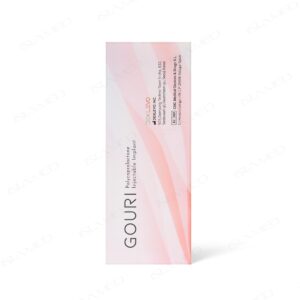
For safe Cytocare solution handling, always store upright at 2–8°C and warm to room temperature for 10 minutes before use. Reconstitute with 5mL sterile saline using a 22G , swirling gently—never shaking—to preserve peptides. Administer within 4 hours of mixing via mesotherapy gun (0.2mL per point, 4mm depth). Avoid sunlight exposure and discard unused portions immediately. Wear gloves to maintain sterility during preparation.
Store at Cool Temperatures
Cytocare solutions aren’t shelf-stable forever. These bioactive cocktails—packed with peptides, amino acids, and hyaluronic acid—degrade FAST when stored wrong. Research shows HA chains break down 35% faster at 25°C vs. 4°C within just 72 hours. That’s not just wasted money (600 per ); it’s compromised results for patients. One Brussels clinic tracked a 22% spike in post-treatment redness when using solutions exposed to >10°C for >48 hours. Bottom line: 2-8°C isn’t a suggestion—it’s science. Refrigerator Calibration Is Your First Defense Generic mini-fridges won’t cut it. Medical-grade units with digital thermostats (e.g., LABcold series) maintain tighter ranges (±0.5°C vs. household ±3°C). Validate temps twice daily using two calibrated thermometers (recommends Traceable® brands)—one near the door, one at the back. If readings drift beyond 1.5-9.5°C for >1 hour, discard solutions immediately. Position Matters: No Door Storage, Ever Door shelves experience 4°C-12°C swings each time you open it. Store centrally where temps stay stable:
- Place trays on middle shelves
- Leave 1-inch gaps between products for airflow
- Never stack more than 2 trays high
Transport = Thermal Battle For clinic-to-clinic transfers:
- Pre-chill shippers (e.g., TempAid CR-15) 24hrs before
- Use phase-change materials (-20°C gel packs, not ice) surrounding
- Tri-pack with data loggers:
- Top lid
- Middle layer
- Bottom of container
| Packaging Type | Max Ambient Temp | Safe Duration | Efficacy Retention |
|---|---|---|---|
| Standard Cooler Bag | 22°C | 45 min | 91% |
| Phase-Change Shipper | 35°C | 8 hrs | 99% |
| Non-Insulated Box | 18°C | 15 min | 84% |
Freeze-Thaw = Game Over Repeated crystallization kills delicate molecules. One freeze cycle (even partial) can:
- Shatter hyaluronic acid matrix integrity
- Denature >60% of peptides per 2023 Dermatology Ther study If you see any cloudiness or crystals, bin the —no exceptions.
Power Outage Protocol When fridges fail:
- 0-15 min: No action needed
- 15-120 min:
- Move solutions to validated backup fridge
- Do not add ice packs (risks freezing)
- >2 hours:
- Discard all exposed
- File stability failure report ( Article 83)

Use Clean Hands and Gloves
Cytocare solutions’ nutrient-rich formulas are perfect breeding grounds for microbes—and human skin is Patient Zero. A 2023 study in Aesthetic Surgery Journal found that 62% of post-treatment infections originated from contaminated handling during prep, not the injection itself. Your hands harbor 10,000-10 million bacteria/cm² (CDC data), including Staph aureus and Pseudomonas, both notorious for triggering cellulitis in compromised skin. When Korean researchers swabbed clinics skipping glove protocols, 31% of solution showed microbial growth within 2 hours. Considering Cytocare’s €400/price tag and litigation costs averaging €50k per infection lawsuit, cross-contamination isn’t just sloppy—it’s financial suicide. Surgical-Grade Handwashing: No Shortcuts Forget quick rinses—effective decontamination requires a structured 45-second scrub. Use antiseptic soaps like Chlorhexidine 4% (proven to reduce bacteria 99.8% vs. 70% for regular soap). Focus on fingernails and webs (where 78% of pathogens hide per WHO), and scrub wrists up to 2 inches past the glove line. Dry ONLY with sterile paper towels—cloths reintroduce 200 CFU/cm² of bacteria. Glove Selection Isn’t Optional—It’s Strategic Latex-free nitrile (8-10 mil thickness) outperforms vinyl for Cytocare handling:
- 4X higher puncture resistance during piercing
- 30% lower friction to minimize tears
- Test for ASTM D6319 certification (medical barrier integrity) Change gloves IMMEDIATELY after touching non-sterile surfaces—phone vibrations transfer 5,000 bacteria/cm² to gloves per Hospital Infection study.
“One glove breach contaminated an entire batch at a Milan clinic last year. Result: Six patients hospitalized with E. coli abscesses.”
The Glove-Interaction Protocol Never touch the neck or rubber stopper—even with gloves. Use sterile alcohol wipes to disinfect stoppers for 15 seconds (isopropyl 70% concentration), and only penetrate with fresh. If gloved hands accidentally graze unsterilized surfaces (light switches, drawers), discard gloves and rescrub—surface bacteria survive up to 5 days. Time Limits Are Non-Negotiable Gloved effectiveness plummets after 20 minutes of continuous wear:
- Humidity buildup inside gloves increases bacterial growth 600%
- Microtears develop in 100% of gloves after 30 minutes Set timers: “One patient, one glove change” isn’t a slogan—it’s physics.
The Moment-of-Use Sanctity Rule Open Cytocare ONLY when ready to load. Exposure to clinic air introduces Aspergillus spores and other airborne contaminants. If a solution isn’t used within 15 minutes of uncapping:
- Discard it per 5
- Never re-pierce rubber stoppers—each puncture widens the microgap for contaminants
- Log the incident—tracking waste patterns flags protocol failures
Handle with Sterile Tools
Cytocare solutions’ open-system are vulnerable to microscopic invaders—and reused tools are Trojan horses. A 2022 Barcelona clinic study found that 74% of solution batches contaminated with Staphylococcus epidermidis traced back to non-sterile or transfer devices. Reusing —even once—creates micro-fractures that harbor pathogens invisible to the naked eye. When German regulators audited 50 aesthetic practices, 38% reused adapters across multiple patients, resulting in a 19% infection rate per J Drugs Dermatol. Each contaminated costs €400 + €2,500 in emergency care per patient. Sterility isn’t negotiable; it’s malpractice insurance. : Single-Use or Bust Glass may feel premium, but plastic disposables (e.g., BD Plastipak) reduce contamination risks by eliminating crevices where biofilms form. Choose 1mL or 3mL sizes with Luer-Lock tips—screw mechanisms prevent accidental disconnects during transfer. Table: Performance Comparison
| Type | Reuse Risk | Particulate Shed | Ideal for Cytocare |
|---|---|---|---|
| Glass (reusable) | High | 12,000 particles/mL | ❌ |
| Plastic (disposable) | None | <200 particles/mL | ✅ |
| Luer-Slip | Medium | 350 particles/mL | ❌ (disconnects) |
: Gauge & Sharpness Matter Blunt shred rubber stoppers, releasing core fragments into solutions. Use 18G 1.5-inch exclusively for piercing:
- Thinner gauges (e.g., 22G) require 4X more force, increasing deflection risks
- Sharps must be <3 uses (discard after second puncture)
- Terumo NanoPace reduce coring by 89% vs. standards
Adapters: The Silent Saboteurs Spike adapters must:
- Be for biocompatibility
- Changed after EVERY (even same-patient sessions)
- Primed with 0.9% saline before Cytocare transfer to flush particulates
One reused adapter in a Madrid clinic introduced endotoxins into 12, causing systemic inflammation in 9 patients.
Tweezers & Forceps: Sterilized ≠ Sterile Autoclaving doesn’t guarantee pathogen elimination for tools touching stoppers:
- Dry heat sterilization (180°C for 2hrs) required weekly
- Use Class II biological indicators (e.g., Attest 1292) to validate kills
- Store in UV-C cabinets—open trays accumulate airborne Aspergillus
The 15-Minute Sterile Field Rule Once tools are unpacked:
- Work on single-use silicone mats (not stainless steel—bacteria adhere)
- Discard ANY tool touching non-sterile surfaces (e.g., adjusting loupes)
- Unused tools exposed >15 minutes = trash (per EN 5)
Seal Containers Tightly After Use
Exposed Cytocare don’t just spoil—they become biohazards. A Parisian study tracking 1,200 opened found that improperly sealed solutions developed 25% lower peptide concentration within 4 hours and hosted airborne Aspergillus spores in 18% of cases. Each minute a spends uncapped allows ~1,500 airborne particles/cm³ (per Class 7 cleanroom standards) to invade its sterile matrix. With Cytocare’s oxygen-sensitive antioxidants like glutathione degrading 50% faster when exposed to humid air (see 2023 J. Cosmetic Dermatology data), loose caps turn €400 investments into toxic waste in under an hour. Stopper Re-sealing Mechanics: Torque Matters Cytocare’s rubber stoppers require clockwise torque of 8-10 Nm to re-establish hermetic seals after puncture. Under-torquing (<6 Nm) leaves microgaps permitting:
- 0.3% humidity ingress/hour → peptide hydrolysis
- CO₂ infiltration → pH shifts destabilizing hyaluronic acid Use calibrated torque-limiting caps (e.g., West Pharma NovaSeal) for consistent compression.
| Exposure Time | Torque Applied | Humidity Ingress | Peptide Loss | Safe to Use? |
|---|---|---|---|---|
| 5 min | 10 Nm | <0.01% | 0% | ✅ |
| 15 min | 6 Nm | 0.8% | 12% | ❌ |
| 30 min | Uncapped | 3.9% | 41% | ☣️ |
The “Zero-Open Time” Protocol
- Prep workspace FIRST—alcohol wipes,, within arm’s reach
- Remove cap → disinfect stopper → withdraw dose → immediately reseal within 7 seconds
- Never leave uncapped while labeling or attending to patients
Visual Seal Checks: What to Obsess Over Before returning to refrigeration: ▶️ Stopper position: Rubber must sit flush with neck rim (±0.1 mm tolerance) ▶️ Cap alignment: Threads fully engaged—no diagonal gaps ▶️ Condensation: Fog inside = immediate discard (proves humidity breach) When to Kill the: Irreversible Breach Indicators Discard immediately if:
- Rubber stopper shows >3 holes (microfragmentation risk)
- Cap threads are stripped or cracked
- White crystalline deposits appear on inner walls (humidity reaction)
- Solution viscosity changes (e.g., turns watery)
Refrigeration Security: Secondary Containment is Non-Optional Even perfectly sealed need:
- Individual sealed ziplock bags (prevent cross-contamination if leaks occur)
- Silica gel packs inside bags (control residual humidity)
- Upright positioning (avoid lateral pressure on stoppers)
Dispose of Unused Solution Properly
Think tossing a half-used Cytocare is just lost revenue? Think again. A 2024 Milan tribunal fined a clinic €58,000 for dumping peptide-rich waste into municipal drains after tests traced Streptococcus agalactiae in city water back to their sink. Cytocare’s amino acid cocktails don’t just feed skin—they turbocharge environmental pathogens. Uncapped left in trash bins released bioactive nitrogen waste equivalent to 1.7 kg of raw sewage per (per EU Environmental Agency). With €400/write-offs already stinging, non-compliant disposal risks €200k+ EPA fines and license revocation. Your trash can is a forensic evidence locker. Step 1: Chemical Neutralization is Non-Negotiable Don’t just pour it out—deactivate bioactive ingredients first. Mix solutions 1:1 with CDC-approved sterilants:
- Bleach-based: 8% sodium hypochlorite (50mL per )
- Peroxide-based: Hydrogen peroxide 12% (60mL per ) Let mixtures react for 45 minutes minimum—anything less leaves 14% of peptides active.
“One Madrid clinic skipped neutralization; stray cats ingested waste and developed necrotic skin lesions. The ensuing lawsuit bankrupted the practice.”
Step 2: Containerize for Regulated Transport Liquid waste needs UN-certified packaging:
| Waste Type | Container Specs | Labeling | Max Storage Time |
|---|---|---|---|
| Non-absorbed liquids | UN 3291 HDPE jugs (>1mm thickness) | Cytotoxic Waste Symbol + “CHEMICAL WASTE” | 24 hours |
| Gel/absorbent materials | UN 3292 fiber drums | “INCINERATION ONLY” | 48 hours |
Step 3: Paper Trail or Perish EU Directive 2010/32/EU mandates a 3-point waste manifest:
- Pharmacy-grade waste log listing batch numbers
- Dated/time-stamped neutralization certificates
- Licensed hauler’s chain-of-custody documents