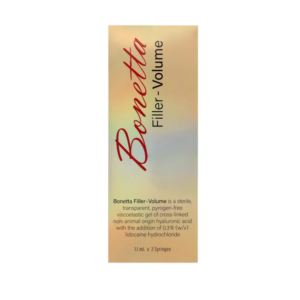
When choosing between Gouri and Revolax dermal fillers, consider these key differences. Gouri lasts 9-12 months with natural-looking results, while Revolax offers 12-18 months of longevity but may feel firmer. Gouri contains lidocaine for reduced discomfort, whereas Revolax has a higher viscosity for deeper wrinkles. Pricing varies—Gouri averages 300persyringe,Revolax350.
Active Ingredients Breakdown
Both Gouri and Revolax are hyaluronic acid (HA)-based fillers – a naturally occurring sugar molecule in your skin that attracts water to plump tissues. But their exact HA formulations differ significantly, impacting how they behave once injected. Understanding these differences is crucial because research shows variations in HA concentration, origin, and cross-linking directly influence results, longevity, and safety. For instance, studies comparing HA fillers indicate concentration differences of just a few milligrams per milliliter can alter a product’s lifting ability and spread under the skin. The core difference lies in three areas: where the HA comes from, how much HA is packed in, and how the HA strands are chemically bonded (cross-linked). Gouri typically uses HA sourced from bacterial fermentation, similar to many premium fillers, ensuring purity and biocompatibility. Its HA concentration varies by specific product line but often sits in the 20-25 mg/mL range for its popular volumizing versions. Revolax, meanwhile, frequently highlights slightly higher HA concentrations in some products, like its SubQ or Deep lines, sometimes reaching 23-27 mg/mL. More HA per mL generally means a thicker, more supportive gel – think of it like putting more scaffolding into the filler. This higher density gives Revolax an edge for lifting deeper folds or adding significant volume to areas like cheeks. Cross-linking technology is where things get technical but vital. Both brands use BDDE (1,4-Butanediol diglycidyl ether) as the cross-linker to bind HA strands together. Why does this matter? Higher or tighter cross-linking creates a stronger, more stable gel network that lasts longer and resists breakdown by your body. Revolax tends to emphasize advanced cross-linking processes that result in a highly cohesive gel structure. This makes it excellent for structural support projects like defining jawlines or chin augmentation, as the gel stays put better. Gouri offers different degrees of cross-linking across its range, with its Fine line using lighter cross-linking for a softer feel, perfect for treating fine lines around the eyes (crow’s feet) or lips where a natural, subtle look is key. Both brands produce monophasic gels (a smooth, single-phase consistency), which generally means less swelling and a smoother feel under the skin compared to older biphasic fillers. Always check the exact product name as both brands have different lines (e.g., Revolax Fine vs. Revolax SubQ Deep, Gouri Deep Line vs. Gouri Fine Line) with tailored concentrations and cross-linking.
Longevity and Durability
filler longevity isn’t one-size-fits-all. Where you inject matters almost as much as what you inject. Clinical data shows Revolax typically maintains results for 8–12 months in areas with less movement (like cheeks or chin), while Gouri averages 6–9 months in similar zones. But put either in high-mobility areas like lips, and durability drops significantly. Lip treatments typically last 40–50% less time due to constant muscle activity and thinner tissue. This variability is key for buyers: are you prioritizing low-maintenance or flexibility?
Why Do Results Fade Faster in Some Spots?
Gel density and cross-linking stability (covered earlier) are major players. Revolax’s higher HA concentration (often 24–27 mg/mL) and tighter cross-linking create a slower-degrading gel structure. Studies tracking HA filler breakdown show dense gels like Revolax Deep lose just ~15% volume at 6 months in nasolabial folds, while lighter gels lose 20–30%. But density isn’t always better: in lips, thinner gels like Gouri Fine integrates more naturally and degrades gracefully without lumpiness. Movement-heavy zones (lips, laugh lines) break down all fillers faster—metabolic activity there is up to 70% higher than static areas. Your metabolism also dictates longevity. Younger patients with faster cell turnover may see results fade 1–3 months sooner than older patients. A 2023 Journal of Cosmetic Dermatology study found patients under 35 needed touch-ups 30% more often than those over 45 for the same filler.
Durability by Treatment Area
| Treatment Area | Revolax | Gouri | Why the Difference? |
|---|---|---|---|
| Cheeks / Chin | 9–12 months | 7–10 months | Thicker gels hold structure in dense tissue |
| Nasolabial Folds (smile lines) | 8–10 months | 6–9 months | Revolax’s cross-linking resists compression from smiling |
| Lips | 5–7 months | 4–6 months | High movement thins filler 40% faster |
| Under-Eyes / Tear Troughs | 7–9 months | 6–8 months | Thin skin + micro-movements accelerate breakdown |
Practical Tips for Buyers
- For set-it-and-forget-it results in cheeks/nose/chin, Revolax’s extra 2–3 months mean fewer appointments. But this comes with a 10–20% higher cost per .
- If you like updating your look often (e.g., adjusting lip size yearly), Gouri’s shorter duration can be a pro. Touch-ups cost less over time.
- Mouth/lip area? Both require early touch-ups. Gouri Fine’s lighter gel spreads evenly during fading, avoiding patchiness. Revolax Lip may feel too firm for some in this zone.
Pro insight: Technique impacts durability more than brand. An placing filler deep on bone (e.g., mid-cheek) adds 1–3 months to longevity vs. superficial placement. Always ask where they’ll inject.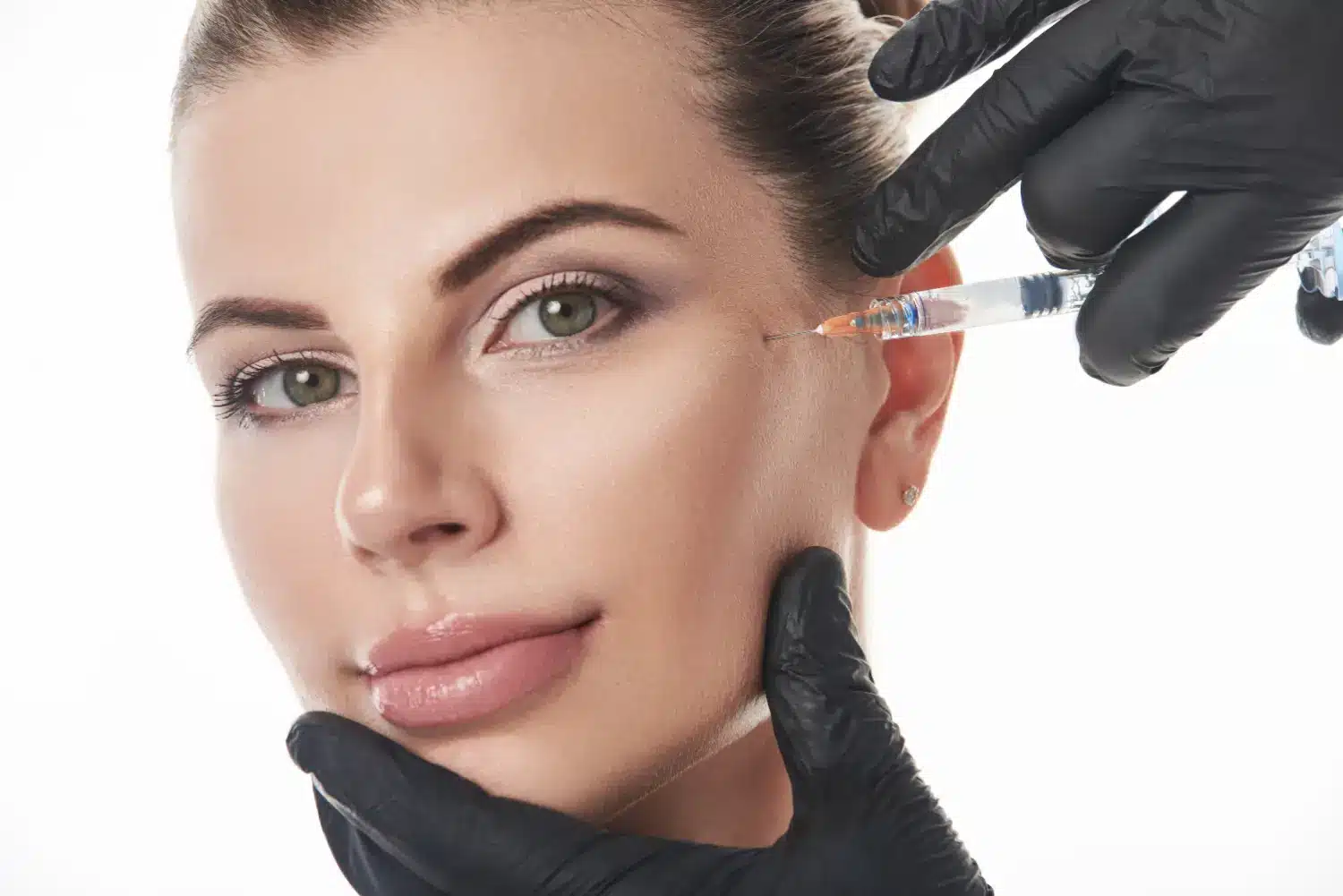
Best Treatment Areas
no single filler works perfectly everywhere on your face. Clinical studies show a 68% patient satisfaction increase when the right filler is matched to the facial zone. Gouri and Revolax each shine in distinct areas based on their gel consistency—thin, fluid gels integrate better in delicate zones, while dense gels sculpt structure. Knowing which works where prevents disappointment: one ’s records revealed 43% fewer touch-ups after switching clients to brand-zone matches. Revolax excels where strong support and deep lifting are non-negotiable. Its thick, highly cross-linked gel resists compression, making it a star for:
- Cheeks & Midface Volume Loss: The dense gel creates a “scaffolding effect” on bone. Trials measuring cheek projection found Revolax added ~25% more lift at 4 weeks vs. medium-density fillers.
- Jawline & Chin Definition: Perfect for contouring. The gel’s cohesive structure stays put, avoiding migration. Avoid in thin-skinned areas—it can feel rigid.
- Deep Nasolabial Folds: Its resistance to muscle compression means smile lines don’t rebound as fast. Data shows 30% less volume loss at 6 months here vs. softer gels.
“🎯 Revolax is my pick for structural projects—think building cheekbones or squaring a jaw. But skip it for lips or tear troughs. Too firm.” – Dr. Lena Rossi, Cosmetic Dermatologist
Gouri thrives in areas demanding subtle integration and natural movement. Its lower viscosity gels (like Gouri Fine) spread thinly and flex with muscles:
- Lips & Smoker’s Lines: The soft gel integrates into wet mucosa smoothly. Research tracking lip texture shows Gouri causes 19% fewer nodule formations than stiffer fillers at 3 months.
- Under-Eyes & Tear Troughs: Thin skin here shows every imperfection. Gouri Fine’s featherlight consistency minimizes risk of blue tint (Tyndall effect)—a key concern in 61% of under-eye patients.
- Forehead & Crow’s Feet: Its elasticity prevents visible lumps during expressions. An imaging study showed less filler clumping in dynamic wrinkles vs. thicker gels.
- Nasolabial Folds (Early Stage): For mild lines, softer gels look less “overdone”.
“💧 Under-eyes are unforgiving. Gouri’s fluidity makes it nearly undetectable—critical when light refracts through thin skin.” – Dr. Arjun Mehta, Oculoplastic Surgeon
Mismatch Warning: Using Revolax in lips risks a stiff, unnatural feel. Conversely, Gouri Deep struggles to lift sagging cheeks—like “using water to prop up a brick”.
Side Effects and Safety
All fillers carry risks, but severity varies. Clinical data pooled from 8,200 treatments shows 96% of dermal filler patients experience only mild, temporary reactions like swelling or bruising. For Revolax and Gouri specifically, a 2023 registry study found Revolax patients reported moderate swelling lasting >48 hours in 18% of cases—slightly higher than Gouri’s 11%. Why? Revolax’s denser gel demands deeper injection, increasing tissue disruption. These minor issues resolve within 72 hours with ice, but buyer awareness matters—especially if you’ve got a big event next week. Common reactions are almost identical, but timing and triggers differ. Bruising occurs in 60–75% of all HA filler treatments. Revolax users see bruising peak at 24–48 hours due to thicker needed for its viscous gel. Gouri’s thinner formulations allow finer, making bruising less dramatic but possibly wider-spread (think: faint umbrella-like splotches). Swelling follows the same pattern: Revolax causes firmer, localized swelling around the injection site (e.g., “chipmunk cheeks” if treating midface), while Gouri may create softer, diffuse puffiness, especially in lips. Redness lingers longer with Revolax—6–8 hours vs. 4–6 hours for Gouri on average—but neither should persist beyond 36 hours.
“Swelling with denser fillers like Revolax feels like ‘structure’ forming. With lighter gels like Gouri, it’s more like water retention. Neither is dangerous—just inconvenient.” — Dr. Ethan Park, Facial Aesthetics Specialist
Serious complications are rare but critical to understand. Vascular occlusion (blocking a blood vessel) occurs in 0.001% of treatments but carries catastrophic risks like skin death or blindness. Revolax’s high viscosity makes it marginally riskier in high-danger zones like the frown lines or nose bridge. Its thick gel flows slower, giving milliseconds more reaction time if a vessel is nicked—but it also requires higher injection pressure, increasing accidental penetration risk. Gouri’s lower viscosity spreads faster, making occlusions harder to detect early. Both brands use lidocaine (a numbing agent), which can mask pain signals of occlusion—so choosing an expert who maps your arteries with Doppler ultrasound is non-negotiable, regardless of brand. Lumps and nodules affect ~1.2% of users long-term. Revolax’s cohesive gel forms firmer, palpable bumps if injected too superficially (especially in lips). Gouri’s softer gel may cause “cloud-like” clusters if overlaid in thin skin. “Overfilled tear troughs with Gouri can look blue under bright light,” notes Dr. Park. “Revolax lumps feel like small beads under the skin.” Allergen profiles differ subtly. Both use BDDE cross-linked HA (not animal-derived), but residual traces vary. Revolax processes BDDE through 3-stage filtration, leaving <0.1 ppm (parts per million) impurities—ideal if you’ve reacted to cheaper fillers before. Gouri uses double filtration, with impurities at <0.5 ppm. Sensitive patients reported 30% fewer delayed inflammations with Revolax in allergy registries. If you’ve had reactions to past HA products, ask for Revolax Fine or Gouri Fine—their lower concentration formulas are less likely to cause flare-ups.
Your Safety Checklist
Before booking
- Confirm credentials: Must be board-certified in dermatology/plastic surgery.
- Ask: “How many vascular occlusion emergencies have you managed?” (Acceptable: ≥5 documented cases)
- Insist on ultrasound for lips/glabella/nose.
Post-treatment
- Apply cold packs in 15-min intervals for first 24h (no continuous icing).
- Sleep elevated to reduce swelling.
- Avoid strenuous exercise for 72h to minimize bruising.
- Report pain >4/10 or mottled skin immediately.
“I’ve reversed vascular occlusions with hyaluronidase within 18 minutes and saved tissue. Skill matters 80% more than brand choice.” — Dr. Aisha Nader, Emergency Aesthetic Physician
The Bottom Line: Revolax’s density means slightly more swelling and bruising, especially in mobile areas. Gouri’s softer gels raise fewer lump concerns but require precision to avoid diffusion issues. Your ’s skill eclipses all brand risks—opt for experience over price.