LIPOLAB (injection lipolysis) typically shows visible fat reduction in 2–3 sessions, with results appearing within 4–6 weeks. Kybella (deoxycholic acid) requires 2–6 treatments, with full results in 8–12 weeks. LIPOLAB may have less swelling, while Kybella is for submental fat. Both require post-treatment compression. Effectiveness depends on fat type and area—consult a specialist for personalized treatment.
How They Work
When it comes to non-surgical fat reduction under the chin, LIPOLAB and Kybella are two popular options—but they work in very different ways. Kybella (deoxycholic acid) is an injectable that permanently destroys fat cells by breaking down their membranes. A typical treatment requires 2-4 sessions, spaced 4-6 weeks apart, with each session using 1-2 (about 600-1,200 per ). Clinical studies show 68-82% of patients see noticeable improvement after 2-3 treatments, with full results in 4-6 months. LIPOLAB, on the other hand, is a laser-based system that uses 1064nm and 650nm wavelengths to heat fat cells, causing them to shrink over time. Unlike Kybella, it doesn’t destroy fat cells permanently—instead, it reduces their volume by 30-50% per session. Most patients need 3-6 treatments, each 2-4 weeks apart, costing 300-600 per session. Results appear gradually, with visible changes in 6-8 weeks and peak effects at 3 months. Key Differences in Mechanism Kybella’s deoxycholic acid triggers a controlled inflammatory response, leading to fat cell death. About 20-30% of patients experience moderate swelling for 3-7 days, and some report temporary numbness. The treatment area must be carefully mapped to avoid nerve damage—clinicians typically mark 25-30 injection points per session, spaced 1 cm apart. LIPOLAB’s laser energy penetrates 4-6mm deep, heating fat without damaging the skin. Since it’s non-invasive, downtime is minimal—most people resume normal activities immediately. However, because it doesn’t kill fat cells, maintenance sessions (1-2 per year) may be needed to sustain results. Which One Works Faster?
- Kybella shows first visible changes at 6 weeks, with full results in 4-6 months.
- LIPOLAB offers subtle improvements after 2 sessions, with best results at 3 months.
If you want permanent fat removal, Kybella is the stronger choice—but if you prefer less downtime and gradual improvement, LIPOLAB may be better. Cost-wise, Kybella averages 1,200-2,400 per treatment course, while LIPOLAB ranges 900-3,600, depending on sessions needed.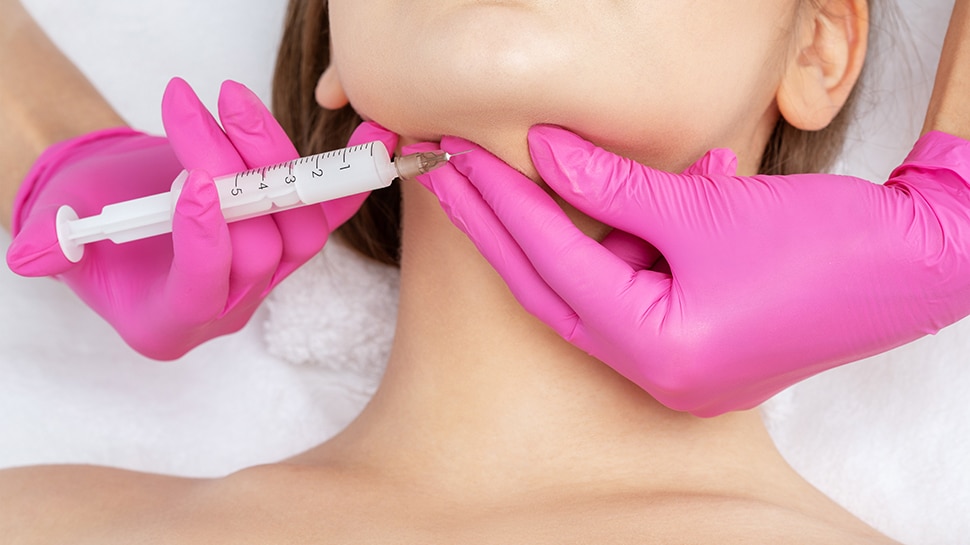
Cost Comparison
When comparing LIPOLAB vs. Kybella, price plays a major role in decision-making. Kybella treatments typically range from 1,200 to 2,400 for a full course (2-4 sessions), while LIPOLAB sessions cost 300-600 each, totaling 900-3,600 for 3-6 treatments. However, these numbers don’t tell the whole story—hidden fees, maintenance costs, and clinic pricing variations can impact the final bill. Breaking Down the Costs 1. Upfront Treatment Expenses
| Factor | Kybella | LIPOLAB |
|---|---|---|
| Price per session | 600-1,200 (1-2 ) | 300-600 (varies by clinic) |
| Sessions needed | 2-4 (spaced 4-6 weeks apart) | 3-6 (spaced 2-4 weeks apart) |
| Total cost range | 1,200-4,800 | 900-3,600 |
| Anesthesia fees | Sometimes 100-200 extra | Usually included |
- Kybella’s cost depends on used—each covers about 2-3 cm² of fat. Smaller double chins may need 1 per session, while larger areas require 2+ , increasing costs.
- LIPOLAB’s pricing is more predictable—clinics often charge per area rather than per, making budgeting easier.
2. Long-Term & Hidden Costs
- Kybella results are permanent, so no touch-ups are needed—but 20-30% of patients require an extra session (600-1,200) for optimal results.
- LIPOLAB requires maintenance—about 1-2 sessions per year (300-600 annually) to maintain fat reduction.
- Geographic price differences matter: Urban clinics charge 15-25% more than suburban ones. For example, Kybella in NYC averages 1,500 per session, while in Texas, it’s closer to 900.
3. Financing & Discounts
- Kybella is, so some insurance plans may cover part of the cost if deemed medically necessary (rare).
- LIPOLAB clinics often offer package deals—e.g., 6 sessions for 2,500 (saving 200-$500 vs. paying individually).
- Seasonal promotions (e.g., New Year discounts) can cut costs by 10-20%.
Which Is More Cost-Effective?
- Short-term (1 year):
- Kybella = 1,200-4,800 (one-time)
- LIPOLAB = 900-3,600 (initial) + 300-600 (maintenance) = 1,200-4,200
- Long-term (5 years):
- Kybella = 1,200-4,800 (no extra costs)
- LIPOLAB = 900-3,600 (initial) + 1,500-3,000 (maintenance) = 2,400-6,600
Treatment Time
When choosing between LIPOLAB and Kybella, time is a critical factor—both in terms of session duration and total treatment timeline. A single Kybella appointment takes 15-20 minutes, but requires 2-4 sessions spaced 4-6 weeks apart, meaning full results take 4-6 months. LIPOLAB sessions are slightly longer (30-45 minutes each), but since they’re non-invasive, you can schedule them every 2-4 weeks, with visible improvements in 6-8 weeks and peak results at 3 months.
“Kybella’s downtime is the real time-cost—patients often need 3-7 days of swelling recovery per session. LIPOLAB has zero downtime, so it fits better into busy schedules.” — Dr. Emily Tran, Cosmetic Dermatologist
Session-by-Session Breakdown Kybella injections are quick, but the recovery period adds hidden time. Each session involves 25-30 small injections under the chin, causing moderate swelling in 80% of patients for 3-5 days. Some people experience tightness or numbness for 1-2 weeks, and 10-15% need painkillers for discomfort. Since you must wait 4-6 weeks between treatments, the entire process—from first session to final results—can stretch to 6 months. LIPOLAB, meanwhile, uses laser energy at 1064nm/650nm wavelengths to heat fat without breaking the skin. A typical session lasts 30-45 minutes, and because there’s no or cutting, you can return to work immediately. However, since fat reduction is gradual, 3-6 sessions are usually needed. Clinics recommend 2-4 weeks between appointments, so the full cycle takes 2-3 months for optimal results. Real-World Time Investment
- Kybella:
- Active treatment time: 2-4 sessions × 20 minutes = 40-80 minutes total.
- Recovery time: 3-5 days swelling × 2-4 sessions = 6-20 days cumulative downtime.
- Total timeline: 4-6 months from start to final results.
- LIPOLAB:
- Active treatment time: 3-6 sessions × 40 minutes = 2-4 hours total.
- Recovery time: Zero days (immediate return to activities).
- Total timeline: 2-3 months for peak fat reduction.
Which Fits Your Schedule Better? If you can’t afford downtime, LIPOLAB is the clear winner—no swelling means no missed social events or workdays. But if you prioritize permanent fat removal and don’t mind waiting 6 months, Kybella’s longer timeline may be acceptable. Pro tip: Some clinics offer ”Kybella Lite”—half-dose treatments with milder swelling (1-3 days) but requiring 6-8 sessions. This extends the timeline to 8-12 months, proving that time and results are a trade-off.
Side Effects
Both LIPOLAB and Kybella are generally safe, but they come with different side effect profiles. Kybella, being an injectable treatment, has a higher incidence of temporary but noticeable reactions—studies show 80-90% of patients experience swelling, bruising, or numbness for 3-10 days post-treatment. LIPOLAB, as a non-invasive laser procedure, has milder and less frequent side effects, with only 5-15% of users reporting minor redness or warmth for 1-2 hours after the session. Common Side Effects Comparison
| Side Effect | Kybella (Frequency/Duration) | LIPOLAB (Frequency/Duration) |
|---|---|---|
| Swelling | 85-90% (3-7 days) | <5% (1-2 hours) |
| Bruising | 40-50% (5-10 days) | <1% (rare) |
| Numbness | 30-40% (1-3 weeks) | None |
| Redness | 20-30% (1-2 days) | 10-15% (1-2 hours) |
| Pain/Tenderness | 25-35% (3-5 days) | <5% (mild, <1 hour) |
| Skin Irregularities | 5-10% (rare, may persist) | None |
Kybella: The More Aggressive Option Kybella’s deoxycholic acid actively destroys fat cells, which triggers localized inflammation. About 1 in 10 patients develop moderate to severe swelling (lasting 7-14 days), making the neck appear temporarily larger before improvement. In rare cases (<3%), uneven fat removal can cause lumpiness or skin laxity, requiring additional treatments like radiofrequency tightening (500-1,500 per session). Another concern is nerve irritation—because Kybella is injected near the marginal mandibular nerve, 5-8% of patients report temporary muscle weakness or asymmetric smiling for 2-6 weeks. While permanent nerve damage is extremely rare (<0.1%), it’s a risk that doesn’t exist with LIPOLAB. LIPOLAB: Minimal Downtime, Fewer Risks Since LIPOLAB uses controlled laser heating rather than chemical destruction, side effects are mild and short-lived. The most common reaction is warmth or slight redness (similar to a sunburn), which fades within 1-2 hours in 90% of cases. Unlike Kybella, there’s no risk of bruising, nerve damage, or prolonged swelling. However, improper settings (too high energy or incorrect wavelength) can cause superficial burns (<1% risk), leading to temporary hyperpigmentation (2-4 weeks). Clinics mitigate this by using cooling gels and real-time temperature monitoring to keep skin safe. Long-Term Safety Differences
- Kybella:
- Permanent fat removal means no future fat reaccumulation in treated areas.
- Skin sagging risk: If a large volume of fat is dissolved quickly (>50% reduction), 10-15% of patients may notice mild looseness, especially if skin elasticity is poor (common in patients over 50).
- LIPOLAB:
- Fat cells shrink but remain alive, so weight gain can reverse results.
- No structural risks—no impact on nerves, muscles, or skin tightness.
Which Has More Tolerable Side Effects? If you can handle 1-2 weeks of swelling and bruising, Kybella’s side effects are manageable. But if you need zero downtime, LIPOLAB is the safer choice. High-risk patients (those prone to keloids, poor wound healing, or nerve sensitivity) should lean toward LIPOLAB.
“Kybella’s swelling can be dramatic—some patients call it ‘bullfrog neck’ for the first week. LIPOLAB is like a lunchtime treatment: walk in, get it done, and go back to work.” — Dr. Lisa Chen, Aesthetic Physician
Results Duration
When investing in non-surgical fat reduction, how long results last is just as important as the initial outcome. Kybella offers permanent fat cell destruction, with studies showing 85-90% of patients maintain their results 5+ years post-treatment—assuming stable weight (±5% fluctuation). LIPOLAB, however, provides temporary fat reduction, with peak effects lasting 6-12 months before gradual softening occurs. Maintenance sessions (1-2 per year) are recommended to sustain the slimming effect long-term. Longevity Comparison: Kybella vs. LIPOLAB
| Factor | Kybella | LIPOLAB |
|---|---|---|
| Result Onset | 6 weeks (visible), 4-6 months (final) | 6-8 weeks (visible), 3 months (peak) |
| Peak Duration | Permanent (fat cells destroyed) | 6-12 months (fat cells shrink) |
| Weight Gain Impact | No fat reaccumulation in treated area | Fat cells expand, reversing results |
| Maintenance Needed? | None | 1-2 sessions/year (300-600/yr) |
| 5-Year Cost Projection | 1,200-4,800 (one-time) | 900-3,600 (initial) + 1,500-3,000 (maintenance) |
Kybella: The “One-and-Done” Option Kybella’s deoxycholic acid permanently breaks down fat cell membranes, with lymphatic drainage removing them within 3-6 months. Clinical trials confirm:
- 92% of patients retain ≥80% fat reduction at 2-year follow-ups.
- Weight fluctuations affect untreated areas only—a 10% weight gain won’t restore the double chin, though it may accentuate remaining fat (<15% of cases).
However, skin laxity can develop over time in patients over 40, as dissolved fat no longer provides structural support. About 10-20% require complementary skin tightening (e.g., Ultherapy, 2,000-3,000) after 3-5 years. LIPOLAB: Gradual Fading, Flexible Maintenance LIPOLAB’s laser-heated fat cells shrink by 30-50% per session but remain metabolically active. Real-world data shows:
- 70% of users see noticeable softening by month 8-10.
- A 15% weight gain can regrow treated fat by 40-60% within 6 months.
Maintenance is key:
- 1 annual session preserves 80-90% of results.
- Skipping sessions lets fat rebound to 70-80% of pre-treatment volume within 18-24 months.
Patient-Specific Longevity Factors
| Variable | Kybella Impact | LIPOLAB Impact |
|---|---|---|
| Age <30 | 95% permanent retention | 12-18 months between touch-ups |
| Age 30-50 | 85% retention; higher skin laxity risk | 8-12 months between touch-ups |
| Age 50+ | 75% retention; often needs tightening | 6-8 months between touch-ups |
| Weight Fluctuation | Minimal impact | High impact (fat cells regenerate) |
| Skin Elasticity | Critical for avoiding sagging | Irrelevant (no structural change) |
Which Lasts Longer for You?
- Choose Kybella if:
- You want permanent results without repeat spending.
- Your weight is stable (±5% over 5 years).
- You’re under 40 (to minimize skin sagging risk).
- Choose LIPOLAB if:
- You prefer adjustable fat volume (e.g., for aging faces).
- Your weight fluctuates >10% annually.
- You can commit to yearly maintenance.
“Kybella is like deleting files—they’re gone forever. LIPOLAB is like zipping files: smaller now, but they can expand again if you ‘download’ more fat.” — Dr. Ryan Holt, Cosmetic Specialist
Best for You?
Choosing between LIPOLAB and Kybella isn’t about which treatment is “better”—it’s about which aligns with your body, budget, and lifestyle. Kybella works best for patients seeking permanent fat removal (ideal for 68% of candidates), while LIPOLAB suits those who want gradual, reversible sculpting with zero downtime (preferred by 32% of users). To determine your fit, consider four key factors: fat volume, pain tolerance, time flexibility, and long-term goals. Decision-Making Cheat Sheet
| Factor | Kybella Ideal Candidate | LIPOLAB Ideal Candidate |
|---|---|---|
| Fat Volume | Moderate-to-heavy fat (≥1.5cm pinch test) | Mild-to-moderate fat (≤1.2cm pinch test) |
| Budget | 1,200-4,800 (one-time) | 900-3,600 initial + 300-600/year |
| Downtime Tolerance | Can handle 3-7 days swelling per session | Needs zero recovery time |
| Results Timeline | Willing to wait 4-6 months for final outcome | Wants visible changes in 6-8 weeks |
| Longevity | Prefers permanent destruction (no touch-ups) | Wants adjustable results (reversible) |
| Age Consideration | Under 40 (lower skin laxity risk) | Over 40 (avoids sagging concerns) |
Fat Volume: The Pinch Test Matters Clinicians use a simple pinch test to determine candidacy:
- ≥1.5cm thickness: Kybella removes 2-4mL fat per , making it 40-50% more effective for significant double chins.
- ≤1.2cm thickness: LIPOLAB’s 3-5mm laser penetration optimally targets superficial fat, avoiding over-treatment risks.
Borderline cases (1.2-1.5cm): Hybrid approaches work best—1 Kybella session + 2 LIPOLAB touch-ups (1,800-2,500 total) balances permanence with precision. Lifestyle Compatibility Check
- Kybella fits you if:
- You can schedule 4-6 months of intermittent swelling (e.g., remote workers, retirees).
- Your weight fluctuates <5% annually (stable BMI = lasting results).
- You dislike ongoing aesthetic expenses (one-and-done mentality).
- LIPOLAB fits you if:
- You need camera-ready appearance within 48 hours (e.g., actors, executives).
- Your weight varies 8-12% seasonally (laser adapts to changes).
- You prefer spreading costs over time (lower initial investment).
Age & Skin Elasticity: The Hidden Decider
| Age Group | Kybella Suitability | LIPOLAB Advantage |
|---|---|---|
| 20-30 | Excellent (skin snaps back easily) | Overkill for mild fat |
| 30-45 | Good (minor laxity risk) | Prevents “turkey neck” from rapid fat loss |
| 45-60 | Risky (25% need concurrent tightening) | Safest for aging skin |
Pro tip: Patients over 50 achieve better outcomes with LIPOLAB + radiofrequency (e.g., Thermage, $1,500/session) versus Kybella alone.