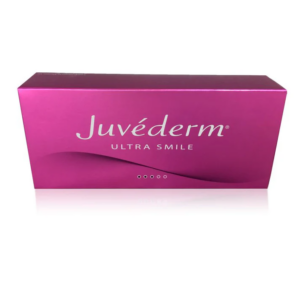
Juvederm and Radiesse are distinct dermal fillers defined by their chemical composition and structural impact on the skin. Juvederm utilizes a hyaluronic acid (HA) gel base available in varying consistencies (using Hylacross and Vycross technologies) to provide immediate, reversible volume for softer areas like the lips and nasolabial folds, with effects lasting from 6 to 24 months depending on the specific formula. Conversely, Radiesse is a semi-permanent biostimulator composed of Calcium Hydroxylapatite (CaHA) microspheres that provides immediate structural lift and triggers long-term natural collagen production, making it superior for contouring the jawline, chin, and hands with durable results persisting for 12 to 24 months.
Key Differences
Juvederm is composed of non-animal source cross-linked hyaluronic acid (HA), relying on its hydrophilic properties to absorb water for volume filling. Its texture is soft and can be completely dissolved and reversed via hyaluronidase. Radiesse consists of 30% Calcium Hydroxylapatite (CaHA) microspheres suspended in a 70% water-based gel carrier. It has high viscoelasticity (High G-Prime), can provide bone-like hardness and support, and stimulates the body to produce Type I collagen, but its effect is irreversible and one must wait for natural metabolism by the human body.
Material Composition
Juvederm
It is a highly chemically modified cross-linked Hyaluronic Acid. Source and Bacterial Fermentation Juvederm does not contain any animal proteins (some older types of hyaluronic acid were extracted from rooster combs and were prone to allergies). It is produced through bacterial fermentation of Streptococcus equi. This biosynthetic technology can produce high-purity sodium hyaluronate, which has the exact same structure as that naturally existing in human skin, resulting in extremely low allergic reactions. The Role of Cross-linking Agent BDDE Natural hyaluronic acid is metabolized in the skin within approximately 24 to 48 hours, failing to provide a filling effect. To make it last in the body for 6 to 18 months, manufacturers add a chemical cross-linking agent called 1,4-butanediol diglycidyl ether (BDDE).
- BDDE acts like “glue,” binding long chains of hyaluronic acid molecules together to form a three-dimensional network structure.
- The denser this network structure, the harder it is for enzymes in the body to decompose it, and the longer the maintenance time.
Two different gel technologies: Hylacross and Vycross The ingredients within the Juvederm family also vary greatly, mainly divided into two types of technologies, which determine their water absorption and hardness:
- Hylacross Technology (such as Juvederm Ultra series): Uses single high-molecular-weight hyaluronic acid chains. This gel is characterized by a relatively low degree of cross-linking but very long molecular chains, which makes it extremely hydrophilic. After injection, it absorbs a large amount of water and expands in volume. This is suitable for areas that need to look “plump” like the lips, but it can easily cause swelling under the eyes.
- Vycross Technology (such as Voluma, Volbella, Vollure): This is a newer technology that mixes high-molecular-weight and low-molecular-weight short chains of hyaluronic acid. This mixture allows the molecules to be arranged very tightly (cross-linking efficiency is twice that of Hylacross).
- High Concentration: The concentration of hyaluronic acid in the Vycross series is usually higher (e.g., Voluma reaches 20 mg/mL), but with less BDDE residue.
- Low Water Absorption: Because the structure is so tight, it is difficult for water molecules to enter, so there is almost no swelling after injection. This is why Voluma can be used for deep bone support.
Radiesse
Its composition is 30% microspheres plus a 70% gel carrier. 30% Calcium Hydroxylapatite (CaHA) microspheres This is the solid part that makes Radiesse work.
- Composition Consistency: The chemical formula of Calcium Hydroxylapatite consists mainly of calcium ions and phosphate groups. This is identical to the mineral components in human bones and teeth. Because it is biosynthesized (not ground from bone), it does not cause immune rejection.
- Microsphere Size Control (25-45 microns): This is a very specific data range.
- If the microspheres are smaller than 25 microns, human macrophages (immune cells) will directly engulf them, and the effect will disappear immediately.
- If the microspheres are larger than 45 microns, they may make the skin surface feel grainy.
- Radiesse controls all microspheres between 25 and 45 microns, and the surfaces are very smooth. This size is just right so that macrophages “cannot move” them and can only surround them, thereby stimulating surrounding cells to work (growing collagen).
70% Water-based Gel Carrier (CMC) When you see a doctor push the, the white paste pushed out is mostly this carrier. Its scientific name is Sodium Carboxymethylcellulose, mixed with glycerin and sterile water.
- Temporary Role: The only role of this gel carrier is to deliver the CaHA microspheres uniformly under the skin and provide instant filling volume.
- Rapid Metabolism: This carrier is water-soluble and will be completely absorbed and metabolized by the body about 2 to 3 months after injection.
- Handover: When the carrier disappears, the CaHA microspheres have already been encapsulated by new collagen fibers. Therefore, the effect of Radiesse is first supported by the gel, then the gel retreats, and the microspheres and new tissue take over to continue the support.
Intuitive Differences in Physical Form Juvederm (Monophasic Gel): Looks like clear jelly or glue. It is homogeneous (Monophasic) and feels very smooth when rubbed with fingers. This homogeneous structure means it can integrate seamlessly with the surrounding skin tissue through osmosis after injection (Tissue Integration). Radiesse (Biphasic Paste): Looks like toothpaste and is milky white and opaque. Because it has countless tiny solid particles suspended inside, its viscosity is extremely high. Its cohesivity is much stronger than Juvederm, which means it does not spread easily. Injected on the periosteum, it acts like artificial cartilage, resisting the pressure of the muscles above without deforming, but it is difficult for it to “merge” with the dermis soft tissue like Juvederm. Therefore, if it is injected too shallowly, white marks can be seen with the naked eye.
Mechanism of Action
Juvederm
Strong Water Locking Produces Support Hyaluronic acid molecules themselves are hydrophilic. The gel grid formed by Juvederm through cross-linking technology has a large number of hydrophilic groups on each molecular chain.
- Hygroscopic Expansion: Once the gel enters the dermis or subcutaneous tissue, it immediately captures water from the surrounding tissue fluid. Theoretically, 1 gram of hyaluronic acid can bind 6 liters of water (although this limit cannot be reached in the body environment compressed by skin, the water-binding capacity is still amazing).
- Volume Maintenance: This water-absorbing behavior creates an outward expansion pressure (Turgor Pressure). It is this pressure that pushes open the originally shriveled tissue and lifts the wrinkles. For products like Juvederm Ultra using Hylacross technology, the water absorption rate is very high, so doctors usually predict that the lips will be more swollen the next day than immediately after injection.
Isovolumetric Degradation Mechanism This is the technical secret that allows Juvederm to maintain for 1 year or even longer. Usually, we think that if half of the filler is metabolized, the effect will weaken by half, but Juvederm follows isovolumetric degradation.
- Early Stage: When first injected, the cross-linking network in the gel is very dense, mainly relying on the gel itself to occupy space.
- Middle Stage: As the hyaluronidase originally present in the body begins to cut the cross-linking bonds, the gel network begins to loosen.
- Compensatory Effect: Miraculously, when the cross-linking bonds break, the originally coiled molecular chains unfold, exposing more hydrophilic binding sites. This means that although the total mass of the gel is decreasing, the water it binds increases.
- Result: This additional water exactly fills the vacancy of the metabolized gel. Therefore, patients will feel that the filling effect has almost no decay for a long period of time, until it suddenly disappears in the final disintegration stage.
Tissue Integration If using Vycross technology (such as Voluma), its mechanism also includes extremely high tissue compatibility. Due to the dense arrangement of alternating long and short molecular chains, it does not form an obvious “foreign body mass” like traditional fillers, but instead penetrates into the gaps of collagen fibers. In about two weeks, the gel can be tightly intertwined with the subcutaneous tissue. When making expressions, it looks like it has grown together with the flesh, rather than having a prosthesis under the skin.
Radiesse
The First Three Months In the first 90 days after injection, Radiesse works no differently than ordinary fillers.
- Carrier Working: The 70% CMC gel carrier undertakes all filling tasks. It supports the depressions and provides immediate satisfaction.
- Microspheres in Place: At this time, the 30% CaHA microspheres are only suspended in the gel, uniformly distributed at the injection site, and have not yet begun to exert biological effects.
After Three Months Approximately 12 weeks after injection, there is a critical handover period. The water-soluble CMC gel carrier will be metabolized and absorbed by the body.
- Volume Drop: At this stage, some patients may feel that the filling site has flattened slightly, because the volume of the 70% carrier is disappearing.
- Scaffold Exposure: As the gel recedes, the CaHA microspheres remain in place. At this point, they are no longer suspended matter but are stacked together to form a porous biological scaffold.
Stimulating Regeneration (Neocollagenesis) The human immune system discovers these CaHA microspheres as “foreign bodies,” but because their surfaces are too smooth and their size is too large (25-45 microns), phagocytes cannot eat them.
- Fibroblasts Enter: Since they cannot be eaten, the body decides to “wrap them up.” The body will recruit a large number of fibroblasts to gather on the surface of the microspheres.
- Mechanical Tension Stimulation: When fibroblasts cling to the hard surface of the microspheres, they are stretched. This mechanical stretching signal activates gene expression within the cell nucleus, commanding the cells to start producing matrix frantically.
- Collagen Net: Fibroblasts will secrete collagen and elastin, weaving a net to tightly encapsulate the microspheres.
- Type I Collagen: Histological sections show that Radiesse mainly induces the production of Type I collagen. This type of collagen is thick and tough, and is the main component of the skin’s supporting structure, rather than the messy Type III collagen commonly found in scar tissue.
Hardness and Feel Comparison
Juvederm
Dynamic Following Because it is a gel, Juvederm has excellent cohesivity but low hardness. This makes it very compliant.
- Natural Expression: When you laugh or speak, facial muscles will violently squeeze the filler under the skin. Juvederm will deform along with the muscle squeeze and bounce back after the expression ends.
- Traceless Touch: Injected in soft tissue areas like the lips or nasolabial folds, about two weeks after the swelling subsides, if you pinch it with your hand, you cannot feel anything inside at all. It feels almost identical to the surrounding fat and connective tissue.
Tissue Integration Degree This is a major feature of hyaluronic acid. Viewed under a microscope, after Juvederm is injected, it gradually penetrates into the collagen fiber gaps within the skin. It does not isolate itself into a “ball,” but instead is like water soaking into a sponge, growing together with your flesh. So to the touch, it feels like part of your skin, with no obvious sense of boundary. Diffusion Risk Everything has two sides. Because it is soft and easily deformed, if a doctor injects too much at the same point (Bolus injection), or if the injection site has no bone for support, Juvederm may experience slight “displacement” or diffuse outward. This is like pouring a puddle of thick syrup on a table; over time, it will always slowly flatten, becoming wider and flatter.
Radiesse
Vertical Supporting Force This is the trump card of Radiesse. Thanks to those 30% CaHA microspheres, these tiny solid particles stack together to form extremely strong structural strength.
- Tent Effect: If your skin is compared to a tent cloth, collapse is because the pole has fallen. Filling with Juvederm is like stuffing a pile of cotton into the tent; although it bulges, it is soft; filling with Radiesse is like re-erecting a steel pole, which can forcibly lift the skin, creating very sharp lines.
- High Viscosity Fixation: The viscosity of Radiesse is very high. This means wherever it is injected, it will stay there firmly, with almost no flow around it. This characteristic makes it very suitable for shaping the angle of the jawline or the straight line of the bridge of the nose; it maintains whatever shape it is injected into.
Incompressibility If you press hard on the cheekbones injected with Radiesse, you will feel it is hard underneath. It will not be easily flattened like hyaluronic acid. For patients with severe chin recession, this hardness is crucial. If a material that is too soft is used to fill the chin, when the mentalis muscle exerts force during speaking, the filling material in the chin will bulge out to the sides due to compression, which looks very strange; whereas Radiesse can resist this muscle pressure and maintain the sharp shape of the chin. Difference in Feel
- Initial Feel: In the first few days after injection, you may feel hard lumps under the skin, and even feel obvious edges. This is normal because it is a suspension of solid microspheres.
- Later Changes: As collagen encapsulates the microspheres, this rigid sense of edges will soften, but the overall base remains tough. It will never become as soft as jelly; it always provides an elastic touch similar to autologous cartilage.
Best For
With its hydrophilicity and reversibility (can be dissolved with hyaluronidase), Juvederm (hyaluronic acid) is the first choice for filling delicate areas such as the lips (Lip Augmentation) and tear troughs (Tear Troughs), and is especially suitable for first-time . In contrast, Radiesse, relying on high viscosity and the strong supporting force provided by 30% Calcium Hydroxylapatite (CaHA) microspheres, is specifically targeted at jawline contouring, deep wrinkles, and hand rejuvenation (the only filler for hands).
Juvederm Target Groups and Detailed Areas
Aesthetic Novices
For aesthetic novices, the psychological burden is often greater than the physical pain. The biggest technical moat for Juvederm lies in its complete reversibility.
- Dissolution Mechanism: If asymmetry, allergic reactions occur after injection, or if you simply do not like the current look, the doctor can inject hyaluronidase. This is a specific enzyme that can cut the cross-linking bonds of hyaluronic acid through hydrolysis.
- Onset Time: In most cases, within 24 to 48 hours after hyaluronidase injection, the filler will be decomposed and metabolized out of the body, restoring it to the state before injection.
- Comparative Advantage: This is incomparable to Radiesse or Sculptra. Once the latter two are injected, if nodules or unsatisfactory shapes appear, one usually has to wait for months or even years of natural metabolism, or try to alleviate it through steroid injections. Therefore, Juvederm is the only logical option for risk-averse users.
People Who Want Plumper Lips or Improved Lip Lines
The lips are the most special part of the facial soft tissue: no bone support, and muscle movement is extremely complex (speaking, eating, expressions). What is needed here is a material that can deform with muscle movement and restore its original state when static.
- Juvederm Ultra XC: This is the first choice for pursuing a “Western-style” full lip makeup effect. It uses Hylacross technology, has a lower degree of cross-linking, and strong water absorption. After injection, it can quickly bring about a significant increase in volume, creating a plump, slightly exaggerated “pouty lip” effect. This model is suitable for people who want significant changes in lip thickness and contour.
- Juvederm Volbella XC: Suitable for those who do not want to “look like they’ve had injections” and only hope to improve lip shriveling and lip lines (Perioral Lines). Volbella uses Vycross technology, mixing long and short chain hyaluronic acid, with a softer texture and stronger cohesivity, and low water swelling rate. When filled in the lips, it has no foreign body sensation, and visually presents the hydrated luster of “having applied lip balm” rather than physical swelling.
data shows that in lip injections, products using Vycross technology (such as Volbella) have a much lower probability of delayed edema than traditional hyaluronic acid, which is very important for professionals who do not wish to have a “sausage lip” recovery period for a week.
People Needing to Fill Tear Troughs and Under-eye Hollows
The skin around the eyes is the thinnest part of the body (only about 0.5mm thick), and the orbicularis oculi muscle is directly attached to the skin. Two problems are most feared when injecting fillers here: first, the filler swells after absorbing water to form “fake eye bags,” and second, the “Tyndall Effect” (a blue tint under the skin) caused by the filler being too shallow.
- Applicable Model: In the Juvederm family, Volbella XC is currently one of the few products for the infraorbital area (Infraorbital hollows).
- Technical Details: Because the texture of Volbella is extremely soft and its water absorption is strictly controlled, it will not absorb water and swell frantically under the eyes. Doctors usually inject it deep into the orbicularis oculi muscle or on the periosteum, utilizing its smooth characteristics to fill the tear trough depression and block the shadow of dark circles.
- Population Screening: This is very suitable for people who look tired due to fat loss under the eyes and have eye bag shadows. However, if the skin under the eyes is extremely loose, filling alone may not solve the problem and may even aggravate the appearance of eye bags; such people are not suitable for using Juvederm alone.
People with Mid-face Depression or Who Want “Apple Muscle” Lifting
As age increases, facial fat pads will atrophy and shift downwards, leading to a flat mid-face.
- Juvederm Voluma XC: This is specifically designed for deep injection in the mid-face (Cheek area). Its G-Prime value (elastic modulus, an indicator of hardness) is the highest in the Juvederm family.
- Support Logic: Voluma is not used to fill wrinkles, but to “create bone.” Doctors will inject it into the zygomatic periosteum layer, using its hard texture to “prop up” the sagging soft tissue.
- Maintenance Time: Clinical data shows that the maintenance time of Voluma in the cheek area can reach 24 months, which is in the slowest metabolism echelon among hyaluronic acid products. Suitable for those who do not wish to have touch-ups every six months and expect to indirectly improve nasolabial folds by lifting the apple muscles.
People with Moderate to Severe Nasolabial Folds
The nasolabial folds are the lines connecting the wings of the nose and the corners of the mouth; this area is also the “crease area” of facial expressions. If the filler is too hard, it will be stiff when laughing; if it is too soft, it is easy to displace.
- Juvederm Vollure XC: This product was developed to balance “supporting force” and “extensibility.” It can provide sufficient volume under the skin to smooth out folds, while naturally stretching with facial muscles during intense expressions like laughing or speaking, avoiding the awkward situation of “having two rolls of flesh on the face when laughing.”
- Applicable Scenario: Suitable for people whose nasolabial folds have already formed static depressions (i.e., lines can be seen even without making expressions).
Radiesse Target Groups and Area Analysis
People Who Want a Clear Jawline
- Physical Characteristics: Radiesse has an extremely high G-Prime (Elastic Modulus). Simply put, it is very “compression-resistant” and “deformation-resistant.” When you inject it at the edge of the mandible, it will not soften or spread out like hyaluronic acid, but can stack up like “liquid bone.”
- Applicable Condition: Target at those who naturally have an indistinct mandibular angle or those with blurred jawlines (Jowls) due to loose skin.
- Operating Logic: Doctors will inject Radiesse deep against the periosteum to artificially create a sharper jawline turning point. This hardness can support the loose skin and visually tighten the face shape, creating a sharp-edged side profile. In contrast, using soft hyaluronic acid here can easily make the lower half of the face look swollen and wider.
People with a Receding Chin or Who Want to Lengthen the Face Shape
The chin is mainly composed of bone and muscle; supporting force is the primary factor.
- Simulating Bone: Calcium Hydroxylapatite (CaHA) itself is the main mineral component of human bone and teeth. Therefore, after Radiesse is injected into the chin, the touch is very close to real bone, rather than soft flesh.
- Resisting Muscle Force: The mentalis muscle in the chin area has strong movement force, and ordinary fillers are easily squeezed and deformed or displaced by the muscle. The high viscosity of Radiesse allows it to be firmly fixed at the injection site, resisting the risk of displacement caused by muscle movement.
- Data Support: Clinical observations indicate that when Radiesse is used in the chin, its morphological maintenance usually reaches more than 15 months, and the sharpness of the contour is far superior to hyaluronic acid products of the same dose.
People with Aging Backs of Hands and Exposed Veins
- Certification: Radiesse is currently one of the few fillers specifically for hand volume restoration (Hand Augmentation).
- Hiding Ability: Hyaluronic acid is transparent, and sometimes the blue of blood vessels shows through when injected into the back of the hand (Tyndall effect). Radiesse is a milky white opaque paste, which can physically cover the color of subcutaneous veins and tendons after injection.
- Instant Effect: Its 70% gel carrier can immediately fill the depressions between the metacarpal bones, making the back of the hand look plump and rounded. For the extremely thin skin on the back of the hand, one treatment can usually maintain the effect for about 1 year.
People Who Want to Solve Deep Nasolabial Folds and Marionette Lines
For people with very deep nasolabial folds and marionette lines, simply “filling” is often ineffective; what is needed is “support.”
- Structural Support: Radiesse is not suitable for injection into the superficial layer of the skin (it will form visible white dots); it must be injected into the deep dermis or subcutaneous tissue. For severe nasolabial folds, it acts like a pillar to prop up the collapsed tissue.
- Preventing Displacement: This area is rich in facial expressions, and the high cohesivity of Radiesse prevents the filler from moving elsewhere with smiles.
- Collagen Regeneration Bonus: The formation of nasolabial folds is often accompanied by dermal breakage. CaHA microspheres can act as a scaffold here, stimulating fibroblasts to grow around the microspheres and generate new Type I collagen. This means that even after the gel is metabolized, the remaining collagen net can prevent the lines from quickly rebounding.
Lasting Duration
The average maintenance time for Radiesse is 12 to 18 months. The Calcium Hydroxylapatite (CaHA) microspheres it contains induce the production of Type I collagen. Even if the gel carrier is metabolized in 3-4 months, the newly formed tissue structure can still continue the filling effect. The duration of Juvederm is highly dependent on the specific model: the Ultra series using Hylacross technology usually maintains for 6-12 months, while Voluma XC using Vycross cross-linking technology can maintain for 18-24 months. Muscle activity at the injection site is the main variable, and metabolism in high-dynamic areas (such as around the mouth) is usually 50% faster than in static areas (such as cheekbones).
Juvederm Maintenance Time
Maintenance Time for Different Models
Juvederm Voluma XC (Longest maintenance time)
- Average duration: 18 to 24 months.
- Why so long: It is currently the hardest and most cohesive product in the Juvederm family. it is mainly injected on the deep periosteum (such as cheeks, chin). These positions not only have relatively slow blood circulation but also the gel itself is extremely difficult to compress or displace.
- Clinical Data: In Allergan’s clinical trials, nearly 50% of patients still saw significant filling effects 2 years after injection.
Juvederm Vollure XC (Medium duration)
- Average duration: 12 to 18 months.
- Features: This product is designed to balance “durability” and “smoothness,” mainly used to fill nasolabial folds. It is not as hard as Voluma, so the body metabolizes it slightly faster, but it is very durable among dynamic wrinkle fillers.
Juvederm Ultra Plus XC & Ultra XC (Standard duration)
- Average duration: 6 to 12 months.
- Difference: Ultra Plus is slightly thicker and lasts slightly longer than Ultra, but they generally belong to the same tier.
- Real-world situation: Although the manual says it can last for 1 year, many people who use it for nasolabial folds or lips feel that the effect has faded by more than half around the 9th month and begin to consider touch-ups.
Juvederm Volbella XC (Shorter duration)
- Average duration: 12 months (nominally), but usually shorter in practice.
- Specificity: Although it uses the long-acting Vycross technology, because it is mainly used to fill tear troughs or for lip augmentation, the injection volume is usually very small (0.5ml – 1ml), combined with its very thin and soft texture, the sense of visual fading actually comes relatively early.
Reasons for Lip Metabolism
This is mainly due to three physiological reasons:
- High-intensity mechanical movement: The lips are the busiest organ on the face. Speaking, eating, laughing, and pursing, the orbicularis oris muscle contracts thousands of times a day. This continuous “squeezing” and “shear force” will accelerate the physical degradation and diffusion of hyaluronic acid molecules.
- Rich blood circulation: The blood vessels in the lips and around the mouth are very dense. Faster blood flow means that free radicals and enzymes produced by body metabolism can contact the filler more frequently, thereby accelerating the chemical degradation process.
- Temperature factor: Hot drinks and food frequently come into contact with the lips, and higher local temperatures will theoretically also slightly accelerate enzyme activity (although this impact is smaller than the first two points, it still exists).
| Injection Area | Typical Maintenance Time | Main Reasons for Accelerated Metabolism |
|---|---|---|
| Cheeks/Zygoma | 18 – 24 months | Static area, deep injection, less muscle interference |
| Nasolabial Folds | 12 – 18 months | Moderate activity area, affected by gravity |
| Lips/Mouth Corner | 6 – 9 months | Extremely high activity area, rich blood supply |
| Tear Troughs | 12 – 18 months | Almost no muscle movement, very slow metabolism |
Metabolic Process
Maintaining for 12 months does not mean the effect at the 12th month is the same as immediately after injection, and then suddenly drops to zero at the 13th month. The metabolism of hyaluronic acid is a linearly decreasing process.
- First 2 weeks: Due to some swelling, it looks the fullest.
- 3rd month: Swelling completely subsides, and the filler integrates with the tissue; this is the most natural state.
- 6th – 9th month: The volume may only be 60% – 70% of the original. At this time, you may already feel it is “ineffective,” but the filler is actually still inside.
- 12th month: There may still be 30% – 40% of the gel remaining, but visually the hollow has reappeared.
Radiesse Maintenance Time
Reason for Radiesse Maintenance
To understand how long Radiesse can last, first you must understand that it is completely different from Juvederm. Juvederm is a piece of jelly; whatever is injected slowly decreases over time. But Radiesse is a “hybrid.” It consists of 30% Calcium Hydroxylapatite (CaHA) microspheres and 70% water-based gel carrier (CMC Gel). This means its maintenance time is actually completed in two stages as a “relay race” by two completely different substances. The first leg: Gel carrier (first 3 months) At the moment injection is finished, the volume effect you see mostly (70%) comes from that water-based gel. The role of this gel is to deliver the CaHA microspheres to the position and prop up the initial volume.
- Metabolic speed: This gel carrier is a cellulose derivative, and the body absorbs it very quickly. Usually within 3 to 4 months after injection, this 70% of volume will be completely metabolized by the body.
The second leg: Collagen scaffold (after 4 months) When the gel leaves, the remaining CaHA microspheres do not disappear. They stay in the tissue like a steel framework when building a house. At this point, your body begins to work around this framework—fibroblasts encapsulate the microspheres and begin weaving brand new Type I collagen.
- Hard data: According to clinical tissue biopsies, these microspheres can provide long-term structural support for the tissue. Although the gel is gone, the new autologous tissue fills the vacancy.
Times to Note
Many people injecting Radiesse for the first time will panic in the 3rd or 4th month, feeling that “the effect is suddenly gone.” This is because the first runner (gel) has left the field, but the second runner (autologous collagen) has not yet fully grown.
- Volume drop: At this handover point, the overall volume may experience a temporary fallback.
- Subsequent rebound: With the acceleration of collagen production, the sense of volume will become firm again in the following months. This is why experienced doctors will tell you that the final effect of Radiesse should be judged at 4-6 months.
Maintenance Time in Different Positions
Jawline and Chin When injected into the periosteum layer (deep layer), because there is not much expression muscle pulling here, and the CaHA microspheres are tightly combined with the bone surface, metabolism is extremely slow.
- Expected duration: The effect here can easily cross the 18-month mark, and in many cases, clear contour support can still be felt after 24 months.
Cheeks When used to restore mid-face volume, although the effect is long-lasting, because the cheeks have certain facial expression activity, the metabolism speed will be slightly faster than that of the chin.
- Expected duration: An average of 15 to 18 months.
Back of the Hand Radiesse is an filler for hand rejuvenation. There is almost no muscle movement on the back of the hand, and the skin is very thin.
- Expected duration: In the hand, the effect of one injection can often last for 1 year to 2 years. The metabolic environment here is relatively “quiet,” and the degradation of microspheres is very slow.
Impact of Age
Since the second half of Radiesse relies on stimulating the body to grow its own collagen, the patient’s own regenerative ability becomes the largest variable in determining maintenance time.
- People aged 30-40: Body fibroblast activity is high. After being stimulated by microspheres, the response is intense, and the collagen produced is both abundant and dense. The maintenance time for these people is usually above 18 months.
- People over 60: As age increases, the body’s ability to produce collagen falls off a cliff. Even if the microspheres are there to stimulate, the body’s response is relatively weak. This leads to a less smooth “second leg” relay, and the overall maintenance time may be shortened to around 12 months.