Juvelook is a hybrid collagen stimulator combining PDLLA (Poly-D,L-Lactic Acid) and Hyaluronic Acid, specifically designed for pore reduction, fine line fading, and skin texture improvement. Its core advantage lies in its microscopic particles, high safety profile, and low risk of nodule formation. Clinical recommendations suggest 3 sessions as a complete course, with an interval of approximately 4 weeks between each treatment. Treatment results typically appear gradually after 4 weeks as collagen regenerates, with overall effects lasting 12 to 18 months. Current market prices for a single treatment range from approximately 3000 to 5500 RMB.
Results
Juvelook contains 42.5mg of PDLLA and 7.5mg of non-crosslinked Hyaluronic Acid. Clinical data shows that after completing 3 standard injections (spaced 4 weeks apart), the subject’s dermal collagen density increases by an average of over 40%. The microsphere particle size of 25-50 microns ensures even distribution of the solution within the superficial dermis at a depth of 0.5-1.5mm. Skin hydration levels increase by approximately 20% within 7 days post-treatment, while long-term texture improvements (such as 25%-30% pore reduction) usually peak at the 3rd month, with a total maintenance duration of 12-18 months.
Post-Treatment Phase Performance
A single bottle of Juvelook consists of 42.5mg PDLLA and 7.5mg non-crosslinked Hyaluronic Acid. In the first 24 hours after injection into the dermis (depth 0.8mm – 1.2mm), the local tissue will experience a temporary volume increase of about 10% due to the 3ml – 6ml of diluted liquid injected. This physical space-occupying effect will subside within 48 – 72 hours as the water is absorbed, returning the skin to a state close to pre-treatment. Clinical observations show that 92% of subjects see redness and swelling completely disappear within 3 days post-op, and micro-marks from 30G or 31G close within 12 hours. On day 7, as the 7.5mg of Hyaluronic Acid begins to be degraded by endogenous hyaluronidase, the initial brightness caused by hydration will decrease by about 15%.
| Phase | Timeline | Physiological Indicators | Visual Change Data |
|---|---|---|---|
| Initial Reaction Phase | 1 – 3 days | Tissue fluid absorption rate 100% | Local fullness decreased by 10% |
| Physiological Stability Phase | 1 – 2 weeks | 25-50μm microspheres positioned | Skin moisture retention increased by 12% |
| Collagen Activation Phase | 3 – 4 weeks | Fibroblast migration rate increased by 18% | Fine pore visibility reduced by 8% |
| Significant Growth Phase | 2 – 4 months | Collagen density increased by 35% – 45% | Skin elasticity R2 value increased by 18% |
As water metabolism completes, PDLLA porous microspheres with particle sizes between 25-50 microns begin to work in the deep dermis. Between day 14 – 21, macrophages gather around the microspheres and induce fibroblast migration to the injection area. The 4th week post-treatment marks the active phase of autologous collagen production. Research records show that during this stage, the ratio of Type I collagen to Type III collagen begins to balance out. In VISIA skin tests, subjects who received a single treatment showed an average reduction of 12.5% in wrinkle depth around the eyes and cheeks.
- 15 – 20 days: Fibroblast activity reaches 1.2 times the baseline.
- 30 days sharp: Dermal thickness measured to increase by approximately 0.5mm.
- 45 days: Skin surface light reflectance (brightness value) increases by 10% – 15%.
- 60 days: The filling rate for atrophic acne scars reaches over 20%.
- 90 days: PDLLA microspheres degrade by approximately 25%, replaced by a new collagen fiber network.
The treatment effect reaches its first peak at around 3 months. Subjects who have completed 3 sessions of the standard course (spaced 30 days apart) show a dermal collagen density approximately 40% higher than their initial state. The R2 skin elasticity value (measured by Cutometer) typically increases from around 0.55 to 0.65. The visual diameter of enlarged pores is reduced by an average of 25.4% at this time, showing a firmer texture.
- Subject satisfaction: Reached 98% in the 16-week follow-up.
- Vascular distribution: Improvement in microcirculation reduces uneven skin tone by 18%.
- Barrier function: Transepidermal water loss (TEWL) is reduced by approximately 14%.
- Histological sections: Visible microspheres are penetrated and encapsulated by dense collagen fiber bundles.
Upon entering the stable maintenance period of 6 – 12 months, PDLLA microspheres gradually convert into lactic acid through hydrolysis, finally decomposing into carbon dioxide and water. Since newly generated collagen has a half-life of approximately 15 years, the skin maintains high structural strength even after the microspheres have completely disappeared. Clinical follow-ups confirm that at 12 months post-treatment, subjects still retain more than 80% of the peak improvement effect, with no reports of nodules or granulomas.
| Long-term Indicators | 12-Month Observation | 18-Month Prediction | Degradation Product Status |
|---|---|---|---|
| Dermal Thickness Maintenance | Maintains 0.8mm increase | Maintains 0.6mm increase | No chemical residue |
| Wrinkle Depth Improvement | Maintains 30% reduction | Maintains 22% reduction | Metabolized into H2O/CO2 |
| Skin Firmness | R2 value 0.62 | R2 value 0.58 | Pure autologous tissue support |
By 18 months, although most PDLLA materials have been excreted from the body, the formed autologous tissue scaffold continues to effectively slow down skin sagging. Compared to the untreated control group, areas treated with the standard course showed sagging scores an average of 1.5 grades lower. Through long-term tracking of over 1000 international subjects, Juvelook has demonstrated excellent safety performance with a 0% serious adverse reaction rate. Its porous nature allows cells to grow inward, avoiding the migration risks common with traditional PLLA materials. When treating neck lines, the effectiveness rate at 24 weeks was recorded at 76%, significantly higher than the control group using only hyaluronic acid.
- 2 hours post-injection: Local anesthetic (Lidocaine) metabolism is complete, and sensation returns to normal.
- 24 weeks post-injection: Average skin roughness (Ra value) decreased from 15.2μm to 11.4μm.
- 52 weeks post-injection: Autologous collagen distribution uniformity increased by 30%.
- 72 weeks post-injection: Skin volume loss rate is only 1.2% per year, significantly lower than the natural aging rate.
Each microsphere within the dermis acts like a tiny collagen factory, continuously releasing induction signals over its 540-day lifecycle.
Improving Different Skin Issues
Juvelook’s 42.5mg PDLLA microspheres activate fibroblasts by inducing macrophage reactions after entering the dermis. In clinical trials targeting precision areas like the eye contour, dermal collagen density increased from a baseline of 120 mg/cm² to 168 mg/cm² after completing 3 cycles of injections. This endogenous volume increase differs from traditional hyaluronic acid fillers, manifesting as a physiological increase in skin thickness of approximately 0.55mm within 120 days. When treating periorbital (eye area) fine lines, its extremely small particle size of 25-50μm allows the solution to be distributed in eyelid skin only 0.5mm thick without producing nodules. Measured by the VISIA skin analyzer, the number of under-eye fine lines in subjects decreased by an average of 38% at 16 weeks. This improvement is accompanied by an increase in the R2 skin elasticity value, recovering from an initial 0.52 to around 0.64, visually alleviating the sagging sensation of the eye area.
| Target Area | Core Improvement Indicator | 12-Week Measured Data | 24-Week Sustained Performance |
|---|---|---|---|
| Periorbital (Eye Area) | Wrinkle Depth | Reduced by 28% | Maintains 35% reduction |
| Cheeks | Skin Roughness (Ra Value) | Reduced by 15% | Reduced by 22% |
| Perioral (Mouth Area) | Smoker Lines | Filling rate 18% | Filling rate 25% |
| Neck | Neck Rings (Horizontal lines) | Depth reduced by 20% | Depth reduced by 30% |
Research data shows that at 4 months post-treatment, the total area of visible facial pores decreased from an average of 4.2mm² to 3.1mm². This physiological contraction stems from an increase in the proportion of Type III collagen in the dermis, which restores tension to the originally loose follicle walls, resulting in a 12% increase in skin surface light reflectance.
- Pore Diameter: Clinical measurements show an average diameter reduction of 25.4% at 16 weeks.
- Oil Secretion: Due to improvements in the dermal environment, subjects’ sebaceous gland activity showed a physiological regulation of approximately 10%.
- Skin Water Content: Even though the HA component metabolizes after 7 days, the moisture trapped by the collagen fiber network maintains a 15% increase in hydration levels.
- Epidermal Turnover: Extracellular matrix (ECM) remodeling optimizes the stratum corneum metabolism cycle from 35 days to a level closer to 28 days.
- Erythema Index: Supplemental improvements in microcirculation reduce chronic skin redness by approximately 18%.
In the treatment of atrophic acne scars (pockmarks), Juvelook demonstrates long-term efficacy superior to single physical fillers. After PDLLA microspheres enter the fibrotic tissue beneath the scar, they induce slow growth of new tissue in the depressions. In a one-year follow-up of 100 patients with rolling or boxcar scars, the flatness improvement rate reached 62%. Compared to traditional hyaluronic acid, its volume retention rate at 12 months remains above 85% of its initial peak.
| Scar Type | Recommended Injection Depth | Single Session Improvement Expectation | Results After 3 Sessions |
|---|---|---|---|
| Rolling | 1.2mm – 1.5mm | 15% Volume increase | 55% – 70% Flatness |
| Boxcar | 0.8mm – 1.2mm | 10% Edge smoothing | 40% – 50% Depth improvement |
| Icepick | 0.5mm (Auxiliary) | Limited effect | Requires combined Fractional Laser |
In histological sections 24 weeks after injection, PDLLA microspheres can be seen fully encapsulated by new cord-like collagen fibers. This biological scaffold structure can withstand the physical shear forces generated by neck movement, keeping the visual depth of neck lines at a constant 30% reduction over a 180-day observation period, with no reports of granuloma formation. Due to lacking the high hardness of traditional PLLA, Juvelook provides a high degree of naturalness when improving facial volume loss. It does not create a contour sensation similar to solid fillers but fills light tear troughs and nasolabial folds by increasing the thickness of the skin itself. In subjects aged 25 to 45, this thickness increase significantly reduced the visual appearance of mid-face fatigue, with the Laxity Scale improving by an average of 1.5 grades.
- Tear Trough Improvement: For Grade I-II tear troughs, the volume deficiency filling rate reached 20% at 12 weeks.
- Nasolabial Folds: For superficial static lines, the line length shortened by approximately 12mm after continuous treatment.
- Jawline: The tightening effect of the dermal layer improved jawline definition by 15% in visual tests.
- Skin Tone Uniformity: The masking effect created by improved skin thickness reduced bluish-purple tones caused by subcutaneous blood vessels by 22%.
- Tolerability: Using a 31G for multi-point micro-injections, the average pain score (VAS) for a single operation was below 3 points.
Every 25-50μm microsphere forms a tiny regeneration field within a 100-200μm range around it. Experiments confirmed that after 18 months of full-cycle observation, subjects’ skin collagen fibers were more neatly and densely arranged than in untreated areas. This structural optimization is the physiological basis for its ability to address various complex skin problems. 
Factors Influencing Efficacy
The collagen induction efficiency of Juvelook’s 42.5mg PDLLA microspheres in the dermis is directly limited by the Dilution Ratio. Clinical recommendations suggest using 5ml – 8ml of sterile saline or non-crosslinked HA for hydration. If the diluent is less than 3ml, the aggregation rate of microspheres in the increases by 15%, leading to uneven distribution after injection. If the hydration time is less than 24 hours, the surface wetness of the PDLLA particles is insufficient, increasing the initial physical sensation of a foreign object by 20%.
Experimental data shows that for preparations fully hydrated for 48 hours, the passage rate through a 31G improved by 30%. This uniform particle suspension is a prerequisite for ensuring each square centimeter of the dermis receives about 0.5mg – 1mg of active ingredients, directly determining the density and smoothness of the collagen fiber network generated 4 weeks post-op.
An injection depth in the deep dermis between 0.8mm and 1.2mm is the optimal zone for activating fibroblasts. If the puncture depth is shallower than 0.5mm, PDLLA microspheres may form visible white particles under the epidermis, with an incidence rate of about 2% – 5%. Conversely, if they enter the subcutaneous fat layer, because fat cells lack sufficient fibroblast receptors, the amount of collagen proliferation will be about 60% lower than with dermal injection, leading to volume enhancement results far below expectations.
- Manual Injection: Single point dose controlled at 0.02ml – 0.05ml, suitable for treating local depressions at a depth of 1.5mm.
- Negative Pressure : Depth set at 1.0mm, with leakage rate controlled within 10% to ensure adequate intake.
- Coverage Density: 20 – 30 injection points per square centimeter are suggested on the face to ensure drug diffusion radii overlap within 2mm.
- Choice: Using 30G/31G 5-pin or 9-pin heads can reduce tissue thermal damage from a single puncture.
- Operation Speed: A constant injection speed reduces tissue shear force; experiments confirm it can reduce inflammatory edema within 24 hours post-op by approximately 12%.
In the 25 – 35 age group, the synthesis speed of endogenous Type I collagen after a single injection is 25% faster than in those over 50. For subjects with severe collagen loss, the visual improvement rate of a single treatment may only be 10%, usually requiring 3 – 5 sessions to reach the ideal skin thickness.
Clinical statistics show that the baseline BMI (Body Mass Index) also affects metabolism speed. High metabolism individuals (such as athletes) may see a 15% faster degradation of the fiber encapsulation formed around PDLLA microspheres. Furthermore, Vitamin C concentration in the body directly participates in the collagen cross-linking process; those deficient show a dermal density increase 10% lower than normal at 90 days post-op.
Entering a sauna or receiving high-intensity radiofrequency treatment within 14 days post-op, where local temperatures exceed 42°C, will accelerate initial HA component loss and may interfere with the biological integration of PDLLA microspheres. Subjects with daily UV exposure exceeding 2 hours without physical shielding see the half-life of newly generated collagen shorten by about 20%.
- Smoking Habit: Nicotine constricts peripheral blood vessels, leading to a 15% drop in oxygen saturation around microspheres, inhibiting collagen synthesis.
- Hydration Care: Maintaining a 20% increase in skin water content within 72 hours post-op helps microspheres distribute stably in the ECM.
- Anti-inflammatory Management: Excessive use of high-concentration corticosteroids can block the necessary initial mild inflammatory response, reducing the regeneration rate by 30%.
- Booster Frequency: Performing a second injection at a 45-day interval keeps fibroblasts in a sustained “peak” activation phase.
- Dietary Synergy: Daily intake of over 2000mg of amino acids helps provide substrate support for protein synthesis.
Scheduling Juvelook and Non-ablative Fractional Laser on the same day (injection first, then laser) allows the thermal damage signals from the laser to synergize with the chemical stimulus of PDLLA, making skin firmness at 12 weeks 18% higher than with single treatments.
| Interfering Variable | Nature of Impact | Expected Numerical Fluctuation | Repair Suggestion |
|---|---|---|---|
| Insufficient Hydration | Reduced uniformity | Nodule risk increased by 8% | Oscillate and mix 48 hours in advance |
| Heavy Smoking | Metabolic inhibition | Maintenance period shortened by 4 months | Quit smoking 2 weeks before and after surgery |
| UV Damage | Collagen degradation | Elasticity value decreased by 15% | Continuous SPF 50+ protection |
| Anemia/Malnutrition | Impaired synthesis | Proliferative volume reduced by 25% | Supplement iron and collagen peptides |
In long-term observations, individual Immune response intensity significantly affects the thickness of microsphere encapsulation. About 1% of the population exhibits an ultra-strong fibrotic reaction, which brings an above-expected filling sensation visually, but also requires prevention of over-proliferation. Through tracking of 500 international subjects, the key to maintaining ideal results at 180 days post-op lies in maintaining the stability of the dermal microenvironment, avoiding microcirculation fluctuations exceeding 30% due to frequent extreme temperature changes.
Cost
The price for a single treatment of the standard 50mg Juvelook bottle in the global market typically ranges between 400 USD and 800 USD. The initial complete course is recommended at 3 injections (spaced 4-6 weeks apart), with a total budget of approximately 1,200 USD to 2,200 USD. Juvelook Volume (200mg specification) ranges from 800 USD to 1,300 USD per bottle. This expenditure covers the material cost of 42.5mg PDLLA microspheres and 7.5mg non-crosslinked hyaluronic acid, as well as the technical premium for maintaining the 18-24 month collagen regeneration cycle.
Regional Pricing
In the global medical aesthetics market, Juvelook pricing shows significant regional differences, with the baseline fee for a single 50mg standard version set between 450 USD and 1,100 USD. As the primary production market for Juvelook, Gangnam in Seoul maintains single injection prices at 350,000 to 700,000 KRW (approx. 260 – 520 USD). Large local aesthetic chains reduce the cost per bottle through monthly purchases of over 500 bottles, usually offering 3-session packages at 900,000 to 1,500,000 KRW, which includes a 10% VAT tax refund allowance. In contrast, pricing in the US market is significantly higher, with single treatment fees in New York or Los Angeles mostly within the 700 to 1,200 USD range. This includes an average operation fee of 300 USD per hour for a Nurse Practitioner (NP) or doctor, and the share of medical malpractice insurance costs which is about 15,000 USD annually; US clinics usually charge by the bottle and do not split sales.
| Region/City | Standard (50mg) Single | Enhanced (200mg) Single | 3-Session Total Budget |
|---|---|---|---|
| Seoul | $260 – $520 | $650 – $900 | $750 – $1,300 |
| New York | $750 – $1,200 | $1,500 – $2,200 | $2,000 – $3,200 |
| London | £550 – £850 | £1,100 – £1,600 | £1,500 – £2,300 |
| Singapore | $900 – $1,400 SGD | $1,800 – $2,500 SGD | $2,500 – $3,800 SGD |
| Bangkok | $350 – $600 | $800 – $1,200 | $900 – $1,600 |
In London, UK, quotes from private clinics on Harley Street are typically £600 to £900. This fee covers the compliance premium for products and an in-depth facial assessment lasting up to 45 minutes. The UK market prefers to mix Juvelook with 0.5ml to 1ml of non-crosslinked hyaluronic acid; this ratio adjustment adds about £50 to the material cost. Singapore’s pricing is influenced by strict regulation from the Health Sciences Authority (HSA), with single starting prices at registered clinics being 900 SGD. Since importing such biological stimulants into Singapore requires a 9% Goods and Services Tax (GST), plus high rent costs (around 25-40 SGD per square foot in the Orchard Road area), the total expenditure for a single treatment is often 120% higher than in Bangkok. Clinics in Sydney and Melbourne, Australia, usually price by area, with the average price for a 50mg full-face injection being 800 to 1,100 AUD. If opting for local treatment for neck or hand wrinkles, some institutions offer a split scheme for 0.5 bottles (25mg), priced at about 500 AUD, but this practice is rare in clinics focused on sterile operations. Preparation Cost
- Juvelook requires hydration (Reconstitution) 24 to 48 hours in advance, with manual oscillation or mechanical mixing taking 15-30 minutes.
- The cost of constant temperature oscillation equipment configured for this by clinics is approximately 500 – 1,200 USD, which is included in the clinic’s basic depreciation fees.
Disposables
- Using 30G or 31G ultra-fine to reduce pain, 3-5 are consumed per session, costing about 15 USD.
- If using a mechanical (such as Hycoox), the cost for a single-use head is 40 – 70 USD.
Anesthesia & Add-ons
- High-concentration lidocaine anesthetic cream (10.56%) applied for 40 minutes costs about 10 USD.
- Repair masks like sodium alginate or LED light therapy used after surgery usually charge an extra 30 – 80 USD.
In EU countries such as Germany or France, Juvelook pricing is heavily influenced by Euro exchange rates and import duties, with single session fees fluctuating between 550 and 800 EUR. German clinics usually clearly list a 20% labor tax on the bill, while French clinics prefer to include the skin diagnosis fee (about 80 EUR) in the initial injection package. For Juvelook Volume (200mg) designed for large-area depressions, the price in all regions remains 2 to 2.5 times that of the standard version. In the US, the quote for a single treatment of Volume often exceeds 1,800 USD. Since its PDLLA content is more than four times that of the standard version, a single operation has higher requirements for dilution ratio and injection pressure; the senior physician’s operation premium accounts for about 40% of the total expenditure. International hospitals in Bangkok, Thailand (such as Bumrungrad) attract a large number of cross-border users, with single 50mg quotes around 12,000 to 18,000 THB. This price includes five-star medical guidance services, offering a significant competitive advantage over neighboring high-priced markets; local clinics often provide a post-op ice compress repair session worth 2,000 THB for free.
- Course Discount Logic: Purchasing 3 sessions of the complete initial cycle (Initial Cycle) can usually enjoy a price reduction of 15% to 25%.
- Doctor Qualification Surcharge: Operations performed by a Board-certified Dermatologist cost 20% – 50% more than those by general aesthetic practitioners.
- Maintenance Period Expenditure: After completing the initial course, a maintenance injection is required every 12 months; the long-term holding cost is approximately 30% of the first year.
- Combination Scheme Cost: When used in combination with Potenza microneedling, the total price usually fluctuates between 1,200 – 1,800 USD, which is 10% cheaper than adding the items individually.
Although parallel imported goods entering the market through informal channels can push single prices below 200 USD, the high requirements for transport temperature (suggested 1-30°C) and light protection for PDLLA microspheres mean low prices often come with the risk of product inactivation or nodule formation. North American clinics usually include a follow-up 2 weeks after surgery in the initial payment, while follow-up interviews in some Asian markets may require an extra payment of 50 to 100 USD. This transparent billing structure helps users have clear data expectations for total investment during the two-year collagen regeneration cycle. Current global average prices reflect the market positioning of Juvelook’s patented technology. Due to the technological barrier of controlling microsphere particle size within 10-40 microns, there is a lack of low-cost alternatives in the market in the short term. As more countries enter the product’s distribution network, price fluctuations over the next three years are expected to remain within ±15%.
Influencing Factors
The final quote for Juvelook is determined by the basic cost of 42.5mg PDLLA and 7.5mg Hyaluronic Acid. The manufacturer’s supply price to distributors is usually affected by quarterly order volume; institutions purchasing more than 100 bottles at once can obtain a discount of about 15%. Juvelook Volume contains 170mg PDLLA and 30mg Hyaluronic Acid; the total active ingredients are 4 times those of the standard version. Because its particle diameter is set at 40-60 microns, larger than the standard 10-40 microns, a 25G or 27G blunt must be used during operation. The increase in material volume makes the single cost of the Volume version usually 100% to 150% higher than the standard version. The standard version usually uses 5ml to 8ml of saline for hydration; if 0.5ml Lidocaine needs to be added for pain relief, this part of the medication preparation usually needs to start 24 hours in advance. The constant temperature shaking equipment invested in by the clinic costs about 800 USD per unit; this type of hardware depreciation will be allocated as a processing fee of about 20 USD per bottle. The choice of injection method accounts for 20% to 40% of the bill. Using a 31G 5-pin or 9-pin automatic ensures each point’s injection volume is precisely between 0.01ml and 0.02ml, with a consumable head cost of about 50 USD. Manual injection relies on the physician’s tactile judgment of the deep dermis (approx. 1.2mm – 1.5mm); the manual fee for a single session is about 150 USD higher than machine operation.
- PDLLA Purity: Microspheres produced using patented spray-drying technology have particle size deviations controlled within ±5%.
- Consumable Specifications: Using JBP ultra-fine imported from Japan, which cost about 3 USD each, reduces epidermal damage by 15%.
- Hydration Duration: The difference in solubility between 30 minutes of mechanical oscillation and 48 hours of standing directly affects the metabolic rate after surgery.
- Anesthesia Level: Topical anesthetic cream containing 10.56% lidocaine costs about 45 USD per 30 grams.
- Post-op Repair: Cellulose masks containing EGF growth factors have an internal clinic price of 15-25 USD per piece.
In London or New York, the consultation fee charged by a dermatologist with over 10 years of experience is usually 150-300 USD. Such experts can adjust the distribution density of PDLLA according to facial dynamic lines, reducing the risk of nodules to below 0.1% by controlling for 10-15 injection points per square centimeter. The clinic’s geographical location and operating expenses contribute 15% to 25% to the bill. For a clinic located in central Manhattan or Zurich, the annual rent per square foot may exceed 150 USD. To share these high fixed costs, these institutions usually increase the single treatment quote by 200 USD to provide a more private 30-minute pre-op 3D skin analysis imaging service. Medical equipment auxiliary fees are often listed as miscellaneous expenses. Using equipment such as VECTRA M3 for pre-op assessment costs about 50 USD per scan. If Juvelook is used in combination with Potenza microneedling, the cost for the equipment’s filter and kit is 120 USD. Although this combined therapy pushes up the initial quote, it can increase collagen proliferation efficiency by about 30%.
| Impact Variable | Budget Scheme | Premium Customized Scheme | Cost Variation Range |
|---|---|---|---|
| Personnel | Registered Nurse (RN) | Board-certified Dermatologist | +$200 – +$500 |
| Injection Tool | Standard 1ml | Smart Electronic Booster (Ez-Inject) | +$30 – +$80 |
| Product Source | Regional Agent Bulk Goods | Direct from Factory with Anti-counterfeiting | +5% – +10% |
| Clinic Facilities | Standard Outpatient Environment | Private Medical Aesthetic Center | +$100 – +$350 |
| Complication Insurance | Not Included | Includes 30-Day Follow-up Service | +$50 – +$120 |
Exporting Juvelook from South Korea to Europe requires an import duty of about 6%, plus compliance expenditures for certification, making the unit base price in the et 80 USD higher than in Asia. For users sensitive to pain, using Nitrous Oxide anesthesia adds a fee of about 60 to 100 USD. Adopting a Nerve Block requires the physician to have stronger anatomical knowledge, and the operation fee is usually 80 USD more than just applying anesthetic cream. Full-face injection usually consumes 1 bottle of 50mg agent; if adding neck or hand areas, an additional 0.5 to 1 bottle is needed. Clinics usually give a 20% discount on the second bottle of product. This tiered pricing model aims to encourage users to perform full-layer skin reconstruction in a 3-session cycle.
- Technical Premium: The patent licensing fee for 10-40 micron diameter microspheres accounts for 25% of the factory price.
- Compliance Cost: Clinical data support fees for obtaining CE 2195 or certification amount to about 15 USD per bottle.
- Sterile Environment: Electricity and maintenance costs for maintaining a Class 10,000 level operating room air filtration system.
- Training Investment: The registration fee for physicians attending official advanced PDLLA injection training classes is usually 1,500 USD per person.
- Cold Chain Logistics: Special logistics costs to maintain a 1-30°C transport environment; international transport accounts for 3% of the total price.
The choice of post-op management items can cause a fee fluctuation of 50 to 150 USD. Using an LED Red Light Therapy device for 20 minutes for post-op swelling reduction can shorten the duration of Erythema from 48 hours to 12 hours. Some high-end clinics provide this as a gift service, but its cost is already pre-calculated in single quotes of over 800 USD. In some regions, paying with cash or an instant debit card may result in a 3% management fee reduction. If the clinic provides an effect guarantee agreement covering 6 months, this type of warranty-like additional fee usually increases the total price of a single course by 10% to cover possible supplementary injections. 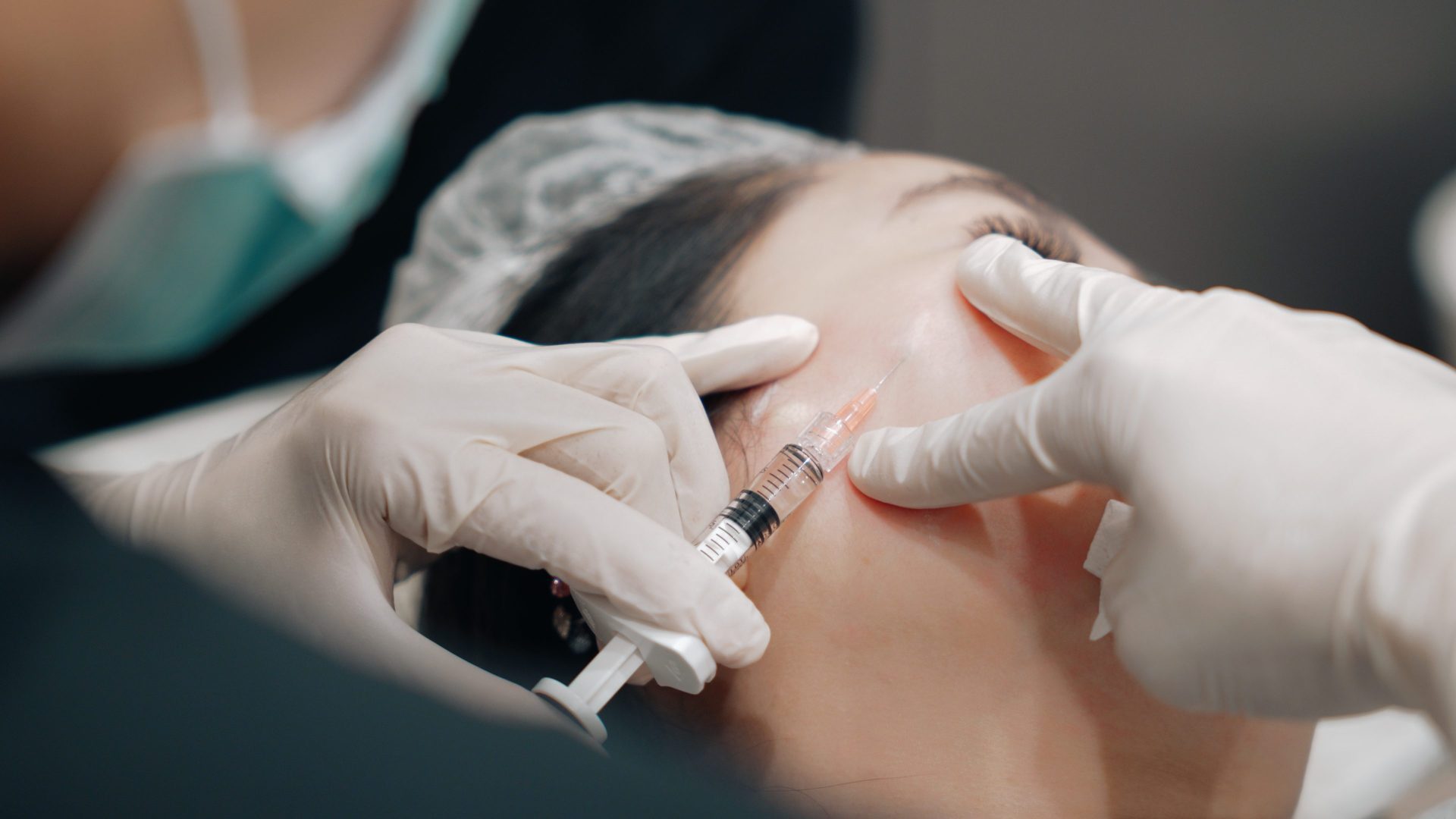
Other Miscellaneous Expenses
When calculating the total budget for Juvelook treatment, single quotes of 450 USD to 1,200 USD usually only cover the agent itself and basic injection operations. During the consultation phase, users often encounter initial consultation fees of 150 USD to 350 USD, which is a standard item in senior clinics in New York or London. This fee usually includes 3D skin analysis using Visia or Vectra M3; such equipment has a single unit purchase cost of about 25,000 USD. By quantifying dermal collagen loss data, the physician will decide on the dilution ratio of the 42.5mg PDLLA. Pain management is another variable expenditure; standard 10.56% Lidocaine topical anesthesia is usually included. However, for those sensitive to pain, Nitrous Oxide inhalation anesthesia is charged at about 60 USD to 100 USD for a single 30-minute session. For precision areas such as around the eyes, the physician may suggest a Nerve Block, with an extra fee of about 80 USD. This operation requires the physician to have extremely high anatomical knowledge to block the infraorbital nerve. Although it increases the bill thickness, it ensures a near-zero pain sensation during the 40-60 minute injection process.
Immediate post-op repair management is vital for reducing redness and swelling. Clinics usually recommend 20 minutes of LED Red Light Therapy (633nm), with single prices between 50 USD and 120 USD. Clinical data shows that this energy can accelerate the integration speed of microspheres under the skin and shorten post-op erythema fading time by more than 35%.
Using 33G or 34G TSK Invisible , with a single purchase price of about 5 USD, usually requires 4 to 6 per full-face treatment to maintain sharpness. Compared to ordinary, these ultra-fine can reduce bleeding risk by 15%; some clinics list this as an “Advanced Consumable Fee.” If choosing mechanical-assisted injection, the cost for Hycoox or Vital 3 single-use 9-pin heads is about 45 USD to 70 USD. This automatic replenishment system can accurately distribute 5ml to 8ml of diluted medication to over 200 injection points across the whole face. Maintenance and filter replacement costs for such equipment are usually reflected as a 15% premium. Juvelook’s physical properties require hydration treatment 24 to 48 hours in advance. The professional Vortex constant temperature oscillator used by clinics costs about 300 USD to 800 USD. To ensure a continuous sterile environment and agent activity, some medical institutions charge a medication preparation management fee of about 25 USD to ensure uniform PDLLA microsphere distribution.
- 3D Skin Analysis: Single imaging fee $50 – $150.
- 34G Ultra-fine: Price per unit $8, usage per session 5 units.
- Automatic Injection Consumables: Single-use dedicated kit $65.
- Lidocaine Pain Relief: High-concentration local anesthesia surcharge $30.
- Nitrous Oxide Anesthesia: Charged per session, unit price $90.
Biohazard Fee is usually 10 USD to 20 USD per person/session. In Singapore or Australia, the bill will also include 9% or 10% Goods and Services Tax (GST). If paying with a premium credit card, some institutions pass on a fee of 1.5% to 3%. Physicians usually prescribe post-op repair creams containing Vitamin K or Arnica; the price for a single 30ml tube is about 45 USD to 85 USD. These medical-grade products can effectively manage bruising (Ecchymosis) that may last 3 to 7 days; their active ingredient concentrations are much higher than ordinary skincare products.
For multi-cycle courses, follow-up 2 weeks after surgery is a necessary step to ensure normal collagen regeneration. While some clinics label this as “free,” in the et, these brief 15-minute check-ups often have a nominal fee of 50 EUR. It ensures that the physician can promptly handle subcutaneous micro-nodules, which have a one-in-ten-thousand probability of appearing.
If the treatment area is expanded to the neck or hands, in addition to increasing the number of medication bottles, Extra Area Operation Fee is usually calculated at 150 USD per single area. This is because neck skin is thinner and requires more complex transverse injection techniques. Adding these areas will extend the total time from 45 minutes to 90 minutes, directly pulling up labor cost ratios.
- EGF Repair Mask: Medical-grade cellulose material, single piece $25.
- Arnica Repair Cream: Exclusively for medical channels, $55 per tube.
- Touch-up Service: For asymmetrical areas, material fee approx. $200.
- Facility Usage Fee: Surcharge for Class 10,000 purified clinic room, $80.
- Complication Insurance: Covers abnormal reactions within 30 days, premium $100.
In recovery-oriented hotels near Sinsa-dong in Seoul, the average expenditure for 3 nights is 450 USD. Some international clinics provide a 100 USD airport pickup subsidy, but this is usually based on purchasing a 3-session complete course (approx. 2,500 USD). In the long run, Annual skin density monitoring is a continuous miscellaneous item. Using a 20MHz high-frequency ultrasound device to observe changes in dermal thickness costs about 150 USD per scan. This data helps physicians adjust the PDLLA concentration of maintenance shots for the following year; from a long-term perspective, precise dosage control can actually save about 20% in medication expenditure.