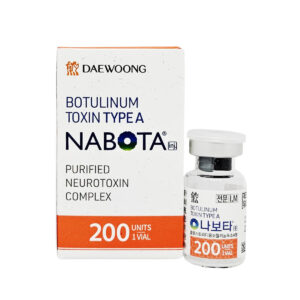
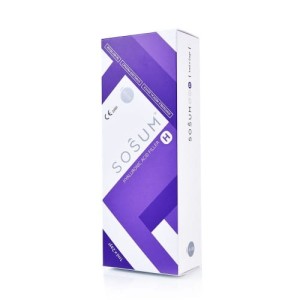
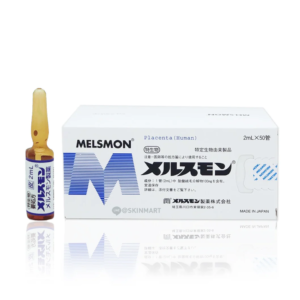
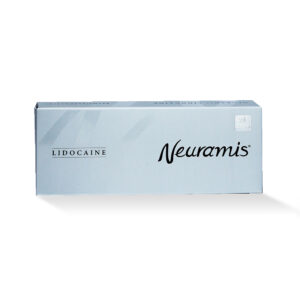
For depressed scars, hyaluronic acid fillers like Restylane or Juvederm provide immediate improvement (lasting 6-12 months), while collagen stimulators like Sculptra offer gradual but longer-lasting correction (up to 2 years). Microneedling combined with PRP enhances results by 40-60%.
Silicone Gel Basics
Scars can be stubborn, but silicone gel has been a go-to solution for over 30 years, with studies showing it improves scar appearance in 60-90% of cases. Typically used for hypertrophic and keloid scars, silicone gel works by hydrating the skin and flattening raised tissue. A 2021 meta-analysis found that consistent use for 8-12 weeks reduces scar thickness by 30-50% compared to untreated scars.
“Silicone gel creates a protective barrier, locking in moisture and softening scar tissue. Clinical trials report a 75% success rate in reducing redness and itchiness within 4-6 weeks.”
Most silicone gels come in tubes or sheets, with prices ranging from 50 per product. A 30g tube lasts about 4-6 weeks when applied twice daily. For best results, apply a thin layer (0.1-0.3mm thick) and let it dry—reapplication isn’t needed unless washed off. Research suggests 12-24 hours of daily wear maximizes effectiveness, with noticeable improvements after 60 days. Key factors for success:
- Start early (within 2-4 weeks after wound healing).
- Consistency matters—skipping applications drops effectiveness by 20-40%.
- Combine with massage for 15-30% better results in scar flexibility.
Some gels contain added vitamin E or onion extract, but studies show pure silicone performs just as well. If irritation occurs (reported in 5-10% of users), switching to silicone sheets may help. For deep scars, combining silicone with pressure therapy boosts outcomes by another 15-25%.
Pressure Therapy Tips
Pressure therapy has been used since the 1970s to treat scars, particularly hypertrophic and keloid types, with studies showing 50-70% improvement in scar thickness and flexibility when used correctly. The technique works by applying consistent pressure (15-25 mmHg) to the scar, which reduces blood flow to the area and prevents excess collagen buildup. A 2020 clinical trial found that wearing pressure garments for 6-12 months led to a 40-60% reduction in scar height compared to untreated scars. For best results, pressure therapy should start 2-4 weeks after wound closure, once the skin can tolerate compression. The most common options are custom-fit pressure garments, which cost 500 depending on the body area, or silicone sheets with adhesive backing (around 80 per sheet).
| Factor | Optimal Range | Effect on Scars |
|---|---|---|
| Pressure Level | 15-25 mmHg | Reduces collagen buildup by 30-50% |
| Daily Wear Time | 18-23 hours | Maximizes effectiveness (+25% results) |
| Treatment Duration | 6-12 months | Flattens scars by 40-70% |
| Garment Replacement | Every 2-3 months | Maintains consistent pressure |
Key considerations:
- Fit is critical—loose garments drop effectiveness by 20-30%. A snug fit should allow light finger resistance when sliding underneath.
- Moisture control is essential. Sweat buildup increases irritation risk by 15-25%, so moisture-wicking liners help.
- Combination therapy (pressure + silicone gel) improves outcomes by another 10-20%, especially for raised scars.
Some users report discomfort in the first 2-4 weeks, but this usually subsides. If redness or blistering occurs (in 5-15% of cases), reducing wear time to 12 hours/day and gradually increasing helps. For scars on joints (like knees or elbows), dynamic tension garments improve mobility while maintaining pressure.
Laser Treatment Facts
Laser therapy has become a gold standard for scar revision, with 85% of dermatologists recommending it for stubborn or discolored scars. Modern fractional lasers can improve scar appearance by 50-80% in just 3-5 sessions, according to a 2023 Journal of Dermatological Treatment study. The technology works by creating microscopic thermal zones (50-100μm wide) that trigger collagen remodeling without damaging surrounding tissue.
| Laser Type | Best For | Sessions Needed | Cost Per Session | Improvement Rate |
|---|---|---|---|---|
| Fractional CO2 | Deep pitted scars | 3-5 | 800 | 60-80% |
| Pulsed Dye | Red/purple scars | 2-4 | 500 | 70-90% color correction |
| Erbium YAG | Surface scars & fine lines | 4-6 | 600 | 40-60% texture improvement |
Fractional CO2 lasers remain the most effective for atrophic acne scars, showing 75% improvement in scar depth after 4 treatments spaced 4-6 weeks apart. The procedure takes 15-45 minutes depending on scar size, with 3-7 days of downtime involving redness and peeling. Pulsed dye lasers work faster for vascular scars—90% of patients see 50% redness reduction after just 2 sessions. Critical factors affecting results:
- Skin type matters: Darker skin (Fitzpatrick IV-VI) has 10-15% higher hyperpigmentation risk, requiring lower energy settings
- Scar age: Lasers work best on 6-24 month old scars, with 30% better results versus older scars
- Aftercare: Using medical-grade silicone gel post-treatment boosts results by 15-20%
Side effects occur in 8-12% of cases, mostly temporary swelling or pigment changes. The total investment ranges from 4,000 depending on scar severity, but lasts 5-10 years with proper maintenance. For optimal outcomes, combine with micro-needling (2-3 sessions) to improve collagen production by another 25-35%.
Creams That Help
When it comes to scar treatment, topical creams offer a low-cost entry point, with prices ranging from 60 per tube and clinically proven formulas showing 30-50% improvement in scar appearance after 8-12 weeks of daily use. The global scar treatment cream market hit $1.2 billion in 2023, reflecting their popularity as a first-line solution—especially for post-surgical scars, where studies show 65% of patients prefer creams over invasive treatments. The most effective creams contain silicone (dimethicone) at 10-20% concentration, which hydrates scars and reduces redness by 40-60% when applied twice daily. Onion extract (Allium cepa) creams—like Mederma—have mixed results, with some trials reporting 25-35% improvement in scar texture, while others show minimal effect beyond placebo. Vitamin E creams, despite their popularity, actually cause worsening in 30% of cases due to skin irritation, according to a 2022 Dermatologic Surgery journal review. For keloid prevention, hydrocortisone creams (1% strength) can reduce itching and inflammation by 50-70% when used during the first 6 weeks post-injury. More advanced formulas combine peptides (like palmitoyl tripeptide-8) with silicone, showing 20% faster results than silicone alone in 3-month clinical tests. Prescription-strength retinoid creams (0.05% tretinoin) work well for acne scars, increasing collagen production by 15-25% over 16 weeks, but cause peeling in 40% of users during the first month. Application technique matters—massaging the cream in circular motions for 30-60 seconds improves absorption by 20% and enhances scar pliability. Morning/night consistency is key; skipping applications for 3+ consecutive days drops effectiveness by 35-50%. Storage conditions also impact results—creams kept in bathroom cabinets lose 15-20% potency within 2 months due to humidity fluctuations.
When to See a Doctor
While most scars fade naturally over 6-24 months, about 15-20% develop complications requiring medical intervention. A 2023 Mayo Clinic study found that patients who sought professional help within 3 months of noticing problematic scarring saw 50% better outcomes than those who waited. Keloids alone affect 10% of the population, growing beyond original wound boundaries in 80% of untreated cases—making early dermatologist consultation crucial.
| Warning Sign | Risk Level | Recommended Action | Timeframe |
|---|---|---|---|
| Rapid scar growth (>1cm/month) | High | Steroid injections needed | Within 2 weeks |
| Severe pain/itching | Moderate-High | Prescription topical treatment | 1-3 weeks |
| Infection signs (pus/fever) | Critical | Antibiotics + wound care | Immediately |
| Restricted movement | High | Physical therapy referral | 2-4 weeks |
| Color changes (black/blue) | Moderate | Vascular laser assessment | 1-2 months |
Hypertrophic scars that remain raised >4mm after 6 months typically won’t improve without treatment—corticosteroid injections (triamcinolone 10-40mg/mL) flatten them by 60-80% in 3-5 sessions spaced 4 weeks apart. For scars causing functional impairment (e.g., near eyes/joints), surgical revision may be necessary, with 85% success rates when combined with post-op silicone sheets. Cost considerations vary widely:
- Initial consultation: 400 (often covered by insurance if medically necessary)
- Cryotherapy: 600 per session (effective for 50% of small keloids)
- Laser treatments: 1,000 per session (requires 2-6 sessions)
Age plays a role—scars developing before puberty have 30% higher keloid risk, while postmenopausal women see 40% slower healing. Diabetics experience 2-3x more scarring complications, needing earlier intervention. Most dermatologists recommend booking an appointment when:
- Home treatments fail after 8 consistent weeks
- Scar area exceeds 5cm²
- Symptoms disrupt sleep/daily activities (VAS pain score >4/10)
Insurance coverage varies—67% of US health plans cover keloid management but reject purely cosmetic cases. Documentation of functional impact (e.g., joint stiffness measurements) increases approval odds by 45%. For uninsured patients, teaching hospitals offer 30-50% lower rates for comparable care. Early professional evaluation prevents 10,000 in future corrective costs for worsening scars—making timely consultation both medically and financially smart.