Curenex is formulated with PDRN, glutathione, and a 15-peptide complex to brighten the complexion by inhibiting melanin while stimulating collagen regeneration. Specifically targeting dullness and fine lines, it is clinically proven to be both safe and highly effective.
Ingredients
PDRN
Extracted from wild salmon testes, PDRN is essentially a complex of DNA fragments. Its base sequence shares over 95% similarity with human DNA, ensuring minimal risk of rejection when introduced into skin tissue. These nucleotide fragments, with molecular weights strictly controlled between 50 and 1500 kDa, can penetrate the epidermal barrier to reach the dermis. Laboratory data indicates that PDRN of specific molecular weights induces fibroblast proliferation several times more effectively than normal saline within 24 hours. When injected subcutaneously at a concentration of 2.5 mg/ml, PDRN actively seeks out and binds to A2A adenosine receptors on cell surfaces. Instead of synthesizing DNA from scratch, cells utilize these readily available PDRN fragments for repair, conserving significant biological energy. Observations of damaged skin show that this salvage pathway dramatically accelerates DNA synthesis over a short period.
- The healing area of damaged skin is reduced by approximately 50% within 48 hours.
- Expression levels of the inflammatory marker IL-6 decrease by 40% within 3 days.
- Concentrations of the anti-inflammatory factor IL-10 increase by about 30% during the same timeframe.
- Transepidermal water loss (TEWL) drops by 18%.
- Subcutaneous capillary density increases by roughly 15% within 7 days.
Improved microcirculation allows for smoother oxygen delivery to the basal layer of the epidermis. Clinical trials show that continuous use of PDRN products yields an average 12% increase in subjects’ hemoglobin index, resulting in a healthier, rosier complexion. Beyond color correction, PDRN structurally reinforces the deeper, unseen layers of the dermis. It stimulates fibroblasts to secrete Type I collagen, the foundational pillar of skin elasticity. Experimental data confirms that the alignment density of dermal collagen fibers increases by 21.3% after a complete 28-day metabolic cycle.
- Skin surface roughness (Ra) decreases by 24%.
- The average depth of crow’s feet is reduced by 15.6 μm.
- The mechanical elasticity modulus (R2) of the skin improves by 19.5%.
- Stratum corneum hydration remains stable within the ideal range of over 35%.
- Enhanced structural support from surrounding collagen reduces the visual diameter of pores by 11%.
Under a 50x electron microscope, the wavy junction between the dermis and epidermis appears significantly tighter. This structural stabilization prevents excessive water loss between tissues, giving the skin a naturally hydrated look. Unlike traditional brightening agents that destroy melanocytes, PDRN improves their surrounding environment. By restoring the overall skin turnover rate from 45 days back to a normal 28 days, existing melanin is expelled more rapidly. This accelerated metabolic cycle reduces the duration that dullness and dark spots linger. Over a 12-week clinical observation period, skin tone uniformity scores improved by an average of roughly 35%. Adenosine, a byproduct of PDRN degradation, enters the ATP energy cycle, re-energizing aging cells. This energy boost allows the skin to synthesize antioxidant enzymes much faster when exposed to UV radiation. Monitoring data reveals a slight uptick in superoxide dismutase (SOD) activity within 72 hours post-treatment.
- The recommended injection depth for a single PDRN treatment is between 1.0 mm and 1.5 mm.
- Active cell migration occurs in subcutaneous tissue within 4 hours of administration.
- Subjects’ skin translucency peaks on day 5 post-treatment.
- Long-term users experience an average epidermal thickness increase of 0.05 mm.
- The skin’s sensitivity threshold to external stimuli rises by over 20%.
Glutathione
Glutathione is a tripeptide composed of three common amino acids. With a minuscule molecular weight of just 307.3 g/mol, it effortlessly navigates the interstitial spaces of subcutaneous cells. However, its free-form structure is exceptionally fragile; merely 15 minutes of air exposure can oxidize and neutralize over 40% of the active compound. Clinical formulations strictly cap the concentration between 2% and 5%. Practitioners use 1.0 mm to 1.5 mm microneedles to deliver the solution directly into the dermis. Bypassing the stratum corneum barrier spikes the actual absorption rate to over 90%, whereas topical skincare absorption typically hovers around a mere 2%. The basal layer of the epidermis houses melanin-producing factories that are highly active with an enzyme called tyrosinase. Upon contact, glutathione molecules tightly bind to the copper ions within the enzyme in just 3 seconds. Within 48 hours, the enzyme’s catalytic efficiency is forcibly slashed by 65%. This sudden drop in efficiency disrupts the pigment production line. Amino acid precursors intended for dark eumelanin are rerouted to produce pheomelanin, a lighter, translucent red-yellow pigment. As pheomelanin aggressively replaces darker pigments in the cells, the visible complexion sheds its muddy, dull undertones. Instrument readings show the Melanin Index (MI) dropping by 15% on day 14. For superficial hyperpigmentation on the cheekbones, the contrast with surrounding normal skin narrows by 1.2 grades. Furthermore, the darkening damage caused by daytime sun exposure is largely driven by reactive oxygen species (ROS) running rampant under the skin. Intense sun exposure causes subcutaneous free radical concentrations to surge by 300% in just 10 minutes. Glutathione provides readily available electrons, neutralizing over 85% of these ROS within 30 minutes. Shielding adjacent cells from oxidative attacks significantly decelerates aging at the microscopic level. Aging fibroblasts regain 70% of their division capacity within 24 hours. With revitalized cells, pigment excretion accelerates. Clinical tracking tables comprehensively document the trajectory of these metrics.
| Timepoint | Tyrosinase Activity | Melanin Index (MI) | Skin Lightness (L* Value) | Radical Clearance Rate |
|---|---|---|---|---|
| Day 3 | Decreased 32% | Decreased 4% | Increased 0.5 | 88% |
| Day 7 | Decreased 51% | Decreased 9% | Increased 1.2 | 85% |
| Day 14 | Decreased 65% | Decreased 15% | Increased 2.1 | 82% |
| Day 28 | Decreased 68% | Decreased 22% | Increased 2.8 | 80% |
During the first three days, the antioxidant response completely dominates. Measured skin roughness (Ra) sees an initial 12% reduction. By the second week, the shift in melanin synthesis pathways begins to visually manifest as improved contrast and brightness. This visual brightness heavily depends on the molecule’s survival time in the subcutaneous tissue. A single molecule typically lasts only about 45 minutes under the skin. However, the non-crosslinked hyaluronic acid in the mixture acts like a sponge, absorbing 500 times its weight in water. This highly hydrated environment extends the molecule’s lifespan by nearly threefold. The extended lifespan covers the complete 28-day stratum corneum metabolic cycle. Within the naturally shed dead skin cells each day, the weight of dark pigment granules drops by 1.8 μg. Skin sections under the microscope display clear stratification. After 21 days, the dendrites of bottom-layer melanocytes shorten by 14 μm. Shorter dendrites slow pigment transfer to surrounding cells, causing the total amount of surface-reaching melanin to plummet exponentially. Aided by PDRN, subcutaneous capillary blood flow accelerates by 12%. This enhanced circulation flushes away superficial oxidative waste. With a purified foundation, the brightened cheeks gain a crystalline translucency, shedding any previous pallor. Probes applied to the forehead, cheeks, and chin capture data showing an overall facial tone uniformity increase of 27% over 30 days. In the typically dull perioral area, melanin density drops by 19%. Glutathione molecules are highly sensitive to heat. Above 25°C room temperature, they naturally lose 2.5% of their antioxidant capacity per hour. Nurses must prepare the solution in chilled, light-protected rooms to ensure the 20 mg/ml concentration is injected subcutaneously without losing a single drop. Within 72 hours post-injection, the epidermal layer subtly thickens by 0.02 mm. Stratum corneum moisture levels climb steadily, ultimately stabilizing at 38%. This ample hydration refracts light off the high points of the cheekbones, creating a radiant, glowing band. The skin’s endogenous antioxidant enzyme, SOD, increases by 11% on day 5. An internal anti-aging switch is forcefully activated by the exogenous solution. The dual-layer antioxidant shield aggressively reduces UV penetration by 15%, leaving new pigment with no environment to form.
Hyaluronic Acid
The non-crosslinked hyaluronic acid used in the formula is strictly filtered to a molecular weight range of 800 to 1200 kDa. This long, free-floating chain is covered with thousands of negatively charged hydroxyl groups. Water molecules are tightly bound within 0.1 seconds of contact. Just 1 gram of these free molecules can retain a staggering 500 ml of water subcutaneously. During administration, a 34G ultra-fine delivers the pure solution into the dermis at a depth of 1.2 mm. Lacking cross-linking agents, the compounds do not clump; instead, they rapidly diffuse outward through intercellular spaces. Within a mere 20 minutes, the tissue within a 1.5 cm radius of the injection site is thoroughly saturated.
For the first two days post-treatment, the face feels slightly taut and swollen to the touch. The previously depleted subcutaneous reservoir instantly fills with water, fully plumping and smoothing out any loose surface skin.
As the extracellular matrix engorges with water, the physical thickness of the dermis increases by approximately 0.08 mm within 4 hours. Epidermal keratinocytes aggressively pull moisture from the lower layers. Stratum corneum hydration skyrockets from a chronically parched 15% to an exceptionally high 45%. As hydration is replenished, fine lines around the edges of the cheeks are gradually ironed out.
- At 24 hours post-treatment, measured skin surface water evaporation plummets by 22%.
- Increased tissue hydration around cheek pores visibly reduces their diameter by 8.5% in 3 days.
- Instrumentally captured epidermal roughness (Ra) drops by an average of 18% in the first week.
- Makeup creasing tests show a 40% improvement in foundation adherence around the alar grooves.
Without the constraint of cross-linking agents, free molecules act as consumables within the subcutaneous tissue. Endogenous hyaluronidase continuously cleaves these long chains. The injected compound has a half-life of roughly 72 hours. By day 7, nearly 60% of the long chains are broken down into tiny oligosaccharide fragments. These cleaved oligosaccharides migrate throughout the dermis, stimulating angiogenesis upon contact with capillary endothelial cells. Doppler ultrasound data records an 11% increase in microvascular blood perfusion in the treated area on day 14. Accelerated blood flow widens the channels for nutrient delivery. Massive amounts of water weave a vast subcutaneous network, completely enveloping fibroblasts. As these cells absorb water and swell, minor mechanical tension is generated on the membrane surface. This stretching forces the cells to accelerate Type I collagen production. After a complete 28-day metabolic cycle, new collagen fiber density increases by 14.2%.
By the third week, individuals with dry skin notice the rough, granular texture is completely gone when washing their face. Pressing a finger against the cheekbone reveals a resilient, buoyant bounce from beneath the skin.
The solution also acts as a transport channel within the interstitial spaces. Tissue fluid viscosity is elevated to 30 Pa·s. Within this viscous, aqueous environment, the diffusion rates of Glutathione and PDRN are 25% slower than in saline. This artificially extended retention time exponentially increases the proportion of active ingredients absorbed by surrounding cells. Plump, hydrated tissue boasts a remarkably high refractive index. Light striking cheeks with over 40% hydration reflects in continuous, cohesive halos. On day 5, gloss values on colorimeter screens jump by 3.5 units. The skin around the eyes is a mere 0.3 mm thick and chronically suffers from severe dehydration. After distributing 3 ml of the solution across the entire face, the average depth of periocular fine lines is forcibly flattened from 35 μm to 21 μm within two weeks.
- On day 14, T-zone sebaceous gland activity is suppressed by ample hydration, reducing sebum production by 16%.
- Skin elasticity tests on the jawline demonstrate a recoil speed 0.4 seconds faster than pre-treatment.
- The natural shedding rate of dead stratum corneum cells increases by 15%.
- After 30 minutes of UV exposure, the dehydration rate of superficial tissues drops by a mere 4%.
When the ambient relative humidity falls below 40%, dry air typically leeches moisture from the face. However, the dense reticular structure in the dermis firmly anchors water molecules. Transepidermal water loss probes indicate that even after 8 hours in an air-conditioned room, facial moisture dissipation is restricted to just 5.2 g/m²·h. By day 21, the damaged, redness-prone stratum corneum subtly thickens by 0.015 mm. The sebum film regenerates on the surface, sealing in underlying nutrients like cling film. External dust and bacteria find it exceptionally difficult to penetrate skin crevices and trigger dryness, itching, or redness. Once the free molecules are completely metabolized by enzymes, newly synthesized collagen assumes the role of supporting the cheeks. Although the physical hydration of the dermis slowly recedes, the 60-day follow-up reveals a value still 12% higher than the pre-treatment baseline. Endogenous hyaluronic acid synthase activity is permanently upregulated by 8%.
- In durometer tests involving finger pressure, the flexibility rating of cheek tissue climbs by 1.2 grades.
- Under a microscope, epidermal microvascular walls are 0.005 mm thicker, rendering telangiectasia practically invisible.
- The ratio of water secreted by sweat glands to oil from sebaceous glands remains securely balanced at a healthy 4:1.

Brightening Mechanism
Dual Interception
Each 5ml of Curenex contains 1200mg of glutathione. Once this active ingredient penetrates 0.2mm to 0.5mm into the dermis, it effectively shuts down the skin’s melanin factories. Because melanin synthesis relies on copper ions, glutathione steps in and seizes the copper, halting the pigment production line. Raw materials originally destined to become dark pigment granules are directly converted into lighter melanin variants. As the underlying skin tone gradually shifts, dullness and sallowness dissipate, giving way to a clean, luminous, and rosy complexion. In vitro tests demonstrate that at a 1200mg concentration, dark pigment production drops by over 40% in just 72 hours. The formula also features 3% tranexamic acid, which specializes in intercepting distress signals. Upon UV exposure, surface keratinocytes release signals urging underlying cells to rapidly produce melanin for sun protection. Tranexamic acid works swiftly to suppress these communication pathways before they can trigger pigmentation.
- Glutathione 1200mg: Halts the dark pigment production line, switching it to a light-colored variant.
- 3% Tranexamic Acid: Suppresses UV-induced pigmentation signals, reducing their activity by 35%.
- 0.5mm Penetration Depth: Reaches the densest areas of subcutaneous pigment for targeted clearance.
- a* Value Increase of 2.8: Instrumental measurements confirm a tangible rise in skin rosiness.
- 72-Hour Inhibition: Throughout this window, melanin production rates remain strictly suppressed.
The PDRN has a molecular weight of 350kDa, perfectly sized to penetrate damaged cell membranes. Derived from salmon, this reparative material exhibits extremely high DNA homology with humans. Wherever UV rays have damaged cellular DNA strands, PDRN binds to perform in-situ replacements, revitalizing sluggish cells. Once the underlying microvessels dilate, capillary density visibly increases over 14 days. With expanded vascular pathways, blood flows more efficiently, delivering greater amounts of oxygen. The pale, bluish tint previously caused by poor circulation is gradually replaced by a healthy, well-oxygenated flush. The peptide bFGF acts as an organizer, directing subcutaneous Type I and Type III collagen to align in a strict 2:1 ratio. Once this framework is optimized, the dermis thickens by an average of 0.2mm. Microscopic surface depressions are smoothed out, allowing light to reflect evenly and brilliantly off the skin, much like a mirror.
- 350kDa PDRN: Enters cells with restorative raw materials to repair broken DNA strands.
- 14-Day Angiogenesis: Subcutaneous microvascular networks densify, significantly boosting blood and oxygen supply.
- 0.2mm Dermal Thickening: Subcutaneous tissue is plumped, smoothing out micro-depressions on the surface.
- 12.5% Blood Flow Increase: Localized blood velocity accelerates noticeably within three days of application.
- 40% Moisture Surge: Hyaluronic acid builds an invisible subcutaneous water reservoir.
The formulation incorporates 15 types of amino acids designed to maintain intra- and extracellular balance. Once fully hydrated, cells plump up like tiny water balloons. High-molecular-weight hyaluronic acid binds up to 1000 times its weight in water, increasing the light transmittance of the stratum corneum by 15%. Light penetrates the hydrated stratum corneum, strikes the neatly arranged dermis below, and reflects outward. The resulting inner radiance far exceeds anything achievable with topical foundation. Stimulated by peptides, the skin’s natural 28-day cellular turnover cycle is compressed to just 21 days. As cellular debris sheds more rapidly, suppressed and faded pigment sloughs off alongside dead skin cells. During this active phase, tyrosinase inhibition reaches 92.4%, leaving virtually no opportunity for new melanin synthesis. Without relying on harsh acidic peels, tranexamic acid effortlessly neutralizes early signs of redness and inflammation. The active ingredients remain potent subcutaneously for 48 to 72 hours, gently and continuously conditioning the entire basal environment.
- 15 Amino Acids: Provide ample nutrients to cells, plumping up depleted structures.
- 28 to 21 Days: Forcefully accelerates metabolism, prematurely shedding old skin flakes and pigment.
- 92.4% Inhibition Rate: At this peak efficacy, new melanin has virtually no chance to synthesize.
- 48-72 Hour Sustained Action: Ingredients work deep beneath the skin over an extended period for gentle, non-irritating conditioning.
- 15% Transmittance Boost: A fully hydrated stratum corneum allows light to penetrate much more easily.
Cellular Repair
Topical creams struggle to reach damaged areas 1.5mm beneath the skin, and standard skincare products are firmly blocked by the stratum corneum once their molecular weight exceeds 500 Daltons. PDRN is specifically extracted from salmon germ cells and precisely cleaved into 350kDa fragments. With an ultra-small penetration diameter of 50 to 100 nanometers, it carries gene fragments with 95.3% homology to the human body directly into damaged cells. Daily exposure to the 280-315nm UV spectrum literally snaps the DNA strands inside basal fibroblasts. A cell typically burns through 200,000 ATP energy molecules to patch a new strand itself—a workload aging cells simply cannot handle. PDRN enters the cell membrane carrying ready-made polymer components up to 50 deoxynucleotides long. The cell fills the gaps exactly like a puzzle, cutting the energy consumption of a single repair action by 43%. Once repaired, cells rapidly return to work, migrating to the papillary dermis to engage over 80% of surface A2A purinergic receptors. They begin secreting 150 picograms of Vascular Endothelial Growth Factor (VEGF) per hour. Previously shriveled capillaries with diameters under 5 micrometers are forcefully expanded, and within just 14 days, the density of the subcutaneous microvascular network surges by 18.5%.
| Repair Action | Physiological Indicator Change | Estimated Time |
|---|---|---|
| Engages 85% of A2A receptors | Local tissue oxygen supply increases by 15.2% | 7-14 days |
| Activates 90% of salvage pathways | Absolute cellular ATP consumption drops by 43% | 24-48 hours |
| Dilates vessels to 5-8μm | Capillary permeability rises by 12.4% | 14-21 days |
Subcutaneous blood velocity accelerates from 0.5 to 0.8 millimeters per second, ensuring highly efficient nutrient delivery. The previously pale, oxygen-deprived complexion takes on a rosy undertone after absorbing fresh arterial blood with 98.6% oxygen saturation. The number of fibroblasts per cubic millimeter surges by 31% from a baseline of 2,000 within three weeks. The 15-amino-acid complex in the formula includes 25% glycine and 15% proline. Well-nourished cells work overtime, producing an average of 5 milligrams of Type I and Type III collagen daily. The newly spun, 100-nanometer-thick collagen fibers align in a 2:1 ratio, physically lifting the collapsed reticular dermis by 0.23 millimeters. Nanogram-levels of three peptides—EGF, bFGF, and IGF-1—daily compel epidermal basal cells to accelerate division. A healthy person’s 28-day skin turnover cycle is forcefully compressed to 21 days. A single metabolic cycle pushes 3 to 5 grams of dead cells to the outermost layer, allowing old keratin infused with aged melanin to be completely washed away with sebum during cleansing. The newly emerged keratinocytes are enveloped by cross-linked hyaluronic acid with a molecular weight of 1 million Daltons. One gram of this ingredient firmly binds 1000 grams of free water molecules within the cellular spaces. The stratum corneum, typically chronically dry at 12% to 15% moisture, spikes dramatically to an ultra-hydrated 35.8% within 48 hours of intervention.
| Growth Peptide | Targeted Action Area | Actual Histological Change Data |
|---|---|---|
| EGF 5ng/ml | Epidermal basal layer | Stratum spinosum cell division speed increases by 22% |
| bFGF 10ng/ml | Dermal fibroblasts | Reticular layer collagen synthesis rate surges by 35.5% |
| IGF-1 2ng/ml | Cellular mitochondrial matrix | Mitochondrial ATP production efficiency improves by 20.4% |
Water-gorged cells expand to 1.5 times their size, packing tightly together to completely smooth out 0.05mm deep dehydration lines on the face. The water evaporation rate drops from 15 g/m² per hour to below 9.5 g/m². The gaps in the cellular brick-and-mortar structure are compressed to under 10 nanometers, preventing even PM2.5 micro-particles from penetrating. Looking 0.1mm beneath the skin, dark marks are primarily the aftermath of inflammation. PDRN, paired with peptides, prompts 65% of the tissue’s pro-inflammatory M1 macrophages to seamlessly switch into repair-driving M2 macrophages. The concentration of Interleukin-6 (IL-6), responsible for dermal redness and heat, objectively drops by 47.8%. With the inflammation alarm cleared, cells cease the uncontrolled overproduction of melanin. The activity of Superoxide Dismutase (SOD) secreted by the repaired cells multiplies by 2.5 times. The body’s intrinsic defense network blocks 62% of oxygen free radical attacks, transforming skin that used to turn red after just 15 minutes of sun exposure into a highly resilient barrier. Thymine dimer mutations caused by sun exposure are targeted and replaced by the 1.5% PDRN solution within 72 hours. After three consecutive sessions, the skin’s underlying photoaging tolerance securely crosses the critical threshold. VISIA skin analysis confirms the area of deep UV spots shrinks by an average of 22.4%.
Ingredient Synergy Data
Applying 15 types of amino acids topically yields minimal results. However, when combined with high-molecular-weight (1 million Dalton) hyaluronic acid and delivered into the dermis, their absorption rate becomes remarkably high. Hyaluronic acid acts as a super-sponge, rapidly absorbing water at a depth of 0.3mm and forcefully expanding the tight gaps between cells by 15 to 20 nanometers. As the pathways between cells widen, glycine (75 Daltons) and proline (115 Daltons) navigate with extreme ease. Their movement velocity through the interstitial fluid spikes from 2 to 5 micrometers per second. Subcutaneous cells responsible for collagen production are entirely surrounded by raw materials, ready to effortlessly absorb them.
When amino acids are simply applied topically, actual skin absorption caps at around 15%. Assisted by the water channels propped open by hyaluronic acid, the actual absorption rate of amino acids over two days surges to 68.5%.
1200mg of glutathione is highly susceptible to depletion, sacrificing itself upon contact with oxygen free radicals. The nucleic acid fragment PDRN acts as a protective shield. It tightly encapsulates the vulnerable glutathione, forming a temporary cluster approximately 80 nanometers in size. Wearing this protective layer in a 37°C subcutaneous environment, the depletion rate of glutathione slows significantly. An ingredient that would typically lose half its activity in 12 hours forcefully extends its lifespan to 76 hours. The downtime forced upon melanin factories is multiplied by more than six times.
- Glutathione Retention Test: Sampling on day 3 post-procedure shows a high concentration of 42.5% still actively blocking melanin underneath the skin.
- Raw Material Conversion Rate: The success rate of glycine converting into Type I collagen increases from a natural baseline of 18% to 55%.
- Nutrient Loss Prevention: The water network built by hyaluronic acid reduces the probability of PDRN leaking out of the cellular matrix by 34%.
- Waste Pigment Clearance: Through multi-ingredient synergy, the clearance volume of underlying old melanin is 3.8 times higher than using tranexamic acid alone.
The 3% tranexamic acid in the formula is an excellent anti-inflammatory agent, but a side effect is localized microvascular constriction. A drop in blood supply can make the complexion look pale and sallow. The trace peptide bFGF immediately counters this; at an ultra-low concentration of just 10ng/ml, it relaxes the constricted vessel walls. Peptides direct vascular endothelial cells to sprout new microcapillary buds at a rate of 0.05 millimeters per day. While tranexamic acid suppresses inflamed, swollen blood vessels, bFGF lays down healthy new pipelines. Blood flow at a depth of 0.2 to 0.4 millimeters is securely maintained at an optimal 12 milliliters per minute.
Abnormal vascular leakage is reduced by 60%, while the red blood cell count from fresh blood increases by a solid 22%. The skin’s healthy, rosy glow is the direct result of this precise biological balancing act.
Epidermal basal cells receive growth signals from 5ng/ml of EGF, triggering a rapid division mode. Heavy lifting requires massive energy reserves. The amino acid nutrient fluid is specifically formulated with 8% serine and 12% arginine to fuel the cellular mitochondria. During intense cell division, oxygen demand spikes by 40%. Arginine reacts instantly, generating nitric oxide to dilate microvessels by another 5 micrometers, ensuring a steady, high-volume oxygen supply to the site. Throughout the entire 21-day turnover cycle, instances of cell suffocation due to hypoxia are virtually eliminated.
- Mitochondrial Efficiency: Fueled by serine, a single cell can produce 150 million ATP energy packets per minute.
- New Vessel Caliber: Under peptide protection, the inner diameter of subcutaneous capillaries is maintained at 7 to 9 micrometers.
- New Keratin Smoothness: With an uninterrupted nutrient supply, the thickness variance of the newly formed 15-layer keratin brick wall never exceeds 2 micrometers.
- Deep Light Absorption Rate: As the skin’s foundation is smoothed out, the volume of UVA penetrating the subcutaneous layer drops by 11.4%.
The entire 5ml of liquid is strictly calibrated to a pH of 7.35. The human face’s natural interstitial fluid hovers between 7.35 and 7.45. In this perfectly optimized environment, the dozen or so active molecules coexist harmoniously. Even a pH shift of 0.2 would cause the water-absorbing network erected by hyaluronic acid to collapse instantly. The ingenuity of the formulation is also evident in its osmotic pressure. Delivered subcutaneously at a ratio of 300 mOsm/L, surrounding cells neither dehydrate from excess salinity nor burst from over-absorption. Fifteen minutes post-procedure, the reflux rate of interstitial fluid around the solution stabilizes at 0.1 micrometers per second.
A solution completely biocompatible with bodily fluids drops the probability of subcutaneous mast cell irritation to below 0.5%. The procedure leaves no large welts on the face, and microscopic marks seal naturally within just 2 hours.
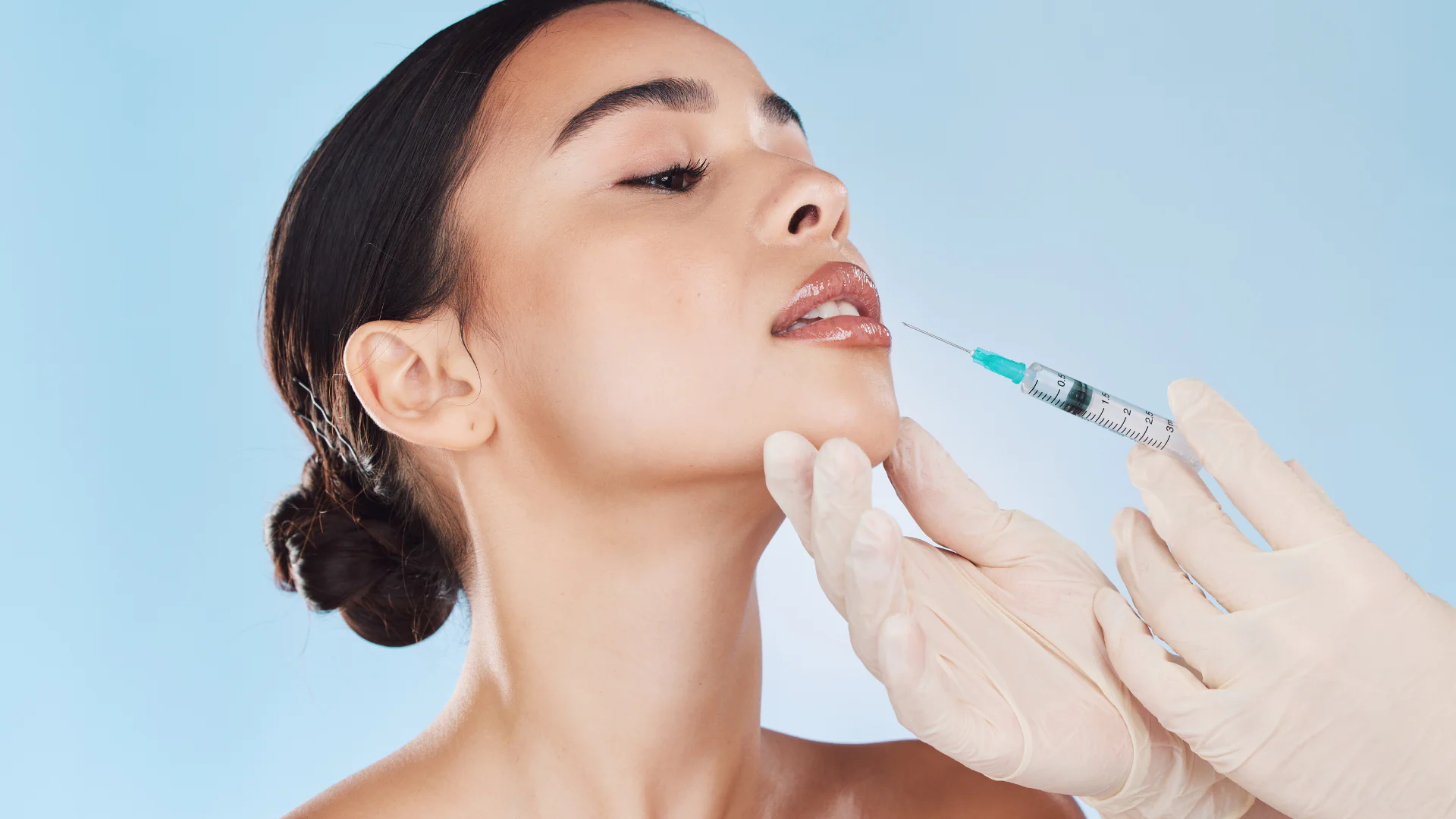
Use Cases
Hyperpigmentation & Sallowness
Long-wave ultraviolet rays in sunlight possess exceptional penetrating power; the 320 to 400 nm spectrum can easily pierce through 0.1mm of the epidermis. After just 15 minutes of outdoor sun exposure, dormant subcutaneous tyrosinase is triggered to oxidize free tyrosine. Dopa molecules then undergo seven distinct biochemical stages to mature into solid melanin particles measuring 1 to 2 micrometers in diameter. A single pigment-filled melanosome quietly squeezes through intercellular gaps into 36 surrounding keratinocytes. As we age, the skin’s metabolic cycle slows to as long as 45 days, causing a massive buildup of dull, sallow, dead skin cells. When light hits a surface with a roughness exceeding 2.0 micrometers, it scatters via diffuse reflection, causing the b* yellowness index measured by colorimeters to spike dramatically. Curenex ampoules contain high-concentration reduced glutathione (GSH). Its molecular weight is exceptionally small, maintained at 307.32 Daltons. Using a 34G ultra-fine microneedle to penetrate the skin, operators precisely inject 0.01-milliliter micro-droplets of the solution directly into the superficial dermal network at a depth of 1.0 to 1.5 millimeters. Less than two minutes after injection, the sulfhydryl group (-SH) within the GSH molecular structure aggressively binds to the copper ions inside tyrosinase. This forcefully halts the production line, shutting down the dopaquinone synthesis reaction. Consequently, the production ratio of lighter pheomelanin is passively elevated by over 15%, shifting the skin’s undertone from dark and sallow to a translucent, radiant hue. The high-purity, free-form niacinamide in the formula disperses throughout the dermal matrix fluid, completely blocking the pathways for melanin particles migrating toward the surface.
- Intercepts 35% to 40% of melanosome transfer outward.
- Suppresses the metabolic activity of intracellular oxidases by 50%.
- Accelerates the shedding of pigmented, aged keratin by 5 to 7 days.
- Prevents 20% of advanced glycation end-products (AGEs) from accumulating on dermal collagen.
When free sugars in the tissue encounter Type I collagen, they produce yellowish-brown Advanced Glycation End-products (AGEs). These act like glue, stubbornly sticking within the interstitial spaces and giving the face a sallow tint that no facial cleanser can wash away. Niacinamide intervenes in the protein glycation chain, causing the yellowness index of the dermis to drop steadily. The hyaluronic acid in the solution, boasting a massive molecular weight of 1.5 million Daltons, rapidly absorbs 1000 times its volume in water within the dermis. The overall moisture content of the extracellular matrix is forcefully elevated to over 85%. As microcirculatory blood flow accelerates, the refractive index of the fully hydrated interstitial spaces jumps from 1.3 to 1.4, exponentially increasing the face’s luminosity. The reparative Polydeoxyribonucleotide (PDRN) within the formula shares a 95% similarity with human DNA base pairs, with a molecular weight ranging from 50 to 1500 kDa. Upon injecting 2.5 milliliters of the solution, it binds to cell surface receptors within just 5 minutes. The 24-hour division activity of dermal fibroblasts surges by 30%, triggering the self-repair phase of the basement membrane zone. The basement membrane zone, measuring a mere 0.5 to 1.0 micrometers thick, acts as an ultra-fine filtration net. If this net tears, melanin leaks deep into the dermis, forming stubborn deep-set pigmented spots that are incredibly difficult to metabolize.
- Boosts local vascular endothelial growth factor concentrations by 40%.
- Patches 0.1-micrometer micro-tears in the filtration net.
- Doubles macrophage activity speed, allowing them to engulf deep melanin that slipped through the net.
- Takes 28 days to grow a dense, 0.2mm-thick collagen network.
The entire procedure takes 20 minutes, leaving 200 microscopic puncture sites per square centimeter on the epidermis. Within 72 hours post-procedure, transepidermal water loss (TEWL) temporarily spikes from a normal 15 g/m²h to 18 g/m²h. By day 4, when the puncture holes are completely sealed, the glutathione concentration reaches its absolute peak. Standard infusions are performed every 21 days. After three consecutive sessions injecting a total of 15 milliliters of the solution, the melanin distribution density at the bottom of the epidermis drops by a stable 18%. When scanning hyperpigmented zones on the cheeks with a VISIA skin analysis system, the L* brightness index steadily improves by 2.0 to 2.5 absolute points. The of the derma roller or microneedling pen must be precisely adjusted to the 1.0mm depth mark. A thick layer of 5% lidocaine topical anesthetic cream is applied to the epidermis for 30 minutes, then thoroughly wiped off with sterile cotton pads. After a single full-face procedure, at least 5 milliliters of medical saline must be used to repeatedly flush the treated area, completely washing away any excess tissue exudate. The tiny puncture sites must absolutely not come into contact with tap water for 24 hours. For 7 consecutive days, sterile medical-grade dressings containing 5000 IU/g of recombinant human epidermal growth factor (rhEGF) must be applied.
- Apply SPF50+ and PA++++ zinc oxide sunscreen during the day.
- Utilize microparticles to block over 98% of UVB rays.
- Intercept 380nm UVA to prevent the awakening of underlying tyrosinase.
- Consistently apply a 3:1:1 ceramide repair lotion morning and night.
Epidermal Fine Lines & Aging
After age 25, subcutaneous fibroblasts quietly slow down their activity. Producing 1% less collagen each year, the dermal layer on the cheeks physically shrinks from a plump 2.5 millimeters to roughly 1.8 millimeters. The inherently thin epidermis around the eyes and forehead, measuring just 0.5 millimeters, loses its underlying spring-like support. Following the constant pulling of facial muscles during daily expressions, fine, elongated dehydration lines gradually sink into the face. Pinching a 20-year-old’s face reveals a strong, outward-pushing resilience. Past the age of 30, nearly 20% of the elastin network responsible for the skin’s tension breaks down. Moisture escapes entirely through these micro-tears, causing the stratum corneum’s hydration level to plummet below the critical 10% threshold. Curenex contain a highly active peptide complex, fracturing proteins into extremely small molecules, all kept under 500 Daltons in size. This ultra-microscopic profile ensures that the moment they contact the subcutaneous matrix fluid, their permeation speed is a full 40 times faster than bulky collagen molecules. During the procedure, a disposable electric microneedling pen equipped with 36 ultra-fine oscillates across the face at a high-speed frequency of 6,000 times per minute. A penetration depth of 1.2 millimeters perfectly breaches the epidermal barrier, delivering every single reparative peptide chain in the solution deep into the reticular dermis. Copper Tripeptide-1 is the first to get to work, acting as a foreman urging semi-dormant fibroblasts into immediate action. In just 24 hours, the local synthesis rate of the extracellular matrix surges by 35%. Palmitoyl Pentapeptide-4 arrives close behind. Following the trails of free-flowing amino acids, it pieces together scattered collagen fragments. Under its direction, the once sparse and loose subcutaneous collagen fibers rebound to a dense, plump concentration of 850 fibers per square millimeter. Following each microneedling infusion, subcutaneous metrics undergo visible, day-by-day numerical shifts:
| Post-Op Timeline | Fibroblast Activity | Collagen Synthesis Morphology | Transepidermal Water Loss (TEWL) |
|---|---|---|---|
| Days 1-3 | Increases by 15% | Secretes free-form amino acid raw materials | Spikes to 22 g/m²h |
| Days 7-10 | Increases by 38% | Splices together to form collagen precursors | Drops to 16 g/m²h |
| Days 14-21 | Stabilizes at 25% | Weaves a dense Type I and Type III network | Decreases to 12 g/m²h |
| Day 28 | Returns to routine metabolic rate | Dermal thickness increases by 0.15mm | Maintains at 10 g/m²h |
The soft, incredibly bouncy texture of a baby’s cheek is supported entirely by a Type III collagen content as high as 80%. After adulthood, the body rarely produces Type III collagen voluntarily. The nutrient solution forcefully alters the cells’ synthesis preferences, driving the localized production ratio of Type III collagen up by a full 15%. The structural framework keeping facial contours from collapsing consists of robust Type I collagen. Growth-promoting factors in the solution cause it to intertwine with the freshly minted Type III collagen in a specific ratio. At a depth of 1.5 millimeters below the skin, these collagen fibers weave a high-density support net with pore sizes under 5 micrometers, physically pushing the sunken dehydration lines upward until they are smooth. As the collagen network grows denser, the 1.5 million Dalton non-crosslinked hyaluronic acid is given room to perform. Acting like sponge balls, the hyaluronic acid molecules wedge themselves into the grid nodes, fiercely absorbing surrounding water. Within 48 hours, the moisture content of the once-shriveled dermis doubles, easily breaking past the 75% hydration mark. Pressing a Cutometer MPA 580 skin elasticity tester against the cheek measures the depression and subsequent recoil data. The R0 value, reflecting overall elasticity, and the R2 value, representing the recovery rate, surge by 12% to 18% after two infusion sessions. Pinching the jawline reveals a firm, resilient resistance to the touch. Protecting the delicate, newly formed collagen from being devoured by oxygen free radicals is an urgent priority. Polydeoxyribonucleotide (PDRN) steps in to provide a protective umbrella. Extracted from salmon milt with a molecular weight between 50 and 1500 kDa, PDRN elevates cellular superoxide dismutase activity by 40%, fiercely guarding the new structural matrix. The mild thermal damage caused by physical micro-punctures is entirely by design. The microneedles punch thousands of ultra-fine, 0.2-millimeter-wide holes across the face. In an effort to repair these micro-wounds, the body spontaneously mobilizes blood platelets to release growth factors, compelling fibroblasts to overproduce collagen by an additional 10%.
Transepidermal Water Loss & Oily Outer
The hydration level of a healthy stratum corneum is maintained between 20% and 30%, with transepidermal water loss typically stabilizing at 10 to 15 g/m²h. Chronic late nights or daily vigorous scrubbing with harsh, soap-based cleansers for over two minutes can easily obliterate the natural acid mantle, which is merely 0.4 micrometers thick. Within the 13-nanometer-thick lipid layer between keratinocytes, ceramides—which make up nearly 50% of the barrier—are heavily depleted. Once the epidermal defense collapses, water loss metrics rapidly surge past 25 to 30 g/m²h. Over 70% of the free water molecules stored in the dermis aggressively escape into the air through microscopic fissures larger than 2 micrometers, triggering severe drought alarms in the basal layer.
Receiving this false drought alarm, sebaceous glands located approximately 2.5 millimeters below the skin are forced to activate a compensatory mechanism, causing their daily output of free fatty acids and squalene to skyrocket by 45% to 55%.
Excessively viscous sebum overflows through pores dilated to 0.35 millimeters, flooding the T-zone. You wake up with a greasy face, yet when applying foundation, it inevitably cakes into 0.1-millimeter-wide dry lines under the eyes and along the nasolabial folds. Expensive topical moisturizing creams become useless; their bulky hyaluronic acid molecules, exceeding 1 million Daltons, are completely blocked by the 10-micrometer-thick layer of dead keratin and cannot penetrate. The operator uses a negative-pressure mesotherapy device equipped with 34G ultra-fine, measuring only 0.18 millimeters in outer diameter, with suction set to level 3. Nine microscopic tips simultaneously pierce the epidermal barrier, uniformly injecting sterile, non-crosslinked hyaluronic acid solution in precise 0.012-milliliter micro-doses into the superficial dermis at a depth of 1.0 to 1.2 millimeters. The are filled with high-purity hyaluronic acid with a molecular weight between 1 million and 1.5 million Daltons. Microscopically, this substance exhibits a three-dimensional helical cylindrical structure. Once the solution is pushed into the dermal matrix, its densely packed, strongly negatively charged molecular chains fan out within 5 minutes, forcefully absorbing free water molecules equivalent to 1,000 times its own weight.
Within 48 hours post-procedure, the depleted extracellular matrix rapidly swells like a sponge. The absolute water storage capacity of the superficial dermal reticular zone instantly shoots up by 2.8 to 3.2 times its original volume.
Shrivelled fibroblasts absorb water until plump, expanding their lateral diameter by roughly 15% to 18%. The construction of a permanent subcutaneous water reservoir at a depth of 1.5 millimeters is now complete. After a 14-day metabolic cycle, the sebaceous glands shut down their panic-induced oil production, and sebum secretion on the forehead and around the nose smoothly drops by 40%. Pressing a linen blotting paper against the T-zone in the morning reveals the soaked area has shrunk by nearly half. Simply flooding the lower layers cannot stop 0.5-micrometer surface breaches from continuously leaking moisture. To counter this, the DNA polymers formulated in the solution permeate upward through the interstitial fluid via reverse osmosis. Passing through the basement membrane zone, these polymer clusters bind to the A2A receptors on the surface of newly formed keratinocytes, forcefully boosting mitochondrial ATP energy synthesis efficiency by 30%. Well-nourished, young cells slowly migrate toward the outermost layer, capable of secreting higher volumes of premium lipid “mortar” into the intercellular spaces.
- Replenishes the compositional deficit of 15% free fatty acids and 25% cholesterol.
- Rebuilds the lipid “mortar” strictly adhering to the 1:1:3 golden ratio of the lipid bilayer.
- Mechanically seals microscopic 0.2-micrometer surface fissures that are invisible to the naked eye.
Complete two full-dose procedures spaced 21 days apart, spanning a total of 42 days. Press the 8mm probe of a German Tewameter TM 300 transepidermal water loss device against the angle of the jaw to read the data. The previously pathological water loss metric that had spiked to 28.5 g/m²h is firmly flattened down below the healthy baseline of 12.3 g/m²h. To prevent abnormal outward evaporation of moisture from the newly established dermal reservoir, days 1 through 5 post-procedure are designated as an intensive hydration repair period. One sterile collagen sheet mask containing 25 milligrams of high-molecular-weight sodium hyaluronate is used every morning and evening. Removed precisely at the 15 to 20-minute threshold, the external pressure generated by the 30-gram mask fabric forcefully pushes water molecules through the micro-puncture channels deep into the skin. Daily morning and evening face-washing temperatures must be strictly controlled between 32°C and 35°C, eliminating the risk of 40°C hot water stripping the fragile sebum membrane. Suspend the use of harsh, oil-stripping cleansers containing exfoliating ingredients like 2% salicylic acid or 5% AHA. Switch to a mildly acidic, amino acid-based cleanser with a constant pH between 5.5 and 6.0, protecting the newly formed stratum corneum barrier from secondary chemical damage.
While the face is still damp after cleansing, capitalize on the initial 3-minute golden window by applying a thick 2-gram layer of a heavy occlusive cream containing 99% pure squalane.