SM Lido 10.56% Professional Numbing Cream – High-Potency Lidocaine Formula (30g Jar)
105.6mg/g Lidocaine HCl – Compact 30g Jar for Single-Session Precision Dosing
SM Lido Cream 10.56% (105.6mg/g lidocaine HCl) is a pharmaceutical-grade dermal analgesic in a pH 6.5–7.5, occlusive water-in-oil emulsion preserved with methylparaben (1mg/g). Full epidermal penetration is reached within 7–10 minutes, with sustained analgesia for 60–90 minutes. The 30g sterile HDPE jar is sized around a 2ml standard-session dose, making it a practical single-session or trial-size option for laser therapies, micropigmentation, and dermabrasion. Thermally stable with a 36-month shelf life at 25°C.
Indicated Procedures
Laser Therapies 7–10 minute full penetration suits quick laser sessions on smaller areas.
Micropigmentation A 2ml standard session dose suits localized micropigmentation work.
Dermabrasion 60–90 minute duration provides comfort coverage for dermabrasion sessions.
Single-Session / Trial Use 30g jar is sized for individual sessions or evaluating the formula before bulk orders.
Clinical Specifications
| Active Pharmaceutical Ingredient | 105.6mg/g (10.56%) Lidocaine Hydrochloride |
| Formulation | pH 6.5–7.5, occlusive water-in-oil emulsion |
| Preservative | Methylparaben, 1mg/g |
| Full Epidermal Penetration | 7–10 minutes |
| Analgesia Duration | 60–90 minutes |
| Shelf Life | 36 months @ 25°C |
| Standard Session Dose | 2ml per session |
| Format | 30g sterile HDPE jar, thermally stable |
How to Use
- Apply: Apply 0.5g/cm² (approximately 2ml) uniformly to intact skin. The absolute maximum dose is 4mg/kg of the patient’s body weight.
- Occlude: Seal with a non-permeable dressing to prevent oxidation and support absorption.
- Time limit: Leave in place for up to 25 minutes maximum.
- Remove & wipe: Remove the dressing and wipe the epidermis thoroughly with sterile gauze.
- Proceed: Begin the dermal penetration procedure once the area is clean.
Frequently Asked Questions
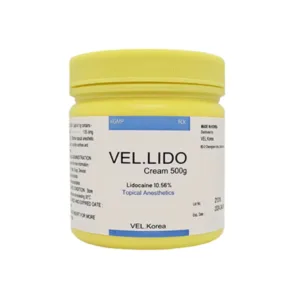
This 30g jar and the SM Cream 500g share the same 10.56% lidocaine concentration but list slightly different pH ranges (6.5–7.5 vs 6.2–6.8) and onset times – why?
Both products use the same 10.56% lidocaine HCl active ingredient, but each is formulated and tested as its own batch with its own emulsion base – this 30g jar uses a water-in-oil emulsion with methylparaben preservative, targeted at pH 6.5–7.5 and rated for full epidermal penetration in 7–10 minutes with 60–90 minutes of analgesia. The 500g SM Cream is a separate formulation targeted at pH 6.2–6.8 with a 10–12 minute onset and 90±15 minute duration. Small formulation differences like preservative system and emulsion type can shift the optimal pH range and absorption timeline slightly, even when the headline active ingredient percentage is identical. If your protocol depends on a specific onset/duration window, refer to the specification table for the exact jar size you’re using.
What does the “absolute maximum dose: 4mg/kg body weight” mean, and how would a practitioner calculate it?
This is a systemic safety ceiling based on the patient’s body weight, expressed as milligrams of lidocaine per kilogram. To estimate it: multiply the patient’s weight in kilograms by 4mg, then compare that figure to the amount of lidocaine actually applied (the cream is 105.6mg of lidocaine per gram, so a 2ml/~2g standard application contains roughly 211mg of lidocaine). For most adult patients at typical body weights, a single 2ml standard-session application falls well within this limit, but practitioners treating larger areas, smaller patients, or applying cream more than once in a session should calculate cumulative lidocaine dose against the patient’s weight-based maximum.
The listing mentions a 0.03% allergic reaction incidence and that resuscitation equipment must be accessible – does that apply to small clinics or home users too?
The 0.03% figure describes how rarely an allergic reaction has occurred in reported use – it is low, but not zero, which is why basic emergency preparedness is part of the safety guidance regardless of setting size. “Resuscitation equipment must be accessible” reflects standard precaution language for amide-anesthetic products generally, acknowledging that allergic and rare systemic reactions, while uncommon, require a plan. In practice, this means any setting using this product – clinic or home – should have a basic emergency response plan (knowing local emergency contacts, recognizing reaction symptoms, and not using the product on patients with known anesthetic allergies) rather than assuming a rare event cannot happen.
What does “efficacy variance ±12–18% depending on site vascularity and epidermal thickness” mean for where on the body I apply this?
Areas of the body differ in how thick the skin is and how much blood flow (vascularity) is near the surface. Thinner skin and areas with richer blood supply – such as the lips, eyelids, or inner forearm – tend to absorb topical anesthetics faster, which can push the effective onset toward the quicker end of the 7–10 minute range. Thicker-skinned or less vascular areas – such as the soles of the feet or areas with calloused skin – may take closer to the slower end, or slightly longer. The ±12–18% variance is a way of communicating that the 7–10 minute and 60–90 minute figures are averages, and individual sites and patients may fall somewhat outside that range.
If each session uses about 2ml, how many sessions does a 30g jar provide?
The 2ml “standard session” figure is a reference dose for a typical localized treatment area at the 0.5g/cm² application rate. A 30g jar (roughly 30ml of cream, density-dependent) at a 2ml-per-session rate works out to somewhere in the range of a dozen or more standard sessions, depending on the actual treatment area size each time – smaller spot treatments will use less than 2ml and stretch the jar further, while larger areas will use more per session and reduce the total session count.
⚠ Safety Information & Contraindications
Contraindications - Mucosal application or broken/compromised skin
- Patients with known amide-anesthetic allergies
Stop Use If You Notice - Rash, hives, or pronounced swelling at the site
- Blistering or skin breakdown
- Signs of systemic reaction (dizziness, irregular heartbeat, ringing in ears)
Mandatory 24-hour sensitivity patch test required prior to full clinical application. Allergic reaction incidence: 0.03%. Resuscitation equipment must be accessible during use. This product is not a substitute for medical advice.




Reviews
There are no reviews yet.