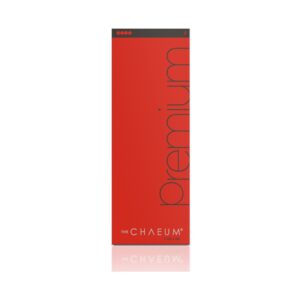
Curenex Glow is rich in glutathione and multiple peptides, delivering outstanding results in radiance enhancement and overall early anti-aging care. It helps effectively reduce dullness and is well suited to those seeking a clear, luminous, dewy complexion. Kiara Reju, by contrast, stands out for its combination of PDRN, niacinamide, and high-concentration hyaluronic acid (HA). It offers excellent repair benefits and deep hydration, making it an ideal choice for rebuilding dry, sensitive, or compromised skin barriers.
Repair Effects
Curenex Glow
Dermatologists often describe Curenex Glow as a deep-delivery nutrient infusion for the skin. Each 3ml glass contains PDRN extracted from deep-sea salmon DNA from Alaska, along with 15 amino acids. Human skin cells normally renew every 28 days, but after age 25, that cycle often slows to 35 days or even longer. These fish-derived DNA fragments are structurally very similar to damaged genetic chains in the human body, allowing them to bind closely at the site of repair. One of the ingredients in the formula, Palmitoyl Tripeptide-5, is especially small in molecular size. With a molecular weight under 1000 Daltons, it can pass through the epidermis and reach the reticular dermis at a depth of about 1.5 to 2.0 mm. The hyaluronic acid used in skin booster treatments is exceptionally water-binding. It can hold up to 1000 times its own weight in water, creating invisible reservoirs between cells. With sufficient moisture in the skin, glutathione can move more effectively within a mildly acidic environment of pH 6.8 to 7.2 and help suppress the mechanisms responsible for melanin production.
- PDRN 0.2%: repairs damaged cells
- Multiple peptides: stimulate collagen production
- Hydrolyzed collagen: replenishes missing Type I and Type III collagen
- Glutathione: helps clear pigmentation caused by sun exposure
- Hyaluronic acid: creates moisture pathways between cells
In clinical settings, nurses check refrigerator thermometers daily to ensure the solution is stored properly in a dark compartment at 2°C to 8°C. Doctors put on sterile gloves and use ultra-fine 34G for manual injection, or mount a 9-pin cartridge onto a device with suction set to level 2 or 3. Each enters the skin at a depth of 1.0 to 1.2 mm, delivering the solution precisely to areas with the densest capillary network. After the are removed, small raised blebs about 3 to 5 mm in diameter usually appear on the face. In most people, these are almost fully absorbed within 24 to 48 hours. By the third day, when washing the face in the morning, previously dry and flaky areas usually feel much smoother. On a skin moisture analyzer, transepidermal water loss readings often drop by 15% to 20% compared with pre-treatment levels. After a full 168 hours, glutathione has had time to reduce the dull, yellowish tone associated with late nights and screen exposure, and the skin often begins to reflect light slightly under the sun.
- Within the first 1 to 2 hours: puncture marks close and redness starts to calm
- Within 1 to 2 days: the raised bumps flatten
- After 3 to 5 days: moisture returns and tightness eases
- After 1 to 2 weeks: collagen support improves and the skin feels fuller
For people who go out daily without sunscreen, UVA has often already weakened the skin’s elastic support structure, leaving fine lines across the face. A full 3ml treatment allows the nutrients to spread through the tissue and support repair where the structure has started to break down. Doctors usually recommend 3 to 4 sessions, spaced three weeks apart, which matches the roughly 21-day cycle of cellular turnover. Around the eyelids, where the tissue can be thinner than 0.5 mm, the usually delivers only 0.01 to 0.02 ml per point. In fuller areas such as the apple cheeks and the loose tissue around the jawline, each point can receive about 0.05 ml. After completing one full course over three months, ultrasound imaging may show a denser structure beneath the skin. High-resolution VISIA analysis can also detect that uneven, pitted areas have become smoother by several dozen microns. Persistent facial redness is often linked to previously overstretched superficial vessels.
Kiara Reju
Inside the Kiara Reju box are three individually packaged sterile glass. Each one contains 2.2 ml of clear gel-like solution. When the nurse opens the foil seal, the liquid feels noticeably thicker than normal saline. In addition to fish-derived PDRN, the formula also contains highly concentrated pure hyaluronic acid at 20 mg/ml.
After treatments such as picosecond laser or Thermage, the skin surface temperature can easily rise above 39°C, while moisture beneath the skin evaporates at around three times the normal rate.
Doctors generally use an almost invisible 34G manual injection , or a vacuum-assisted device fitted with a 5-pin cartridge. The depth is carefully controlled between 0.8 mm and 1.0 mm, reaching the uppermost dermis. With each pulse of the device, 0.02 to 0.03 ml of solution is delivered into the skin. Once the full 2.2 ml has been injected, the face is typically covered with 70 to 80 small, round, fluid-filled bumps. Once dispersed under the skin, the high-concentration hyaluronic acid behaves like a dried sponge dropped into water. In less than 6 hours, the larger molecules can bind free water amounting to roughly 500 times their own volume. Within 24 hours, the moisture content of a dry, flaky stratum corneum can increase by about 30%. With water acting as a cushion in the dermis, the burning sensation from heat and inflammation often eases within 30 minutes.
- 15 minutes after treatment: the face shows fine red puncture marks and is cooled with a medical cold compress
- After the first 24 hours: the small raised bumps gradually flatten and blend into the surrounding skin
- By day 3: the skin no longer feels rough or tight, and flaking areas begin to shed naturally
- By day 7: the stratum corneum feels thicker and softer
Niacinamide moves through dermal tissue fluid and helps intercept inflammatory triggers. Skin that easily turns red from a little wind is often in a state of chronic capillary over-expansion. Once niacinamide helps suppress inflammation around the vessel walls, visible redness can fade by one to two shades within 48 hours. In skin with a barrier thinned by excessive acid exfoliation to less than 0.01 mm, the delivered nutrients are absorbed very quickly. The formula also contains PDRN at 5 mg/ml, which moves through the tissue to locate cells damaged by energy-based devices. Once injured fibroblasts absorb the nucleotides delivered by PDRN, stalled DNA replication can resume. Epidermal turnover is gradually brought back toward the normal 28-day cycle. In clinical practice, TEWL readings often fall by 15% to 20% one week after treatment.
In dermatology clinics, it is common to see patients with seasonal allergy flare-ups and widespread facial redness, often accompanied by disrupted skin surface pH that has shifted into a more alkaline state.
To rebuild a severely dehydrated skin foundation, patients generally return for treatment every 15 to 20 days. A complete course usually requires 3 to 4 of 2.2 ml each. Recurrent red acne marks on the cheeks often begin to fade as microcirculation improves. By the time of the third session, repeat testing may show that the stratum corneum has thickened by 10 to 15 microns. In delicate areas under the eyes, where dryness easily causes fine lines, nurses usually reduce the vacuum setting on the to level 1. Since the tissue there is thinner than 0.5 mm, the dose must be reduced to just 0.01 ml per point. If too much 20 mg/ml hyaluronic acid is injected at once, it may draw in water and create shiny, swollen puffiness beneath the eyes. With smaller, more controlled dosing, dryness-related under-eye lines often become visibly smoother within two weeks.
- Under the eyes: only 0.01 ml per point, carefully avoiding the vascular network
- Cheeks: return to the standard 0.02 ml dose to cover areas of redness evenly
- Forehead: because the fat layer is thin, the injection depth is reduced from 1.0 mm to 0.8 mm
- Sides of the nose: manual injection is preferred to avoid the dense nerve structures deep in the danger triangle
These micro-reservoirs of hydration usually remain in the dermis for about 3 to 4 weeks. As pure hyaluronic acid is gradually broken down by the body’s natural enzymes, the new collagen network stimulated by PDRN begins to take over. On VISIA 3D imaging, the density of the dermal mesh layer can look significantly improved compared with one month earlier. Skin that once reacted easily to irritation often becomes more resilient against both UV exposure and temperature differences of 15°C between indoors and outdoors.
Choosing the Right Repair Treatment
In dermatology waiting rooms, many patients are unsure which type of injectable skin repair solution their skin actually needs. Office workers in their thirties often spend all day in air-conditioned environments where humidity stays below 40%. Over time, the outer barrier that retains moisture becomes depleted and may be reduced to a thickness of barely 0.01 mm. A doctor can often tell what is needed with a quick look at the VISIA skin analysis screen. If the cheeks already appear tight and dry, with visible dehydration lines as deep as 0.2 mm, then the 20 mg/ml pure hyaluronic acid in Kiara Reju is usually the more urgent choice. Once the skin’s internal moisture level drops below even 20%, the cells responsible for producing collagen become sluggish. After several nights of severe sleep deprivation, the pH of the skin’s surface film often rises sharply, sometimes exceeding 7.5 and shifting into an alkaline state. At that stage, simply forcing nutrients into the skin is often ineffective, because dehydrated cells cannot properly absorb or use them. Kiara Reju first works by flooding the tissue with moisture and reopening the collapsed pathways caused by severe dehydration. Only then can the 5 mg/ml PDRN move with that water flow and begin repairing damaged genetic chains. After age 35, the issue is usually no longer just dehydration. If the apple cheek is lifted with two fingers and the tissue feels loose and slippery, ultrasound may reveal gaps of about 0.5 mm in the dermal collagen network. At that point, hydration alone is no longer enough to support the skin’s structure. The 15 amino acids in Curenex Glow then become essential as the building material for repair. Its micro-peptides, each with a molecular weight below 1000 Daltons, penetrate to around 1.2 mm beneath the skin and stimulate the deeper tissue to produce more Type I collagen.
| Current Skin Condition | More Suitable Injectable Option | When Changes Usually Become Noticeable | How Long the Effect Usually Lasts |
|---|---|---|---|
| Skin overheated after Thermage, with severe dryness and flaking | Kiara Reju as a cooling and hydrating solution | Redness usually starts easing within 24 to 48 hours | Hydration support can last 3 to 4 weeks |
| Dull, yellowish skin from lack of sleep, with loose texture and fine lines at the outer corners of the eyes | Curenex Glow for structural rebuilding | Skin often feels firmer after 7 to 14 days | Noticeable overall improvement usually becomes clearer after 1 month |
| Red rash and visible capillary flushing during seasonal transitions | Kiara Reju, with niacinamide to help calm inflammation | Redness often starts settling in about 3 days | After 3 sessions, results may remain stable for more than half a year |
| Sun-damaged, rough, sagging skin with enlarged-looking pores | Curenex Glow, relying on its peptide complex for heavier repair work | After 21 days, once a full renewal cycle has passed | A full course may last for over 6 months |
For patients dealing with multiple issues at once—severe dryness, flaking, and loss of firmness—one formula alone is often not enough. In these cases, nurses may use a three-way medical connector to combine 3 ml of Curenex Glow with 2.2 ml of Kiara Reju in a single tube. The total 5.2 ml of viscous solution is then loaded into a larger, and the skin booster device is set to vacuum level 3, creating more than 150 densely distributed treatment marks across the face. The hyaluronic acid stays mostly in the superficial dermis at about 1 mm depth to build moisture reserves, while the amino acids travel deeper to support structural repair. Right after treatment, when the patient first gets off the treatment bed, the skin often still feels slightly hot, sometimes above 39°C. The sterile medical cold compress handed over by the nurse must be used strictly for 3 consecutive days, applied morning and evening for 15 minutes each time to keep the skin surface temperature under control. During the first 72 hours, the stratum corneum is filled with microscopic channels created by the doctor’s 34G ultra-fine . If chlorinated tap water enters through those puncture sites, it can quickly trigger obvious redness and swelling. For cleansing at home, the face should only be wiped gently with cooled boiled water or purified water using medical gauze. Foaming cleansers and other surfactant-based products should be avoided completely for the first 3 days. 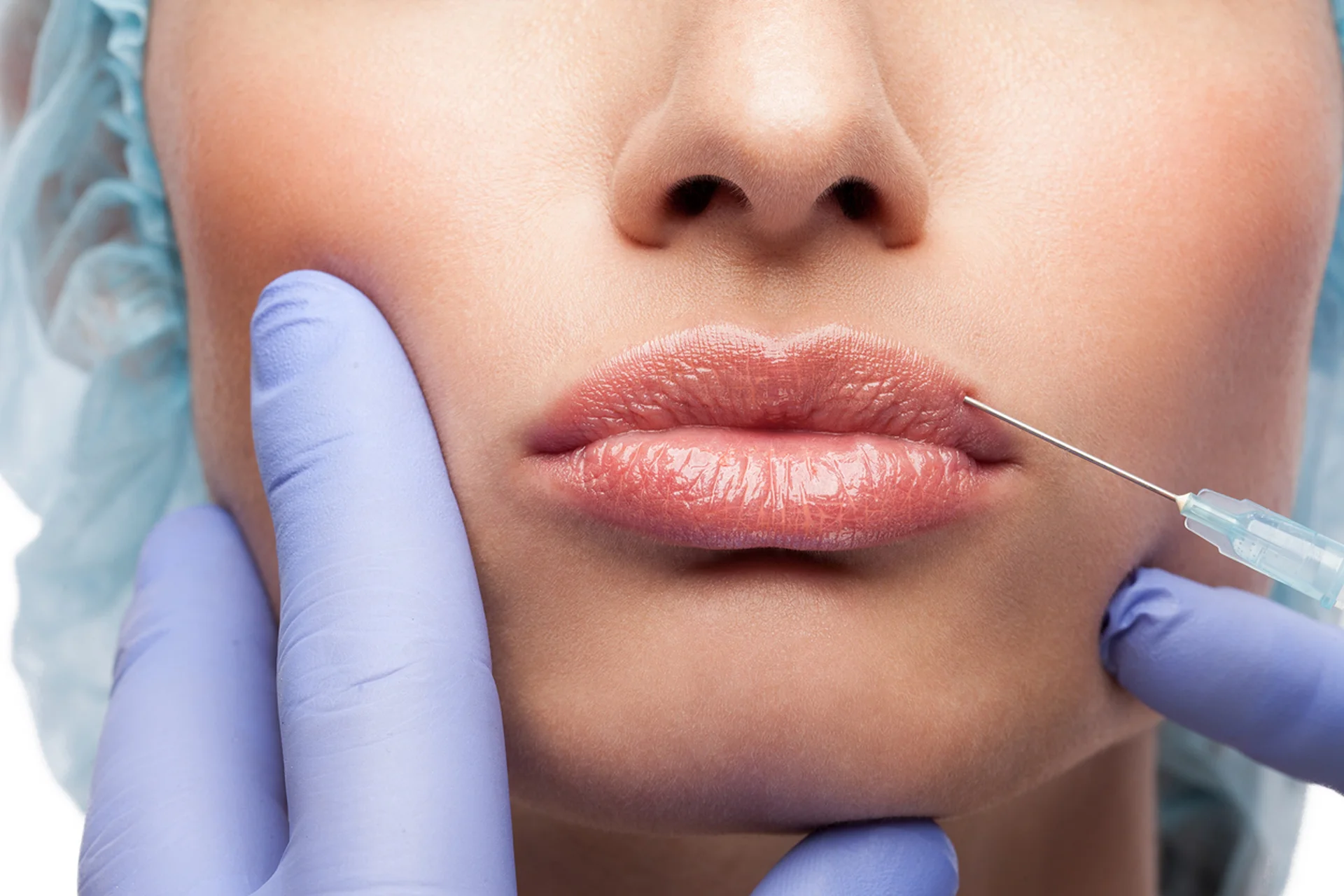
Radiance
“Polished-Glass” Clarity
In daily consultations, I see the same pattern again and again: about 7 out of 10 people who stay up late regularly have skin that looks dull, almost as if a gray film has settled over the face. When the serum is delivered to a depth of about 1.5 mm into the skin, the glutathione starts working right away. Unlike acid peels, it does not strip away the surface. Instead, it goes straight to the source of melanin production and helps shut it down. Glutathione is extremely small—only about 500 daltons—so it can enter cells with very little resistance. Once inside, it interferes with the machinery that produces pigment, making it much harder for excess melanin to form. By the morning of Day 3 after treatment, when you wash your face, you will usually notice that much of the yellowish dullness has faded and a clearer, brighter complexion starts to come through. But brightness alone is not enough. Pale skin still looks unattractive if it feels rough. That is why the formula also contains six peptides, including copper peptide, specifically chosen to repair the dermal foundation of the skin. Over the course of one full 28-day skin renewal cycle, the collagen fiber network underneath gradually becomes tighter and more organized. Once the skin surface becomes as smooth as a peeled hard-boiled egg, light no longer scatters unevenly across the face. Before treatment, an uneven surface diffuses light in every direction. Afterward, the skin reflects light more like a smooth mirror. To the naked eye, overall facial brightness can improve by around 20%, almost like carrying your own built-in fill light. The changes in clarity are especially noticeable over time:
- By Day 7, the color contrast around the sides of the nose becomes much less visible.
- By Day 5, the rough, grainy texture on the forehead starts to disappear.
- By Day 14, the bluish-brown darkness under the eyelids can fade by about one-third.
- After washing your face without applying skincare, the skin’s natural reflective glow can last for more than 8 hours.
Using an ultra-fine 32G , the product is injected at 1 cm intervals, with 0.05 ml placed precisely into each point. In areas with severe periorbital dullness, the spacing can be reduced to 0.8 cm to provide more concentrated nourishment and antioxidant support. For people who are sensitive to pain, a 9-pin or 5-pin device is often used instead of manual injections. The suction level is usually set to Level 3, allowing the device to hold the skin firmly before infusion. This helps keep the leakage rate steadily below 5%. Although machine delivery tends to go slightly deeper than hand injection, the expected brightening effect still arrives right on schedule. Any puncture will naturally leave a few red pinpoint marks, and this is where the formula’s 0.2% PDRN becomes especially useful. It has strong soothing and anti-redness benefits. If the cheeks feel slightly flushed and warm after treatment, the redness can typically subside by more than half within 12 hours, so it does not interfere with normal social activity. When combined with other treatments, the timing has to be managed carefully:
- After a 590 nm photofacial, it can be applied immediately to support absorption.
- It can be mixed with basic hyaluronic acid at a 1:2 ratio and injected together.
- After picosecond laser, wait 14 days before scheduling it to greatly reduce the risk of post-inflammatory darkening.
- If you have used a fruit acid peel at a concentration above 20%, wait a full 3 weeks before any injections.
This type of skin booster is not metabolically slow, so expecting one session to last forever is unrealistic. Three consecutive treatments make up one complete course, with 15 to 20 days between sessions. After that, as long as physical sun protection is maintained properly, the bright, clear finish can last for 3 to 4 months without much difficulty. The first 48 hours after treatment are the golden window for nutrient absorption. A sterile medical mask should be applied morning and evening every day without fail. You should also drink at least 2,000 ml of plain water daily to support faster metabolism and help the body clear out broken-down cellular waste.
Hydrated Glow
When you look in the mirror every day, if your cheeks are as dry as an apple left out for seven days, even an expensive luxury foundation will cake and cling to every patch of dryness. When hydration is infused into the superficial layers of the skin at a depth of less than 1.2 mm, dehydrated cells begin to swell like sponges that have soaked up water. Once the skin gains even 0.1 mm of fullness, natural light starts to reflect off it with a soft, rippling glow. The formula contains 20 mg/ml of non-crosslinked hyaluronic acid, designed to create a microscopic water reservoir beneath the skin. A single hyaluronic acid molecule can bind up to 500 times its own weight in water, locking moisture into the dermis and preventing it from escaping.
Once the skin is fully hydrated, the face takes on the kind of radiance you would expect after ten sheet masks in a row.
But hydration alone is not enough. If the skin tone is dull and uneven, the face can still look five years older. That is why the formula also includes 2% niacinamide. Unlike acid exfoliation, it does not aggressively peel the skin. Instead, it acts more like a gatekeeper, blocking pigment from moving upward. Over the course of a skin renewal cycle of less than 28 days, old dull dead skin gradually sheds and cleaner, fresher keratinocytes come to the surface on schedule. Dry and sensitive skin usually has a compromised barrier, so even if you pour in 30 ml of water, it still cannot retain it. That is why the formula also includes 5 mg/ml of PDRN, small DNA fragments extracted from salmon milt, specifically used to repair the skin barrier and reinforce weak points. Once the epidermal “brick wall” is rebuilt properly, the red capillaries across the cheeks usually calm down within about 7 days. Moisture stays in, environmental debris stays out, and the skin naturally develops a healthy, plump glow. Doctors typically switch to an ultra-fine 34G , with a diameter of just 0.18 mm. The sensation is usually compared to a very light ant bite. A full-face treatment usually requires around 200 injection points. In experienced hands, an entire 3 ml can be delivered in about 15 minutes. In areas with pronounced fine lines, such as the outer corners of the eyes, an extra point can be added every 0.5 cm to visibly expand and smooth dehydration lines. Immediately after treatment, the skin often shows dense, tiny papules, almost like a layer of fine white heat rash.
There is no need to worry. Those micro-reservoirs beneath the skin are actively drawing in surrounding water, and by the next morning they usually flatten out on their own.
Within 12 to 24 hours, the small bumps usually settle completely, and the skin feels soft and supple. By the morning of Day 4, even a tight, stripping cleanser often no longer leaves the skin feeling dry after washing. The improvement in hydration is measurable across different parts of the face:
- By Day 5, the reflective highlight band over the cheekbones becomes continuous.
- By Day 3, flaking around the corners of the mouth caused by dryness disappears.
- By Day 10, the hollow, dehydrated look under the eyes after staying up late can improve by about 20%.
- Foundation adhesion can improve by 100%, with wear lasting 8 hours without obvious breakdown.
Expecting one injection to keep the skin hydrated for a full year is unrealistic. Hyaluronic acid is gradually metabolized in the body. The correct approach is to follow a proper course of treatment: 3 to 4 consecutive sessions, spaced about 21 days apart, allowing the skin time to recover between treatments. When combined with energy-based treatments, the dewy effect can be amplified several times over, but the timing must be carefully controlled:
- After Thermage, wait 30 days before doing a hydration treatment to deeply replenish the heat-depleted dermis.
- After HIFU, add another session after 3 weeks to improve fullness along a loose jawline.
- If there are three scattered pimples on the face, avoid the inflamed areas and inject only the healthy skin at 1 cm intervals.
After completing the full course, combine it with a consistent daily intake of 2,500 ml of warm water. Even in winter, with strong cold winds, the cheeks can stay plump and hydrated for 3 months, and that dewy highlight can remain with you the whole time. The first three days after treatment are critical for rescuing dehydrated skin. A medical dressing mask containing triple ceramides should be applied morning and evening every day. Leave it on for 15 minutes, then remove it promptly—never let the sheet dry out and draw precious moisture back out of the skin. When going outside, wear a UPF50+ sun hat and apply a physical sunscreen with SPF 30 or higher. The amount used over the full face should never be less than 1.5 g. If the quantity is insufficient, the moisture you worked so hard to restore can be depleted by UV exposure in less than half a month.
Glow Comparison
The glow visible to the naked eye is essentially the reflection of light bouncing off a skin surface layer that is only about 0.1 mm thick. Whether the face looks like clear glass-skin radiance or a wetter, more dewy luminosity depends entirely on what ingredients have been placed into the dermis. When Curenex Glow is infused into the skin, the glutathione in the formula immediately starts binding with free oxygen radicals. Around 72 hours after treatment, the yellowish dullness on the forehead and around the mouth usually fades noticeably. Compared against a standard color chart, the sallowness can drop by at least two shade levels. When the same procedure is performed with Kiara Reju, the 20 mg/ml hyaluronic acid physically plumps up dry, collapsed keratinocytes. That process usually takes about 5 days. As the skin fills out, the fine uneven lines across the surface are smoothed by hydration, and incoming light is reflected back in a more even, mirror-like way. Imagine looking in the mirror at 8:00 a.m., before washing your face, under a 5000K white bathroom light. One side of the face shows the polished, bright finish created by the skin booster—clear, refined, and free of oiliness. The other side shows the moist glow created by Kiara Reju, as if the skin were covered with a fine layer of fresh mist.
| Comparison Dimension | Curenex Glow | Kiara Reju |
|---|---|---|
| Main brightening ingredients | Glutathione and peptides | 20 mg/ml hyaluronic acid and niacinamide |
| Visual result | A clearer, drier glass-skin finish | A fuller, wetter dewy-skin glow |
| Peak glow window | Day 3 to Day 14 after treatment | Day 5 to Day 21 after treatment |
| Melanin intervention | Strong; interrupts the oxidation chain | Weaker; mainly blocks pigment transfer |
| Best for this kind of dullness | Sallow, late-night, smoker-type dullness | Severe dehydration, flaking, rough, lusterless skin |
The difference in PDRN concentration also shapes the final texture of the glow. Kiara Reju contains 5 mg/ml, focused on repairing damage along the basement membrane zone. The 0.2% salmon DNA in Curenex Glow, combined with 15 amino acids, is more geared toward weaving a denser collagen network over a 28-day cycle. Glow is also closely tied to pore size. Enlarged pores absorb and scatter light, making the cheeks look dull and dirty. The peptide complex in Curenex Glow strengthens the structural support around pores, helping them shrink from oval openings into pinpoint-sized ones, which instantly increases the reflective area of the skin. Kiara Reju works on pores in a completely different way. It does not directly change pore elasticity. Instead, the hyaluronic acid draws in water and lifts the surrounding tissue from underneath. Visually, those shallow depressed areas look filled in, and the skin appears brighter as a result. When used alongside device-based pigmentation treatments, the timing matters. After a 1064 nm picosecond laser, the skin typically goes through about one week of rebound darkening. Infusing 3 ml of Curenex Glow can help the fragmented melanin clear more quickly, and after 14 days, the edges of pigmented spots usually appear far less defined. On the other hand, if the skin has just been treated with Thermage or 15.6 W radiofrequency anti-aging, the heat can severely deplete moisture in the dermis. In that case, delivering 2.2 ml of Kiara Reju with a Derma Shine 9- can make a major difference. If you measure the cheeks with a skin hydration meter over the following three weeks, the reading should remain above 50%. Neck lines are also a major problem area when it comes to poor light reflection. Neck skin is only about 0.05 mm thick. Using a 34G at a 15-degree angle, a light, superficial layer of Kiara Reju can be placed across the neck. By the next morning, even three deep horizontal lines often look half as visible because of the restored watery fullness. How long the glow lasts is closely tied to daily habits. If someone keeps staying up until 2 a.m., the brightening effect of Curenex Glow may begin to fade around Day 20, making a 1.5 ml touch-up necessary. And if ambient humidity falls below 40%, the hydrated glow from Kiara Reju will also start to weaken. Seasonal changes also affect which formula makes more sense:
- In July, when the UV index is intense and just 10 minutes outside can leave the face red and darkened, Curenex Glow is better for laying a preventive brightening base and reducing melanin formation.
- In December, when indoor heating is set to 25°C and the skin is constantly exposed to warm, dry air, Kiara Reju is the better choice for resisting dehydration.
At-home skincare also needs to change accordingly. 48 hours after Curenex Glow, once the injection points have closed, layering a 10% L-ascorbic acid serum during the day helps preserve the antioxidant brightening effect for longer. After Kiara Reju, a rich ceramide cream is essential to lock in the moisture placed beneath the skin. With a layer of SPF 30 sunscreen and foundation on top, the skin has to hold up until 6:00 p.m. The base created by Curenex Glow is less likely to let foundation oxidize and turn dull. The base created by Kiara Reju may allow a bit more oil in the T-zone, but the highest points of the cheekbones will still keep that wet-looking glow.
The cost and time commitment also follow a very clear logic. Five sessions of Curenex Glow over 75 days can wash away much of the sallow tone built up by three years of staying up late. Three of Kiara Reju over 60 days can transform chronically red, flaky, dehydrated skin into a healthier, more radiant complexion.
Best Use Cases
Brightening& Anti-Aging
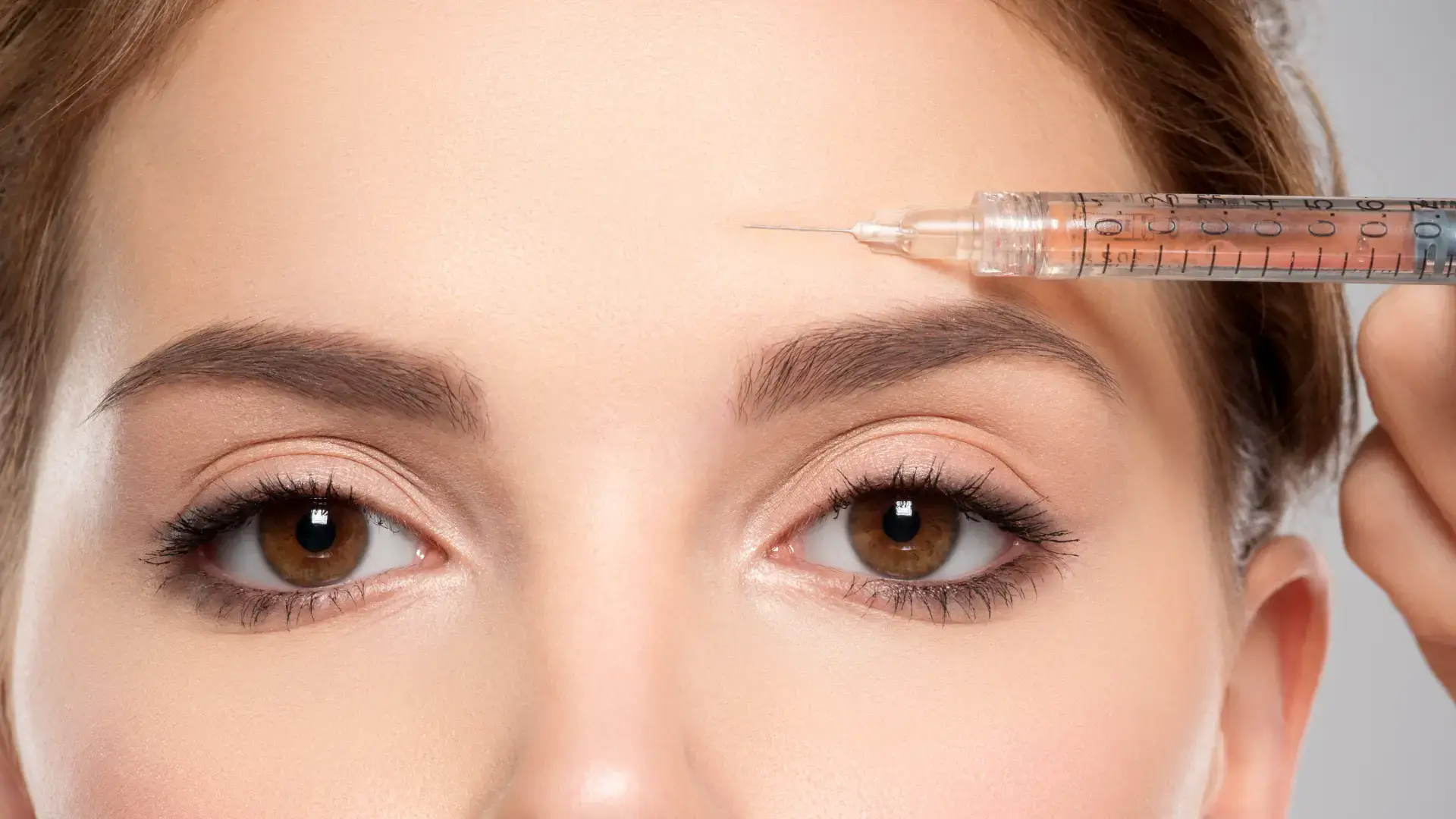
If the goal is clearer, brighter skin, glutathione is hard to avoid as a key ingredient for controlling melanin. Each of Curenex Glow contains a high-purity concentration and is typically delivered with precision into the superficial dermis at a depth of around 1.5 mm. Between Day 7 and Day 10 after treatment, the yellowish cast in the skin usually fades visibly. At the same time, the formula’s 15 amino acids help accelerate skin metabolism. A pale complexion without fullness can look unhealthy. What reads as youthful is brightness with density and bounce. That is why the formula also includes copper peptide, which encourages cells to produce collagen more actively. After three monthly treatment sessions, collagen density around fine dry lines at the outer corners of the eyes can typically increase by around 18% on measurement. There are also several practical details in routine full-face treatment planning:
- A full face generally uses about 3 to 5 ml per session
- Injection points are usually spaced at around 1.2 cm
- Dark post-acne marks can receive an extra 0.05 ml locally
- By Day 14, skin reflectivity is usually close to its peak
With Kiara Reju, the focus shifts toward aggressive hydration and deeper regenerative support. Its formula combines 20 mg/ml PDRN with non-crosslinked hyaluronic acid at the same concentration, making it a highly intensive blend. In skin affected by chronic late nights, low-grade inflammation is often constantly present underneath the surface, which can drive melanin production. Simply suppressing pigment is often not enough because rebound can happen quickly. Its niacinamide content is calibrated at a level that helps control pigmentation without causing excessive irritation. The 20 mg hyaluronic acid can absorb water equal to 1,000 times its own weight, and the expanded intercellular space helps niacinamide move more efficiently. Once the skin is no longer dehydrated, pigmentation caused by redness and sensitivity can often fade naturally around 14 days earlier on average. The PDRN is extracted from wild Alaskan salmon milt and has a reported similarity of up to 95% to human DNA. It works by promoting the formation of new microvasculature rather than simply filling wrinkles from the outside. As circulation improves, the bluish-gray dullness that builds up under the eyes from sleep deprivation is gradually metabolized away, and the cheeks take on a healthier rosy tone. Long-term skin tracking tends to show a clear pattern:
- In the first 48 hours, stratum corneum hydration reaches its highest point
- By Day 5, dehydration lines are noticeably reduced
- By Day 21, the fuller texture created by PDRN-stimulated collagen becomes visible
- By Day 90, dermal thickness can increase by an average of 0.2 mm
For skin that is yellow, dull, darkened, and also very thin, a layered dual-depth approach often works better. Kiara Reju is first placed at a depth of around 2 mm to rebuild the foundation, then the is withdrawn to around 1 mm and Curenex Glow is layered more superficially. This usually creates around 80 to 100 small papules per cheek, so it demands a very steady and experienced hand.
Hydration & Barrier Repair
With 20 mg/ml non-crosslinked hyaluronic acid, Kiara Reju can be delivered steadily into the dermis at a depth of about 1.2 mm. In extremely dehydrated skin, the outermost barrier behaves like a broken sieve. No matter how expensive the moisturizer is, the skin still cannot hold water underneath. A sheet mask used at home can only work at the epidermal level, and even a full 15-minute application has clear limits. Hyaluronic acid delivered into the dermis, usually in a molecular weight range of 1000 kDa to 1500 kDa, can remain there for 3 to 4 weeks in a meaningful way. Beneath the skin, it acts like a powerful internal water reservoir, locking surrounding moisture firmly between the cells.
In severely dehydrated skin, transepidermal water loss (TEWL) can drop sharply by about 30% within the first 48 hours after the very first session.
But hydration alone is not enough. Once moisture is restored, the fragile, damaged skin barrier still needs PDRN to rebuild. The 20 mg/ml PDRN, purified from salmon, enters through the injection points and essentially gives the cells a 28-day repair cycle. Many people who overuse acids every day end up with skin that is thin, red, and highly reactive. Their barrier becomes so compromised that even minor ingredient mismatch can trigger a flare. PDRN adheres closely to damaged cell membranes and signals the skin to regenerate. After four monthly sessions, VISIA scans of the cheeks can typically show a very real epidermal thickening of around 0.15 mm to 0.2 mm. There is also a lot of technical detail hidden in selection and injection technique:
- Severely compromised barrier skin is usually treated with an ultra-fine 34G to minimize pain
- Injection depth is kept strictly between 1.0 mm and 1.2 mm to avoid larger vessels
- A full face may require around 120 injection points, with 0.02 ml delivered at each point
- On the forehead and chin, the is usually inserted at a 15-degree angle to reduce leakage
When the whole face is covered with injection points and the skin barrier is already weak, the first 48 hours become the real test of how well the formula performs. Curenex Glow is potent, but in highly dry, reactive skin, it may sometimes trigger 2 to 3 mm absorption-related papules if the skin cannot tolerate it well. In contrast, the niacinamide in Kiara Reju is set at a very finely balanced micro-dose. It does not compete with the brightening function. Instead, it quietly helps calm inflamed capillaries. If a sterile medical cold compress is applied immediately after treatment and removed after 20 minutes, the redness and swelling around the injection points can visibly decrease by around 60% right away.
For the first 3 days after treatment, cleansing water temperature should be kept strictly between 32°C and 35°C. Even going 1°C hotter can reactivate sterile inflammation beneath the skin.
By Day 7, the damaged barrier is usually much more stable. The tight, itchy feeling that used to appear right after washing is largely gone, and even an inexpensive basic moisturizer can finally feel as though the skin is actually absorbing it. On red-pigment imaging, broad red patches are often broken up into scattered smaller areas, with the total affected area dropping by around 45%. In autumn, every 1°C drop in temperature can reduce sebum production by about 10%. Many people whose cheeks flake in cooler weather cannot even spread basic sunscreen properly. Scheduling two Kiara Reju sessions in September works like building a micro-reservoir under the skin, making it much easier to handle the extremely dry indoor heating conditions of northern winters, where humidity may fall to only 15%. It is also particularly useful after aggressive energy-based treatments. After 900 Thermage shots, subcutaneous temperatures can rise to as high as 65°C, leaving the dermis severely dehydrated. Following up the same day with PDRN not only helps cool the skin physically, but also helps wrap and support elastic fibers that were disrupted by heat. Clinical follow-up from combined treatments has also produced some very practical data:
- When injected immediately after Thermage, the peeling and crusting phase can be shortened by an average of 3 days
- Deep reticular erythema caused by HIFU can clear within 72 hours under PDRN support
- The rate of post-inflammatory hyperpigmentation (PIH) after fractional laser can drop from the usual 15% to below 3%
- At Day 30, the skin elasticity R0 value can improve by 12% more than with energy-based treatment alone
How to Choose
For anyone standing in front of the consultation room mirror unsure which option to choose, the answer is often already there in the skin-analysis records from the past five years. Among patients aged 25 to 35, about 68% come in complaining of “late-night dullness” and early signs of aging. After just two weeks of sleeping less than 5 hours a night, melanocyte activity beneath the skin can rise by 40%. At that point, antioxidant serum alone is rarely enough to control the yellow, tired tone showing through. If there are only 14 days left before a wedding or major event, the budget is limited, and visible brightening is needed fast, Curenex Glow is usually the more effective option. In standard treatment, each cheek is usually limited to 1.5 ml to 2.0 ml. Delivered into the superficial dermis at 1.5 mm, its high-purity glutathione and multi-peptide blend can effectively shorten the epidermal renewal cycle from 28 days to about 21 days. By Day 7, once the medical cold compress period is over and the skin is reevaluated in the mirror, darkened patches over the upper cheekbones can often appear about 1.5 shades lighter. For patients focused on early anti-aging, three monthly full-face sessions can visibly smooth out pseudo-fine lines of around 3 mm at the outer corners of the eyes. When the skin is in poor condition during seasonal transitions—dry, itchy, and easily flushed in the wind—forcing in a nutrient-heavy formula can easily trigger a face full of 2 mm closed comedones. In that case, using Kiara Reju first to rebuild the skin foundation is the safer and more stable approach. Its 20 mg/ml non-crosslinked hyaluronic acid behaves like a giant sponge beneath the skin, binding water equal to 1,000 times its own weight.
| Comparison Item | Curenex Glow (Oxidative Brightening Glow) | Kiara Reju (Water-Reservoir Rebuilding) |
|---|---|---|
| Formula profile | PDRN + glutathione + 15 amino acids + peptides | 20 mg/ml PDRN + 20 mg/ml hyaluronic acid + niacinamide |
| Injection depth | 1.0 mm – 1.5 mm (superficial dermis) | 1.2 mm – 2.0 mm (mid-to-deep dermis) |
| Speed of visible results | Yellow dullness fades significantly by Day 7 to Day 10 | Redness drops sharply and hydration rises within 48 hours |
| Full-face dosage | 3.0 ml to 5.0 ml per session | 2.5 ml to 4.0 ml per session |
| Healing of injection points | About 24 to 36 hours | About 12 to 24 hours (with very rapid tissue recovery support from PDRN) |
For skin that has just gone through 1,024 HIFU shots or high-energy fractional laser, the outer stratum corneum may be thinner than even 0.05 mm. Subcutaneous temperature may have been pushed above 60°C, and most of the skin’s water reserve has already been driven off. If Kiara Reju is added the same day, redness recovery can accelerate dramatically. TEWL measurements can drop by 30% within just 48 hours. For skin with a severely compromised base that flakes even after cleansing, once autumn and winter arrive and outdoor humidity falls below 30%, even luxury creams become ineffective. In those cases, a 34G ultra-fine can be used at a 15-degree angle to place PDRN densely into the skin at around 1.2 mm. By Day 7, once the dry stinging sensation subsides, VISIA scans usually show that the total redness area has decreased by around 45%. For patients who want both a brighter complexion and deep hydration, the most technique-sensitive option in clinic is layered dual-depth treatment. The is first advanced to 2.0 mm, where Kiara Reju is used to build a deep hydration reservoir. Then it is withdrawn to 1.0 mm, and the antioxidant components in Curenex Glow are spread more superficially. The whole face may end up with nearly 200 dense injection points, but the effect is often far greater than either treatment alone. The deeper layer continuously supports the skin with moisture, while the superficial layer helps clear the microcirculation pathways involved in pigment formation. After two combined layered sessions, even in August, under intense UV exposure during a three-day island trip, the risk of rebound tanning can still be reduced by more than 60% compared with single-layer treatment alone.