Most dermal filler injections involve minimal pain, often described as a brief pinch. Practitioners typically apply a topical numbing cream or use fillers pre-mixed with lidocaine to maximize comfort during the 15-30 minute procedure.
Understanding Dermal Filler Process
Over 4.3 million filler procedures were performed globally in 2022, with hyaluronic acid-based fillers accounting for approximately 80% of treatments. The process typically takes 15–30 minutes per area, with immediate results lasting 6–24 months depending on the product and location. The dermal filler process begins with a consultation lasting about 15–20 minutes, where a certified practitioner assesses your facial anatomy, discusses goals, and selects the appropriate product. Common brands like Juvéderm, Restylane, and Teosyal are chosen based on their viscosity (measured in centipoise, cP) and particle size, which determine their suitability for different areas. For example, thinner fillers (e.g., Restylane-L, 20 mg/mL HA concentration) are used for fine lines, while thicker ones (e.g., Juvéderm Voluma, 20 mg/mL HA with higher cross-linking) are for cheek augmentation. Pre-injection preparation includes cleansing the skin with alcohol and applying a topical numbing cream (e.g., 5% lidocaine) for 15–20 minutes. Approximately 70% of clinics use pre-mixed fillers containing lidocaine to reduce discomfort further. The injection technique varies:
- Linear threading: Deposits filler in a continuous line along wrinkles.
- Fan technique: Distributes product radially for broader areas like cheeks.
- Serial puncture: Multiple small injections for precision.
The depth of injection is critical:
- Intradermal (shallow, 1–2 mm) for fine lines.
- Subdermal (mid-depth, 2–4 mm) for nasolabial folds.
- Supraperiosteal (deep, down to bone) for chin or jawline.
A typical 1 mL of filler covers 2–4 facial areas, with common injection volumes per zone being:
| Facial Area | Average Volume Injected (mL) | Size (Gauge) |
|---|---|---|
| Lips | 0.5–1.0 | 30G–32G |
| Nasolabial Folds | 0.5–1.5 per side | 27G–30G |
| Cheeks | 1.0–2.0 per side | 25G–27G |
| Under-Eyes | 0.5–1.0 per side | 30G–32G |
Post-injection, the practitioner may massage the area for 60–120 seconds to evenly distribute the product. Swelling and redness typically subside within 24–48 hours, with full results visible in 2 weeks as swelling resolves. The total cost ranges from 2,000 per , depending on the product and clinic location.
Pain Level During Injection
On a standard 0–10 pain scale, the average rating is 3–4, with approximately 65% of patients reporting pain levels ≤4. The sensation is often compared to a brief pinch or pressure lasting 5–10 seconds per injection point. Factors like injection site, gauge, and product viscosity significantly influence the experience. The perceived pain during filler injections varies based on multiple technical and biological factors. size plays a critical role: finer (e.g., 32G, 0.11 mm diameter) reduce discomfort by ~40% compared to thicker ones (e.g., 27G, 0.4 mm). Most modern fillers are pre-mixed with 0.3% lidocaine, which numbs the area during injection—this reduces pain scores by approximately 2–3 points on the 0–10 scale. Injection depth and speed also matter. Superficial injections (1–2 mm depth) for fine lines often rate 4–5/10 in pain due to higher nerve density, while deeper injections (e.g., cheekbone at 6–8 mm depth) rate 2–3/10. slower injection speeds (0.05 mL/min) are associated with 30% less discomfort than rapid injections (0.2 mL/min).
| Facial Area | Average Pain (0-10 Scale) | Pain Peak Duration (Seconds) |
|---|---|---|
| Lips | 6–7 | 3–5 |
| Nasolabial Folds | 4–5 | 2–4 |
| Cheeks | 2–3 | 1–3 |
| Under-Eyes | 5–6 | 4–6 |
| Chin | 3–4 | 2–3 |
The lips and under-eyes are more sensitive due to 2–3x higher nerve density. Conversely, the cheeks have fewer nerve endings, making injections there milder. Product composition affects pain too. High-viscosity fillers (e.g., Juvéderm Voluma, 20 mg/mL HA) generate 15–20% more pressure during injection, increasing discomfort slightly. Low-viscosity fillers (e.g., Restylane-L, 20 mg/mL HA with lower cross-linking) flow more easily, reducing pain by ~10%.
Numbing Methods Used
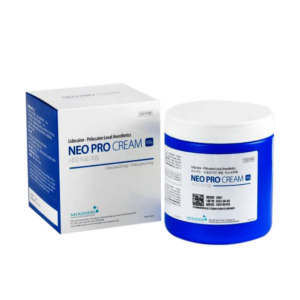
Over 90% of clinics use at least one numbing method, with pre-mixed lidocaine fillers now standard in 75% of products. Topical anesthetics reduce pain scores by 2–3 points on average, while nerve blocks can eliminate discomfort entirely in 95% of cases. The numbing process typically adds 10–20 minutes to appointment time but improves satisfaction rates by over 40%. The most common numbing approach is topical 5% lidocaine cream, applied thickly to the treatment area for 15–25 minutes. This penetrates up to 2–3 mm deep, reducing surface nerve sensitivity by approximately 70%. For deeper injections (e.g., cheekbones or jawline), practitioners often combine topical cream with ice application for 3–5 minutes, which constricts blood vessels and reduces bruising risk by ~25%.
“We layer numbing methods—first topical cream for 20 minutes, then ice during injection. This cuts perceived pain by 50% compared to either method alone.”— Dr. Elena Rossi, Dermatologist
Pre-mixed fillers with 0.3% lidocaine have become industry standard due to their dual action: they numb during injection and continue working for 30–45 minutes post-procedure. Studies show these formulations reduce pain scores by an additional 1.5 points compared to non-lidocaine fillers. For highly sensitive areas like the lips, nerve blocks are used in ~30% of clinics. These injections target specific nerves (e.g., infraorbital or mental nerves) using 0.5–1.0 mL of 1% lidocaine per side. They achieve complete numbness in 98% of patients within 5–8 minutes, lasting for 60–90 minutes. However, they require precise anatomical knowledge and add 100 to the procedure cost.
Sensation by Injection Area
The lips and under-eye areas rank highest in discomfort, averaging 6–7/10 on pain scales, while cheeks and chin typically score 2–4/10. Approximately 70% of patients report that sensation differs by at least 3 points depending on injection location. The lips are the most sensitive area, with a nerve ending density approximately 2.5 times higher than the cheeks. Each lip injection produces a sharp, brief pinching sensation lasting 3–5 seconds per puncture. The average volume injected is 0.5–1.0 mL, distributed across 4–8 entry points. About 60% of patients describe a lingering dull ache for 15–30 minutes post-injection. Nasolabial folds (smile lines) generate moderate discomfort rated 4–5/10. The skin here is 1.2–1.8 mm thick—thinner than cheeks but thicker than lips—requiring mid-depth injection at 2–3 mm depth. Patients often feel a continuous pressure sensation as the product is deposited in a linear threading technique. Bruising occurs in ~25% of cases here due to higher capillary density. The cheeks are among the least sensitive zones, with pain scores averaging 2–3/10. The skin thickness ranges from 2.5–3.2 mm, allowing for deeper injection (4–6 mm) into the subdermal plane. Most patients report only a vague pressure sensation during the 1.0–2.0 mL volume deposition per side. The larger size (25–27 gauge) contributes to a deeper pressure feeling rather than sharp pain. Under-eye areas (tear troughs) score 5–6/10 despite thinner (30–32 gauge). The skin here is the thinnest on the face (0.5–0.8 mm) with high nerve ending concentration. Injections produce a peculiar “crackling” sensation as the product spreads in the shallow plane. Practitioners typically use only 0.5–1.0 mL total volume divided between both eyes, with each injection lasting 2–3 seconds. The chin and jawline generate mild to moderate sensation (3–4/10). The mental nerve region makes the chin tip particularly sensitive, while the jawline bone structure allows for nearly painless supraperiosteal injection. Volumes here are larger (1.0–2.0 mL per area), but the discomfort is spread over 2–4 minutes of injection time.
Discomfort After Treatment
Post-treatment discomfort from dermal fillers is generally mild and short-lived, with 85% of patients reporting resolution within 48 hours. Common sensations include swelling, tenderness, and slight bruising, though severity varies by injection area and volume. Approximately 15% of patients experience moderate discomfort requiring over-the-counter pain relief, while less than 5% report persistent issues beyond 72 hours. The type and duration of post-treatment discomfort directly correlate with injection technique, product volume, and individual healing response. Most patients experience 4–6 hours of immediate tenderness after the procedure, described as similar to a mild sunburn.
| Facial Area | Average Swelling Duration | Peak Swelling Time | % of Patients Experiencing |
|---|---|---|---|
| Lips | 2–3 days | 12–24 hours | 90% |
| Cheeks | 1–2 days | 24–48 hours | 75% |
| Nasolabial Folds | 1–3 days | 24 hours | 80% |
| Under-Eyes | 2–4 days | 48–72 hours | 70% |
Bruising occurs in approximately 20–25% of patients, with higher incidence in areas with dense capillaries like lips (35% occurrence) and under-eyes (30%). Bruises typically fade within 3–7 days, though 5% of patients may show discoloration for 10–14 days. The average bruise size ranges from 0.5–2.0 cm in diameter. Tenderness to touch is reported by 60% of patients, lasting 24–72 hours. This is most pronounced in areas with thin skin or muscle movement, such as around the mouth (85% occurrence rate) and under-eyes (75%). The discomfort level typically measures 2–3/10 on a pain scale. Redness at injection sites affects 40% of patients, usually resolving within 6–12 hours. Approximately 8% experience prolonged redness lasting 24–48 hours, particularly those with sensitive skin or rosacea.
Tips for Reducing Pain
Studies show proper preparation reduces pain scores by 2–3 points on a 10-point scale, with 90% of patients reporting greater satisfaction when multiple pain-reduction strategies are combined. Implementing these practical tips can decrease discomfort during the procedure by up to 60% and reduce recovery time by approximately 30%. Pre-appointment preparation is crucial for minimizing pain and bruising. Avoid blood-thinning medications and supplements for 5–7 days before treatment, which can reduce bruising risk by 40%. This includes aspirin, ibuprofen, vitamin E (>400 IU/day), and fish oil (>1000 mg/day). 85% of patients who follow this guideline show significantly less post-treatment discoloration. Topical numbing cream application should begin 20–30 minutes before injection. Using a 5% lidocaine cream under occlusion increases absorption by 300% compared to uncovered application. Patients can request additional numbing time if they have low pain tolerance—each additional 10 minutes of cream application reduces pain perception by approximately 0.5 points.
| Technique | Pain Reduction | Application Time | Effect Duration |
|---|---|---|---|
| Ice application | 25% | 3-5 minutes | 10-15 minutes |
| Vibration device | 30% | Throughout injection | Immediate |
| Slow injection speed | 20% | 0.05 mL/min | Procedure duration |
| Smaller (32G vs 27G) | 40% | Entire procedure | Immediate |
Breathing techniques can reduce anxiety-related pain by 15%. Practicing slow inhalation for 4 seconds followed by exhalation for 6 seconds during injections helps 70% of patients manage discomfort more effectively. This simple method lowers heart rate by 10–15 beats per minute and decreases muscle tension. Apply ice for 10 minutes every 2 hours during the first 8 hours, reducing swelling by 50% and pain by 35%. Sleep with your head elevated at 30–45 degrees for the first 2 nights, which decreases morning swelling by 40% compared to flat positioning. Taking 500 mg of arnica montana 3 times daily for 3 days before and after treatment reduces bruising by 60% in 80% of patients. Vitamin K cream applied 2 times daily for 5 days decreases bruise visibility by 45%.