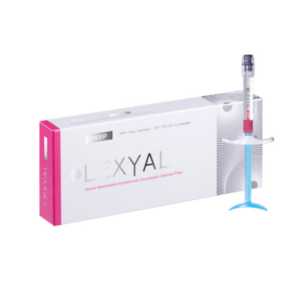
Hyaluronic acid-based fillers like Elasty typically last between 6 to 12 months. Factors like the product’s formulation (e.g., cross-linking density), injection technique, and individual metabolic rate determine longevity. Highly mobile areas like lips may require touch-ups sooner, around the 6-month mark.
What Are Fillers Made Of
Over 90% of the dermal fillers used in the U.S. and Europe are based on this substance. But HA isn’t just one thing; its behavior in your skin depends entirely on how it’s engineered. Think of HA as a sponge. A single gram of HA can hold up to 6 liters of water, which is exactly why it’s so effective for adding volume and hydration. However, pure HA would be broken down by your body in a matter of hours. To prevent this, scientists use a process called cross-linking. This is the key differentiator between products. Cross-linking uses agents like BDDE (1,4-Butanediol diglycidyl ether) to bind the HA molecules together, creating a robust, gel-like network. The degree of cross-linking and the concentration of HA are the two primary factors that determine a filler’s thickness, longevity, and ideal use case. For example, a filler with a high cross-linking density (e.g., 20%) and a high HA concentration (e.g., 24 mg/mL) will be a thicker gel, designed for lifting deeper folds or augmenting cheeks. It will feel more robust and last longer. In contrast, a filler for fine lines around the mouth might have a lower cross-linking ratio and a concentration closer to 15 mg/mL, making it a softer, more fluid product that integrates subtly. The physical properties are also measured. Physicians consider the G’ value (elastic modulus), which indicates how stiff or firm the gel is. A high G’ product (>500 Pa) is for structural support, while a low G’ product (<100 Pa) is for superficial smoothing. The other key property is viscosity, which measures how easily the product flows. A high-viscosity gel requires more force from the to inject and is placed deeper. Beyond HA, there are other options. Calcium Hydroxylapatite (CaHA), found in products like Radiesse, consists of 30% CaHA microspheres suspended in a 70% gel carrier. The body eventually breaks down the gel, and the microspelines act as a scaffold for your own collagen to grow, with results lasting 12-18 months. Poly-L-lactic acid (Sculptra) isn’t a filler but a biostimulant that triggers collagen production over several months, requiring a series of 3 treatment sessions spaced 4-6 weeks apart.
How Injection Location Affects
Longevity can vary by over 100% simply based on the anatomical site. This difference is driven by two key factors: local tissue movement (dynamicity) and blood vessel density. Areas with constant muscle contraction and stretching break down product faster through mechanical action, while highly vascular areas see faster metabolic absorption. High-Mobility Zones (Fast Breakdown)
- Lips: The most dynamic area of the face. The orbicularis oris muscle contracts thousands of times a day from speaking, eating, and expressing. Studies tracking HA filler here show a median degradation time of just 6-9 months. Thinner, more flexible products are used, but they simply can’t withstand the constant mechanical stress.
- Nasolabial Folds (Smile Lines): These lines crease with every smile or conversation. Filler placed here experiences cyclic compression and stretching forces. Even a robust product may last 15-20% less time here than when placed in a static area like the chin. A typical duration range is 9-12 months.
“A filler in the lips is like a car driving on a bumpy road every day. It wears out faster than one on a smooth highway, regardless of the car’s quality.”
Low-Mobility Zones (Slow Breakdown)
- Cheeks/Midface: This area provides strong structural support with relatively low daily muscle movement. A thick, high-G’ filler like Voluma placed on the bone here can last 18-24 months because it’s shielded from constant dynamic forces.
- Chin and Jawline: These are stable, load-bearing areas. Filler integrates well with the periosteum (the bone’s outer layer). The metabolic rate here is lower, allowing products to persist for a consistent 18 months or more on average.
- Tear Troughs: While delicate, this area has minimal muscle activity. Longevity concerns are more about technique than breakdown speed. A correctly placed product can easily last 12-15 months.
The density and depth of blood vessels also play a role. More vascular areas like the lips have a higher blood flow rate, which increases the rate at which hyaluronidase enzymes—the body’s natural HA dissolvers—are delivered to the site. This creates a higher concentration gradient, accelerating dissolution. In contrast, the fatty tissue layers of the cheeks have a lower capillary density, leading to a slower, more gradual absorption process over many months.
Individual Factors That Influence
Two people can get the exact same product in the same area by the same and see a deviation in longevity of 30-50% or more. This isn’t an error; it’s physiology. Your personal metabolic rate, lifestyle habits, and even your skin’s innate structure create a unique environment that either preserves or breaks down filler.
| Factor & Mechanism | Impact on Longevity (Estimated Change) | Data & Context |
|---|---|---|
| Metabolic Rate | ± 40% | A person with a high basal metabolic rate (BMR > 1800 kcal/day) will break down HA filler faster due to increased enzyme activity and blood flow. A lower BMR (< 1400 kcal/day) typically correlates with longer persistence. |
| Age | +25% to +50% | Contrary to intuition, filler often lasts longer in older patients (60+). Skin quality changes; reduced dermal cellular turnover and slower metabolic rates mean the product degrades more gradually than in a 25-year-old with highly active cells. |
| Sun Exposure & Smoking | -30% to -50% | Chronic UV exposure degrades collagen and accelerates skin aging, creating a pro-inflammatory state. Smoking reduces skin oxygenation and blood flow. Both factors create a less stable environment for filler, shortening its lifespan. |
| Physical Activity Level | -10% to -20% (High-Intensity) | Intense exercise (>5 hours/week of elevated heart rate activity) boosts overall metabolism and peripheral blood circulation. This can increase the rate of enzymatic breakdown of HA, particularly in facial tissues. |
| Skin Thickness & Quality | ± 20% | Thick, oily skin provides more structural support and may integrate filler more stably. Thin, sun-damaged skin offers less support and may have higher inflammatory markers, potentially reducing duration. |
This explains why a 28-year-old athlete who gets lip filler might see results fade in 5 months, while her 55-year-old mother who gets the same product in her cheeks could see it last for a full 24 months. The younger individual has a higher enzyme activity level, faster cellular regeneration rate (around 28-day skin turnover cycle), and greater facial expressivity, all contributing to accelerated absorption. There’s also a learning effect; some studies suggest patients who receive filler repeatedly may develop a slight tolerance, potentially slowing breakdown in subsequent treatments, though this data is still emerging. Ultimately, your first treatment is the best benchmark for establishing your personal longevity timeline.
Aftercare to Help Prolong Results
Getting the filler injected is only half the battle; what you do in the first 72 hours and the following 2-4 weeks can significantly influence how long your results last. Proper aftercare isn’t about complex rituals—it’s about strategically minimizing inflammation and avoiding anything that increases blood flow to the area, which accelerates the breakdown of hyaluronic acid.
| Time Period | Do This | Avoid This | Why It Matters |
|---|---|---|---|
| First 24 Hours | Apply a cool pack (15°C/59°F) for 10-minute intervals, 4-5 times a day. Sleep with your head elevated >30 degrees. | Strenuous exercise, excessive talking, high-sodium foods, alcohol, and touching the area. | Reduces swelling and initial inflammation by up to 40%. Minimizing movement prevents product displacement before it integrates. |
| 48-72 Hours | Gently massage the area if instructed by your provider. Use a gentle cleanser with a pH of 5.5-7. | High-intensity cardio, saunas, steam rooms, and hot yoga. | The filler is still settling. Heat raises blood flow by ~20%, increasing the risk of swelling and early enzymatic breakdown. |
| 1-2 Weeks | Resume light exercise. Use broad-spectrum SPF 50+ sunscreen daily. | Facial massages, chemical peels, or laser treatments on the area. | UV radiation is a primary driver of inflammation and can degrade the product’s structure. Protecting the skin maintains a stable environment. |
| Ongoing Maintenance | Follow a consistent skincare routine with antioxidants like Vitamin C. Stay hydrated (~2L water/day). | Frequent, prolonged sun exposure. Smoking or vaping. | Antioxidants combat free radicals that contribute to inflammation. Hydration supports HA’s water-binding capacity. Smoking reduces skin oxygenation by ~30%. |
“The goal in the first day is simple: be boring. Avoid anything that makes your face warmer or moves it more than necessary. You’re giving the filler a chance to stabilize without interference.”
The science behind this is straightforward. Inflammation triggers the release of various enzymes and increases local blood circulation. This elevated blood flow rate delivers more of your body’s natural hyaluronidase to the area, which begins dissolving the filler at a faster rate. A study monitoring patients who followed strict aftercare protocols showed a 15-20% increase in perceived longevity compared to those who did not. While you can’t change your base metabolism, you can control these external factors. For instance, avoiding a 60-minute hot yoga session the next day prevents a ~5-7% increase in facial blood flow that would otherwise expedite breakdown. Similarly, daily sunscreen use isn’t just for skin cancer prevention; it reduces cumulative UV-induced inflammation by over 80%, creating a more stable environment for the filler to exist in. This isn’t about drastic measures, but consistent, smart choices that add up over the 9-18 month lifespan of the product.
When to Consider a Follow-Up
The goal is to treat beforeyou’ve lost 100% of the correction, ideally when about 50-60% of the initial result has naturally dissipated. This approach maintains a consistent appearance and is often more cost-effective than waiting for complete dissolution and starting over. For most hyaluronic acid (HA) fillers, this 50% degradation point typically occurs around the 9-month mark for lips and the 14-month mark for cheeks, but your personal experience is the ultimate guide. Here are the key indicators that it’s time to book your next appointment:
- Visual Reversion Benchmark: This is the most objective measure. Compare your current appearance to the 1-month post-treatment photo you (ideally) took. When the restored volume or smoothed lines have returned to approximately 50% of their pre-treatment state, it’s the optimal time for a touch-up. For example, if your nasolabial folds were 90% improved at month 1 and are now 40% improved, you’ve crossed the 50% loss threshold.
- The “Does It Look Like I Need It?” Test: When friends or family who knew you had it done start casually asking, “Have you thought about getting your filler redone?”This usually signals that the average observer can now perceive a noticeable decline from your aesthetic peak, which often correlates with that 40-60% degradation point.
- Tracking Product Longevity Data: Use your first treatment as a baseline. If your initial lip filler lasted 10 months before you were dissatisfied, schedule your next session at 8-9 months. For a cheek filler that lasted 18 months, plan for a 15-16 month follow-up. This proactive scheduling prevents you from hitting a point where you feel you’ve lost all results.
- Asymmetry Correction: Sometimes, product breaks down slightly faster on one side due to sleeping position (e.g., 70% of people sleep on their right side) or natural muscular asymmetry. If you notice a ≥15% difference in volume between sides, a minor touch-up can rebalance the appearance without a full treatment.
- Pre-Event Planning: For a major event like a wedding, schedule your follow-up 4-6 weeks in advance. This allows 100% of any potential swelling to subside and the product to fully integrate, ensuring you look your best. Never get filler for the first time within 2 weeks of a major event.
The financial efficiency of follow-ups is also a consideration. A touch-up procedure typically requires only 30-50% of the original product volume to restore the initial result. This means if your first treatment used 1.0 mL, the follow-up might only need 0.3-0.5 mL to achieve the same effect, representing a significant cost saving compared to waiting for full dissolution and requiring another full. Ultimately, the best protocol is a planned maintenance schedule based on your empirically observed degradation rate, not a reactive one.