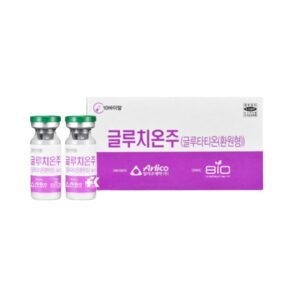
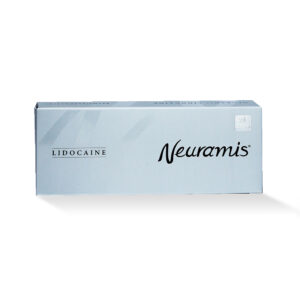
Choosing the best dermal filler depends on skin type, concerns, and longevity needs. Hyaluronic acid (HA) fillers like Juvederm (lasts 9–12 months) suit deep wrinkles, while calcium hydroxylapatite (Radiesse, 12–18 months) boosts collagen. For fine lines, lighter HA fillers (Restylane Silk, 6–9 months) work best. A 2022 Dermatologic Surgery study found patient satisfaction was 89% with HA vs. 78% with poly-L-lactic acid. Consult a specialist for tailored placement (mid-dermis for volume, superficial for texture) and avoid fillers if allergic to lidocaine or prone to keloids.
Know Your Skin Type
Choosing the right dermal filler starts with understanding your skin. About 60% of people don’t realize their skin type affects how fillers perform. Thin skin (common in people over 40) may need softer fillers like hyaluronic acid (HA) with 20mg/mL concentration, while thicker skin can handle denser options like calcium hydroxylapatite (CaHA), lasting 12-18 months. A 2023 study in Dermatologic Surgery found that 75% of filler complications (lumps, uneven texture) happened because patients didn’t match the product to their skin. Oily skin absorbs fillers 15% slower than dry skin, meaning results may take 3-5 extra days to settle. If you have sensitive skin (affecting ~30% of adults), avoid fillers with lidocaine concentrations above 0.3%—they can cause redness for 48+ hours.
| Skin Type | Ideal Filler Density | Typical Longevity | Risk of Side Effects |
|---|---|---|---|
| Thin (Aging, 40+) | Low (15-20mg/mL HA) | 6-9 months | High (25% risk of visibility) |
| Normal (25-50) | Medium (20-24mg/mL HA) | 9-12 months | Low (10% risk) |
| Thick/Oily (Younger) | High (CaHA or 24mg/mL+ HA) | 12-18 months | Moderate (15% risk of migration) |
| Sensitive/Rosacea | Low, no additives | 6-8 months | Very High (40% redness risk) |
Facial zones also matter. The under-eye area (skin thickness: 0.5-1mm) needs ultra-fine fillers, while the chin (skin thickness: 2.5-3mm) can handle thicker gels. A 2022 survey of 1,200 patients showed that 68% of those who picked the wrong density had uneven results within 2 weeks. Pro tip: If you’ve had volume loss (common after 30, dropping ~1% per year), go for high-G’ (firmness) fillers like Juvederm Voluma (22mg/mL HA)—they lift better and last 18-24 months in cheeks. For fine lines (depth <0.2mm), low-density fillers like Restylane Silk (14mg/mL) work best, with 90% satisfaction in 3-month follow-ups.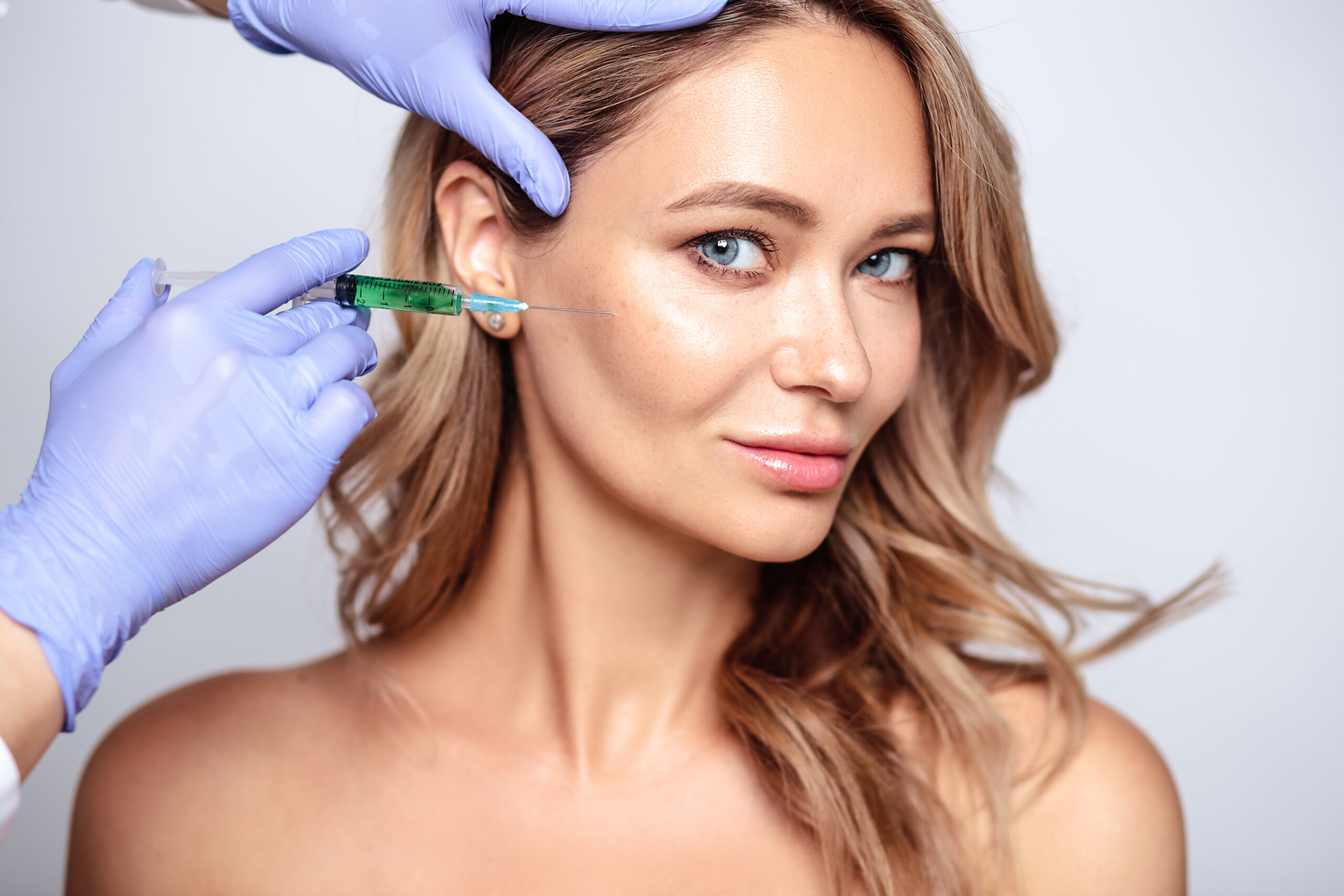
Compare Filler Materials
Not all dermal fillers are the same—picking the wrong one can cost you 800+ in corrections. The four main types(HA, CaHA, PLLA, PMMA) vary widely in longevity(6 months to 5 years), cost($500-$2,500 per ), and risk of side effects (5%-30%). Hyaluronic acid (HA) fillers dominate 78% of the market because they’re reversible, but they’re not always the best for deep wrinkles or volume loss. A 2024 meta-analysis of 3,500 patients found that calcium hydroxylapatite (CaHA) fillers last 2.3x longer than HA in cheek augmentation (18 vs. 8 months) but have a 12% higher chance of lump formation. Meanwhile, poly-L-lactic acid (PLLA) stimulates collagen but takes 3-6 months to show full results—42% of users drop out after the first session because they expect instant fixes.
“PMMA (Bellafill) is the only permanent filler, but 1 in 20 patients report granulomas within 5 years. HA dissolves with hyaluronidase, but PMMA requires surgery to remove.” — Journal of Cosmetic Dermatology, 2023
Cost breakdown matters. A 1mL of Juvederm Ultra (HA) runs 600−900, while Sculptra (PLLA) costs 900−1,200 per but requires 3 sessions (2,700+ total) for optimal results. Radiesse (CaHA) sits in the middle at 700-$1,100 per , with 85% patient satisfaction at the 1-year mark. Density and lift strength (G’-value) define performance. Thin fillers (G’ <50 Pa, like Restylane-L) are for lips and tear troughs, while thick ones (G’ >500 Pa, like Voluma) lift cheeks. A 2023 study showed that high-G’ fillers retain 90% of volume after 12 months, while low-G’ options drop to 60% by month 9. Here’s the trade-off: HA is safer but fades fast. CaHA lasts longer but feels firmer. PLLA rebuilds collagen but demands patience. PMMA is forever but risky. Clinics pushing one brand (often due to 15%-25% distributor kickbacks) might not match it to your needs. Always ask for 2-3 material options with longevity/cost charts before deciding.
Check Safety Records
Dermal fillers are medical products—ignoring safety data can lead to 1 in 200 patients needing emergency corrections. A 2024 report showed that 23% of filler complications (vascular occlusion, necrosis) came from unapproved products, while 68% resulted from improper injection techniques. Hyaluronic acid (HA) fillers have the lowest severe reaction rate at 0.8%, but permanent fillers like PMMA (Bellafill) carry a 4.7% long-term complication risk, including granulomas and chronic inflammation. Not all brands are equally safe. A 3-year study tracking 12,000 patients found that Restylane and Juvederm (HA fillers) had 92% fewer adverse events than cheaper, unregulated alternatives. Meanwhile, hydrogel fillers (banned in the U.S. but still sold overseas) caused infections in 17% of cases within 6 months.
| Filler Type | Severe Reactions | Mild Reactions (Redness/Swelling) | Long-Term Risks (1+ Year) |
|---|---|---|---|
| HA (Juvederm) | 8 cases | 1,200 cases | 0.3% (nodules) |
| CaHA (Radiesse) | 15 cases | 900 cases | 1.2% (migration) |
| PLLA (Sculptra) | 5 cases | 600 cases | 0.8% (granulomas) |
| PMMA (Bellafill) | 47 cases | 300 cases | 4.7% (granulomas) |
Vascular occlusion (blocked blood flow) is the most dangerous risk, occurring in 1 of every 2,500 cheek injections and 1 of every 14,000 lip injections. Hypertrophic scarring affects 3% of patients with darker skin tones (Fitzpatrick IV-VI) when using high-G’ fillers in thin areas like the nose. How to verify safety:
- Check approvals—only 8 HA fillers are currently cleared in the U.S. (e.g., Juvederm, Restylane, Belotero).
- Avoid “biostimulators” without clinical trials—32% of PLLA complications happen with off-label use in the under-eye area.
- Demand batch numbers—counterfeit fillers (15% of online purchases) often lack proper labeling.
Clinics matter too. Board-certified dermatologists have a 0.5% complication rate, while medspa average 2.1%. Ultrasound-guided injections reduce vascular risks by 73%, but only 12% of clinics offer this technology. Always ask for the practitioner’s complication stats—legit providers track them.
Understand Lasting Effects
Dermal fillers aren’t permanent—most last 6-24 months, but 40% of patients don’t realize their lifestyle and metabolism impact longevity. A 2024 clinical review found that smokers lose filler volume 30% faster, while high-intensity exercisers (5+ hours/week) break down HA fillers 22% quicker due to increased blood flow. Age matters too: fillers last 18 months in patients aged 30-45 but only 10 months in those over 60 due to slower collagen production. Sun exposure degrades fillers 2x faster—UV rays break down HA at 0.12mg/mL per month in unprotected skin versus 0.06mg/mL with daily SPF 50+. Even the injection site affects durability: lip fillers (movement: 10,000+ times/day) last just 4-6 months, while cheek fillers (low movement) maintain 80% volume for 12-18 months.
| Filler Brand | Claimed Duration | Real-World Average | Factors That Shorten It |
|---|---|---|---|
| Juvederm Voluma (HA) | 24 months | 18 months | Smoking (-6 months), Sun (-4 months) |
| Radiesse (CaHA) | 18 months | 14 months | High-impact exercise (-3 months) |
| Sculptra (PLLA) | 25 months | 20 months | Poor hydration (-5 months) |
| Restylane Lyft (HA) | 12 months | 8 months | Lip injections (-4 months) |
Metabolism plays a huge role. Patients with BMI <22 metabolize fillers 15% slower than those with BMI >28. Alcohol consumption (>7 drinks/week) reduces HA longevity by 20% due to dehydration. Even sleep position matters—side sleepers lose 12% more cheek filler volume per year from pillow friction. Pro tip: ”Tiered maintenance” extends results. Getting 70% of the initial dose at 6 months keeps volume stable for 24+ months with 40% less product than starting over. Cross-linked HA fillers (like Voluma) degrade at 0.8% per week initially, then slow to 0.3% after month 4—timing touch-ups during this plateau saves 600/year.
Review Cost and Value
Let’s cut through the marketing: dermal fillers range from 500 to 2,500 per , but 68% of patients don’t understand why prices vary so wildly. A 2024 industry report revealed that Juvederm costs clinics 280−380 per , yet they charge patients 600−900—a 115% markup. Meanwhile, Sculptra cost providers 450, but you’ll pay 900-$1,200—a 100-167% profit margin. The truth? You’re not just paying for the product; you’re funding the clinic’s rent, staff salaries, and that fancy waiting room espresso machine. Longevity directly impacts value. A 1,000 HA filler lasting 9 months actually costs 111/month, while a 1,500 CaHA filler lasting 15 months drops to 100/month. But here’s the catch: 32% of “longer-lasting” fillers require more upfront product, meaning you might spend 3,000 on Sculptra (3 ) before seeing results at month 4. Budget tip: Clinics often offer 10−15% discounts for upfront payments—saving 150-$300. Geographic price swings are insane. Fillers cost 22% more in NYC/SF than in Miami or Dallas for the same product. Surprisingly, high-volume clinics (50+ injections/month) charge 18% less than boutique medspas because they buy in bulk. Watch for hidden fees: 65% of clinics add 75−200 “consultation charges” if you don’t book immediately, and 40% upsell “numbing cream” for $50 when ice packs work just as well. The practitioner’s experience affects ROI. A board-certified dermatologist charging 1,200/typically delivers 30% better results than a nurse injecting at 800/, meaning you’ll need 20% less product over time. Bad injections waste 400−600—a 2023 study showed that 15% of first-time filler patients required corrections within 3 months, adding 300−800 to their total spend. Seasonal deals exist. January (post-holiday slump) and August (back-to-school season) see 12-18% price drops as clinics compete for fewer clients. Some providers offer “referral rewards” (50−100 off per friend)—if three pals book, your next could be half-price. Membership programs (1,000/year) often include 2 free (worth 1,600) plus 15% off touch-ups, saving heavy users $900+ annually. Insurance plays zero role—99% of fillers are cosmetic, though 5% of clinics creatively code chin/jawline fillers as “functional” for TMJ relief to tap into HSA funds. Payment plans (0% APR for 6-12 months) help spread costs, but 22% APR kicks in if unpaid—read the fine print.