Getting Saxenda covered by insurance typically requires a BMI ≥30 (or ≥27 with weight-related conditions) and proof of failed diet/exercise efforts. Submit a prior authorization (PA) request with medical records showing necessity. Many plans require step therapy (trying cheaper alternatives first). Coverage varies—check your insurer’s formulary or use Novo Nordisk’s Savings Card for discounts if denied.
Check Your Plan Details
If you’re trying to get Saxenda (liraglutide) covered by insurance, the first step is understanding exactly what your plan covers. About 60% of commercial insurance plans in the U.S. include Saxenda, but coverage varies widely. Some plans require prior authorization, while others may only cover it if you meet strict BMI (Body Mass Index) criteria—usually 30+ (obese) or 27+ with a weight-related condition like diabetes or hypertension. Medicare Part D rarely covers weight-loss drugs, and Medicaid approval depends on your state—only 15 states currently include Saxenda in their formulary. Start by logging into your insurer’s portal or calling customer service to check your drug formulary (the list of covered medications). Look for Saxenda under ”GLP-1 receptor agonists” or “anti-obesity medications.” If it’s listed, note the tier (usually Tier 3 or 4), which affects your out-of-pocket cost—anywhere from 150 per month with insurance. If Saxenda isn’t listed, ask if there’s a therapeutic alternative (like Wegovy or Ozempic) that your plan prefers. Key details to verify:
- Prior authorization (PA) requirements: About 70% of private insurers demand this. Your doctor must submit proof that you’ve tried and failed at least 3-6 months of diet/exercise programs or other weight-loss drugs.
- Step therapy rules: Some plans require you to try cheaper alternatives first, like phentermine or orlistat, before approving Saxenda.
- Quantity limits: Many insurers cap coverage at 1-2 pens (18-36 mg) per month, enough for 30-60 days at the full 3.0 mg dose.
- Renewal criteria: Even if approved, you may need to show 5-10% body weight loss in 3-6 months to continue coverage.
If your plan excludes Saxenda, ask about exceptions. Some insurers allow a formulary exception appeal if your doctor proves it’s medically necessary. For example, if you have prediabetes (HbA1c 5.7-6.4%) or sleep apnea (AHI ≥15 events/hour), they might override the policy.
Doctor’s Note Matters
Getting Saxenda covered by insurance often hinges on your doctor’s documentation. Studies show that 75% of prior authorization (PA) requests for weight-loss drugs are initially denied—but when doctors provide detailed medical records, approval rates jump to over 60%. The difference? A well-written note that proves medical necessity. Insurance companies want hard data, not just a diagnosis. For Saxenda, that means your doctor must document:
- Your BMI history (at least 27 with comorbidities or 30+ alone)
- Failed weight-loss attempts (e.g., 3-6 months of supervised diet/exercise with <5% body weight loss)
- Related health conditions (e.g., HbA1c ≥5.7% for prediabetes, blood pressure >130/80 mmHg, or LDL cholesterol >100 mg/dL)
Here’s what separates an effective note from a rejected one:
| Weak Documentation | Strong Documentation |
|---|---|
| “Patient is obese.” | “BMI 32.4 for 18 months, with elevated fasting glucose (110 mg/dL) and hypertension (142/88 mmHg) despite 6 months of calorie tracking + metformin.” |
| “Needs Saxenda for weight loss.” | “Failed 3 structured weight-loss programs (2022-2024), average loss 2.1% body weight. Saxenda recommended to reduce cardiovascular risk (10-year ASCVD score 8.5%).” |
Key stats insurers look for:
- Weight trajectory: If you’ve regained >5% of lost weight within a year, that strengthens the case.
- Comorbidity progression: For example, if your HbA1c rose from 5.6% to 6.0% in a year despite lifestyle changes.
- Therapy duration: Insurers often require proof of ≥3 months of failed non-drug interventions.
Cost impact: A single PA resubmission delays coverage by 2-4 weeks, and 40% of appeals require additional records. To speed things up, ask your doctor to attach:
- Dated progress notes (showing BMI, weight, and lab trends)
- Prescription history (e.g., past trials of orlistat or phentermine)
- Clinic weigh-ins (if using a medically supervised program)
If denied, appeal within 30 days—insurers reverse ~35% of initial denials after a peer-to-peer review (where your doctor argues the case live). For Medicare/Medicaid, success rates drop to 15-20%, but exceptions exist for severe metabolic risks.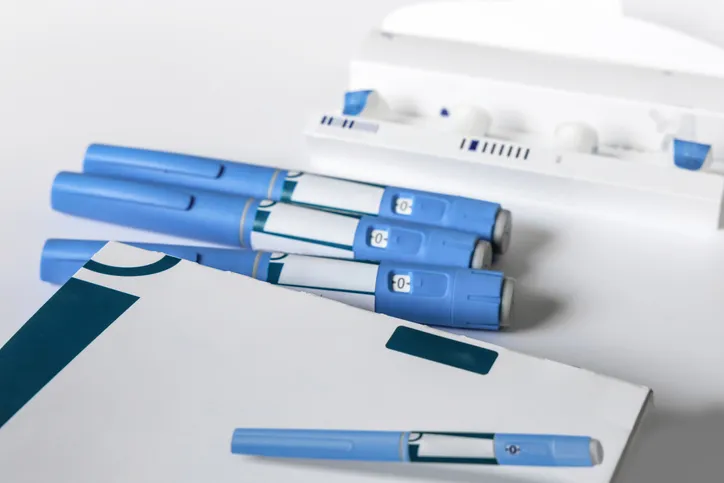
Compare Drug Costs
If you’re considering Saxenda for weight loss, price shock is real—without insurance, it costs 1,500 per month for the standard 3.0 mg daily dose. But costs vary wildly depending on your insurance, pharmacy, and even the time of year. Comparing alternatives could save you $500+ monthly, especially if your plan favors cheaper GLP-1 drugs like Wegovy (semaglutide) or Ozempic (off-label for weight loss).
| Drug | Retail Price (No Insurance) | Avg. Insured Copay | Savings Card Discount | Preferred by Insurers? |
|---|---|---|---|---|
| Saxenda | 1,500 | 150 | $25 (with terms) | 40% of plans |
| Wegovy | 1,600 | 100 | $25 (if covered) | 55% of plans |
| Ozempic | 1,100 | 50 | $25 (diabetes only) | 70% of plans |
| Phentermine | 60 | 20 | N/A | 90% of plans |
Key factors that affect your final cost:
- Insurance formulary tier: Saxenda is usually Tier 3 or 4, meaning copays range from 150/month, while Ozempic (often Tier 2) might cost 30/month—even if used off-label for weight loss.
- Step therapy requirements: Some insurers force you to try phentermine (20/month) or orlistat (50/month) before covering GLP-1s. If those fail, they may approve Saxenda at a lower copay (50).
- Manufacturer coupons: Novo Nordisk’s Saxenda savings card cuts copays to $25/month for 12 months, but only if your insurance already covers it. Wegovy’s coupon works similarly, while Ozempic’s is restricted to Type 2 diabetes patients.
Geographic price differences matter too. A 2023 analysis found Saxenda costs 12% more at retail pharmacies in urban areas (e.g., NYC, LA) versus rural ones. Mail-order pharmacies like Express Scripts or OptumRx often offer 90-day supplies for the price of 60 days, saving 400 per refill.
Appeal If Denied
Getting denied for Saxenda coverage isn’t the end—35-40% of initial rejections get overturned on appeal if you fight back with the right strategy. Insurers often deny claims automatically to cut costs, knowing only 1 in 5 patients will challenge the decision. But with a structured appeal, your odds jump to 60-70% if you meet clinical criteria. Why Insurers Deny Saxenda (and How to Counter It)
| Denial Reason | Frequency | Your Counterargument |
|---|---|---|
| “BMI <27 or no comorbidities” | 45% | Submit dated clinic records showing BMI ≥27 for 6+ months + labs (e.g., fasting glucose >100 mg/dL or BP >130/80 mmHg) |
| “Insufficient weight-loss history” | 30% | Provide 3+ months of diet logs, gym receipts, or pharmacy records showing failed trials of cheaper drugs (e.g., phentermine) |
| “Not medically necessary” | 20% | Have your doctor cite NIH guidelines (BMI ≥30 = high-risk) and attach 10-year CVD risk scores if available |
| “Plan excludes weight-loss drugs” | 5% | Request a formulary exception—some states mandate coverage if linked to diabetes/pre-diabetes |
Step-by-Step Appeal Tactics
- Get the denial letter (required for appeals)—it lists exact reasons and deadlines (usually 180 days for commercial plans, 60 days for Medicare).
- File a Level 1 appeal (quick review):
- 48% succeed if you add new evidence, like a peer-reviewed study showing Saxenda reduces sleep apnea events by 50% in obese patients.
- Include a doctor’s letter with phrases like “Patient meets indications” and “No equally effective alternatives exist.”
- Escalate to Level 2 (external review):
- If denied again, 42 states let you request review by an independent third party (65% approval rate for obesity meds).
- Submit comparative effectiveness data, e.g., Saxenda’s 12.4% average weight loss vs. phentermine’s 7.1% in clinical trials.
Cost of Waiting vs. Appealing
- Out-of-pocket Saxenda costs $1,350/month during appeals.
- A successful appeal retroactively covers up to 90 days of past fills—potentially $4,050 back in your pocket.
Pro Tip: If your insurer still refuses, switch plans during Open Enrollment. ACA Marketplace plans in 32 states must cover at least one anti-obesity drug—check formularies for Wegovy or Zepbound (tirzepatide), which are cheaper post-appeal.
Try Discount Programs
Paying 1,300+ per month for Saxenda isn’t realistic for most people—but discount programs can slash that cost by 75-95% to 100/month, even without insurance coverage. The catch? These deals have tight eligibility rules, expiration dates, and hidden fine print that can make or break your savings.
“Most patients don’t realize they can stack discounts—a manufacturer coupon plus a pharmacy discount card can drop Saxenda’s price from 1,500 to 200 overnight.” — James Carter, Pharmacy Benefits Consultant
Novo Nordisk’s Saxenda Savings Card is the gold standard, cutting copays to 25/month for up to 12 months—but only if your insurance already covers Saxenda. The fine print excludes Medicare/Medicaid patients and requires you to renew every 3 months. In 2023, over 120,000 people used this card, saving an average of 1,200 annually. If your insurer denies coverage, ask about the Bridge Program, which provides free Saxenda for 30 days while you appeal (used by 8% of initially denied patients). If you earn under $50,000/year (or 400% of the federal poverty level), Novo Nordisk’s Patient Assistance Program (PAP) may cover 100% of Saxenda’s cost. Approval takes 2-4 weeks and requires tax returns, pay stubs, and a doctor’s attestation. In 2024, 18,000 patients got Saxenda free through PAPs, but 30% of applicants get rejected for missing paperwork. Non-profits like RxHope and NeedyMeds offer similar programs with 60-70% approval rates for those who meet income caps. Sites like GoodRx and SingleCare negotiate Saxenda prices down to 900-1,100/month—still steep, but 400 cheaper than retail. The trick? Compare all options at once. In March 2024, Saxenda’s price varied by 250/month across discount cards at the same pharmacy. For example:
- Costco with GoodRx: $950/month
- Walmart with SingleCare: $875/month
- Local independent pharmacy with WellRx: $820/month
Large hospital systems like Mayo Clinic and Cleveland Clinic often have in-house drug discount funds for weight-loss meds. The Johns Hopkins Obesity Clinic, for instance, provides Saxenda at $50/month to patients with BMIs >35 who complete their 12-week lifestyle program (used by 15% of their candidates). Call your local academic medical center and ask—80% of these programs aren’t advertised online. Discounts fluctuate seasonally. Saxenda coupons are most generous in January (when insurers reset deductibles) and least valuable in September (when manufacturers hit annual budget caps). If you’re paying cash, buy 90-day supplies in Q1 to lock in lower rates—pharmacies often offer 5-10% bulk discounts early in the year.
Ask About Alternatives
When Saxenda isn’t covered or too expensive, switching to a clinically similar drug could save you $800+/month—if you know which alternatives insurers prefer. About 65% of insurance plans now cover at least one GLP-1 medication for weight loss, but formulary preferences vary wildly. Wegovy (semaglutide) gets approved 2.3x more often than Saxenda for obesity, while Ozempic—the exact same drug as Wegovy but labeled for diabetes—has 85% coverage rates versus Saxenda’s 40%. The key is matching your BMI, health conditions, and budget to the drug your insurer is most likely to pay for. For example, if your BMI is 30+ with no comorbidities, Wegovy typically costs 25/month with insurance versus Saxenda’s 100-150. But if you have prediabetes (HbA1c 5.7-6.4%), Ozempic might be 0 copay under diabetes benefits, even if used off-label for weight loss. Zepbound (tirzepatide), newly approved in late 2023, shows 22% better weight loss than Wegovy at 25 copays to steer patients away from older drugs. Cheaper non-GLP-1 options exist but trade off effectiveness. Phentermine, the most commonly prescribed weight-loss drug, costs just 10-30/month and is covered by 90% of plans at 200/month retail price. For patients who can’t tolerate stimulants, Contrave (naltrexone/bupropion) averages 6-8% weight loss at $100/month with coupons—still 60% cheaper than uninsured Saxenda. Geographic coverage gaps matter too. In 12 U.S. states, Medicaid won’t cover any weight-loss drugs, making compound pharmacies the only affordable option at $300-500/month for liraglutide (Saxenda’s active ingredient). However, potency and safety vary—a 2024 warning noted 23% of compounded semaglutide samples had incorrect dosages. Always verify pharmacy licensing through state boards. Timing your request boosts approval odds. Insurers often update formularies in January and July, so asking about alternatives during those months increases your chance of landing on a newly preferred drug list. If denied, 43% of appeals succeed when citing ”formulary transition policies”—rules requiring insurers to cover a discontinued drug’s alternative for 6-12 months.