As we age, skin laxity, fine lines, and wrinkles inevitably begin to appear, often taking a toll on self-confidence. To combat these issues, a growing number of people are turning to the Hyalace Skin Booster. It doesn’t just tighten the skin; it utilizes bio-remodeling to visibly restore a youthful complexion.
Bio-remodeling
Restoring the Dermal Environment
The outermost layer of facial skin, the epidermis, is only 0.05 to 0.15 mm thick. Beneath that lies the dermis, an essential 1.5 to 3.5 mm thick layer that serves as the true supportive cushion for the entire face. This cushion is composed of 72% water, 18% collagen, and 5% elastin. Once you cross the age of 25, the fibroblasts responsible for producing these materials begin to slack off, with their efficiency dropping by an uncompromising 11.5% every decade. These striking cells fail to produce enough fresh material. Type I and Type III collagen in the cheeks deplete at a rate of 1.2% to 1.5% annually. The once tightly woven collagen network breaks, forming 0.1 μm gaps, and the structural net holding up facial tissue inexplicably loses 32% of its tensile strength. Waking up and looking in the mirror, you might notice that your jawline has quietly sagged by 2.5 mm. Forcing traditional cross-linked hyaluronic acid (HA) into these loose, degraded gaps means that injecting just 1.5 mL places a 1.5-gram gel weight under the skin. An aging dermis, thinned down to a mere 1.2 mm, simply cannot withstand the 60 Pa of mechanical pressure exerted by cross-linking agents. Without strong collagen fibers to firmly anchor it, this filler is highly prone to sagging more than 0.6 cm under the 9.8 N/kg pull of gravity. Rebuilding this subcutaneous micro-ecology relies on precise, molecular-level intervention. A high-concentration skin booster containing 64 mg/2 mL of pure hyaluronic acid is injected at a depth of 1.8 to 2.2 mm. Carrying a weak electrical charge of 20 mV, this 2 mL solution freely navigates the reticular dermis, actively seeking out specific receptors to bind with.
- Targeted Binding: It achieves an 87% affinity match with CD44 receptors on the cell surface.
- Signal Transduction: It doubles the speed of kinase reactions inside the cells.
- Cellular Awakening: It forcibly drags dormant cells from their resting phase into an active division phase.
- Uniform Diffusion: It smoothly and evenly saturates the entire papillary dermis within 48 hours.
Standard, pure hyaluronic acid doesn’t last long in the body; naturally occurring enzymes will break it down completely within 24 to 36 hours. However, NAHYCO thermal cross-linking technology places the HA in an 85°C to 90°C high-temperature environment to unravel the molecular chains, then instantly plunges the temperature to 4°C within a mere 0.5 seconds. The free-floating molecules cling tightly to one another during this extreme temperature shift, forming millions of physical network structures without any chemical additives. This physical entanglement successfully extends the HA’s lifespan in the dermis to a full 28 days. Over a slow-release period of 720 hours, the 32 mg of High Molecular Weight (HMW) molecules (1100-1400 kDa) act like mechanical jacks, propping back up the cellular gaps that had collapsed by 0.05 mm. Meanwhile, the 32 mg of Low Molecular Weight (LMW) molecules (80-100 kDa) rapidly transmit activation signals to aging cells within a 0.6 cm radius. Fibroblasts hidden deep within the dermis receive these commands and kick Type III collagen production into overdrive. While Type III collagen accounts for 52% of the collagen in a 6-month-old baby’s face, it drops to a mere 14% by age 35. Under a 200x magnification lens, the newly generated micrometer-scale collagen fibers visually transform formerly shriveled tissue sections back into a densely packed, spongy structure. Administered in two sessions spaced 28 days apart (totaling 4 mL), a VISIA skin analysis scan on day 60 reveals visually striking data changes. The actual thickness of the dermis increases by an average of 0.16 to 0.22 mm. Pinching the skin just above the jawline angle, the texture goes from feeling like 0.8 mm thin paper to a substantial, fleshy 2.5 mm thickness, similar to soft silicone.
- Moisture Surge: Corneometer readings skyrocket from 32% to 64%.
- Restored Elasticity: The time it takes for pinched skin to snap back drops from 1.6 seconds to 0.4 seconds.
- Complexion Brightening: The skin surface’s diffuse reflectance of natural light improves by 22%.
- Wrinkle Ironing: Dynamic dry lines around the eyes, reaching depths of 0.12 mm, are filled from within by the newly formed matrix.
The abundance of subcutaneous tissue directly dictates how youthful a face appears. By replenishing the dermis with a mixture of 0.5 μg of hyaluronic acid and elastin per cubic millimeter, the aging, flattened dermo-epidermal junction is entirely remodeled. It is restored to a dense, three-dimensional wavy structure with undulations reaching 0.06 mm. As the wavy structures multiply, the contact area between the epidermis and dermis expands by 40%. The efficiency of microvessels delivering oxygen and glucose accelerates by 18%. Melanin particles, measuring about 2 μm and accumulating at the base layer, are rapidly flushed away by a 22% faster interstitial fluid microcirculation.
- Minimal Dosage: Only 5 injection points per half-face, with 0.2 mL injected per point.
- Minimal Pain: Visual Analogue Scale (VAS) pain scores consistently remain below 2.5.
- Rapid Recovery: The tiny 0.25 cm bumps at the injection sites become completely invisible within 14 hours.
Dual-Molecule Interweaving
A single 2 mL sterile glass is packed with 32 mg of bulky molecules weighing between 1100 and 1400 kDa. Blended into the same is another 32 mg of highly agile, smaller molecules weighing just 80 to 100 kDa. This 64 mg solution boasts a concentration fully 3 times higher than standard skin boosters on the market. When interweaving these two molecular weights, absolutely no chemical cross-linking agents like BDDE are added. Industrial equipment funnels the mixed solution into a sealed chamber, heating it to 90°C. The once-tightly coiled molecules loosen up like unraveling balls of yarn. Within 0.2 seconds, the temperature forcefully plummets to 4°C. This drastic alternating heat and cold forces the large and small molecules to cling to one another. Tens of millions of hydrogen bonds instantly form, utilizing the natural cooling process to tightly bind the molecular chains together. These rigid bonds, forged purely by temperature differentials, successfully delay the enzymatic breakdown of the hyaluronic acid by 50%. Once injected, it rests securely in the 1.8 mm deep dermal layer for a full 720 hours. The slender, low-molecular-weight particles move with incredible speed. Thanks to their lean 80 to 100 kDa profiles, they easily slip through intercellular gaps as narrow as 15 nanometers. Within 48 hours post-injection, these small molecules act as cellular messengers, aggressively spreading outward from the injection point to cover a 0.6 cm radius. These messengers carry strict orders. They crash into the CD44 receptors on fibroblast surfaces, registering an impressive 87% affinity match. Receiving this signal acts like a shot of espresso for the cells, boosting their internal metabolic work rate by a massive 30%. Dormant cells are actively pulled into the S-phase of the cell cycle, working around the clock to churn out fresh collagen. The large molecules stay put, acting as both project managers and biological scaffolding. With their massive 1100 to 1400 kDa frames, they simply cannot wander through the dense interstitial fluid. Instead, they quietly deploy a transparent, three-dimensional net in the reticular dermis, 1.5 mm below the skin, providing a gentle 12 Pa upward lift to the surrounding soft tissue.
| Molecule Size | Volume Parameters | Subcutaneous Function | Max Spread Radius | Time to Complete Absorption |
|---|---|---|---|---|
| High Molecular Weight | 1100-1400 kDa | Builds scaffolding; provides 12 Pa upward tension | 0.2 cm | 28 days |
| Low Molecular Weight | 80-100 kDa | Slips through 15 nm gaps; signals cells | 0.6 cm | 14 days |
| Thermal Locks | Pure hydrogen bond entanglement | Slows down enzymatic degradation; uniform release | Spreads into an even film | Steady, continuous flow |
This complex, bound strictly by temperature differentials, offers an incredibly smooth, fluid consistency. Its viscosity is a full 10 times lower than that of chemically cross-linked HA. When practitioners use an ultra-fine 29G to inject the solution, it requires less than 15 Newtons of thumb pressure. This exceptionally smooth texture means the entry wound is an extra 0.1 mm smaller when piercing the skin. Once injected into the superficial fat of the cheek, the solution never clumps into hard nodules. The tens of thousands of daily micro-movements from chewing and speaking continuously compress the liquid. Within 12 hours, the tiny 0.2 mL droplets obediently spread out along the fascial planes, forming an even, seamless 4 cm² fluid film beneath the skin. This ultra-thin film completely evades the body’s immune defense alarms. When macrophages patrol the area, the IL-6 inflammatory marker they trigger stays firmly pinned at a low 5 pg/mL. Had a product with chemical residues been injected, that alarm would have easily spiked past 20 pg/mL. With no inflammation or severe swelling, the cheek is left with nothing but a tiny, faint red puncture mark less than 2 mm in diameter. The two molecular weights work together with ruthless efficiency to draw in subcutaneous moisture. The chemical “hands” of the small molecules act like sponges, tightly locking onto water molecules 1,000 times their own weight. The local interstitial fluid volume is forcefully expanded by 18%, pushing the previously dry, wrinkled stratum corneum outward by 0.08 mm under the abundant water pressure.
Consolidating the Anti-Aging Foundation
Anti-aging for the skin is just like laying the foundation for a skyscraper. After age 25, the dermal foundation shrinks by 1.5% in volume every year. A collagen cushion that was once a robust 3 mm thick is ruthlessly depleted down to just 2.2 mm by age 35. That thin remaining layer of soft tissue simply cannot withstand the intense trauma of high-energy lasers or thermal treatments. Injecting high-purity hyaluronic acid into the dermis is akin to pouring high-grade cement into hollow bricks. By administering a total of 4 mL of solution across two sessions over 4 weeks, the fluid slowly and evenly spreads at a depth of 0.5 to 2 mm. The deflated, collapsed dermis is physically elevated by 0.2 mm.
This extra 0.2 mm of tissue serves as an incredibly effective thermal firewall.
When utilizing radiofrequency (RF) devices, the probe presses against the face, heating a section of subcutaneous tissue to between 60°C and 65°C. If the dermis is as thin and fragile as paper, the internal moisture is violently vaporized by the extreme heat in just 0.5 seconds. The pitifully sparse collagen threads easily snap completely under the 60°C thermal stress, causing the entire structural net to collapse instantly. By spending 28 days properly nourishing the subcutaneous microenvironment beforehand, the dermal moisture levels comfortably exceed the 60% passing mark. This ample interstitial fluid acts like a liquid cooling system, taking the intense 65°C heat delivered by the RF device and safely dissipating it across 3 cm² of surrounding tissue.
- Energy Absorption Spike: With a plumped foundation, the collagen network’s absorption rate of RF energy is boosted by an impressive 25%.
- Pain Relief: Because nerve endings are bathed in a thick fluid film, the perceived burning pain score drops by 1.5.
- Faster De-puffing: Microvessels are much more resilient to heat; post-treatment facial redness fades in 12 hours instead of 48.
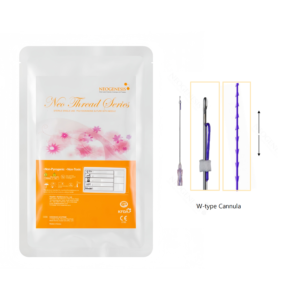
Inserting barbed lifting threads demands a robust, weight-bearing foundation in the soft tissue. When a 0.4 mm thick PPDO thread passes through the superficial fat, its microscopic external barbs must firmly hook into the adjacent reticular dermis. If the foundation is aged and degraded, the subcutaneous tissue behaves like fragile tofu that crumbles at the slightest pull. When barbs catch on “fragile tofu,” even a gentle 5-Newton pull by the practitioner can tear a 0.5 mm internal laceration in the flesh. However, a dermis plumped and hydrated by hyaluronic acid sees its collagen density surge by 20%. The well-nourished subcutaneous tissue transforms into a tough, untearable layer of thick leather.
This resilient, leather-like foundation tightly grips every single 0.1 mm micro-barb on the lifting thread.
After 180 days, the embedded protein threads are naturally metabolized by the body into water and carbon dioxide. During this six-month absorption window, well-fed fibroblasts cling to the thread, continuously secreting brand new Type III collagen. The volume of the new tissue encasing the threads is 15% greater than what would be achieved by thread lifting alone.
- Unmatched Grip: The newly formed tissue boosts the upward weight-bearing capacity of each thread by an aggressive 30%.
- Secure During Exaggerated Expressions: The probability of a thread slipping downward while laughing heavily drops below 2%.
- Extended Lifespan: The highly hydrated microenvironment deliberately delays the half-life dissolution of the PPDO threads by 45 days.
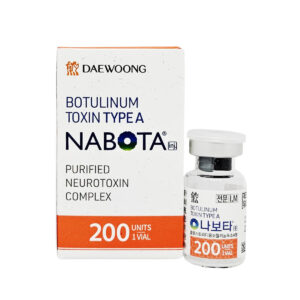
When going in for anti-wrinkle touch-ups, a robust tissue foundation allows the medication to work with pinpoint accuracy. By injecting Type A botulinum toxin into the muscle beneath a dermis that has been thickened by 0.2 mm, the fluid seamlessly glides right into the 0.1 mm wide neuromuscular junctions. Because the tissue isn’t overly thin or deflated, the solution won’t unexpectedly migrate into adjacent, unintended muscles.
- Locked Radius: The highly dense foundation securely restricts the botulinum toxin’s diffusion radius to under 1 cm.
- Extended Efficacy: After forehead wrinkles are ironed out, the active period preventing frowning is forcibly extended by 4 weeks.
- No “Frozen” Look: While the underlying muscles are immobilized, the thick upper skin layer retains a natural 0.5 mm margin of soft mobility.
Anti-aging is a bottomless money pit, and investing in the foundation requires ruthless calculation. Pushing 4 mL of pure hyaluronic acid into the cheeks quietly weaves a resilient subcutaneous net within 28 days. Relying on this net, the tightening effects of a pricey Thermage treatment can easily last an extra 3 to 5 months. The price gap between various hyaluronic acid brands on the market can easily exceed a 3x multiplier. Using the exact same NAHYCO heating and cooling technology, you can deposit a full 64 mg dose into the 1.5 mm deep dermis for less than half the price. The thousands of dollars saved can be walked right over to the next room to fund a full-face HIFU (High-Intensity Focused Ultrasound) session.
The thicker you build that 0.2 mm foundation, the more trauma your anti-aging skyscraper can safely endure.
Surviving the foundational two-session protocol guarantees the active subcutaneous phase will remain robust for a full 180 days. Throughout this six-month period, even if you walk outside bare-faced under a harsh sun for 20 minutes, the rate of transepidermal water loss (TEWL) is firmly suppressed to under 10 grams per square meter per hour. As the outdated, degraded fibers in the dermis are swept away like trash, the newly formed elastin grows its thickest by day 90. Casually poke your cheek with an index finger, pressing in a 0.5 cm deep pit, and the sheer resilience of the subcutaneous tissue will violently bounce it back into shape in less than 0.3 seconds. 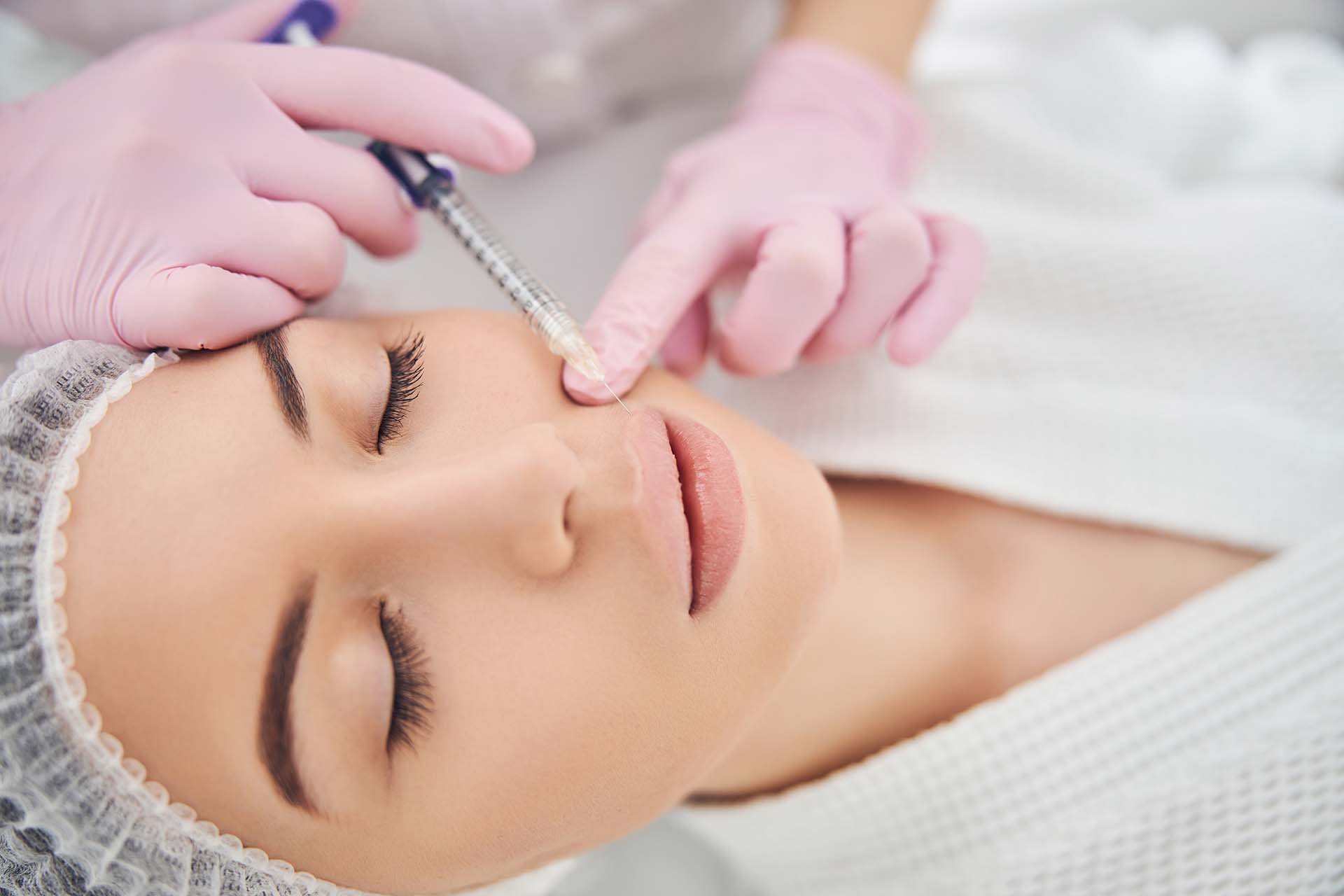
Skin Laxity Treatment
Principles of Cellular Repair
Located 1.5 to 3 millimeters beneath the skin’s surface, the dermis houses approximately two million collagen-producing fibroblasts per square centimeter. Following menopause, this layer thins by 1.2% annually, while its natural hyaluronic acid depletes at a rate of 0.6% per year. Every day, this net-like tissue must also withstand the relentless mechanical strain of tens of thousands of facial muscle contractions. Using an ultra-fine 29G, practitioners inject a 64 mg/2 mL dose of Hyalace directly into the dermal layer at a depth of 2 millimeters. This solution is perfectly split between 80 to 100 kDa low-molecular-weight particles and 1100 to 1400 kDa high-molecular-weight particles, which are physically bonded together at a high temperature of 90°C. The resulting liquid is entirely free of chemical cross-linking agents like BDDE. Within 48 hours of injection, the low-molecular-weight particles migrate to the cell surfaces. The CD44 receptors on these cells exhibit a strong affinity for them, demonstrating a binding capacity 40% higher than with standard monomeric hyaluronic acid. Upon receiving this signal, the cells reach peak activation within 72 hours and shift into overdrive to synthesize new proteins.
- Type I collagen production accelerates by 20%.
- Type III collagen fiber networks realign uniformly.
- Tropoelastin assembles into fresh elastic networks.
- Endogenous hyaluronic acid synthesis operates at maximum capacity.
- The activity of collagen-degrading enzymes is suppressed by 30%.
The heavier 1100 to 1400 kDa molecules are highly viscous. Carrying a viscosity of 60 Pa·s, they act as a scaffold within the interstitial fluid. Sluggishly spreading outward at a rate of 0.5 millimeters per day, their gradual degradation process spans 28 days, providing a continuous outward mechanical stretch to the surrounding cells. As the solution permeates deeper, it reaches the superficial fat pads at a depth of 4 millimeters. Stem cells within the fat detect subtle pressure shifts of 5 kPa to 10 kPa in the surrounding fluid and begin secreting various growth factors. Benefiting from this optimized pressure environment, laboratory data indicates that the survival rate of adipocytes (fat cells) increases by 15%.
- Adipocytes secure a stable mechanical microenvironment.
- Local microvascular networks re-establish healthy blood circulation.
- Tissue fluid pH stabilizes between 7.35 and 7.45.
- Levels of the anti-inflammatory cytokine IL-10 double.
Newly generated Type I collagen molecules require 21 to 28 days to weave themselves into sturdy fibrils. Under an electron microscope, these nascent collagen fibers visibly thicken from 50 nanometers to 80 nanometers. Measurements from professional skin elasticity devices confirm that the tensile strength of this structural matrix legitimately improves by 12% to 15%. In youthful skin, the golden ratio of collagen to elastin is 4:1. However, 320 to 400 nm long-wave ultraviolet (UVA) rays can penetrate 2 millimeters into the skin, and over a decade, this exposure can snap 40% of the 150 nm elastic microfibrils. The injected hyaluronic acid stimulates the secretion of specific enzymes that actively scavenge and clear away this sun-damaged, degraded tissue. Catalyzed by specific enzymes, new elastin molecules begin to cross-link. In week-8 blind test data, the time required for pressed cheek skin to spring back decreased by an average of 0.4 seconds. On the modified Glogau scale, designed to assess skin laxity, cheek firmness scores dramatically improved, jumping from 3.2 to 4.8. Just 1 gram of this high-molecular-weight hyaluronic acid can securely lock nearly 1,000 milliliters of water within its structural network. This essentially builds a high-pressure reservoir 2.5 millimeters beneath the skin, directly plummeting the transepidermal water loss rate by 18 grams per square meter per hour.
- M2 macrophages accelerate the clearance of damaged matrix.
- Concentrations of the inflammatory cytokine TNF-α drop by 40%.
- Blood volume in local tissue microvessels increases by 15%.
- The aging and apoptosis (cell death) rate of fibroblasts is decelerated.
The injected 2 mL of exogenous gel is completely metabolized and cleared by the body by day 30. However, the fibroblasts retain an “active memory” of the treatment for half a year, keeping protein synthesis levels 25% above the baseline throughout this entire six-month period.
Expected Clinical Outcomes
Once the initial 2 mL dose is injected into the cheeks, the liquid naturally diffuses outward. Only five specific injection points—carefully avoiding major blood vessels—are used per side of the face. On a standard 0 to 10 pain scale, most patients report a mild discomfort level of just 2 to 3. Immediately after the is withdrawn, small, mosquito-bite-like bumps will appear at the entry points. These localized bumps typically subside completely within 12 to 24 hours. During the first two days, as the body adjusts to the foreign substance, patients may experience very mild physiological responses:
- Tiny red macules, about 1 mm wide, emerge at the puncture sites.
- A faint, subtle swelling can be felt upon touching the injection areas.
- A weak sensation of warmth radiating from deep within the skin.
- A very small minority (less than 5%) might develop pinpoint bruising.
As long as the treatment areas are left undisturbed for the first 6 hours, regular daily routines—such as washing your face and applying skincare products—can resume as normal. One to two weeks post-treatment, improvements in the outermost epidermal layer become apparent. Device readings show surface moisture levels surging by 18% compared to baseline. The under-eye area, traditionally a disaster zone for makeup creasing and flaking, becomes noticeably hydrated, directly cutting the occurrence of dry patches in half. Even to the naked eye, fine dehydration lines appear 0.2 to 0.3 millimeters shallower. By day 28, when it’s time for the second session, the deeper dermal tissues have already begun to contract and tighten. Elasticity monitors show an 11% increase in overall facial firmness. Pinching the skin along the jawline reveals a much firmer, more resilient texture than a month prior—it no longer lifts easily between the fingers. Consider this set of real-world test data tracked over a two-month period:
| Measurement Metric | Baseline (Day 0) | Second Session (Day 28) | Peak Effect (Day 56) |
|---|---|---|---|
| Epidermal Hydration Score | 45.2 | 53.3 | 61.8 |
| Skin Tensile Fatigue Value | 0.58 | 0.51 | 0.42 |
| Apple Cheek Ptosis (mm) | 0.0 | -0.8 | -1.5 |
| Fine Line Coverage Area (%) | 12.4 | 10.5 | 8.2 |
Day 56 marks the absolute peak of the treatment’s volumizing effect. High-frequency ultrasound scans reveal a brighter, denser subcutaneous tissue profile. The reticular dermis demonstrably thickens by 0.25 to 0.35 millimeters. At this stage, the facial skin no longer feels like a thin sheet of paper stretched over bone; it regains a substantial, fleshy density. When evaluated with professional skin imaging systems, the overall facial texture score drops from 65 to 51 (where a lower score indicates smoother skin). The collapsed tissue surrounding enlarged pores is plumped up by newly generated collagen, visually reducing pore shadows by 14%. Even previously uneven areas on the forehead experience a 22% increase in light reflection, giving the skin a notably brighter, glassy appearance. For many patients, the lower facial contour is the ultimate focal point. Overlaying 3D facial scans shows the jawline lifting by an angle of 2 to 3 degrees. The sagging jowls on either side of the mouth are forcibly elevated by 1.2 millimeters, supported by the newly woven elastic network beneath the skin. Blood flow monitors detect a 16% increase in vascular circulation within the cheeks. The complexion’s previously sallow, dull undertones are replaced with a subtle, healthy pink hue. Chronic, easily triggered cheek redness sees a 30% reduction in flare-up frequency over the course of a month. As deeper circulation accelerates, the surface reaps the benefits:
- Daily sebum output from cheek pores drops by approximately 10 grams.
- The sallow appearance following a late night fades 4 hours faster.
- Stubborn, old acne marks fade significantly quicker than before.
- The area prone to dry flaking around the nostrils shrinks by half.
When it comes to deeply etched, aging wrinkles, instrumental measurements track improvements by the millimeter. The deepest crevices of the nasolabial folds are plumped from within by an average of 0.8 to 1.1 millimeters. Dynamic crow’s feet—the lines that crinkle around the eyes when smiling—see their actual length reduced by 15%. Marionette lines dragging down the corners of the mouth retreat by 0.5 millimeters. The neck is notoriously prone to revealing a person’s true age. When a full 4 mL dose is administered to the neck, the depth of prominent horizontal neckbands can recede by 1.5 millimeters. By the 12th week, the surface area of loose, crepey skin folds on the neck is reduced by 25%. Post-treatment responses on the neck differ slightly from the cheeks:
- Using a fine 27G on the neck registers a pain score of less than 1.
- Because neck skin is exceptionally thin, it takes about 36 hours for the injection bumps to fully flatten.
- Looking upwards triggers a noticeable, tight pulling sensation beneath the chin.
- Fine, crepey dehydration lines across the neck fade into invisibility within two weeks.
Sunken, bark-like skin on the backs of the hands is another critical target area. Injecting a 2 mL dose here reduces the stark contrast of bulging veins by 18% after just one month. Skin elasticity metrics climb by 0.12. Even if you skip hand cream immediately after washing, that familiar tight, parched sensation is delayed by an additional 4 hours. The momentum of this endogenous collagen production boasts impressive longevity. Follow-up examinations at the six-month mark reveal that the newly generated subcutaneous collagen is still highly active. Instrumental scans confirm that tissue hydration levels remain 12% higher than baseline. In patient surveys, 85% of individuals report that their facial skin still feels taut and firm to the touch. By the 9th month, natural enzymatic degradation slowly begins to break down this newly formed tissue. At this point, dermal thickness regresses to where it stood roughly one month after the very first session. To counter this, many patients opt for a third 2 mL maintenance dose between months 6 and 8. This booster essentially reignites the decelerating cells, locking protein synthesis rates at a robust 30% premium.
Synergistic Clinical Interventions
A mere 2 mL of hyaluronic acid cannot single-handedly resolve severe, multi-layered facial laxity. Beneath the skin lies a complex architecture of bone, fat pads, and dense muscle tissue. By treating skin boosters as the foundational “fertilizer” for the dermis and combining them with other aesthetic modalities, anti-aging outcomes can be vastly optimized.
“If you think of the skin as a three-story house, hyaluronic acid reinforces the bricks and mortar on the second floor, but you still need other treatments to stabilize the foundation on the first floor.”
Aesthetic practitioners frequently pair botulinum toxin with hyaluronic acid injectables. The platysma muscle in the neck forcefully drags the lower cheek tissue downwards over 2,000 times a day. By precisely injecting 30 to 50 units of botulinum toxin into this muscle, it safely and predictably relaxes. Stripped of this downward pulling force, the tissue along the jawline passively elevates by 2 to 3 millimeters by day 7. Without the constant mechanical disruption from the underlying muscle, the collagen network catalyzed by the 2 mL skin booster grows significantly denser. Clinical follow-up data clearly confirms that this combination therapy extends the lifespan of a sharply defined jawline by an additional 4 months. For patients with heavier facial tissue and aggressively sagging fat pads, injectables alone simply lack the structural integrity to hold up the weight. This is where radiofrequency (RF) devices enter the fray. The widely recognized Thermage probe drives 6.78 MHz of RF energy 4.3 millimeters deep into the subcutaneous tissue. The intense heat instantly forces loose, disorganized collagen fibers to contract and shrink by a full third.
- The 65°C temperatures generated by Thermage sever degraded, old collagen helices.
- The thermally treated dermis is left with widespread microscopic thermal coagulation zones.
- Introducing high-molecular-weight hyaluronic acid rapidly floods this parched dermal environment with the equivalent of 500 mL of hydration.
- Bathed in this moisture, cellular recovery accelerates, cutting post-procedure erythema (redness) from 7 days down to 3.
Practitioners typically mandate a follow-up appointment exactly 14 days post-RF treatment to inject the 2 mL bio-remodeling gel. Ultrasound monitoring reveals that when thermally shocked cells interact with the hyaluronic acid, their protein synthesis efficiency leaps 45% higher than with either standalone treatment. Within just two weeks, hydration levels in the stratum corneum climb from a critical 30% back to a healthy 55%. In cases of hollowed cheeks coupled with severe SMAS (Superficial Musculoaponeurotic System) laxity, HIFU (High-Intensity Focused Ultrasound) delivers deeper penetration, reaching down to 4.5 millimeters. Focused energy, peaking at 65°C to 70°C, predictably sears hundreds to thousands of thermal coagulation points across the fascial layer. As this saran-wrap-like fascial layer forcibly shrinks under the heat, the lower facial contours are aggressively tightened.
“If HIFU is like tightening the loose ropes of a tent, injecting skin boosters is like swapping out the threadbare, translucent tent canvas for heavy-duty, thickened fabric.”
For the first three months following a HIFU procedure, the subcutaneous tissue enters a frenzied state of self-repair, rapidly burning through metabolic energy. Administering the standard 4 mL protocol of injectables provides these hyperactive repair cells with abundant “fuel.” Patient dossiers confirm that facial volumization scores for this combination therapy run 2.8 points higher than those for standalone HIFU treatments. Confronted with profound skin laxity—where an inch of facial tissue can be effortlessly pinched and pulled—clinics will deploy barbed PPDO threads for direct, mechanical lifting. Three to five threads, measuring up to 10 centimeters in length, are embedded into the subcutaneous fat layer. The barbs physically snare the sagging tissue around the mouth and rigidly anchor it back beneath the cheekbones, dragging displaced fat pads back to their youthful positions. The insertion of these protein threads inherently leaves traumatic tracts spanning half the face. Saturating the tissue immediately surrounding these tracts with high-concentration hyaluronic acid drastically lubricates the area, minimizing the abrasive, foreign-body sensation caused by the threads. Clinical follow-up logs document that this dual-modality approach cuts the awkward “stiff smile” recovery phase from three weeks down to just 10 days.
- The thick lifting threads provide approximately 5 Newtons of vertical, upward tensile force each.
- The surrounding bio-remodeling fluid successfully spackles and fills the micro-tears caused by mechanical dragging.
- The incidence of localized erythema and swelling triggered by foreign-body rejection is forcefully suppressed by nearly 15%.
- The protective sheath of new collagen that encases the threads grows 0.4 millimeters thicker.
Cost-effective Alternatives
Deep Mesotherapy Blends
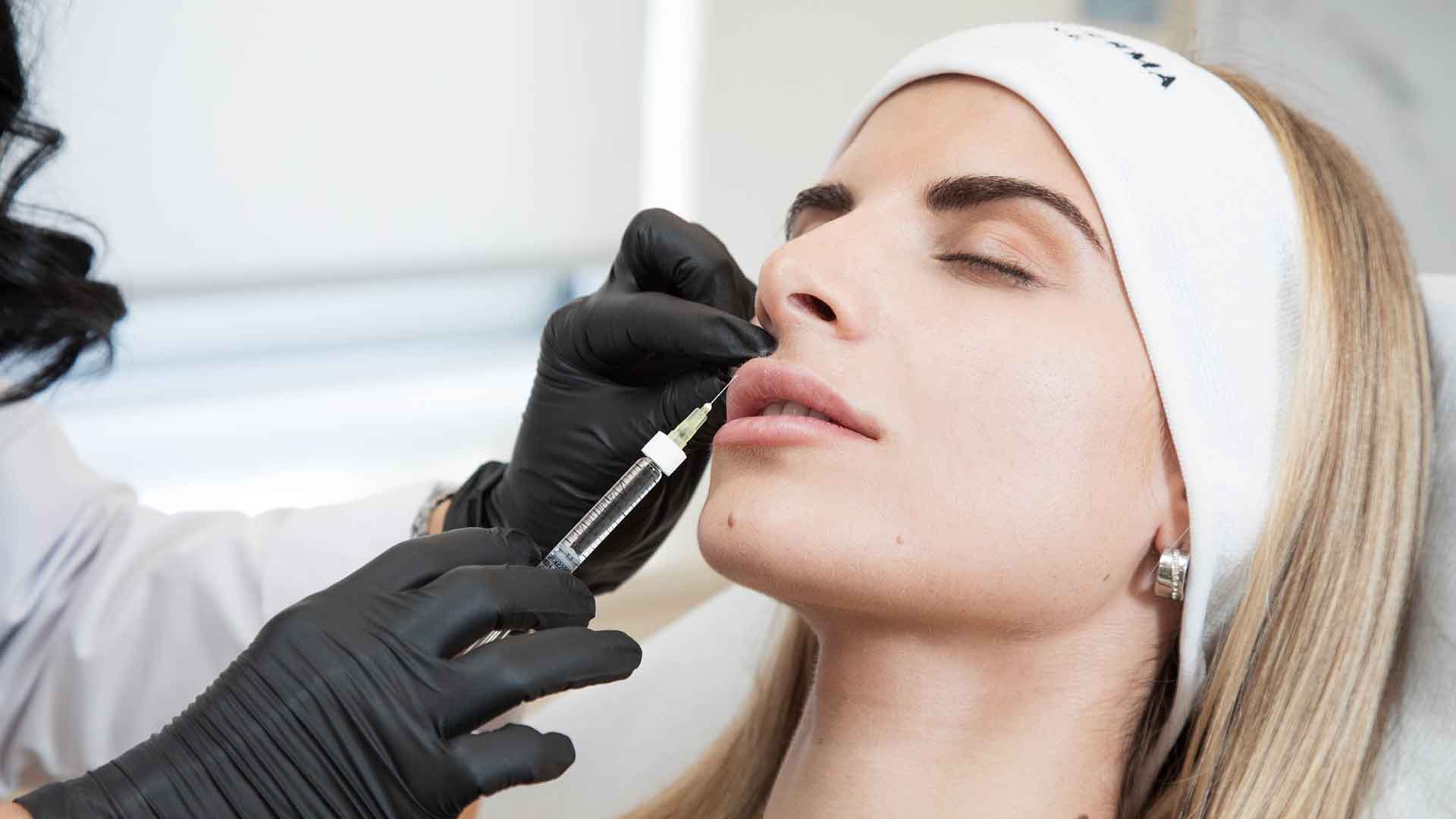
Medical aesthetic clinic refrigerators are kept at 2-8°C year-round. Non-crosslinked hyaluronic acid solution is stored in 3 mL glass at a concentration of 15 mg/mL. Exposing the solution to room temperature air for over 20 minutes will alter its osmotic pressure. On the sterile tray, the nurse prepares an ultra-fine 34G with an outer diameter of just 0.18 millimeters. The metal pierces the stratum corneum and stops at the mid-to-superficial dermis, 1.2 millimeters deep. The molecular weight of the hyaluronic acid is tightly controlled between 100 and 500 kDa. A full-face treatment consumes 5 to 8 mL of the solution. As the doctor manually pushes the plunger, 0.05 mL is deposited at each point, leaving behind 100 to 150 small papules across the face. Pure hyaluronic acid only lasts 24 to 48 hours under the skin. To counter this, the doctor opens a 3 mL box of Jalupro nutrient solution, which contains one of powder and one of liquid. The powder holds 50 mg of lyophilized powder, packed with L-proline and glycine. Using a, 1.5 mL of the amino acid solution is drawn and mixed into the hyaluronic acid. The resulting liquid is a transparent pale yellow, with a pH balanced between 7.2 and 7.4. Once the skin cells absorb these free amino acids, their Type III collagen production rate spikes by 200% within 72 hours.
- L-proline: Provides approximately 15 mg
- Glycine: Added at a robust 20 mg
- L-lysine: Assists in molecular binding
- Non-crosslinked hyaluronic acid: Acts as a hydration carrier
- 0.3% Lidocaine: Reduces discomfort
Operating room lights are turned up to over 10,000 lux. On the forehead, where the skin is only 0.8 millimeters thick, the is inserted at a shallow 15-degree angle. Along the jawline, where the stratum corneum is 1.5 millimeters thick, the goes in straight at a 90-degree angle to prevent the solution from leaking. Before the injections, a 5% compound lidocaine cream is applied to the face for 40 minutes. The pain score for pushing the solution into the skin is a 4/10. The bone surrounding the eyes is packed with up to 200 nerve endings per square centimeter. When hand-injecting the solution, the doctor applies 2 to 3 Newtons of force on the thumb. The chance of the liquid leaking out is less than 5%. When using an injection device (mesogun), the machine’s negative vacuum pressure is set to 150 mmHg. The device, equipped with a 5-pin or 9-pin multi-head, suctions the skin and dispenses 0.02 mL of liquid per shot. The machine strikes the skin 40 to 50 times a minute. Completing a full face takes 25 minutes. The custom blend is evenly distributed across 150 square centimeters of cheek tissue. Tiny pinpricks of blood that surface on the skin naturally coagulate within 3 minutes. Post-injection, the skin’s surface loses moisture at three times its normal rate. A sterile medical cold compress mask containing 20 grams of carbomer gel is applied for 20 minutes, dropping the surface skin temperature by 5°C. The subcutaneous capillaries constrict from the cold, fading 80% of facial redness within 2 hours. For the first 48 hours, tap water must not touch the face; cleansing should be done by gently wiping with 0.9% sterile saline. The hyaluronic acid within the injection papules absorbs 1,000 times its weight in water from the surrounding tissue. By day 5, dermal hydration levels jump from 15% to 35%. By day 14, the amino acids begin synthesizing new collagen fibers.
- Vacuum pressure: 150-200 mmHg
- Dosage per point: 0.02-0.05 mL
- Injection depth: 0.8-1.5 mm
- Strike rate: Once every 2 milliseconds
- Dwell time: 0.5 seconds
The NCTF 135HA nutrient cocktail contains 12 vitamins and 24 amino acids. The doctor mixes it with 2.5 mL of pure hyaluronic acid in a 5 mL. Four weeks after the injection, the skin’s antioxidant capacity remains exceptionally high, with its free radical scavenging capability staying above 85%. Melanocyte activity is suppressed by 30%. A single customized cocktail costs between $80 and $150. A 30-year-old woman’s dermal layer thins by 1% annually. By receiving this blended injection once a month for three consecutive months, ultrasound scans show a 25% increase in dermal density. The skin’s elastic fiber network is restored to how it looked at age 20. Around the mouth, 1 mL of the mixture is injected into the marionette lines. For the sunken nasolabial folds, a 27G blunt is inserted 2 millimeters deep, fanning the solution out evenly. Once the subcutaneous space is filled, measurements taken 28 days later show that static fine lines are 1.2 millimeters shallower. As the epidermal light refraction improves, the face’s visible radiance increases by 40%. Purchasing a single of Hyalace costs $500. That same $500 can buy four 3 mL of pure hyaluronic acid and two boxes of imported nutrient solutions. This allows for monthly skin nourishment. The natural cellular turnover cycle is 28 days, meaning monthly supplementation perfectly matches the biological rhythm of cell growth. For areas with pigmentation, 0.5 mL of tranexamic acid solution is added to the mix. Tranexamic acid molecules are extremely small and can block the enzymes responsible for melanin formation. Using a 1.2-millimeter, the solution is injected just above the basal layer. Six weeks later, device scans show a 15% reduction in melasma surface area. The cocktail formula can be adjusted on the fly.
- Tranexamic acid: 0.5%-1% concentration
- Botulinum toxin: 10-15 units added for the full face
- Vitamin C: 2 mL drawn from a light-proof glass ampoule
- Glutathione: 0.3 mL per session
For an oily T-zone (forehead and nose), 10 units of Type A botulinum toxin are mixed in. The botox molecules regulate the arrector pili muscles in the superficial dermis. Seven days post-treatment, sebum production on the forehead and nose drops by 60%, and pore diameter shrinks by 0.1 millimeters. This specific formula is exceptionally effective during hot summer months. On the night of the procedure, 10 mg of ceramide cream is applied to the face. The external fatty acids fill the gaps within the stratum corneum. The next morning, the skin feels noticeably smoother when washing. The mild subcutaneous inflammatory response is cleared by the cells themselves within 72 hours. For a 35-year-old, one maintenance session per month sustains skin hydration at a steady 28%.
Classic Microneedling Therapy
The nurse tears open individual sterile packaging. The cartridge contains 12 solid 32G medical-grade stainless steel, each just 0.23 millimeters thick. Once powered on, the motor hits 8,000 RPM. Before starting, a 2-millimeter thick layer of 5% lidocaine cream is applied to the face, covered with cling film, and left to numb for 30 minutes.
- 12-pin solid cartridge: For treating standard facial skin
- 36-pin flexible cartridge: For deep, stubborn acne scars
- Nano square silicone wafer: For applying serums to the very top layer of skin
- Silicone anti-slip grip: Wraps the front of the handpiece to prevent slipping from sweat
Since forehead skin is thin, the device dial is set to 0.5 millimeters. For the fleshier cheeks, it’s turned up to 1.0 millimeter. Along the jawline, where acne scars crater the skin, the are driven 1.5 millimeters deep. Every second, 1,600 micro-punctures are stamped into the skin. After a 15-minute full-face session, over 1 million micro-channels have been created. The metal are moved across the face in circular motions, with each pass overlapping the previous one by 50%. A 5 mL bottle of low-molecular-weight hyaluronic acid sits nearby. The serum is dripped onto the face to act as a lubricant while needling. With the stratum corneum barrier breached, the skin’s serum absorption rate skyrockets from a baseline of 2% up to 80%. Pinpoint beads of blood immediately surface on the face. Sterile gauze soaked in 0.9% saline is gently pressed over the area for 3 seconds. This controlled micro-injury triggers platelets in the blood to release massive amounts of cell growth factors. The localized skin temperature rises by 1.5°C in just 10 minutes.
| Facial Area | Skin Thickness | Recommended Length | Handpiece Motion | Duration |
|---|---|---|---|---|
| Forehead | 0.8-1.0 mm | 0.5 mm | Parallel linear glides | 3 minutes |
| Nose & Under-eyes | 0.5-0.7 mm | 0.25 mm | Light, tapping stamps | 2 minutes |
| Both Cheeks | 1.2-1.5 mm | 1.0 mm | Criss-cross and circular | 8 minutes |
| Sunken Acne Scars | 1.5-2.0 mm | 1.5 mm | Static, firm downward pressure | 5 minutes |
Forty-eight hours after the controlled injury, fibroblasts undergo rapid cell division. The old Type III collagen is replaced by sturdier Type I collagen within 14 days. Instrumental measurements reveal that the epidermal layer thickens by 0.1 millimeters after 6 months. Subcutaneous dermal blood vessel density increases by 15%. Immediately after the procedure, the face is as red as if heavily intoxicated, and the pain score hovers around 3/10. The nurse brings out a collagen sheet mask straight from a 4°C fridge. The 25 mL of ice-cold hydration is pressed onto the face for 15 minutes. Visually, the redness and swelling recede by half. For 8 hours following the treatment, absolutely no water should touch the face. Before sleeping, swap out your pillowcase for a fresh one that has been washed and sterilized in 60°C hot water. The micro-channels in the skin heal and close completely on their own within 24 hours. The next morning, wash the face using only 30°C lukewarm water—do not lather up or apply any facial cleansers.
- Sterile saline: 250 mL large bottle
- Medical cold compress mask: Carbomer gel as the main ingredient
- 5% Panthenol recovery cream: Apply a thick layer to cover the wounds
- Physical sunscreen: Zinc oxide content exceeding 10%
By day three, the skin begins to flake, looking like facial dandruff. Do not pick at it; let it shed naturally over the 3-to-5-day peeling phase. Apply the 5% panthenol recovery cream once in the morning and once at night. Once the dead, shriveled skin flakes off entirely, the newly surfaced skin feels as smooth as a peeled hard-boiled egg. As the stratum corneum temporarily thins, it loses 50% of its ability to block UV rays. Going outside requires wearing a sun hat with a 15-centimeter brim. Walking in the sun bare-faced for just 10 minutes can easily trigger brown hyperpigmentation patches. Halt all skincare products with acid concentrations above 5%. A month later, looking in the mirror reveals that previously cavernous pores—large enough to fit a toothpick—have significantly shrunk. While a clinic session costs $150, buying the pen device for home use drops the cost to a mere $30. For $30, you secure the machine, and paired with $2 disposable cartridges, it can be used until the motor eventually burns out.
- Inspect the before starting to ensure none are bent
- Wipe the device handle twice with 75% alcohol prep pads
- Discard used cartridges in a biohazard (yellow) bin
- Keep a logbook tracking the exact milliliters of serum used
Never over active pimples with white pustules. If the picks up Propionibacterium acnes, it will spread the bacteria across the entire face, causing a 10-square-centimeter area of red, swollen inflammation. Those taking aspirin must stop their medication 7 days prior. Anyone with a metal allergy will break out in a full-face rash within 2 hours of contact with the 304 stainless steel. Committing to 4 to 6 sessions a year constitutes a complete maintenance cycle. The interval between sessions is strictly locked at 28 to 35 days. For those over 35 with slower metabolisms, this gap stretches to 45 days. As long as the hair follicles remain intact, the physiological response that forces collagen production via needling will not stop.
Conventional Radiofrequency Anti-aging
The nurse plugs in the multi-polar radiofrequency (RF) machine on the trolley. The screen lights up, and the RF electromagnetic wave frequency is set between 1 and 3 MHz. The treatment probe features 4 to 6 circular metal nodes, each about 8 millimeters in diameter. Before the probe touches the skin, a 3-millimeter thick layer of clear cooling gel is applied. This gel ensures the device’s heat transfers evenly into the skin, preventing the surface temperature from exceeding 38°C and causing blisters. A 500 mL bottle of medical conductive gel costs $10, enough to cover 20 faces. The nurse dials the machine’s output power to 30 watts, and the handpiece is glided in consistent, circular motions over the fleshier parts of the cheeks. The RF current bypasses the outermost layer of skin and penetrates 1.5 to 3.0 millimeters deep into the dermis. Water molecules in the dermal layer are agitated by the electromagnetic waves, oscillating and generating friction 1 million times per second. The heat generated by this friction steadily drives the localized subcutaneous temperature up to between 40°C and 42°C. When aged collagen—which has slackened like a worn-out spring—is hit with 40°C heat, it instantly shrinks by nearly 30%. The sagging contour around the jawline visibly lifts by 0.5 centimeters. The pain score registers a mere 2/10; it feels like a warm, hard-boiled egg is being rolled across the face.
When cells are heated above 40°C, they release massive amounts of heat shock proteins. Useless, aged tissue is cleared out, and fibroblasts shift into triple-overdrive to produce new collagen over the next 48 hours.
The rolling, heating process is strictly capped at 15 minutes per half of the face. For the bony forehead, the operator switches to a smaller 15-millimeter probe equipped with only 3 metal nodes. This small probe glides horizontally across the zone 2 centimeters above the eyebrows for 5 minutes. A complete set covering the full face and neck takes 40 minutes.
- Jawline: Machine power at 45 watts, temperature maintained at 42°C
- Both Cheeks: Output power at 35 watts, probe rolled in circles for 8 minutes
- Eye Area: Switch to the 10 mm small probe, temperature strictly capped at 39°C
- Neck Fine Lines: Avoiding the thyroid in the center, glide upwards 20 times per side
Immediately post-treatment, the skin feels somewhat hot to the touch and appears flushed, much like after running 3,000 meters. The sticky gel is washed off with room-temperature purified water at 20°C. Two milliliters of a hyaluronic acid-based hydrating toner is then applied. The slight facial redness dissipates completely after just 15 minutes of walking outside in a cool breeze. A single session with a top-tier monopolar RF device can cost $2,000, and the pain requires patients to dry-swallow two Ibuprofen pills beforehand. In contrast, a standard multi-polar RF session costs only $80 to $150. It doesn’t break the skin, meaning there is no 24-hour red and swollen downtime. If you get it done in the afternoon for 40 minutes, you can easily apply a 1-millimeter layer of foundation that evening and go out for dinner. Standard machines don’t deliver heat as aggressively, so the thermal energy doesn’t linger under the skin for as long. The doctor notes in the chart to return in 14 to 21 days for the next session. After a consecutive cycle of 6 sessions, the newly formed subcutaneous collagen network thickens by 20%. The accumulated tissue tightness reliably holds up for 6 to 8 months without sagging.
The high temperatures generated by the RF bake away 15% of the retained water in the dermis. Applying a sheet mask soaked with 25 mL of pure water every night for 7 consecutive days rehydrates the subcutaneous cells, boosting the survival rate of the newly generated collagen fibers by 20%.
Spending $300 on an at-home RF device is another cost-effective anti-aging strategy. These home-use machines have their frequency locked around 1 MHz, with an internal chip restricting the maximum temperature to 38°C. Gliding it across the face three times a week for 10 minutes per session over 90 consecutive days will soften nasolabial folds by 0.5 millimeters, as measured by a flexible tape.
- Remove all metals: Take off 5-gram platinum earrings and fine necklaces
- Avoid cardiac devices: Electromagnetic waves will interfere with pacemakers within a 10-centimeter radius
- Navigate around metal dentures: Wedge a 2-centimeter thick dry cotton roll against the gums
- Wash away facial oils: Use 10 mL of cleanser to wash debris out of the pores
The clinic’s front desk logbook tracks facial measurements taken before each session. In the first week, the jawbone width is recorded at 12 centimeters; by the fourth session, measuring with a soft tape reveals it has shrunk to 11.5 centimeters. For people prone to water retention, using an RF device flushes out 5 mL of stagnant fluid trapped between tissue layers. The loose flesh making up a double chin shrinks inward by a fifth.