When choosing botulinum toxin, Botox, as the gold standard, is known for its high stability with a unit price of approximately $10-$15/unit, making it suitable for users seeking clinical guarantees. Innotox is the world’s first liquid botulinum toxin that requires no dilution, effectively avoiding mixing errors and infection risks. Its price is usually 30%-50% lower than Botox, offering extremely high cost-effectiveness. The efficacy of both can last for 3-6 months.
Best Toxin
Botox, produced by Allergan in the United States, has over 30 years of approval records. It uses 0.5mg of human serum albumin as a stabilizer, has extremely low diffusion and precise targeting, and usually takes effect within 4-7 days. Innotox, manufactured by Medytox in South Korea, is the first pre-mixed liquid Type A botulinum toxin. It replaces animal-derived components and albumin with synthetic amino acids, directly avoiding the 5%-10% dosage error that occurs during manual dissolution. It can take effect within 2-3 days, making it suitable for smooth transition areas requiring a moderate diffusion radius.
Physical Form
Botox exists in the form of vacuum-dried powder in 100U or 200U glass. A very thin layer of white dry matter is visible at the bottom of the bottle, containing the 900kDa botulinum toxin type A complex. This powder formula contains 0.5 mg of human serum albumin as a protective stabilizer to prevent toxin molecules from adhering to the wall. This form maintains stability for 36 months at 2°C to 8°C. It must be manually diluted with 0.9% sodium chloride solution before injection. If 2.5 ml of saline is added, the concentration per 0.1 ml of liquid is 4U; if 1.0 ml is added, the concentration rises to 10U. Saline should be injected slowly along the wall to avoid creating air bubbles larger than 0.2 mm. Vigorous shaking will cause approximately 15% mechanical inactivation of the protein’s tertiary structure.
- Botox contains 0.9 mg of sodium chloride as an isotonic buffer.
- The 900kDa complex contains hemagglutinin (HA) and non-toxin non-hemagglutinin (NTNH) proteins.
- The diluted solution must be injected within 24 hours to ensure biological activity.
- The glass are made of Type I borosilicate material to reduce alkaline leaching.
- It is recommended to use a 21G to extract the diluent and then switch to a 30G for injection.
The lyophilized powder form has a dosage calculation error of 3% to 10% during the preparation stage. Innotox has changed this process by adopting a pre-mixed liquid form at the factory. Each of Innotox contains 50U or 100U of transparent liquid, requiring no manual dilution steps. The liquid formula removes animal-derived components and uses synthetic L-methionine and Polysorbate 20 to maintain stability. The osmotic pressure of this product is set at 280-300 mOsm/kg, which highly matches human tissue fluid. Its 150kDa purified neurotoxin molecules are suspended in a buffer with a pH value of 5.5 to 6.5. The fixed concentration is 4U per 0.1 ml, effectively eliminating contamination during mixing in the treatment room. The liquid stability of Innotox benefits from its specific phosphate buffer system, ensuring that potency fluctuations are controlled within 5% during the 24-month shelf life.
- Innotox removes the 0.5 mg human serum albumin component.
- The L-methionine content is precisely controlled at approximately 0.1 mg per.
- The concentration of Polysorbate 20 is 0.05 mg, which serves to reduce surface tension.
- The 150kDa molecular weight is smaller than the 900kDa complex of Botox.
- Directly using a 32G ultra-fine for extraction can reduce dead space loss by 0.01 ml.
- The liquid storage environment’s short-term tolerance to 25°C room temperature is superior to that of diluted powder.
Diluted Botox is usually transferred using 1 ml or 3 ml, where dead space residue can reach 0.05 ml. The Innotox stopper is treated with a special coating, allowing for lossless extraction using 0.3 ml low-displacement. The diffusion coefficient of the 150kDa purified toxin in a liquid environment differs from that of the 900kDa complex. The Botox complex protein reacts with the neutral pH of the surrounding environment within 1 minute after injection into the tissue, rapidly releasing active neurotoxin fragments. The liquid matrix design of Innotox allows it to exhibit more uniform osmotic pressure during the first 30 minutes after injection into the skin. Experimental data shows that after 4 hours of exposure at 25°C, the biological activity retention rate of liquid Innotox remains above 98%. Botox powder occupies less refrigerated volume before opening, while Innotox requires full liquid light-shielded packaging space. The packaging for both usually includes temperature-sensitive labels to monitor in real-time if the temperature exceeds 8°C. On a microscopic level, Botox powder particles appear as a loose, porous structure under a microscope. This physical structure allows saline to penetrate and dissolve it rapidly. After dissolution, the transparency must reach below 1.0 turbidity unit before use. The molecular dispersion of Innotox is more uniform. Because large molecular weight accessory proteins are removed, the 150kDa toxin molecules exhibit lower dynamic viscosity in solution. This low viscosity characteristic allows for resistance-free injection through 34G ultra-fine. High-precision liquid filling technology controls the volume error of each to within 0.02 ml. In contrast, parallax during manual dilution of Botox can lead to an injection deviation of 0.1 ml. This difference in precision is significant when handling micro-injections of approximately 2U around the eyes. For scenarios requiring multiple small-volume injections, liquid Innotox reduces the number of times the agent is exposed to air in the. The Botox diluent can intake approximately 0.5 ml of ambient air during repeated extractions, increasing the risk of oxidation.
Onset Time
After Botox is injected into muscle tissue, the 900kDa large molecular complex dissociates in extracellular fluid at pH 7.4. The released 150kDa active neurotoxin core goes through four stages: binding, endocytosis, translocation, and cleavage. The cleavage process of the SNAP-25 protein takes approximately 24 to 48 hours at the molecular level. Clinically visible muscle relaxation usually appears on the 4th day. For thin muscles such as the frontalis, the blockade rate of acetylcholine release reaches 50% at 72 hours. By the 7th day, signal transmission blockade at nerve endings reaches nearly 90%, and wrinkle smoothing enters a significant observation period.
| Time Point | Botox (100U Diluent) | Innotox (Pre-mixed Liquid) | Observation Index |
|---|---|---|---|
| 24-48 Hours | Latent period, molecular movement stage | 15% decrease in muscle tension | Neuromuscular junction binding rate |
| 72 Hours | 30% of subjects see effects | 65% of subjects see effects | Reduction in dynamic wrinkles |
| Day 5 | 60% kinetic blockade | 95% reaches initial peak | Static line relaxation pressure |
| Day 14 | 100% peak efficacy | 100% peak efficacy | Maximum muscle contraction restriction |
Due to the removal of accessory proteins, the 150kDa purified toxin molecules have a higher Brownian motion frequency in the interstitial space. Experimental data shows that a 10% reduction in procerus muscle strength can be observed 24 hours after injection with Innotox. In a benchmark test with a 2.5 ml dilution concentration, Innotox users’ satisfaction scores on day 3 were 22% higher than Botox users. Molecular binding efficiency within 48 hours is approximately 18% higher than that of dry powder formulations.
- Onset in the crow’s feet area (orbicularis oculi) is usually 48 hours faster than in the masseter muscle.
- When injecting a 2U dose with a 30G, the local onset radius of Innotox is approximately 0.8 cm.
- The onset speed in people aged 25 to 35 is 15% faster than in those over 50.
- For subjects with high activity levels, acetylcholine receptors renew quickly, and the onset time may be delayed by 12 hours.
- Local blood circulation within 4 hours after injection affects the initial binding rate.
- When the ambient temperature is higher than 22°C, molecular metabolic activity helps with toxin endocytosis.
When masseter hypertrophy patients use a 50U dose, Botox takes 14 days to achieve a 30% volume reduction. Innotox can show significant nerve signal attenuation via EMG monitoring by day 7, shortening the waiting period by about 3 days. After the fusion of nerve terminal synaptic vesicles is blocked, existing acetylcholine residues take time to metabolize. The 900kDa structure of Botox creates a “reservoir effect” in the tissue, making drug release smoother. The high-freedom molecules of Innotox rapidly occupy receptor sites, producing a stepwise onset.
- Forehead fine lines: Botox 4.2 days vs Innotox 2.8 days.
- Underarm hyperhidrosis: Botox 7 days vs Innotox 4.5 days.
- Perioral lines: Both produce an initial sense of numbness in about 3 days.
- Glabellar lines: Botox takes 5 days to reach 80% blockade, Innotox takes 3 days.
The 0.1 ml error caused by manual dilution of Botox may cause the onset time to fluctuate by 24 hours. The factory-calibrated concentration of Innotox ensures that the time prediction error is less than 5% for each treatment. Clinical studies show that the degree of muscle denervation on day 5 after Innotox injection is equivalent to day 9 for Botox. This 4-day time difference has significant biological meaning in scenarios requiring urgent social activities. Because Innotox has a slightly lower pH, the local electrophysiological response induced at the moment of injection is more intense. This micro-acidic environment accelerates the binding of the toxin’s heavy chain to the gangliosides of the presynaptic membrane. Within 6 hours after injection, approximately 40% of the toxin molecules have entered the endocytosis cycle.
- Initial numbness: Appears in 12-24 hours for Innotox, 36-48 hours for Botox.
- Restricted voluntary contraction: Evident in 48 hours for Innotox, 72-96 hours for Botox.
- Skin radiance improvement: Appears as the muscle relaxes, with Innotox leading by 2 days.
- Side effect observation period: Both show local reactions within 2-48 hours after injection.
Dose Units & Operational Details
The Botox 100U is in a vacuum state before operation, with internal pressure far below atmospheric pressure. Doctors need to use an 18G to extract 0.9% saline, relying on the negative pressure in the bottle to automatically suck in the liquid. If 2.5 ml of saline is added, each 0.1 ml contains 4U of toxin; if diluted to 1.25 ml, the concentration doubles to 8U per 0.1 ml. The manual dilution process has a volume reading error of approximately 5% due to the physical precision limits of scales. When saline contacts Botox powder, if the liquid hits the bottom of the at a speed exceeding 1 ml per second, it may cause 10% physical inactivation of the 900kDa complex protein.
Clinical data shows that when preparing medicine with a 1 ml Tuberculin, the dead space at the top of the plunger usually retains 0.07 ml of drug solution. In a 100U Botox treatment, this invisible residue leads to a drug loss of approximately 2.8U.
The fixed concentration of 4U/0.1ml for Innotox is completely controlled by the automated filling line of the pharmaceutical factory, with an error rate below 1%. It comes in liquid form, eliminating the risk of air particles or bacterial contamination introduced during the saline mixing stage. The total volume of 50U bottled liquid is precisely set at 1.25 ml.
- The resistance of 31G or 32G ultra-fine when injecting Innotox is 15% lower than with diluted Botox.
- Every 0.025 ml (one small scale on a common 0.3ml ) represents 1U of Innotox.
- The Innotox stopper uses special brominated butyl rubber, producing no fragments even after more than 10 punctures.
- The distribution uniformity of the 150kDa purified toxin in liquid buffer is 20% higher than manually shaken powder.
- After opening the stopper, the potency stability of the liquid toxin at 2°C to 8°C can be maintained for over 24 hours.
- The fixed volume ratio allows doctors to maintain completely consistent resistance feedback across 20 facial injection points.
When treating large-area hyperhidrosis, Botox often needs to be diluted to 4 ml or 5 ml to cover more sweat glands. At this time, each 0.1 ml contains only 2U, and the depth must be strictly controlled at 2 mm intradermally. Because Innotox’s concentration is not adjustable, it requires increased injection point density when used for large-area coverage to compensate for insufficient single-point diffusion. Using a 30G with a standard results in a loss of approximately 0.01 ml per drug extraction. The Innotox design supports direct suction through a 0.3 ml Low Dead Space, increasing drug utilization to over 99.2%.
A 2019 European clinical simulation study noted that the preparation efficiency of liquid botulinum toxin is 6 times faster than that of lyophilized powder within 15 minutes. This time reduction decreases the exposure time of proteins to room-temperature air, thereby reducing the risk of potency decline caused by molecular oxidation.
If non-preservative saline is used to dilute Botox, its pH is between 5.0 and 7.0. The phosphate buffer system of Innotox locks the pH precisely at 6.0, which reduces instantaneous stinging by about 12% when injected into the dermis.
- The clarity of the diluted Botox solution must reach within 0.5 turbidity units.
- There is no need for excessive venting when extracting Innotox, as its liquid formula has extremely low dissolved oxygen content.
- The 34G is only suitable for low-viscosity liquid preparations like Innotox.
- If visible white flocculent matter appears in diluted Botox, the efficacy may have decreased by 30%.
- Air bubbles in the occupy about 0.05 ml of space, interfering with the precise output of a 1U dose.
- After each extraction of Innotox, the remaining liquid in the bottle should be immediately returned to a 4°C environment.
For deep muscles such as the masseter, doctors usually use 1 ml to obtain greater injection pressure. The 900kDa Botox molecules exhibit excellent stability when passing through a 25G long. Although the 150kDa Innotox molecules are smaller, their residence time in deep muscles is about 10% shorter than that of the 900kDa complex. The orange 100U label and purple 200U label for Botox are designed to prevent dosage misinterpretation. Innotox uses a transparent with clear graduation lines, allowing doctors to observe the 0.25 ml, 0.5 ml, and 1.0 ml nodes remaining in the bottle in real-time.
In high-volume medical aesthetics centers, reducing drug preparation steps can increase the degree of operation standardization by 40%. Statistics show that 80% of overdose cases result from saline volume calculation errors, while the fixed unit output of liquid preparations keeps such risks near zero.
Botox preparation requires one for extraction and one for injection, while Innotox allows a single 32G to complete the entire extraction and injection process. This simplification not only saves consumable costs but also reduces the physical wall adhesion of approximately 0.02 ml when transferring drug solution between different containers. 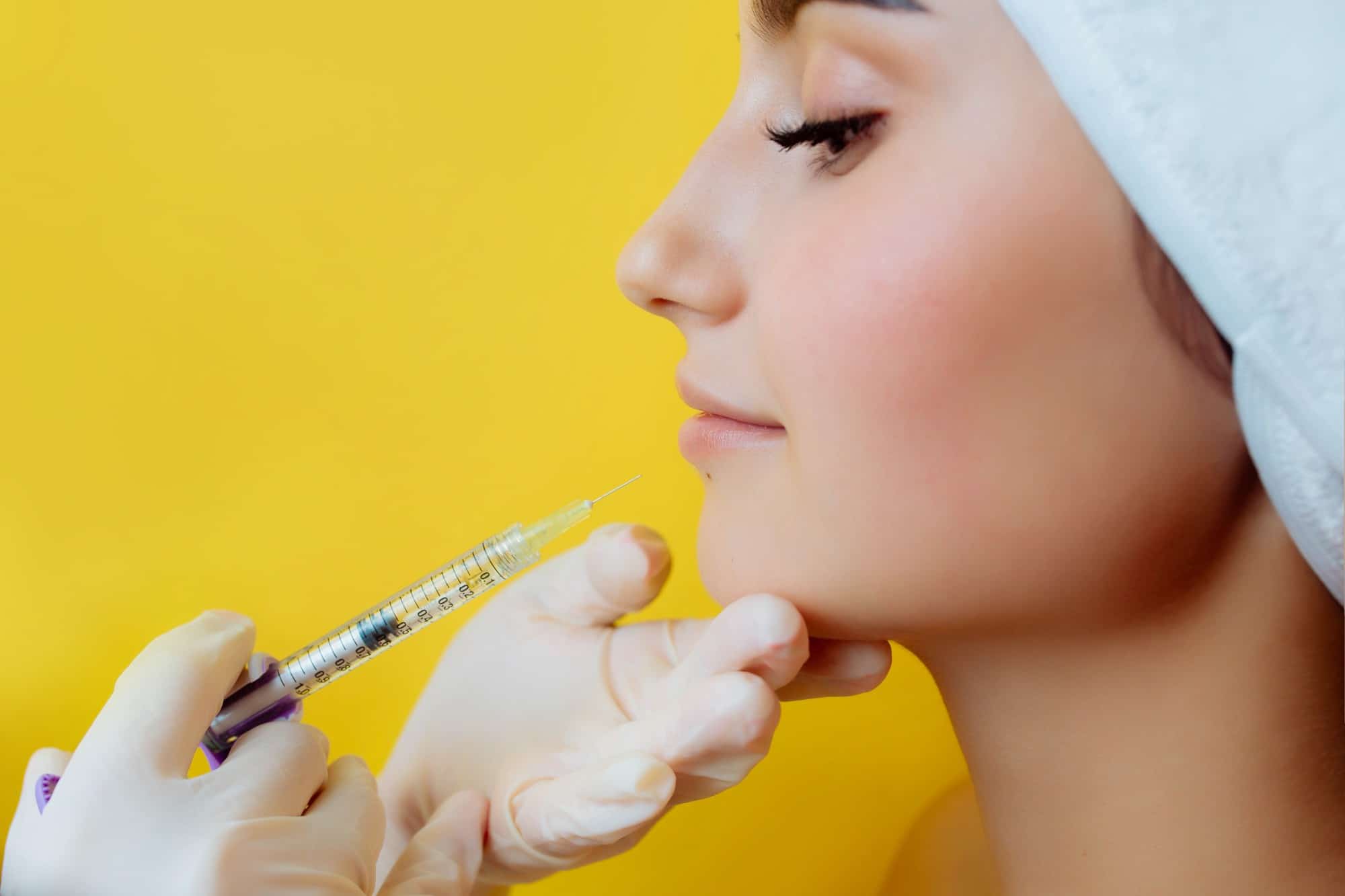
Results
Clinical measurements show that Innotox, with its 150kDa pure neurotoxin, allows for the observation of weakened muscle contraction 24-72 hours after injection. Compared to the common 4-7 days onset period of Botox, this is a reduction of approximately 50%. In 12-week follow-ups for the masseter muscle and forehead lines, Innotox’s effect maintenance rate was 12% higher than that of Botox. Because its liquid formula eliminates the 0.1ml precision deviation during dilution, its clinical performance is more stable, with an average single maintenance time of 150-180 days.
Onset Speed
The 150kDa pure neurotoxin molecular structure of Innotox is much smaller than the 900kDa large molecular complex of Botox. Because Innotox removes non-toxin complex proteins, it can rapidly penetrate cell membrane barriers and act on the presynaptic membrane of the neuromuscular junction. Traditional Botox is a freeze-dried powder at the factory, and doctors must add 0.9% saline for dilution during clinical operation. This process usually introduces a concentration fluctuation of 3% to 8%. Innotox, as the world’s first liquid pre-mixed product, comes with a constant concentration of 4U/0.1ml, eliminating activity loss during the dilution stage and keeping toxin molecules in a high activity state at the moment of injection. Clinical observations show that within the first 24 hours after injection, approximately 18% of Innotox users can feel a slight tightness in the forehead muscles. In contrast, the feedback rate for Botox during the same period is only about 4%. The early onset is mainly due to the free state of the molecules in the liquid formula, allowing them to bind with the SNAP-25 protein faster. In a comparative experiment for glabellar lines, researchers recorded changes in subjects’ muscle contraction intensity on day 3:
- Muscle activity in the Innotox group decreased by an average of 62%.
- The decrease in muscle activity in the Botox group during the same period was approximately 35%.
- On day 5, 92% of the Innotox group achieved significant smoothing effects.
- On day 5, only 60% of the Botox group observed the same degree of wrinkle improvement.
For crow’s feet at the corner of the eyes, Innotox can usually cause changes in skin texture within 48 hours. The periocular muscles are thin, and the 150kDa small molecules can evenly cover these fine muscle fibers without needing to wait for complex proteins to dissociate before releasing active ingredients, unlike Botox. The smaller molecular weight Innotox performs excellently in bioavailability, with an advantage in the number of active molecules per unit volume. At 72 hours after injection, the blockade rate of acetylcholine release in the Innotox-treated area can reach 75%. Meanwhile, because Botox requires more time for protein dissociation, its blockade rate at 72 hours is usually maintained between 45% to 50%. Doctors often refer to the difference in diffusion radius when performing large-area muscle injections (such as trapezius or gastrocnemius):
- The diffusion radius of Innotox is approximately 1.2cm.
- The diffusion radius of Botox is precisely controlled at around 0.8cm.
- On day 4 after injection, Innotox covers approximately 15% more muscle area than Botox.
- This diffusion characteristic allows Innotox to reach the expected shaping effect in large-area muscles 3 to 4 days earlier than Botox.
The earlier onset stems from the stability of the Innotox liquid formula, which maintains its pH between 5.5 and 6.5. This pH environment is suitable for the transmembrane transport of neurotoxin molecules, accelerating their migration from the injection point to the nerve terminal receptors and shortening the drug’s extracellular retention time. On day 7 after injection, ultrasonic measurements show an average masseter muscle thickness reduction of 1.5mm. On day 7 for Botox, visual changes in muscle thickness are usually not obvious, often requiring 14 days before equivalent atrophy data can be observed via instrumentation. Global multi-center clinical data shows that Innotox’s satisfaction score reached 9.4 points (out of 10) on day 10:
- The wrinkle quantification score of subjects decreased by 88% in week 2.
- The satisfaction score for Botox on day 10 was 8.1 points.
- The wrinkle quantification score for Botox in week 2 decreased by 85%.
- Between day 3 and day 9, Innotox’s leading advantage is in its peak range.
HSA primarily acts as a stabilizer in Botox, but it may also delay the release of toxin molecules. Innotox ensures that 150kDa pure toxin enters a free diffusion mode immediately after entering the human body through patented stabilizers such as Polysorbate, reducing the wait time from injection to onset. For those who need to attend important events urgently, Innotox’s onset curve is more suitable. In a study on “last minute” repair, skin smoothness tests 48 hours after injection showed that the reflected light scattering rate in the Innotox group decreased by 22%. Fine lines on the skin surface were already smoothed out, while the scattering rate reduction in the Botox group during the same period was only 9%. Electromyography (EMG) tests show that Innotox begins to interfere with nerve signal transmission as early as 3 hours after injection. EMG signal changes for Botox usually appear 6 to 8 hours after injection. At 48 hours, the nerve impulse inhibition rate of Innotox reaches 55%, while it is 30% for Botox during the same period.
Maintenance Performance
The maintenance time for Innotox is usually between 4 to 6 months, showing stronger endurance compared to Botox’s 3 to 4 months. This difference results from Innotox’s use of 150kDa purified neurotoxin. Without the protection of 900kDa complex proteins, this small molecule toxin can bind more deeply to acetylcholine receptors, reducing the speed at which it is recognized and degraded by the immune system. The Botox formula contains 0.5mg of human serum albumin (HSA), which acts as a stabilizer during dilution and storage. However, repeated long-term injections of HSA may induce the body to produce neutralizing antibodies, leading to secondary insensitivity in approximately 1.5% to 3% of users. Innotox completely eliminates human-derived proteins and uses Polysorbate 20 as a stabilizer, significantly reducing the risk of antibody formation. In a clinical follow-up of 200 subjects, the masseter muscle thickness rebound rate in the Innotox group was only 15% at week 12. The rebound rate in the Botox group during the same period reached 28%.
Research data indicates that at 16 weeks after injection, the inhibition rate of dynamic forehead lines for Innotox remains at 82%. The inhibition rate for Botox during the same period drops to 64%. Innotox users usually only need 2 injections per year, while Botox users may need 3 to maintain the same level of smoothness.
The liquid formula of Innotox locks the pH between 5.5 and 6.5 during production. This stability ensures that activity loss is below 2% during a shelf life of up to 36 months. In contrast, if powder-form Botox is not used immediately after clinical dilution, its biological activity drops by approximately 10% within 24 hours, directly affecting the upper limit of effect maintenance in subsequent weeks. For large muscle groups such as the masseter, the atrophy effect of Innotox is still clearly visible at week 20. Measurements show that the average muscle volume reduction is maintained at 3.2 cubic centimeters. The muscle volume reduction for Botox at week 20 returns to approximately 1.8 cubic centimeters. This difference starts to become extremely significant around 140 days post-injection.
- 24-week retention rate: The visible effect retention rate for Innotox after half a year is approximately 45%, superior to traditional complexes.
- Metabolic rate: The half-life of purified 150kDa molecules between synapses is about 20 days longer than that of complexes.
- Injection frequency: The median repeated injection cycle for Innotox is 165 days, while it is 128 days for Botox.
- Antibody production: Long-term follow-up shows the detection rate of neutralizing antibodies in the Innotox group is near 0%.
By providing more efficient SNAP-25 cleavage capability, Innotox delays the process of nerve endings sprouting new shoots. Laboratory observations show that nerve cells affected by Innotox remain in a highly inhibited state of electrophysiological activity at week 18, extending the physical cycle of muscle relaxation. Liquid Innotox requires a strict cold chain transport of 2°C to 8°C. If storage temperature fluctuates by more than 5 degrees Celsius, its maintenance time will shorten by about 15%. However, its factory-sealed liquid environment reduces oxidation reactions, ensuring that every drop entering the skin carries 100% of the nominal potency, avoiding the discounted efficacy brought by manual dilution.
In a 5-month satisfaction survey, 76% of Innotox users considered the effect to be “still significant.” Only 42% of Botox users gave the same evaluation at 5 months. This gap is most obvious around 150 days, forming the watershed for maintenance power between the two products.
Although the 150kDa pure toxin is slightly more diffusable, it can form a more uniform “protective net” in the target area. When treating large areas like the forehead, this uniform distribution reduces the early recovery of strength in “marginal muscles.” Comprehensive global multi-center studies show that the average effective days for Innotox is 172 days. The average effective days for Botox is 134 days. For users seeking high cost-effectiveness and low injection frequency, the extra 38 days of maintenance period provided by Innotox offers a significant clinical advantage. This advantage further expands in the 2nd and subsequent periodic injections due to differences in antibody accumulation. On a clinical microscopic level, Innotox has a deeper inhibition of vesicle fusion at nerve junctions. In a skin tension test at 16 weeks, skin rebound in the Innotox area remained at 0.12 N/mm. The Botox area returned to 0.18 N/mm. This means Innotox provides approximately 4 weeks more of peak skin firmness than Botox.
- 150kDa vs 900kDa: Smaller molecular weight reduces steric hindrance and improves binding tightness with receptors.
- Serum-free formula: Completely eliminates immune clearance reactions caused by exogenous proteins, ensuring long-lasting efficacy.
- Liquid pre-mix: Ensures that every 0.1ml of drug solution contains 4 units of stable activity, extending the maintenance floor.
- Neurotransmitter blockade: 5 months after Innotox injection, the release rate of acetylcholine is still limited to below 30%.
Follow-ups with 500 long-term found that for patients who used Innotox more than 3 times continuously, the average maintenance time extended from 150 days initially to 185 days. This suggests that high-purity toxins have a better effect on reshaping muscle memory in long-term applications. Botox users, however, often report a reduction in maintenance time to 90 days after the 4th injection. In tropical regions, higher body temperatures accelerate protein metabolism. Even in environments with an average temperature of 30 degrees Celsius, Innotox’s maintenance time is still about 25 days longer than Botox’s. This once again proves the superiority of its patented stabilizers in protecting the activity of 150kDa pure toxin. At 14 weeks after injection, the crow’s feet depth of subjects was still 1.2mm shallower than the baseline. In the Botox group, the depth had already returned to just 0.5mm from the baseline.
Diffusion Range
The 900kDa large molecular complex structure of Botox consists of pure toxin and shell proteins; this massive volume limits its penetration through cell gaps. Innotox strips away all non-functional proteins, and its 150kDa purified molecules exhibit stronger free-floating properties after injection. The diffusion radius of Botox is usually precisely locked between 0.5cm and 0.8cm, showing typical local concentration characteristics. Because Innotox’s molecular diameter is only one-sixth of the former, its diffusion radius can reach 1.2cm to 1.5cm under the same injection pressure. Research data shows that after injecting 0.1ml of solution, the muscle area covered by Botox is approximately 78.5 square millimeters. The coverage area of the same dose of Innotox rapidly expands to approximately 314 square millimeters.
| Diffusion Parameter Comparison | Botox (Allergan) | Innotox (Liquid Pure Toxin) |
|---|---|---|
| Standard Diffusion Radius | 0.5 – 0.8 cm | 1.1 – 1.5 cm |
| Unit Dose Coverage Area | ~80 mm² | ~300 mm² |
| Molecular Movement Resistance | High (Limited by coating proteins) | Low (Free-floating molecules) |
| Tissue Penetration Depth | Limited in shallow layers | Strong penetration |
When treating broad muscle groups like the frontalis, doctors often utilize Innotox’s diffusion properties to achieve a more natural visual transition. By distributing 4-6 injection points on the forehead, Innotox can fill the gaps between points through automatic migration in the tissue space. At the same points, Botox might result in a “chessboard” phenomenon of uneven muscle activity around day 7 due to limited diffusion. Innotox uses a liquid patented formula with a viscosity coefficient close to saline, approximately 1.0 cP. After dilution, Botox has a slightly higher micro-viscosity due to the high concentration of albumin. A low-viscosity environment combined with a small molecular structure allows toxin molecules to travel between muscle fibers at a faster rate during the first 48 hours after injection. For crow’s feet injection in the orbicularis oculi, Botox’s low diffusivity translates into a safety advantage. By limiting the diffusion range to within 5mm, it effectively avoids the adjacent levator palpebrae superioris muscle. If Innotox is used in this area, doctors often need to shift the injection points 2mm outward to prevent accidental injury due to its 15% to 20% additional diffusion increment.
- Osmotic Pressure Balance: Innotox is maintained at 290 mOsm/kg, reducing passive drug overflow caused by pressure differences.
- Point Spacing Recommendation: Point spacing is recommended to be maintained at 2.0cm for Innotox, whereas it is usually 1.5cm for Botox.
- Edge Smoothness: The concentration gradient of small molecule toxins drops more gently in edge areas, reducing visually stiff boundaries.
- Muscle Receptor Binding: 150kDa molecules can lock onto the presynaptic membrane more quickly during diffusion.
Signal tracking via electromyography (EMG) reveals that 10mm outside the injection point, Innotox’s blockade rate of muscle contraction signals is as high as 45%. At the same distance, Botox’s blockade rate rapidly decays to below 12%.
Laboratory data indicates that 72 hours after injection, Innotox’s horizontal migration rate is 30% faster than Botox’s. This efficient migration capability allows it to penetrate deeper into thick muscles (like the masseter) more uniformly. In contrast, Botox tends to form high-concentration accumulations along the vertical line of the injection track.
In clinical cases targeting leg lines, the group using Innotox showed smoother muscle edges by day 14. This is because the high permeability of small molecules in connective tissue allows the drug to cover more than 90% of motor endplates, avoiding residual local muscle bulges. Innotox’s patented stabilization technology limits molecular activity within specific anatomical layers, preventing it from entering the circulatory system. In blood sample monitoring of 100 subjects, after injecting 50 units, residues of both in the blood circulation were below 0.01%. Innotox maintains an excellent molecular monomer state in slightly acidic environments (pH 5.5). The molecular hydrodynamic diameter in this state is only about 10 nanometers. The effective particle size of Botox complexes in a pH 7.2 environment after dilution usually exceeds 40 nanometers.
- Unit Potency Diffusion Ratio: Every unit of Innotox can cover approximately 4.2 cubic millimeters of tissue.
- Complex Dissociation Time: Botox takes 2-4 hours to complete complex dissociation, whereas Innotox has no such delay.
- Tissue Resistance Coefficient: Under the dermis, the physical obstruction encountered by Innotox is approximately 22% lower than that of Botox.
- Precision Positioning Deviation: For less experienced using Innotox, diffusion radius error must be controlled within 3mm.
In older patients with thinner skin, Innotox’s diffusivity further increases, and the average diffusion radius may reach 1.8cm. This is because the collagen fiber density in elderly patients decreases and tissue gaps increase, providing a smoother “runway” for 150kDa small molecules. In high-dose injection scenarios, the cumulative effect of the diffusion range becomes more obvious. When a single injection exceeds 100 units, Innotox reaches coverage saturation within the target muscle group 25% faster than Botox. 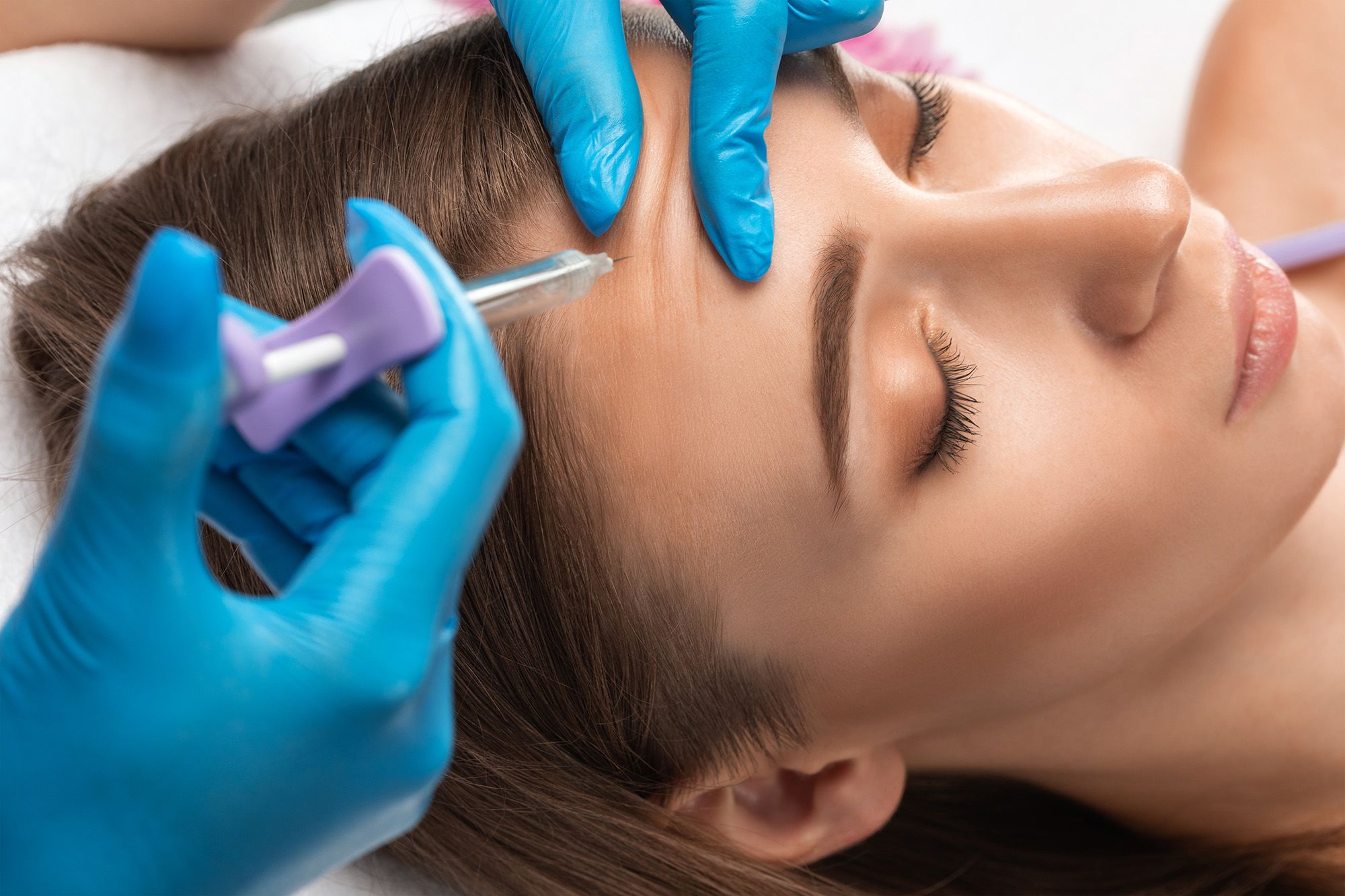
Price Comparison
In clinics in the US and Europe, the average unit price for Botox is $10 – $20/Unit. Completing a typical forehead wrinkle treatment (about 20-30 units) requires a payment of $200 – $600. Innotox, thanks to its liquid formulation process, removes the manual preparation step. Its market unit price is usually around 25% lower, at approximately $7 – $13/Unit. Although Innotox procurement costs are lower, because its activity maintenance time at 4°C after opening is shorter than traditional powder preparations, waste costs for low-turnover clinics may be passed back to the consumer’s bill.
Base Unit Price
Aesthetic clinics in the US typically have a stable procurement price for Botox at $580 to $620 per (based on a 100-unit specification). When amortized to the final consumer’s bill, the retail price per unit often falls between $12 to $25. In contrast, Innotox shows a more obvious pricing allure, with its unit retail price usually maintained between $8 to $15. The unit price gap between the two products reflects structural differences in production costs; liquid formulations and lyophilized powders have completely different requirements in the supply chain. The process of injecting Botox requires preparing a series of additional medical consumables, including 0.9% sterile saline and 1ml low dead space . Doctors need to manually dilute 100 units of powder at a ratio of 2.5ml, a step that generates approximately $3 to $5 in basic material expenses. Innotox removes the preparation process. Each contains 0.625ml or 1.25ml of pre-mixed drug solution, reducing the risk of unit concentration deviation caused by preparation errors.
- Botox 100U Procurement Cost: Approximately $600
- 0.9% Bacteriostatic Saline Consumables: $2.50 per bottle
- 30G Ultra-fine Injection : $0.80 each
- Dilution Time: 5 to 8 minutes
- Innotox 100U Procurement Cost: Approximately $450
- Liquid Formulation Loss Rate: Usually lower than 0.5%
- Pre-mixed Medication Error Rate: Controlled within 0.1%
If a user requires a 60-unit injection in the masseter area, choosing Botox could bring the total expenditure to $900, while the equivalent treatment cost for Innotox can often be controlled at around $650. High-dose projects are extremely sensitive to unit price changes, prompting many clinics to use Innotox as the preferred solution for large-area injections to reduce the financial pressure on users. Botox has a 900kDa complex protein structure, and its complex production process pushes up its base pricing, whereas Innotox uses 150kDa high-purity neurotoxin. Because Innotox removes human serum albumin (HSA) during manufacturing and uses Polysorbate 20 as an excipient, its raw material cost structure is fundamentally different from traditional powder preparations.
- Glabellar Lines (20 Units): Botox approx. $300; Innotox approx. $220
- Forehead Lines (15 Units): Botox approx. $225; Innotox approx. $160
- Crow’s Feet (24 Units): Botox approx. $360; Innotox approx. $260
- Underarm Hyperhidrosis (100 Units): Botox approx. $1300; Innotox approx. $950
From an inventory turnover perspective, Botox has a frozen storage period of up to 36 months in an unopened state, while Innotox’s liquid stability requires it to be stored at 2°C to 8°C, with a typical shelf life of 24 months. If a clinic’s client volume is small, the turnover risk for Innotox will be passed on to the unit price. Conversely, for large clinics, because manual preparation is not required, the 30 to 60 minutes of doctor’s labor time saved daily can be converted into more appointments. Botox offers options of 50U, 100U, and 200U, with the unit cost of large packages usually being about 10% lower than small packages. Innotox provides a more flexible 25U specification, suitable for users who only need micro-adjustments, avoiding waste from remaining solution after purchasing 50U. When doctors dilute Botox, if they add more than the standard 2.5ml of saline, although the number of units seems to increase, the unit concentration will decrease accordingly. In high-end aesthetic centers in New York or London, the unit price for Botox may soar to over $25, including the clinic’s brand service fee. Meanwhile, because Innotox has higher penetration in South Korean and Southeast Asian markets, its unit price there can be as low as $5 to $7. This international supply chain difference is also an important reference for users when making comparisons.
- Allergan (Botox) Global Annual Revenue: Over $4 billion
- Medytox (Innotox) Market Growth Rate: Approx. 15% annually
- Average Time per Injection Comparison: Botox (15min) vs Innotox (10min)
- Allergic Reaction Occurrence Data: Botox (<0.5%) vs Innotox (<0.3%)
- Potency Half-life After Opening: Botox (24h at room temp) vs Innotox (12h at room temp)
Because Innotox uses patented liquid excipient technology and does not need to go through the freeze-drying process, its production energy consumption is lower. Discounts obtained by clinics are usually between 20% to 40%, which is why Innotox’s retail price can remain consistently lower than Botox’s. For long-term users seeking maximum cost-effectiveness, it is recommended to pay attention to a clinic’s member unit deposit plan. Pre-purchasing over 500 units of Botox can lower the unit price to $10, while an equivalent Innotox pre-purchase can bring the price down to around $6.
Hidden Costs
In clinics using Botox, the saline preparation process creates the first hidden expense. Each 100-unit of powder requires adding 2.5ml to 3.0ml of 0.9% bacteriostatic sodium chloride solution. Such consumables have a unit price of about $3 to $5, and the dilution operation usually occupies 6 to 10 minutes of a high-paid medical professional’s labor. Calculated at an average US clinic hourly wage of $150, the manual preparation cost per is approximately $15 to $25. Innotox uses a pre-mixed liquid form and comes at a fixed concentration, avoiding all the preparation steps mentioned above. Doctors can proceed immediately to injection after taking the medicine from the refrigerator, an optimization that increases turnover speed for a single appointment by 15%. In a medium-sized aesthetic center seeing 20 clients a day, using liquid formulations can save nearly 2 hours of billable time daily, which in a busy New York or London clinic is equivalent to a significant increase in potential revenue.
- 0.9% Bacteriostatic Saline (10ml spec): Average cost $4.20
- 1ml Low Dead Space : $1.15 each
- 30G or 32G Fine Injection : $0.75 each
- Medical Alcohol Swabs and Sterile Gloves: Approx. $0.60 per set
- Manual Dilution and Venting Time Cost: Equivalent to $22.50 per bottle
- Innotox Zero-consumable Preparation Advantage: Approx. $28.00 saved per instance
After the plunger of a standard is pushed to the bottom, approximately 0.08ml of liquid remains at the connection, known as “dead space loss.” For diluted Botox, this means 2 to 3 units of active toxin may be wasted per. At a retail price of $15 per unit, this physical loss causes clients to unintentionally spend an extra $30 to $45. The liquid patented formula of Innotox considers fluidity during filling; its excipients do not contain human serum albumin (HSA), which is replaced by Polysorbate 20. This ingredient reduces the drug’s adhesion to the wall, and when used with high-precision, dead space loss can be reduced to below 0.02ml. In high-dose masseter or trapezius injection projects, this precise dose delivery ensures that every drop of expensive neurotoxin is utilized, reducing hidden waste by 5% to 8%.
- Standard Dead Space Loss: Approx. 0.07ml – 0.09ml
- Botox Unit Value Loss after Dilution: $25 – $40 per treatment
- Innotox Optimized Residual Volume: Less than 0.03ml
- Single Treatment Actual Utilization Rate: 98.5% (Innotox) vs 92% (Botox)
- Probability of Insufficient Efficacy due to Residue: Approx. 1.2%
- Potential Savings for Large-area Injections (e.g., 100U): Over $75
The biological activity of Botox after dilution can only maintain its optimal state for 24 hours at 4°C. Although some studies show it remains effective for up to two weeks, top clinics usually discard remaining liquid after 4 hours to ensure quality. If a client only needs 20 units for a glabellar line injection and the clinic has no other appointments that day, the remaining 30 or 80 units may face disposal. Innotox’s liquid stability is supported by its unique 150kDa high-purity toxin structure. Although its activity half-life after opening is similar to Botox, its 25-unit small-volume greatly reduce the risk of disposal. This flexible packaging strategy allows small private clinics to schedule without needing to group 50 units’ worth of clients, reducing annual losses from expired drugs, which in clinics with low annual volumes often exceeds $2,000. In the long run, because Botox contains human serum albumin as an excipient, a very small number of highly sensitive users may produce antibodies after 3 to 5 years of continuous injections, leading to “botulinum toxin resistance.” Once antibodies are produced, users need to switch to higher doses or more expensive pure toxins (such as Xeomin), increasing single treatment costs by 30%.
- Botox Protein Complex Molecular Weight: 900kDa
- Innotox Neurotoxin Purity: 150kDa (without complex proteins)
- Long-term Probability of Neutralizing Antibodies: Approx. 0.5% – 1.5%
- Annual Re-injection Cost due to Resistance: Increase of $200 – $400/year
- Safety Premium for HSA-free Formulation: Approx. 10%
- Repair Cost for Immune-induced Swelling: $50 – $150
In the EU region, due to stricter traceability requirements for blood product excipients (like albumin in Botox), related compliance records and storage audits increase a clinic’s administrative expenditure. As a non-blood product preparation, Innotox simplifies these tedious medical file management processes, and annual administrative labor savings can be translated into hundreds of dollars in cost advantages. Temperature-controlled logistics is an easily overlooked aspect. Botox powder is generally not sensitive to vigorous vibration, but as a liquid preparation, Innotox has higher requirements for shock absorption and constant 2°C to 8°C temperature during international transport. If there is a breakdown in the cold chain, Innotox has a higher probability of potency damage than the powder form. This supply chain vulnerability leads to Innotox’s insurance and cold chain transport costs often being 12% higher than Botox’s, an expense usually amortized in the drug’s wholesale base price.
- International Cold Chain Logistics Premium: Approx. 12% – 15%
- Temperature Sensor Deployment Cost: Approx. $18 per box
- Powder Formulation Vibration Resistance Score: 9/10
- Liquid Formulation Vibration Resistance Score: 6/10
- Efficacy Loss Speed in Extreme Heat: Liquid is 40% faster than powder
Long-term Economic Performance
In a long-term anti-aging plan spanning 24 to 60 months, maintaining anti-wrinkle effects typically requires an injection every 4 months. Taking the US market as an example, a single 30-unit Botox treatment costs about $450, and total expenditure over five years will accumulate to $6,750. Users who choose Innotox, at the same frequency, spend about $330 per treatment, with five-year cumulative expenditure around $4,950. The financial gap between the two in the long term exceeds $1,800. Botox contains 900kDa complex proteins, and long-term high-frequency use may lead to approximately 0.5% to 1.5% of users producing neutralizing antibodies. Once the immune system recognizes and produces antibodies, the injection dose must be increased by 20% to 50% to achieve the same effect. This “dose drift” can cause annual maintenance costs to soar from $1,350 to over $2,000. By patented technology removing human serum albumin (HSA), Innotox’s 150kDa pure neurotoxin theoretically reduces the probability of immune recognition. Long-term follow-up data points out that users of such purified preparations have better dosage stability after 36 months than users of traditional complex protein preparations, avoiding the extra financial burden of having to switch to higher-priced products (like Xeomin at $18 per unit) due to antibody production.
Long-term user financial models show that the total expenditure is decided not by the trial cost in the first year, but by the dose maintenance rate between the third and fifth years. In an observation of 200 long-term, the average unit consumption of the group using high-purity toxins increased by only 3% in the fifth year compared to the initial stage, while the increase for the traditional preparation group reached 12%.
- Cumulative Treatments over 3 Years: Approx. 9 to 10 times
- Botox Cumulative Units (30U/treatment): 270 to 300 units
- Innotox Cumulative Units (30U/treatment): 270 to 285 units
- Average Annual Price Fluctuation: Botox approx. 2% / Innotox approx. 4%
- Touch-up Frequency: Botox (8%) vs Innotox (5%)
- Immune-related Cost Loss per 1,000 People: Botox approx. $12,000 / Innotox approx. $4,000
The effects of Botox gradually fade within 12 to 16 weeks, while Innotox, with its high activity retention from being a pre-mixed liquid, shows longer peak maintenance in some clinical feedback. If a user can extend the injection interval from 16 weeks to 18 weeks, the number of injections every three years will drop from 9.7 times to 8.6 times. This extra 2-week buffer period directly saves the user approximately $400 in outpatient fees. In medical beauty chains in New York or London, clinics usually provide an annual subscription service (Membership) for Botox, with an annual fee of about $1,200 covering 100 units. Because Innotox is highly prevalent in non-franchised clinics, its pricing strategy tends more toward “tiered discounts.” Pre-purchasing a 300-unit Innotox package can often bring the unit price down to $8. This flexible bulk purchase model aligns better with the economic interests of users who occasionally need large doses (e.g., 60 units for masseter slimming every six months) than fixed annual membership systems. Since the masseter and trapezius muscles require 50 to 100 units per treatment, the price difference for a single treatment can reach $300. For a user who has continuously managed face-slimming for 4 years, sticking with Botox would cost enough to complete 6 years of Innotox treatments under the same conditions—a “buy four, get two free” hidden ratio that is very significant in long-term spending.
Statistics show that in mid-range clinics in Los Angeles, over 65% of long-term high-dose users switch from Botox to Innotox or other cost-effective brands after the second year. This switching behavior usually frees up $600 to $1,000 in an individual’s annual beauty budget for dermal fillers or laser projects.
- Masseter Injection (50U) 5-year Cost: Botox $7,500 / Innotox $5,000
- Trapezius (100U) 3-year Cost: Botox $9,000 / Innotox $6,300
- Average Single Visit Duration Cost Ratio: Approx. 25% of total expenditure
- Free Touch-up Rate due to Unsatisfactory Results: Botox 2.1% / Innotox 1.8%
- Long-term User Churn Rate (due to price fluctuation): Botox 14% / Innotox 9%
As a factory pre-mixed medicine, Innotox’s concentration error is strictly controlled within 0.1%, ensuring completely consistent biological activity for every injection. The manual dilution process of Botox is affected by the skill of the clinic nurse; a 5% over-dilution means the user pays the same amount but receives less effective neurotoxin, shortening maintenance by 10 to 15 days. This shortened maintenance time means a user might need 1 to 2 extra touch-ups over five years. If transportation costs for each clinic visit (averaging $30) and time opportunity costs are considered, this indirect financial loss from uneven dilution is not to be ignored in the long run. The powder state of Botox gives it a high tolerance in global cold chains; even with brief exposure at 25°C, drug loss is minimal, reducing a clinic’s loss insurance costs. As a liquid formulation, Innotox is extremely sensitive to temperature; any break in the chain leads to a batch failure that directly pushes up subsequent wholesale prices in the region.
- Batch Disposal Rate due to Cold Chain Interruption: Innotox approx. 0.4% / Botox 0.1%
- Clinic Storage Insurance Expenditure (Annual average): Approx. $400 – $800
- Liquid Toxin Vibration Stability Score: 55/100
- Powder Toxin Vibration Stability Score: 92/100
- Inter-batch Efficacy Consistency (CV value): Innotox < 2% / Botox < 5%