Worth it. The core PN component provides deep repair and improves pore elasticity. A course of 3-4 treatments is recommended, with a single session priced at approximately ¥2500+. Although there is a 1-2 day recovery period for bumps, the effects on barrier repair and anti-aging are significant.
Results
Clinical observations show that a reduction in oil secretion usually appears 2 weeks after the procedure. After completing a standard course of 3 to 4 treatments (spaced 3-4 weeks apart), the dermal density increases by an average of 22%, and the stratum corneum thickness increases by 20%. The improvement rate for static wrinkles around the eyes, enlarged pores, and acne scars is typically between 30%-50%. A single treatment cannot reach the peak effect; the maintenance period after a full course is 6 to 12 months, gradually diminishing with metabolism.
Time to See Results
Within the first 48 hours after injecting polynucleotide (PN) long-chain molecules at a 2.0% concentration, the dermis accommodates these high-molecular-weight chains. Due to the high viscoelasticity of PN, they do not diffuse as rapidly as standard hyaluronic acid; instead, they form temporary liquid reservoirs at the injection sites, appearing as small protrusions (bumps) approximately 0.2 to 0.5 cm in diameter. The natural absorption rate of these bumps within 24 hours is approximately 85%, with the remainder typically disappearing completely within 48 hours through the lymphatic system and tissue infiltration. During this initial phase, a slight physiological inflammatory response occurs within the tissue, which serves as a signal to induce the subsequent self-repair process. Entering the 3rd to 7th day after injection, the skin is in a stable recovery phase. At this time, the micro-injuries caused by the trigger the activation of fibroblasts. PN molecules begin to induce the reorganization of the extracellular matrix (ECM) by binding with adenosine A2A receptors on the cell surface. In this stage, although users may not see a visible reduction in wrinkles, biological activity under the skin is accelerating. According to clinical biopsy data, inflammatory factor levels in the tissue drop by about 40%, and Vascular Endothelial Growth Factor (VEGF) begins to increase, providing a blood supply foundation for skin barrier repair.
| Treatment Phase | Time Span | Internal Biological Activity | Clinical Observation Indicators | Data Performance |
|---|---|---|---|---|
| Immediate Post-Op | 1-2 days | PN molecules physically occupy dermal space, triggering initial immunity | Bumps at injection sites, mild erythema | 24-hour bump absorption rate >80% |
| Initial Repair | 3-7 days | Macrophages clear metabolites, inflammatory response subsides | Skin feels softer, hydration begins to recover | Skin redness index decreases by 45% |
| Balance Adjustment | 2 weeks | Sebaceous gland cell activity is inhibited, fibroblasts activated | Reduced oil secretion, visually smaller pores | T-zone sebum excretion rate reduced by 28%-32% |
| Structural Remodeling | 4-6 weeks | Synthesis of Type I collagen and elastic fibers accelerates | Fine lines fade, skin thickness increases | Dermal density improves by 12%-15% |
| Cumulative Peak | After 12 weeks | Cumulative effects after 3 injections fully manifest | Overall brightening, significant improvement in elasticity | Skin elasticity index increases by approximately 30% |
By the 2nd week post-injection, many subjects record significant changes in the oil-to-water ratio. According to skin testing data from clinical subjects, moisture content in the U-zone increased by an average of 15%, while sebum secretion in the T-zone decreased by approximately 30%. This regulatory effect stems from PN’s downregulation of sebaceous gland cells. By the 4th week, the end of the first injection cycle, measurable growth in physical skin thickness occurs. The support of the dermis is improved; although structural changes deep down are hard to detect with the naked eye, under high-magnification skin microscopy, the arrangement of the stratum corneum becomes tidier, and the epidermal roughness index drops by about 18%. These changes grow non-linearly after the 2nd and 3rd injections (usually spaced 4 weeks apart). Continuous PN input keeps the skin in a constant state of regeneration. Clinical data shows that after completing 3 standard treatments, epidermal barrier function (measured via Transepidermal Water Loss, TEWL) improves by about 25%. Since PN is not only a nutrient but also provides nucleotide bases for damaged DNA repair, the skin reaches its optimal healthy texture at around 12 weeks. At this time, ultrasonic scans of the dermis show that collagen density has increased by approximately 22%. For fragile areas like the eye contour, when using lower viscosity versions (such as Rejuran I), bumps subside faster, usually within 12 hours. Because eye skin is only 1/3 the thickness of the cheeks, improvements in dullness caused by capillary dilation under the eyes usually require a wait of 6 to 8 weeks. After 3 consecutive treatments, the dermal thickness of the lower eyelid increases by an average of 0.15 mm, which is sufficient to effectively mask the color of underlying blood vessels and reduce signs of fatigue. For fibrotic tissues such as acne scars, using high-concentration versions (such as Rejuran S) requires a longer remodeling cycle; improvements in scar flatness usually manifest around 3 months post-injection through the rearrangement of collagen fibers. The maintenance period of the results is closely related to an individual’s metabolic rate. Within 6 months of completing the full course, dermal collagen levels remain at a stable high. As natural aging and enzymatic degradation proceed, the regenerated tissue induced by PN will slowly decrease. To maintain this biological activity, it is clinically recommended to have a single maintenance treatment every 6 months. According to follow-up studies, users who maintain regular treatments see their skin aging indicators decline about 40% slower than non-intervened populations over 5 years.
Thickening the Dermis
The mechanism by which Rejuran increases dermal thickness is built upon the remodeling of the cellular microenvironment by 2.0% concentration polynucleotide (PN) long-chain molecules. This biopolymer, extracted from Atlantic salmon DNA, has a high molecular weight of 500 to 1000 kDa and acts as a long-chain scaffold when injected into the deep layers of the skin. According to in vitro cell experiment data, PN components can induce a 20%-30% increase in the proliferation rate of human fibroblasts. This increase in cell count is the foundation for subsequent dermal matrix thickening. The nucleotides and nucleosides released during the degradation of PN molecules in the tissue activate adenosine A2A receptors on the cell surface, triggering anti-inflammatory pathways and promoting tissue regeneration, fundamentally altering the dermal atrophy caused by natural or photo-aging. After receiving 3 to 4 consecutive treatments, ultrasonic scans of the dermis reveal clear physical changes. In skin thickness measurements, subjects’ dermal thickness increased by an average of 1.5 mm to 2.1 mm, with percentage increases typically falling between 15% and 22%. This thickening is manifested as an overall increase in the density of collagen and elastic fibers within the dermis. Micro-histological observations confirm that the synthesis ratio of Type I and Type III collagen starts a significant upward curve 4 weeks post-procedure.
- Changes in Dermal Matrix Components: Glycosaminoglycans and glycoprotein content in the extracellular matrix (ECM) increase by approximately 25% after the course, improving the water-retention capacity of the dermis.
- Collagen Arrangement: The collagen fibers induced by PN tend to form a reticular structure typical of young skin, rather than the parallel or disordered structure of damaged skin.
- Increased Vascular Density: By promoting the expression of Vascular Endothelial Growth Factor (VEGF), the microcirculation system of the dermis is improved, with capillary density per unit area increasing by about 10%-15%, providing nutrient support for the thickened tissue.
- Elastic Fiber Index: Skin recoil data measured by a Cutometer improved by 28.4% after 3 injections, directly reflecting the structural tightness of the dermis.
| Assessment Dimension | Pre-treatment Status | Data after 3 Treatments | Physiological Benefits |
|---|---|---|---|
| Dermal Density | Loose structure, ultrasound shows low-echo zones | Density increased by 20% – 22% | Improves skin resilience against physical damage |
| Dermal-Epidermal Junction | Junction tends to flatten, low nutrient transport efficiency | Junction undulation increased by 15% | Enhances epidermal stability, reduces skin thinning feel |
| Thickness Quantification | Atrophic skin thickness approx. 0.8-1.0mm | Thickness increased to 1.2-1.5mm | Visually reduces redness and masks subcutaneous vessels |
| Water Loss Rate (TEWL) | Weak barrier, loss rate higher than 20g/h/m² | Loss rate decreased by 25% – 30% | Establishes long-term moisturizing from the basal layer |
As dermal thickness increases, the nerve endings and microvessels located within receive deeper physical buffering and protection, thereby lowering the skin’s reaction threshold to temperature changes, chemical irritants, or UV rays. For skin thinned by long-term use of exfoliative skincare products or frequent laser treatments, the intervention of PN can accelerate the damaged DNA repair process by replenishing the nucleotide pool. In a 12-week clinical follow-up study, subjects with thickened dermis reported a reduction in skin stinging and redness frequency of more than 40%. Changes in the dermis after a single injection are primarily focused on cytokine activation and metabolic environment optimization, while substantial increases in fibrous tissue typically begin to quantify after the 2nd injection (weeks 4-6). At the 12th week, one month after completing the standard 3-session course, the structural strength of the dermis reaches its peak. At this point, the skin’s touch transforms from soft to firm, and this firmness does not depend on the volume of external fillers. Studies show that even 6 months after stopping treatment, more than 70% of the autologous collagen induced by PN is retained, and dermal thickness remains higher than pre-treatment levels. 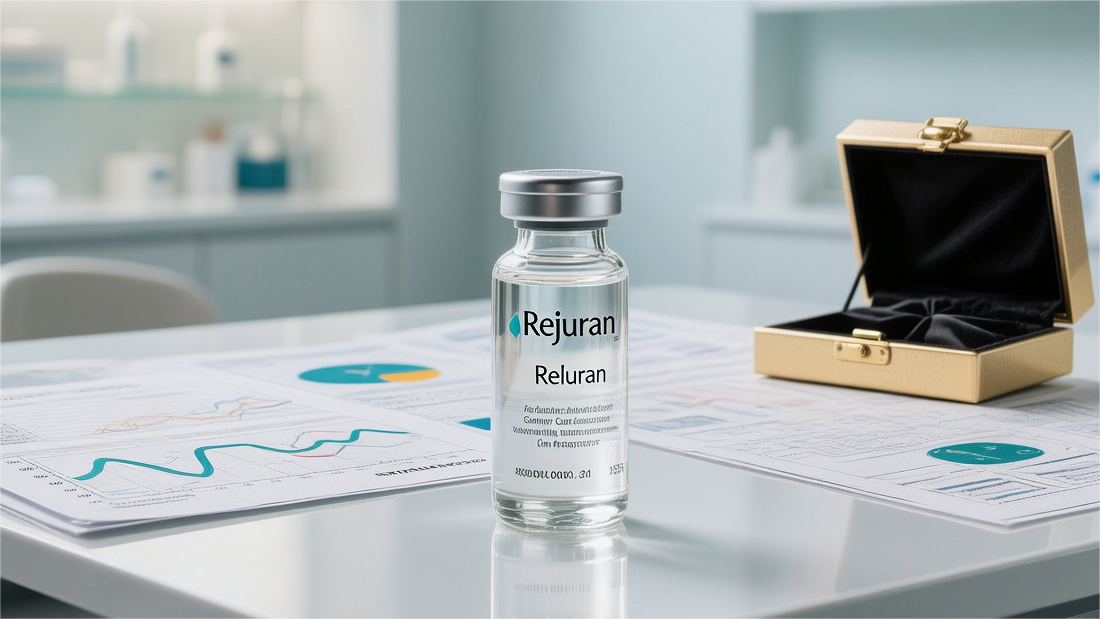
Maintenance and Decline
After the 2.0% concentration polynucleotide (PN) in Rejuran enters the dermis, its physical presence and biological activity follow different metabolic cycles. The long-chain structure of PN is gradually cleaved by deoxyribonuclease (DNase) in the tissue during the initial phase. During the first 28 days post-op, these high-molecular-weight fragments primarily function as a physical scaffold and slowly degrade into mononucleotides and nucleosides. According to isotope tracing studies, the physical residence time of PN molecules in the localized area is about 3 to 4 weeks, but this does not mean the effect disappears then. Real maintenance power comes from the autologous Type I collagen and elastic fibers induced by PN, which have a biological half-life of several months. Around 12 weeks after the 3rd injection, collagen density within the skin reaches its peak. At this point, the structural stability of the dermis is at its highest, effectively resisting external physical pressure and transepidermal water loss.
Clinical follow-up data indicates that after completing a full course (one injection every 4 weeks, 3-4 times total), the skin elasticity index at the 6th month remains 15% to 20% above the baseline. In contrast, the biological activity of non-cross-linked hyaluronic acid usually declines to initial levels within 4 to 6 weeks, failing to form long-term tissue remodeling effects.
As time progresses to the 6th to 9th month, the skin enters a natural physiological decline phase. This process is influenced by Matrix Metalloproteinases (MMPs) naturally secreted by the body, particularly the MMP-1 enzyme, which gradually breaks down those newly formed collagen fibers. Physiological data records show that starting from the 6th month, subjects’ skin moisture retention drops by an average of 2.2% every 30 days, while the decline curve for skin thickness is relatively flat, usually maintaining at 110% of pre-treatment thickness by the 9th month. During this stage, the microenvironment optimized by PN molecules begins to stabilize, and the proliferation rate of fibroblasts returns to normal metabolic levels. If there is no continuous input of external biological signals at this point, the skin tissue will follow its genetically preset natural aging rate without a so-called “rebound” phenomenon. Skin exposed to UV environments for long periods undergoes oxidative stress, causing the PN repair effect to decline more than 35% faster than strictly sun-protected skin. UV rays activate degradation enzymes, accelerating the loss of the dermal matrix. Simultaneously, glycation reactions in the skin shorten the maintenance period. Advanced Glycation End-products (AGEs) from high-sugar diets cross-link with new collagen, causing it to lose flexibility and become brittle. In clinical observations regarding lifestyle habits, non-smokers have a maintenance period 2.4 months longer on average than smokers. This is because free radicals from smoking interfere with the microvascular generation induced by PN, reducing nutrient transport efficiency during dermal thickening and accelerating the atrophy of regenerated tissue.
Studies on subjects living in dry climates (humidity consistently below 30%) found that due to physical wear on the epidermal barrier, the decline in visual skin radiance was about 18% faster than for users in humid regions, even though dermal collagen density did not drop proportionally.
To prevent a visible drop-off in effects, clinical advice is to have a maintenance injection in the 6th month after the initial course ends. The biological basis for this strategy is to use the “stacking effect” to offset natural loss. A single maintenance session reactivates fibroblasts that are becoming dormant, bringing them back into an active secretory phase. Data shows that users who have maintenance every half year keep their dermal thickness within a range 15% higher than their initial state over 3 years. Without any maintenance, the effect of a single course basically returns to the initial state by 12 months. For areas like the eye contour where the skin is extremely thin and metabolic activity is high, the decline rate is usually 20% faster than the mid-face; therefore, for Rejuran I users, maintenance frequency is typically adjusted to every 4 to 5 months. At the cellular level, PN’s repair of DNA damage has a residual effect. Even after the PN molecules themselves are fully metabolized, the repaired cellular functions remain healthy for a period. In monitoring senescent cell markers (such as p16 protein), it was found that skin areas treated with PN expressed lower levels of Senescence-Associated Secretory Phenotype (SASP) even 9 months after treatment compared to untreated areas. This means maintenance and decline are not just about surface wrinkle depth, but about the healthy density of subcutaneous cell populations. Only when this cellular-level health dividend drops below a certain threshold will surface skin texture and firmness show visible signs of regression. Fillers rely on physical volume for support, and decline manifests as a direct reduction in volume or displacement. In contrast, Rejuran’s decline manifests as a gradual downgrade in skin texture, without the unevenness caused by irregular degradation. The metabolites of PN are naturally occurring purine and pyrimidine bases in the human body, meaning its decline process is physiological and harmless. For the 35 to 45 age group, natural tissue repair capacity is about 70% of that of the 20s group, so this group may perceive the decline after the 9th month more significantly than younger users.
In a two-year long-term follow-up study, the group receiving continuous maintenance treatments kept their skin surface roughness index low, 28% lower than the group that stopped treatment completely. This confirms that low-frequency biological signal replenishment can effectively alter the skin’s natural aging trajectory.
Price
A single 2ml Rejuran injection in places like Singapore, Australia, Europe, and the US ranges from $400-$1,000. The market price in Seoul is approximately $180-$350. A standard repair plan typically includes 3 injections, once every 4 weeks, with a total expenditure of approximately $1,200-$3,000. Subsequent maintenance is needed every 6 months. Prices are influenced by PN component purity, clinic location, and physician’s manual labor fee.
Regional Price Comparison
In dermatology clinics in Gangnam or Cheongdam-dong, the standard price for a single 2ml Rejuran Healer ranges between 250,000 and 600,000 KRW. This price difference is primarily determined by the clinic’s service positioning. Large “factory-style” clinics lower prices through high turnover, with prices consistently maintained between 250,000 and 350,000 KRW. In contrast, boutique clinics where the head physician operates personally and provides a private environment typically start from 500,000 KRW. Notably, foreign tourists in Korea receiving Rejuran injections can usually enjoy a 7% to 10% on-site Tax Refund, making Korea the lowest unit-price market globally. Many consumers flying from Singapore or the US to Seoul choose to buy 3-session or 5-session packages, which further reduces the per-session cost to around 200,000 KRW. Clinics typically use 33G or 34G ultra-fine for manual bump injections; this manual fee is highly standardized in Seoul and included in the medication cost, with very few clinics billing “operation fees” separately.
| City/Region | Single (2ml) Ref Price | 3-Session Package Price | Operator Restrictions | Extra Cost Items |
|---|---|---|---|---|
| Seoul (Gangnam) | ₩300,000 | ₩800,000 | Licensed Doctor | Usually All-Inclusive |
| Singapore (Orchard) | S$800 | S$2,200 | Licensed Doctor Only | 9% GST |
| Sydney (CBD) | A$750 | A$2,000 | Registered Nurse/Doctor | Consultation Fee A$50-100 |
| London (Harley St) | £550 | £1,500 | Doctor/Senior Nurse | Post-op repair dressings |
| Los Angeles (Beverly Hills) | $900 | $2,500 | Doctor/PA | 15%-20% Clinic Service Gratuity |
| Bangkok (Siam) | ฿12,000 | ฿32,000 | Licensed Doctor | Import Duty Premium |
The medical aesthetic regulatory environment in Singapore is very strict; the Health Sciences Authority (HSA) has clear regulations on the entry of PN (polynucleotide) components like Rejuran. In clinics on Orchard Road or in Novena, the quote for a single 2ml Rejuran Healer is typically between 700 and 1,200 SGD. Because Singapore law mandates that such injections must be performed by a doctor personally and cannot be delegated to assistants or nurses, high doctor labor costs are factored directly into the medication price. Most Singapore clinics promote 3-session cycles for a total of 2,100 to 2,800 SGD, including sedation management after each injection. To increase price transparency, many clinics list prices on social media, but the final bill often adds 9% GST. In the Australian market, such as Sydney or Melbourne, Rejuran is priced at about 700 to 950 AUD per session. A feature in Australia is allowing Registered Nurses (RN) to operate under doctor supervision, with nurse-operated prices usually 15% cheaper than doctor-operated ones. Australian clinics place great importance on initial skin testing; some clinics require an initial consultation fee of 50 to 100 AUD, which can be deducted from the total if treatment is confirmed that day. In Manhattan, New York, or Beverly Hills, Los Angeles, the cost for a single 2ml injection typically starts from 800 USD, with some top-tier medical aesthetic institutions charging up to 1,200 USD. This high price stems from import transportation costs of PN products and high medical liability insurance expenses. US MedSpas often bundle Rejuran with microneedling or laser treatments, with package prices often exceeding 3,000 USD. In London, private clinics on Harley Street charge about 500 to 750 GBP per session. European consumers prefer annual member plans that include multiple injections, averaging about 450 GBP per session. In these high-cost regions, the concentration and application time of Numbing Cream are strictly managed; some high-end clinics offer inhaled nitrous oxide for analgesia, which adds 100 to 200 USD to the bill.
| Rejuran Model | Specification | Bangkok Price (THB) | Toronto Price (CAD) | Applicable Scenario |
|---|---|---|---|---|
| Healer (Classic) | 2ml x 1 | ฿12,000 | $850 | Full-face skin barrier repair |
| Rejuran I (Eye) | 1ml x 1 | ฿8,500 | $600 | Eye fine lines, dark circles |
| Rejuran S (Scar) | 1ml x 1 | ฿9,500 | $700 | Acne pits, atrophic scars |
| Rejuran HB (with HA) | 1ml x 1 | ฿10,000 | $750 | Repair while providing hydration |
While the 1ml Rejuran I (eye-specific) dose is only half that of the classic version, the price is usually about 70% of the classic version because injections in precise areas require higher accuracy from the operator. Rejuran S specifically targets atrophic scars and acne pits; due to its extremely high PN concentration and viscous texture, it has the highest price per ml among all models. In the Toronto market, 1ml of Rejuran S may cost 700 CAD, while 2ml of Healer is 850 CAD. For users needing full-face repair, doctors usually recommend using 2 (4ml total) of Healer; these double-sets often have promotional prices of around 20,000 THB in medical tourism hubs like Bangkok. In high-end clinics, professional skin analyzers (like Visia) are used for quantitative analysis before injection, and medical-grade LED red light therapy or LDM ultrasound is used post-injection to accelerate the metabolism of bumps. In Europe and North America, these add-on services are often billed per item, around 50 to 150 USD each. In Korea and Thailand, these supporting services are typically included as gifts in a single treatment. For consumers seeking long-term improvement, an annual budget of 4 to 5 times the single-session price is recommended. For example, a user in London should prepare a total budget of 2,500 GBP for the first year, covering 3 basic treatments plus 2 maintenance sessions. In this expense, about 65% is the cost of the product itself and taxes, while the remaining 35% is the technical fee paid to professional medical personnel. Choosing a clinic with prices significantly below the market average carries risks, as the authentic 2% PN concentration medication has fixed costs in international cold-chain transportation that cannot be compressed.
Long-term Expenditure Plan
Rejuran expenditure begins with a 12-week basic induction phase. During this period, users need to complete 3 injections according to the 28-day skin metabolism cycle, using 2ml of medication each time. Clinical physiology data points out that 2% concentration polynucleotides promote DNA synthesis via salvage pathways upon entering the dermis, a biochemical process that yields obvious cumulative effects after three consecutive doses. In Los Angeles or San Francisco medical aesthetic centers, the total cost for these three plus professional labor is approximately 2,400 to 3,000 USD. If the injection interval is extended from 4 weeks to over 8 weeks, the activation rate of dermal fibroblasts drops by about 30%, resulting in a diluted return on the single-session expenditure. In clinics on Orchard Road in Singapore, doctors usually suggest pre-paying for a 3-session course, which typically saves 15% to 20% compared to buying sessions individually, with the total price around 2,100 SGD. PN components degrade slowly in skin tissue, but the collagen they induce will naturally be lost over time. To maintain the upward trend in skin thickness and elasticity, users need to have a fourth injection between the 6th and 9th months. In private clinics on London’s Harley Street, this single maintenance treatment costs about 550 GBP. If this maintenance is missing from the annual plan, skin oil-water balance data will decline by the 10th month. In the long run, expenditure every half year is a necessary investment to maintain biological repair effects. Taking Sydney as an example, a long-term Rejuran user’s budget for the second year is typically fixed at around 1,500 AUD, covering two 2ml Healer injections and related post-op recovery consumables.
| Expense Phase | Timeline | Operation Spec | London Est. Total (£) | Sydney Est. Total (A$) | Seoul Est. Total (₩) |
|---|---|---|---|---|---|
| Year 1: Induction | 1-3 months | 2ml x 3 times | £1,500 – £1,800 | A$2,100 – A$2,500 | ₩750,000 – ₩1,200,000 |
| Year 1: Maintenance | 9th month | 2ml x 1 time | £500 – £650 | A$700 – A$900 | ₩250,000 – ₩450,000 |
| Year 2: Annual Maint. | Every 6 months | 2ml x 2 times | £1,000 – £1,200 | A$1,400 – A$1,700 | ₩500,000 – ₩850,000 |
| Long-term Add-ons | Annually | LED/LDM Support | £200 – £400 | A$300 – A$500 | ₩150,000 – ₩300,000 |
In North American and ets, doctors tend to combine Rejuran with Micro-Botox or Microneedling. This combined protocol adds $200 to $400 per session to the budget, but clinical feedback shows PN components shorten microneedling downtime from 5 days to 48 hours. In high-end clinics in Dubai or Abu Dhabi, Rejuran is often used as a repair protocol after Ultherapy or Thermage, causing annual skin management budgets to climb above $5,000. For users with specific eye area needs, an additional 2 to 3 Rejuran I injections per year are required; the long-term package price for each 1ml in the Toronto market is about 500 CAD, adding approximately 1,500 CAD to annual eye-specific maintenance.
| Project Type | Injection Dose | Frequency | Toronto Single (CAD) | Bangkok Single (THB) | Long-term Goal |
|---|---|---|---|---|---|
| Full-face (Healer) | 2ml | Every 6 months | $850 | ฿12,000 | Maintain barrier thickness |
| Eye-specific (I) | 1ml | Every 4 months | $600 | ฿8,500 | Address structural dark circles |
| Local Scar (S) | 1ml | 3 times per cycle | $750 | ฿9,500 | Permanent acne pit improvement |
| Combined HB | 1ml | Every 3 months | $700 | ฿10,000 | Address seasonal dryness |
The investment in the first year is the most intensive, primarily to establish the ecological foundation of the dermis. By the third year, if the skin state is stable, some users can downshift maintenance frequency to once every 9 months, reducing the annual expenditure to about 40% of the first year. In Paris or Milan, some clinics offer annual subscription memberships; paying about 150 EUR per month can cover two Rejuran injections and quarterly skin tests. This payment model reduces the pressure of large single payments. Compared to Botox, which requires injections every 3 to 4 months, Rejuran offers more flexibility in long-term expenditure planning and does not carry the risk of drug resistance, ensuring a stable expected return on long-term investment. 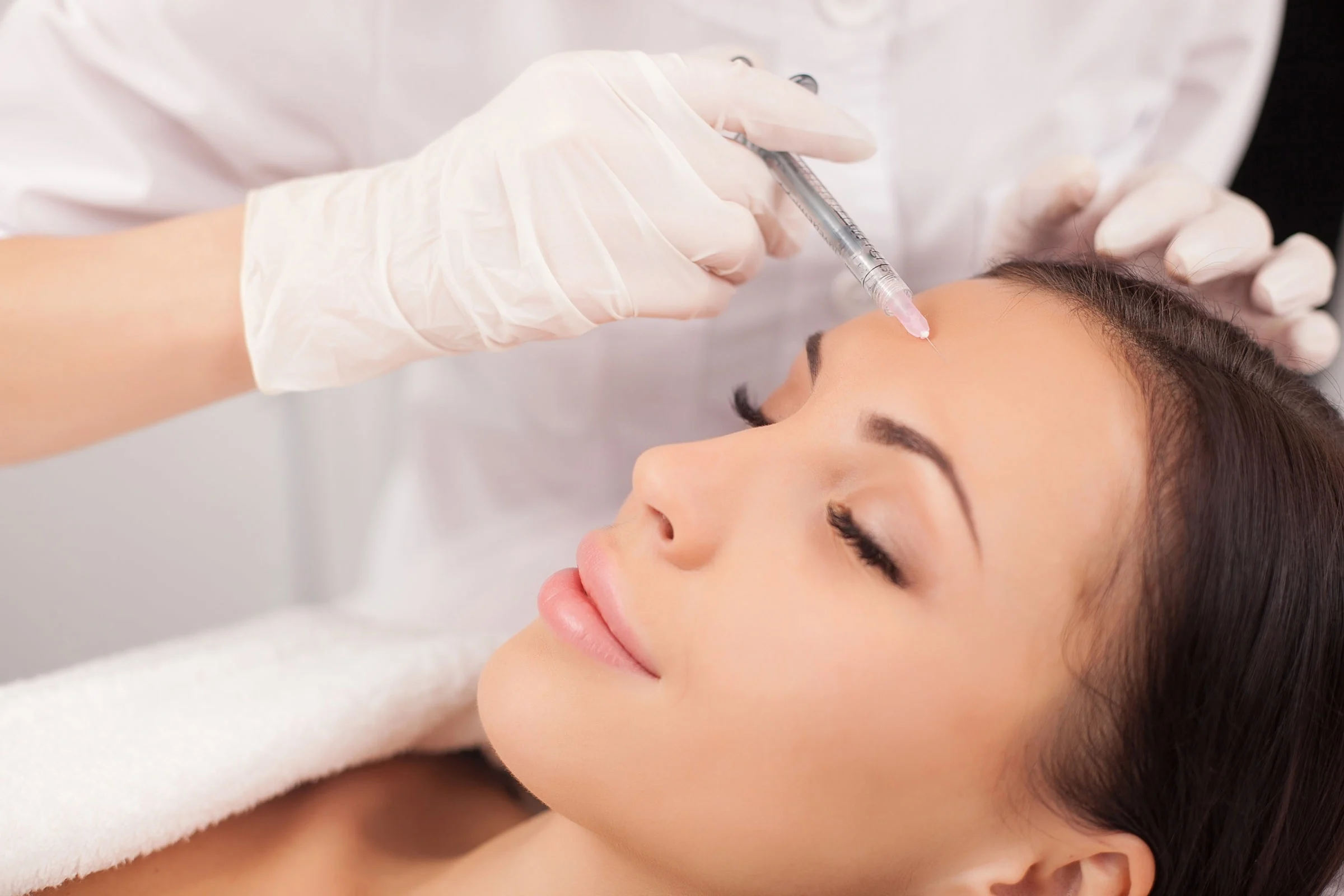
What’s Included in the Fee
In the bill for a single Rejuran Healer treatment, the medication itself accounts for about 40% to 45%. The standard spec is a 2ml pre-filled containing 2% concentration polynucleotide (PN). This component is extracted from wild salmon DNA through a highly purified process, offering biocompatibility and strong heat resistance. In compliant clinics in Singapore or Sydney, this fee ensures users receive original products transported via cold chain with full batch traceability codes. Compared to standard hyaluronic acid skin boosters, PN production costs are 3 to 5 times higher because it involves complex long-chain polymer shearing technology to ensure long-term biological activity after entering the dermis.
The physical properties of Rejuran are that of a high-viscoelastic, colorless, transparent gel. This characteristic means it requires greater force during injection and forms a stable drug reservoir in the dermis more easily than common skin boosters, continuously inducing fibroblasts to secrete collagen.
Professional labor fees are the second-largest expense after the medication, accounting for about 30% to 35%. In Singapore, such invasive medical aesthetic projects are strictly limited to licensed doctors. An experienced doctor needs to distribute approximately 120 to 150 entry points evenly across the full face, precisely controlling the dose at 0.01 to 0.02 ml per point. This technique, known as “bump injection,” requires the doctor to deliver the medication precisely to the superficial dermis at a depth of 1 to 2 mm. Manual injection, compared to mechanical, reduces medication loss from 20% to below 5%. Although it takes about 40 minutes, it ensures that the expensive PN components work 100% on the target tissue, with technical value shown in meticulous coverage of complex areas like the eye contour and nose wings.
The tiny bumps produced by manual injection are indicators of whether the depth is correct. Doctors avoiding microvessels through tactile feedback can significantly reduce post-op bruising; this clinical experience is an irreplaceable part of the pricing.
High-standard Rejuran packages include medical-grade anesthetic cream with 10% or 10.5% concentration Lidocaine, rather than low-concentration salon-grade products. To minimize the mechanical expansion sensation when the viscous PN enters the skin, the anesthetic needs to be applied for 45 to 60 minutes. In high-end centers in LA, this part of the fee also covers epidermal cooling sprays or vibration pain-relief devices. High-concentration anesthetics can penetrate the epidermal barrier into the dermis, dropping the pain index from a 7 (unmedicated) to below 2, and the consumables and monitoring time for this deep anesthesia are included in the total price.
Sufficient anesthesia preparation is not just for pain relief, but to reduce patient tension during multiple entries, preventing uneven dosing caused by facial tremors and ensuring the uniformity of the final repair effect.
Expenditure on precision consumables accounts for only 3% to 5% but is crucial for safety. A single treatment typically uses 2 to 3 33G or 34G nano-scale ultra-fine . The diameter of these is only about 0.2 mm, with a procurement cost several times that of standard 30G. Ultra-fine produce tiny micro-wounds when piercing the skin, significantly shortening barrier closure time post-op. In London skin clinics, doctors change mid-way to maintain sharpness and reduce dragging pain as dull. Standardized sterile packs and disposable consumables ensure no infection in a multi-point puncture environment. Pre-op diagnosis and post-op management services take up the remaining 15% of the budget. Before treatment, clinics use professional imaging equipment like Visia for multi-spectral scanning of skin texture, redness, and pores. This quantitative analysis provides baseline data for doctors to compare effects after 3 sessions. Post-injection care usually includes 15 minutes of LED red light therapy (633nm wavelength) or LDM ultrasound. Red light therapy accelerates microcirculation, causing the bumps from injection to subside quickly within 24 to 48 hours.
For the skin’s sensitive period after Rejuran, clinics provide medical-grade cold-compress masks containing high concentrations of ceramides or panthenol. The immediate calming effect prevents excessive post-op inflammatory reactions; these masks typically have a market value over $20 but are standard in all-inclusive packages.