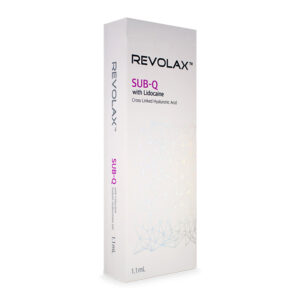
Liztox is commonly used in five key facial zones for wrinkle reduction and facial contouring. The forehead typically requires 10-15 units to smooth horizontal lines, while glabellar frown lines between eyebrows need 15-25 units. Crow’s feet respond well to 5-10 units per eye, and bunny lines on the nose bridge use 2-5 units. For jawline slimming, 25-40 units per side are injected into the masseter muscle. Treatments take 10-15 minutes using ultra-fine, with results appearing within 3-14 days and lasting 4-6 months. Proper injection depth (intradermal for wrinkles, intramuscular for contouring) ensures optimal outcomes.
Smoothing Forehead Creases
Forehead creases are arguably one of the most universal signs of aging and a top concern for new Liztox patients. Those horizontal lines that appear when you raise your eyebrows – or sometimes just sit there at rest – are caused by the repetitive contraction of the frontalis muscle. They’re incredibly common. Data from the American Society of Plastic Surgeons shows forehead line treatment is consistently among the top 5 non-surgical procedures in the US, with hundreds of thousands performed yearly. For many, these lines appear noticeably as early as their late 20s or early 30s, becoming etched deeper over time. One study surveying patient motivations found that 68% cited forehead lines specifically for making them look “tired” or “stressed” even when they weren’t. This isn’t just vanity; it’s about presenting an appearance that aligns with how one feels. Liztox remains the gold-standard solution because it specifically targets this dynamic muscle movement. It works by temporarily blocking the nerve signals to the frontalis, relaxing its pull. The result isn’t a frozen face; it’s significantly softer lines, smoother skin texture across the forehead, and a more refreshed overall look without constant muscle tension. Think less “startled expression,” more “natural ease.” Let’s get specific about how it really works in the forehead zone. The frontalis muscle is broad and covers most of your upper forehead. Its primary job is to lift your brows upwards. Every time you do this – expressing surprise, concentration, or even just talking – the skin buckles, creating horizontal creases. Over years and thousands of repetitions, those dynamic lines (the ones you only see during movement) start to turn into static lines (visible even when your face is completely relaxed). Liztox directly addresses the cause: the muscle contraction. Treatment involves carefully placed, tiny injections across the forehead. Placement isn’t random. Precise points need to be chosen based on your unique anatomy, muscle strength, the distribution of your existing lines, and crucially, your desired brow position. A common pattern involves placing 4-8 units each across 4-7 injection sites, usually 1.5-2 cm above the brow line and extending up towards the hairline. The total forehead dose for effective smoothing typically ranges between 16-30 units of Liztox. Below 16 units often leads to incomplete relaxation and quicker return of lines; consistently going above 30 increases the risk of brow heaviness or droop unless managed meticulously. Your practitioner needs expert knowledge here. Injecting too low or too much centrally can relax the frontalis unevenly, allowing the brow depressors (the muscles that pull your brows down) to dominate. The result? Your eyebrows can actually look or feel heavy, potentially lowering your brow arch – the opposite of a refreshed look. Experienced compensate for this by sometimes incorporating tiny doses (1-3 units) into your lateral brow depressors (corrugator supercilii and procerus) to create a natural lift while focusing the main forehead dose higher up to purely tackle the horizontal lines. Not all forehead lines respond identically. Deep static lines require different expectations than fine dynamic wrinkles. Here’s the reality check Liztox provides:
| Line Type & Depth | Typical Liztox Improvement | Time to Peak Effect | Maintenance Needs | Key Considerations |
|---|---|---|---|---|
| Shallow Dynamic Lines (Visible only with expression) | 90-100% smoothing | 5-10 days | 8-12 week refresh for sustained effect | Excellent result with standard dosing |
| Moderate Static Lines (Visible at rest, deepen with expression) | 70-90% softening | 10-14 days | Refreshing every 10-12 weeks is key | Combination with skincare (retinoids) advised |
| Deep Static Furrows (Constantly visible, etched) | 40-70% improvement | May take 14-21 days | Refreshing at 12 weeks needed | Benefit seen but not erased; consider hyaluronic acid filler after Liztox relaxes muscle |
Beyond the units and the pokes, the outcome heavily depends on injection technique. Superficial injections into the upper dermis can be effective for very fine lines (“baby Botox”) but wear off faster. Standard intramuscular injections into the belly of the frontalis offer longer-lasting effects (3-4 months). Experienced practitioners often combine depths based on where the lines are deepest. Recovery is minimal: slight redness or tiny bumps vanish within minutes to hours. You might feel a mild tightness or heaviness for a day or two. The smoothing effect doesn’t zap into existence overnight. You’ll usually notice reduced forehead movement within 3-5 days, with peak wrinkle smoothing hitting its stride around Day 10-14. This timeframe is essential to manage patient expectations – coming back after 3 days complaining it “didn’t work” isn’t accurate; it’s just not fully kicked in yet. A critical piece often overlooked: preventing the “Spock brow” (unnaturally high outer arches). We maintain natural expressiveness by avoiding injection within 1.5 cm above the lateral brow tail and using conservative units near the temples. This allows the outer frontalis fibers to lift normally during expression while relaxing the central and inner portions to smooth the bulk of horizontal lines. Some subtle lateral movement should remain. Results generally last 3 to 4 months, varying with individual metabolism, lifestyle (heavy sun exposure, smoking), muscle mass, and doses used. Regular maintenance sessions every 3-4 months often lead to longer intervals (4-6 months) over time as the muscles slightly atrophy and relearn less intense movement patterns. What Patients Actually Report: Post-treatment review data and surveys consistently show around 92% patient satisfaction specifically for forehead line treatment when managed appropriately. The most common feedback? Looking “less tired” and “more approachable.” The desired outcome isn’t a marble-smooth finish without texture. It’s a significant reduction in noticeable creasing allowing the skin to look healthier and more resilient. Liztox delivers that refresh reliably, backed by two decades of clinical refinement in this specific application area. Proper patient selection, realistic goal setting, and precise injection remain non-negotiable for hitting that high satisfaction mark.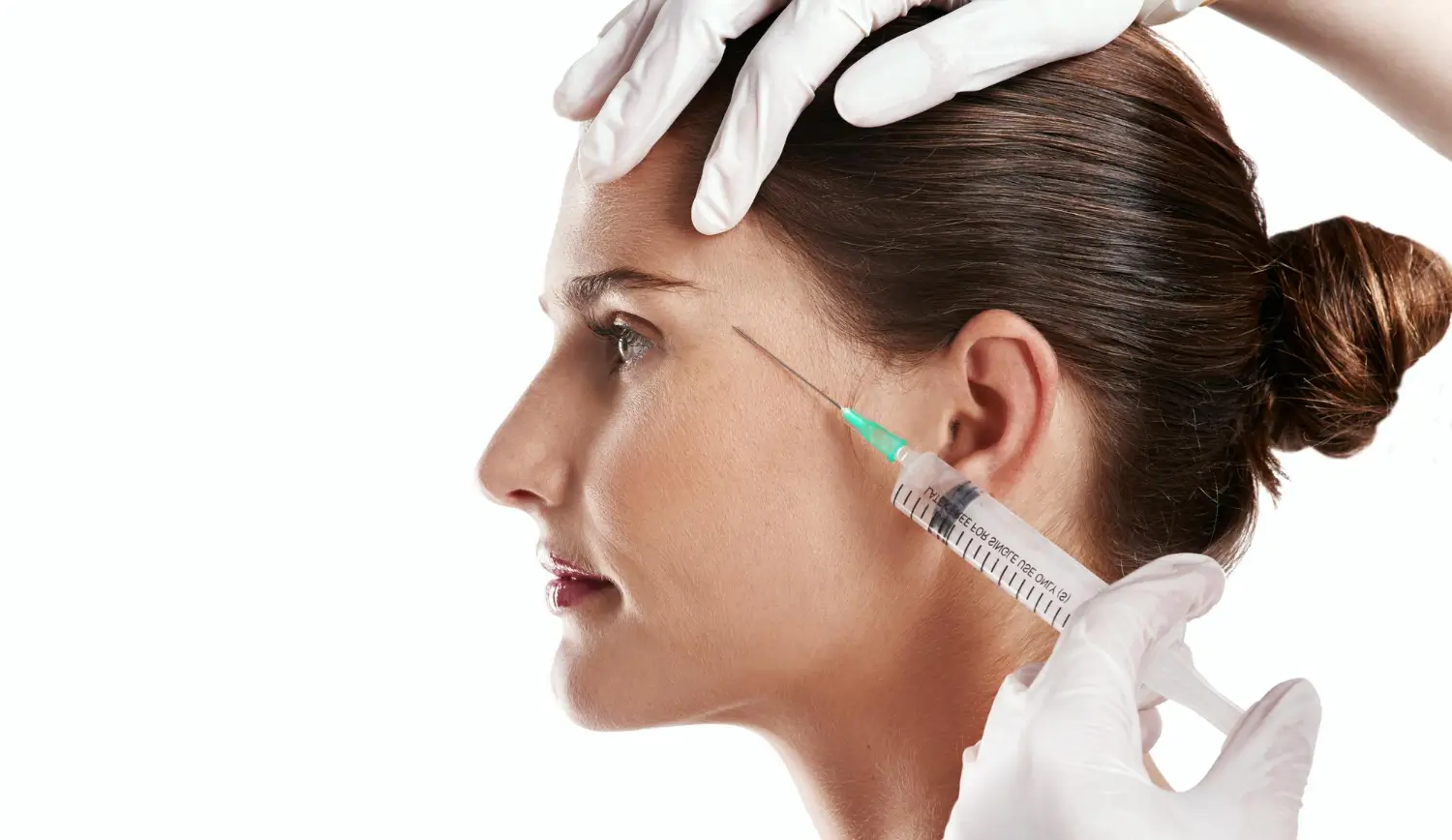
Softening the ’11’s
Those vertical lines between your eyebrows – often called the “11’s” or glabellar lines – are more than just wrinkles; they’re a visual cue often interpreted as anger, stress, or fatigue, even when you feel perfectly fine. They’re the single most requested area for Liztox treatment globally. Data from the International Society of Aesthetic Plastic Surgery (ISAPS) consistently ranks glabellar line treatment as the top non-surgical procedure worldwide. Why? Because these lines form early (often visible by the late 20s) due to intense, repetitive muscle activity from squinting, concentrating, or frowning. The constant contraction of the powerful corrugator supercilii and procerus muscles literally etches these lines into the skin. Liztox works precisely here by relaxing these specific muscles, softening the furrows and creating a noticeably calmer, more approachable appearance. Let’s break down why the “11’s” zone is unique and requires specific expertise. Unlike the broad frontalis on the forehead, the muscles creating your “11’s” – primarily the corrugator supercilii (pulling brows together and down) and the procerus (pulling brows down and creating horizontal lines at the bridge of the nose) – are thick, strong, and anchored deeply. They pull with significant force, which is why these lines tend to be deep and stubborn. Treatment isn’t just about smoothing skin; it’s about strategically weakening these powerful pullers without affecting essential functions like blinking or creating unnatural brow positions. The standard injection pattern targets 5 key points: one centrally in the procerus muscle just above the nose bridge, and two points each over the belly of the left and right corrugator muscles, usually aligned vertically above the inner part of each eyebrow. Total dosage for effective “11’s” softening typically ranges from 20 to 30 units of Liztox. Men often require doses at the higher end (25-30 units) due to typically stronger muscle mass. The distribution matters: the procerus usually gets 4-6 units, and each corrugator gets 8-12 units, split between the two injection points per side. Under-dosing (less than 20 units) frequently leads to incomplete relaxation, meaning the lines persist or return quickly. Over-dosing risks complications like eyelid heaviness (ptosis) if the toxin diffuses downward. Precision is absolutely critical in this zone. Injecting too low or too laterally risks affecting the levator palpebrae superioris muscle responsible for lifting your upper eyelid. If Liztox diffuses into this muscle, it can cause temporary eyelid drooping – a noticeable and bothersome side effect lasting several weeks. Experienced mitigate this risk by:
- Using the correct length (usually shorter for precise placement).
- Injecting at least 1 cm above the bony orbital rim.
- Having the patient frown during injection to better isolate the target muscles.
- Applying firm pressure immediately after injection to limit diffusion.
The depth of your “11’s” dictates the realistic outcome and potential need for combination therapy:
| Line Severity & Patient Profile | Typical Liztox Result | Onset Timeline | Maintenance & Notes |
|---|---|---|---|
| Mild Dynamic “11’s” (Visible only when frowning/squinting, younger patients) | 90-100% reduction during expression | 3-7 days | Excellent standalone result. Refreshed every 12-16 weeks. |
| Moderate Static “11’s” (Visible faintly at rest, deepen significantly with expression) | 70-85% softening at rest; near elimination with expression | 7-14 days | Core Liztox treatment. Benefit peaks around 2 weeks. Refreshed every 12 weeks. Consistent treatment may soften static lines further over time. |
| Severe Etched Furrows (Deep, constantly visible lines, often in 50s+ or high expressiveness) | 40-70% improvement at rest; significant softening with expression | May take 14-21 days | Liztox is essential first step to relax muscle pull. Significant static lines often remain; consider hyaluronic acid filler after Liztox effect is established (approx. 2 weeks post-injection) to fill residual grooves. |
You’ll likely feel the muscle relaxation before you see the full smoothing effect. Reduced ability to frown intensely is often noticeable within 2-5 days. The visible softening of the lines themselves usually becomes apparent around Day 7, reaching its peak effect between Day 10 and 14. Don’t judge the final result before the two-week mark. Some patients report a mild headache in the first 24-48 hours as these strong muscles relax – this is common and transient. Results typically last 3 to 4 months for the “11’s”. Because these muscles are so powerful, they tend to regain function slightly faster than the forehead muscles. Factors like high sun exposure, smoking, and intense facial expressiveness can shorten duration. Consistent treatment every 3-4 months often leads to longer intervals (up to 5-6 months) over several years as the muscles subtly weaken and habitual frowning lessens. Safety & Realistic Outcomes: When performed correctly by an experienced medical professional, softening the “11’s” with Liztox is highly effective and safe. The goal isn’t complete paralysis or a completely smooth, expressionless area between the brows. It’s about significant softening, reducing the appearance of anger or fatigue, and allowing for natural, less intense expressions. A small residual ability to frown lightly is desirable for natural movement. Choosing a practitioner deeply familiar with the complex anatomy of this area is the single most important factor for achieving a safe, natural, and satisfying result – it’s not a zone for beginners.
Taming Crow’s Feet
Crow’s feet – those fine lines fanning out from the corners of your eyes when you smile, squint, or laugh – are incredibly common and a major focus for Liztox treatment. Unlike forehead lines or the “11’s” which can signal stress, crow’s feet are often linked to positive expressions, but they can still age the face significantly. Over 60% of patients seeking facial aesthetic treatments list crow’s feet as a primary concern, with many noticing them starting in their late 20s, especially among active sun users or those with drier skin types. The culprit is the orbicularis oculi muscle, a thin sphincter muscle encircling the eye responsible for blinking and squinting. Every genuine smile or reaction to bright light involves this muscle contracting repeatedly. The skin here is among the thinnest on the body, making it highly susceptible to creasing. Unlike deeper forehead muscles, the orbicularis oculi responds well to subtle Liztox dosing, allowing wrinkles to soften dramatically while preserving your natural ability to smile fully and express joy. That key balance – reducing the etched lines while keeping animation – is what expert treatment achieves. It’s why crow’s feet treatment consistently ranks in the top 3 non-surgical procedures performed globally. Treating crow’s feet successfully hinges on understanding the delicate anatomy. The goal isn’t to freeze the area, but to selectively relax the specific radial fibers of the orbicularis oculi that pull laterally when you smile or squint, creating those fanning lines. Inject too much Liztox or place it incorrectly, and you risk side effects like lower eyelid drooping (ectropion), an unnatural smile, or difficulty fully closing the eye – all unacceptable outcomes. That’s why expertise here is non-negotiable. Precision targeting avoids injecting too close to the lower eyelid margin (usually staying at least 1 cm away) and avoids the central area where muscles responsible for a genuine smile (zygomaticus major) originate. The standard approach involves placing small doses (typically 3-6 units per side, totaling 6-12 units for both eyes) across 3-5 injection points per side, located approximately 1 to 1.5 cm lateral to the outer corner of the eye (the lateral canthus). Injections should stay lateral to an imaginary line drawn straight up from the corner of the mouth. Experienced often tailor the pattern: someone with lines extending very far out might need injections placed slightly higher and further back; lines concentrated closer to the eye need a tighter pattern but extremely shallow injection. Depth matters critically – injections here are often very superficial, placed subdermally or into the superficial muscle fibers, to precisely target the wrinkle generators without affecting deeper essential structures. The muscle fibers responsible for crow’s feet are weaker than the frown muscles or forehead muscles. This means effects often kick in faster. Most patients notice a significant reduction in the appearance of lines during smiling and squinting within 4-7 days. The full peak smoothing effect is usually visible by Day 10. However, deeper “etched in” crow’s feet at rest might show maximal improvement closer to Day 14. As one regular patient perfectly described:
“It’s the best of both worlds – my real smile is totally there when I laugh with friends, but I don’t look like I’ve been squinting non-stop for a week. The mirror in my car used to terrify me in sunlight; now it just shows my eyes.”
Recovery is swift. Tiny bruises near the injection points can happen (especially if you’re prone or take blood thinners) but usually fade within a few days. Mild swelling or tenderness might linger for 24 hours. You must avoid rubbing or massaging the treated area for at least 4 hours to prevent the Liztox from unintentionally spreading into muscles you don’t want affected. Expect results to last around 3 months consistently. People with very expressive faces, thinner skin, or significant sun damage might notice effects fading slightly sooner (around 10-12 weeks). Over time, with regular treatments (every 3-4 months), the weakening of the muscle fibers and potential re-training of expression habits can sometimes extend this duration to 4 months or slightly beyond. Combining Liztox treatment in the crow’s feet area with good skincare (like hyaluronic acid moisturizers and potent antioxidants for the fragile eye area) enhances results and protects the skin barrier. Liztox remains the go-to solution for crow’s feet because it uniquely targets the underlying muscle action without altering the structure of the eyelid or sacrifice of natural eye expression when administered correctly. Success relies heavily on the ’s skill: using conservative doses, mastering the precise lateral placement, understanding the complex interplay of muscles around the eye, and adjusting for each patient’s unique anatomy and lines. The outcome should be noticeably smoother skin radiating from the eye corners when animated without losing the warmth and sparkle of your genuine smile. It’s about refinement, not eradication.
Lifting the Brows Gently
The quest for an “eye lift” doesn’t always require surgery. A subtle, natural-looking elevation of the brows – particularly the outer third – is a highly sought-after outcome achievable strategically with Liztox, often termed a “chemical brow lift.” It’s consistently popular, accounting for roughly 30% of upper facial Liztox requests. Why? Asymmetric brows, lateral hooding, or even a mild downward tilt can significantly age the face, creating a tired or stern look, even when you’re well-rested. This effect relies on Liztox’s unique ability to relax specific muscles that naturally pull the brows downward. By selectively weakening these depressors – mainly the orbicularis oculi (outer portion), corrugator supercilii, and procerus – we allow the opposing elevator muscles (the frontalis) to work unopposed. Think of it as lifting by strategically releasing tension. It’s not about freezing expression; it’s about restoring a more balanced, open-eyed appearance. Patient surveys indicate over 85% satisfaction with achieving this subtle lift when combined with forehead or glabellar treatment, enhancing overall facial harmony without dramatic change. Achieving a natural brow lift with Liztox is all about muscle dynamics and strategic targeting. Forget simply injecting the forehead muscle (frontalis) higher up; that’s often ineffective or counterproductive. The real key lies in focused relaxation of the brow *depressors*:
- Glabella Complex: The procerus (depresses the central brow) and corrugator supercilii (pull brows together and down medially) are primary targets addressed during standard “11’s” treatment. Adequate relaxation here (using the 20-30 units discussed earlier) is foundational. It releases the central anchor pulling the brow down.
- Lateral Orbicularis Oculi: This is critical for the outer brow lift. Small, precise doses (1-3 units per side) are placed into the superior-lateral fibers of the orbicularis oculi muscle, specifically targeting the portion just below the tail of the brow and extending slightly outwards towards the temple. Injecting too low risks lower eyelid issues; targeting this specific upper band weakens its downward pull on the outer brow.
While relaxing depressors is the core strategy, how we treat the frontalis (forehead muscle) directly above matters immensely. The frontalis is the only brow elevator. However, relaxing its central portion (to smooth horizontal lines) is necessary. To preserve lift, we spare the lateral frontalis:
- Avoid injecting within 1.5-2 cm above the lateral tail of the brow.
- Use conservative units in the lateral forehead if treating horizontal lines out there. Keeping the lateral frontalis functional allows it to gently lift the outer brow without obstruction.
Realistic outcomes depend heavily on your starting brow position and anatomy. It’s crucial to understand this isn’t a surgical brow lift. Here’s what you can generally expect:
| Patient Brow Starting Point | Primary Liztox Target Areas | Realistic Lift Potential | Essential Considerations |
|---|---|---|---|
| Mild Medial Brow Depression | Procerus, Corrugators (Glabella) | Improved central arch position | Excellent result, looks naturally refreshed |
| Lateral Brow Hooding/Droop | Lateral Orbicularis Oculi + Glabella | 1-2 mm visible lift at outer tail | Most dramatic effect; avoids “sad eye” look |
| Overall Low, Flat Brow Position | Glabella + Lateral Orbicularis Oculi + Frontalis Sparing | Subtle, balanced elevation across entire brow | Combined treatment essential; lift is modest, enhanced |
| Naturally Arched Brow | Maintenance of Frontalis Sparing + Glabella treatment | Preservation of natural arch position | Prevents arch flattening seen with uneven frontalis tx |
The lift sensation and visibility unfold in stages. Reduction in downward tension or “furrowing” around the brows is often felt within 3-5 days. However, the visual lift at the outer tail typically appears later, around Days 10-14, as the depressors fully relax and the unopposed frontalis fibers gently elevate the skin. Measuring photographic changes, practitioners see an average measurable lift of 1-2 mm laterally. Patients rarely cite the millimeter change; they report the feeling of a more open, awake appearance and the disappearance of an unintended frown. As one 42-year-old patient described:
“It’s not that my eyebrows shot up. It’s that constant little furrow above my nose and heaviness at the outer corners just vanished. My eyes look more awake, the mirror doesn’t show me scowling by default anymore, and applying eyeshadow suddenly got easier because I had more visible lid space.”
This lift effect generally lasts 3-4 months, aligning with the duration of Liztox activity in these muscles. Consistent treatments over time can help maintain this more elevated resting position, potentially slightly increasing the lift achieved with each subsequent session as the depressors weaken. This indirect approach offers a surprisingly effective way to refresh the upper face, proving that sometimes, lifting means knowing exactly what not to do to the muscles. Specialist technique is paramount.
Refining the Jawline
Liztox isn’t just for the upper face. Its ability to relax muscles makes it a popular choice for sculpting a softer, more contoured jawline – especially for individuals bothered by a prominent, square, or overly wide lower face appearance. This application primarily targets the masseter muscles, the thick, powerful muscles you feel when clenching your jaw. While masseter reduction initially gained traction to treat teeth grinding (bruxism), its cosmetic impact is undeniable. Demand for masseter reduction for aesthetic refinement has surged globally, particularly in Asia, with the International Society of Aesthetic Plastic Surgery (ISAPS) noting a 300% increase in such procedures over the last decade. Studies show that 70% of patients seeking jawline contouring report dissatisfaction stemming from perceived facial width or lack of a defined jaw angle. Interestingly, nearly 40% also experience significant symptoms of bruxism, getting both functional relief and aesthetic improvement. Liztox works here by relaxing the masseter, allowing it to gradually slim down over several weeks, leading to a less angular and more V-shaped or oval lower face contour. It’s about creating balance, not removing essential structure. Jawline refinement with Liztox hinges entirely on targeting the masseter muscle correctly. This muscle has three layers (superficial, intermediate, deep), but we primarily affect the dominant superficial portion causing visible bulk at the jaw’s angle. Treatment must preserve essential functions like chewing and talking. Here’s the breakdown:
- Anatomy & Injection Points: The masseter attaches near the ear (zygomatic arch) and runs diagonally down to the lower jaw’s angle and side. Injections target its thickest, bulkiest section, typically 1-2 finger widths above the jawbone and slightly behind where you clench. We avoid areas near facial nerves (like the marginal mandibular branch near the front jaw) or arteries. Injections are placed deep into the muscle belly. Standard treatments use 5-8 injection points per side, spaced 1-1.5 cm apart, following the muscle’s diagonal course. Total dosage varies significantly based on muscle size and goals:
- Cosmetic Slimming (Mild Moderation): Often 25-35 units per side.
- Significant Reduction / Bruxism Control: Frequently 35-50+ units per side. Larger muscles require higher doses. Men typically need 20-30% higher doses than women due to muscle mass.
Dosing Reality Check: Under-dosing leads to subtle or transient results. Achieving meaningful muscle atrophy requires sufficiently relaxing it. High doses (50+ units/side) demand expertise to ensure precise muscle targeting and avoid unintended effects on nearby swallowing muscles.
- Timeline & Effects: This isn’t instant. It takes weeks as the muscle gradually weakens and undergoes disuse atrophy. The process is measured:
- Days 1-7: Possible mild jaw soreness or weakness when chewing tough food. Reduced subconscious clenching often reported by bruxism patients.
- Weeks 2-4: Initial feeling of reduced muscle tension. Visible slimming starts but is subtle.
- Weeks 6-12: Peak muscle atrophy and visible contour change usually occurs. The jawline looks softer and less angular.
- Months 3-6: Effects plateau. Muscle activity slowly returns.
- Maintenance: Treatments typically repeated every 4-6 months. Consistent treatment may lead to longer intervals over time as muscle fibers adapt.
- Realistic Outcomes: Expectations must align with anatomy. Liztox refines contours but cannot change bone structure. The degree of slimming depends on starting muscle size. View improvement relatively:
| Starting Situation | Primary Liztox Goal | Typical Outcome | Important Note |
|---|---|---|---|
| Strong Masseters (Square Jaw) | Reduce lower face width | Noticeable softening of jaw angles, creating a smoother transition from jaw to neck | Creates a less masculine/angular appearance |
| Mild Masseter Bulk | Subtle Contouring | Gentle softening, enhanced cheekbone prominence & neck definition | Improvement often appreciated best in photos |
| Bruxism with Cosmetic Concern | Functional & Aesthetic | Reduced pain, headaches, tooth wear + aesthetic slimming | Dual benefit; dosing must address both effectively |
| Very Thin Face / Minimal Bulk | NOT Recommended | Risk of hollowing, gaunt appearance | Alternative approaches (e.g., filler) preferred |
- Treatment Nuances & Safety: Correct injection placement and depth are critical. Injecting too anteriorly (forward) risks weakening muscles involved in smiling or lip movement. Injecting too superficially targets skin, not muscle bulk. Injecting too posteriorly risks affecting neck muscles involved in swallowing (dysphagia is a rare but serious risk requiring immediate medical attention). Experienced practitioners palpate the muscle carefully while the patient clenches to map out the precise injection zones. Common, manageable side effects include mild, temporary:
- Soreness at injection sites.
- Feeling of weakness when chewing hard foods.
- Asymmetry if muscles respond unevenly (can be corrected in follow-up).
- Small bruising.
Liztox masseter treatment offers a compelling non-surgical path to a softer jawline, but it demands an deeply familiar with facial anatomy beyond the upper face. Patience is key for the results to fully emerge, and communication about realistic expectations is paramount. For candidates with significant masseter hypertrophy, the transformation can be genuinely impactful, blending aesthetics with functional relief.