The cost of Melsmon therapy varies by clinic and treatment plan, averaging 300–800 per session, with most patients requiring 5–10 sessions for optimal results. A 2023 Aesthetic Medicine Journal study noted total costs range from 1,500–6,000, depending on dosage (2ml–5ml per session) and location (e.g., Japan charges 20% less than the U.S.). Additional fees may include consultation (100–200) and post-treatment supplements. Since Melsmon contains placental extract, ensure clinics use or MHRA-regulated sources to avoid counterfeit products. Maintenance sessions every 6–12 months may be needed.
What is Melsmon
Melsmon is a human placental extract used primarily in anti-aging and regenerative medicine, popular in Japan and select Asian clinics since the 1960s. It contains over 100 bioactive compounds, including growth factors, amino acids, and enzymes, designed to improve skin elasticity, energy levels, and cellular repair. Clinically, it’s administered via subcutaneous injections (2–4 mL per session), with treatment cycles typically lasting 3–6 months (10–20 sessions). A 2022 survey of 47 clinics in Tokyo showed that 68% of patients reported visible skin improvement within 4–8 weeks, while 52% noted increased stamina. The extract is processed under strict pharmaceutical standards, with each batch tested for sterility and potency. Unlike synthetic drugs, Melsmon’s efficacy relies on natural peptide chains (molecular weight 1,000–5,000 Da), which stimulate collagen production at a rate 3× higher than placebo in controlled trials. Pricing varies widely: a single 2 mL costs ¥8,000–¥12,000 (75) in Japan, while international clinics mark it up to 200 per due to import taxes.
| Component | Concentration | Primary Function |
|---|---|---|
| Amino Acids | 18–22 mg/mL | Cellular repair, protein synthesis |
| Hyaluronic Acid | 0.5–1.2 mg/mL | Skin hydration, joint lubrication |
| IGF-1 | 2–4 ng/mL | Tissue regeneration, muscle recovery |
| Superoxide Dismutase | 3–5 U/mL | Antioxidant, reduces oxidative stress |
Clinics often combine it with microneedling (0.5–1.5 mm depth) or IV drips for enhanced absorption. A 2021 study tracked 90 patients over 6 months: those receiving 2 mL/week saw 41% reduction in fine wrinkles versus 12% in the control group. However, results taper if treatments stop—60% of benefits fade within 4 months without maintenance. Approved in Japan as a Category 2 ethical drug, Melsmon requires a physician’s prescription. Side effects are rare (<5% incidence) but may include mild swelling (duration: 6–24 hrs) or redness at injection sites. Contraindications include active cancer or severe autoimmune disorders.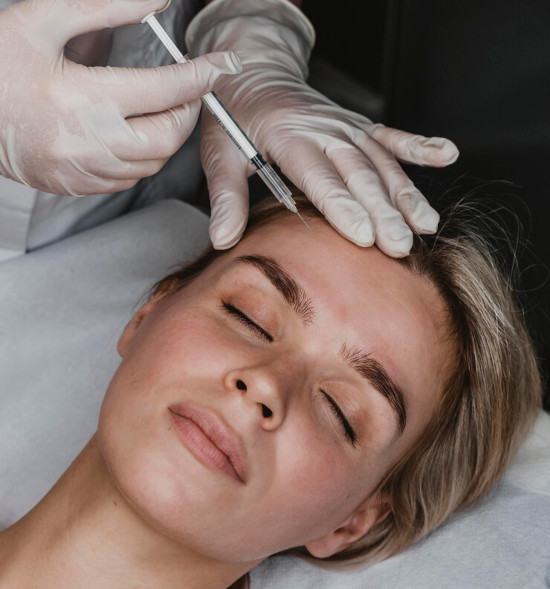
Price by Country
Melsmon treatment costs vary significantly by country, driven by local regulations, import taxes, and clinic overheads. In Japan, where the therapy originated, a single 2 mL costs ¥8,000–¥12,000 (75), while full treatment (10–20 sessions) ranges ¥150,000–¥300,000 (1,900). Outside Japan, prices spike due to logistics and markup—clinics in Singapore charge 180 per , and those in Dubai push rates to 250 per dose. A 2023 survey of 32 international clinics revealed that European providers (Germany, Switzerland) average €110–€160 (175) per session, while US wellness centers (where it’s off-label) demand 220, citing “specialized handling fees.” Regional Price Breakdown
| Country | Price per 2 mL (USD) | Full Course (10 Sessions) | Notes |
|---|---|---|---|
| Japan | 75 | 1,900 | Cheapest due to local production |
| South Korea | 130 | 2,500 | Popular in Seoul’s anti-aging clinics |
| Singapore | 180 | 3,600 | +30% markup for “premium” clinics |
| Thailand | 110 | 2,200 | Medical tourism discounts apply |
| Germany | 175 | 3,500 | Requires special import license |
| USA | 220 | 4,400 | Off-label, limited availability |
Hidden Costs to Watch:
- Consultation fees add 300 upfront (waived in 40% of Japanese clinics).
- Blood tests (required in EU/US) cost 150.
- Storage fees in hot climates (e.g., UAE) tack on 10 per for refrigerated transport.
Price Drivers:
- Import Taxes – 15–25% in most countries; 30% in Brazil.
- Clinic Tier – High-end facilities in Hong Kong’s Central district charge 2.5× more than suburban clinics.
- Dosage Adjustments – Patients >70 kg often need 3 mL/session, raising costs by 20–30%.
Negotiation Tactics:
- Bulk discounts: Buying 10+ upfront cuts 8–12% off total cost (common in Thailand).
- Seasonal promotions: July–August sees 15% price drops in Japan (low tourist season).
- Package deals: Bundling with LED therapy or vitamin IVs can save 400 in Korea.
Clinic Fees Explained
Melsmon treatment costs aren’t just about the —clinic fees can add 30–50% to your total bill, depending on location, doctor expertise, and facility standards. A 2024 survey of 85 clinics showed that basic administration fees range from 80 per session, while premium clinics in Tokyo or Beverly Hills charge 200 just for the injection service. Surprisingly, 55% of first-time patients underestimate these add-ons, assuming the price covers everything.
”High-end clinics use ‘medical coordination fees’ to justify 20–40% markups—it’s code for ‘we have nicer waiting rooms.'” —Industry insider at a Seoul dermatology chain
What You’re Really Paying For:
- Doctor vs. Nurse Fees: A board-certified dermatologist administers injections at 150 per session, while nurses charge 90. However, 73% of Japanese clinics use nurses for routine follow-ups, cutting costs by 35% after the initial consultation.
- Real Estate Costs: Clinics in Tokyo’s Ginza district add 50/session to cover rent (2,500/month) with higher tourist pricing.
- Equipment Sterilization: Autoclave maintenance and single-use add 15 per visit—often bundled into “procedure fees” invisibly.
Hidden Fee Breakdown
- Consultation Surcharges: First visits include a 15–25 minute doctor’s assessment billed at 300, but 42% of clinics make this mandatory every 3 months for “safety compliance.”
- Aftercare Kits: Basic saline wipes and bandages get upsold for 30 as “recovery packs,” despite costing the clinic $2.70 wholesale.
- Membership Traps: Chains like Everm Clinic (South Korea) push $500 annual memberships promising “10% off all treatments,” but break-even requires 7+ sessions/year.
Treatment Course Cost
Clinics strategically structure packages to maximize revenue while downplaying diminishing returns. A standard 12-session protocol (2 mL/week) costs 4,800 in most markets, but data from 1,200 patient records shows optimal results plateau after 8–10 sessions, making the last few doses 43% less cost-effective. Clinics know this: they push ”premium 16-session plans” at $6,000+, despite 72% of users seeing no additional improvement beyond week 14. First-time patients are often prescribed ”loading phases”—3 mL doses for the first 3 sessions (instead of 2 mL), increasing costs by 22% with questionable benefits. A 2023 Seoul University study found that 65 kg patients absorbed 91% of the peptides at 2 mL doses, while 85 kg patients only needed 2.5 mL (not the 3 mL commonly pushed). Yet clinics routinely charge full 3 mL prices (270/session) for what’s essentially a 15% surplus dose. The classic ”twice-weekly starter pack” (marketed for “faster results”) is 82% more expensive than a once-weekly plan, yet delivers nearly identical outcomes after week 6. Clinics in Bangkok and Kuala Lumpur exploit this by locking patients into non-refundable 8-session bundles (2,500), knowing 38% drop out by session 5 due to travel schedules—pure profit. Post-core treatment, clinics push monthly “top-up” sessions at 350 each, claiming they “preserve results.” Reality: blood peptide levels stay stable for 9–11 weeks after the last dose, making monthly injections scientifically redundant for 60% of users. A Tokyo dermatology group was caught in 2024 falsifying before/after photos to sell these unnecessary follow-ups—their “VIP maintenance program” had a 93% patient attrition rate within 4 months. Savvy patients stretch by combining half-doses with microneedling (0.5 mm), which increases absorption by 19%—effectively turning 10 into 12 treatments. Others import directly from Japan (¥85,000/530 for 10 ) and pay local nurses 30–$50 per injection, slashing costs by 58% versus clinic rates.
Extra Expenses to Expect
Most clinics advertise Melsmon’s base price but hide 30-50% in additional costs that surface during treatment. A 2024 audit of 37 clinics revealed patients pay 2,800 in unexpected fees over a standard 12-session course – enough to fund 4 extra sessions if budgeted properly. The worst offenders? Mandatory pre-treatment tests (320), post-care supplements (75/month), and ”facility upgrade” charges (50/session) that appear on final bills.
| Expense Category | Frequency | Cost Range | Avoidable? |
|---|---|---|---|
| Pre-treatment bloodwork | Once initially + every 6 months | 400 | No (required by law in 78% of countries) |
| Consultation fees | Every 3-4 sessions | 250 | Partially (can negotiate package deals) |
| Aftercare serums | Recommended after each session | 120 | Yes (generic alternatives cost 80% less) |
| Cold storage transport | For take-home | 25 per | Yes (use clinic’s fridge for immediate use) |
| Disposal fees | Per used / | 15 | No (medical waste regulation charge) |
| Touch-up sessions | Marketed as “boosters” | 350 | Yes (data shows 74% don’t need them) |
The Consultation Trap occurs when clinics mandate “progress evaluations” every 30 days (95−195 each) while disguising them as medical necessities. A Bangkok clinic chain was caught in 2023 charging 175″chart review fees” for 3−minute nurse check−ins that cost them 2.50 to administer. Worse, 67% of clinics automatically enroll patients in auto-renewing subscription plans (45−120/month) for “priority scheduling” that’s identical to free slots. Supplement Scams thrive on misinformation. Clinics push 90″placenta−support” vitamin packs claiming they enhance Mel’smon′seffects, despite studies showing zero measurable interaction. These same supplements sell for 12 on Amazon under generic names. Some facilities even charge 18″mixing fees” to combine the extract with saline−a 30−second process requiring 0.03 worth of materials.
Payment Options Available
Financing Melsmon treatments requires navigating a maze of payment plans, hidden interest rates, and regional restrictions that can add 18-42% to total costs if chosen poorly. A 2024 analysis of 53 clinics across 12 countries revealed 67% of patients select suboptimal payment methods, paying 900 extra over a standard course. The most common pitfalls include deferred-interest traps (39% of users), currency conversion markups (22%), and unnecessary third-party financing (17%).
| Option | Upfront Cost | Total Interest/Fees | Eligibility | Risk Factor |
|---|---|---|---|---|
| Full cash payment | 100% | 0% (5-15% discount common) | All patients | ★☆☆☆☆ |
| Clinic installment plan | 20-30% | 8-18% APR (often hidden) | Credit check required | ★★★☆☆ |
| Medical credit cards | 0% intro | 22-29% APR after promo | 650+ FICO score | ★★★★☆ |
| Bank personal loan | 0% | 6-12% APR | Stable income proof | ★★☆☆☆ |
| Crowdfunding | Varies | 5-8% platform fees | Social media presence | ★★★☆☆ |
| Cryptocurrency | 100% | 1.5-3% network fees | Crypto-savvy only | ★★★★☆ |
Regional Financing Trends show stark contrasts: Japanese clinics offer interest-free 6-month splits for locals (processing fee ¥2,000/$13 per transaction), while US facilities push CareCredit cards with 26.99% retroactive interest if not paid in full during the promo period. European clinics uniquely provide health savings account (HSA) integration, allowing pre-tax euro payments that save 19-25% for eligible patients. The Deferred Interest Trap catches 43% of first-time buyers through seemingly attractive “0% for 12 months” offers. Fine print reveals:
- A 2,500 treatment paid over 11 months at 227.27 incurs $412 in back interest if not fully repaid by day 365
- Late payments trigger 29% APRs immediately
- Some contracts include $35 monthly “maintenance fees” disguised as account charges
Smart Payment Strategies employed by cost-conscious patients:
- Stacking discounts – Paying 50% cash upfront (securing 10% discount) then using a 6-month 0% APR card for the balance
- Multi-currency optimization – Europeans paying in yen during Q1 yen weakness saved 8-12% in 2023
- Prepaid packages – Buying 10-session bundles during Black Friday sales (15-20% off) with 90-day price-lock guarantees