If you are considering hyaluronic acid injections, you have likely come across these two names: Neuramis Deep and Revolax Fine. Many people’s first reaction is to ask: which one is better? However, the more important question is: which one is more suitable for you?
Hyaluronic Acid Cross-linking
Cross-linking Reaction Mechanism
Natural hyaluronic acid (HA) has a molecular weight ranging from 1 million to 4 million daltons, with a single chain comprising 2,500 to 10,000 disaccharide units. During manufacturing, the reaction vessel is heated to 40°C to 50°C, and 0.25 mol/L of sodium hydroxide is added to forcefully push the pH up to 11.5. The cross-linking agent BDDE, which has a molecular weight of 202.25 g/mol, is then pumped in at a constant rate. The alkaline water forces the epoxy groups at both ends of the BDDE to split open and precisely bind to the C6 primary hydroxyl groups on the hyaluronic acid chains. This forms highly stable ether bonds between molecules, with bond energies reaching 340 kJ/mol. The initially scattered long chains are anchored in a three-dimensional space 10 to 14 angstroms apart, transforming into a structured network. Within two hours, the liquid’s viscosity skyrockets from 100 mPa·s to over 50,000 mPa·s. The degree of cross-linking must be strictly maintained between 1% and 10%. If it drops below the 1% threshold, the network pores will exceed 500 nanometers, the elastic modulus (G’) will fall below 100 Pa, and the filler will completely flatten out within 7 days of being injected into the cheeks. If the cross-linking degree exceeds the critical 10% mark, the pore size shrinks to under 50 nanometers, and the water absorption expansion rate drops below 200%. The skeletal structure becomes so dense that even water cannot penetrate it, prompting white blood cells to secrete lysozymes that will rapidly engulf it within 72 hours. Machine sampling reveals four microscopic morphologies:
- Double-linked: Both ends are firmly anchored, providing rigid support.
- Single-linked (Pendant): Only one end is connected, monopolizing 20 angstroms of space.
- Free toxins: Completely unbound, carrying cell-penetrating toxicity.
- Deactivated waste: Degraded into 1,4-butanediol within the alkaline water.
Only 15% to 30% of the raw material in the batch actually forms a successful network. While the single-linked, half-finished pendants are non-toxic, their long tails uselessly occupy 15% of the water-absorption capacity. The body’s native hyaluronidases have to spend an extra 20 to 30 days fully metabolizing these superfluous, dangling chains. After consuming 70.5% of the free BDDE, the Neuramis process cools the vessel to 25°C and lets it sit for 48 hours. Relying on the natural microscopic vibrations of molecules at 10⁻¹² square meters per second, the suspended tails—measuring tens of nanometers—collide with adjacent hydroxyl groups, completing a second cross-linking bond. Through this dual-stage processing, the elastic modulus (G’) of the 20 mg/mL hyaluronic acid jumps from 250 Pa to 480 Pa. The viscous modulus (G”) is kept below 150 Pa, with the loss tangent (Tan δ) strictly under 0.3. When injected into the muscle layer 3 millimeters beneath the lip mucosa, it can easily withstand 50 to 100 millimeters of mercury of muscular compression. Conversely, Revolax utilizes a high-speed rotor spinning at 3,000 RPM for aggressive agitation. A physical shear force applied 5,000 times per second obliterates large gel blocks. The result is a uniformly blended semi-fluid in which not a single particle larger than 50 microns can be found. Using an ultra-fine 27G with a 0.21-millimeter inner diameter, the filler is injected 1.5 millimeters deep at the vermilion border. Applying a steady thrust of 15.2 to 19.8 newtons with the thumb, the doctor pushes the hyaluronic acid at a rate of 0.05 milliliters per second, spreading it smoothly in a fan-like pattern. The finished gel is cut into irregular fragments ranging from 200 to 500 microns and soaked in a 0.9% physiological saline solution. A constant-temperature water flow continuously washes the gel at 2 liters per hour for 120 hours. A semi-permeable membrane with a pore size of 10,000 daltons securely traps the massive gel network, which weighs millions of daltons. Toxins and short, deactivated waste fragments pass through the semi-permeable membrane and are forcibly flushed away by the water flow. After 8 complete water pool cycles, the free toxins plummet from 500 ppm to a mere 1.5 ppm. The factory’s pre-shipment quality control thresholds are entirely uncompromisable:
- Free BDDE: Less than 2 ppm
- Bacterial Endotoxins: Under 0.25 EU per milliliter
- Osmotic Pressure: Maintained between 270 and 330 mOsmol/kg
- pH Level: Between 6.8 and 7.5
- Impurity Proteins: Below 0.1 milligrams per milliliter
The water-saturated gel expands to 1,000 times its original volume and is placed into a vacuum chamber at -0.08 MPa to extract microscopic, invisible air bubbles. At a room temperature of 25°C, a rheometer sweeps back and forth at frequencies between 0.1 and 10 Hz. The firmness variance for every single batch is forcefully kept within a strict ±5% margin.
Influencing Rheological Properties
To measure the firmness of the hyaluronic acid, the rheometer probe gently oscillates the gel back and forth at a fixed frequency of 1 Hz in a 25°C room. The elastic modulus (G’) recorded by the probe represents the material’s stiffness. The G’ value for Neuramis Deep consistently falls within the 450 to 500 Pa range. Simultaneously, the viscous modulus (G”) recorded by the probe indicates the gel’s ability to flow like water. If the Tan δ value—calculated by dividing G” by G’—is close to 0.1, the material feels like solid rubber. Before leaving the factory, Revolax Fine is deliberately calibrated to bring its Tan δ up to around 0.45. When pushing a 450 Pa highly elastic, firm gel through an ultra-fine 27G, a doctor’s thumb must exert at least 18 newtons of force. Placed in the lip tubercle, this high-firmness material can withstand the physical compression of thousands of daily bites without collapsing. Revolax Fine cuts its elastic modulus down to around 150 Pa and raises its viscous modulus to 80 Pa. Using an even finer 30G, it takes just 12 newtons of thumb pressure to smoothly inject it 1 millimeter into the superficial dermis. It flows like water to seamlessly fill ultra-fine lip lines as narrow as 0.1 millimeters. The internal binding strength of hyaluronic acid molecules is known as cohesivity. In the Gavard-Sundaram 5-point cohesivity scale, dyed gel is dropped into physiological saline being stirred at a constant speed. Neuramis Deep scores a Grade 3; the gel’s edges disperse slightly in the water, but the central core remains tightly clumped together. Revolax Fine scores a perfect Grade 5 when dropped into the test liquid. Even with a magnetic stirrer running at 100 RPM for a full 5 minutes, the entire gel mass adheres tightly into a single long strand without breaking apart. By adding a 0.5% higher ratio of the 202.25 g/mol cross-linking agent into the mix, the gel’s yield stress surges from 25 Pa to 45 Pa. Facing a yield stress of over 45 Pa, the subtle 10-plus pascals of muscle pulling forces generated during normal speaking or pursing lips cannot move this high-density gel. It acts as if it is deeply rooted beneath the deeper mucosa. Different brands produce vastly different data when run under a rheometer, and the parameters on the comparison chart make this crystal clear:
| Brand Parameter | G’ Elastic Modulus (Pa) | G” Viscous Modulus (Pa) | Tan δ Value | Yield Stress (Pa) | Gavard Cohesivity Rating |
|---|---|---|---|---|---|
| Neuramis Deep | 480 | 120 | 0.25 | 45 | Grade 3 (Moderate clumping) |
| Revolax Fine | 150 | 80 | 0.45 | 15 | Grade 5 (Extremely cohesive) |
| Basic Skin Booster | <20 | >30 | >1.50 | <5 | Grade 1 (Fully dissolved) |
Even when the hyaluronic acid concentration is identically 24 mg/mL, different manufacturing techniques lead to completely different physical behaviors. In a -5°C environment, monophasic preparation machines use vacuum kneaders to repeatedly pull and stretch the gel blocks. Tumbling and folding 80 times per minute, this process kneads the internal macromolecular network skeleton until it is exceptionally uniform. The biphasic process relies on brute force, pressing highly cross-linked hard blocks through a stainless steel sieve with 200-micron pores. It blends in 20% to 30% uncross-linked liquid hyaluronic acid to act as a lubricant. During injection, the liquid portion slips into the interstitial spaces first to prop open a cavity, followed by the 300-micron solid particles that wedge into the dermal crevices to establish support points. During the first 60 days after injecting materials blended with free liquid hyaluronic acid, the body’s native hyaluronidases consume the 20% liquid component. Consequently, the overall volume of the filler shrinks by one-fifth. The G’ elastic modulus also drops by 30 Pa along with the lost moisture. Fully cross-linked monophasic gels absorb water and expand at an extremely slow rate in the body. If 0.5 milliliters are injected into the superficial vermilion area, an MRI taken 180 days later will show the calculated volume maintained at 0.48 milliliters. From start to finish, the 150 Pa elastic modulus firmly clings to the 3D collagen fiber network of the dermis. The rheometer’s testing frequencies can dip into an ultra-low oscillation zone of 0.01 Hz. The machine simulates the material’s creep response when facial muscles completely relax during sleep. At this extremely low frequency, the G’ value drops below 50 Pa, causing the material to undergo a 0.5-millimeter downward shift along with gravity after lying flat and waking up from an 8-hour sleep.
Degradation and Longevity
The human body’s naturally produced hyaluronic acid has an extremely short lifespan, with 2 to 5 international units of hyaluronidase roaming every gram of subcutaneous tissue. Acting like scissors, they sever the β-1,4-glycosidic bonds on the polysaccharide chains. In just 24 to 48 hours, the monomers are snipped into minuscule fragments under 400 daltons, vanishing as they are flushed away by the 1.5 liters of daily interstitial fluid flow. Cross-linking technology transforms hyaluronic acid into a three-dimensional net, compressing the internal pores down to 50 to 100 nanometers. It is highly difficult for 65-nanometer-diameter hyaluronidases to penetrate such tiny holes on a large scale. They can only attach to the gel’s outer layer, slowly gnawing away at it layer by layer at a rate of 0.05 millimeters per week, or 0.02 cubic millimeters per day.
When the degree of cross-linking is pushed above 6%, the speed at which enzymes erode the surface layer plummets abruptly to a thousandth of its original rate. A material injected into the body that initially only had a 2-day lifespan is forcefully extended to over 270 days.
The microvascular network beneath the lip mucosa is incredibly dense, packing 300 vessels per square millimeter, and the surrounding muscles contract over 15,000 times a day. This frequent pulling generates mechanical shear forces of 10 to 100 s⁻¹. Injected 3 millimeters deep into the submucosa, Neuramis Deep relies entirely on its 480 Pa elastic modulus to physically withstand this muscular compression. The sturdy 340 kJ/mol ether bonds inside the gel deflect more than 85% of physical tearing forces. When scanned with a 3-Tesla high-resolution MRI 90 days post-injection, the initial 0.5-milliliter volume only drops to 0.43 milliliters, representing a loss rate of less than 15%. The vast majority of this depletion occurs at the razor-thin 0.1-millimeter outer edge in direct contact with interstitial fluid. The degradation timeline of hyaluronic acid inside the body is recorded with utmost clarity by clinical instruments:
- 1 to 3 Months: The gel absorbs 20% of the surrounding moisture, reaching an osmotic pressure of 300 mOsm/kg, perfectly filling in the microscopic gaps eroded from its surface.
- 4 to 6 Months: Daily mouth movements induce physical fatigue; microscopic cracks in the 10-micron range appear inside the gel, and its resistance to tearing drops by 30%.
- 7 to 9 Months: The network surface roughens, the enzymatic erosion rate triples, and approximately 0.22 milliliters of volume ultimately remains.
Revolax Fine utilizes a monophasic gel structure, allowing doctors to use delicate 30G to inject it 1.5 millimeters into the superficial dermis. This avoids the heavy-impact zone of fierce tearing from deeper muscles. However, superficial tissues are bombarded daily by UV rays with wavelengths of 320 to 400 nanometers, generating a massive amount of volatile reactive oxygen free radicals. Hydroxyl radicals, with a lifespan of a mere 1 nanosecond, furiously bombard the sugar ring structure of hyaluronic acid at a frequency of 10 million times per second. Revolax Fine strictly locks its own moisture content at an upper limit of 85.5%. These water molecules wrap the gel in a physical hydration film 2 microns thick. Acting like a shield, this hydration membrane deflects over 60% of free radical attacks. Because the monophasic gel is unadulterated by free liquid, it begins to metabolize at a steady, uniform rate from the very first day it is injected into the vermilion border. Losing exactly 0.03 milliliters each month, its volume decline curve is remarkably smooth, preventing any sudden deflation. If a hard lump forms and early dissolving is required, doctors will mix 1,500 international units of freeze-dried powder to create a dissolving solution with a pH of 7.2 and a concentration of 150 IU/mL. Drawing up 0.1 milliliters, they will trace the original injection path with an ultra-fine to a depth of 0.5 centimeters, injecting it precisely into the core of the cross-linked gel mass.
Upon encountering foreign, high-concentration dissolving solutions, Revolax’s monophasic network will completely collapse within 45 minutes, leaving less than a 5% residue; Neuramis’s double-knotted skeleton holds out a bit longer, requiring 120 minutes to entirely liquefy.
The liquefied remnants dissolve into the human body’s lymphatic fluid, which circulates at 2 liters per day. Microscopic fragments whose molecular weights have dropped below 30,000 daltons flow along with the interstitial fluid into the lymphatic vessels. Once they reach the liver, endothelial cells—which pack 100,000 dedicated receptors per square micron on their surface—capture these passing fragments at high frequency. The data on the liver’s assembly line for clearing these microscopic fragments is extremely precise:
- Interception Threshold: Fragments must be smaller than 30,000 daltons and contain a maximum of 150 disaccharide units.
- Clearance Speed: Hepatic endothelial cells clear 0.2 milligrams of cross-linked fragments per minute.
- Outcome: 100% broken down into pure water and carbon dioxide, with simple sugars releasing 36 units of ATP energy.
- Clearance Countdown: Between day 280 and 350 post-injection, everything is flushed out of the body through 1.5 liters of urine.
Inside the hepatocytes, lysosomes with a pH of 4.5 break down all remaining glycosidic bonds. Carbon, hydrogen, and oxygen atoms are reordered in the tricarboxylic acid (TCA) cycle. The resulting water and carbon dioxide are flushed away by the renal blood flow at 120 milliliters per minute. As for the minute traces of BDDE cross-linking agent, they were already washed down to below 2 ppm before leaving the factory.
Even if a microscopic two-thousandths of free BDDE were to leak out, it would be instantly enveloped by glucuronic acid in the blood. The fat-soluble toxin is converted into a highly water-soluble small molecule and is guaranteed to be flushed through the ureters into the bladder and eliminated within 24 hours.
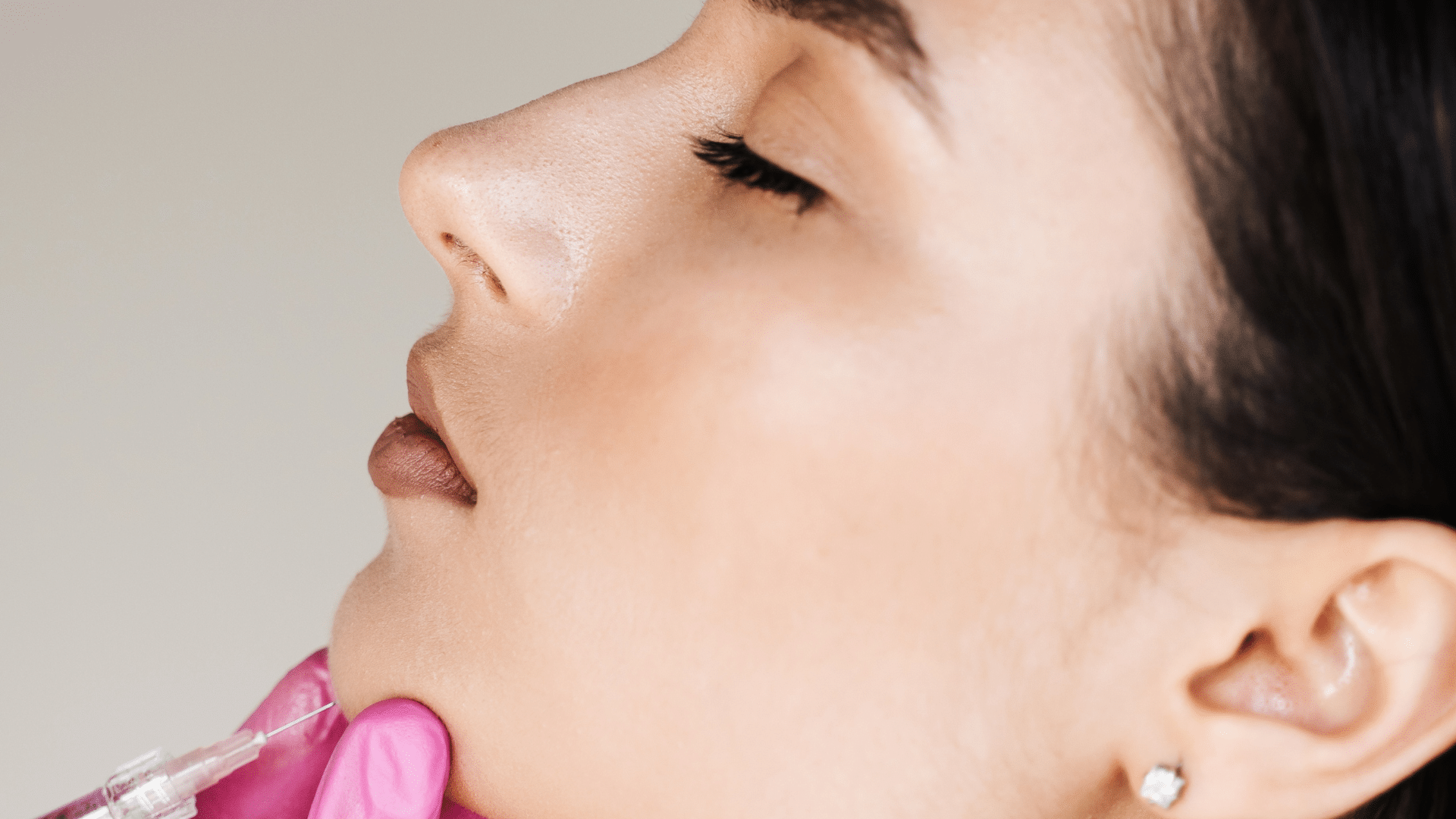
Lip Filler Efficacy
Strong Structural Contouring
Unboxing Neuramis Deep reveals a standard 1.0mL pre-filled glass and two independent 27G 1/2-inch TSK thin-wall. The has an outer diameter of just 0.4 millimeters and an inner diameter of 0.21 millimeters, with extremely thin walls. When injecting this high-concentration hyaluronic acid, the doctor’s hand must apply 15 to 20 newtons of mechanical force. Before injection, the paste is stored at 2°C to 25°C. The 24 mg/mL concentration means that 1 gram of the paste contains 24 milligrams of dry hyaluronic acid powder. Once the dry powder absorbs water, it expands to 1,000 times its own weight into a viscous gel. When purging the air, a 3-millimeter drop squeezed out at the tip will hang suspended without falling off; left at a 25°C room temperature for 10 minutes, it shows no signs of thinning or liquefying. Before the procedure, a 5-centimeter radius around the lips is disinfected. The evaporation of 75% alcohol drops the skin’s surface temperature by 0.5°C, prompting 0.05-millimeter capillaries to constrict. The plunger’s total length is 45 millimeters; for every 1 millimeter the doctor presses, the tip precisely dispenses 0.022 mL of paste. To reconstruct a three-dimensional shape, the must penetrate 2.5 to 3.0 millimeters deep into the submucosal layer. This deep injection perfectly bypasses the superior labial artery hidden deep within the muscle, allowing the high-viscosity material to find a solid anchor point within the connective tissue network.
- With the bevel facing up, the injection angle is controlled between 15° and 30°.
- The left and right peaks of the Cupid’s bow each receive a precise injection of 0.05 mL to 0.08 mL.
- The vermilion border is flipped upward by 1.5 to 2.0 millimeters.
- The angle of the Cupid’s bow is tightened inward to between 110° and 120°.
The lips contain hundreds of nerve endings per square centimeter. Piercing the 0.1-millimeter-thick epidermis triggers 0.2 seconds of sharp pain. However, the pre-mixed 0.3% lidocaine hydrochloride anesthetic enters the tissue alongside the gel, completely numbing the lips in under 15 seconds. The moment the paste is injected, an elastic modulus of 400 pascals establishes an absolute structural framework. The average diameter of the gel particles ranges between 500 and 600 microns. Similar to stuffing a hard rubber cylinder into a sponge, the material rarely spreads out more than 0.5 millimeters in any direction, firmly occupying the space beneath the lip skin. The Medytox factory in South Korea uses a cross-linking process that washes away impurities twice. The residue of free BDDE cross-linking agent is kept below 2 ppm. The factory pH level is maintained at 6.8 to 7.5, and the osmotic pressure is between 270 and 350 mOsm/kg, ensuring all biochemical parameters perfectly match the natural growth environment of human cells. A high cross-linking degree of approximately 12% makes the paste exceptionally durable. A person’s lip muscles contract 10,000 times a day, generating 20 to 30 millimeters of mercury in compressive force. The 1.0 mL of injected gel endures the high heat of hot meals, the shearing force of biting an apple, and the negative suction pressure of kissing on a daily basis. Creating the Russian lip technique requires keeping the vertical to inject micro-droplets. The is inserted vertically at a 90° angle to a depth of 2 millimeters, and the filler is pushed out as the is withdrawn at a speed of 0.01 mL per second, leaving behind tiny droplets of just 0.02 to 0.03 mL each time.
- The volume ratio of the upper to lower lip is made 1:1, breaking the traditional 1:1.6 ratio.
- The vertical height of the lips is instantly elongated by 2.5 to 3.5 millimeters.
- In the side profile, the distance to the nose-chin line shortens by 1.0 to 1.5 millimeters.
- The tissue swells by about 15% due to trauma, lasting for 24 hours.
- Macrophages are most active within 72 hours, engulfing free impurities.
By day 14, the molecules are fully saturated with water, and the volume swells slightly by 5% to 8%. The lips, which initially felt as hard as the tip of a nose, soften to a gummy bear-like texture with a Shore hardness of around 60A. When a T2-weighted fat-suppressed MRI is taken at the full 6 months mark, it reveals that 55% of the gel remains in place. The projected contour of the lip tubercle is maintained for over 240 days. It isn’t until the 9th month, when the degradation rate surpasses 60%, that the deflation becomes visible to the naked eye. The deep mucosa is densely packed with capillaries, making it inevitable for the path to nick 0.1-millimeter microvessels. The acidic anesthetic causes small arteries to temporarily constrict, keeping bleeding per puncture below 0.2 mL. The local anesthetic components are fully metabolized by the liver within 2 hours. A single cubic millimeter of gel occupies space while powerfully absorbing surrounding free water. The 0.5-millimeter-thick red lip is physically stretched open, widening the intercellular spaces in the stratum corneum. Light hitting the surface is deflected by a 5° to 10° refraction angle, visually making the lip skin look like taut, glossy cellophane. The inverted triangular flesh pad in the exact center of the upper lip requires a precise 0.15 mL injection to fill. The bypasses the 1.5-millimeter-thick superficial fascia of the muscle to securely place the paste. A high cohesivity of up to 85% ensures that the single 0.15 mL dose rarely slips sideways under the pull of gravity. The gel is packed with tens of thousands of micron-scale cross-linked clusters. Pressing down vertically on the lip tubercle with 5 newtons of force creates a 2-millimeter dent. Less than 0.5 seconds after releasing the finger, the internal gel blocks snap back to their original shape with a rebound rate exceeding 95%.
- The filler is spread flat, tracing the 1-millimeter-wide white line at the lip border.
- The 27G creates a tunnel, depositing only 0.05 mL per side.
- It blocks lipstick colors from bleeding into the surrounding 0.5-millimeter skin capillaries.
Ultimate Softness and Integration
Unboxing Revolax Fine reveals a glass filled with 1.1mL of paste. It comes with two 30G ultra-fine short, the outer diameter of which is a mere 0.3 millimeters. The puncture hole it leaves in the skin is 40% smaller than a standard vaccination hole; after pulling the out, applying pressure with a cotton swab for a few minutes leaves the wound practically invisible. The ingredient list indicates a 24 mg/mL concentration of sodium hyaluronate. A monophasic cross-linking process turns it into an extremely viscous, serum-like substance. The macromolecular chains of hyaluronic acid inside the tube are bound very loosely, with the degree of cross-linking deliberately suppressed to around 9%. When the doctor presses the plunger with their thumb, the resistance felt is less than 10 newtons; pushing the filler feels as smooth and unimpeded as injecting normal saline. When treating the densely packed vertical smoker’s lines on the surface of the lips, the path is exceptionally shallow, staying only within the superficial dermis at 1.0 to 1.5 millimeters deep. The advances horizontally almost flush against the epidermis, with the angle to the skin surface strictly kept below 10°. To fill a 5-millimeter-long vertical dry line, every extrusion of paste is strictly confined to a minute range of 0.01 mL to 0.02 mL. The is withdrawn retrogradely, dispensing sesame-sized micro-droplets. Roughly 2 hours after the injection, the paste initiates a rapid process of absorbing moisture from the surrounding tissue fluid. If you gently massage the lips between two fingers, the filler is entirely fused with the native lip tissue; no hard lumps larger than 1 millimeter in diameter can be felt under the skin. Every day, a person laughs, eats, and speaks, causing the orbicularis oris muscle around the mouth to pull back and forth tens of thousands of times. When the muscle contracts forcefully, the low-viscosity gel stretches along with it by over 30%. The moment the expression relaxes, the loose molecular network snaps back to its original position along the muscle fibers within 0.2 seconds. During kissing, the tactile nerves beneath the lip skin are sensitive enough to detect a 0.02-millimeter grain of sand. The liquid-like gel laid in the superficial dermis is only 0.8 millimeters thick, and its Shore hardness difference compared to the native fat pad is less than 2A. Even the most intimate partner cannot detect the boundary line by touch alone. A massive amount of free-state hyaluronic acid molecules act like miniature water pumps. One gram of dry powder rapidly grabs moisture exceeding 500 times its own volume. The moisture content on the surface of shriveled, peeling lips skyrockets, instantly boosting reflectivity by over 20%, creating a visual effect identical to applying clear lip gloss. During the autumn and winter seasons, when air humidity drops below 30%, the lips easily lose moisture. The gel buried in the shallow layer acts as a subcutaneous reservoir, relying on osmotic pressure to steadily release microgram levels of water molecules to the epidermis every day, softening cracked, peeling corneocytes within 24 hours. The 30G fine piercing the 0.1-millimeter-thick stratum corneum causes very low pain. The integrated 0.3% lidocaine anesthetic spreads rapidly alongside the soft, thin gel. Numbness sets in after just 10 seconds, and the pain score throughout the shallow injection procedure stays firmly below a 2. Because the dissected tissue area is minimal, the probability of the lips swelling up after the injection is less than 5%. In the first 24 hours, redness is incredibly hard to spot, and wiping away the tiny blood drops with a tissue leaves no feeling of a foreign object. By the morning of the 3rd day, the 0.05 mL of blood that seeped from nicked microvessels is entirely engulfed by surrounding cells.
| Action Category | Specific Operational Value |
|---|---|
| Single Dose Volume | 0.01mL – 0.02mL |
| Penetration Depth | 1.0mm – 1.5mm |
| Fine Outer Diameter | 0.3mm (30G) |
| Integrated Anesthetic Ratio | 0.3% Lidocaine |
| Probability of Post-op Swelling | Less than 5% |
| Probability of Palpable Lumps | Less than 0.1% |
Because the material is remarkably soft, its degradation speed naturally accelerates. The dermis harbors hundreds of active hyaluronidase spots per square centimeter. The low-cross-linked network has pores up to 5 microns wide; enzyme molecules take 48 hours to sever all the connected macromolecular chains, turning them into microscopic debris under 400 daltons. Around 90 days post-injection, approximately 40% of the gel turns into water and carbon dioxide and is expelled from the body. 3 to 6 months is its most common longevity. Pushing to the 120th day, the tiny vertical fine lines on the lip surface slowly reappear as 2-millimeter sunken shadows. Because the remaining 20% of the gel cannot maintain a plump, hydrated look, standard practice dictates a 0.5mL touch-up. Experienced doctors often use two different specifications of hyaluronic acid for lips: placing 0.6 mL of hard material at a depth of 2.5 millimeters to build the framework, and spreading 0.4 mL of soft material in the 1.0-millimeter shallow layer to hydrate the skin surface. The capillary network at the edges of the mouth is as dense as a spiderweb. The 0.3-millimeter-thick 30G tip delicately threads between two tiny arteries spaced 0.5 millimeters apart. Occasional nicks to the vessel walls result in a minor 0.01 mL oozing, which is absolutely stopped with 3 minutes of pressure from a sterile gauze.
Clinical Data Comparison
A test bench places the two hyaluronic acid into a 25°C incubator. The machine probe oscillates back and forth at a frequency of 5 times per second, mimicking the muscle pulling on the lips when a person opens their mouth to speak. The elastic modulus (G’) and phase angle (tan δ) recorded by the instrument perfectly reveal the hard and soft temperaments of both fillers. Neuramis Deep’s elastic modulus is pinned between 400 and 450 pascals. Its phase angle is under 0.15, behaving like a highly resilient piece of solid rubber. If you apply 20 millimeters of mercury in force to squeeze it, this high-viscosity mass will only indent by 2% to 3% at most. The moment the machine releases the pressure, in under 0.5 seconds, the gel relies on its 12% cross-linked skeleton to instantly snap back to 98% of its original shape. When it’s Revolax Fine’s turn on the machine, oscillating with the same force causes its elastic modulus to plummet to the 150-pascal mark. Its phase angle spikes past 0.45, making it feel exactly like thick water to the touch. The soft gel has only a 9% degree of cross-linking, its macromolecular chains are widely dispersed, and its complex viscosity is as low as 25 Pa·s. Under the exact same machine pressure, the thin, soft paste is instantly flattened on the spot, deforming its shape by more than 30%. We have extracted all the specific data produced by these two manufacturing processes.
- Both packages are printed with a 24 mg/mL concentration, pre-mixed with 0.3% lidocaine anesthetic.
- The hard paste has a cross-linking degree of about 12%, with particle diameters reaching up to 550 microns.
- The soft serum’s cross-linking degree is suppressed to 9%, with particle diameters under 100 microns.
- Free impurities in both are washed below the ultra-low 2 ppm threshold, and the pH is stable at 7.2.
- Deep pushing uses a thick 27G; shallow spreading uses an ultra-fine 30G.
With one material hard and the other soft, the injection depths and gauges are distinctly separated. The hard, large particles must be forcefully driven into the depths of 2.5 to 3.0 millimeters to find the 1.5-millimeter-thick connective tissue pad as a base. The thin, soft material is injected horizontally, right against the lip skin, locked firmly into the superficial dermis at 1.0 to 1.5 millimeters. When injecting the 450-pascal hard gel, the doctor holds a 27G thick with a 0.4-millimeter outer diameter, and their thumb must unleash 18 newtons of brute force to push it. Switching to the 150-pascal soft gel, fitted with an ultra-fine 0.3-millimeter 30G short, takes less than 8 newtons of force to slide the plunger all the way to the bottom.
Reviewing the post-operative records of 150 lip augmentation clients: Deep probing with the 27G thick and hard gel provokes an 18% physiological swelling rate, demanding a 4°C ice pack applied for 15 minutes to suppress it. Shallow spreading with the 30G fine meets little resistance, and the swelling rate rarely breaches the 4.5% hard limit.
Once buried in the flesh, the hyaluronic acid is chewed on daily by hyaluronidase at a concentration of 100 U/mL. The tightly bound Neuramis Deep endures the first 120 days with less than 12% of its volume consumed. By day 180, a T2-weighted fat-suppressed MRI scan reveals that 58% of the material is still holding its ground. The thin, soft Revolax Fine is entirely defenseless against hyaluronidases. Its pores are up to 5 microns wide, leaving it exposed everywhere; after 90 days, 42% of the gel has turned to water and drained away. Surviving to day 180 for an MRI scan, less than 18% of the material remains in the shallow layer.
- For lips contoured with hard gel, visible deflation to the naked eye waits until days 240 to 270.
- A 2-millimeter-deep dry line filled with soft gel reliably returns right on time at day 120.
- A thick deep injection nicks 0.1-millimeter microvessels, leaking 0.2 mL blood drops per stick.
- A fine shallow spread scrapes 0.05-millimeter capillaries, oozing at most 0.01 mL of blood.
- The probability of developing hard lumps over 1.5 millimeters under the skin is strictly kept under 0.08%.
The two processes utilize completely different approaches to capturing free water. The biphasic process locks internal moisture around 10%, swelling outward by at most 5% to 8% in the first half-month post-injection. The monophasic process shatters the molecular chains; 1 gram of dry powder frantically grabs 500 times its volume, totaling 3.5 grams of interstitial fluid. The fully hydrated soft paste forcefully props open the 0.5-millimeter-thick shriveled lips. Light hitting the moisturized stratum corneum is forced to alter its refraction angle by 5° to 10°, making the lips’ reflectivity visually spike by 22%. The high-modulus hard gel relies entirely on its own bulk to raise the lip tubercle by 2.5 millimeters, resulting in a hydration increase of less than 3%.
The 0.3% anesthetic water drills into the flesh alongside the gel, reliably numbing the free nerves 2 millimeters deep under the skin in exactly 15 seconds. The liver takes a steady 120 minutes to completely break down and flush out the lidocaine. The remaining sodium hyaluronate has an osmotic pressure of 300 mOsm/kg, causing zero rejection from the surrounding cells.
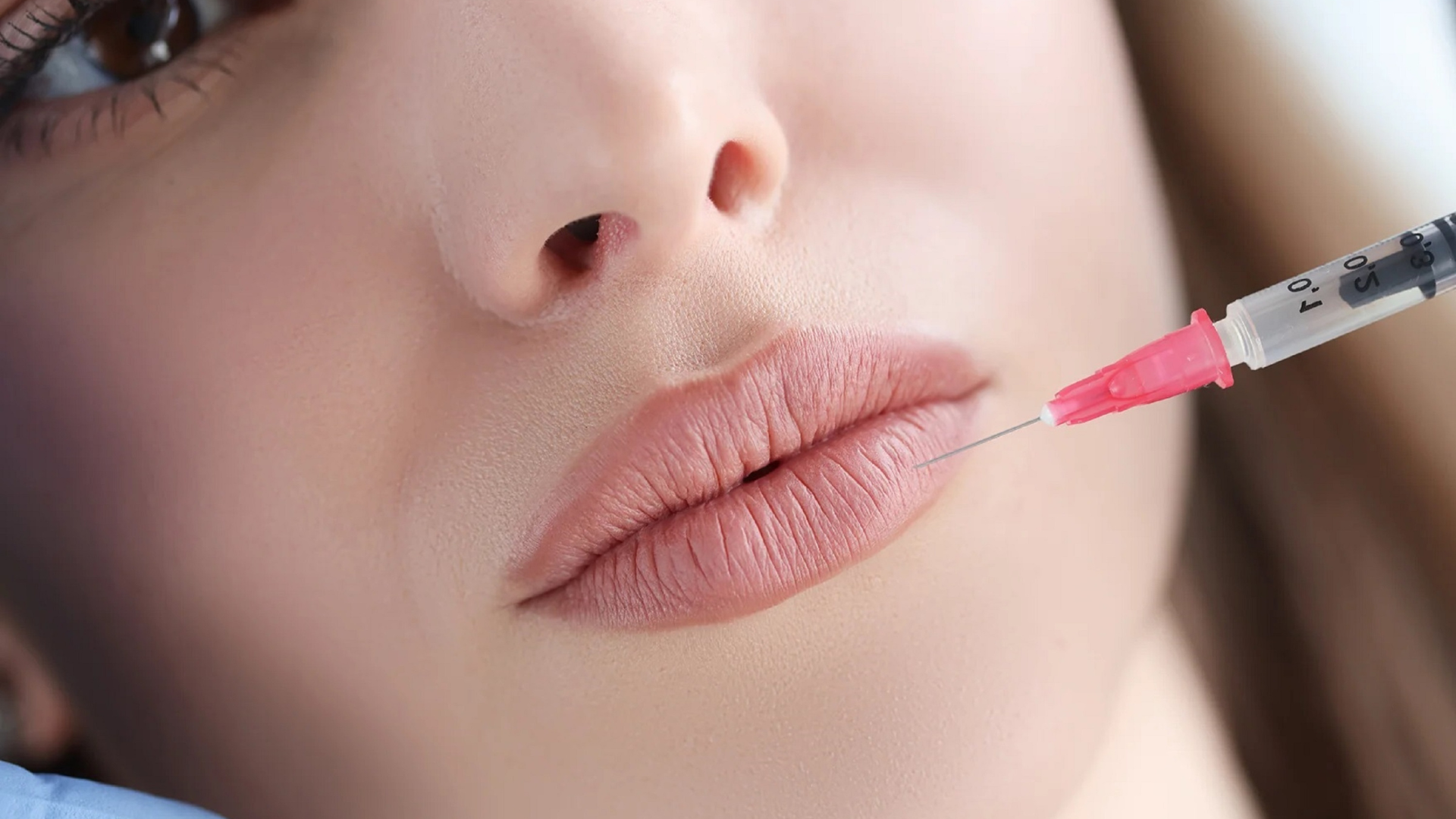
Longevity
The Longevity Mechanism of Neuramis Deep
The raw material for Neuramis Deep is a non-animal hyaluronic acid (HA) powder extracted via microbial fermentation. The fermentation and purification process achieves a 99.9% impurity removal rate. A single molecular chain is composed of 2,500 to 3,500 tiny saccharide units, with an initial average molecular weight calibrated at 1.4 million Daltons. In its natural state, a single long HA chain resembles a loose ball of yarn in normal saline. Unprocessed, bare single chains are highly susceptible to enzymatic breakdown in the body, typically surviving only 24 to 48 hours once injected into human interstitial fluid. Inside a Class 100 cleanroom, the dry powder is poured into a reaction vessel and mixed with a buffer solution at a precise ratio. The HA concentration is locked exactly at 20 mg/mL, while the hydraulic mixing system operates under a 0.05 MPa vacuum. The buffer solution is formulated with 0.9% sodium chloride. Instruments monitor the pH in real time, keeping it strictly at 7.2. The solution’s osmotic pressure reading is maintained between 290 and 300 mOsm/kg. Liquid BDDE cross-linking agent is injected into a stainless steel reaction tank maintained at a constant 25°C. Twin-screw blades stir the mixture continuously at 50 revolutions per minute for 48 hours.
- Primary cross-linking reactions occur at a low temperature of 15°C.
- Free single chains capture each other to form a rudimentary network.
- The temperature is then raised to 50°C to intensify the overall reaction.
- This catalyzes the formation of high-density chemical covalent bonds.
- Dangling free tails are forced into a secondary closure.
Trace amounts of unreacted cross-linking agent remain in the gel block after the reaction. The factory then initiates a 14-day constant-temperature dialysis and dynamic purification elution process. Sixty liters of deionized normal saline circulate outside the dialysis membrane at a flow rate of 5 liters per hour. Residual impurities are thoroughly filtered out by a 10 kDa membrane. The quality control lab extracts 50 finished for destructive sampling tests. Instruments verify that the free BDDE residue is below 2 ppm. Endotoxin levels are strictly compressed below 0.04 IU/mg, and protein residue is kept under 0.1%. Instruments apply mechanical force at a 1 Hz frequency to test the gel’s physical compressive resistance. The value reflecting overall viscosity exceeds 300 Pa. The reading for anti-deformation elasticity stabilizes around 220 Pa, while the value representing viscous flow is approximately 45 Pa. A fine injects the gel into a depth of roughly 2.0 to 2.5 millimeters beneath the lip mucosa. The material must withstand the daily mechanical compression exerted by the lip muscles. Routine speaking and chewing generate localized pressures of 10 to 30 newtons. When deformed under pressure, the high-density three-dimensional network can rapidly rebound within 0.5 seconds. Endogenous hyaluronidases roam between cells. These enzyme protein molecules constantly search for binding sites on the macromolecular chains to break them down. Physically, the tightly cross-linked network blocks the 60 kDa macromolecular enzymes from approaching. Chemically, the cross-linking points conceal over 80% of the effective degradation zones.
- Intense spatial hindrance is generated around the cleavage sites.
- An external water layer reduces the probability of free water penetration.
- It is extremely difficult for macrophages to engulf gel particles larger than 20 microns.
- Daily mechanical wear and tear within the tissue remains exceptionally low.
Clinical injections typically utilize 27G or thin-wall 30G fine. The physician must apply 15 N to 20 N of physical thrust to push the plunger. The retrograde threading technique distributes the gel evenly like a continuous line, releasing 0.01 mL of gel for every 1 millimeter the is withdrawn. For the vermilion border and the lip tubercle, the single-point injection volume is controlled between 0.05 mL and 0.1 mL. The total injection volume for the entire lip is strictly kept within the 1.0 mL safety limit. The finished product contains 0.3% lidocaine. Fifteen seconds after the delivers the filler, local nerve pain conduction is effectively blocked. The newly injected microparticles absorb moisture exuding from surrounding capillaries. Within 48 hours, the particle diameter undergoes a 10% to 15% aqueous expansion.
- Two hours post-implantation, the gel matrix achieves initial water absorption and structural setting.
- Microscopic water gradient substitution is completed within 72 hours.
- Physical integration between the foreign material and the surrounding autologous tissue occurs by day 14.
- The shape and dimensions reach an equilibrium within the stress environment by day 90.
The incredibly slight space-occupying effect awakens the body’s monolayer fibroblasts. These cell clusters migrate and cling along the edges of the gel, weaving a 0.1 to 0.2-millimeter-thick biological defense wall across its surface within 7 days. This biological wall slows the relentless day-and-night flushing by microvascular interstitial fluid. The physical pathways for hyaluronidase to penetrate deep into the gel are drastically narrowed, allowing the core region of the gel to maintain over 95% of its intact microscopic structure. By the sixth month of implantation, the less than 5% of incompletely cross-linked single chains on the surface are the first to break. The polysaccharide macromolecules are metabolically degraded into low-molecular-weight fragments. These byproducts are converted into carbon dioxide gas and water molecules, which are then expelled through capillaries with an 8-micron diameter.
The Metabolic Phase of Revolax Fine
Straight from the factory, Revolax Fine is a fully cross-linked soft gel. The HA concentration in the is calibrated at 24 mg/mL. The formula incorporates 0.3% lidocaine hydrochloride to block nerve pain, while the degree of cross-linking is suppressed to an exceptionally low range of 7% to 9%. The is filled with a transparent, jelly-like substance. Under a microscope, no coarse particles exceeding 50 microns can be found. Instruments record its elasticity between 40 and 50 Pa, with a viscosity under 100 Pa. This exceptionally low physical hardness allows it to perfectly mold to the 0.2-millimeter-thick superficial layer of the lip skin. The tray is prepped with an ultra-fine 30G, featuring an outer diameter of 0.3 millimeters and an inner diameter of 0.15 millimeters. Applying 10 N of thrust, the tip pierces 1.0 to 1.5 millimeters beneath the lip mucosa at a 15-degree angle. Each gentle push releases 0.01 to 0.02 mL of the soft gel. The low viscosity allows the soft gel to spread rapidly under a subcutaneous pressure of 15 kPa. Within 24 hours of shallow injection, the gel’s micropores siphon moisture from surrounding capillaries, expanding its microscopic volume by 8% to 12%. Following 48 hours of moisture exchange, the physical appearance of the lips is set. The network structure provides an extreme softness akin to native flesh. The thickness of normal lip epithelial mucosa ranges from 0.2 to 0.5 millimeters. After the soft gel particles are implanted, pressing with 5 N of force yields no palpable hard edges. Seventy-two hours post-injection, closing the mouth and chewing produces no frictional sensation of a foreign body. The lips are surrounded by an interwoven, highly active group of orbicularis oris muscle fibers. In a typical day of eating, speaking, and making expressions, an average person’s muscles contract 15,000 to 25,000 times. Every localized closure and pull exerts an instantaneous compressive force of 5 to 15 newtons on the soft gel beneath the mucosa. Being rubbed and kneaded dozens of times a minute constantly deforms the soft gel matrix. The lowest-density chemical cross-linking bridges in the entire series struggle to endure hundreds of thousands of repetitive cycles. Polymer connections are forcefully torn apart, ripping micron-level fissures into the three-dimensional network skeleton. The breach in this physical defense opens a pathway for the body’s endogenous hyaluronidase. Hydrolytic enzymes with molecular weights ranging from 60 to 160 kDa roam the extracellular matrix. The soft gel is compressed into ultra-thin lamellae less than 0.1 millimeters thick. Billions of enzyme molecules latch onto the fracture points for precise cleavage.
| Implantation Timeline | Remaining Gel Volume | Local Enzymatic Destruction Rate | Physical & Biochemical Degradation Factors | Local Mucosal Tactile Feedback |
|---|---|---|---|---|
| Day 30 | 93% – 95% | 0.5 μg/h (Extremely slow) | Flushed by 1.2 kPa micro-pressure of interstitial fluid | Extremely soft, no hard edges |
| Day 90 | 70% – 75% | 2.5 μg/h (Acceleration phase) | High-frequency muscle compression 20,000 times/day | Viscosity-dominated, stretches with muscles |
| Day 180 | 35% – 40% | 5.8 μg/h (Peak phase) | Large-scale hydrolytic cleavage by free enzyme molecules | Internal support breaks, plumpness decreases |
| Day 270 | <10% | 0.2 μg/h (Depletion phase) | Macrophages engulf tiny particles | Returns to original 0.5mm pre-injection thickness |
Entering the third month post-implantation, hyaluronidase at a concentration of 2.5 μg/h broadly dismantles the 10-micron-thick defensive perimeter of the soft gel. Fifteen newtons of muscle force compress the highly extensible material even thinner. This lamellar morphology causes the biochemical contact area between the soft gel and the enzymes to surge by over 35%. The hydrolysis reaction chops the 1.4 million Dalton macromolecular long chains into short segments. Fragmented pieces with molecular weights below 10 kDa can no longer support the three-dimensional space within the mucosal gaps. Driven by a 15 mmHg subcutaneous pressure differential, up to 25% of the injected volume washes away with the free moisture. By the sixth month, the soft gel matrix suffers massive structural collapses exceeding 2 square millimeters. At the epicenter of muscle contraction, the breakage rate of the material’s cross-linked bonds breaches 50%. The HA concentration within the superficial dermis plummets below 12 mg/mL. Stripped of the underlying 40 Pa elastic material’s support, the visual plumpness of the epidermis deflates and retracts significantly.
Factors Influencing the Metabolic Rate
The lip muscles contract 15,000 to 25,000 times a day during speaking and eating. When biting down on a nut, over 60 muscle fibers unleash a localized compressive force of 30 to 45 newtons within 0.5 seconds. Hyaluronic acid injected 1.5 millimeters beneath the skin must withstand being repeatedly kneaded and deformed 40 to 60 times a minute.
Enduring high-frequency mechanical wear of 20,000 times a day for 100 consecutive days will literally crush an originally 2.0-millimeter-thick three-dimensional soft gel into a microscopic lamella just 0.05 millimeters thick.
- Pronouncing words pulls the muscles with 5 to 10 newtons of force, causing the tissue to shift by 0.2 millimeters.
- Chewing food triggers intense pressure of 20 to 45 newtons, instantly displacing 15% of the localized moisture.
- A wide, laughing expression engages 12 surrounding facial muscles, forcing the epidermis into a drastic 2.5-millimeter glide.
The body’s metabolic rate rigidly dictates the daily renewal cycle of bodily fluids. The metabolism of young adults aged 20 to 25 consistently burns 1,300 to 1,500 kcal, maintaining a fluid turnover rate 12.5% higher than that of individuals in their 40s. The body manufactures 400 micrograms of hyaluronidase daily, while venous blood continuously flushes the mucosa at a velocity of 15 centimeters per second. For individuals whose resting heart rate consistently exceeds 80 beats per minute, the lips are densely packed with over 300 capillaries per square millimeter. This concentrated vascular network increases the local blood volume flow by 18%. Every microliter of blood carries 0.5 micrograms of hyaluronidase surging into the 1.5-millimeter subcutaneous crevices, precisely severing the 1.4 million Dalton polysaccharide chains. For every 1.0°C fluctuation in body surface temperature, the speed of internal chemical reactions shifts by 10% to 15%. At a normal body temperature of 37.0°C, the cross-linked bonds naturally break at a rate of 0.15% per day. However, if the local temperature spikes to 38.5°C, the activity of previously dormant dissolving enzymes will instantly surge by 40%.
Engaging in rigorous aerobic exercise three times a week for 45 minutes, with a heart rate exceeding 140 bpm, will cause facial epidermal temperatures to rocket to a physiological peak of 39.2°C within 10 minutes.
External heat above 40.0°C will rapidly shatter the subcutaneous mechanical equilibrium. Spending just 5 minutes in a 60.0°C sauna elevates the local temperature 1.0 millimeter beneath the mucosa by 2.8°C. A hot yoga studio at a 40.0°C room temperature combined with 60% humidity will cause 80% of facial capillaries to fully dilate. Heat penetrates the 0.2-millimeter epithelial tissue to strike the underlying HA directly. A high temperature of 39.0°C plummets internal spatial support by 25% and causes the encapsulated moisture to expand by 4.2%, forcibly snapping tens of thousands of fragile connection points in a single day.
- A 39.0°C hot shower dilates the local blood vessel inner diameter from 8.0 microns to 10.5 microns.
- Sitting in a 60.0°C sauna for 15 minutes doubles the daily cross-link breakage rate to 0.3%.
- Direct exposure to -5.0°C cold winds raises the gel’s hardness by 15 Pa, increasing the risk of compressive rupture by 8%.
Nicotine inhaled from smoking enters the bloodstream in just 7 to 10 seconds. Smooth muscles in the blood vessel walls spasm within 0.5 seconds, violently constricting the lip microvessels from 8.5 microns down to 5.6 microns instantly. The total blood flow coursing through the lips per minute falls off a cliff, plummeting by 28% to 35%. Constricted vessels plunge local blood oxygen saturation from 99% down to below 92%. This hypoxic state forces cells to release free radicals at a concentration of 10^-8 molar. Billions of destructive molecules shuttle chaotically through the 0.2-millimeter-thick subcutaneous spaces.
When highly oxidative free radicals collide with chemical junction points on the HA surface, it takes a mere 0.15 seconds to execute an irreversible, destructive cleavage.
The action of drawing on a cigarette mouthpiece generates a negative pressure of -50 mmHg inside the oral cavity. The muscles unleash 25 newtons of inward contractile force, tightly squeezing the 0.05 mL of soft gel situated 1.5 millimeters beneath the skin. Smoking 10 cigarettes a day equates to applying 150 high-intensity, directional compressions. Extreme mechanical pressure compounds the 30% blood microcirculation impairment triggered by nicotine. For the smoking demographic, 1.0 mL of soft gel beneath the mucosa will suffer an additional monthly loss of 0.12 to 0.15 mL. The overall duration of the plumping phase is slashed by a full 45 to 65 days compared to non-smokers. Sleeping less than 6 hours for 3 consecutive days scrambles the endocrine system. Cortisol levels in the body spike from a normal 15 μg/dL to 24 μg/dL, surging into the face via arterial blood flowing at 12 centimeters per second. This hormonal suppression induces a 72-hour physiological lag in the immune response. Hormonal imbalance severely drags down the fibroblasts’ building speed of 5.0 microns per hour. The 0.1-millimeter protective layer, which normally takes 7 days to construct, requires 18 to 22 days to finalize. This delay in erecting the defensive wall leaves a full half-month hydrolysis window wide open for roaming 60 kDa hyaluronidases. Daily water intake rigidly dictates the plumpness of the HA. One gram of pure HA can lock in 6,000 milliliters of water. By consuming 2,500 milliliters of fluid daily, the subcutaneous interstitial fluid maintains a golden osmotic pressure of 290 mOsm/kg, keeping the internal moisture exchange rate of the soft gel stable at 2.0% per day. In a state of dehydration, bodily fluid osmotic pressure climbs past 315 mOsm/kg. Free water in the intercellular spaces drops by 20%, and the extreme pressure differential acts like a vacuum, siphoning out 12.5% of the deep moisture from within the soft gel. Stripped of aqueous support, the microparticles shrink and shrivel by 0.02 millimeters, and their hardness metric slips by 18 Pa.
- Pulling all-nighters pushes cortisol past 20 μg/dL, slashing the cells’ efficiency in building the defensive wall by 35%.
- Dehydration elevates bodily fluid concentration to 315 mOsm/kg, forcefully extracting 12% of the deep moisture.
- During the menstrual cycle, estrogen fluctuations of 40 pg/mL hike capillary blood flow velocity by 8.5%.
Biological age draws a definitive boundary line for degradation speed. In individuals over 35, the daily secretion of dissolving enzymes plummets by 18.5% compared to when they were 22. Dermal collagen drains at a rate of 1.2% annually, and the compressive force of lip muscles during speech rolls back to the 8 to 10-newton range. When injected with an identical 1.0 mL of soft gel at a 24 mg/mL concentration, the degradation half-life for mature age groups extends from 180 days to 225 days. The natural decline in physical vitality slows both biochemical reactions and mechanical friction by 20%, objectively buying the filler an extra 40 to 50 days of retention time. High-energy ultraviolet rays act as an external biochemical accelerator. Stripped of the protection of a 0.02-millimeter stratum corneum, the lip mucosa directly faces the penetration of wavelengths between 320 and 400 nanometers outdoors. Photon energy reaching up to 3.1 electron volts easily pierces the 0.2-millimeter epithelial barrier, severing the underlying hydrocarbon chain segments. Unprotected exposure for 120 minutes in environments with a UV index above 8 triggers a 45% surge in destructive oxygen free radicals generated locally within the mucosa. This alone drives up that day’s HA molecular loss rate by an additional 3.5%.