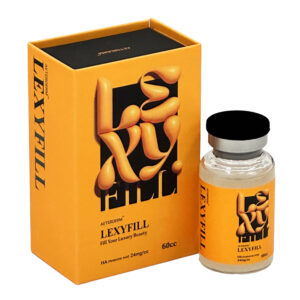
Radiesse acts as a dual-action dermal filler and biostimulator, comprising 30% calcium hydroxylapatite (CaHA) microspheres that deliver immediate structural restoration and trigger long-term Type I collagen production.
The standardized 15 to 30-minute procedure often involves mixing the product with lidocaine for patient comfort before deep injection onto the periosteum or subdermal layers to contour the jawline, chin, or cheeks.
While initial volume is visible instantly due to the gel carrier, the structural benefits persist for 12 to 18 months as the CaHA particles act as a scaffold for new tissue growth, with common post-procedure swelling typically subsiding within 24 to 72 hours.
Procedure
Radiesse injections are typically performed in a medical clinic, with the entire process taking approximately 30 to 45 minutes.
The doctor will first mix 1.5cc or 0.8cc of CaHA gel with 2% Lidocaine or saline in a specific ratio to reduce injection resistance and patient discomfort. Based on the anatomical structure, the doctor will use a 27G sharp for supraperiosteal point injections, or a 22G/25G for fanning placement in the subcutaneous tissue.
After the medication is injected, the doctor will immediately perform 1-2 minutes of high-intensity manual molding to press the high-viscoelasticity gel flat and fix it in the target position. Following skin cleansing, the patient can leave without hospitalization.
Pre-treatment Marking and Preparation
The doctor will ask you to maintain an upright sitting position; this step is primarily used to avoid facial vessels and adjust the state of the medication.
-
Vascular Mapping: The doctor uses a surgical marker to map the route of the Facial Artery and the position of the parotid duct. For jawline treatment, the marking range usually covers the area from the Gonial Angle to the mentalis muscle.
-
Medication Mixing: Original Radiesse packaging does not contain anesthetic. The doctor must mix 1.5cc of the implant with 0.3cc Lidocaine on-site. This not only reduces pain but also lowers the initial viscosity of the gel, allowing it to pass through fine more smoothly.
Specification Selection
The choice of tool depends on the target layer. The doctor will decide whether to use a sharp or a based on whether they are providing “deep support” or “superficial refinement.”
| Tool Type | Specification (Gauge) | Applicable Areas | Operating Objective |
|---|---|---|---|
| Sharp | 27G / 28G | Cheekbones, chin, gonial angle | Vertically penetrate soft tissue to reach the Periosteum, performing a Bolus injection to establish a bony foundation. |
| 22G / 25G | Sunken cheeks, back of hands | After creating a skin entry point, sweep through the subcutaneous fat layer to reduce the probability of vascular puncture and bruising. |
Deep Bolus Injection Practice
This is the fundamental step in establishing facial contours. Unlike softer fillers, Radiesse requires more explicit injection force.
-
Layer Control: The vast majority of Radiesse must be placed in the deep dermis or supraperiosteal layer. If the injection is too superficial (such as in the epidermis), it can lead to white nodules or irregular protrusions on the skin surface.
-
Injection Feel: The doctor will feel significant physical resistance during injection.
-
Auditory Feedback: When the passes through dense fascial tissue or injects CaHA microspheres, you may hear a slight “Audible Crunch”. This is the physical sound of high-viscosity material compressing tissue and is considered a normal phenomenon.
Immediate Manual Molding
Radiesse does not possess the automatic diffusivity of hyaluronic acid; it maintains its shape through high cohesivity, making manual molding a necessary step.
-
Golden Time: The doctor must operate immediately within 1-2 minutes after injection; once the gel begins to integrate with the tissue, the difficulty of molding will significantly increase.
-
Manual Force: Doctors usually wear gloves and place fingers inside the oral cavity (for mid-to-lower face treatments) or on the skin surface to press and mold the gel flat through strong bimanual compression.
-
Smoothing Edges: This step aims to eliminate the gap between the filler and one’s own bone to prevent a “step-like” appearance.
Post-operative Circulation Check
Before you leave the clinic, the doctor must confirm that the blood supply to the tissue is not under physical compression.
-
-
Capillary Refill: The doctor will press the skin in the injection area and release, observing the time it takes for the skin color to return to a rosy hue (Capillary Refill Time). If the skin remains pale, it may mean the vessel is under pressure and requires immediate attention.
-
Immediate Cold Compress: Once confirmed, a cold pack is usually provided for 5-10 minutes to constrict blood vessels and alleviate acute swelling caused by physical puncture.
-

Results
Radiesse injections provide immediate 1:1 volume filling, largely due to the 70% Carboxymethyl Cellulose (CMC) gel carrier in its composition. Unlike ordinary hyaluronic acid, the remaining 30% Calcium Hydroxylapatite (CaHA) microspheres will initiate a “biostimulation” mechanism approximately 4 weeks after injection, inducing the production of Type I collagen and elastin. Clinical data shows that this regenerative effect can significantly increase dermal thickness and maintain aesthetic results for 12 to 18 months, with some cases lasting up to 24 months. According to clinical trial data, at 3 months post-treatment, patient satisfaction for both the back of the hands and facial wrinkles exceeds 90%.
Stages of Result Appearance
At the End of Injection
The moment the injection is finished, the filling effect you see mainly stems from the 70% Carboxymethyl Cellulose (CMC) gel carrier in the.
-
Physical Filling Ratio: Radiesse provides 1:1 immediate correction. This means if the doctor injects 1ml of volume, the subcutaneous tissue increases by about 1ml in volume (ignoring swelling factors). This differs from Poly-L-lactic acid (Sculptra), which is primarily water upon injection and gets absorbed within a few days, requiring months to see results. Radiesse requires no wait; it is shaped immediately upon injection.
-
Support from High Viscoelasticity: Since Radiesse has a high elastic modulus (G-Prime) of approximately 1400 Pascal (Pa), far higher than most hyaluronic acids (usually between 200-500 Pa), it acts like a sturdy scaffold under the skin. This physical property allows it to “propped up” sagging tissue immediately after injection, especially in areas like the gonial angle or cheekbones where a bone-like texture needs to be simulated.
-
Initial Swelling Interference: Within 24 to 72 hours after injection, varying degrees of edema will occur in the injection site due to tissue trauma from the and water absorption by the filler. This swelling might make you think the effect is “very full” or even “a bit overdone.” This belongs to the normal inflammatory response stage and usually makes the visual volume look 10% to 20% larger than the actual injected amount.
4 to 6 Weeks
Many patients experience a psychological “drop-off period” at around 4 to 6 weeks after injection.
During this stage, an invisible exchange of components is happening inside the body:
-
Dissipation of the Gel Carrier: The 70% CMC gel carrier that provided early support begins to be gradually metabolized and absorbed by the body through hydrolysis.
-
Collagen Has Not Yet Caught Up: At this point, although the CaHA microspheres have begun to stimulate collagen growth, the volume of new tissue is not yet sufficient to completely fill the space left by the absorbed gel.
Data Performance: Studies show that during this transition period, the total volume of the filled area may temporarily drop by around 15%. At this time, the skin may feel slightly softer than immediately after injection, and this slight volume pullback is meant to make room for subsequent new tissue.
8 Weeks to 12 Weeks
From 8 weeks to 12 weeks post-injection, Radiesse enters its “highlight moment.” By this time, the CMC gel is mostly metabolized, and the remaining 30% Calcium Hydroxylapatite (CaHA) microspheres begin to fully exert their biostimulation effects.
This process is very interesting under a microscope:
-
Microsphere Scaffold: The diameter of CaHA microspheres is strictly controlled between 25 to 45 micrometers. This size is very deliberate—if they are too small, they will be engulfed by macrophages; if they are too large, they can cause a foreign body granuloma reaction. The current size allows the microspheres to stay stable in the tissue as a fixed scaffold.
-
Fibroblast Recruitment: The body’s fibroblasts recognize these microspheres and attach to their surface. The microspheres are like the steel rebars for building a house, and the fibroblasts are the construction workers, beginning to weave a collagen network around these “rebars.”
-
Type I Collagen Production: Unlike scar tissue produced after injury (which is mainly Type III collagen), Radiesse induces the production of orderly arranged Type I collagen. This collagen is thicker, more resilient, and is the type found in highest amounts in young skin.
Changes in Skin Thickness: According to ultrasound scan data, through this stage of biological remodeling, the thickness of the dermis can increase by an average of 30% to 50%.
12 to 18 Months
At 12 to 18 months (up to 24 months for some), the life cycle of Radiesse enters its final stage, but this does not mean the effect disappears instantly.
-
Decomposition of Microspheres: At this time, the CaHA microspheres begin to gradually break down. They do not wander around the body but are decomposed into two basic ions: Calcium ions (Ca²⁺) and Phosphate ions (PO₄³⁻). These two substances are themselves primary components of human bones and teeth, so the body is completely tolerant of them.
-
Safe Excretion: The decomposed ions enter the normal metabolic cycle and are eventually filtered by the kidneys and excreted from the body via urine.
-
The Leftover “Legacy”: Even when the CaHA microspheres have completely metabolized away, the self-grown collagen network previously stimulated by the microspheres remains. This autologous tissue network will continue to provide support until it slowly dissipates through the natural aging process. This is why many patients report that even after two years, the state of the injection site remains better than it was before the injection.
Different Treatment Areas
Chin and Jawline
Due to its very high elastic modulus (G-Prime), the feel after injection is very close to natural human bone.
-
Support Principle: Doctors usually inject the medication on top of the Periosteum. At this depth, Radiesse can act like “liquid bone,” lengthening the chin or widening the gonial angle. For those with natural chin retrusion or mandibular bone resorption due to aging, it provides a sharp line that cannot be achieved with soft tissue fillers alone.
-
Resisting Masseter Muscle Movement: Muscle movement in the jaw area is very frequent (speaking, chewing). Ordinary hyaluronic acid, because of its softer material, can easily deform or spread outward under repeated compression from the masseter muscle, leading to a widened jawline (commonly known as “jowl widening”). The high viscosity of Radiesse means it has strong shear resistance; once set, it stays firmly in place and will not shift due to speaking or eating.
-
Dosage Reference: Typically, shaping a clear gonial angle requires about 1.5ml per side, while chin shaping usually requires 0.8ml to 1.5ml. In this area, the contour improvement can usually be maintained for more than 15 months, which is longer than in soft tissue areas like the cheeks because blood circulation here is relatively slow and the metabolic rate is lower.
Cheeks and Cheekbones
Many people reject cheek filling because they fear their face will become puffy or look like a “balloon.” The logic of Radiesse treatment in this area is completely different from hyaluronic acid.
-
Vector Lift: When doctors use Radiesse on the zygomatic arch, it is not to fill it up until it’s bulging, but to use its high grip as a “hook.” By establishing support points in the deep layers of the cheekbone, it can lift sagging mid-face soft tissues upward like pulling a curtain.
-
The Advantage of Non-Absorption of Water: This significantly impacts the visual result. Hyaluronic acid is highly hydrophilic; after injection, it may attract water from surrounding tissues, causing the cheeks to look edematous. The main components of Radiesse are calcium and gel, which do not possess strong water-absorbing properties. The volume injected is the volume seen; it won’t fluctuate with body water changes, making facial expressions look more refined and firm.
Dorsum of Hands
The hands are a blind spot for many and the area most likely to reveal age. Radiesse is currently the only filler for hand rejuvenation.
-
Masking Ability: With age, subcutaneous fat in the back of the hand is lost, causing veins and tendons to protrude like tree roots. The opaque milky-white texture of Radiesse plays a significant role here (Tyndall Effect Blocking). Compared to transparent hyaluronic acid, the milky-white Radiesse can physically mask the blue color of underlying vessels within a subcutaneous thickness of about 2mm.
-
Operation and Recovery: The doctor usually makes a puncture point on the back of the hand and uses a to spread the material flat over the hand’s fascia layer, then distributes it evenly through massage. Clinical trials (Merz Aesthetics Data) show that at 12 months post-treatment, based on the MHGS (Merz Hand Grading Scale), over 75% of subjects’ hand appearance grades remained at the improved level. Hand skin thickness and luster also significantly improve due to collagen regeneration.
Nasolabial Folds
-
Migration Resistance: If the filler is too soft, it will be squeezed into the apple cheeks above the nasolabial folds when laughing, which actually deepens the folds. The high viscoelasticity of Radiesse allows it to form a solid “wall” in the deep layers, resisting compression during the folding of nasolabial folds.
-
Layered Injection: In this area, Radiesse must be injected into the deep dermis or deep subcutaneous layer. If injected too superficially, it is not only easy to feel nodules but also its white texture may show through. Under correct operation, it can provide support for over a year, preventing nasolabial folds from deepening further.
Neck and Body Skin
This is an advanced application of Radiesse known as Hyperdilute Radiesse. The doctor will dilute it with saline and lidocaine, adjusting the concentration as needed.
-
Shift in Purpose: When the dilution ratio reaches 1:2 or 1:4, Radiesse loses almost all its physical volume-filling capability. At this point, it completely transforms into a liquid skin biostimulant.
-
Scope of Action: This diluted liquid can be spread over large areas on the neck (to treat neck lines), the chest (Decolletage), or the loose inner side of the arms.
-
Physiological Mechanism: Dilution causes the microspheres to disperse more widely, significantly increasing the contact surface area between the microspheres and tissue. This means more fibroblasts can be activated. Tissue sections show that in areas where diluted injections are performed, the density of elastic fibers (Elastin) and Type I collagen in the dermis significantly increases. This is often more effective for conditions like “turkey neck” with loose skin and fine wrinkles than simple physical filling.
Duration of Results
Persistence
The persistence of Radiesse is primarily determined by its unique physical structure. Its basic component, Calcium Hydroxylapatite (CaHA), is not a gel but a bioceramic material.
- Anti-enzymatic Capability: The human body contains a large amount of hyaluronidase, a natural enzyme that quickly breaks down ordinary hyaluronic acid. Every day, your body is constantly producing and breaking down its own hyaluronic acid. Thus, injected hyaluronic acid is also subject to attack by this enzyme. However, the human body has no specific enzyme for the rapid breakdown of CaHA microspheres. This means the microspheres cannot be dissolved by simple chemical reactions; the body must use more complex metabolic processes to remove them.
- Structural Stability: CaHA microspheres are formed through high-temperature sintering during production, resulting in a sphere with a smooth surface and extremely high density. This physical structure allows them to exhibit extreme inertness against oxidative stress or free radical attacks within the body. Until the collagen scaffold around the microspheres is fully formed, the size and shape of the microspheres themselves hardly change.
Body Clearance Time
- First 3 Months: Rapid Metabolism of the Gel Carrier The first to leave is the 70% CMC gel carrier. This is a water-soluble cellulose component that the body gradually clears through macrophage phagocytosis and fluid hydrolysis within 90 days of injection. This is why some people feel the filling area becomes a bit softer in the third month.
- 12 Months and Beyond: Slow Breakdown of Microspheres The 30% CaHA microspheres are much more tenacious. Only when tiny physical cracks begin to appear in the microsphere’s surface structure can macrophages begin their work. These cells secrete acidic substances to lower the local pH of the microspheres, thereby breaking down solid CaHA into soluble calcium ions (Ca²⁺) and phosphate ions (PO₄³⁻).
- Metabolic Endpoint: This process is extremely slow. Clinical imaging tracking shows that at 15 months post-injection, trace amounts of microspheres can still be detected in some patients. The final calcium and phosphorus decomposed will enter the blood circulation, exactly like the calcium you ingest from drinking milk, and finally be filtered by the kidneys and excreted in the urine. The entire process leaves no permanent foreign residue in the body.
Factors Affecting Metabolic Rate
- Age Factor: Younger patients (30-40 years old) have a vigorous metabolism, so the gel carrier breaks down faster, but their ability to generate collagen is also stronger, making the regenerative effect more noticeable. Older patients (over 55 years old) have a slower metabolism, meaning the microspheres stay longer, but since fibroblast activity decreases, the total amount of collagen produced may be less.
- Immune System Activity: Everyone’s immune system sensitivity to “foreign bodies” is different. In a tiny number of people with highly active immune systems, macrophage clearance efficiency is extremely high, which could shorten the duration to 9 to 10 months.
- Interference from Heat-based Treatments: If high-energy radiofrequency (like Thermage) or Ultherapy is frequently performed in the area where Radiesse was injected, the local high temperature accelerates blood circulation, which theoretically slightly shortens the lifespan of the filler. It is recommended to wait at least 3 to 6 months after injection before undergoing such energy-based treatments.
Recovery Guide
The “social downtime” for Radiesse is typically 24 to 48 hours, but it takes 7 to 14 days for the filler to fully integrate with subcutaneous soft tissue and stabilize. Since the main components are 30% Calcium Hydroxylapatite (CaHA) microspheres, a firm touch or grainy sensation in the injection site for the first 3 to 5 days is a normal characteristic of the material rather than a complication. Clinical data shows that approximately 76% of patients experience mild swelling, and 35% may have temporary bruising; these symptoms usually resolve naturally within 1 week. Water contact and touching the holes are strictly prohibited within 6 hours post-op. Strenuous aerobic exercise and saunas must be avoided within 24 hours to prevent vasodilation, which could worsen edema or cause filler migration.
Recovery Timeline
First 6 Hours Post-Injection
These few hours are the period for hole closure and initial material positioning. The physical properties of Radiesse (high viscoelasticity) mean it relies heavily on the physical pressure from surrounding tissue to maintain its position in the early stages.
Duration of Anesthetic Sensation: Most injections mix in Lidocaine. This local anesthetic effect usually lasts 1 to 2 hours. During this time, your facial muscle movement might be asymmetrical, and you might feel your lips or cheeks “don’t listen” when talking or drinking. This is a drug effect, not nerve damage.
Hole Closure: Although the are very fine (usually 27G or 28G), micro-wounds on the skin surface need 4 to 6 hours to completely form epithelial closure. During this time, any unsterilized object (including fingers, phone screens, makeup brushes) contacting the injection area directly increases the risk of bacteria entering the subcutaneous tissue.
Physical Posture Requirements: Keep your head upright. If you bend over to tie shoelaces, do the downward dog yoga pose, or lie flat during these 6 hours, the increased venous pressure in the head will exacerbate bleeding in recently traumatized vessels, leading to an expansion of the bruising area by over 30%.
Day 1 (First 24 Hours)
As the anesthetic wears off, the body’s immune system begins to respond to the injection trauma and the foreign substance (CaHA microspheres).
Pain Management: Dull pain or a feeling of pressure will occur at this time. If the pain is intolerable, you can use Acetaminophen (Tylenol). Strictly prohibit the use of Ibuprofen (Advil/Motrin), Aspirin, or Naproxen, as these non-steroidal anti-inflammatory drugs (NSAIDs) inhibit platelet aggregation and could increase subcutaneous bleeding, prolonging recovery.
Specific Parameters for Cold Compress: Do not ice continuously. Excessive vascular constriction will lead to tissue hypoxia. The correct frequency is: for every 1 hour you are awake, ice for 10 to 15 minutes. Use a thin towel to wrap the ice pack; do not let the ice directly touch the skin. This effectively controls initial acute edema.
Sleeping Angle: At night, use two pillows to elevate your head by 30 to 45 degrees. Use gravity to help lymphatic drainage and prevent “goldfish eyes” or excessive facial puffiness the next morning.
Day 2 to Day 3
According to clinical observations, approximately 70-80% of patients feel anxious during this stage because swelling might make the face look asymmetrical or overly full.
Reaction of Water Molecules: Although the hydrophilicity of Radiesse is much lower than that of hyaluronic acid (HA), the carboxymethyl cellulose (CMC) gel in the carrier still absorbs a small amount of water. Coupled with inflammatory edema from tissue damage, the volume of the injection site may be 10% to 15% larger than expected.
Hardness and Touch: This is the biggest difference between Radiesse and other fillers. You will feel very hard lumps under the skin, feeling like bone. This is normal. Radiesse microspheres are building a scaffold. Do not attempt to rub them soft by pressing. External force can cause the material to shift to non-target areas, and once it occurs, Radiesse cannot be dissolved like hyaluronic acid with Hyaluronidase.
Bruising Color Changes: If bruising occurs, the color is usually deepest at this time, appearing dark purple or blue-black. This is the result of red blood cells leaking from vessels and hemoglobin depositing in the tissue spaces.
Day 4 to Day 7
Most patients can resume normal social activities at this stage (Social Downtime ends), but physiological recovery continues.
Lymphatic Metabolic Process: Swelling begins to subside rapidly. You will notice subtle daily changes in facial contours, and the “asymmetry” caused by swelling will start to improve.
Bruising Metabolism (Hemosiderin): Originally purple bruising will gradually turn green or yellow. This is the process of hemoglobin being broken down into bilirubin and hemosiderin. At this time, you can use concealer (yellow or peach tones) for effective coverage.
Activity Restrictions Lifted: After Day 4, if there is no obvious throbbing pain, you can resume light exercise (such as fast walking). However, if you feel throbbing pain in the face when your heart rate exceeds 120 beats/min, it means the vessels are not yet fully repaired, and you should stop exercise immediately.
Week 2 to Week 4
-
Carrier Absorption and Microsphere Retention: The gel carrier (CMC) in Radiesse will be metabolized by the body within 2 to 3 months after injection, but by Week 2, tissue has already begun to encapsulate the CaHA microspheres. The “hardness” under the skin will gradually soften and become elastic, marking the integration of the material with your own tissue.
-
Activation of Fibroblasts: Although invisible to the naked eye, under a microscope, the body’s fibroblasts begin to attach to the surface of the CaHA microspheres. This is the start of Type I collagen production.
-
Follow-up Checkpoint: If by Day 14 you can still feel obvious, isolated, pea-sized round balls, or if there is an obvious protrusion in a certain area, this may not be swelling but a nodule formed by material accumulation. At this time, you need to return to the clinic for a follow-up. The doctor may handle it through special massage techniques or steroid injections, but intervention is usually not recommended before two weeks because it is easy to misjudge.
Month 3 and Beyond
During this stage, the original physical filling effect (provided by the gel carrier) and the effect of the new collagen scaffold will transition.
-
Subtle Volume Changes: As the CMC gel is absorbed, you might feel the filling area is slightly “deflated” compared to when the swelling first went down. Subsequently, as the new collagen network thickens, the volume will stabilize again. This is a dynamic metabolic balance process.
-
Improvement in Skin Texture: In addition to volume filling, the collagen and elastin produced by CaHA stimulation increase the thickness of the dermis. Clinical data show that skin firmness and elasticity usually reach their optimal state 3 to 6 months after injection.
Post-operative Care
Sleeping Position and Head Placement
Gravity is the most effective physical tool for managing swelling in the first 72 hours post-op. Facial blood vessels and lymphatics are very sensitive to pressure; lying flat increases venous pressure in the head, leading to obstructed tissue fluid drainage.
-
How High to Elevate the Head It is recommended to use two pillows to elevate the head to 30 to 45 degrees. This angle maximizes the use of gravity to help lymphatic drainage. If you are used to sleeping with only one pillow, you can put something under the mattress to prop up the head of the bed, or use a neck pillow to fix your head during these few days.
-
Must Sleep Supine For the first 3 to 5 days, you must strictly maintain a supine position (back in contact with the bed). Radiesse is malleable in the first few days after injection. Sleeping on your side will press one side of your face against the pillow, applying continuous physical pressure for 6 to 8 hours on the recently injected jawline or cheek. This pressure is enough to cause the CaHA gel, which hasn’t fully integrated with the tissue, to flatten or shift, resulting in facial asymmetry after recovery.
-
Preventing Unconscious Rolling If you are accustomed to sleeping on your side, you can place a large pillow on each side of your body to form a “trench,” preventing yourself from rolling over and pressing on your face during deep sleep.
How to Wash the Face and Skincare
Staphylococcus aureus is the main pathogen leading to delayed biofilm infections; they are usually present on the skin surface.
-
The 6-Hour Vacuum Period Within 6 hours after injection, do not let anything touch your face except for the antibiotic ointment applied by the doctor. Do not wash your face, and do not use wipes.
-
Face Washing Temperature and Force You can start washing your face after 24 hours. The water temperature must be controlled between 30°C to 35°C (lukewarm, close to body temperature). Excessively hot water will dilate vessels and worsen swelling, while cold water may cause muscle contraction. Use a non-soap based, fragrance-free gentle cleanser (such as CeraVe or Cetaphil). When washing, fingers should only glide lightly on the skin surface; circular massage or forceful pressing on the injection area is strictly prohibited.
-
Suspend Active Ingredients Until the holes are completely closed and the redness/swelling has subsided (usually requiring 3 to 5 days), pause the use of skincare products containing retinol, AHA, BHA, or high concentrations of Vitamin C.
-
Replacing Contact Items On the first day of resuming skincare and makeup, you must use a freshly washed or brand-new towel, pillowcase, and makeup sponge. Using old, dirty makeup brushes is a high-risk behavior for post-operative infection.
Eating and Mouth Movements
Radiesse is often used to reshape the gonial angle and chin. These two areas are directly attached to the masticatory muscles (masseter) and orbicularis oris muscle.
-
Limit Chewing Intensity Within 7 days post-op, help the material set by reducing vigorous movement of the masticatory muscles. Avoid foods that require forceful chewing, such as steak, nuts, raw carrots, taffy, or gum. Repeated strong biting actions will compress the filler located deep in the masseter, affecting the smoothness of the jawline.
-
Control Facial Expressions If your injection site is in the nasolabial folds or marionette line areas, try to maintain a “poker face” within 48 hours post-op. Laughing, yawning widely, or exaggerated expressions will pull the skin, causing the filler to be squeezed to the sides of the wrinkles before it solidifies, rather than filling directly under the wrinkle.
-
Sodium Intake Post-operative diet should be light. High-sodium foods (such as pizza, processed meats, canned soup) can lead to systemic water and sodium retention. If you have just had an injection, this retention will prioritize the injection site with an inflammatory response, leading to a swelling period prolonged by 2 to 3 days.
Screening of Medications and Supplements
-
Medications That Must Be Stopped Within 3 to 5 days post-op, unless required by prescription, you should continue to avoid taking non-steroidal anti-inflammatory drugs (NSAIDs), including Ibuprofen (Advil/Motrin), Aspirin, and Naproxen (Aleve). These drugs inhibit platelet function, making subcutaneous bleeding points difficult to heal and increasing the bruising area.
-
Supplements That Must Be Stopped Vitamin E, fish oil (Omega-3), ginkgo biloba extract, garlic essence, and ginseng supplements all have mild anti-coagulant effects. Continuing these supplements post-op will prolong the time it takes for bruising to dissipate. It is recommended to stop them for one week.
-
Recommended Auxiliaries If pain is obvious, you can use Acetaminophen (Tylenol), which relieves pain without affecting coagulation. If you want to accelerate the dissipation of bruising, you can apply Arnica Montana gel or take Bromelain (extracted from pineapple stems); both ingredients are widely used in plastic surgery to reduce post-operative edema and bruising.
Post-operative Contraindications
Prohibition of Massage or Pressure
The main components of Radiesse are CaHA (Calcium Hydroxylapatite) microspheres suspended in a gel. This is particularly important within 7 to 14 days after injection.
Why You Cannot Press: Radiesse has a high G-Prime (elastic modulus) and viscosity. Once the doctor has finished shaping it, it begins to “solidify” like cement and build a scaffold. If you apply forceful pressure, rub, or perform facial massage during this stage, you will squeeze the yet-unstable paste material into undesired areas.
How Serious the Consequences Are: Unlike hyaluronic acid, if Radiesse shifts and forms nodules or asymmetry, you cannot inject Hyaluronidase to melt it. You may have to wait 12 to 18 months for it to metabolize naturally, or in rare cases, require surgical removal.
Specifically Prohibited Behaviors:
Facial Cleansers and Rollers: Within 2 weeks post-op, the use of any electric facial brushes (such as Clarisonic), facial rollers (Jade Roller), or microcurrent beauty devices (such as NuFace) is strictly prohibited. Vibration and pushing will destroy the material’s positioning.
Resting Face on Hands and Face-down Sleeping: Avoid habitually supporting your chin or cheeks with your palms. If you had injections in the nasolabial folds or cheeks, lying on an aesthetician’s massage bed with your face down is absolutely prohibited.
Do Not Rush into Dental Treatment
This is often overlooked by patients but is crucial for those who had injections in the jawline or chin.
Anatomical Reasons: The gonial angle and chin areas are adjacent to the masseter muscle and the inside of the mouth. Dental treatments usually require you to keep your mouth wide open for a long time (over 30 minutes). This extreme opening action will stretch the skin and soft tissue, applying immense mechanical pressure to the recently implanted deep-layer Radiesse.
Potential Risks: Besides possibly causing filler deformation, bacteria from dental procedures could enter the filling area through the oral mucosa or blood circulation, increasing the risk of Biofilm infection. This is a delayed bacterial infection that is very difficult to treat.
Timeline Red Line: Unless it is a dental emergency (such as severe toothache or abscess), please postpone teeth cleaning, fillings, root canals, or orthodontic follow-ups to 2 to 4 weeks after injection.
Avoid High-Temperature Environments
While Radiesse itself is heat-resistant, your blood vessels and tissues cannot handle heat during the initial post-operative period.
Vasodilation Effect: Saunas, steam rooms, hot yoga, or long hot baths cause systemic vasodilation. For sites that have recently experienced trauma, this dilation will immediately speed up blood flow, causing capillaries that had already stopped bleeding to rupture again, leading to severe delayed bruising and hematoma.
Exacerbating Inflammation: Heat accelerates metabolism and the inflammatory response. The first 3 days post-op are the acute edema period; exposure to high temperatures during this time will increase facial swelling by 30% to 50% and prolong the time needed for the swelling to subside.
Specific Time Limit: Until swelling and redness have completely subsided (usually suggested as 7 days), keep the face cool. The temperature of face-washing water should not exceed body temperature (37°C). When blow-drying hair, do not let the hot air setting blow directly at the face.
Suspend Strenuous Exercise
Physical Impact of Blood Pressure Spikes: When you engage in weightlifting, burpees, or high-intensity interval training (HIIT), your heart rate will exceed 120 beats/min, and arterial blood pressure will spike instantly. This pressure shockwave acts on the newly clotted vessels in the face, potentially breaking through like a dam and causing subcutaneous bleeding.
Positional Edema: Inversion poses in yoga (such as headstands or downward dog) cause blood to rush to the head. This not only increases intracranial pressure but also significantly worsens facial edema and may even cause the filler to shift due to gravity.
Safety Window: Any form of exercise is strictly prohibited for 24 to 48 hours post-op. Light activities such as walking are allowed after 48 hours. Resuming normal intensity fitness is recommended after 5 to 7 days, or until there is no throbbing pain in the face.
Avoid Specific Medications and Alcohol
Vasodilation Effect of Alcohol: Alcohol is a potent vasodilator. Drinking alcohol on the night of the procedure, even just a glass of red wine, will cause facial capillaries to dilate, increasing fluid leakage. Additionally, alcohol causes body dehydration, which is unfavorable for the recovery process that relies on water balance.
Anticoagulant Effect of Medications: If you feel pain, never take Ibuprofen (Advil/Motrin), Aspirin, or Vitamin E. These substances inhibit platelet aggregation, meaning site bruising that should have subsided in 3 days could turn into large-scale hematomas lasting 2 weeks.
Correct Choice: Alcohol should be strictly avoided within 3 to 5 days post-op. For pain relief, only choose Acetaminophen (Tylenol), as it does not affect coagulation function.