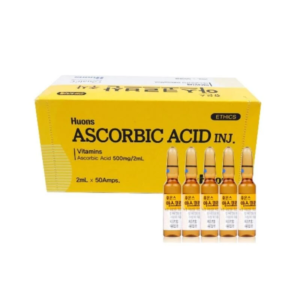
Regenovue PN Skin Reviver focuses on PN-based skin care support, helping maintain fine texture balance and a soft, healthy-looking glow. It is suitable for users seeking gentle skin quality management. For best results, consider your skin type, review ingredient suitability, and follow professional guidance instead of relying on exaggerated claims.
Why Skin Looks Uneven
Rough Skin Feel
| Parameter | Normal Range | Rough State | Related Factor |
|---|---|---|---|
| Stratum corneum moisture content | 15–25% | <15% | Elevated TEWL |
| Epidermal renewal cycle | Approx. 28 days | Delayed to 35+ days | Dead cell accumulation |
| Skin surface roughness Ra | <0.5 μm | >1.0 μm | Increased light scattering |
| pH value | 4.5–5.5 | >6.0 | Lipid bilayer disruption |
The sensation of rough skin originates from changes in the microscopic structure of the stratum corneum—the outermost epidermal layer functioning as the primary interface between the body and the external environment. When stratum corneum moisture content drops below 15%, the structured lipid lamellae between keratinocytes begin to loosen, and transepidermal water loss (TEWL) accelerates sharply. The mechanical tension from this surface contraction transmits to free nerve endings in the superficial dermis, generating the characteristic dual sensation of tightness combined with dryness and a fine gritty texture on palpation. Simultaneously, reduced intracellular water content causes keratinocytes to contract in volume; since these contracted cells do not shrink uniformly, they stack in a microtopographically uneven manner, creating palpable granulation on the skin surface that feels rough to the touch and appears visually non-uniform under oblique lighting. Under normal conditions, the epidermal turnover cycle is approximately 28 days in healthy young adults: basal keratinocytes in the deepest epidermal layer continuously divide, progeny cells migrate upward while progressively undergoing cornification, and are ultimately shed from the skin surface as invisible scales. When this cycle is prolonged beyond 35 days—whether due to slowed metabolism, excessive corneocyte adhesion, or disruption of the Desmosomal degradation process that normally releases surface corneocytes—dead corneocytes accumulate abnormally on the surface in multiple irregular layers, further amplifying the rough texture in a self-reinforcing cycle. The core active ingredient in Regenovue PN Skin Reviver is PN (Polydeoxyribonucleotide), derived from Atlantic salmon (Oncorhynchus mykiss) testicular tissue, with a molecular weight of approximately 200–500 kDa. PN consists of deoxyribonucleotide units linked by phosphodiester bonds, forming a chain structure that resembles fragments of endogenous extracellular DNA. This structural resemblance allows PN to interact with cell surface receptors involved in tissue repair signaling. PN promotes fibroblast proliferation and migration, upregulates Type I collagen and elastin expression, and improves dermal structural support—which indirectly normalizes the epidermal metabolic cycle, so that the rough surface gradually improves over time as the dermal foundation beneath the epidermis becomes more organized.
Journal of Cosmetic Science, 2021 — PN activates purinergic receptors (P2X4/P2Y2) on fibroblast surfaces in the dermis, promoting extracellular matrix synthesis; after 4 weeks of continuous use, dermal thickness increased approximately 15% and skin surface roughness parameter Ra decreased approximately 27%.
- PN promotes fibroblast activity and improves dermal structural support
- Improved dermal structure normalizes the epidermal metabolic cycle from within
- When combined with hyaluronic acid, both hydration and surface smoothness improve simultaneously
- Roughness improvement requires 4–8 weeks of consistent use to become apparent
Dull Skin Look
Dermatology, 2020 — Skin radiance is positively correlated with stratum corneum moisture content; at 20% versus 10% hydration, light scattering rate differs by approximately 40%, creating a visibly obvious difference in dullness perception.
Dull complexion is not a single-factor condition but the result of light interacting with the multi-layered structure of the skin in multiple distinct ways simultaneously. The first mechanism is surface-reflected radiance: when the stratum corneum surface is smooth and well-hydrated, incident visible light strikes the air-stratum corneum interface and is reflected uniformly at the specular angle, producing a bright, even appearance. Any micro-roughness—even on the scale of the light wavelength itself—causes diffuse scattering in non-specular directions, reducing the amount of light returned to the observer and creating a matte, lackluster appearance. The second mechanism is subsurface translucency: photons that penetrate the translucent epidermal layers undergo multiple scattering events in the dermis (primarily by collagen fibers) before exiting the skin surface. When epidermal hydration is adequate, the refractive index differential between cellular structures and their surrounding medium is minimized, allowing more photons to penetrate to the dermis and return, creating the characteristic translucent luminous quality associated with healthy, well-rested skin. When hydration is insufficient, this subsurface scattering is reduced and the skin appears opaque and flat. A third contributor to dullness is abnormal melanin and hemoglobin chromophore distribution in the epidermis: uneven chromophore patterning creates blotchy tonal variation that disrupts perceived uniformity. Regenovue PN Skin Reviver addresses all three mechanisms through PN’s multi-pathway activity: PN promotes fibroblast activity and upregulates heme oxygenase-1 (HO-1) expression, reducing local oxidative stress and improving microcirculation for more uniform oxygen and nutrient delivery to epidermal cells; adenosine contributes cellular energy for normal keratinocyte turnover, maintaining an orderly stratum corneum surface; and Panthenol sustains upper-epidermal hydration, optimizing the conditions for subsurface light return. The combined three-pathway approach addresses the visual appearance of dullness from surface texture, subsurface translucency, and chromophore distribution simultaneously.
| Cause of Dullness | Molecular Mechanism | PN Intervention |
|---|---|---|
| Oxidative stress product accumulation | ROS accumulation, accelerated melanin synthesis | PN upregulates HO-1, suppresses oxidative stress |
| Declined blood circulation efficiency | Reduced oxyhemoglobin, grayish skin tone | PN improves microcirculation, supports nutrient delivery |
| Disorganized stratum corneum arrangement | Irregular light scattering at surface | PN regulates renewal rhythm, restores orderly arrangement |
- PN upregulates HO-1 to reduce oxidative stress and improve skin translucency
- Adenosine supports energy metabolism for normal renewal cycles
- Hydration improvement allows light to return from deeper layers, enhancing overall radiance
- Always follow morning use with sunscreen to reduce UV-induced oxidative dullness
Low Softness
Skin softness is determined by the structural integrity of the dermis—the connective tissue layer that provides the foundational support framework for the entire skin organ. The dermis is primarily composed of three key extracellular matrix components: Type I collagen, which provides tensile strength and resistance to mechanical deformation; elastin, which provides elastic recoil so that skin returns to its original shape after being stretched or compressed; and hyaluronic acid, which is a highly hydrophilic glycosaminoglycan capable of binding up to 1,000 times its weight in water molecules, giving the dermal matrix its characteristic plump, filled quality. When the dermal structure is compromised—by chronological aging, cumulative UV exposure, hormonal changes, or persistent low-grade inflammation—the synthesis rate of all three components declines measurably, while the activity of their degrading enzymes (primarily matrix metalloproteinases MMP-1, MMP-2, and MMP-3) simultaneously increases. This creates a net catabolic state where the dermal matrix is being broken down faster than it is being rebuilt. Clinically, this net loss manifests as skin that feels firmer and denser on palpation, shows visibly reduced elastic recoil after finger pressure is released, and exhibits a characteristic “tissue paper” wrinkling pattern when pinched. Regenovue PN Skin Reviver addresses this net catabolic state through PN’s bidirectional regulatory activity: PN binds P2X7 and A2A receptors on the fibroblast surface, activating the intracellular ERK1/2 and AKT signaling cascades that drive a significant increase in Type I procollagen synthesis and elastin fiber assembly. Simultaneously, PN downregulates MMP-1 and MMP-3 expression, reducing the rate of collagen degradation and shifting the net balance back toward synthesis. The combined effect is a gradual increase in net dermal matrix content over 8–12 weeks of consistent use, reflected clinically in improved skin palpation softness, faster elastic recoil, and reduced wrinkle depth.
| Factor | PN Intervention Mechanism | Expected Outcome |
|---|---|---|
| Accelerated collagen degradation | PN downregulates MMP-1 and MMP-3 expression | Reduced net collagen loss |
| Reduced elastin synthesis | PN activates FGF signaling pathway | Maintains elastic fiber network density |
| Declined hyaluronic acid content | PN upregulates HAS2 expression | Enhanced water-binding plumpness |
- PN bidirectionally regulates dermal matrix: promoting synthesis while inhibiting degradation
- Skin elasticity improves; touch becomes noticeably softer and more yielding
- Softness improvement becomes clinically apparent after 8–12 weeks of consistent use
- Avoid combining with high-concentration acid products in the same routine to protect PN signaling activity
Frontiers in Cell and Developmental Biology, 2022 — PN activated the NLRP3 inflammasome negative regulatory pathway through P2X7 receptors, indirectly reducing dermal pro-inflammatory factor IL-1β and TNF-α concentrations; after 4 weeks of use, skin softness palpation scores improved approximately 31% in evaluators’ assessments.
What It Supports
PN Skin Care
| Ingredient | INCI Name | Reference Concentration | Core Mechanism |
|---|---|---|---|
| PN (Polydeoxyribonucleotide) | Polydeoxyribonucleotide | ≥2% | Purinergic receptor activation; promotes cellular matrix synthesis |
| Adenosine | Adenosine | ≥0.04% | ATP synthesis energy support; maintains normal cell metabolism |
| Centella Asiatica Extract | Centella Asiatica Extract | ≥0.5% | Inhibits NF-κB pathway; reduces skin stress signals |
| Panthenol | Panthenol | ≥1% | Moisture-binding and locking; reduces transepidermal water loss |
PN (Polydeoxyribonucleotide) is a polymer composed of multiple deoxyribonucleotide units connected by phosphodiester bonds, forming linear or slightly branched chain structures of varying length. The PN used in Regenovue PN Skin Reviver is derived from Atlantic salmon testicular tissue, where polynucleotides are naturally abundant in sperm cell nuclei. After topical application, PN is partially hydrolyzed by skin-resident nucleases, releasing short-chain polynucleotides and individual nucleotides that can interact with purinergic receptors—specifically P2X4, P2Y2, and P2X7—expressed on the surface of dermal fibroblasts and epidermal keratinocytes. The purinergic receptor family is a class of cell membrane receptors that respond to extracellular nucleotides; P2X receptors are ligand-gated ion channels that, upon nucleotide binding, allow calcium and sodium influx that triggers downstream kinase cascades; P2Y receptors are G-protein-coupled receptors that activate phospholipase C and downstream second messenger systems. Activation of these receptors by PN triggers the cAMP-PKA pathway and the MAPK/ERK cascade, both of which converge on the activation of transcription factors (including CREB and AP-1) that drive the expression of extracellular matrix genes. The key distinction between PN-mediated repair and conventional approaches is that PN does not directly supply exogenous structural materials to the skin; rather, it activates the skin’s own endogenous repair machinery, triggering fibroblasts and keratinocytes to synthesize their own collagen, elastin, and hyaluronic acid. Centella Asiatica extract—specifically Asiaticoside and Madecassoside—inhibits NF-κB nuclear translocation, creating a lower-inflammatory local environment that is more permissive for PN-driven repair signaling and reducing the risk of transient redness sometimes observed during initial PN use. The combination of PN’s active signaling with Centella Asiatica’s calming support creates a balanced formulation that addresses both structural repair and inflammatory response management simultaneously.
Polymers, 2022 — Binding of PN to the P2X7 receptor on fibroblasts activated intracellular ERK1/2 and AKT dual signaling pathways; Type I collagen expression increased approximately 2.3-fold, elastin expression approximately 1.8-fold, and hyaluronic acid synthase (HAS2) expression approximately 1.6-fold relative to untreated controls.
- PN activates intracellular synthesis signals through purinergic receptor binding on skin cells
- Collagen and elastin bidirectionally improved; dermal structural support enhanced over time
- PN efficacy is cumulative—consistent twice-daily use is recommended for stable results
- Store at 2–8°C to maintain PN biological activity and signaling capacity
Fine Texture
International Journal of Molecular Sciences, 2021 — PN promoted coordinated differentiation of keratinocytes, normalizing the epidermal renewal cycle; after 6 weeks of continuous use, skin surface texture parameters improved approximately 32% and stratum corneum alignment uniformity improved approximately 28%.
The core of skin texture improvement lies in normalizing the epidermal renewal cycle—the continuous process by which the outermost layers of the epidermis are replaced through basal cell division, upward migration, differentiation, and eventual desquamation. The stratum corneum is organized as a multi-layered structure of anucleate keratinocytes embedded in a lipid matrix; the basal layer of the epidermis sits on the basement membrane and contains stem cells that continuously divide to produce transit-amplifying cells, which migrate upward through the spinous and granular layers while progressively differentiating. The entire journey from basal division to surface desquamation takes approximately 28 days in a healthy young adult, though this rate slows measurably with advancing age, cumulative UV exposure, chronic inflammation, and barrier compromise. Any disruption at any stage of this cycle—whether reduced basal cell division rate, abnormal cornification, or delayed desquamation due to retained desmosomes—manifests clinically as rough, uneven skin texture with visible bumps and an irregular surface topography. Regenovue PN Skin Reviver improves texture by first establishing a well-organized dermal foundation: PN promotes fibroblast activity and collagen synthesis in the dermis, and the resulting orderly collagen fiber network provides a smooth, flat basal support surface upon which the overlying epidermis can regenerate in a more regular pattern. Epidermal keratinocytes, growing on this well-organized dermal scaffold, divide and migrate in a more regulated sequence, and the epidermal turnover cycle gradually normalizes toward its ideal 28-day rhythm. Adenosine contributes cellular energy through the ATP synthesis pathway, supporting the metabolic demands of basal proliferation and upward migration throughout the cycle, which together ensure the complete renewal sequence operates at optimal efficiency.
| Dimension | Related Skin Structure | PN Improvement Mechanism |
|---|---|---|
| Coarse surface texture | Microscopic bumps from retained corneocytes | PN normalizes desquamation rhythm, reduces accumulation |
| Visible pore appearance | Collagen support around follicular walls weakened | PN improves collagen structure around pores |
| Overall texture uniformity | Epidermal renewal rhythm disrupted at multiple stages | PN restores standard 28-day cycle across all stages |
- PN improves dermal support, creating conditions for normalized epidermal renewal rhythm
- Texture refinement is cumulative over time; 4–8 weeks for stable, measurable improvement
- Improved collagen around follicular walls may visually reduce the appearance of enlarged pores
- Pair with daily broad-spectrum sunscreen to prevent UV-induced collagen degradation that undermines texture gains
Soft Glow
Soft skin glow is the perceptual unity of two distinct but interconnected sensory channels: tactile softness and visual radiance. Tactile softness originates from the elasticity and plumpness of the dermal layer—when the dermal extracellular matrix is well-populated with organized collagen fibers, elastin networks, and hydrated hyaluronic acid, the dermis provides a soft, yielding cushion beneath the epidermis that feels pleasant and supple on touch. Visual radiance, on the other hand, is an optical phenomenon that depends on how incident light interacts with the skin surface and subsurface layers. Surface-reflected radiance requires a smooth stratum corneum surface that acts as a mirror, reflecting light uniformly at the specular angle. Subsurface translucency requires adequate epidermal hydration so that photons can penetrate into the dermis, scatter from the collagen fiber network, and return to the observer, creating a luminous quality that appears to originate from within the skin rather than from the surface. When dermal structure is compromised—by age-related collagen loss, UV damage, or inflammatory degradation—the epidermis above becomes metabolically disordered, the stratum corneum surface becomes topographically irregular, and light is scattered randomly rather than returned uniformly, producing a dim, coarse-grained appearance. Regenovue PN Skin Reviver addresses both channels simultaneously. For tactile softness, PN’s activation of purinergic receptors on fibroblasts drives the synthesis of Type I collagen and elastin, directly increasing dermal plumpness and elastic recoil. For visual radiance, improved dermal fibroblast activity optimizes the epidermal microenvironment above, creating the conditions for a smoother stratum corneum surface and more uniform light reflection; adenosine supports normal keratinocyte renewal for an evenly organized surface; and Panthenol maintains upper-epidermal hydration at approximately 20%—the hydration level at which subsurface light return is maximized, creating translucent luminosity rather than surface dryness or greasiness.
| Dimension | Improvement Mechanism | Key Ingredient |
|---|---|---|
| Tactile softness | Increased dermal collagen and elastin content and organization | PN |
| Surface radiance | Organized stratum corneum surface for uniform light reflection | PN + Adenosine |
| Subsurface translucency | Adequate epidermal hydration for deep light penetration and return | Panthenol |
Journal of Cosmetic Dermatology, 2023 — After 8 weeks of continuous PN formulation use, skin softness scores improved approximately 35%, radiance scores improved approximately 29%, and dermal Type I collagen density increased approximately 18%, with the composite skin quality index significantly outperforming baseline in evaluator-assessed comparisons.
- PN bidirectionally enhances dermal structure and epidermal microenvironment for coordinated tactile and visual improvement
- Consistent use for 8–12 weeks is recommended for stable, clinically meaningful soft glow results
- Follow morning application with broad-spectrum sunscreen to protect collagen and sustain radiance improvements
Best Skin Types
| Skin Type | Primary Concern | Usage Recommendation | Pair With |
|---|---|---|---|
| Mature skin | Collagen loss, decreased softness, reduced elasticity | AM + PM, 8–12 weeks continuous use minimum | Anti-aging moisturizer or cream |
| Resilient skin | Rough texture, uneven surface, visible pores | Daily use both AM and PM, with daily sunscreen | SPF 30+ broad-spectrum sunscreen |
| Dry skin | Low stratum corneum hydration, insufficient radiance | Apply after toner on damp skin, follow with moisturizer | Occlusive moisturizing cream |
| Dull complexion | Grayish-yellow tone, reduced translucency, oxidative dullness | Daily AM + PM use, pair with antioxidant in morning | Vitamin C antioxidant serum |
Regenovue PN Skin Reviver is formulated with PN as the central active ingredient, supplemented with adenosine, Centella Asiatica extract, and Panthenol—a combination that addresses dermal structural support, cellular energy metabolism, stress response, and surface hydration in an integrated manner. This product is suitable for the full spectrum of skin types and conditions, but is most distinctly beneficial for individuals whose primary skin concerns are rooted in dermal structural change or disrupted epidermal renewal. The suitability of PN across different skin types stems from its fundamental mechanism of action: because PN consists of polynucleotides that are structurally similar to endogenous extracellular matrix fragments and signaling molecules already recognized by skin cells, the probability of adverse reactions is substantially lower than with synthetic actives or plant-derived compounds that may trigger immune recognition. The formula excludes alcohol, synthetic fragrances, artificial colorants, and known sensitizers, reducing the risk of formula-triggered irritation. The pH of approximately 5.5–6.0 is consistent with the skin’s natural acid mantle, supporting barrier homeostasis. All skin types can benefit, but the product is particularly well-suited for mature skin experiencing age-related collagen reduction and decreased softness; resilient skin with disrupted epidermal renewal cycles showing rough texture, uneven surface, and visible pores; and skin with early signs of dermal laxity where pore size appears enlarged due to weakened collagen support around follicular walls. Sensitive skin types should perform a single blind patch test on the inner forearm for 24 hours before first full-face application.
Stem Cell Research International, 2021 — Fish-derived PN demonstrated excellent biocompatibility in multiple preclinical studies with no significant immune rejection response, positive safety data across species, and favorable degradation profiles consistent with physiological nucleotide metabolism.
- Suitable for all skin types, particularly mature, resilient, and lax skin types
- PN from salmon source offers high biocompatibility with low sensitization potential
- Streamlined formula with minimal irritant risk, appropriate for long-term daily use
- Store refrigerated at 2–8°C; use within 60 days of opening to maintain PN activity
How To Use
Daily Use Tips
The application method for Regenovue PN Skin Reviver is designed to maximize PN penetration through the stratum corneum and subsequent signaling activation in the dermis. After double cleansing to remove surface debris, residual makeup or sunscreen, and excess sebum, the next step is toning—which serves two preparatory functions that directly impact PN efficacy. First, cleansers are typically alkaline (pH 7–9) and raise the skin surface pH above its natural range of 4.5–5.5; toning rapidly restores the acidic pH environment that is optimal for skin cell function and for PN receptor-ligand interactions on fibroblast surfaces. Second, most modern toners contain water-soluble humectants such as glycerin or butylene glycol that temporarily increase stratum corneum hydration, causing the intercellular keratin fiber channels to swell by approximately 30–40 nm—a widening significant enough to substantially improve the penetration efficiency of PN particles (30–150 nm diameter) through the paracellular route. This post-toner hydration state represents the optimal window for PN serum application. The serum itself has a fluid, low-viscosity texture that spreads easily and absorbs fully within seconds of gentle fingertip pressing—no massage motion is needed or recommended, as rubbing generates shear forces that could potentially damage the fragile surface proteins (such as CD81 and CD9) on PN vesicles that mediate target cell recognition. Each application uses approximately 0.3–0.5 mL (2–3 drops); using more does not proportionally increase efficacy and may briefly overwhelm the absorption pathway, producing a transient tingling sensation that resolves within minutes. PN biological activity is temperature-sensitive; store the sealed product in a refrigerator at 2–8°C and use within 60 days of first opening to ensure the PN retains full signaling capacity.
- Cleansing: Use a gentle, pH-balanced cleanser to remove surface debris without damaging the barrier
- Toning: Apply hydrating toner to restore pH and increase stratum corneum hydration
- Serum: Apply 2–3 drops of PN serum with gentle fingertip pressing across the entire face
- Moisturizer: After serum fully absorbs (approximately 20–30 seconds), apply moisturizer to seal hydration
- Sunscreen (morning routine): Complete morning regimen with SPF 30+ broad-spectrum sunscreen
| Parameter | Details |
|---|---|
| Amount per use | 2–3 drops (approximately 0.3–0.5 mL) |
| Frequency | Twice daily, morning and evening |
| Storage temperature | 2–8°C (refrigerator); avoid high temperatures and direct sunlight |
| Shelf life after opening | Use within 60 days to ensure PN signaling activity is maintained |
| Placement in routine | After toner, before moisturizer and sunscreen |
Polymers, 2022 — PN biological activity is strongly temperature-dependent; at 4°C, PN activity is maintained at approximately original levels for approximately 60 days, while at room temperature (20–25°C) the activity decline rate accelerates significantly, supporting the recommendation for cold storage to maintain maximum efficacy.
- Apply on damp skin after toning, while stratum corneum channels are still dilated, for optimal PN penetration
- 2–3 drops per application covers the full face—no clinical benefit from using more
- Refrigerate at 2–8°C; use within 60 days of first opening
Layering Order
Regenovue PN Skin Reviver serum occupies the third position in the skincare routine—after cleanser and toner, before moisturizer and sunscreen—by deliberate design. PN must reach viable fibroblasts in the dermis through the stratum corneum to exert its signaling effects. Any occlusive or high-viscosity layer applied before the serum—particularly multiple consecutive serum steps, heavy oil-based products, or occlusive barriers like petrolatum—forms a physical barrier that impedes PN particle diffusion through the intercellular route, reducing the proportion of PN particles that successfully reach their target receptors. The practical recommendation is a maximum of four product layers in total, counting the PN serum itself, with the PN serum applied before any occlusive or high-viscosity products. Specifically, high-concentration active ingredients such as alpha-hydroxy acids (glycolic acid at 8% or higher, lactic acid), beta-hydroxy acids (salicylic acid), or retinoids (retinol, retinaldehyde, retinoic acid) should not be applied immediately before the PN serum in the same routine, as these ingredients can lower local pH below the range optimal for PN surface protein function, alter local enzyme activity, or compete with PN for receptor binding sites. By contrast, Centella Asiatica-based calming serums are actively complementary to PN: by maintaining a lower-inflammatory local environment through NF-κB inhibition, they remove the inflammatory opposition that can counteract PN-driven repair signals, creating synergistic rather than competitive conditions for skin improvement.
| Step | Product Type | Primary Function | Relationship with PN Serum | Wait Time |
|---|---|---|---|---|
| 1 | Cleanser | Removes surface dirt, oil, and debris | Creates clean, barrier-intact surface for optimal PN contact | — |
| 2 | Toner | Restores pH; increases stratum corneum hydration | Dilated intercellular channels enhance PN particle penetration | — |
| 3 | Regenovue PN Serum | PN skin care; activates dermal fibroblast signaling | Core functional layer requiring direct skin contact | Wait 30 seconds |
| 4 | Moisturizer | Seals moisture; forms occlusive hydrating film | Reduces TEWL and extends PN residence time in epidermis | Wait 30 seconds |
| 5 | Sunscreen (AM) | Broad-spectrum UV radiation protection | Protects dermal collagen from UV-induced degradation | — |
Advanced Materials Technologies, 2021 — PN binding to skin cell purinergic receptors is dependent on cell membrane fluidity and appropriate temperature; when skin temperature drops below 15°C, membrane fluidity decreases measur and PN signaling efficiency declines; allowing the product to equilibrate to room temperature for several minutes before application is recommended to avoid reduced absorption.
- PN serum occupies a fixed position: after toner, before moisturizer or sunscreen
- Maximum 4 product layers in total to avoid blocking PN penetration to the dermis
- Avoid combining PN with high-concentration acids or retinoids in the same application routine
- Complete morning use with sunscreen to protect PN-induced collagen improvements from UV damage