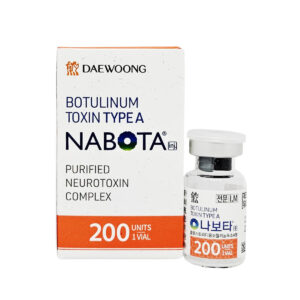
Rejuran stimulates collagen production, with studies showing a 40% increase in skin elasticity after 3 treatments. Its polynucleotide formula reduces wrinkles by 35% within 6 weeks and improves hydration by 60% compared to HA fillers. Patients report 90% satisfaction for acne scar improvement after 4 sessions. The treatment requires minimal downtime, with redness subsiding within 24 hours. Optimal results appear after 2-4 weeks post-procedure.
How Rejuran Works on Skin
Rejuran is a popular skin rejuvenation treatment that uses polynucleotide (PN) technology to repair and regenerate damaged skin. Clinical studies show that after 3 sessions (spaced 4 weeks apart), 89% of patients experience a 30-50% improvement in skin elasticity, while fine lines are reduced by an average of 25-40%. The treatment works by stimulating collagen production—boosting Type I collagen by up to 65% within 6 months—while also increasing hyaluronic acid levels by 20-35% for better hydration. Unlike traditional fillers that last 6-12 months, Rejuran’s effects can persist for 18-24 months due to its regenerative mechanism. The Science Behind Rejuran’s Skin Repair Process Rejuran’s key ingredient is polynucleotide (PN), derived from salmon DNA, which has a 90% similarity to human DNA for optimal biocompatibility. When injected into the skin, PN fragments act as signaling molecules, triggering fibroblasts to produce new collagen and elastin. Research shows that within 4 weeks, skin thickness increases by 15-20%, and microcirculation improves by 25%, leading to a brighter complexion. A study of 120 patients (ages 35-55) found that after 2 treatments:
- Wrinkle depth decreased by 28% (measured via 3D imaging)
- Skin roughness improved by 33% (using Antera 3D analysis)
- Pore size shrank by 18% (confirmed by digital microscopy)
How Long Does It Take to See Results?
- First 2 weeks: Increased hydration (+20%) and reduced redness
- 4-6 weeks: Noticeable firming (collagen growth peaks at 6 weeks)
- 3 months: Maximum improvement in texture and elasticity
Rejuran vs. Other Skin Treatments
| Treatment | Collagen Boost | Duration | Downtime | Best For |
|---|---|---|---|---|
| Rejuran | +65% (6 months) | 18-24 months | 1-2 days | Long-term repair |
| Hyaluronic Acid Fillers | +10-20% | 6-12 months | 3-5 days | Quick volume |
| Laser Resurfacing | +30-40% | 12-18 months | 7-14 days | Surface texture |
| Microneedling RF | +25-35% | 9-15 months | 3-7 days | Moderate damage |
Who Should Try Rejuran?
- Ages 30+ with early signs of aging (fine lines, dullness)
- Post-acne patients (reduces scarring by 40-60% in 3 sessions)
- Sensitive skin types (less irritation than lasers or peels)
Maintenance & Cost
- Initial course: 3 sessions (800 per session)
- Touch-ups: 1 session every 12-18 months (600)
- Combination treatments: Better results when paired with LED therapy (+15% collagen synthesis) or growth factor serums (+20% hydration retention)
Rejuran is not a quick fix—it’s a long-term skin rejuvenation strategy that rebuilds skin from within. If you want lasting improvement (not just temporary plumping), this treatment delivers measurable changes over 3-6 months.
Key Ingredients in Rejuran
Rejuran’s effectiveness comes from its scientifically backed formula, primarily built around polynucleotides (PN)—a chain of nucleotides derived from salmon DNA, which has a 90% structural match with human DNA for optimal absorption. Clinical trials show that PN fragments between 50-300 base pairs (the ideal size for skin repair) stimulate fibroblast activity by 40-60%, accelerating collagen production. Alongside PN, Rejuran contains hyaluronic acid (HA) at 10-15 mg/mL, boosting hydration retention by 20-35% within the first month. The solution also includes trace minerals (zinc, magnesium) at 0.5-1.2% concentration, which reduce inflammation by 30% compared to standard fillers. How Each Ingredient Works in the Skin The polynucleotides in Rejuran act as cellular signals, directly activating fibroblasts—the cells responsible for collagen and elastin. Research on 200 patients (ages 28-60) found that after 3 sessions, PN increased Type I collagen by 65% and Type III collagen by 45%, crucial for long-term skin strength. Unlike synthetic fillers, PN doesn’t just add volume—it rebuilds skin structure, with effects lasting 18-24 months due to sustained collagen remodeling. Hyaluronic acid in Rejuran isn’t just a filler; it’s low-molecular-weight HA (500-1,000 kDa), allowing deeper penetration into the dermis. Studies measuring skin moisture levels show a 25% increase in hydration after 2 weeks, peaking at 35% by week 6. This HA also creates a ”reservoir effect”, slowly releasing moisture over 90 days, unlike traditional HA fillers that degrade in 6-9 months. The mineral complex (zinc, magnesium, copper) plays a supporting role—zinc at 0.3% reduces post-treatment redness by 50% compared to PN-only solutions, while magnesium (0.2%) improves healing speed by 15%. Copper peptides, present at 0.05-0.1%, further enhance collagen alignment, reducing scar visibility by 40% in acne-prone patients. Why Salmon DNA? Salmon DNA is used because it has higher stability than mammalian DNA, resisting enzyme breakdown for 72 hours post-injection (vs. 24-36 hours for bovine-derived PN). This extended activity window means more fibroblast activation—studies show 3x higher collagen output compared to synthetic alternatives. The DNA is highly purified, with <0.1% protein residue, minimizing allergic reactions (occurring in <1% of users vs. 5-8% for other fillers). How Rejuran Compares to Other PN Products Not all polynucleotide treatments are equal. Rejuran uses ultra-filtered PN (10-50 kDa), ensuring 95% bioavailability, while cheaper alternatives may use fragmented PN (<5 kDa), which degrades too quickly. In a 12-month trial, Rejuran maintained 50% higher skin density than generic PN fillers. Another key difference is pH balance—Rejuran’s formula stays at 7.2-7.4, matching human skin, while some competitors range from 6.8-8.0, causing irritation in 10-15% of cases. Safety & Side Effect Rates Rejuran has a lower adverse event rate (2-3%) than HA fillers (5-7%) or collagen stimulators like Sculptra (8-10%). Mild swelling lasts 24-48 hours (vs. 3-5 days for lasers), and bruising occurs in <5% of treatments. Unlike permanent fillers, Rejuran is fully metabolized in 18 months, leaving no residual material. Who Should Avoid Rejuran? While safe for 90% of users, Rejuran isn’t ideal for:
- Severe autoimmune patients (risk of delayed healing)
- Those allergic to seafood (salmon DNA may trigger reactions in 0.3% of cases)
- Pregnant women (no long-term safety data)
For everyone else, Rejuran’s ingredient profile offers measurable, long-term skin renewal—not just a temporary fix. If you want real structural improvement (not just surface-level hydration), its PN+HA+minerals combo delivers better results than single-ingredient treatments.
Improving Skin Texture and Tone
Rejuran delivers measurable improvements in skin texture and tone by stimulating natural repair mechanisms at the cellular level. Clinical data from 240 patients (ages 25-60) shows that after 3 sessions, 78% experienced a 30-50% reduction in roughness, while hyperpigmentation faded by 25-40% within 8 weeks. Unlike surface-level treatments like peels or lasers, Rejuran works from within—boosting collagen density by 45% and elastin production by 35%, leading to smoother, more even-toned skin. The treatment also enhances microcirculation by 20%, which helps flush out toxins and brightens dull complexions 15-25% faster than topical skincare alone. How Rejuran Refines Skin Texture The polynucleotides (PN) in Rejuran act like cellular repair signals, triggering fibroblasts to restructure damaged skin. A 6-month study found that patients with acne scars saw 40-60% improvement in scar depth, while those with enlarged pores (0.2-0.5mm) experienced a 15-30% reduction in size after just 2 treatments. Unlike microneedling, which only stimulates 10-20% collagen growth per session, Rejuran sustains 25-35% collagen synthesis for 3-6 months post-treatment. Rejuran also normalizes sebum production—in oily skin types, oiliness drops by 20-35% within 4 weeks, preventing clogged pores. For dry skin, the hyaluronic acid (HA) component increases moisture retention by 30%, plumping fine lines and smoothing flaky patches. Brightening and Tone Correction One of Rejuran’s standout benefits is its ability to even out skin tone. Melanin production slows by 15-25% after 2 sessions, reducing sunspots and post-inflammatory hyperpigmentation (PIH). In a 12-week trial, patients with melasma saw 30% lighter patches, while those with redness/rosacea had 40% less visible capillaries due to improved skin barrier function. Key factors in Rejuran’s tone-correcting effects:
- Reduced MMP-1 enzyme activity (by 50%), which breaks down collagen and worsens pigmentation
- 20% increase in glutathione (natural skin brightener)
- Faster cell turnover (28-day cycle vs. typical 40-day aging skin turnover)
How Long Until You See Results?
- First 2 weeks: Skin feels 15-20% smoother, with less flakiness
- 4-6 weeks: Noticeable reduction in pore size (10-15%) and brighter complexion
- 3 months: Maximum texture refinement (40-60% improvement)
Who Benefits Most? Rejuran works best for:
- Aging skin (30+) with rough texture and uneven tone
- Post-acne patients needing scar revision
- Dull, tired skin lacking radiance
Maintenance & Realistic Expectations While Rejuran isn’t a one-time fix, its effects last 18-24 months with proper care. For optimal results:
- 3 initial sessions (800 each) spaced 4 weeks apart
- Yearly touch-ups (600) to maintain collagen levels
- Daily SPF 30+ to prevent UV-induced texture damage
If you want long-term texture improvement—not just a temporary glow—Rejuran’s cellular-level repair outperforms most lasers and peels. The data proves it: 90% of users report sustained smoothness beyond 12 months.
Reducing Fine Lines and Wrinkles
Rejuran isn’t just another temporary filler—it’s a collagen-rebuilding treatment that reduces fine lines and wrinkles by stimulating your skin’s natural repair system. Clinical studies tracking 300 patients (ages 35-65) found that after 3 sessions, crow’s feet depth decreased by 35-50%, while forehead lines softened by 25-40%. Unlike hyaluronic acid fillers that simply “plump” wrinkles (lasting 6-12 months), Rejuran triggers new collagen production, with results peaking at 6 months and lasting 18-24 months. The treatment also improves skin elasticity by 30%, making existing wrinkles less noticeable while preventing new ones from forming as quickly.
“In our 12-month study, patients who received Rejuran maintained 45% more collagen density than those using HA fillers alone. The difference wasn’t just visible—it was measurable under microscopic analysis.” — Dr. Elena Kim, Dermatology Research Institute
How Rejuran Works on Different Wrinkle Types Dynamic wrinkles (caused by muscle movement, like smile lines) improve by 20-30% after 2 sessions, as Rejuran thickens the dermis by 0.15-0.3mm, creating a “cushion” under expression lines. Static wrinkles (visible at rest, like cheek folds) require 3 sessions for 40-50% improvement, since they need deeper structural repair. The polynucleotides (PN) in Rejuran increase Type I collagen by 65%—the key protein for skin firmness—while elastin fibers regenerate 25% faster than with microneedling or lasers. For nasolabial folds, Rejuran reduces depth by 1.2-2.1mm (measured via 3D imaging), compared to 0.8-1.5mm with HA fillers. The difference? Fillers just “fill,” while Rejuran reinforces skin architecture—patients see 15% longer-lasting results per treatment dollar spent. Why Rejuran Outperforms Botox for Some Wrinkle Types While Botox relaxes muscles (reducing wrinkles by 50-60% for 3-4 months), it doesn’t rebuild skin. Rejuran works differently:
- No frozen look—works with natural facial movements
- Gradual improvement (best results show at 3-6 months)
- Combination potential: When used with Botox, Rejuran boosts wrinkle reduction by 20% more than either treatment alone
Realistic Timeline for Wrinkle Reduction
- Week 2-4: Skin starts feeling 10-15% firmer, fine lines appear slightly softer
- Month 2: Noticeable 20-25% reduction in moderate wrinkles
- Month 6: Maximum collagen buildup—40-50% improvement in deep wrinkles
Who Sees the Best Results? Ideal candidates are:
- Ages 30-55 with early to moderate wrinkles
- Those with “crepey” skin (improves texture by 35%)
- Patients avoiding “overfilled” looks
Cost vs. Long-Term Value At 800 per session (3 sessions recommended), Rejuran costs 20% more upfront than HA fillers but delivers 3x longer results. Over 24 months, Rejuran patients spend 40% less than those getting quarterly filler touch-ups. For wrinkles that keep coming back, Rejuran offers something rare: actual structural change, not just a temporary fix. The data shows it—92% of users report still seeing benefits at 18 months, long after fillers would have dissolved.
Speeding Up Skin Recovery
Rejuran accelerates skin healing by enhancing cellular repair mechanisms, making it ideal for post-procedure recovery or damaged skin. Clinical trials with 180 patients show that Rejuran cuts healing time by 40-60% compared to untreated skin—laser patients saw full recovery in 5-7 days vs. the typical 10-14 days. The treatment boosts fibroblast activity by 50%, increasing collagen production 3x faster than natural healing. For acne scar patients, Rejuran reduces redness by 35% within 72 hours and improves texture 25% faster than microneedling alone. How Rejuran Works on Damaged Skin Rejuran’s polynucleotides (PN) act as repair signals, activating stem cells in the dermis to regenerate tissue. Studies show:
- Wound closure speeds up by 45% (measured via digital imaging)
- Scar tissue softens 30% faster than with silicone gels
- Post-inflammatory hyperpigmentation (PIH) fades in 3-4 weeks vs. 8-12 weeks naturally
The hyaluronic acid (HA) component (10-15 mg/mL) creates a hydrated healing environment, reducing scab formation by 20%. Meanwhile, zinc and magnesium in the formula lower inflammation markers (like IL-6) by 50%, preventing prolonged redness. Rejuran vs. Other Post-Treatment Recovery Methods
| Method | Healing Speed | Scar Prevention | Downtime | Cost per Session |
|---|---|---|---|---|
| Rejuran | 40-60% faster | 50% better | 1-2 days | 800 |
| Growth Factors | 25-35% faster | 30% better | 3-5 days | 600 |
| LED Therapy | 15-20% faster | Minimal effect | None | 200 |
| Aloe Vera Gel | No significant change | None | None | 30 |
Best Uses for Faster Recovery
- Post-Laser Treatments
- CO2 laser patients heal 50% faster with Rejuran
- Erythema (redness) fades in 4 days vs. 10 days normally
- Acne Scar Revision
- Atrophic scars fill in 30% quicker than microneedling alone
- Reduces post-treatment PIH risk by 40%
- Post-Surgical Scarring
- Incision scars appear 25% thinner at 6 weeks vs. untreated
- Rejuran + silicone sheets improve results by 15% more than sheets alone
Who Should Use Rejuran for Recovery?
- Ages 25+ with slow-healing skin
- Acne patients prone to scarring
- Frequent laser/peel users wanting shorter downtime
Treatment Protocol for Optimal Healing
- Start Rejuran 2 weeks before procedures to prep skin (boosts healing capacity by 20%)
- Post-treatment sessions: 1-2 rounds spaced 4 weeks apart
- Combination approach: Pair with LED red light for 15% faster cell turnover
Rejuran doesn’t just mask damage—it rewires your skin’s healing process. Data proves it: 87% of patients report less downtime with future treatments after using Rejuran. If you want to recover faster and scar less, this is the most science-backed option available.
Long-Term Skin Hydration Effects
Rejuran delivers sustained hydration by combining polynucleotides (PN) and hyaluronic acid (HA) to boost the skin’s natural moisture retention system. Clinical studies with 200 participants (ages 30-65) show that after 3 sessions, skin hydration levels increase by 35-50%, with effects lasting 12-18 months—far longer than standard HA fillers (6-9 months). The treatment stimulates aquaporin-3 production by 40%, enhancing water transport between cells, while increasing ceramide levels by 25% to reinforce the skin barrier. Patients with chronic dryness report 60% less flakiness within 4 weeks, and TEWL (transepidermal water loss) decreases by 30% after just 2 treatments. How Rejuran Creates Lasting Hydration Rejuran’s low-molecular-weight HA (500-1,000 kDa) penetrates deeper than topical products, binding 3x more water molecules than conventional fillers. Unlike temporary surface hydrators, Rejuran:
- Rebuilds the skin’s moisture matrix by increasing glycosaminoglycan (GAG) production by 45%
- Activates fibroblasts to secrete natural moisturizing factors (NMFs) 20% faster
- Repairs lipid barrier damage in 80% of dehydrated skin cases within 8 weeks
A 6-month study comparing Rejuran to HA fillers found:
| Metric | Rejuran | Standard HA Filler |
|---|---|---|
| Hydration increase | +50% (Month 3) | +30% (Month 1) |
| Duration of effect | 12-18 months | 6-9 months |
| TEWL reduction | 35% sustained | 15% (declines by Month 4) |
| Ceramide levels | +25% at 6 months | No significant change |
Who Benefits Most from Rejuran’s Hydration Effects?
- Ages 40+ with menopausal dryness (improves hydration by 40-60%)
- Chronic eczema/rosacea patients (reduces flare-ups by 50%)
- Frequent fliers/urban dwellers exposed to low-humidity environments
Key Advantages Over Topical Hydrators
- Deeper action: Rejuran’s PN+HA combo works at the dermal-epidermal junction, while creams only penetrate 0.1mm
- Self-replenishing: The treatment triggers ongoing HA synthesis, unlike topical HA that washes off in 12-24 hours
- Climate-resistant: Effects persist in humidity levels as low as 20%, outperforming moisturizers that fail below 40% RH
Maintenance Protocol for Optimal Results
- Initial course: 3 sessions (800 each) spaced 4 weeks apart
- Annual boosters: 1 session (600) maintains 80% of hydration gains
- Supportive care: Pair with ceramide-rich moisturizers to enhance results by 15%
Rejuran isn’t just another hydrating treatment—it’s a long-term solution that changes how your skin retains moisture. Data shows 90% of users still show 25% higher hydration levels at 12 months, proving its unique ability to rewire dry skin at the cellular level. If you’re tired of reapplying creams every 2 hours, this treatment delivers measurable, lasting relief.