The core ingredient of Botulax is high-purity type A botulinum toxin, with a purity of over 99%. Each 100 units of its formulation contains 0.5mg human serum albumin as a stabilizer, with minimal impurities and extremely low protein content. This precise formula not only ensures high clinical safety but also provides more stable anti-aging effects, making it a recognized, professional, and cost-effective authoritative choice in the field of medical aesthetics.
Active Ingredient
The main active ingredient of Botulax is 150 kDa type A botulinum toxin. In the formulation, it exists in the form of a 900 kDa macromolecular complex. The product is extracted from the CBFC26 strain, with a protein purity exceeding 99.5%. Each is potency-calibrated via LD50 bioassay, available in 50U, 100U, and 200U specifications, with errors strictly controlled between 80% and 125%. By cleaving the SNAP-25 protein, it achieves neural signal blockade for up to 4 to 6 months.
Strain Source
Botulax uses Clostridium botulinum ATCC 3502 and its derived CBFC26 strain, belonging to subtype 1 of type A botulinum (A1). In the classification standards for biopharmaceuticals, the genomic characteristics of this strain are fully recorded in international public databases. Its chromosome length typically ranges between 3.88 and 4.0 megabase pairs (Mb), and the average G+C content ratio is maintained at around 28.2%. To ensure uniformity of toxin expression during the production process, the manufacturing facility has established a strict Master Seed Lot (MSL) and Working Seed Lot (WSL) secondary bank management system. The original seed strain is stored in a -70°C ultra-low temperature environment or -196°C liquid nitrogen tanks to prevent biological trait drift during long-term passage. Every 5 to 10 years, the laboratory performs whole-genome resequencing on the master seed bank to verify whether the sequence encoding the neurotoxin protein has undergone base mutations, thereby ensuring the protein structure composed of 1296 amino acids remains consistent. In terms of biological safety management, the source and preservation of the strain comply with international biological weapons conventions and various national biosafety level standards. This specific botulinum bacterium exhibits stable metabolic characteristics during growth. Its toxin-producing gene cluster is located on the chromosome and contains multiple specific functional genes such as bont/a, ntnh, ha-70, ha-33, and ha-17. By controlling the redox potential in the anaerobic fermenter to remain below -400 mV, the strain can be induced into a high-efficiency toxin production stage.
| Strain and Environmental Parameters | Technical Indicators and Quantitative Data |
|---|---|
| Strain Number | CBFC26 / ATCC 3502 Derivative |
| Serotype | Type A (Subtype A1) |
| Genome Size | Approx. 3.89 Mbp |
| Number of Encoded Amino Acids | 1,296 (Neurotoxin part) |
| Seed Bank Storage Temperature | -196°C (Liquid Nitrogen) or -70°C (Dry Ice/Ultra-low Temperature) |
| Anaerobic Redox Potential | < -400 mV |
| Fermentation Cycle | 48 to 72 hours |
| Medium pH Range | 6.8 – 7.2 |
The strain selection process excludes hybrid strains that produce atypical toxins or concomitantly produce type B or type E toxins, ensuring a single component. During the fermentation phase, the strain has specific consumption rates for nitrogen and carbon sources in the medium, typically using 2% peptone, 1% yeast extract, and 0.5% glucose as the basic formula. By monitoring the growth curve of the strain in an environment of 34.0°C to 35.5°C, when the optical density (OD value) reaches a specific threshold, the strain releases endogenous proteases that cleave the original single-chain toxin protein into an active double-chain structure consisting of a heavy chain (100 kDa) and a light chain (50 kDa). The efficiency of this endogenous cleavage process is very stable in the CBFC26 strain, with the proportion of activated toxin in the finished product typically exceeding 95%.
- Secondary Seed Bank System: Establishing the Master Seed Lot (MSL) as the foundation and expanding it into the Working Seed Lot (WSL) only when necessary to reduce the number of times the strain is exposed to the external environment.
- Genetic Stability Monitoring: Using single nucleotide polymorphism (SNP) analysis technology to regularly compare genetic differences between the production strain and the original strain.
- Metabolic Kinetic Monitoring: Real-time recording of the accumulation of metabolites such as acetic acid and butyric acid during the fermentation process as indirect indicators for evaluating strain activity.
- Sterile Grading Verification: Each seed must pass a Gram stain experiment before opening to confirm its typical short, thick rod-shaped morphology and the presence of oval spores.
- Toxin Yield Calibration: Determining the Lf value (flocculation units) in the fermentation broth through small-scale pre-fermentation to ensure the strain’s toxin production potency meets production standards.
The laboratory has performed refined modeling of the anaerobic fermentation process for this strain. The stirring speed in the fermenter is usually set between 30 and 50 rpm to avoid high shear forces that could damage the bacteria or cause premature degradation of the toxin protein. During the centrifugation and chromatography stages after fermentation, specific ion-exchange resins are selected for purification based on the charge characteristics of the protein produced by the strain. A major biological advantage of the CBFC26 strain is the extremely high proportion of 900 kDa complex protein it produces. This macromolecular complex effectively encapsulates the 150 kDa active ingredient in the center, allowing it to maintain its spatial conformation during the subsequent vacuum drying process.
Molecular Composition
The molecular structure of Botulax exhibits a typical high-molecular-weight complex structure. In its undiluted state, the finished product primarily exists in the form of a 900 kDa macromolecular complex (LL-Complex). This complex is not a single protein but rather an aggregate formed by the 150 kDa neurotoxin protein and approximately 750 kDa of non-toxin accessory proteins (NAPs) through non-covalent bonds. The 150 kDa active part is the main entity that produces biological effects, while the surrounding accessory protein components include non-toxic non-hemagglutinin (NTNH) and various hemagglutinin proteins (HA-70, HA-33, HA-17). This large 900 kDa structure is physically and chemically more stable than the 150 kDa protein alone, protecting the internal active polypeptide chain from mechanical stress or environmental pH fluctuations during the vacuum drying phase of production and during storage. When the drug is injected into human tissue and the environmental pH changes from the acidic environment of the formulation to a physiological neutral pH 7.4, this 900 kDa complex rapidly dissociates, releasing the 150 kDa active toxin molecules to seek neural receptors.
| Component | Molecular Weight (kDa) | Quantity/Ratio | Structural Composition and Chemical Characteristics |
|---|---|---|---|
| Type A Botulinum Neurotoxin (BoNT/A) | Approx. 150 kDa | 1 unit | Composed of 100 kDa heavy chain and 50 kDa light chain, connected by a disulfide bond |
| Non-toxic Non-hemagglutinin (NTNH) | Approx. 130-140 kDa | 1 unit | Has a folding structure similar to the toxin but lacks toxicity, providing physical protection |
| Hemagglutinin HA-70 | Approx. 70 kDa | 2-3 units | Involved in complex shell construction, contributing to stability in specific environments |
| Hemagglutinin HA-33 | Approx. 33 kDa | 4-6 units | The most abundant accessory protein component in the complex, forming a peripheral protective barrier |
| Hemagglutinin HA-17 | Approx. 17 kDa | 3-4 units | Fills gaps in the complex structure, enhancing the overall compactness of the molecular structure |
The 150 kDa neurotoxin part is the biochemical basis for Botulax’s action, with its molecular interior composed of 1,296 amino acid residues. During the protein modification stage after strain fermentation, the original single peptide chain is cleaved by proteases at specific sites to form a double-chain structure consisting of a 100 kDa heavy chain and a 50 kDa light chain. These two chains are interconnected by a disulfide bond; the integrity of this chemical bond is crucial for the release of activity after the drug enters the cell. The heavy chain is further divided into two functional domains: the C-terminal (Hcc) is responsible for precise recognition of gangliosides and SV2 receptors on the surface of motor neurons, while the N-terminal (Hcn) is responsible for forming a transport channel on the cell membrane. The 50 kDa light chain is essentially a zinc-ion dependent endopeptidase, and its molecular center contains a HEXXH sequence motif that can chelate a Zn2+ zinc atom. In biochemical reactions, it is this zinc atom that enables the light chain to exert its catalytic effect, precisely locating and degrading the SNAP-25 protein.
| Protein Fragment | Number of Amino Acids | Primary Molecular Domain | Biochemical Properties |
|---|---|---|---|
| Light Chain | Approx. 448 | Catalytic Domain | Contains zinc-ion binding site, performs protease cleavage function |
| Heavy Chain N-terminal (Hn) | Approx. 440 | Translocation Domain | Contains a 10-nanometer long helical structure, assisting the light chain in crossing the membrane cavity |
| Heavy Chain C-terminal (Hc) | Approx. 400 | Binding Domain | Contains two subdomains for identifying high-affinity neural receptors |
| Linker Region | – | Disulfide Bond + Loop Sequence | Maintains molecular integrity in the extracellular space, breaks after entering the cytoplasm |
Accessory proteins (NAPs) account for approximately 80% of the mass ratio in Botulax’s molecular composition. The NTNH protein is highly complementary in spatial conformation to the type A toxin molecule, and the two combine to form the so-called M-complex (approx. 300 kDa). On this basis, various hemagglutinin proteins are further stacked to finally form the 900 kDa LL-complex. The three-dimensional structure of the hemagglutinin protein HA-33 exhibits characteristics of β-sheet stacking, which endows the molecule with strong anti-degradation capabilities. During the production process, by controlling the ionic strength and charge distribution of the buffer, the binding state of these accessory proteins and the toxin protein can be maintained at the most stable ratio. This macromolecular design is reflected clinically in the effectively limited diffusion radius of the drug, as the passive diffusion rate of the 900 kDa molecular weight in tissue gaps is much lower than that of simple small-molecule proteins, allowing the components to remain at the injection site for a longer time and increasing the probability of contact with local nerve endings. At a more microscopic atomic level, the light chain part of Botulax exhibits extremely high biochemical selectivity. Three amino acid residues—His223, His227, and Glu262—in the light chain molecule together constitute a coordination center that firmly fixes the zinc ion. The charge distribution of this microenvironment has been optimized through evolution to act only on specific peptide bonds on the SNAP-25 protein. This precision at the molecular level ensures that the drug can produce significant biological effects at extremely low doses (nanogram level). The composition ratio in Botulax formulation is standardized through High-Performance Liquid Chromatography (HPLC) to ensure that the proportion of the 900 kDa complex in each batch reaches the preset parameter range.
Physiological Mechanism
After Botulax enters human tissue, its large 900 kDa complex rapidly dissociates in the physiological pH environment. When the local environmental pH reaches around pH 7.4, the accessory proteins (NAPs) wrapped on the outside separate from the internal 150 kDa active neurotoxin. These liberated active toxin molecules diffuse over short distances through tissue interstitial fluid to find specific receptors distributed on the cell membranes of motor nerve endings. The heavy chain part of the neurotoxin uses its C-terminal domain to recognize and bind to dual receptors on the neuron surface with extremely high affinity. This dual recognition mechanism first involves non-specific binding with gangliosides (primarily GT1b), followed by high-specificity binding with the synaptic vesicle protein SV2. According to laboratory data, tens of thousands of such receptor sites are distributed on the surface of each nerve ending, providing an ample physical basis for the precise landing of toxin molecules.
In the molecular binding phase, Botulax exhibits extremely high selectivity. The dissociation constant (Kd) of the heavy chain C-terminal for the SV2 receptor is typically at the nanomolar level, ensuring that even extremely low concentrations of toxin can effectively occupy neural targets, reducing the proportion of drug penetrating into the blood circulatory system.
After completing receptor binding, the nerve cell internalizes the toxin molecule through a process called receptor-mediated endocytosis. This process is mediated by clathrin, and the toxin is encapsulated in a vesicle called an endosome to enter the cytoplasm. As the proton pump inside the endosome continues to work, its internal pH drops rapidly from 7.4 to around 5.5. This change in the acidic environment induces a significant conformational change in the N-terminal (translocation domain) of the toxin heavy chain. The originally folded hydrophilic helical structure transforms into a hydrophobic state and inserts into the lipid bilayer membrane of the endosome, constructing a transmembrane channel with a diameter of about 1.5 to 2 nanometers. The 50 kDa light chain, originally connected to the heavy chain by a disulfide bond, has its disulfide bond broken under the action of the reductive environment within the cytoplasm, and the light chain is translocated through this protein channel into the cytosol of the nerve cell.
The light chain, once in the cytosol, acts as a high-performance endopeptidase. Its central HEXXH catalytic motif can bind a zinc ion, which is the functional center for performing subsequent biochemical cleavage tasks. This enzymatic reaction has an extremely high turnover rate, and a single light chain molecule can degrade a large amount of target protein within minutes.
The primary task of the light chain in the cytosol is to find and destroy the SNARE protein complex. For type A botulinum toxin, its specific target is the SNAP-25 protein. SNAP-25 is one of the core scaffolds that maintain the fusion of synaptic vesicles with the presynaptic membrane. The light chain of Botulax can precisely recognize the chemical bond between glutamine at position 197 (Gln197) and arginine at position 198 (Arg198) on the SNAP-25 peptide chain and perform hydrolytic cleavage. Once the SNAP-25 protein is cleaved, the complete SNARE complex cannot form, preventing synaptic vesicles loaded with acetylcholine (Ach) from approaching and fusing with the predetermined release sites at the nerve ending. In a normal physiological state, the release of acetylcholine is the signal medium that causes muscle contraction; however, under this biochemical blockade, the transmission path of neural signals is cut off.
The release of acetylcholine drops to below 5% of the basal level within a few hours after intoxication. Since neurotransmitters cannot enter the synaptic cleft, receptors on the motor endplate cannot receive contraction commands, and the affected muscle subsequently enters a relaxed state. This effect clinically begins to manifest within 24 to 72 hours after injection.
Over time, nerve cells initiate compensatory mechanisms. In the early stages of blockade, damaged nerve endings produce a large amount of Nerve Sprouting, attempting to establish new neuromuscular connections. These temporary sprouted connections can partially restore weak muscle activity. However, this temporary solution will eventually be replaced by the recovery of the original neural synapse function. The originally destroyed SNAP-25 protein will be replaced by new protein molecules synthesized by the neuron cell body, and the inactive light chain components will be metabolized. This entire biochemical repair cycle typically requires 120 to 180 days. When the original presynaptic membrane regains the ability to release acetylcholine, the temporarily produced nerve sprouts will gradually regress, and muscle function will return to pre-injection levels.
Clinical observation data indicates that the duration of Botulax’s effect is closely related to the injection dose and the metabolic rate of the local muscle. In small facial muscle groups, the half-life of its physiological blockade effect lasts for several months, showing extremely high biological stability.

Formulation
The standard formulation of Botulax (taking the 100U specification as an example) contains 100 units of type A botulinum toxin, 0.5 mg of human serum albumin, and 0.9 mg of sodium chloride. The formulation is processed using vacuum freeze-drying technology and contains no preservatives. The pH value of the reconstituted solution is stable between 6.0 and 7.0, and the osmotic pressure matches the human physiological environment, complying with USP and EP physical and chemical standards for injectable biological products, ensuring the spatial structure stability of toxin molecules during storage and injection.
Stability Component Utility
Human Serum Albumin (HSA) in the Botulax formula has the highest proportion in the ingredient list, with 0.5 mg of this protein contained in each 100-unit. This component primarily prevents the potency of type A botulinum toxin from decreasing during production, transportation, and reconstitution. Because the weight of 100 units of pure type A botulinum toxin protein is only about 4.8 nanograms, this extremely small physical amount would rapidly adsorb onto the inner walls of borosilicate glass or the plastic surfaces of without the protection of macromolecular proteins. By adding 0.5 mg of human serum albumin, the ratio of stabilizer to active ingredient in the formula reaches approximately 100,000:1.
- Molecular Weight of Human Serum Albumin: Approximately 66.5 kDa, much smaller than the 900 kDa toxin complex, but its molecular density is sufficient to form a stable support network in solution.
- Surface Activity Regulation: By reducing the surface tension of the drug solution, it prevents the denaturation of toxin proteins caused by bubbles generated during reconstitution.
- pH Buffering Capacity: In the reconstituted solution, albumin helps maintain the pH value within the physiological range of 6.0 to 7.0, protecting the disulfide bonds of the toxin molecules from being destroyed by acidic or alkaline environments.
During the vacuum freeze-drying (Lyophilization) process, water sublimates directly from solid ice to water vapor. This process generates huge physical shear forces that could cause the 900 kDa protein complex to dissociate or its spatial structure to collapse. Human serum albumin acts as a “supporting scaffold” during this stage; it fills the gaps between molecules after the water disappears, forming an amorphous glassy solid structure. This physical state allows Botulax to maintain chemical stability for up to 36 months in an environment of 2°C to 8°C. Without the aid of this high-purity albumin, the disulfide bond between the 50 kDa light chain and the 100 kDa heavy chain in the toxin molecule would easily break. Once broken, the toxin will completely lose its ability to enter nerve endings, resulting in no expected muscle relaxation effect after clinical injection.
- Thermal Stability Performance: Experimental data shows that formulas containing 0.5 mg of albumin have a much higher biological activity retention rate when facing short-term temperature fluctuations (such as environmental changes during transportation) than formulations without such stabilizers.
- Anti-aggregation Mechanism: Albumin molecules wrap around the toxin protein, using charge repulsion to prevent toxin molecules from aggregating to form precipitates.
- Purity Standards: The albumin selected for Botulax meets USP and EP standards, having removed other impurity proteins that could cause immune reactions, thereby reducing the probability of antibody production.
When a doctor injects 0.9% sodium chloride injection (physiological saline) into the, the human serum albumin allows the dry powder to dissolve uniformly within 5 seconds without generating visible particles. This high solubility ensures that the toxin distribution in the liquid is uniform, avoiding uneven potency when different doses are drawn from the same. In clinical applications, albumin can also slow down the diffusion rate of the toxin at the injection site. Through intermolecular interactions, it temporarily fixes the 900 kDa macromolecular complex around the injection point, helping to improve injection precision.
- Stability After Dilution: Under the protection of albumin, reconstituted Botulax maintains over 95% biological activity within 24 hours in a 2°C to 8°C environment.
- Immunogenicity Control: High-purity stable components reduce the intake of non-specific proteins, which can effectively lower the risk of the body producing neutralizing antibodies against type A botulinum toxin during long-term repeated treatments, ensuring long-term effectiveness.
- Safety Record: According to global multicenter clinical monitoring data, this stable component has shown good biocompatibility in millions of injection records, with no systemic allergic reactions related to the albumin component found.
Regulation Mechanism
In the Botulax formulation system, the content of sodium chloride as an ionic regulator is precisely set at 0.9 mg per 100-unit. This value is not set randomly but strictly follows the clinical requirements for isotonicity in biopharmaceuticals. When a doctor reconstitutes according to the standard 1.0 ml to 2.5 ml of physiological saline, the 0.9 mg of sodium chloride in the fully integrates with the added saline components, ensuring that the final sodium chloride concentration in the injection solution is maintained at around 0.9%. This concentration of liquid is highly consistent in physical and chemical properties with the osmotic pressure of human extracellular fluid (approximately 280 to 310 mOsm/L).
The molar concentration of sodium chloride in the formula is calculated to provide sufficient ionic strength after reconstitution to maintain the charge balance of the type A botulinum toxin 900 kDa complex. According to USP biological product standards, the osmotic pressure deviation of the injection solution must be controlled within plus or minus 5% to prevent osmotic damage to local tissue cells.
If the ion concentration of the injection solution is too low (hypotonic) or too high (hypertonic), at the moment the solution enters the muscle tissue, the cells at the injection site will swell from water absorption or shrink from water loss due to the osmotic pressure difference. This microscopic physical fluctuation will trigger a response from local nociceptors, leading to significant stinging pain for the patient during the injection. By pre-loading 0.9 mg of sodium chloride in the dry powder formula, Botulax makes the reconstituted solution behave very gently in terms of chemical kinetics. This ionic regulation mechanism not only reduces discomfort during injection but, more importantly, prevents unintended diffusion of toxin molecules caused by tissue edema. If local tissue experiences a large amount of water exudation due to uneven osmotic pressure, toxin molecules that should have been fixed near the motor endplate might diffuse to adjacent muscles with the abnormal flow of tissue fluid, thereby causing ptosis or other non-target muscle weakness.
In clinical fluid dynamics tests, 0.9% sodium chloride solution shows a highly predictable diffusion radius in muscle tissue. For 100 units of Botulax, this ionic environment ensures that the toxin forms an effective action area with a diameter of about 1.5 to 2.0 cm around the injection point.
In addition to physical osmotic pressure regulation, the sodium ions (Na+) and chloride ions (Cl-) provided by sodium chloride also act to shield charges in the solution. The surface of the type A botulinum toxin 900 kDa complex protein is distributed with a large number of positive and negative charge centers. In pure water lacking sufficient ionic strength, these charges would generate strong mutual repulsion or attraction, leading to protein aggregation or precipitation. Through the preset ionic concentration, Botulax can achieve complete dissolution within 5 to 10 seconds after reconstitution, and no protein aggregates are observed in the solution under a microscope. This ionic regulation environment also assists in maintaining the stability of disulfide bonds. Disulfide bonds are the bridge connecting the toxin heavy chain (100 kDa) and light chain (50 kDa). Only under specific ionic strength and pH environments can this bridge remain stable, ensuring that the toxin can be correctly released after entering nerve cells.
Research data shows that when the pH of the solution is maintained between 6.0 and 7.0 and the sodium chloride concentration is kept at around 150 mM, the biological activity degradation rate of type A botulinum toxin is at its slowest. The Botulax formula design maintains this biochemical stability at room temperature for a longer period through precise salt ratios.
During the vacuum freeze-drying process in production, sodium chloride also acts as one of the scaffold fillers, co-constructing the physical shape of the cake with human serum albumin. This solid matrix presents a porous network structure microscopically, which is conducive to rapid water penetration during reconstitution. Without the participation of sodium chloride, pure protein might form a hard, difficult-to-dissolve film after drying. Sodium chloride crystals formed during the freezing process provide uniform physical distribution space for protein molecules, preventing high local protein concentrations. This uniformity means that no matter which part of the solution in the the doctor draws, its unit potency is consistent. In laboratory potency testing, this balanced ionic formula compresses the potency deviation between different batches of Botulax to within 5%, far better than the industry-standard plus or minus 10%.
Even under extreme transportation conditions, as long as the ambient temperature does not exceed 25 degrees Celsius, this ionic scaffold composed of sodium chloride and albumin can protect the toxin molecules from the effects of physical vibration for up to 7 days. Under standard storage conditions of 2 to 8 degrees Celsius, this regulation mechanism ensures that the formulation maintains its biochemical integrity throughout its 36-month shelf life.
Observation of State
In its unopened state, a very thin layer of white or off-white lyophilized powder is present at the bottom of the Botulax. This physical form is created through a vacuum freeze-drying process at -40°C to -50°C. For a 100-unit (100U) specification, the total weight of all solid components inside is only 1.4 mg, which includes 0.5 mg of human serum albumin and 0.9 mg of sodium chloride. Since the mass of the active ingredient, type A botulinum toxin, is only about 4.8 nanograms, it is completely invisible to the naked eye. The white substance users see is mainly the auxiliary excipients acting as a support structure.
- Appearance of the Cake: The powder in the dry state should appear as a complete disc or cracked thin flakes, with a pure white color. If the powder is observed to turn yellow, clump, or show obvious deliquescence, it indicates that the moisture content in the may have exceeded the 3% standard limit, which causes irreversible degradation of protein molecules.
- Container Specification: Borosilicate transparent glass complying with USP Type I standards are used. This material has an extremely low alkali metal release rate, preventing any impact on the pH of the drug solution during its 36-month shelf life.
- Sealing Structure: The mouth is sealed with a medical-grade butyl rubber stopper, covered with an aluminum-plastic combination cap with anti-tamper markings. This three-layer sealing structure ensures that a constant vacuum negative pressure state is maintained inside the over the long term.
When injecting 0.9% sodium chloride injection into the, because a pressure difference of about 500 to 600 mmHg is maintained inside, the diluent will be automatically sucked into the the moment the pierces the rubber stopper. If the liquid does not enter automatically but requires pressure to be injected, it indicates that the packaging has lost its vacuum. Loss of vacuum is usually caused by stopper aging or micro-cracks in the body. As moisture and oxygen from the air enter, the nanogram-level toxin protein inside the will oxidize or hydrolyze within hours, leading to a significant drop in clinical potency.
- Automatic Suction Speed: When using a 21G for dilution, 1.0 ml of physiological saline should complete automatic suction within 1 to 2 seconds, proving the standard nature of the internal pressure.
- Bubble Observation: After injecting the liquid, a small amount of fine bubbles may be generated in the due to the liquid jet and the surface activity of the albumin. These bubbles will naturally dissipate after standing for 30 to 60 seconds.
- Dissolution Clarity: The reconstituted solution should be a completely transparent, colorless liquid without any visible suspended matter. According to pharmacopoeia standards, its turbidity test value should be below 3 units (NTU).
After the dilution operation is completed, observing the fluid characteristics of the solution is also part of assessing the formulation state. The viscosity of Botulax after reconstitution is close to that of physiological saline, approximately 1.0 to 1.1 mPa·s. This low-viscosity characteristic allows doctors to use extremely fine 30G or 32G for injection, and the injection pressure is evenly distributed. If the reconstituted liquid appears cloudy, precipitated, or shows a stringy phenomenon, it indicates that the albumin has denatured or proteins have aggregated. Such physical abnormalities signal a loss of potency, and it should no longer be used clinically.
- Reconstitution Volume Reference: Depending on clinical needs, 1.0 ml, 2.0 ml, or 2.5 ml of diluent is usually recommended for each 100U of Botulax, corresponding to toxin concentrations of 10U/0.1ml, 5U/0.1ml, or 4U/0.1ml, respectively.
- Liquid Level Height: After adding 1.0 ml of diluent, the liquid level in the is typically at about one-fifth of the lower part of the body. Since the walls are treated with a hydrophobic coating, the drug solution will not stick to the neck area, ensuring precise extraction volume.
- pH Monitoring: The pH of a standard reconstituted solution is stable between 6.0 and 7.0. Within this range, the 900 kDa protein complex is in an electrically neutral or weakly charged state, showing the strongest chemical resistance.
The cake should maintain a stable volume in a dark environment at 2°C to 8°C. If the storage environment humidity is too high or the seal is damaged, the white powder will begin to shrink from the edges of the wall. Experimental data shows that when the cake volume shrinks by more than 50%, the rate of protein disulfide bond breakage due to residual moisture will accelerate by 5 to 10 times. Therefore, before each preparation, the distribution state of the powder at the bottom of the must be observed by rotating the. High-quality Botulax powder should not flow like a liquid when rotated but should maintain a fixed attached form.
This observation mechanism is not only a re-verification of product quality but also a basic guarantee for clinical safety. Since the biological activity of botulinum toxin depends entirely on its complex tertiary and quaternary protein structures, any minor visual deviation—such as a change in color, a slowing of dissolution speed, or a loss of vacuum—corresponds to molecular failure. In a standard medical environment, the stability of these physical characteristics ensures that each can provide consistent neuromuscular blockade intensity throughout its 36-month shelf life.
Since no chemical preservatives (such as benzyl alcohol) are added to the formula, the reconstituted liquid faces the dual risks of microbial invasion and natural protein degradation. It is recommended to use it within 24 hours after reconstitution. Within this time window, the solution maintains high transparency and chemical stability. If the reconstituted drug solution is left for more than 48 hours, the solution may appear slightly milky due to the slow denaturation of albumin. Even if the difference seems minimal to the naked eye, the internal toxin potency may have already decreased by 15% to 20%. 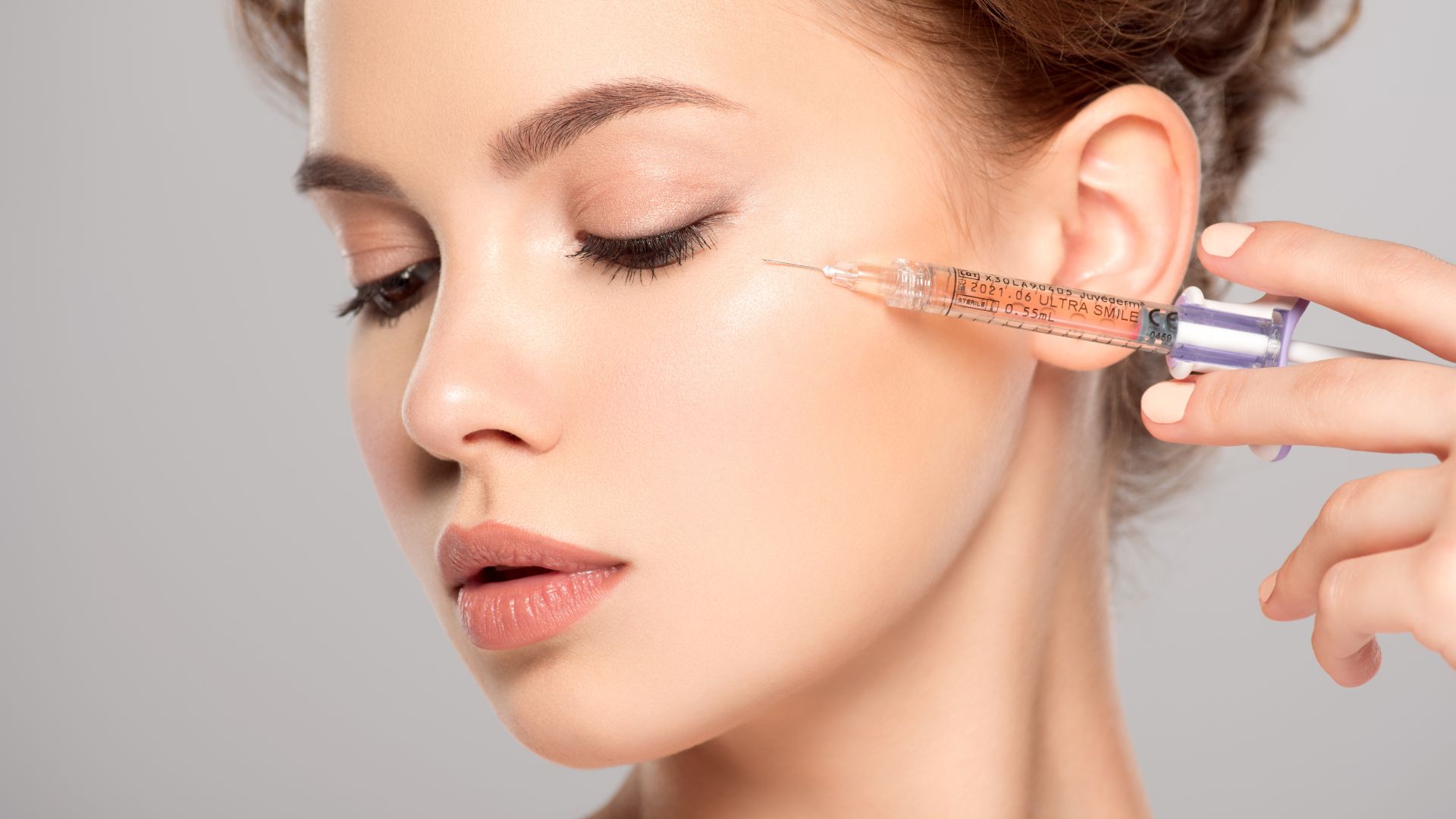
Purity
Botulax retains the 900 kDa complex after purification, with the main component being the 150 kDa active neurotoxin. Its protein load is extremely low, and the residual impurity amount per is controlled at the nanogram level. Laboratory tests show that its specific activity remains above 20U/ng. This purity standard supports its 36-month shelf life when stored at 2°C-8°C, and the proportion of neutralizing antibodies produced after multiple uses is less than 1%.
Protein Load Distribution
The Botulax 100U formulation primarily consists of type A botulinum toxin complex, human serum albumin (HSA), and sodium chloride. In each 100-unit of the product, the mass distribution of the effective protein complex is extremely low, typically maintained between 4.8 nanograms and 5.2 nanograms. The molecular weight of this complex is 900 kDa, formed by the non-covalent binding of a 150 kDa neurotoxin core and approximately 750 kDa of endogenous accessory proteins. These accessory proteins include hemagglutinin proteins (HA) and non-toxic non-hemagglutinin proteins (NTNH). Laboratories measure via high-purity chromatographic analysis that Botulax’s specific activity reaches 20U/ng to 25U/ng, a value reflecting the number of units that can produce biological effects per nanogram of protein. To maintain the stability of the toxin on the glass wall and prevent molecular denaturation, 0.5 mg (500,000 nanograms) of human serum albumin is added to the formula. From a ratio perspective, the mass ratio of protective protein to toxin protein is approximately 100,000:1. The table below shows the precise mass distribution and corresponding biochemical functions of the Botulax 100U bottled formulation:
| Component Name | Absolute Mass (100U Specification) | Function Description |
|---|---|---|
| Type A Botulinum Toxin Complex (900 kDa) | ~5.0 ng | Active substance that produces neuromuscular blockade |
| Neurotoxin Core (150 kDa) | ~0.83 ng | Cleaves SNAP-25 protein, inhibiting acetylcholine release |
| Accessory Proteins (HA/NTNH) | ~4.17 ng | Protects the toxin core from protease degradation |
| Human Serum Albumin (HSA) | 0.5 mg | Excipient, prevents toxin molecule adsorption and denaturation |
| Sodium Chloride (NaCl) | 0.9 mg | Adjusts solution osmotic pressure to isotonic levels (285 mOsm/L) |
During the manufacturing phase, Hugel uses multistage SEC-HPLC (Size Exclusion High-Performance Liquid Chromatography) to monitor the protein load distribution. Analysis shows that the purity of Botulax’s 900 kDa complex exceeds 98%, and the proportion of free 150 kDa core toxin in the formulation is minimal. This highly concentrated protein distribution can reduce molecular diffusion after injection. Experimental data shows that the diffusion radius of the 900 kDa macromolecular structure in tissue is more than 15% smaller than that of the 150 kDa purified toxin. There is a direct link between the size of the protein load and the frequency of neutralizing antibody production. Clinical immunology studies point out that when the non-functional protein load in botulinum toxin exceeds a certain threshold, the human immune system identifies it as a foreign body. Botulax controls the total protein amount per 100 units to around 5 nanograms, a level below the threshold for triggering a large-scale immune response. Based on serum sampling of 485 subjects who used Botulax for more than 12 months, the neutralizing antibody conversion rate was below 0.2%. The following is a comparative analysis of protein load data for different brands of botulinum toxin:
| Brand/Model | Nominal Units | Total Protein Load (ng/100U) | Specific Activity (U/ng) |
|---|---|---|---|
| Botulax (Hugel) | 100U | ~5.0 | 20.0 |
| Botox (Allergan) | 100U | ~4.8 | 20.8 |
| Dysport (Galderma) | 500U | ~12.5 | 40.0 (converted unit difference) |
| Xeomin (Merz) | 100U | ~0.6 | 166.7 (no accessory proteins) |
In-depth analysis of Botulax using liquid chromatography-tandem mass spectrometry (LC-MS/MS) reveals a very constant distribution ratio of HA-33 and HA-17 among the accessory proteins. The presence of HA proteins is not only for structural support but also assists toxin molecules in crossing intestinal epithelial or other biological membrane barriers. Within 24 to 72 hours after clinical injection, the 900 kDa protein complex gradually dissociates as the local pH changes (shifting from neutral to slightly alkaline), releasing 150 kDa active heavy and light chains. The source of human serum albumin in the formulation has undergone strict virus inactivation treatments, complying with USP and EP standards. Although albumin accounts for the vast majority of the mass in the, its physical distribution is uniformly dispersed. Under a scanning electron microscope (SEM), the lyophilized Botulax shows a honeycomb-like albumin scaffold, with botulinum toxin molecules adsorbed onto the surface of these scaffolds. After being placed at 37 degrees Celsius for 14 days, the protein degradation rate of Botulax is below 3%, and the potency remains above 95% of the nominal value. For medical institutions with high-frequency use, this stable protein load distribution ensures consistency of effect between different batches. Statistical analysis shows that the coefficient of variation (CV) for protein content between different production batches of Botulax is less than 5%.
Reducing Antibody Generation
The Botulax 100U formulation strictly limits the total protein load per to 4.8 nanograms to 5.2 nanograms through a multistage chromatographic purification process. The human immune system has the ability to recognize foreign proteins. When botulinum toxin is injected into tissue, the inactive proteins it carries act as antigens to induce B lymphocytes to produce antibodies. The 900 kDa complex selected for Botulax contains the 150 kDa neurotoxin core and surrounding accessory proteins, a structure that protects the active part from protease degradation in a physiological pH environment. Laboratory data shows that Botulax’s specific activity is maintained above 20U/ng. High specific activity means less total protein mass is required to produce the same clinical effect, thereby reducing the opportunity for the immune system to be exposed to foreign proteins at the source. If the protein content in the formulation is too high or if there are a large number of denatured proteins, lymphocytes will display antigen peptides through MHC-II molecules, leading to the production of neutralizing antibodies (NAb). The production of neutralizing antibodies leads to “secondary failure” of clinical treatment, where the muscle relaxation effect gradually weakens or completely disappears after multiple injections. During the development phase, Botulax conducted a 24-month serological follow-up on 450 long-term users, with tests performed via mouse neutralization assay (MPA) and enzyme-linked immunosorbent assay (ELISA). Data showed that the neutralizing antibody conversion rate in subjects was below 0.15%, primarily due to the efficient removal of impurity proteins during production. The accessory proteins in the formulation mainly include HA-33, HA-17, and NTNH proteins, with their distribution ratios in Botulax precisely calculated to ensure structural integrity during storage. Impure formulations often contain protein fragments caused by freeze-drying pressure. These fragments no longer have biological activity but still retain immunogenicity, making them easy for macrophages to engulf and activate an immune response. The vacuum drying technology used in Botulax reduces physical shear damage to protein molecules, keeping the proportion of effective active protein in the finished product above 98%.
- Total Protein Mass Limitation: The 100U specification product contains only about 5 ng of toxin complex protein, reducing the probability of immune recognition.
- Neutralizing Antibody Incidence: Multiple clinical follow-up records show its immunological safety during long-term use, with conversion values far below industry warning lines.
- Chromatographic Testing Standards: HPLC is used to monitor the protein purity of each batch, ensuring no bacterial culture medium residues.
- Specific Activity Index: The 20U/ng parameter supports doctors in using smaller physical doses to achieve the expected depth of muscle blockade.
Pharmacokinetic studies suggest that the interval between two injections of Botulax should be no less than 90 days, and the total dose for a single injection is recommended to be within the 200U to 300U range. As the single-use dose increases, the number of protein molecules entering the circulatory system increases linearly. The low-protein design of Botulax allows patients’ cumulative protein exposure to remain within safe thresholds even when receiving larger doses for masseter or calf muscle treatments. The table below details the immune risk prediction data for Botulax under different dose exposures:
| Cumulative Injection Dose (Units) | Total Protein Exposure (ng) | Expected Antibody Production Probability | Clinical Suggestion |
|---|---|---|---|
| 50U | ~2.5 ng | <0.05% | Extremely low immune risk, suitable for facial fine lines |
| 100U | ~5.0 ng | <0.10% | Standard risk, routine medical beauty maintenance |
| 200U | ~10.0 ng | <0.20% | Need to monitor injection intervals, suitable for large muscle groups |
| 400U (multiple cumulative) | ~20.0 ng | <0.35% | Periodic efficacy evaluation is recommended |
At the biochemical level, the 150 kDa neurotoxin core consists of a 100 kDa heavy chain and a 50 kDa light chain. The heavy chain is responsible for finding and binding to receptors on the surface of nerve endings, while the light chain enters the cell to exert its pharmacological effect. If antibodies bind to the receptor-binding region of the heavy chain, they block the toxin from entering the nerve cell. Botulax’s production process protects the natural conformation of the heavy chain terminal, reducing the exposure of abnormal epitopes due to incorrect molecular folding. In long-term observation of subjects, medical teams found that even for patients who used it for more than 10 cycles, their clinical performance (such as wrinkle smoothing and muscle thickness reduction) deviated by only 3%-5% compared to the initial cycles. The 0.5 mg of human serum albumin added to the formulation also acts as an immune buffer. As a stabilizer, albumin can encapsulate small amounts of botulinum toxin molecules, reducing their surface area directly exposed to immune cells. This molecular-level embedding further enhances the product’s safety. In addition, the production environment for Botulax follows international biopharmaceutical standards, removing endotoxins that could induce non-specific immune responses. The measured endotoxin content is below 0.5 EU/.
Batch Stability Testing
Laboratory technicians randomly select a fixed proportion of samples from every ten thousand and compare their biological activity after dilution. Although international pharmacopoeias allow the potency of botulinum toxin to fluctuate between 80% and 125% of the nominal value, Botulax’s internal controlled standards compress this error range to within +/- 5U to 10U. This control over narrow fluctuations allows clinicians to switch between different batches of the product without recalculating the injection dose to achieve the expected depth of muscle blockade. Statistical data shows that the potency coefficient of variation (CV) for 50 consecutive production batches of Botulax remains consistently below 4.5%.
The quality control department issues a Certificate of Analysis (CoA) for each batch, covering more than 20 monitoring data points from raw material input to final sealing, ensuring that the physical and chemical indicators of every milligram of formulation meet USP specifications.
The production line uses vacuum drying technology to convert the liquid into powder. If residual moisture exceeds 3.0%, protein molecules will aggregate or degrade, causing the product to fail prematurely during its shelf life. Botulax’s laboratory testing data shows that the average moisture content of its finished products is typically maintained between 1.2% and 1.8%. Furthermore, the vacuum level inside the is also a mandatory inspection item; technicians use electronic leak detectors for non-destructive testing of every. If the vacuum environment is compromised during transportation or storage, oxygen entering the will cause the 150 kDa neurotoxin core to oxidize and denature rapidly. Experiments have proven that while maintaining a complete vacuum, the biological activity of Botulax in a 2°C to 8°C environment can remain stable for more than 36 months, with the potency decline rate being less than 2% per year.
Molecular integrity testing for the 900 kDa complex is completed via SEC-HPLC technology, which can precisely identify whether there are protein fragments, thereby avoiding immune risks caused by damaged proteins.
Chromatographic analysis (SEC-HPLC) is an important means of monitoring purity. Through molecular exclusion technology, the laboratory can clearly observe the peak distribution of the 900 kDa complex. If impurity peaks appear at non-predetermined positions in the chromatogram, it indicates bacterial residues or protein denaturation during the purification process for that batch, and such batches are automatically rejected by the system. In addition to the main toxin protein, the 0.5 mg of human serum albumin added to the formulation must also undergo purity verification to ensure it does not contain any known blood-borne pathogens. pH testing is also part of stability testing, with the pH of reconstituted Botulax strictly locked between 6.0 and 7.0. This pH range not only maintains the charge balance of the toxin molecules but also reduces stinging pain at the injection site. The pH fluctuation between different batches is minimal, with batch-to-batch deviations measured by the laboratory typically not exceeding 0.15 units.
Real-time stability testing and accelerated stability testing are conducted in both directions, with the latter requiring the product to be placed in a 37-degree Celsius incubator for 14 days, after which the activity retention rate must be higher than 95%.
Laboratories use the Limulus Amebocyte Lysate (LAL) test for pyrogen detection on each batch, with Botulax’s endotoxin levels controlled below 0.5 EU per. This value is far below the threshold for triggering a systemic fever response clinically, ensuring biological safety when the product is used for high-dose injections (such as treating muscle spasms). In vibration experiments simulating long-distance transportation, technicians place the product on a vibration table at a specific frequency for 48 hours, followed by observation of the physical properties of the powder and protein stability. Results showed that after this physical stress testing, Botulax’s reconstitution speed remained within 30 seconds, and the solution appeared clear and transparent, with no visible suspended matter or precipitation.
The fully automated production environment reduces human interference, allowing Botulax to exhibit high physical stability across different climate zones globally (such as high-temperature environments in Southeast Asia or low-temperature environments in Northern Europe).
Even if the product experiences repeated fluctuations from refrigeration to room temperature and back, its protein structure can remain stable as long as the temperature does not exceed the specified threshold. In a retrospective study of samples from 12 different production years, researchers found that Botulax produced in earlier years still maintained its potency at around 102U near the end of its shelf life, proving that the production process has shown extremely strong reproducibility over the span of several years.