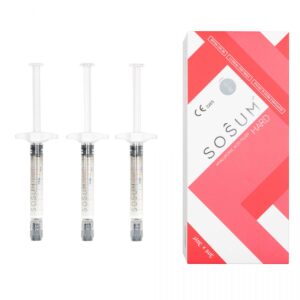
Rejuran is a bio-regenerative injectable treatment that utilizes highly purified Polynucleotides (PN) extracted from wild salmon DNA, chosen for its 98% genetic similarity to human DNA. Unlike traditional fillers that add physical volume, it functions by activating the metabolic salvage pathway, which provides essential building blocks for rapid DNA synthesis and cellular repair in the dermis. Clinical observations demonstrate that this process stimulates fibroblast activity to rebuild the extracellular matrix, resulting in a statistically significant increase in dermal thickness of roughly 20% and improved skin elasticity, effectively restoring the protective barrier and hydration levels from within.
Benefits
Rejuran utilizes Polynucleotides (PN) extracted from salmon germ cells to activate fibroblasts. Its main mechanism lies in tissue repair at the biological level rather than physical filling. Clinical observations show that after completing a standard course of 3 to 4 treatments, dermal thickness typically increases by 14% to 20%, and skin elasticity is significantly improved. This treatment regenerates the extracellular matrix (ECM), thereby regulating sebum secretion, normalizing the water-oil balance, and improving static fine lines caused by collagen loss. Unlike hyaluronic acid, which yields short-term results, its benefit lies in reconstructing a healthy skin physiological structure through cumulative treatment, with effects typically appearing gradually 2-4 weeks after treatment.
Increasing Skin Density
Activating Fibroblasts
The increase in skin density does not appear out of thin air; its biological basis stems from the improvement in the number and activity of fibroblasts. Polynucleotide (PN) fragments in Rejuran enter the skin and undergo a biochemical reaction called the “Salvage Pathway.”
- Saving Metabolic Energy: Typically, DNA synthesis by cells requires De novo synthesis, which is an energy-consuming process. PN provides ready-made nucleotide precursors that cells can use directly for DNA synthesis and repair.
- Receptor Binding: PN fragments bind to adenosine A2A receptors on the cell surface. This binding signal stimulates fibroblasts to secrete a series of growth factors, including Epidermal Growth Factor (EGF), Fibroblast Growth Factor (FGF), and Insulin-like Growth Factor (IGF).
- Result: This process does not involve filling with foreign bodies; instead, it induces the production of more “construction workers” (fibroblasts) within the skin, thereby accelerating the manufacturing speed of structural proteins.
Physical Dermal Thickening
With age or photoaging, the dermis gradually atrophies and thins, leading to a loss of skin support. A significant change after Rejuran treatment is the physical increase in dermal thickness. According to an ultrasound skin imaging study on PN treatment, measurable changes in dermal density occurred in subjects 4 weeks after receiving treatment:
- Density Improvement Data: Ultrasound images show that low-echo areas within the dermis (representing loose tissue or moisture loss) were significantly reduced, and high-echo areas (representing dense collagen fibers) increased by approximately 14.66% to 20%.
- Thickness Increase: This increase in thickness is uniform and can support sagging epidermis. For areas where the skin is naturally thin (about 0.5mm), such as around the eyelids, a small increase in dermal thickness (e.g., an increase of 0.1-0.2mm) can produce a significant visual masking effect, reducing the bluish-purple appearance of subcutaneous blood vessels (dark circles).
Extracellular Matrix Reconstruction
Skin density depends not only on the quantity of collagen but also on the quality of the Extracellular Matrix (ECM). ECM is the “microenvironment” upon which cells depend for survival, composed of a collagen fiber network and gel-like substances filled in between. PN injection can optimize the composition and structure of the ECM:
- Increase in Fibronectin: This is a glycoprotein that acts as “glue,” helping cells attach to collagen fibers and making the tissue structure tighter and more stable.
- Collagen Type Proportion: In the early stage of treatment, the synthesis speed of Type III collagen (common in infant skin, providing a delicate touch) accelerates; subsequently, Type I collagen (providing structural strength) gradually increases, eventually forming a stable scaffold.
- Reducing Matrix Metalloproteinases (MMP): PN can inhibit the activity of MMP. MMP is an enzyme that breaks down collagen, especially produced in large quantities after UV exposure. Inhibiting MMP means reducing the loss of existing collagen, acting as a “loss prevention” measure.
Repairing Damaged Barrier
Providing Repair Materials
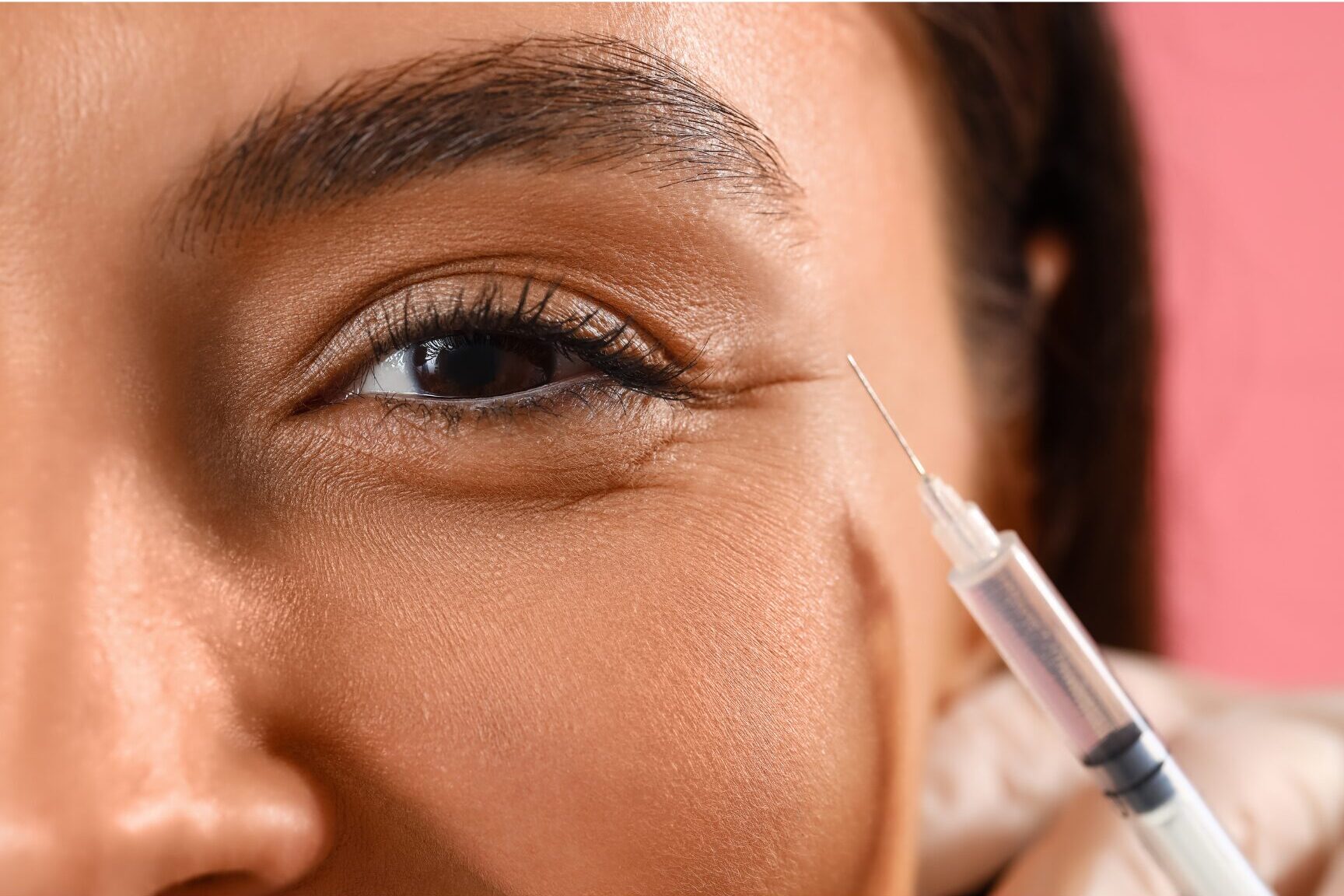
Skin barrier damage is essentially damage at the cellular level, and the repair process requires a large amount of energy and raw materials to synthesize new DNA. Normally, cells need to manufacture nucleotides through the “De novo pathway,” which is an extremely energy-consuming and slow biochemical process. Under various stress states where the skin is inflamed or severely damaged, cells often do not have enough energy to complete this process, leading to a halt in repair. The PN (Polynucleotide) component in Rejuran solves this problem through the “Salvage pathway.”
- Raw Material Supply: Small molecule nucleotides produced after PN decomposition can be directly taken up by cells. This is like delivering prefabricated panels directly to a construction site instead of delivering cement and sand for workers to mix on-site.
- Metabolic Acceleration: This mechanism significantly speeds up DNA synthesis. In experiments with cultured human fibroblasts in vitro, the cell proliferation rate after adding PN increased by more than 20% compared to the control group.
- Receptor Activation: Adenosine, a degradation product of PN, specifically binds to A2A receptors on the cell membrane. This binding does not require entering the cell; it can initiate anti-inflammatory and repair cascades within the cell through signal transduction, quickly mobilizing cells into “repair mode.”
Regulating Inflammation
The most intuitive manifestation of a damaged barrier is continuous micro-inflammation, appearing as redness and stinging. This inflammatory response releases a large amount of pro-inflammatory cytokines, which act like scissors to destroy collagen and connections between cells, leaving the barrier full of holes. PN acts as an inflammatory regulator at the molecular level rather than a simple inhibitor.
- Cytokine Regulation: Clinical data show that after PN injection, the levels of major pro-inflammatory cytokines such as TNF-α (Tumor Necrosis Factor-α), IL-6 (Interleukin-6), and IL-1β in skin tissue significantly drop within 48 hours.
- Anti-inflammatory Factor Increase: At the same time, it can upregulate the expression of IL-10. IL-10 is an anti-inflammatory cytokine responsible for “notifying” the immune system that inflammation is under control and that it can stop attacking normal tissues.
- Blocking HMGB1: PN can bind to and neutralize HMGB1 (High Mobility Group Box 1). This is a “danger signal” protein released when cells are necrotic or damaged, which usually triggers a chain of inflammatory storms. By blocking it, PN can break the vicious cycle, allowing sensitive skin with persistent redness to gradually return to a calm state.
Enhanced Water-locking Ability
Transepidermal Water Loss (TEWL) is the most objective data indicator for measuring barrier function. Rejuran does not just cover the surface with a film like occlusive moisturizers (such as Vaseline); instead, it reduces TEWL values by densifying keratinocytes.
- Data Monitoring: In observations of patients with damaged barriers (such as atopic dermatitis or after excessive medical aesthetics), after 4 PN treatments (once every 2 weeks), the TEWL value decreased by an average of 25% to 30%.
- Tight Junction Proteins: PN promotes the expression of tight junction proteins (such as Claudin-1 and Occludin). The role of these proteins is to “sew” adjacent epidermal cells tightly together.
- Result: Cell gaps become smaller, and moisture cannot easily penetrate and evaporate. For skin types that are oily on the outside but dry on the inside, the reduction in TEWL means increased moisture retention in the deep layers of the skin, and fewer “dehydration signals” received by the sebaceous glands, thus automatically reducing compensatory oil secretion.
| Indicator | Damaged Barrier Performance | After PN Treatment | Clinical Significance |
|---|---|---|---|
| TEWL Value | High (>15 g/m²/h) | Reduced (Restored to <10 g/m²/h) | Enhanced water-locking ability |
| Stratum Corneum Water Content | Low (<30 A.U.) | Elevated (>50 A.U.) | Skin no longer tight |
| pH Value | Alkaline (>6.0) | Restored to weak acidic (4.5-5.5) | Antibacterial environment rebuilt |
Improving Water-Oil Balance
Calming Down Out-of-control Sebaceous Glands
Rejuran’s regulation of water-oil balance is not achieved through “oil absorption” or simple inhibition, but by intervening in the activity of sebaceous glands from the cellular source. In clinical dermatology, excessive sebum secretion is often a stress response to inflammation or dryness.
- Regulating Secretion Mechanism: After Polynucleotide (PN) enters the dermis, its anti-inflammatory effect reduces inflammatory mediators (such as Interleukin-1α) within the local tissue. These inflammatory mediators are usually chemical signals that stimulate sebaceous glands to work frantically. Once the signal weakens, the metabolic rate of sebocytes returns to normal.
- Data Monitoring: Clinical tracking using a Sebumeter shows that within 12 weeks after receiving 3-4 PN treatments, sebum secretion in the forehead and cheek areas decreased by an average of 30% to 45%.
- Difference from Drugs: This effect is different from the “destructive” blow of Isotretinoin (which causes sebaceous gland atrophy); PN pulls glands in a state of excitement back to the baseline.
Solving the Physiological Contradiction of “Oily Outside, Dry Inside”
Many skins manifesting as “oil fields” are essentially experiencing compensatory oil secretion (Compensatory Hyperseborrhea) caused by extremely low water content in the stratum corneum. Because of dehydration, the skin erroneously sends signals for the sebaceous glands to secrete more oil in an attempt to “lock in” moisture. PN can break this vicious cycle because it increases the synthesis of endogenous moisturizing factors in the dermis.
- Glycosaminoglycans (GAGs) Synthesis: After being activated by PN, fibroblasts increase the production of Hyaluronic Acid and other glycosaminoglycans in the extracellular matrix.
- Hydration Data: Skin stratum corneum hydration (Corneometer reading) typically increases by 15% to 20% after treatment.
- Blocking Compensatory Signals: When the moisture content of the dermis and epidermis reaches saturation, through neuroendocrine feedback mechanisms, the “dehydration alarm” transmitted to the sebaceous glands is lifted, and oil secretion naturally decreases.
Tightening Slack Tissue Around Pores
Large pores usually have two causes: one is that the oil transport pipes are stretched, and the other is that the loss of collagen around the pores leads to a lack of support (i.e., aging-type pores).
- Physical Support Principle: Pores themselves have no muscles and cannot expand or contract freely. By increasing the density of collagen and elastic fibers in the dermis, PN actually strengthens the hardness and elasticity of the perifollicular tissue.
- Visual Change Data: With the “swelling” and tightening of the surrounding skin tissue, the pore walls are squeezed inward, and the visual diameter shrinks. VISIA skin analysis shows that after a full course of treatment, the number and volume of visible pores on the face typically decrease by around 20%.
- Structural Change: This improvement is different from the temporary contraction brought by astringents; it is structural. Pores that originally collapsed in a “U” shape gradually return to a tighter “V” shape structure due to the thickening of the surrounding dermis, making the skin texture finer.
How It Works
Rejuran delivers Polynucleotides (PN) to the dermis, utilizing its 98% base similarity with human DNA to initiate the cell’s “Salvage Pathway.” This mechanism does not rely on physical filling; instead, it provides ready-made nucleotide raw materials, significantly reducing the ATP consumption required for cells to synthesize DNA, directly activating fibroblasts. Clinical data show that this process can increase dermal thickness by approximately 20%-22% within 4 weeks, achieving physiological repair of the skin by reorganizing the extracellular matrix (ECM).
PN Component
The active ingredient in Rejuran, PN (Polynucleotides), is a product of purification and long-chain optimization through the patented DOT (DNA Optimizing Technology).
Details of the Purification Process
There is a fundamental difference between ordinary PDRN (Polydeoxyribonucleotides) on the market and the PN used in Rejuran, mainly reflected in the length of the molecular chain and the spatial structure.
- Molecular Weight Difference: Ordinary PDRN usually has a smaller molecular weight and is mainly used for medicinal purposes such as rapid anti-inflammation and wound healing; whereas the molecular weight of PN in Rejuran is precisely controlled within a specific high range. This long-chain structure gives it higher viscoelasticity in liquid, allowing it to stay in the dermis longer after injection, providing not only biostimulation but also physical support.
- Removing Immunogens: Although salmon germ cells are rich in DNA, they also contain histones, protamines, and other proteins that may cause allergies. DOT technology thoroughly removes proteins, peptides, and other cell fragments, leaving only pure DNA fragments. This high-purity processing is the basis for the product to pass Class II or Class III, ensuring that after injection into the human body, the immune system will not attack these foreign substances.
Salvage Pathway
When cells synthesize DNA for division and repair, they usually rely on two pathways: De Novo Synthesis and Salvage Pathway. Most young, healthy cells use “De Novo Synthesis,” using amino acids, sugars, and carbon dioxide as raw materials and consuming a large amount of ATP (Adenosine Triphosphate) energy to synthesize nucleotides. However, aging skin cells or cells in damaged tissues have insufficient ATP reserves, decreased metabolic enzyme activity, and extremely low “De Novo Synthesis” efficiency. After PN enters the skin, it is slowly degraded by nucleases in the body, releasing a large amount of nucleotides, nucleosides, and bases. These degradation products directly enter the “Salvage Pathway”:
| Comparison Dimension | De Novo Synthesis | Salvage Pathway |
|---|---|---|
| Source of Raw Materials | Amino acids, glucose, CO2 | PN degradation products (ready-made nucleobases) |
| Energy Consumption | Extremely high (requires 6-7 ATP) | Extremely low (only 1 ATP) |
| Enzyme Involvement | Complex (requires synergy of various enzymes) | Simple (Direct use of HGPRT and other enzymes) |
| Preference of Damaged Cells | Cannot handle the load | Preferred path |
PN effectively provides “pre-prepared meals” for aging cells; cells do not need to spend scarce energy preparing raw materials and can directly grab these ready-made nucleotides to start DNA replication and repair.
Scaffold Construction
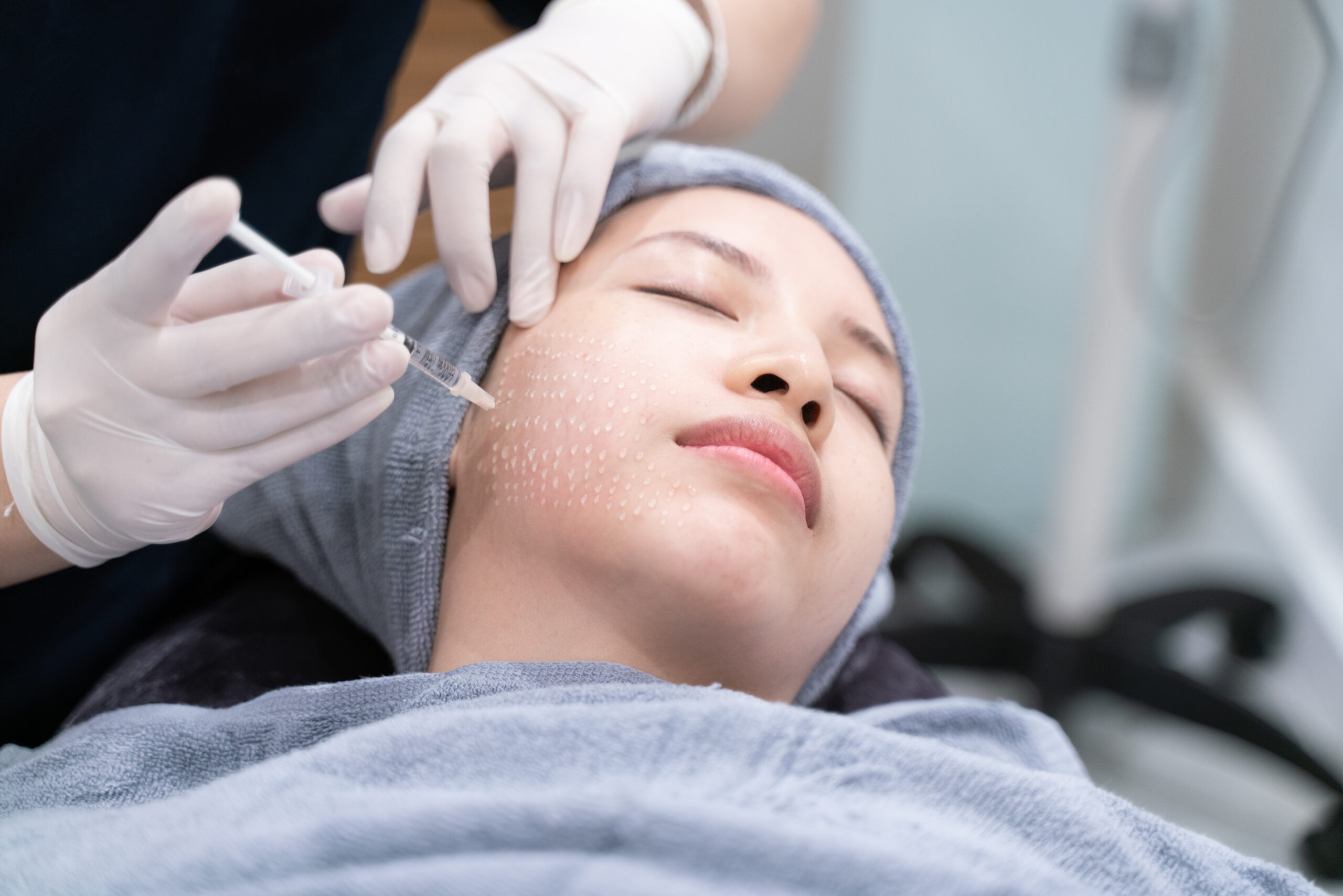
In addition to raw material supply at the biochemical level, the physical properties of PN play an important role in tissue remodeling. Since PN is a long-chain polymer, it forms a specific three-dimensional structure in aqueous solution. When this high-viscosity gel-like liquid is injected at multiple points into the dermis, it builds a temporary “3D scaffold” in the extracellular matrix (ECM).
- Physical Space: This scaffold expands the gaps between cells, providing physical space for fibroblast migration and colonization.
- Water Aggregation: DNA molecules themselves carry a large number of negatively charged phosphate groups, which can adsorb water molecules through electrostatic action. This is not just simple water absorption, but the formation of a hydrated environment in the dermis, improving the microenvironmental osmotic pressure for cell survival.
- Collagen Deposition: Fibroblasts will climb and grow along this PN scaffold and begin to secrete new Type I and Type III collagen.
Adenosine Receptor Activation
The metabolic products of PN in the body include Adenosine. This is a potent cellular signaling molecule that can specifically bind to adenosine A2A receptors on the cell membrane surface. This binding process triggers a series of anti-inflammatory and regenerative cascades:
- Anti-inflammatory Pathway: Activating A2A receptors can inhibit the release of inflammatory factors (such as TNF-alpha, IL-12) while promoting the secretion of anti-inflammatory factors (such as IL-10).
- Angiogenesis: This signaling pathway also induces the expression of Vascular Endothelial Growth Factor (VEGF). VEGF is the switch for microvascular generation, encouraging the papillary dermis to generate new capillaries. Improved blood circulation directly enhances the skin’s oxygen exchange rate and nutrient delivery efficiency, physiologically solving the problems of dull and pale complexion.
Activating Salvage Synthesis
Human cells synthesize these nucleotides through two distinct pathways: De Novo Pathway and Salvage Pathway.
Cost Account of the Two Paths
- De Novo Synthesis In a normal physiological state, young and healthy cells tend to use this pathway. Cells utilize amino acids (such as glutamine, aspartic acid, glycine), carbon dioxide, and formate as basic raw materials. This is like starting from mining iron ore to manufacture a car.
- Cumbersome Steps: This is a multi-step enzymatic reaction process. For example, synthesizing purine nucleotides requires 10 to 11 consecutive enzyme-catalyzed steps.
- Complex Raw Materials: Requires mobilizing various amino acids and cofactors.
- High Energy Consumption: This is one of the cell’s most “wasteful” behaviors. For every nucleotide molecule synthesized, 6 to 7 high-energy phosphate bonds (ATP) must be consumed.
- Salvage Pathway This pathway utilizes ready-made bases (adenine, guanine, etc.) or nucleosides, combining them directly with Phosphoribosyl Pyrophosphate (PRPP). This is like assembling a car using a ready-made engine and chassis.
- Streamlined Steps: Usually requires only 1 to 2 enzymatic reaction steps.
- Low Energy Consumption: Skips complex intermediate stages, with extremely low energy consumption, requiring only about 10% to 20% of the energy of the De Novo synthesis pathway.
Energy Dilemma of Aging Cells
When skin is aging or damaged (such as from inflammation or acne scars), dermal cells face a serious “energy crisis.”
- Mitochondrial Function Decline: With age, the efficiency of the “power plant” mitochondria within the cell decreases, and the total amount of ATP produced drops significantly.
- Microcirculation Disorders: Aging vascular networks cannot deliver enough oxygen and nutrients, leaving tissues in an ischemic or hypoxic state.
In this harsh environment of “lack of electricity and food,” forcing cells to perform high-energy “De Novo synthesis” is unrealistic. To survive, cells will automatically inhibit high-energy-consuming activities; as a result, fibroblasts stop secreting collagen, keratinocyte renewal slows down, and skin shows wrinkles and dullness. After Rejuran-injected PN degrades in the body, it releases a large amount of purine and pyrimidine bases. These are exactly the “pre-fabricated parts” urgently needed by the salvage synthesis pathway.
| Dimension | De Novo Pathway | Salvage Pathway (Rejuran Intervention) |
|---|---|---|
| Energy Consumption (ATP) | Extremely high (6+ ATP/unit) | Extremely low (1 ATP/unit) |
| Oxygen Dependence | High | Low (suitable for hypoxic/inflamed tissue) |
| Reaction Time | Slow (several hours) | Fast (minutes to tens of minutes) |
| Source of Raw Materials | Amino acids, sugar, CO2 | Free bases from PN degradation |
| Aging Skin Performance | Path blocked/stagnant | Passively activated/Primary path |
Enzyme Catalysis and Utilization
After the raw materials provided by PN enter the cell, specific enzymes are needed to complete the assembly.
- HGPRT (Hypoxanthine-guanine phosphoribosyltransferase): This is a “mover” in salvage synthesis. When PN decomposes into hypoxanthine or guanine, HGPRT quickly captures them and converts them into IMP (Inosine Monophosphate) or (Guanosine Monophosphate).
- APRT (Adenine phosphoribosyltransferase): It is specifically responsible for processing adenine, converting it into AMP (Adenosine Monophosphate).
In the absence of raw materials (PN), these enzymes are in an “unemployed” state. The injection of Rejuran instantly increases the substrate concentration, allowing these enzymes to run at full capacity, quickly producing precursors such as dATP, dGTP, dCTP, and dTTP required for DNA synthesis.
Targeted Repair of Damaged Tissue
- Lifesaver for Ischemic Tissue: In areas with insufficient blood supply (such as the bottom of deep acne pits or severely sun-damaged areas), “De Novo synthesis” almost completely stops. At this time, exogenously supplied PN is the cell’s only reliance for maintaining DNA replication and repair.
- Accelerating Fibroblast Proliferation: For fibroblasts to secrete collagen, they must first increase their own numbers. Through the salvage synthesis pathway, fibroblasts can complete DNA replication within the nucleus at the minimum energy cost, thereby dividing rapidly. The increase in skin thickness observed clinically is essentially the result of an increase in the number of fibroblasts.
- Anti-inflammatory and Metabolic Balance: Because it does not require consuming a large amount of ATP to synthesize DNA, cells can use the saved energy for other maintenance work, such as clearing free radicals and maintaining stable cell membrane potentials, which indirectly promotes the subsiding of inflammation.
Reconstructing the Dermal Environment
Building a Collagen Scaffold
The most notable feature of an aging dermis is a decrease in collagen density and disordered arrangement. PN acts as a “commander” here; it doesn’t directly become collagen, but induces fibroblasts to produce collagen.
- Increased Secretion: PN raises intracellular cAMP (Cyclic Adenosine Monophosphate) levels by activating A2A receptors on the surface of fibroblasts. This signaling pathway directly upregulates the gene expression of Type I and Type III collagen. Typically within 2 to 4 weeks after injection, there is a significant increase in dermal collagen density.
- Rearrangement: Simply increasing the quantity of collagen is not enough. The collagen fibers of young skin are tightly and orderly arranged, whereas aging skin appears broken and fragmented. The three-dimensional scaffold structure provided by PN guides newly generated collagen fibers to align along specific tension directions. Clinical skin ultrasound data show that after a full course of treatment, dermal density can increase by 15% to 20%. This increase in density visually manifests as pore reduction and the restoration of skin elasticity.
Regulating Matrix Protein Composition
In addition to collagen, there are other proteins in the ECM that play key supporting roles. PN can significantly promote the synthesis of these non-collagen proteins, something many single collagen supplements cannot do.
- Fibronectin: This is a high-molecular-weight glycoprotein known as the “glue” of cells. It can adhere cells to collagen fibers and is crucial for cell migration and wound healing. PN can accelerate the deposition of fibronectin, strengthening the physical structural stability of the dermis.
- Laminin: Primarily existing in the basement membrane zone, it is responsible for connecting the epidermis and dermis. PN can promote the production of laminin, repairing the dermal-epidermal junction (DEJ). This not only enhances the skin’s resistance to pulling but also strengthens the channel for nutrient delivery from the dermis to the epidermis.
| Matrix Component | Aging/Damaged State | After PN Intervention | Physiological Function |
|---|---|---|---|
| Type I Collagen | Low content, broken | Synthesis increased, orderly arrangement | Provides skin tension and hardness |
| Type III Collagen | Minimal (primarily in infancy) | Significant rebound | Provides skin tenderness and delicacy |
| Elastic Fibers | Calcified, loss of elasticity | New fiber generation | Endows skin with resilience |
| Basement Membrane Zone | Flattened, reduced contact surface | Wavy structure restored | Nutrient exchange and structural stability |
Normalizing Matrix Microenvironment
The liquid environment (interstitial fluid) of the dermis determines cellular metabolic efficiency. PN molecules themselves have extremely high hydrophilicity, but their hydration mechanism is different from that of Hyaluronic Acid (HA).
- Isotonic Hydration: Hyaluronic acid tends to absorb a large amount of water like a sponge, which can easily cause edema (Tindall effect) after injection. PN, being a long-chain polymer, forms a gel-like environment closer to the human physiological state when binding water molecules. This environment maintains the isotonic state of the interstitial fluid, ensuring cell hydration while avoiding excessive tissue swelling.
- Scavenging Free Radicals: The molecular structure of PN contains a large number of nitrogen rings, which can serve as electron donors to neutralize free radicals (ROS) in tissue. This property is crucial during the dermal reconstruction process as it protects newly generated cells and collagen fibers from destruction by oxidative stress.
- pH Balance: Inflammatory environments are usually accompanied by local acidosis. The metabolic products of PN help buffer tissue pH, providing the optimal acidic-alkaline environment for enzymatic reactions, ensuring the balance between matrix metalloproteinases (MMPs) and tissue inhibitors of metalloproteinases (TIMPs), preventing excessive breakdown of collagen.
Inducing Vascular Endothelial Growth
Dermal reconstruction is inseparable from the reconstruction of blood supply. Without enough blood vessels, newly formed tissues will starve. Nucleosides and nucleotides produced by PN degradation, especially adenosine, are potent inducers of angiogenesis.
- VEGF Upregulation: PN stimulates the mRNA transcription of Vascular Endothelial Growth Factor (VEGF). VEGF is a specific mitogen for angiogenesis.
- Capillary Network Reconstruction: Under the action of VEGF, new capillary buds will grow in the dermal papillary layer and extend to form a microcirculation network.
- Improving Skin Color: Rich microcirculation means an increase in oxygenated blood brought by hemoglobin. This physically explains why skin that was originally pale or dull-yellow appears healthy and pink after Rejuran treatment. At the same time, more efficient venous return accelerates the excretion of metabolic waste, reducing pigmentation caused by poor circulation.