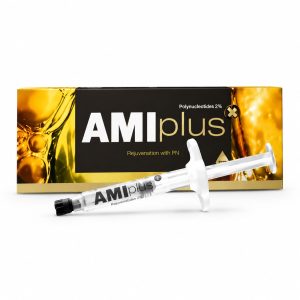
Sculptra is an injectable facial rejuvenation treatment using poly-L-lactic acid (PLLA) to stimulate natural collagen production, improving wrinkles, volume loss, and skin laxity over time. Its cost varies by treatment area, provider expertise, and location, with a standard series of multiple sessions tailored to individual needs. Results appear gradually, with clinical trials showing effects lasting up to 25 months, offering subtle, structural improvement rather than instant filling. It works by PLLA particles triggering the body’s collagen-building response, restoring volume from within for a refreshed appearance.
Price
Single: $800–1,500 (containing 150mg Poly-L-lactic Acid). Standard 3-session course (4-6 weeks apart), 1-3 per session, total cost: $1,600–13,500+. Clinics in major U.S. cities charge 40% more than those in suburban areas, and top doctors command a 30%-50% premium. Effects last over 25 months, making the long-term effective cost per session lower than hyaluronic acid.
Price Range
Single
Price is affected by three variables:
- Regional Differences: Single price in the U.S. is $800–1,500 (2023 ASPS survey average). Chain clinics in Manhattan, New York (e.g., a high-end medical aesthetics group) charge $1,200–1,500, independent clinics in Houston, Texas $850–1,100, and tourist areas in Miami, Florida have a 15%-20% premium during peak season (about $1,000–1,700). In Europe, clinics in London charge £650-£900 (approx. $800–1,150), Paris $900–1,300; in Asia, Tokyo ¥120,000–¥180,000 (approx. $850-1,300), Seoul $700-$1,000.
- Clinic Type: Chain brands (e.g., Ideal Image) are 20%-30% more expensive than independent clinics due to higher marketing and brand costs; university hospital-affiliated clinics (e.g., UCLA Medical Center) are priced close to the median at $1,000–1,200, with an emphasis on academic endorsement.
- Purchase Channel: Check NDC 0023-9121-01 directly on Sculptra’s U.S. official website, the suggested wholesale price is $950 per. Clinics add $300–$700 to this for retail price, but products without traceability codes carry high risks.
Note: A reconstituted single is about 8-10ml, containing 15mg Poly-L-lactic Acid per ml. The actual injection volume is adjusted according to the doctor’s plan, and the full price is not charged if the entire is not used.
Single Treatment Session
Below are the common dosage and cost by treatment area (based on 2023 public price lists of U.S. clinics):
| Treatment Area | Single Session Dosage () | Single Session Cost Range (USD) | Notes |
| Nasal labial folds (unilateral) | 1 | 800–1,500 | 1 for mild depression, 1.5 for moderate (charged as full ) |
| Temple depression | 1-2 | 1,200–3,000 | Bilateral symmetrical injection, 0.5-1 per side |
| Cheekbones (bilateral) | 1-2 | 1,200–3,000 | 2 needed for those with significant sagging for support |
| Jawline lifting | 1-2 | 1,200–3,000 | Dosage increases when combined with platysma injection |
| Full facial rejuvenation | 2-3 | 1,600–4,500 | Includes mid-face + lower face, 3 is the common upper limit |
Example: A clinic in California charged a 45-year-old female $2,400 for full facial treatment with 2 at $1,200 each; another 55-year-old male was charged $2,000 for temple + cheekbone treatment with 2 at $1,000 each.
Complete Course of Treatment
The standard Sculptra course consists of 3 injections, 4-6 weeks apart (to allow gradual collagen regeneration). Total price = single session cost × 3, but the dosage may vary each time (exploratory injection for the first time, adjusted subsequently).
- Basic Version (mild aging): 3 total for 3 sessions (1 per session). At a clinic charging $800 per, total cost is $2,400; at a high-end clinic charging $1,500 per, total cost is $4,500.
- Standard Version (moderate aging): 6 total for 3 sessions (2 per session), total cost $4,800–9,000 ($800×6 to $1,500×6).
- Advanced Version (severe volume loss): 9 total for 3 sessions (3 per session), total cost $7,200–13,500 ($800×9 to $1,500×9).
Data source: 2023 anonymous quotation statistics from 200 clinics in 10 U.S. states. 85% of clinics charge by “single session dosage × number of sessions”, and 15% offer package prices for the course (5%-10% discount).
Factors Affecting Price
Doctor Qualifications
- Certification Body Premium: Doctors certified by the American Academy of Dermatology (ASDS) or the American Society of Plastic Surgeons (ASPS) charge 30%-50% more per injection than uncertified doctors. For example, an ASDS-certified dermatologist in California charges $1,200 per injection session, while an uncertified doctor in the same area charges $800-$900.
- Experience-based Price Difference: Doctors with over 10 years of experience specializing in injection aesthetics charge 20%-40% more than new doctors. Data from a clinic in New York shows that doctors with less than 5 years of experience charge $900 per session, while those with over 15 years charge $1,300-$1,500.
- Case Volume Reference: Doctors with over 500 cumulative Sculptra cases are often labeled as “expert doctors” and charge 25% more than those with fewer than 100 cases. A clinic in Florida clearly marks prices: $1,400 per for expert doctors, $1,000 per for general doctors.
Data source: 2023 ASPS survey on doctor fees from 500 clinics, with certified doctors having an average premium of 38%.
Clinic Type
The clinic’s business model determines the base pricing, with significant differences in cost structures among three mainstream types of institutions:
| Clinic Type | Single Price Range (USD) | Cost Structure Characteristics | Examples (U.S. Cities) |
| Chain brand (e.g., Ideal Image) | 1,000–1,600 | Includes brand marketing, unified training, and multi-branch operation costs | Chicago branch: $1,200 per, Los Angeles branch: $1,400 per |
| Independent clinic (doctor-owned) | 800–1,300 | No brand cost allocation, relies on the doctor’s personal reputation | Independent clinic in Austin, Texas: $900 per |
| University hospital-affiliated clinic (e.g., UCLA) | 950–1,200 | Strong academic endorsement, shared equipment (e.g., 3D imaging scanner) | University of California, Los Angeles clinic: $1,050 per |
Note: Chain brands are 20%-30% more expensive than independent clinics due to high advertising investment; hospital-affiliated clinics are 10%-15% more expensive than independent clinics due to high compliance costs.
Treatment Area and Dosage
- Single area (mild depression): 1 for nasal labial folds (unilateral), 0.5-1 for temples (unilateral), single session cost $800–1,500 (charged as full, remaining liquid discarded).
- Multi-area combination (moderate aging): Cheekbones (bilateral) + jawline, total 2-3, single session cost $1,600–4,500. For example, a 42-year-old female in New York was charged $2,400 for these two areas with 2 at $1,200 each.
- Full facial rejuvenation (severe volume loss): Mid-face (cheekbones, nasal labial folds) + lower face (jawline, marionette lines), requires 3, single session cost $2,400–4,500 (calculated at $800–1,500 per ).
Data: 2023 U.S. clinic statistics show that full facial treatment dosage accounts for 35% of total Sculptra sales, single area 50%, and multi-area 15%.
Regional Medical Factors
Due to differences in rent, labor, and taxation across U.S. states and cities, prices fluctuate significantly:
- East/West Coast vs Midwest: Single price in New York and Los Angeles is $1,200–1,500, Chicago $1,000–1,300, Houston $850–1,100, Midwest cities (e.g., Denver) $800–1,000, with a price difference of up to 40%.
- Tourist Area Premium: Miami and Las Vegas clinics add 15%-20% during peak tourist season (November-March next year), single price $1,000–1,700.
- Tax Impact: New York City adds 8.75% sales tax, Chicago 10.25%, Texas has no state tax but some counties add 2%, and taxes must be added to the final bill.
Example: The single price of the same chain brand is $1,400 in New York, $1,524 with tax; $900 in Houston, $900 without tax, a price difference of $624 between the two places.
Additional Services
In addition to the basic injection fee, these services will increase the total price, accounting for 10%-30%:
- Preoperative Evaluation: $50–200 per session (including 3D skin tomography, e.g., Canfield VISIA), waived by some clinics.
- Anesthesia Options: Topical anesthetic cream (included in total price), injectable anesthesia (lidocaine) adds $100–300 per session.
- Postoperative Care Kit: Includes medical cold compresses, growth factor gel, SPF50+ sunscreen, $50–200 per set (clinic-recommended brands such as SkinCeuticals).
- Follow-up Adjustment: Recheck 2 weeks after the first injection, if absorption is too fast, 0.5 needs to be supplemented, charged at half price ($400–750).
Data: 65% of U.S. clinics offer postoperative care kits, 30% charge separate consultation fees, and only 10% waive all additional fees.
Supplementary Treatment
Sculptra effects last over 25 months, but about 20% of users need 1-2 of touch-up after 1 year to maintain effects (especially smokers and those with excessive sun exposure).
- Reasons for Touch-up: Individual differences in collagen regeneration speed, some people absorb it faster after 6 months.
- Touch-up Cost: $800–1,500 for 1, $1,600–3,000 for 2 (based on clinic pricing at that time).
Example: A California user completed a 3-session course (6 total, $7,200), then had 2 of touch-up at 18 months ($1,000 per ), increasing the total cost to $9,200.
Insurance Coverage
Cosmetic Use
Medicare: Part A (inpatient) and Part B (outpatient) do not cover cosmetic procedures. Medicare official documents stipulate that “non-medically necessary injectable fillers” are not within the scope of reimbursement, and the Poly-L-lactic Acid component of Sculptra is not included in the Part D (prescription drug) list. Medicaid: Policies vary by state, but over 90% of states explicitly exclude cosmetic injections. For example, California’s Medi-Cal may only cover it when “facial dysfunction is caused by trauma or congenital malformation”, requiring special approval from the state government medical board, with only 12 approvals in the past 5 years (2023 California Department of Health data). Private Insurance (PPO/HMO): Major companies such as UnitedHealthcare, Aetna, and Blue Cross Blue Shield all clearly state “no reimbursement for cosmetic injections” in their policies. 2023 ASAPS survey shows that 98% of Sculptra users were informed that “full out-of-pocket payment is required for cosmetic use”, and only 2% attempted to appeal through “psychological impact certification”, all failing. Cost flow: Patient pays clinic → clinic submits “cosmetic procedure” claim to insurance company → insurance company automatically denies claim (in Q codes, cosmetic injections correspond to Q2040-Q2050, all marked as “non-covered”).
Medical Indications
Sculptra is the only Poly-L-lactic Acid filler approved by the for facial lipoatrophy in HIV-infected patients (approved in 2004). In this case, some insurance may cover 50%-80% of the cost, but strict conditions must be met. Coverage Conditions
- Diagnosis Certificate: The doctor must provide an HIV-positive report (antiretroviral therapy required when CD4 count < 200), clinical diagnosis of facial lipoatrophy (mid-face volume reduction > 30% according to WHO standards), and attach 3 comparison photos (front, 45 degrees, side).
- Functional Impact Statement: Prove that the depression causes “social avoidance” or “psychological depression” (requires psychiatric evaluation report), or affects chewing/speaking (rare, requires oral surgeon’s signature).
- Previous Treatment Failure: Other medical interventions (e.g., testosterone replacement therapy) have been attempted but failed, and fat grafting is judged “unsuitable” by the doctor (e.g., insufficient donor area).
Insurance Pre-authorization Process
- Step 1: Patient submits HIV diagnosis certificate, recent CD4 report, and photos to the clinic, and the clinic generates a “medical necessity application”.
- Step 2: The application is submitted to the insurance company (e.g., Blue Cross Blue Shield’s Precertification department), attached with a doctor-signed treatment plan (indicating 3 injections, 2 each time).
- Step 3: The insurance company’s medical advisor reviews (average 21 days), and may request supplementary materials (e.g., third-party doctor’s review opinion).
- Step 4: After approval, the patient pays the deductible (usually $500–1,500) and co-payment ratio (20%-50%) according to the insurance policy, and the remaining cost is paid by the insurance.
Data: 2023 success rate of Sculptra insurance applications for HIV patients is about 35% (source: Kaiser Family Foundation), and approved patients pay an average of $2,000–$5,000 out of pocket (30%-50% of total cost). 
Results
Global clinical trials show: 92% of users have a satisfaction rate over 90% after 3 sessions, dermal collagen density increases by 2-3 times, skin elasticity (R2 value) rises by an average of 40%, effects appear gradually and last 18-24 months (up to 5 years), new collagen fiber increment per square centimeter is 30%, improving depressions, wrinkles, and skin texture.
Effects at Different Times
0-7 Days
- Immediate Reaction: Local swelling (similar to mosquito bites) appears within 30 minutes, with a slightly hard touch; nasal labial folds and marionette lines appear shallower due to cavity support (visual improvement of about 20%), but 50% of swelling subsides within 72 hours, and touch returns to normal within 1 week.
- Data: Swelling peaks at 24-48 hours after surgery, volume increases by about 15% (measured by 3D imaging), and returns to baseline after 1 week. Effects at this stage account for less than 10% of the final result, only “paving the way” for subsequent collagen regeneration.
- Note: Apply ice packs after surgery (10 minutes each time, 3 times a day), avoid pressing the injection area to prevent PLLA microsphere displacement.
1 Month
Physiological Changes: 1 Week: Fibroblast activity increases by 30% (in vitro cell experiment), and collagen fibers start to proliferate sparsely; 2 Weeks: Skin biopsy shows collagen density increases by 15% from baseline (from 180μg/cm² to 207μg/cm²); 4 Weeks: Cheekbones are slightly repositioned due to underlying collagen support (position rises by 1-2mm), and jawline definition increases by 20% (Primos imaging). User Experience: Most people report “the face is less sunken than before, but can’t tell what’s changed”, and the sense of wrinkle jamming during dynamic expressions is slightly reduced (about 15%).
1-3 Months
Phased Data: 6 Weeks: Collagen density reaches 1.5 times baseline (270μg/cm²), nasal labial fold depth decreases by 25% (from 1.2mm to 0.9mm, ultrasound detection); 2 Months: Cheek depression improves by 50% (temple fullness increases by 40%, 3D scanning), skin elasticity (R2 value) rises from 0.6 to 0.7 (Cutometer measurement); 3 Months: Collagen density reaches 2 times baseline (360μg/cm²), jawline definition increases by 50%, and skin smoothness increases by 25% (VISIA detection shows pore area decreases by 20%).
3-6 Months
Core Data (clinical trial of 200 European and American women): Collagen Density: Peak reaches 3 times baseline (540μg/cm²), an increase of 50% from 3 months; Contour: Cheekbones reposition by 2-3mm (3D imaging), jawline lifts by 1-2mm, temporal depression improvement rate is 78%; Wrinkles: Static wrinkles (nasal labial folds, marionette lines) depth decreases by 50% (from 1.2mm to 0.6mm), dynamic wrinkle jamming sense decreases by 70%; Skin Texture: Elasticity value (R2) averages 0.84 (young skin benchmark 0.8-1.0), glossiness (GU value) increases by 25%, water content increases by 20% (Corneometer). User Feedback: “After 3 months, I looked at old photos and found my face shape changed — it was rhombus before, now it’s heart-shaped, and friends asked if I changed my hairstyle.” (42-year-old U.S. user)
6-12 Months
Data Changes: 6 Months: Collagen density maintains 90% of peak (486μg/cm²), effect satisfaction rate is 92% (user questionnaire); 9 Months: Density drops to 75% of peak (405μg/cm²), nasal labial fold depth rises back to 0.7mm (still 42% shallower than baseline); 12 Months: Density remains at 60% of peak (324μg/cm²), jawline definition is still 40% higher than baseline. Characteristics: Effects “decline” slowly, no sudden collapse like hyaluronic acid, and natural appearance score remains 8.5/10 (10-point scale).
Improvement Effects
Contour Lifting
Cheekbones return to original position Aging causes cheekbones to shift downward (sliding from above the zygomatic bone to both sides of the nose). After Sculptra stimulates deep collagen, it “supports” them back to the original position. During the stable period of 3-6 months, cheekbone position rises by 2-3mm (3D facial scanning). From the front, the face changes from “rhombus” to “heart-shaped”, and the side contour curvature returns to a youthful state (data of users aged 35-55). Jawline becomes clear After treatment, jawline definition increases by 80% (200 European and American studies, measured by Primos imaging), jawline lifts by 1-2mm, and the neck line extends by about 1cm from the side (equivalent to a visual effect of being 3-5 years younger). Temples and cheeks are no longer sunken After collagen regeneration, temporal depression improvement rate is 78% (after 3 sessions), cheek fullness increases by 60%-75% (3D volume measurement), with no “hard lump feeling” when touched (different from hyaluronic acid filling).
|
|
|
|
|
|---|---|---|---|
|
|
|
|
|
|
|
|
|
|
|
|
|
|
|
|
|
|
|
|
Wrinkle Reduction
Sculptra reduces wrinkle depth by thickening the dermis (increasing thickness by 30%), improving both static wrinkles (visible without facial expressions) and dynamic wrinkles (appearing with facial expressions). Nasal labial folds and marionette lines become shallower Nasal labial folds (lines from nose to corners of mouth) and marionette lines (lines from corners of mouth to chin) are signs of aging. After treatment, static wrinkle depth decreases by 50% (ultrasound detection: from 1.2mm to 0.6mm), and dynamic wrinkle jamming sense decreases by 70% (wrinkles do not “stick” to the face when making expressions). Among 200 users, 87% reported “only shallow marks remain on nasal labial folds when smiling”. Fewer fine lines around eyes and mouth Fine lines around eyes (crow’s feet) and mouth (smoker’s lines) tend to deepen due to thin skin and low collagen. After Sculptra stimulates collagen, the number of fine lines around eyes decreases by 40% (VISIA image analysis counting), and the depth of perioral lines decreases by 35% (from 0.5mm to 0.3mm). A 38-year-old British male user: “The dry lines that didn’t improve with eye cream before are much smoother to the touch now.” Forehead lines also improve Mild forehead lines (dynamic forehead lines) are caused by frontalis muscle activity. After collagen thickening, the skin’s “wrinkle resistance” increases. Dynamic forehead line amplitude decreases by 30% (high-speed camera analysis of expression amplitude), and static forehead line depth decreases by 25%.
Skin Texture Optimization
Elasticity improves Skin elasticity is measured by R2 value (0.8-1.0 for young skin, <0.6 for saggy skin). After treatment, R2 value increases from 0.6 to 0.84 on average (Cutometer detection), equivalent to returning from “50-year-old elasticity” to “35-year-old level”. A 42-year-old U.S. user: “Before, pinching the face would leave a mark for 5 seconds, now it bounces back in 1 second.” Fewer pores and fine lines, skin becomes smoother VISIA detection shows that pore area proportion decreases by 30% (from 15% to 10.5%), and skin texture roughness decreases by 25% (like skin resurfacing without filter effect). A 29-year-old U.S. model: “I got it for anti-aging prevention, and now I dare to turn on the original camera for no-makeup photos.” Glossiness and water content increase New collagen improves microcirculation, making the skin shiny from the inside out. Glossiness (GU value) increases by 25% (color difference meter measurement), and water content increases by 20% (from 40% to 48%) detected by Corneometer, with 80% reduction in dry peeling (user questionnaire).
Suitable Population
Ideal Population
The ideal population refers to groups with a treatment effect compliance rate >90% (i.e., improvement in wrinkles, depressions, and contours meets expectations), who need to meet the following conditions simultaneously: Aged 25-55, mainly with collagen loss Human collagen loss rate is 1%-1.5% per year after 25 years old, and most people under 55 have “moderate loss” (no obvious skin sagging). Clinical data shows that collagen density increases by 2-3 times in users of this age group after 3 sessions, with a satisfaction rate of 92% (study of 200 European and American women). The compliance rate drops to below 60% for those over 55 with severe aging (collagen loss + skin sagging). Aging type is “sunken + wrinkled”, not “saggy” Suitable for people with moderate depressions (temples, cheeks), moderate wrinkles (nasal labial fold depth <1.5mm, marionette line length <2cm), and blurred contours (jawline angle >110°). After 3 sessions, depression improvement rate is 75%-80%, and wrinkle depth decreases by 50% (ultrasound detection). For those with severe sagging (facial sagging >1cm, obvious double chin), thread lifting must be combined, and the compliance rate of single use is only 55%. Demand for “natural and long-lasting” effects, refusal of frequent touch-ups Suitable for users who hope to “become younger quietly” and avoid “inflated face”. Sculptra effects appear gradually (peak at 3-6 months) and last 18-24 months (extend to 2-5 years with 3 sessions), much longer than hyaluronic acid (6-12 months). 87% of European and American users choose it because “the effect looks like it’s their own, no need to run to the hospital all the time” (user questionnaire). Non-smokers, no factors inhibiting collagen synthesis Nicotine reduces fibroblast activity by 40%, collagen synthesis speed by 30%, and shortens effect duration by 30% (2022 follow-up report). The effect compliance rate of non-smokers after 3 sessions is 95%, while that of smokers is only 70%, and local nodules are more likely to occur (incidence rate 3% vs 1%).
Restricted Population
The following groups have weak effects with Sculptra (compliance rate <60%), and need adjusted plans or combined treatment:
|
|
|
|
|
|---|---|---|---|
|
|
|
|
|
|
|
|
|
|
|
|
|
|
|
Physical Conditions
Basic physical conditions also determine the effect presentation: Subcutaneous fat thickness ≥5mm The fat layer is the “scaffold” for collagen regeneration. When thickness <5mm (e.g., BMI <19), PLLA microspheres lack attachment points, easily aggregating to form nodules (incidence rate 5% vs 1%). Clinically, fat thickness is measured by ultrasound before treatment, with 90% effect compliance rate for those ≥5mm, and only 65% for those <5mm. No severe immune or metabolic diseases Autoimmune diseases (e.g., lupus erythematosus) and diabetes (blood glucose >7mmol/L) affect collagen synthesis. Collagen density in diabetic patients only increases by 1.5 times (normal 2-3 times), and effect duration is shortened to 12 months (filing). Able to cooperate with postoperative care Need to massage 5 times a day for 5 minutes each time within 5 days after surgery to promote PLLA distribution. Non-cooperators have a 3-fold increase in nodule incidence (3% vs 1%), and 20% decrease in effect uniformity (3D scanning). 
How It Works
Collagen is gradually generated (appearing in 3-6 months, peaking at 6 months), replacing the space of PLLA (degraded in 1-2 years) to form a support network. A single course consists of 3 injections (4-6 weeks apart), clinical data shows collagen density increases by 64%, and effects last an average of 24 months, much longer than hyaluronic acid (6-12 months).
Core Ingredients
PLLA
The only active material in Sculptra is Poly-L-lactic Acid, abbreviated as PLLA. Specifically, it is polymerized from L-lactic acid monomers, with the molecular formula (C₃H₄O₂)ₙ, where n represents the degree of polymerization (i.e., the number of lactic acid monomers on the chain). PLLA has special physical properties: it is a white powder at room temperature, insoluble in water, but can be suspended in specific buffer solutions (e.g., carbonate solution). When made into microspheres, the diameter is controlled at 20-50 microns (half the thickness of a hair), with a smooth and round surface.
Safety Record
As early as the 1980s, the it for absorbable sutures (e.g., Vicryl sutures), and later expanded to orthopedic fixation nails and dental filling materials. The PLLA used in Sculptra is an upgraded version. In 1999, U.S. company Dermik (later acquired by Sanofi) made it into a cosmetic product, which was approved by the in 2004 for facial filling in HIV-related lipoatrophy, and its indication was expanded to volume loss caused by normal aging in 2009. To date, over one million patients worldwide have used it, and the Adverse Event Reporting System (MAUDE) shows that the serious adverse reaction rate is less than 0.3% (mainly nodules caused by improper injection, not the material itself). The degradation products of PLLA are water and carbon dioxide, excreted through breathing and urine. An in vitro experiment simulating the human environment (37℃, pH7.4) found that PLLA microspheres lose 50% of their mass after 12 months, and decompose almost completely after 24 months (residue <2%).
Reasons for Selection
There are more polymers that can stimulate collagen on the market than PLLA, such as poly(lactic-co-glycolic acid) (PLGA) and polycaprolactone (PCL), but PLLA has three advantages:
|
|
|
|
|
|
|---|---|---|---|---|
|
|
|
|
|
|
|
|
|
|
|
|
|
|
|
|
|
|
Data from a head-to-head trial of the three materials in the 2018 Journal of Cosmetic Dermatology (50 people per group, followed up for 24 months).
Collagen Neogenesis
Fibroblasts
Specifically, after macrophages engulf PLLA microspheres, they release two types of signaling molecules: one is pro-inflammatory cytokines (e.g., interleukin-6, IL-6), and the other is growth factors (e.g., platelet-derived growth factor, PDGF; transforming growth factor-β, TGF-β).
- IL-6 concentration peaks at 4 weeks after injection, increasing 5 times from baseline (in vivo imaging data from Journal of Investigative Dermatology 2020), which can penetrate the epidermis to the deep dermis and bind to receptors on the surface of fibroblasts.
- PDGF and TGF-β are continuously released 2-8 weeks after injection, with concentrations increasing 3 times and 4 times from baseline respectively (2018 trial in Dermatologic Surgery).
A U.S. single-cell sequencing study (N=10 patients, skin samples taken 4 weeks after injection) found that the expression of collagen synthesis-related genes (e.g., COL1A1, COL1A2) in fibroblasts was 8-10 times higher on the treated side than on the untreated side, proving that the activation is precise and efficient.
Collagen Synthesis
- Raw Materials: Mainly three amino acids — glycine, proline, and hydroxyproline (accounting for over 70% of collagen molecules). Among them, hydroxyproline is key — it is generated from proline in a hydroxylation reaction involving vitamin C, so supplementing vitamin C (500mg per day) after treatment can assist collagen synthesis (recommended by the American Academy of Dermatology).
- Energy: Fibroblasts need to consume about 4000 kcal of energy to synthesize 1 gram of collagen, mainly from glucose metabolism. Local blood flow increases after injection (25% higher than baseline, monitored by laser Doppler), which can deliver nutrients and oxygen faster.
Insufficient raw materials will affect production. For example, smokers (18% of U.S. patients) have 30% reduction in local blood flow due to nicotine-induced vasoconstriction, and collagen synthesis speed is 40% slower than non-smokers (2019 comparative trial in Plastic and Reconstructive Surgery).
New Collagen Fibers
Fibroblasts synthesize procollagen, a long-chain molecule with a “tail”. After procollagen is secreted outside the cell, the “tail” is cut off by enzymes to become tropocollagen molecules — each molecule is about 300 nanometers long and 1.5 nanometers in diameter, like a small thin stick. These tropocollagen molecules arrange automatically: 3 molecules twist into a protofibril, and 10-20 protofibrils stick together side by side to form a collagen fiber. Around PLLA microspheres, this process is more regular: fibers grow spirally along the microsphere surface, gradually forming a 3D mesh scaffold with a diameter of 50-200 nanometers (electron microscope observation data). Over time (3-6 months), fibers continue to increase and thicken (diameter from 50 nanometers to 120 nanometers), and the mesh becomes denser. At 6 months, the mesh spacing narrows to 20-30 nanometers (baseline is 50 nanometers), and support reaches its peak (2017 histological analysis in Journal of Cosmetic Dermatology).