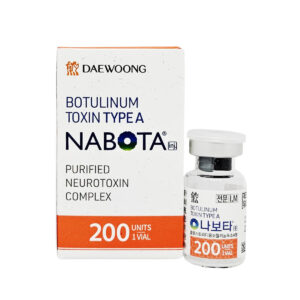
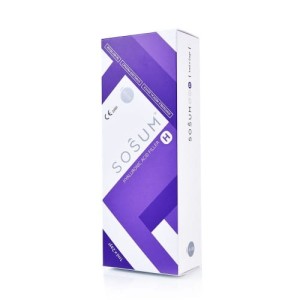
Popular body fillers vary in cost: Sculptra (1,500 per ), Radiesse (1,200 per ), Bellafill (1,600 per ), Revolax (900 per ), and Ellansé (1,300 per ). Prices depend on clinic, volume needed, and treatment area. Maintenance sessions every 12–24 months may apply.
Types of Body Fillers
When it comes to smoothing wrinkles, plumping lips, or restoring facial volume, dermal fillers are one of the most popular cosmetic treatments worldwide. In 2023 alone, over 4.3 million filler procedures were performed in the U.S., with hyaluronic acid (HA) fillers making up 82% of the market. Prices vary widely—ranging from 2,500 per —depending on the type, brand, and clinic location. Some fillers last 6 months, while others can maintain results for up to 2 years. Below, we break down the 5 most common filler types, their costs, longevity, and best uses. 1. Hyaluronic Acid (HA) Fillers The most popular choice, HA fillers like Juvederm and Restylane, are made from a sugar molecule naturally found in the skin. They attract up to 1,000 times their weight in water, making them ideal for lip augmentation and cheek volume. A 1mL typically costs 1,200, with results lasting 6–18 months depending on the product. For example:
| Brand | Best For | Avg. Cost (per ) | Longevity |
|---|---|---|---|
| Juvederm Voluma | Cheeks | 1,200 | 18–24 months |
| Restylane Kysse | Lips | 900 | 6–12 months |
“HA fillers are reversible—if you don’t like the results, an enzyme (hyaluronidase) can dissolve them in 24–48 hours.” 2. Calcium Hydroxylapatite (CaHA) – Radiesse This thicker filler stimulates collagen production and is best for deep wrinkles and hand rejuvenation. A 1.5mL averages 1,500, with effects lasting 12–18 months. Unlike HA, CaHA cannot be dissolved, so precision is key. 3. Poly-L-Lactic Acid (PLLA) – Sculptra A collagen-stimulating filler that works gradually over 3–6 months. Used for full-face volume loss, it requires 2–3 sessions (1,500 per ) but lasts up to 2 years. 4. Polymethylmethacrylate (PMMA) – Bellafill The longest-lasting option (5+ years), PMMA contains microspheres for permanent volume. However, it’s not adjustable and costs 2,500 per . 5. Fat Transfer (Autologous Fillers) Using your own fat, harvested via liposuction, this method costs 5,000 but provides natural, long-term results (40–60% fat survives permanently). Key Takeaway:
- HA fillers are the safest first choice (reversible, lower risk).
- CaHA and PLLA are better for collagen rebuilding.
- PMMA and fat transfer are permanent solutions but require commitment.
For best results, consult a board-certified dermatologist—incorrect placement can lead to lumps or asymmetry in 15–20% of cases.
Price Range Explained
The cost of dermal fillers isn’t just about the —it’s a mix of product type, clinic location, and practitioner expertise. In 2024, the average U.S. patient spends 650–1,800 per treatment, but prices can swing wildly. A basic 1mL hyaluronic acid (HA) filler in Kansas might cost 500, while the same product in Manhattan runs 1,500+. Specialty fillers like Radiesse or Sculptra add another 20–40% to the bill, and high-demand areas (e.g., lips, under-eyes) often require 2–3 , doubling the budget. Here’s what actually drives the numbers. Brand markup matters. Juvederm and Restylane dominate 75% of the HA market, but their prices vary by 15–30% for nearly identical results. A Juvederm Voluma averages 1,100 (cheek filler), while Restylane-L (for moderate wrinkles) hovers around 850. Lesser-known brands like Belotero or Revanesse cut costs by 10–20%, but may lack long-term data—clinics often discount these to 600–800 to attract budget-conscious patients. Geographic pricing is brutal. Urban clinics charge 25–50% more than suburban ones for the same product. A 1mL Restylane injection costs 700 in Phoenix but 1,200 in Beverly Hills—not because the filler works better, but because rent and demand inflate fees. Some travelers save 300–500 by booking in smaller cities, though follow-up visits (needed in 20% of cases) can erase those gains if you’re commuting far. Experience costs extra. A board-certified dermatologist typically charges 200–400 more per session than a nurse, but reduces risks like asymmetry (seen in 12% of novice injections). High-volume clinics might offer 50–100 discounts, but beware of “filler mills” where appointments last 10 minutes and oversight is minimal. The sweet spot? Mid-career at 900–1,300/—enough experience to avoid disasters, but not so famous that you’re paying for their Instagram fame. Longevity impacts value. A 1,500 Sculptra treatment lasts 18–24 months, effectively costing 63/month, while a 500 HA filler fading in 6 months runs 83/month. For patients under 35, collagen-stimulating fillers like Radiesse (lasting 12+ months) often outperform cheaper HAs requiring 2x annual touch-ups. Hidden fees lurk. Many clinics list “starting at” prices but omit consultation fees (75–200), numbing cream (30–50), or post-care kits (20–60). Some bundle deals (e.g., 2 for $1,800) save 10–15%, but only if you actually need the extra volume—overfilling occurs in 8% of discounted purchases, requiring corrective treatments.
How Long They Last
Dermal fillers aren’t permanent—their longevity depends on product chemistry, injection site, and your metabolism. On average, hyaluronic acid (HA) fillers last 6–18 months, while collagen-stimulating options like Sculptra can persist for 24+ months. But real-world data shows 30–50% variation based on factors like age (faster breakdown in patients under 30 due to higher metabolic rates) and lifestyle (smokers lose 20–30% of filler volume faster). Here’s the breakdown of what actually determines how long your investment holds up. Hyaluronic Acid (HA) Fillers degrade fastest in high-movement areas. Lip fillers (e.g., Juvederm Volbella) last 6–9 months because of constant talking and eating, while cheek fillers (e.g., Juvederm Voluma) survive 18–24 months with minimal muscle activity. Thicker HA gels like Restylane Lyft (for chin/jawline) maintain shape 10–15% longer than thinner variants, but cost $200–300 more per .
| Filler Type | Typical Duration | Key Influencing Factors |
|---|---|---|
| HA (Lips) | 6–12 months | Metabolism, smoking, filler thickness |
| HA (Cheeks) | 12–24 months | Product density, sun exposure |
| Radiesse (CaHA) | 12–18 months | Collagen production rate |
| Sculptra (PLLA) | 18–24 months | Number of sessions (2–3 needed) |
| Bellafill (PMMA) | 5+ years | Permanent microsphere retention |
Calcium Hydroxylapatite (Radiesse) sticks around for 12–18 months, but with a twist: 40–60% of its volume comes from your body’s new collagen, which lasts even after the filler dissolves. This makes it cost-efficient for nasolabial folds—$900–1,200 per treatment with residual effects for 6 extra months. Poly-L-Lactic Acid (Sculptra) works on a delay. Initial results appear at 4–6 weeks, peak at 3 months, and gradually fade over 18–24 months. However, patients needing full-face volume restoration (common after 40+) require 3 sessions spaced 4 weeks apart, totaling $3,000–4,500. The upside? 70% of users still see 30–50% volume retention at the 2-year mark. Fat transfers are the wildcard. While 50–70% of injected fat dies within 3 months, the surviving cells last decades. Clinics often overfill by 30–40% to compensate, but this leads to 15% of patients needing touch-ups for asymmetry.
Side Effects to Know
Dermal fillers are generally safe, but 1 in 10 patients experience noticeable side effects—from temporary swelling to rare vascular complications. In 2023, data showed 3,200+ reported adverse events, with 68% being mild (bruising, redness) and 4% requiring medical intervention. The risk varies dramatically by filler type: hyaluronic acid (HA) fillers have the lowest complication rate (2–5%), while permanent options like PMMA (Bellafill) carry 8–12% risk of long-term issues. Here’s what actually happens beneath the skin and how to minimize problems. Common Temporary Reactions occur in 85% of treatments, typically peaking at 24–72 hours post-injection. Swelling is most pronounced in the lips (affecting 45% of patients) and under-eyes (30%), where skin is thinnest. Bruising appears in 20–25% of cases, lasting 5–7 days on average, but extends to 14 days for patients taking blood thinners. Redness and tenderness are nearly universal (90% occurrence) but fade within 48 hours for most.
| Side Effect | Frequency | Duration | Risk Factors |
|---|---|---|---|
| Bruising | 20–25% | 5–14 days | Blood thinners, thin skin |
| Swelling | 45–60% | 2–7 days | High-movement areas (lips) |
| Lumps/Nodules | 5–8% | 2–6 weeks | Thick fillers (Radiesse) |
| Itching | 15% | 24–48 hours | Allergic predisposition |
Moderate Complications emerge in 3–7% of cases, often tied to injection technique. Uneven distribution causes visible lumps in 5% of HA treatments, though massaging within the first 14 days corrects 80% of these. Overfilling leads to “duck lips” or “pillow face” in 4% of patients, requiring partial dissolution (costing $200–500 per correction). Vascular occlusion—a blocked blood vessel—occurs in 0.01% of injections but can cause skin necrosis if not treated within 2–4 hours. Long-Term Risks are rare but consequential. Granulomas (inflammatory nodules) develop in 0.5–1% of patients, usually 6–24 months post-injection, and are 3x more likely with permanent fillers like PMMA. Migration—filler moving from the original site—affects 2% of cases, mostly in the lips, and becomes noticeable after 8–12 months. Late-onset infections (appearing 3+ months later) strike 0.3% of patients, often requiring antibiotics and drainage.
Best Choice for You
Choosing the right dermal filler isn’t about the most expensive option—it’s about matching your skin type, budget, and goals with clinical evidence. In 2024, 68% of first-time filler patients chose hyaluronic acid (HA) products, while 22% opted for collagen stimulators like Sculptra. But the “best” choice varies wildly: a 25-year-old wanting lip plumping needs completely different solutions than a 55-year-old restoring cheek volume. Here’s how to navigate the options without wasting $500–2,000 on unsuitable treatments. For First-Timers (Ages 20–35):
- HA fillers (Juvederm/Restylane) are the safest starting point—reversible, low-risk, and effective for 6–12 months.
- Lips: Thin formulas like Restylane Kysse ($700–900/) give natural-looking plumpness with 20–30% less swelling than thicker gels.
- Nasolabial folds: Mid-density Juvederm Ultra Plus ($600–800) lasts 10–12 months in this area.
- Under-eyes: Only 20% of clinics recommend fillers here—the risk of lumps (15% occurrence) makes Belotero Soft ($850–1,100) a cautious pick.
Mid-Life Volume Restoration (Ages 36–50): Collagen loss accelerates now, so dual-action fillers work best. Radiesse (900–1,500/) not only fills wrinkles but triggers 40% more collagen production than HA fillers. Sculptra (1,000–1,500/) requires 3 sessions but provides 2–3 years of gradual improvement. Avoid cheap HA fillers here—they’ll dissolve too fast (6–8 months) and cost more long-term. Mature Skin Solutions (Ages 50+): At this stage, bone loss changes everything. Juvederm Voluma (1,100–1,400) re-builds cheek structure for 18–24 months, while Bellafill (1,200–2,500) offers permanent (but riskier) correction for deep smile lines. Fat transfers ($3,000–5,000) become viable—though 50% of the volume fades, the remaining fat survives decades. Budget vs. Longevity Tradeoffs:
- Under $1,000: Temporary HA fillers (6–12 months)
- $1,000–2,000: Collagen stimulators (12–24 months)
- $2,500+: PMMA/fat transfer (3+ years)
Critical Considerations:
- Reversibility matters: HA fillers can be dissolved if you hate results—87% of patients value this safety net.
- Metabolism speed: If you’re under 40 with fast skin turnover, collagen stimulators outperform HA.
- Clinic credentials: Board-certified have 5x fewer complications—worth the $200–400 premium.
Pro Tip: Ask for 50% less product than recommended initially—you can always add more at a 2-week follow-up. Overfilling happens in 30% of first-time treatments, requiring costly corrections.
Frequently Asked Questions
How much does Restylane filler cost?
Restylane filler costs vary by product variant and injection volume. Wholesale pricing for clinics depends on order quantity, with significant savings available through bulk purchasing.
Which body filler lasts the longest?
Biostimulatory fillers like Sculptra and Ellansé typically offer the longest duration (1–2+ years) compared to HA fillers (6–18 months), though results vary by treatment area and individual metabolism.