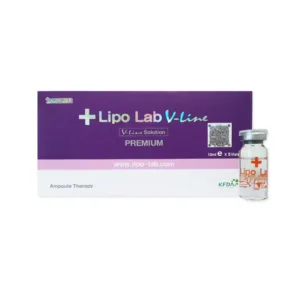
Fillers are suitable for local fine-tuning, with a single treatment costing approximately $2,000-$5,000. No surgery is required, the recovery period is only 1-3 days, and effects usually last for 1-2 years. Surgery, on the other hand, can provide significant and permanent changes, but the starting price is usually above $8,000 and requires 2-4 weeks for recovery. In terms of safety, fillers require precautions against vascular embolism risks, while surgery involves risks related to anesthesia and infection.
Best Options
For local depressions under 200ml (such as hip dips), macro-molecular hyaluronic acid or PLLA fillers are the mainstream, with a recovery period of about 48 hours and a maintenance period of 12-24 months. If large-volume remodeling of over 500ml is involved, autologous fat transplantation (survival rate 60%-80%) or prosthesis implantation is more long-term. Data shows that although the single expenditure for prosthesis surgery is high, when spread over a 10-year usage period, its annual holding cost is only about 20% of the cost of regular filler touch-ups.
Body Fillers
The use of body fillers in Western medical aesthetics markets is increasing at a rate of over 10% annually. Currently, materials with or CE certification are mainly divided into macro-molecular hyaluronic acid (HA) and bio-stimulatory materials (such as PLLA). Standard specifications for such products are individual packages of 10ml to 50ml. For hip dips or dorsal hand atrophy, the single injection volume is usually controlled within the 20ml-100ml range. This procedure does not require general anesthesia; only local infiltration anesthesia at the entry point is needed, and the entire process takes about 45 minutes.
- Macro-molecular Hyaluronic Acid (High G-Prime HA): Such as HYAcorp MLF2, which has a massive molecular weight and provides extremely strong physical support.
- Poly-L-Lactic Acid (PLLA): Such as Lanluma X, which stimulates fibroblasts to produce new collagen; the volume-increasing effect reaches its peak after 3 months.
- Specifications: Often used with 18G or 21G blunt (), with lengths usually between 70mm and 150mm.
- Metabolic Cycle: Hyaluronic acid is naturally decomposed by hyaluronidase within 12-18 months; PLLA maintenance time usually exceeds 24 months.
- Single Loading Capacity: It is recommended that a single anatomical area (such as one side of the buttock) does not exceed a load of 50ml at one time to prevent gravitational displacement.
On this basis, the depth of operation directly determines the final realism of the touch. Doctors usually place the material in the subcutaneous fat layer or above the fascia layer. If the layer is too shallow, small nodules or irregularities of 1mm-3mm may be observed on the skin surface. If the layer is too deep, it may enter the muscle tissue, increasing the probability of hematoma by about 2%. Improving hand aging requires only 1ml-2ml of hyaluronic acid per hand, while modifying hip contours requires a large reserve. The following is a comparison table of common site volumes based on clinical pathways in Europe and the United States:
| Area | Target Effect | Suggested Initial Volume (Per side) | Material Preference |
|---|---|---|---|
| Hip Dips | Fill depressions, round the contour | 30ml – 60ml | PLLA (More natural) |
| Dorsal Hand | Cover prominent vessels and bones | 1ml – 2.5ml | Macro-molecular HA |
| Posterior Calf | Increase muscle definition | 20ml – 40ml | High-support HA |
| Breast (Use with caution) | Increase by 0.5 cup size | 50ml – 100ml | Needs to consider X-ray imaging interference |
Calculated at average prices in Los Angeles or London, the cost per 10ml of body filler is between $800 to $1500. To maintain a 100ml hip filling effect, the annual touch-up fee may reach over $5000. This financial expenditure will exceed autologous fat surgery within a timeframe of about 3 years. However, its advantage lies in zero downtime cost. More than 90% of recipients can return to light clerical work within 24 hours after injection. Within 72 hours post-operation, there will be a temporary edema increase of about 10%-15%, after which the volume will stabilize.
- 18G Blunt Technology: Reduces the risk of vascular puncture, bringing the risk of embolism down to below 0.01%.
- Sterility Level: Operations are required to be performed in a laminar flow clinic or an equivalent sterile environment.
- Post-operative Compression: After injection, an elastic garment with a pressure of 20-30 mmHg must be worn for about 3-5 days.
- Rejection Rate: The biological rejection rate of purified HA is less than 1.5%.
- Dissolution Mechanism: In cases of dissatisfaction with hyaluronic acid, 1500U of hyaluronidase can degrade it within 24 hours.
High G-Prime means the substance has strong resilience after being compressed, making it suitable for pressure-bearing areas like the buttocks. Viscosity, on the other hand, determines whether the material is easy to diffuse within the tissue. For those seeking immediate results, macro-molecular hyaluronic acid has instant visibility, and changes can be observed in a dressing mirror 5 minutes after the procedure. This instant feedback is incomparable to surgical projects, the latter of which usually require waiting for a 30-60 day swelling period. However, when dealing with large volume deficiencies of over 200ml, the physical gravity of fillers will cause tissue relaxation. Clinical data shows that long-term large-dose injections of fillers may lead to a decrease in local skin tension. To avoid this long-term negative manifestation, doctors usually recommend a “small amount, multiple times” strategy. Supplementing 10ml-20ml every 6-9 months is more conducive to maintaining skin elasticity and the stability of the anatomical structure than a one-time infusion of 100ml.
Autologous Fat Transplantation
Doctors extract surplus fat tissue from the abdomen, thighs, or flanks through tiny incisions of 3mm-5mm using liposuction with diameters of 3.0mm to 4.0mm. According to statistics from the American Society for Aesthetic Plastic Surgery (ASAPS), the total amount of fat extracted in a single surgery is usually between 1000ml and 3000ml.
The centrifugation stage is usually set at a speed of 3000 rpm for 3 minutes. This process can effectively separate pure fat cells from high-concentration adipose-derived stem cells (ADSCs), the latter being a technical indicator for increasing the subsequent survival rate.
The purified fat is loaded into 10ml or 60ml. For buttock contouring, the single-side injection volume is often between 500ml to 1200ml. Doctors avoid deep muscle tissue and distribute the fat into the subcutaneous fat layer. This operation can reduce the occurrence probability of fat embolism to below 1/15,000. If fat is piled up in large quantities in the same area, excessive local tissue pressure will cause more than 50% of the cells to undergo necrosis.
- Fat Survival Rate: After 3-6 months, a stable period is reached, and the final retention ratio is usually 60% to 80%.
- Absorption Peak: The 2nd to 8th week post-operation is the most obvious stage of tissue absorption, and the volume may shrink by about 20%.
- Incision Size: The hole diameters for the suction and injection sites are both controlled within 4mm, and no complex suturing is required after surgery.
- Surgery Duration: The entire process including fat harvesting and filling usually takes 2.5 hours to 4 hours, depending on the number of fat harvesting sites.
Since the transplanted material is one’s own tissue, the body will not produce a rejection reaction. Within 24 hours post-operation, fat cells in the transplanted area rely on plasma exudation from surrounding tissues for nutrients. By the 3rd day, microvessels begin to grow into the filling area, establishing a permanent blood circulation system.
The 48 hours post-operation is the peak period of the inflammatory response, and local tissue will show 15%-25% temporary swelling. During this period, recipients must avoid pressing the filling area to prevent damage to the newly formed microvascular network.
To maintain the shape, recipients must wear professional elastic compression garments. The pressure value provided by these garments is usually 20-30 mmHg, aiming to reduce fluid accumulation in the surgical area. The liposuction site needs continuous compression for 4-6 weeks, while the filling site needs to maintain a relatively loose environment. Within the recovery cycle, recipients are required to avoid sitting directly on the buttocks for 3 weeks (if a BBL surgery was performed). This physical restriction is to protect the spatial distribution of fat in the subcutaneous layer and prevent fat liquefaction or displacement caused by pressure.
- BMI Threshold: It is suggested that the recipient’s BMI index be between 22 to 30 to ensure a subcutaneous reserve of over 2000ml.
- Activity Restrictions: Light clerical work can be resumed 10 days post-operation, and high-intensity cardio training can only be performed after 6 weeks.
- Anesthesia Method: Large-volume transplantation usually adopts general anesthesia or epidural anesthesia, and blood oxygen saturation monitoring during surgery must be maintained above 95%.
- Temperature Control: The filling area needs to be maintained at a normal body temperature of 36.5℃-37℃ after surgery; cold compresses will constrict blood vessels and reduce the survival chance by 10%.
From a long-term perspective, once the fat survives after 6 months, it will change synchronously with the increase or decrease of body weight. This means that if the recipient’s body weight increases by 5%, the volume of the filling area will also increase accordingly. Regarding the quantification of financial expenditure, the average quote for autologous fat surgery in the US and UK is between $8,000 to $15,000. Although the initial investment is higher than that of fillers, considering there is no need to pay a $5,000 maintenance fee every two years, its comprehensive cost-performance ratio over a 5-year period is superior.
The International Society of Aesthetic Plastic Surgery (ISAPS) points out that the annual volume of autologous fat transplantation in the US exceeds 25,000 cases. The incidence rate of seroma among its complications is less than 3%, which is usually resolved through puncture and suction within 10 days post-operation.
This method achieves both “subtraction” and “addition” simultaneously. In the process of extracting 2000ml of fat, the circumference of the donor site can usually be reduced by 3cm to 8cm. Since no foreign body implantation is involved, this plan avoids the risk of capsular contracture associated with prostheses. In follow-up studies lasting as long as 10 years, no correlation between fat transplantation and malignant lesions in the breasts or buttocks has been found, which gives it a high weight in safety assessments.
- Instrument Disinfection: High-pressure steam sterilized stainless steel liposuction must be used to reduce deep infection rates by 0.5%.
- Pre-operative Testing: Hemoglobin needs to be higher than 11g/dL to ensure surgical tolerance and post-operative tissue repair efficiency.
- Smoking Impact: Smoking is prohibited for 4 weeks before and after surgery, otherwise nicotine will cause microvascular constriction, leading to a 30% decrease in survival rate.
Prosthesis Implantation
Prosthesis implantation is a structural solution for individuals with a body fat percentage below 18% and who lack autologous fat reserves. The annual volume of prosthesis surgeries worldwide remains above 1.5 million cases. The mainstream material currently is Cohesive Gel. This silicone has “memory” in its molecular structure; even when the external shell ruptures under a pressure of over 200 lbs, the internal components remain in a solid form and will not leak or diffuse in the tissue spaces. The prosthesis shell consists of multiple layers of medical-grade silicone rubber, with a single layer thickness usually around 0.5mm. The shell surface is divided into smooth and micro-textured. Data shows that the 10-year rupture rate of fifth-generation silicone prostheses is maintained below 5%, and its durability far exceeds that of early products. This physical support can provide a wide range of volume options, usually from 100cc to 800cc. Since volume is a fixed physical value, the post-operative effect has high predictability, and there is no problem of 20%-40% absorption loss common in fillers or fat transplantation.
- Volume Gradient: A jump of 20cc-50cc per level allows doctors to make differential compensations based on the asymmetry of the patient’s body on both sides.
- Shape Distribution: Divided into Round and Anatomical (teardrop-shaped); the former increases fullness in the upper part, while the latter better fits natural anatomical curves.
- Projection Height: Divided into low, medium, and high profiles, which directly determines the degree of protrusion of the lateral body contour.
- Shell Technology: Modern prostheses use multi-layer barrier technology to reduce the leakage rate of small-molecule silicone oil to below 0.01%.
The surgery process is usually performed under general anesthesia, taking about 90 to 180 minutes in total. The incision length is precisely controlled between 3.8cm to 5cm. The doctor uses a dissector to create a cavity in the tissue gap slightly larger than the base diameter of the prosthesis, ensuring the prosthesis can be placed flatly. The choice of implantation layer directly affects the appearance. Placing the prosthesis under the muscle (such as the pectoralis major or gluteus maximus) can provide an additional 1cm-2cm of thickness coverage using muscle tissue. This approach significantly reduces the sensation of prosthesis edges, making the touch more natural 6 months post-operation.
Clinical studies point out that the Dual Plane implantation technique combines muscle coverage with fascial support. This method can reduce the probability of post-operative prosthesis displacement to about 2%, while reducing the direct pressure of gravity on skin tension.
To reduce the risk of infection, a Keller Funnel is often used during surgery. This single-use sterile delivery device allows the prosthesis to enter the cavity without contacting the edges of the skin incision. Clinical statistics show that this can reduce the incidence of capsular contracture by about 50%.
- Drainage Management: About 30% of large-volume implant recipients need to have a drainage tube placed for 24-48 hours to ensure post-operative accumulated blood is below 20ml.
- Incision Suturing: Adopts 3-layer or 4-layer tension-reducing suturing technology; the outermost layer usually uses medical glue or adhesive strips to avoid suture removal.
- Initial Pressure: A special supporting bra must be worn for 24 hours post-surgery, with the pressure value usually set at 15-20 mmHg.
- Hematoma Monitoring: The 24 hours post-operation is the observation period; if the local circumference increases abnormally by more than 3cm, internal bleeding must be ruled out.
The stability of this physical structure allows recipients to resume basic self-care in 3-5 days post-operation. Since it does not involve the systemic inflammatory response brought by large-area liposuction, its early physical weakness is less than that of autologous fat transplantation. However, submuscular implantation will cause obvious soreness initially.
Long-term safety data (such as tracking reports) show that recipients are advised to have their first MRI or ultrasound check in the 3rd year post-operation. Subsequently, a check should be performed every 2 years to monitor for “silent rupture.”
Regarding financial costs, in cities like Los Angeles and London, the average total fee for such surgery is between $10,000 to $18,000. Although the initial expenditure is high, considering the prosthesis has an expected lifespan of over 10 years, its annual holding cost is much lower than that of fillers which require frequent touch-ups. In the long-term performance of prosthesis implantation, capsular contracture is the main concern. When the body reacts excessively to a foreign body, the fiber membrane around the prosthesis will contract and harden. In Baker classification, the incidence of Grade III or IV contracture in modern clinical practice is about 8%-12%.
- Physical Contraindications: High-intensity upper limb strength training or strenuous running is strictly prohibited within 6 weeks (42 days) post-operation.
- Gravitational Attenuation: Long-term wearing of supportive underwear can delay tissue sagging caused by the weight of the prosthesis (such as 400g).
- Air Travel: Long-distance flights can only be taken 10-14 days post-operation once the tolerance to air pressure has recovered.
- Satisfaction Index: Multiple follow-up studies in Europe and the US show that patient satisfaction at 1 year post-operation is usually stable at over 95%.
Safety
ISAPS statistics show that the serious complication rate for large-area liposuction is 0.07%, mainly associated with fat embolism; While the risk of vascular accidents for injectable fillers (such as hyaluronic acid) is between 0.01% to 0.05%. Although fillers have a 48-hour golden window for treatment, if non- certified materials are used, the incidence of delayed inflammation is as high as 15%. Surgical operations involve general anesthesia, and a duration of over 6 hours will increase the probability of thrombosis by 2.1 times. Safety is highly dependent on pre-operative BMI assessment and clinical monitoring.
Body Filling
Body filling technology occupies over 70% of the consultation share in the non-surgical contouring field in 2026, primarily remodeling body contours through high-volume fillers. Unlike face treatments which only require 1ml to 2ml of micro-injection, the single filling volume for body areas like the buttocks or breasts is usually between 100ml to 400ml. Mainstream materials currently on the market include hyaluronic acid (HA) and poly-L-lactic acid (PLLA). Certain -approved HA brands (such as series for large-area filling) usually have a concentration set at 20mg/ml to maintain sufficient tissue support. These substances are injected between the subcutaneous fat layer and the fascia layer, achieving shape remodeling through physical occupation or stimulation of collagen regeneration. Experimental data shows that cross-linked HA can be maintained in the body for 12 to 18 months, while the effect of PLLA can be extended to 24 months through the activation of fibroblasts. The following is a comparison of technical parameters of three mainstream filling materials:
| Material Type | Mechanism of Action | Maintenance Time | Common Application Sites | Suggested Single Dose |
|---|---|---|---|---|
| Hyaluronic Acid (HA) | Physical occupation and moisture adsorption | 12 – 18 months | Buttocks, back of hand, calves | 100 – 300ml |
| Poly-L-Lactic Acid (PLLA) | Inducing collagen regeneration | 18 – 24 months | Buttocks, thigh depressions | 10 – 20 bottles (367.5mg each) |
| Calcium Hydroxylapatite (CaHA) | Structural support and collagen regeneration | 12 – 15 months | Back of hand, neck | 5 – 15ml |
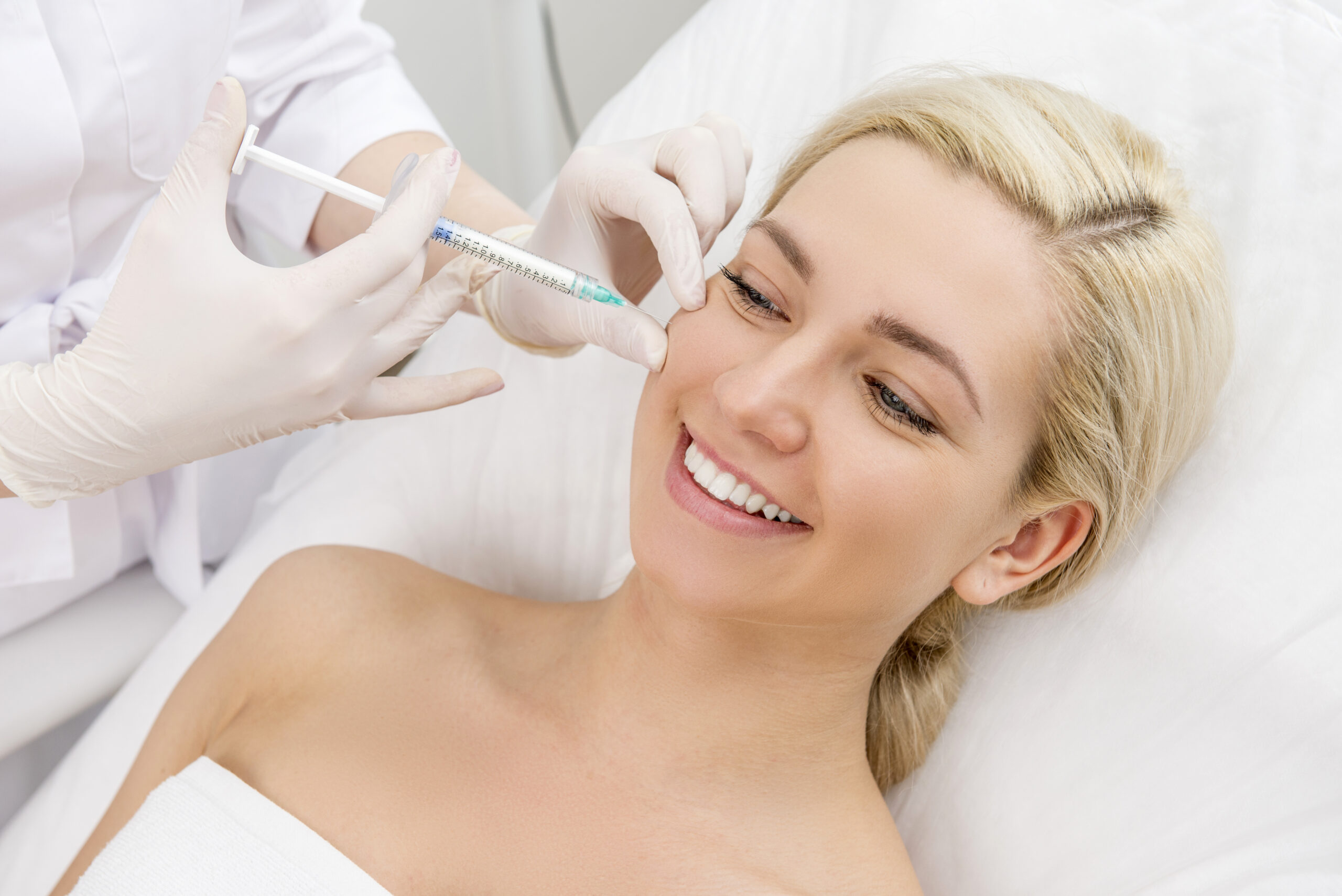
At the operational level, doctors usually use 18G or 22G blunt for fan-shaped injection. The choice of this tool can reduce the probability of vascular puncture by about 80%, especially in the gluteus maximus area where dense vascular networks are distributed. For those seeking “non-surgical buttock augmentation” (Liquid BBL), PLLA shows high satisfaction. Statistics show that about 75% of recipients, after completing 3 sessions at intervals of 4 to 6 weeks, had a local skin thickness increase of over 2.5mm. The filling process is usually completed within 45 to 90 minutes, requiring only local anesthesia (lidocaine concentration is often controlled at 0.5% to 1%). Compared to surgeries requiring general anesthesia, this method avoids intubation risks and a post-operative bed-ridden period of up to 2 weeks.
- Cost Per Bottle/: In clinics in London or New York, the price per bottle of PLLA or per of large-volume HA is between $600 to $1,200.
- Complete Course: A standard buttock lift may require 20 bottles of PLLA, with total fees as high as $12,000 to $24,000.
- Follow-up Maintenance: To maintain the effect, recipients usually need a supplemental injection of 30% dose after 18 months.
Since this method does not involve large-area tissue dissection, recipients can resume light social activities in 24 hours post-operation. Clinical observation records show that only about 3% of people experience bruising or swelling at the injection point for more than 72 hours. Regarding the biological safety of materials, HA has a natural “withdrawal mechanism”, namely degradation using hyaluronidase. If asymmetry or an undesirable shape occurs, doctors can inject 150-300 units of the dissolving enzyme to eliminate the filling effect within a few hours. PLLA, on the other hand, exhibits different characteristics; it does not have an instant dissolving agent, so it places extremely high demands on the doctor’s injection uniformity. If the dilution ratio is lower than the official recommendation of 5ml to 8ml of sterile water, the probability of post-operative subcutaneous nodules increases by 12%. At the anatomical level, fillers must avoid areas of superficial nerve distribution. Taking hand filling as an example, the filler is precisely placed under the dorsal superficial fascia, aiming to cover prominent tendon sheaths and blood vessels, reducing the visual age of the hand by 5 to 10 years. When skin sagging exceeds 3 cm, fillers may cause increased local sagging due to gravity, manifesting as a decrease in tissue mechanical properties. The post-operative care procedure is also very simple, usually including the 5-5-5 rule (for PLLA): massage 5 times a day, for 5 minutes each time, for 5 days. According to data from the European Academy of Dermatology, the probability of severe allergy to non-animal sourced HA is lower than 1:10,000, far lower than in the era of traditional bovine collagen. You can refer to the following table for differences in filling logic for different body areas:
- Breast Filling: Although popular in some areas, the still holds a cautious attitude towards it because fillers may interfere with the accuracy of X-ray mammography.
- Hip Dips: This is currently the most successfully filled area, usually requiring only 40ml to 100ml to smooth the lateral contour.
- Above the Knees: For skin wrinkles, using diluted PLLA can increase the density of elastic fibers in the dermis, with an improvement rate of about 60%.
In the era of social media pursuing instant visual changes, projects that can be completed over a weekend and followed by normal work on Monday have a market penetration rate 3 times faster than traditional surgery. Although fillers cannot provide permanent volume like prostheses, they have a higher simulation degree of the body’s natural contours. Biomechanical testing shows that the tissue feel after filling has a matching degree of 92% with natural fat hardness (Young’s Modulus). The final choice often depends on the recipient’s BMI index. If a person’s BMI is below 18, due to a lack of sufficient autologous fat for transposition, body filling becomes the only means of contour improvement besides prosthesis implantation. Regarding safety records, in a regular medical environment, the incidence of serious complications such as vascular embolism is controlled below 0.05%.
Surgical Procedures
Surgical procedures directly change the anatomical structure through physical means, and their contour remodeling maintenance duration usually exceeds 10 to 15 years. Unlike fillers that require regular supplementation, surgery shows higher efficiency in solving large-volume tissue deficiencies (such as over 500ml breast or buttock contouring) at one time. In clinical practice in 2026, autologous fat transplantation buttock augmentation (BBL) is one of the mainstream choices. The procedure involves extracting 1500ml to 3000ml of fat mixture from the abdomen or flanks, and obtaining about 800ml of high-concentration fat after centrifugal purification. Statistics show that the average survival rate of injected fat is stable at around 65%, and the surviving cells will establish connections with the recipient area’s blood circulation, becoming a permanent part of the body.
- Fat Harvesting Volume: The single safe suction limit for adult recipients is 5000ml; exceeding this value will increase the probability of electrolyte imbalance by 15%.
- Tissue Survival Period: 12 weeks post-operation is the finalization period for fat survival; thereafter, the only reason for volume fluctuation is changes in individual body weight.
- Injection Depth: To avoid embolism, fat injection pressure must be maintained below 10 PSI, and a blunt injection tube with a diameter of 4mm must be used.
- Contouring Precision: Surgery can simultaneously perform recipient area filling and donor area fat reduction, achieving 360-degree body curve remodeling.
Prosthesis implantation surgery occupies a dominant position in breast contouring, and the capsular contracture rate of modern sixth-generation silicone prostheses has dropped below 3%. The thickness and toughness of the prosthesis shell have been tested to withstand instantaneous pressure of over 200kg without rupture. For individuals lacking autologous fat foundation, prostheses can provide volume choices ranging from 200cc to 600cc, and post-operative breast symmetry deviation can be controlled within 5%. The safety of general anesthesia technology has increased 2 times in the past ten years. ASPS reports show that in controlled outpatient surgery centers, the incidence of serious complications related to anesthesia is about 1:100,000, thanks to intraoperative carbon dioxide monitoring and automatic hemodynamic analysis. For recipients with skin relaxation, abdominoplasty (Tummy Tuck) involves removing excess subcutaneous tissue and suturing the rectus abdominis muscles. The surgery usually removes loose skin with a width of 10 to 20 cm and visually reduces the waistline by 5 to 8 cm. Although this process will leave an incision scar about 30 to 40 cm long, its reinforcement effect on deep tissues is incomparable to any non-surgical method. Clinical records show that the average evaluation of trunk core stability in patients after such surgery increased by 25%.
- Surgery Duration: Combined body sculpting surgeries usually take 4 to 6 hours and are performed by 2 surgeons working together to reduce anesthesia exposure time.
- Post-operative Drainage: Usually 2 drainage tubes are placed after surgery, and they can be removed when the daily drainage volume is below 30ml (about 7 days post-surgery).
- Elastic Compression: Recipients need to wear professional shapewear with a pressure level of 20-30 mmHg and use it continuously for 6 to 8 weeks to subside edema.
- Anticoagulation Management: Passive limb activities are started within 24 hours post-surgery to reduce the incidence of deep vein thrombosis (DVT) to 0.2%.
- Scar Management: Starting silicone gel or laser intervention at 2 weeks post-surgery can limit the final scar width within 2mm.
In North America or Western Europe, a standard surgical plan fee structure is as shown in the table below:
| Cost Component | Estimated Amount (USD) | Proportion Explanation |
|---|---|---|
| Surgeon’s Fee | $6,000 – $15,000 | Depends on surgery complexity and doctor’s experience |
| Anesthetist and Monitoring | $1,500 – $3,000 | Charged hourly, including post-operative monitoring time |
| Operating Room Facility Fee | $2,000 – $4,500 | Includes sterile consumables and laminar flow equipment depreciation |
| Prosthesis/Consumable Cost | $1,000 – $2,500 | Only for prosthesis implantation or special suture projects |
| Post-op Care and Follow-up | $500 – $1,200 | Includes drainage tube management and follow-up within one year |
Although the initial investment is 2 to 5 times that of a filling project, if the timeframe is extended to 10 years, the annual amortized cost of the surgery is about $1,500. In contrast, maintaining the same volume of fillers long-term may require an annual expenditure of over $5,000. The body’s response to trauma determines that 14 days post-surgery is the turning point for recovery. During this period, the body will undergo inflammatory exudation and tissue proliferation phases, and about 90% of serious hematoma risks will occur within 48 hours post-surgery. Data shows that returning to office positions takes an average of 10 to 14 days, while resuming high-intensity gym exercise (such as squats or bench press) requires waiting for a tissue maturation period of 6 to 8 weeks. For recipients with a BMI over 30, surgical risk increases linearly. Surgeons usually recommend reducing weight fluctuations to within 5kg through diet control first, as drastic post-operative weight changes will cause a 40% loss in surgical effect within 2 years.
Risk Reduction Standards
Statistics show that for recipients with a BMI over 30, the probability of post-operative wound dehiscence and fat liquefaction is 35% higher than in the normal range population. Top medical aesthetics centers in North America require a complete cessation of nicotine intake for 28 days pre-surgery, as nicotine causes microvascular constriction, increasing tissue necrosis risk 4 times. Before entering the procedure, recipients need to provide a blood test report containing 12 core indicators.
- Hemoglobin Level: Must be maintained above 12g/dL to ensure sufficient oxygen supply for post-operative tissue repair.
- Prothrombin Time (PT): A deviation from the standard value by more than 2 seconds usually results in rejection to avoid post-operative hematoma.
- Glycated Hemoglobin (HbA1c): The indicator needs to be below 6.5%, otherwise the infection rate will soar from 1% to about 10%.
- Cotinine Urine Test: Concentration must be below 10ng/ml to confirm the recipient has completely quit smoking.
In centers with AAAASF (American Association for Accreditation of Ambulatory Surgery Facilities) or JCI accreditation, the probability of major medical accidents is suppressed below 0.002%. Such institutions are equipped with laminar flow purification systems equivalent to large hospitals, performing over 20 air changes per hour, filtering 99.9% of pathogenic bacteria.
Practicing physicians’ qualifications need to be checked down to their sub-specialty background. Recipients should check the doctor’s code on the ABPS (American Board of Plastic Surgery) official website to confirm they have 6 to 8 years of specialist residency training experience. When non-specialist doctors perform complex body sculpting surgeries, the post-operative repair rate is an average of 22% higher.
Using 22G or 25G blunt instead of sharp can reduce the chance of accidental entry into blood vessels by 75%. The rounded head design of the blunt produces a noticeable sense of resistance when touching the vessel wall, reminding the doctor to avoid superficial temporal arteries or deep vascular networks in the buttocks. Every milliliter of filler injection should follow the “aspiration test” procedure. Doctors need to keep the still and pull back the plunger for 10 seconds before injecting to confirm no blood enters the before operating.
- Low Pressure Injection: Strictly control injection pressure below 10 PSI to prevent filler from refluxing into the circulatory system under pressure.
- Fan-shaped Distribution Technique: Control the amount of medication delivered per withdrawal between 0.1ml to 0.2ml to avoid ischemia caused by excessive local tissue pressure.
- Real-time Ultrasound Monitoring: Use 20MHz high-frequency ultrasound to track the position of the in the fat layer and fascia layer, ensuring an error of less than 1mm.
Regular approved product packaging comes with 3 barcode stickers, which are attached to the medical record, recipient’s preservation card, and the institution’s files respectively. Non-standard materials or fillers from unknown sources have a 12 times higher chance of causing chronic tissue inflammation due to excessive endotoxin content compared to certified products. For possible vascular accidents, the clinic must always have a “first aid kit” ready. It contains at least 1500 units of high-concentration hyaluronidase to ensure that dissolution is completed within the 60-minute golden window when signs of embolism such as skin whitening appear, preventing permanent tissue necrosis.
Clinical plans must include a “30-minute transfer protocol”. The medical center needs to establish an emergency green channel with tertiary-grade hospitals within 5 km to ensure that in the event of extreme situations such as pulmonary embolism, recipients can obtain life support equipment within half an hour.
Maintaining safety after surgery depends on the prevention of deep vein thrombosis (DVT). After surgeries lasting more than 4 hours, the blood flow speed in the lower limbs will slow down by 50%. Doctors will mandate the use of sequential compression devices (SCDs) and maintain a gradient pressure of 20-30 mmHg through circular inflation, controlling the thrombosis rate at about 0.2%. The first 48 hours post-surgery is the window period for monitoring internal bleeding. The drainage bottle record is the judgment standard: if the hourly drainage exceeds 100ml and lasts for 2 hours, it indicates active bleeding and a second exploration must be performed immediately.
- Temperature Fluctuations: Exceeding 38.5℃ within 72 hours post-surgery may indicate deep tissue infection.
- Limb Circumference Monitoring: When the difference in thickness between limbs exceeds 2 cm, thrombosis must be ruled out by Doppler ultrasound.
- Visual Assessment: Observe the skin color of the recipient area; normal capillary refill time should be within 2 seconds.
About 10% of medical aesthetic consulters suffer from Body Dysmorphic Disorder (BDD), whose post-operative satisfaction is lower than 15%, and who are more likely to undergo high-frequency, high-risk repeated corrections. In Western European medical systems, doctors have the right to require recipients to undergo a psychological assessment first; cases scoring higher than 15 points will be advised to postpone surgery. 
Cost
The starting price for a single body filler session is approximately $2,500 – $12,000, with repeat investments needed every 18-24 months to maintain over 50% of the effect. In contrast, surgical procedures (such as BBL or implants) require a one-time prepayment of $8,000 – $25,000. Although there are approximately $2,000 in post-operative care incidental fees, the effect can last for 10 years or permanently. Calculated over a 5-year holding period, the total expenditure on fillers is usually 1.8 – 2.2 times that of surgery.
Initial Investment
In medical aesthetic clinics in North America or Europe, the entry-level single cost for non-surgical body filling is usually around $2,500, while the starting price for outpatient surgery remains between $6,000 to $8,000. This money is diverted into completely different categories the moment it is paid: about 75% of the filler bill is paid to consumable brand manufacturers, while 65% of the surgical bill is paid for the surgeon’s technical time. Taking Germany’s Hyacorp or France’s Lanluma as examples, a single hip dip filling usually requires 40ml – 100ml, and the clinic retail price per 10ml is approximately $500 – $800. If a more significant increase in circumference is pursued, such as adding 200ml – 300ml of volume, the check amount for a single treatment will quickly exceed $15,000.
| Area/Project | Required Dosage (Fillers) | Estimated Single Cost (Fillers) | Corresponding Surgical Project | Estimated Single Cost (Surgery) |
|---|---|---|---|---|
| Lateral Hip Filling | 60ml – 100ml | $4,500 – $8,000 | Local Fat Grafting | $6,500 – $9,000 |
| Full Buttock Contouring | 200ml – 400ml | $14,000 – $30,000 | Brazilian Butt Lift (BBL) | $8,000 – $18,000 |
| Hand/Chest Correction | 20ml – 40ml | $1,800 – $3,500 | Prosthesis Implantation | $6,000 – $12,000 |
| Thigh Line Optimization | 100ml – 150ml | $7,000 – $12,000 | Thigh Liposuction/Contouring | $7,500 – $11,000 |
In addition to the purchase price of the product itself, the clinic will charge an injection fee of $500 – $1,500. This type of non-surgical project generates almost no additional facility fees because the operation only needs to be performed in a standard treatment room, without entering a positive-pressure operating room equipped with air purification systems. Since the production costs of PLLA (Poly-L-Lactic Acid) particles or HA (Hyaluronic Acid) gel are extremely high, the total price of purchasing 20 bottles of product often exceeds the entire expenditure for a general anesthesia surgery. In top clinics in Los Angeles or Miami, the bill for a one-time large-dose filler injection is sometimes as high as $25,000, which already exceeds the charging standards of most senior surgeons for composite breast augmentation or BBL. The initial bill for surgery consists of four parts, each of which must be paid in full before the surgery:
- Surgeon’s Fee: $5,000 – $15,000 (Based on seniority ranking in ASPS American Society of Plastic Surgeons).
- Anesthesia Fee: $1,500 – $3,000 (Calculated by surgery duration, usually $600 – $800 per hour).
- Operating Room Fee (Facility Fee): $2,000 – $5,000 (Including nursing team, monitoring equipment, and post-operative recovery room).
- Material/Prosthesis Fee: $1,000 – $2,500 (e.g., if choosing Motiva or Mentor silicone implants).
Taking a day surgery center in Miami as an example, if you choose autologous fat transplantation (BBL), you need to prepay about $800 for pre-operative checks, including a full blood count, metabolic panel testing, and EKG tests for patients over 40. There is also a physical expenditure that must be incurred on the day of surgery, which is usually not included in the hospital bill.
- First-stage Compression Garment: $150 – $300 (Worn immediately after surgery).
- Prophylactic Medication: $80 – $200 (Including antibiotics, painkillers, and anti-thrombotic drugs).
- Post-operative Care Kit: $100 – $250 (Including absorbent pads, professional edema dressings).
The density of this expenditure reaches its peak in the first 48 hours post-surgery. In contrast, the initial investment for body fillers is almost “what you see is what you get,” with minimal subsequent physical expenses besides the product price. If you have filler injections on Friday afternoon, you only need to pay the $5,000 on the bill and then show up at the office on Monday morning without any lost wages or extra care equipment expenses. In Manhattan, New York, the same dose of Sculptra injection may be 30% more expensive than in Texas. In medical tourism destinations like Mexico or Turkey, the package price for surgery may drop to $4,000 – $6,000. But this cross-border choice adds $1,500 – $3,000 in airfare and 14-day post-operative hotel costs.
| Initial Investment Components | Fillers | Surgery | Notes |
|---|---|---|---|
| Main Consumables | Gel/Powder | Silicone implants/Fat processing equipment | Surgical material fees are usually fixed |
| Professionals | Surgeon + Anesthetist | Labor costs for surgery are higher | |
| Pre-op Preparation | None/Simple assessment | Blood draw, EKG, physical exam | Surgery has mandatory check fees |
| Immediate Post-op Gear | Painkillers | Compression garment, foam pads, drainage tubes | Fillers have almost no equipment expenses |
For individuals seeking large-volume changes of over 500cc, the initial cost-performance ratio of surgery begins to appear after passing the $12,000 threshold. The cost of fillers increases linearly with volume, while for surgery, the average unit cost for large-volume sculpting is lower because fixed anesthesia and facility fees are spread out. If you only need to fill small depressions on both sides of the buttocks, the $3,000 initial investment for fillers is a low-threshold path into the field of body sculpting.
Additional Expenses
In the North American or European medical aesthetic system, post-operative auxiliary service bills for the first 30 days often hover between $1,500 to $4,500. Lymphatic drainage massage (LDM) in Miami or London is quoted at $120 – $200 per hour. A standard recovery process requires 10 to 15 massages to eliminate edema. The unit price for a first-stage compression garment is about $150. As swelling subsides in the 4th to 6th week post-surgery, patients must switch to a second-stage garment, with unit prices between $200 – $350. To ensure skin fit, subsequent professional garment modification services cost $50 – $100 each time.
- BBL Special Pillow/Inflatable Cushion: $60 – $120
- Abdominal compression boards and foam pads: $40 – $100
- Standing urination aid: $20 – $50
- Post-operative fluid absorption pads: $30 – $80
- In-home care services: $50 – $100/hour
Initial medications provided by the hospital only cover the first 48 hours. Prescription drugs needed for long-term recovery require an additional $250 – $600. Anticoagulants to prevent deep vein thrombosis (such as Lovenox) cost about $150 per week. The expenditure for broad-spectrum antibiotics and potent painkillers in the first 14 days is about $200. Body fillers (such as HA or PLLA), while saving on complex post-operative care, still have specific small bills. If preventative massage is performed for PLLA products, specialized massage oils or lotions need to be purchased, with a unit price of about $40. If not satisfied with the hyaluronic acid filling effect, the cost for a single dissolution procedure is $800 – $1,500.
| Additional Project Category | Surgery (Average Cost) | Body Fillers (Average Cost) | Notes |
|---|---|---|---|
| Professional Massage/Care | $1,800 (12 sessions) | $0 | No such need for fillers |
| Compression and Sculpting Gear | $650 (Two stages) | $0 | Mandatory for surgery |
| Pharmacy Prescription Drugs | $450 | $50 | Mainly antibiotics and pain relief |
| Recovery Travel/Accommodation | $1,200 (Medical tourism) | $0 | Fillers are usually done locally |
| Lost Wages (3 weeks) | $3,500 (Average level) | $200 (1 day off) | Biggest source of difference |
Calculated at an average US annual salary of $60,000, a 3-week unpaid recovery period will lead to a $3,460 total income reduction. For filler users, usually only 1 day of leave or use of the weekend is needed, with economic loss controlled within $250. In Florida or Mexico, facilities providing 24-hour care and meals charge $150 – $350 per day. A standard 10-day observation cycle will add $2,500 to the budget. Filler projects are almost 100% completed in outpatient clinics, with no need for accommodation.
- Topical anesthesia cream: $30 – $70
- Homeopathic supplements to eliminate bruising: $25 – $50
- Post-operative ultrasound-assisted checks: $400 – $700
- Touch-up travel expenses after 18 months: $300 – $800
For patients with implants, the recommends an MRI every 2 – 3 years to rule out venous rupture or implant leakage, with single scan costs of $1,000 – $2,500. Filler users do not need such imaging monitoring, but have about $200 in annual consultation fees to assess product absorption. Home assistance expenses are very intensive in the first 6 weeks post-surgery. Due to the inability to lift weights over 10 lbs, the cost of hiring domestic helpers or pet sitters is between $1,200 – $3,000. Filler users can resume most domestic activities 48 hours after injection, with budget expenditure in this part being almost zero.
Long-term Maintenance
Body fillers will experience about 20% natural degradation within 6 to 12 months after entering the human body. The cross-links of hyaluronic acid (HA) products will break under the action of proteases, leading to decreased support. For users who have had 200ml injected, this means supplementing about 120ml every 18 months to maintain the initial visual effect. In the North American market, the cost for a single 10ml touch-up is about $700. If large-scale maintenance is performed every two years, cumulative maintenance spending within 5 years will reach 140% of the initial investment.
- 12-month Retention Rate: 75% – 85%
- 24-month Retention Rate: 40% – 50%
- Single Maintenance Duration: 45 – 90 minutes
- Average Annual Depreciation Cost: $3,000 – $5,500
Clinical data shows that while Poly-L-Lactic Acid (PLLA) fillers metabolize slightly slower, the collagen they produce also shows significant loss by the 36th month. Maintenance at this time is not only about supplementing volume but also requires an additional $1,200 for improving possible skin texture irregularities.
Compared to the regular expenditures of fillers, the long-term expenses for autologous fat transplantation (BBL) are concentrated in the first 6 months. About 30% – 40% of the injected fat cells will be reabsorbed by the body. If fat survival is lower than expected within half a year post-surgery, the cost for a second “touch-up” surgery is usually between $4,000 – $7,000, including anesthesia and operating room discounts. Once fat cells establish blood supply and survive in the recipient area, they will fluctuate synchronously with the patient’s weight change. This means as long as weight fluctuation is controlled within 5%, its effect is theoretically permanent, and there is zero maintenance expenditure in the following 10 years.
| Maintenance Dimension | Body Fillers (HA/PLLA) | Autologous Fat Grafting (BBL) | Notes |
|---|---|---|---|
| 1st Year Maintenance | $0 (Usually not needed) | $5,000 (If 2nd fill needed) | Surgery 2nd fill rate approx 15% |
| 3rd Year Maintenance | $8,000 – $12,000 | $0 | Fillers need second major session |
| 5th Year Maintenance | $6,000 – $10,000 | $0 | Fillers need third touch-up |
| 10-Year Total | $35,000 – $60,000 | $12,000 – $22,000 | Includes initial and all maintenance |
Maintenance bills for prosthesis implantation (breast augmentation or implant contouring) are distributed in “jumps”. Although modern silicone implants like Mentor or Allergan promise long-term effectiveness, the suggests performing the first MRI screening in the 5th to 6th year after implantation. In New York or San Francisco, the out-of-pocket price for a single breast MRI is between $1,500 – $2,800. Potential complications of implants such as capsular contracture are major risk expenditures in long-term maintenance. Although the incidence is only 3% – 5%, once it reaches Baker Grade III or IV, the cost for mandatory implant replacement surgery is usually above $12,000.
- Annual Increase in Rupture Rate: approx 1%
- MRI Monitoring Frequency: Every 2-3 years
- Capsulectomy Fee: From $8,000
- Implant Replacement Material Fee: $1,500 – $2,500
Long-term implant users need to set up an emergency maintenance fund of about $5,000. This money is used to deal with unpredictable implant displacement or leakage checks, as such diagnostic tests are usually charged per item in private clinics.
Long-term large-volume injections may cause local tissue sagging, and some users need to pay an additional $4,000 for radiofrequency tightening (such as Thermage or Ultherapy) around the 8th year. For users pursuing long-term ROI, the financial curve of surgery will intersect with that of fillers around the 48th month. After this point, cumulative spending on fillers will officially exceed the total cost of surgery. If considering inflation-induced rises in consumable prices, the annual maintenance cost for fillers usually increases by 3% – 5%. In contrast, long-term surgical expenses are primarily driven by personal physiological status (e.g., weight, aging speed). If you plan to maintain your current physique for the next 15 years, the annual maintenance budget for the surgical option only needs a reserve of about $300 for basic check-ups.
- Annual Average Filler Expenditure: $4,000+
- Annual Average Surgical Expenditure: $200 – $800 (inc. exams)
- 10-Year Total Expenditure Difference: Over $25,000