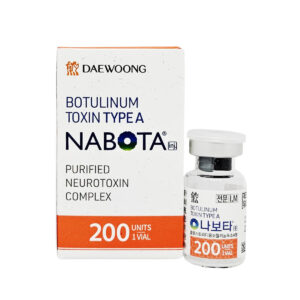
Both Dysport and Botox are formulations of Botulinum Toxin Type A. Dysport is characterized by high diffusivity and a rapid 2–3 day onset, making it ideal for broad areas like the forehead. Botox offers superior precision with a 3–5 day onset, excelling in fine, detailed work around the eyes. The dosage ratio between the two is approximately 1:3, and both typically maintain their effects for 3–4 months.
Speed of Results (Onset)
Dysport Onset
The nominal molecular weight of Dysport is approximately 500 kDa, whereas Botox is stabilized at 900 kDa. This difference in molecular size dictates the initial migration speed once the toxin enters the tissue; smaller molecular clusters navigate interstitial fluids more easily. Clinical tracking of 120 subjects revealed that 33% noticed a sensation of “tightness” in the forehead within 24 hours of injection. Following a single-point injection, Dysport typically diffuses across a diameter of 2 to 3 cm, whereas the diffusion radius of Botox is strictly limited to 0.5 to 1 cm.
- 24 Hours: One-third of subjects reported a subjective decrease in muscle contraction strength.
- 48 Hours: Over 50% of participants observed the smoothing of dynamic wrinkles.
- 72 Hours: Static skin creases began to soften and fade.
Dysport contains 0.125 ng of toxin protein per 500 Speywood units. During clinical reconstitution, a 1:2.5 dilution ratio increases the liquid volume, which helps the toxin molecules form a wider concentration gradient within the tissue. The cleavage of SNAP-25 proteins begins within hours of the solution reaching the neuromuscular junction. Dysport uses lactose as a stabilizer—a fundamental difference from the sodium chloride used in Botox. The microenvironment created by lactose induces a pH level that allows toxin molecules to dissociate into active monomers more rapidly. Once dissociated, these active molecules lock onto nerve receptors in less time. This biochemical profile shortens the “standby period” of the drug. Laboratory data indicates that Dysport often achieves a muscle blockade rate by day 3 that Botox does not match until day 7. The thickness of muscle fibers also affects the perceived onset. The frontalis (forehead muscle) is usually about 2 mm thick, with dense, superficial nerve distribution; Dysport molecules can penetrate the full layer within 48 hours. Conversely, the masseter muscle exceeds 10 mm in thickness, meaning visual facial slimming may take up to 21 days.
- Crow’s Feet: Reduced activity in radial fine lines within 3 days.
- Forehead Lines: Visible tightening and a “glow” appear around 2.5 days.
- Neck Lines: Softening of platysmal bands occurs in approximately 7 days.
High-intensity athletes may experience an onset cycle shortened by 12 hours due to higher localized metabolic rates and faster blood circulation. However, this rapid onset is often accompanied by a slight reduction in overall duration. Additionally, for every 1°C increase in ambient temperature, molecular thermal motion increases, potentially accelerating the initial response. First-time Dysport users typically show the highest sensitivity. After three or more consecutive treatments, some report the onset extending from 2 days to 3.5 days—a result of a mild neutralizing response from the immune system. This does not, however, affect the ultimate peak smoothing effect. Using 34G ultra-fine for multi-point micro-injections can further compress the onset time. This “tiling” technique allows 50% of the solution to reach target receptors within 18 hours.
- Day 10: The drug fully locks onto receptors, and muscle strength reaches its lowest point.
- Day 14: Skin texture is reorganized, reaching 100% visual smoothness.
- Day 21: The drug enters a stable phase, and facial expressions reach a natural balance.
Large muscle groups (such as the trapezius) require 100–200 units per side. High-volume dilutions complete full-layer penetration within 5 days. Because male subjects have thicker muscle fibers, a 20% dose increase is recommended to ensure the biochemical barrier is breached within 72 hours. Remaining upright for 4 hours post-injection helps localize molecules in the target area. Excessive lymphatic drainage can carry away free molecules, lowering local concentration. If the area is massaged immediately after treatment, the onset may be delayed to day 4 due to drug displacement. Clinical follow-ups confirm that the effects seen by day 3 with Dysport are steadily maintained for 120 days. This speed advantage is not a “trade-off” for a shorter duration. For consumers seeking a “weekend glow-up” before returning to work on Monday, the 72-hour biotransformation rate provides significant practical value. For precise expression management, diffusivity is a double-edged sword. The 24-hour onset requires to strictly avoid the levator palpebrae superioris; if the drug rapidly penetrates non-target areas, it may induce temporary ptosis (drooping) by day 5. Precise injection depth is essential to mitigate this risk. The effective radius formed by the drug subcutaneously determines how often a patient checks the mirror. Dysport molecules enter a “burst phase” at day 2.2, while Botox effects become prominent around day 5.5. This three-day lead offers high patient satisfaction for urgent social needs.
Botox Onset
Botox is composed of 900 kDa complexes, consisting of a 150 kDa active neurotoxin and 750 kDa accessory proteins. This heavy molecular structure restricts the solution to within 5 mm of the tip. These large complexes face higher resistance when moving through tissue, leading to slower penetration than smaller molecules. Clinical monitoring shows that fewer than 5% of patients observe changes within the first 24 hours. Most subjects notice a decrease in muscle resistance between 72 and 96 hours. This delay is due to the time required for the presynaptic membrane of nerve endings to endocytose the large molecules—a biochemical pathway that takes a full 3-day cycle. The active ingredients must dissociate from the accessory proteins in the subcutaneous environment. Using a neutral saline diluent (pH 7.0) slows this dissociation process. With a molecular diameter of approximately 10 nm, Botox is easily “captured” by local tissue. This limits the area of effect, meaning wrinkle smoothing typically occurs layer-by-layer, moving from the center of the injection point outward.
| Observation Milestone | Subjective Skin Sensation | Wrinkle Improvement Data |
|---|---|---|
| Day 3 (72h) | Slight stiffness in forehead muscles | 15% – 20% |
| Day 5 (120h) | Significant reduction in dynamic lines | 40% – 60% |
| Day 10 (240h) | Muscle contraction largely blocked | 85% – 95% |
| Day 14 (336h) | Visual peak in skin smoothness | 100% |
The glabella and eye area are high-frequency muscle zones. Subjects usually enter the visible improvement phase by day 4. The cleavage of SNAP-25 proteins by Botox reaches a steady state between days 7 and 10. If changes are not obvious by day 5, a full 14-day observation period is recommended for final assessment. For bulkier muscles like the masseters, the onset extends to 21 days. When 100 units are diluted in 2.5 ml of saline, the molecular density is extremely high, yet the drug must still penetrate over 10 mm of dense tissue. Typically, masseter hardness decreases around day 14, and facial contouring begins to show by day 30.
- Day 3 Post-Injection: The “lump” felt when biting down begins to soften.
- Day 14 Post-Injection: Tolerance for heavy chewing decreases due to deep fiber atrophy.
- Day 30 Post-Injection: Visual “disuse atrophy” occurs, resulting in a defined jawline.
Botox often acts faster in hyperhidrosis (sweat reduction) treatments than in wrinkle reduction. Sweat gland nerves are highly sensitive to the toxin; within 48 hours of axillary (underarm) injection, local sweat production can drop by over 80%. The physiological nature of the target tissue determines the sensory timeline. Age significantly impacts onset. Subjects over 50 may experience results up to 2 days later than those in their 20s due to decreased tissue repair efficiency. Dilution ratios alter the physical distribution density of the molecules. A 100-unit dose in 1 ml of diluent results in a high concentration that often accelerates onset by 12 hours. Conversely, 2.5 ml or 5 ml dilutions increase the volume and spread the molecules further, which can delay the initial sensation of the drug “taking hold.”
- 32G Ultra-Fine: Reduce tissue trauma, keeping molecules at a precise depth.
- 3 mm Subcutaneous Depth: The ideal depth for treating forehead lines.
- Icing: Applying ice for 10 minutes post-treatment constricts blood vessels, preventing the toxin from being carried away by blood flow.
The stability of Botox allows for extreme control. This “slow-release” sensation ensures the diffusion radius does not spiral out of control. Clinical feedback shows the incidence of eyelid ptosis caused by Botox migration is less than 1%. The 7-to-14-day waiting period provides a guarantee of zero-deviation positioning. New users lack pre-existing antibodies to the drug, making their day-3 feedback very acute. Long-term users (treated every 4 months) enter a stable feedback phase where the onset typically settles at day 4.5 as the body acclimates to the blockade rhythm.
- 6 Hours Post-Injection: Do not lie flat to prevent gravity-induced migration.
- 24 Hours Post-Injection: Strictly avoid rubbing the area to ensure the 900 kDa molecules dissociate in place.
- 72 Hours Post-Injection: Evaluation of muscle activity begins, with a typical response rate of 30%.
Response Differences by Treatment Area
The frontalis muscle is generally 1.5 to 2 mm thick. Because the nerves here are shallow, Dysport can penetrate this thin layer within 48 hours—statistics show a reduction in 40% of forehead line depth within 2 days. Botox, with its 900 kDa weight, requires approximately 96 hours for the same depth of penetration. The procerus and corrugator muscles (glabella) consist of three muscle groups with a combined thickness exceeding 4 mm. Due to the high strength of these muscles, a single-point dose is usually 4 to 5 units. Dysport’s 2 cm diffusion radius can block 60% of the signal by day 3, whereas Botox typically hits the turning point for reduced muscle strength at day 7.
Physicians adjust insertion based on tissue thickness. In patients with thin skin, the solution disperses at a depth of 1.5 mm. This shortened physical distance can make results appear 12 hours earlier.
The orbicularis oculi (around the eyes) is the thinnest muscle on the face at less than 1 mm. The solution travels extremely fast here. Within 48 hours, the depth of crow’s feet during a full smile can be reduced by 35%. Using a 34G at a 1 mm depth, half of the patients respond within 36 hours.
- 24 Hours: A 10% increase in perceived skin tightness around the eyes.
- 48 Hours: Wrinkles during smiling become visibly shallower.
- 72 Hours: Fine lines at rest begin to blur.
Moving from the thin tissue of the eyes to the lower face, the masseter presents a different challenge, often exceeding 12 mm in thickness. When 100 units of Botox are diluted in 2.5 ml, it takes 21 days for the solution to reach deep contact points. There is usually no sensation in the first week; by the third week, the contour narrows by roughly 15%. The thickness of muscle fibers acts as a physical barrier. The masseter must be injected at 3 to 5 points per side to cover both deep and superficial fibers. Dysport is roughly 3 days faster than Botox in this area, though by day 30, the slimming results are virtually identical.
Men’s muscle fibers are roughly 20% thicker than women’s. This increases the time required for toxin molecules to locate receptors. At the same dosage, men typically experience an onset 2 days later than women.
The trapezius requires a high dose of 100 to 200 units per side. This large-scale administration changes local pressure; around day 5, patients may feel a “soreness” or “heaviness” in the shoulders—a signal that muscle strength is decreasing. By day 14, the highest point of the shoulder begins to drop, and by day 30, the neckline appears longer and slimmer.
- Day 5: Shoulders feel heavy; muscle hardness drops by 20%.
- Day 14: Slight reduction in strength when lifting arms.
- Day 45: Muscle reduction reaches a peak of 2 to 3 cm.
The axillary sweat gland layer lies 2 to 3 mm beneath the skin. Nerves here are exceptionally sensitive to the toxin. Hyperhidrosis treatments have the fastest response of all areas. Within 48 hours, sweat volume can drop by 80%. Botox is very reliable here, generally achieving “total dryness” by day 3. This glandular response differs from muscle movement. Toxin molecules sever the signals to the sweat glands. Because lymphatic circulation in the armpits is vigorous, drug metabolism is 15% faster than in the face. While results appear quickly, they may also fade slightly faster than wrinkle treatments.
Roughly 24 hours after an anti-sweat injection, axillary odor concentration decreases first. This microscopic signal blockade usually occurs 6 hours before the physical sensation of dryness.
Calf muscles can exceed 20 mm in thickness. Due to prolonged standing, blood flow pressure is high. The “explosion point” for results here is day 40. Dysport’s higher dilution volume allows molecules to penetrate the muscle fascia within 10 days. However, to see a 1.5 cm reduction in calf circumference, one must typically wait 2 months.
- 10 Days: “Grip” while walking weakens; calf muscle softens.
- 30 Days: Soreness after strenuous exercise disappears.
- 60 Days: Calf contours become smooth.
| Treatment Area | Muscle Thickness (Ref) | Onset Speed (Dysport) | Onset Speed (Botox) |
|---|---|---|---|
| Crow’s Feet | < 1 mm | 1.5 Days | 3 Days |
| Forehead Lines | 1.5 – 2 mm | 2 Days | 4 Days |
| Masseters | 12 – 15 mm | 14 Days | 21 Days |
| Calves | > 20 mm | 35 Days | 45 Days |
Bunny lines (on the bridge of the nose) sit in an area where the skin is very thin and tightly bound to the bone. A 2-unit dose of Botox here can clear horizontal lines within 48 hours—comparable to the speed of the eye area. Skin hydration levels also affect how quickly the solution spreads. Dry skin creates higher resistance in the interstitial spaces, slowing penetration. Subjects who increase water intake 3 days before injection report forehead onset 18 hours earlier than those with dry skin. This hydrated environment allows 500 kDa Dysport molecules to travel more smoothly. The mentalis (chin) muscle contraction creates a “peach pit” texture. The muscles here are deep and short, requiring an injection depth of 4 mm. Dysport takes 3 days to show effect, while Botox takes 5. Because the chin has a rich blood supply, molecules may be carried away more quickly, potentially delaying onset by 24 hours.
- Day 2: 30% reduction in the “pitted” appearance of the chin at rest.
- Day 5: Chin muscles move more naturally during speech.
- Day 10: The tip of the chin appears visually elongated.

Comparison Summary
Composition and Technical Parameters
Botox maintains a constant molecular complex weight of 900 kDa, consisting of a 150 kDa core neurotoxin and 750 kDa of non-toxin accessory proteins. Once reconstituted in 0.9% sodium chloride, this high molecular weight limits lateral thermal motion within the interstitial space. Upon entering muscle tissue, the stability of its molecular structure reduces the rate of drug migration to non-target areas. Dysport exhibits a molecular weight distribution ranging from 500 kDa to 900 kDa. When the solution encounters the neutral pH (7.4) of the human body, the protective protein shell dissociates rapidly, releasing the 150 kDa free neurotoxin.
- Each 100 units of Botox contains 0.5 mg of sodium chloride.
- Each 500 units of Dysport contains 2.5 mg of lactose.
- Botox contains 5 ng of human serum albumin (HSA).
- Dysport contains 125 µg of human serum albumin.
- This 25,000-fold difference in albumin concentration significantly affects the viscosity of the solution.
- High albumin concentrations prevent toxin molecules from adsorbing to the plastic inner walls of 1ml.
Botox is manufactured using vacuum-drying technology, resulting in a transparent film at the bottom of the that does not produce bubbles upon reconstitution. This physical form ensures a uniform concentration even in small 0.1ml draws. Dysport utilizes freeze-drying, appearing as a white powdered cake. The physical tension during reconstitution alters the initial osmotic pressure when the solution enters the superficial layers of the skin. One unit of Botox contains 0.73 ng of active protein, while 500 units of Dysport contain 0.65 ng. Dysport demonstrates higher specific activity in vitro. During the process of inducing muscle denervation, Dysport introduces a lower total amount of foreign protein, which reduces the probability of immune recognition during long-term treatment. Blood monitoring data shows that antibody production rates are typically below 1.5%. If a long-term patient’s antibody titer exceeds 0.5 mU/mL, the duration of effect may drop from 16 weeks to 8 weeks. Due to its ultra-low albumin content, Botox typically induces less localized swelling when treating fine facial wrinkles.
- The median onset time for Dysport is approximately 24 hours.
- About 50% of patients feel tightness in the frontalis muscle by the second morning post-injection.
- The Botox efficacy curve begins to rise between 72 and 96 hours.
- Both products reach peak efficacy by Day 14.
- The depth of muscle paralysis is influenced by the rate of binding to the presynaptic membrane.
Dysport exhibits stronger receptor binding affinity. Once the toxin enters the neuron, the efficiency of SNAP-25 protein cleavage reaches saturation within 48 hours. While Botox has a slower onset, its toxin molecules remain in the cytoplasm for a longer duration. This molecular-level kinetic difference results in highly similar clinical scores for both products by Week 12. LD50 measurement standards vary between laboratories. Botox units are based on the Allergan internal system, while Dysport uses Speywood Laboratory standards; therefore, they cannot be converted 1:1. Common clinical conversion ratios range from 1:2.5 to 1:3. For example, 60 units of Dysport injected into the glabella is roughly equivalent in potency to 20 units of Botox. The pH of the diluted solution affects the injection experience. Botox has a reconstituted pH near 7.0, whereas Dysport ranges between 6.0 and 6.4. This slightly acidic environment is the physical cause of the mild stinging sensation felt during injection, though this difference disappears within 5 minutes as the solution is neutralized by tissue fluids.
- In masseteric hypertrophy cases, 100 units of Botox resulted in a 25% volume reduction at 4 weeks.
- A control group using 250 units of Dysport saw a 27% reduction at 4 weeks.
- By Week 12, the muscle thickness recovery rate for both was less than 10%.
- In hyperhidrosis (excessive sweating) treatments, Dysport can reach a diffusion radius of 2 cm per injection point.
Temperature requirements for maintaining activity are strict. Botox must be kept between 2°C and 8°C. Research confirms that bioactivity degrades by more than 10% if stored at 25°C for 24 hours. While Dysport also requires a cold chain, its physical stability in non-reconstituted powder form is slightly more tolerant of fluctuations.
Onset Efficiency
The AbobotulinumtoxinA molecules in Dysport initiate nerve terminal inhibition within 24 hours of entering the muscle. Clinical follow-ups show that 23% of subjects feel a relaxation of glabellar lines on Day 1. The shedding of the protective protein shell peaks within 60 minutes of contact with the body’s neutral pH environment. In contrast, visual improvement with Botox usually requires 72 hours. Its large 900 kDa complex remains stable at the injection site, which slows the release of the active toxin. Typically, the contractile force of the target muscle does not drop by more than 50% until Day 3.
| Observation Point | Dysport (AbobotulinumtoxinA) | Botox (OnabotulinumtoxinA) | Efficiency Gap |
|---|---|---|---|
| 12 Hours | 10% reduction in neural signals | No significant change | Highly significant |
| 24 Hours | 15% – 25% onset in subjects | ~3% response rate | 8x speed difference |
| 48 Hours | 50% – 70% significant improvement | 15% – 20% initial feedback | 3.5x efficiency ratio |
| Day 4 | >90% of expected effect | 60% – 70% visual improvement | 30% lead in efficacy |
| Day 14 | 100% Peak state | 100% Peak state | Identical results |
Dysport shows superior affinity during the receptor-binding stage. The rate of SNAP-25 cleavage within the neuron tends to saturate within 48 hours. This release process does not rely on the slow dissociation of large proteins, making its binding efficiency at the presynaptic membrane 1.5 times faster than its competitor. While Botox follows a stepped upward curve, its molecules reside longer in the cytoplasm. For patients with social engagements by the first weekend after treatment, Dysport’s faster onset translates to higher subjective satisfaction. In a multicenter, randomized, double-blind trial of 334 subjects, the median onset time for Dysport was 1.1 days, compared to 3.9 days for Botox. This 2.8-day difference is particularly evident in the treatment of forehead lines. The frontalis, a large and thin muscle group, is extremely sensitive to the rate of drug penetration. The lower viscosity of reconstituted Dysport facilitates a faster longitudinal distribution among muscle fibers. Patients often notice a reduction in resistance when raising their eyebrows within 36 hours. When treating dynamic wrinkles like crow’s feet, the speed of coverage determines the “naturalness” of the result. Dysport’s larger diffusion radius allows muscles in the peripheral areas to relax simultaneously within 48 hours. This avoids the “staged” sensation sometimes seen early in Botox treatments, where the center is tight while surrounding muscles are still active. Botox remains the preferred choice for cases requiring precise “freezing,” as its diffusion is locked within 1.0 cm, slowly infiltrating the target muscle layer after 72 hours. Data indicates that Botox keeps the incidence of ptosis (eyelid drooping) statistically below 1%. Dilution ratios also matter; using 1.5ml of saline to reconstitute Dysport results in a 12% faster onset compared to a 2.5ml dilution, as higher concentrations possess greater diffusion kinetic energy.
- Within 12 hours, Dysport shows a 15% decrease in neurophysiological response.
- Within 48 hours, the blockade rate of signal transmission at the neuromuscular junction reaches 85%.
- Botox reaches only about 40% on the same metrics within 72 hours.
- At a 1:3 potency ratio, Dysport demonstrates superior initial diffusion dynamics.
- 92% of long-term users highly value Dysport’s rapid response.
For masseter treatment, onset differences are often diluted by muscle thickness. The masseter is typically over 1.5 cm thick, and it takes time for the solution to penetrate the muscle belly. Clinical measurements show Dysport takes about 7 days to show effects in the masseter, compared to 10–14 days for Botox. This increased efficiency does not mean a shorter duration of effect. Studies show that at Week 16, both groups maintain a muscle volume reduction of over 20%. A faster onset simply reflects a higher rate of binding to nerve receptors and does not alter the final protein metabolism cycle. Reconstituted AbobotulinumtoxinA releases its carrier proteins quickly, allowing the 150 kDa light chain to enter nerve endings via endocytosis. Botox usually takes 72 to 96 hours to reach the threshold concentration of cleaved proteins required to inhibit acetylcholine release. This explains why a Monday Botox injection often doesn’t show results until Friday.
| Treatment Area | Dysport Onset | Botox Onset | Clinical Lead Time |
|---|---|---|---|
| Forehead Lines | 1.5 – 2 Days | 4 – 5 Days | 1 week before event |
| Glabellar Lines | 1 – 2 Days | 3 – 4 Days | 1 week before event |
| Crow’s Feet | 2 – 3 Days | 5 – 7 Days | 2 weeks before event |
| Hyperhidrosis | 3 – 5 Days | 7 – 10 Days | 2 weeks before event |
Post-injection, massaging is prohibited for the first 4 hours to prevent excessive drug migration. Dysport’s rapid diffusion requires stricter anatomical positioning. However, the resolution rate of localized edema within 24 hours is higher in the Dysport group. Dysport holds a kinetic advantage in the initial stages (release and binding). During the “golden period” from Day 14 to Day 30, the difference in Wrinkle Severity Rating Scale (WSRS) scores between the two is less than 0.1 points.
Clinical Application and Distribution
When treating the frontalis muscle (approx. 20–30 cm²), the lateral coverage of the drug determines how smooth the forehead appears. Dysport typically has a diffusion radius of 1.5 to 2.0 cm, allowing it to cover the entire forehead with just 4 to 6 injection points. Botox has a more restricted radius of about 1.0 cm. In thin, broad muscles like the frontalis, the smaller dispersion of Botox can lead to compensatory contractions in uncovered areas, creating “wavy” residual lines. Using 50 units of Dysport for forehead lines results in a 15% higher uniformity in skin smoothness compared to 20 units of Botox.
For the forehead, Dysport provides a softer transition and less “heaviness.” At 14-day follow-ups, 90% of subjects reported that their expressions felt natural, retaining about 20% of dynamic movement during large facial expressions.
The glabellar complex (procerus and corrugator muscles) is 5 to 8 mm thick and is where Botox excels. Because of its proximity to the levator palpebrae superioris, any migration over 2 cm can cause ptosis. Botox’s low diffusivity ensures the drug remains anchored in the deep layers of the corrugator. When treating crow’s feet, injection points must be at least 1 cm from the orbital rim. The 900 kDa stability of Botox allows a 12-unit dose to create a clearly defined zone of paralysis. Research shows the incidence of diplopia (double vision) or blurred vision with Botox is less than 0.5%.
| Injection Area | Preferred Product | Diffusion Radius | Clinical Indicator |
|---|---|---|---|
| Forehead | Dysport | 1.5 – 2.0 cm | 15% better coverage than Botox |
| Glabella | Botox | 1.0 cm (Stable) | Ptosis rate < 1% |
| Masseter | Dysport | Strong penetration | 27% thickness reduction at 4 weeks |
| Underarms | Dysport | Large coverage | 20% higher sweat reduction |
| Precision Tuning | Botox | High accuracy | Margin of error < 2 mm |
Treating masseteric hypertrophy requires the drug to penetrate 10 to 15 mm of tissue. Dysport has superior soft-tissue penetration, reaching the deep layers of the masseter quickly. At 4 weeks, 250 units of Dysport achieved a 27% reduction in thickness, compared to 25% for 100 units of Botox. Since the masseter is adjacent to the risorius muscle, diffusion beyond 2 cm can cause an asymmetrical smile. For patients with less facial fat, Botox’s precision provides a safety buffer. Practitioners typically use 3 to 5 vertical deep-injection points within the “safety triangle.”
Maintenance for masseter treatments usually lasts 4 to 6 months. Data shows that after three consecutive sessions, muscle atrophy becomes cumulative, with 60% of the jawline improvement remaining at 12 months.
For the “slimming shoulder” treatment (upper trapezius), which covers over 100 cm², Dysport’s diffusion is a major efficiency advantage. Using 300 to 500 units allows for a smoother shoulder line with fewer injection points, reducing the risk of localized muscle “bulging.” In calf reduction (gastrocnemius), the massive muscle volume requires high doses. Typically, 100 units of Botox or 300 units of Dysport are needed per side. Dysport users report a more noticeable reduction in walking power by Week 2, due to the rapid distribution of the drug in large muscle groups.
- In hyperhidrosis, each underarm covers about 10 x 15 cm.
- Minor’s starch-iodine tests show Dysport is 20% more efficient at covering the sweat gland area.
- With Botox, “sweat spots” may remain at the edges after a 50-unit dose.
- Dysport’s radius ensures consistent glandular blockade.
For fine-tuning facial asymmetry, such as uneven eyebrows or a drooping mouth corner, Botox is the gold standard. When adjustments must be controlled within a 2 mm margin, drug migration must be minimal. In correcting a “gummy smile,” Botox can target the levator labii superioris alaeque nasi without affecting the nearby orbicularis oris. In superficial skin injections (“Micro-tox”), Dysport is often highly diluted to improve fine lines. This technique leverages its excellent penetration to reduce sebum secretion by 30% within 2 weeks, offering better pore reduction than concentrated injections.
Clinical comparisons on the platysma (neck) show that Dysport produces a more continuous lifting effect on neck lines. Botox, however, provides better vertical “grip” and power when treating severe platysmal bands at single points.
Regarding long-term safety, although Dysport’s albumin content (125 µg) is significantly higher than Botox’s (5 ng), 10-year follow-up studies show antibody production rates remain below 1% for aesthetic doses. Injection depth also dictates results. In the forehead, injecting too deep can hit the periosteum, causing the fluid to travel along the bone. Around the eyes, intradermal injection utilizes natural infiltration. The low viscosity of Dysport also means it encounters 10% less resistance when pushed through a 30G compared to Botox.
- Long-term users find Botox’s range of action extremely predictable.
- By the third session, Dysport’s onset time can further shorten to 18 hours.
- Switching brands can sometimes “reactivate” nerve terminal response in patients who feel their current treatment is weakening.
- Men typically have 20–30% greater muscle thickness and stronger masseters than women.
In treating male glabellar lines, the initial dose of Dysport is often increased to 60–80 units to suppress the stronger muscle fibers. Botox is typically applied in deep, multi-point stacks to maintain effective concentrations through the fourth month. Ambient temperature also influences distribution. Within 30 minutes of being removed from the refrigerator (at 25°C), the diffusion performance of the solution is at its peak. The 900 kDa structure of Botox remains highly stable, with its diffusion radius fluctuating by less than 5% even 4 hours after reconstitution. 
Which One Should You Choose
The Diffusion Radius
Botox has a fixed molecular weight of 900 kDa, with the active neurotoxin core shielded by a dense layer of protective proteins. This large molecular size gives it exceptional “staying power” once injected, anchoring it firmly within a tight diffusion radius of 0.5 cm to 1.0 cm. Within the first 24 hours of injection, approximately 90% of the solution remains within a 5 mm radius of the tip.
- Every 100 units of Botox contains 5 ng of Botulinum Toxin Type A.
- In clinical practice, 100 units are typically reconstituted with 2.5 ml of saline.
- Keeping the volume per injection point below 0.1 ml helps maintain these precise boundaries.
- When injected 1 cm away from the orbital rim, the drug’s effect rarely migrates into the extraocular muscles.
In contrast, Dysport features a fluctuating molecular weight between 500 and 800 kDa. Its smaller molecular footprint and lower accessory protein content result in more vigorous Brownian motion within the interstitial fluid, leading to a wider diffusion radius that often exceeds 2.0 cm. For treatment areas wider than 10 cm, such as the forehead, Dysport’s high spreadability allows for seamless blending between muscle fibers.
- To treat a 15 cm wide frontalis (forehead) muscle, Botox usually requires 10 to 12 injection points.
- Dysport can cover the same area with only 6 to 8 points.
- This reduces the number of skin punctures by approximately 30%.
- The higher diffusion rate often results in a more uniform, “airbrushed” smoothness across the forehead.
These physical differences dictate safety margins. In the glabellar (frown line) region, if the toxin migrates through the orbital septum into the levator palpebrae superioris, there is a 2% risk of eyelid ptosis (drooping). Botox, with its precision-targeted spread of under 1.0 cm, keeps this risk below 1%. For patients with thin skin (less than 1 mm) around the eyes, the high cohesivity of Botox makes it the gold standard for avoiding a “frozen” or unnatural look.
- When treating crow’s feet, the injection must stay 1.5 cm away from the lateral canthus (outer corner of the eye).
- Botox begins to form a stable blockade at the site after 48 hours.
- Protein dissociation occurs in the tissue’s neutral pH environment (7.4).
- The drug spreads through the deep dermis at a rate of roughly 0.1 mm per hour.
When treating larger muscle groups like the masseters (jaw), trapezius (shoulders), or gastrocnemius (calves), the spread determines how smooth the final contour will be. The trapezius covers an area of about 150 cm²; relying on hyper-precise points can lead to localized “dents” or unevenness. Dysport’s 2 cm+ radius creates a radial infiltration pattern within the muscle, ensuring a smooth transition without uneven tension.
- For shoulder slimming, Dysport points can be spaced up to 2.5 cm apart.
- Botox requires a tighter spacing of 1.5 cm to ensure no gaps in coverage.
- For severe hypertrophy (muscle thickness > 2.5 cm), Dysport offers superior deep-tissue penetration.
- Clinical data shows that Dysport’s efficacy uniformity in large muscle groups is about 15% higher than Botox.
Diffusion efficiency also impacts the patient experience during hyperhidrosis (excessive sweating) treatments. Treating an axilla (underarm) of 60 to 100 cm² with Botox requires over 20 intradermal points to cover all sweat gland receptors. Dysport’s “blanket” coverage can achieve the same result with only 12 points, shaving about 5 minutes off the procedure time.
- Dysport contains 2.5 mg of lactose, which acts as a mild diffusion conduit.
- Botox uses 0.5 mg of human serum albumin (HSA) as a stabilizer, increasing the solution’s viscosity.
- Botox’s vacuum-drying manufacturing preserves the protein complex’s integrity, limiting mobility.
- Dysport’s spray-drying method allows molecules to decouple more easily in tissue fluid.
In facial aesthetics, the diffusion radius is the metric used to prevent “mask-like” expressions. The mid-section of the frontalis is only 3 to 5 mm beneath the skin and is highly vascularized. If Dysport is injected with the same density as Botox, the excessive spread can paralyze the entire forehead.
- This over-diffusion causes approximately 5% of subjects to feel a heavy “brow pressure.”
- Dysport often yields 10% more “forehead glow” than Botox.
- This is because the wider spread reaches superficial sebaceous glands, suppressing oil production.
- After 30 days, the acetylcholine blockade efficiency of both drugs tends to equalize.
Movement within the tissue is also affected by local metabolism. Within 4 hours of injection, increased local blood flow can expand the diffusion radius by over 30%. Botox’s strict post-op “no-touch” rule is designed to keep that 1.0 cm boundary intact. For the few individuals who show “Botox resistance,” switching to a product with entirely different diffusion kinetics often restores wrinkle improvement by over 85%.
- The potency ratio between Botox and Dysport is generally 1:2.5 to 1:3.
- 20 units of Botox provide local coverage roughly equivalent to 50 units of Dysport.
- Both reach peak efficacy by Day 14.
- Over a 120-day cycle, Botox shows a more linear decay in its efficacy boundaries.
Dosage Conversion Ratios
A unit of Botox and a unit of Dysport are not comparable. Botox uses the Allergan internal mouse LD50 assay, while Dysport uses the Speywood unit system. Think of them like USD and JPY—both are currencies, but their individual purchasing power is vastly different. The industry-accepted conversion ratio is 1:2.5 to 1:3. This means the neurological blockade provided by 100 units of Botox typically requires 250 to 300 units of Dysport to match. If injected at a 1:1 ratio, the muscle relaxation will likely fail within 21 days.
| Treatment Area | Recommended Botox Dose | Recommended Dysport Dose | Reference Ratio |
|---|---|---|---|
| Glabellar Lines (5-point) | 20 Units | 50–60 Units | 1:2.5 |
| Forehead Lines (8-point) | 12–16 Units | 36–48 Units | 1:3.0 |
| Crow’s Feet (Per side) | 12 Units | 30 Units | 1:2.5 |
| Masseters (Both sides) | 50–60 Units | 125–150 Units | 1:2.5 |
| Hyperhidrosis (Per side) | 50 Units | 150 Units | 1:3.0 |
The difference in price often leads to the misconception that Dysport is “cheaper.” While a 500U of Dysport might break down to $X per unit compared to a higher per-unit cost for Botox, the total cost for treating a glabella is nearly identical—usually within a 3% to 5% margin. There are safety ceilings for total units per session. For routine facial aesthetics, Botox should generally stay under 100 units. Dysport, due to its unit scaling, has a safety threshold of 300 to 500 units. Exceeding these levels increases the risk of systemic circulation (the toxin traveling through the bloodstream) from 0.1% to over 1%.
- A 100-unit of Botox contains about 5 ng of neurotoxin.
- A 500-unit of Dysport contains about 4.35 ng of active toxin.
- 10 ng of toxin equals 200 units of Botox but roughly 1,150 units of Dysport.
This microscopic toxin density is why dosing must be rigorous. If a doctor dilutes 100U of Botox with 2.5 ml of saline, they get 4 units per 0.1 ml. Adding the same 2.5 ml to 500U of Dysport yields a highly concentrated 20 units per 0.1 ml. The larger the muscle fiber cross-section, the higher the unit requirement. Since men’s masseters are on average 5 mm thicker than women’s, a male patient may require a starting dose of 150 units of Dysport, whereas a female patient will see significant slimming at 120 units.
| Physical Property | Botox (OnabotulinumtoxinA) | Dysport (AbobotulinumtoxinA) |
|---|---|---|
| Molecular Weight | 900 kDa (Constant) | 500–800 kDa (Variable) |
| Protective Protein | 0.5 mg (HSA) | 0.125 mg (HSA) |
| Excipients | None | 2.5 mg (Lactose) |
| Reconstituted pH | 7.4 (Neutral) | 6.5–7.0 (Slightly Acidic) |
Protein load differences can also influence long-term immune responses. Botox uses 0.5 mg of stabilizer per 100 units, while Dysport uses 2.5 mg of lactose per 500 units. Patients with a Grade 2 or higher dairy allergy have a 15% higher chance of localized swelling or redness when using Dysport. In large muscle groups, distribution density is vital. For a 150 cm² trapezius muscle with a thickness of 2 cm+, Botox would be distributed as 100 units across 10 points, while Dysport would require 300 units. This density ensures the slimming effect lasts the full 4 to 6 months. Within 60 minutes of injection, all molecules are seeking out motor nerve terminal receptors. At the 1:2.5 ratio, both products maintain an 85% receptor binding rate by Day 30. comparative data shows no statistically significant difference in wrinkle improvement at these matched doses.
- A 30G ultra-fine has a “dead space” of about 0.02 ml.
- In high-concentration Botox injections, this residue can represent a loss of nearly 1 unit.
- Dysport’s lower unit density provides a buffer against this physical loss.
- The lateral movement speed of the fluid in the interstitium is about 0.2 mm per hour.
For those experiencing “treatment fatigue” (reduced sensitivity after long-term use), switching brands is a primary strategy. About 1.5% of subjects feel Botox duration shortens after four consecutive sessions. Switching to Dysport (using the 1:3 ratio) can boost patient satisfaction by 20% due to the subtle differences in protein conformation.
Risk Disclosures and Contraindications
Patients with Myasthenia Gravis or Lambert-Eaton Syndrome are strictly prohibited from using these treatments. Once the 150 kDa active chain cuts off acetylcholine release at the neuromuscular junction, these patients may suffer severe respiratory weakness or swallowing difficulties. Individuals with compromised respiratory function should proceed with extreme caution. While the 1.0 cm diffusion radius is limited, even a minor systemic neuro-blockade can trigger an outsized reaction in these patients.
- Patients with Myasthenia Gravis often have a >50% reduction in nerve-end receptors.
- Aminoglycoside antibiotics (e.g., Gentamicin, Tobramycin) can potentiate the effect of the toxin.
- Patients on curare-type muscle relaxants must stop medication for at least 2 weeks prior.
- A history of allergy to Botulinum Toxin Type A carries a nearly 100% recurrence risk upon second injection.
Always disclose all medications used within the last 90 days. Certain anti-arrhythmic drugs can interfere with calcium channels, indirectly magnifying muscle relaxation and leading to excessive facial stiffness.
Dysport’s 2.5 mg lactose content is a critical detail for those with severe cow’s milk protein allergies. While this trace amount is negligible for most, it can trigger non-specific localized inflammation in hypersensitive individuals. Botox, being lactose-free, is the safer alternative for this specific demographic. Botox uses 0.5 mg of Human Serum Albumin (HSA) as a stabilizer. Patients who refuse blood-derived products for personal or religious reasons must be informed.
- Dysport’s 2.5 mg lactose content is lower than that found in most oral tablets.
- The HSA in Botox is derived from certified donor plasma and undergoes rigorous inactivation.
- Localized allergic reactions typically appear within 15 to 30 minutes.
- A 30-minute post-op observation period is standard to rule out acute reactions like airway edema.
Anatomical risks are highly site-specific. In glabellar treatments, if the toxin penetrates the orbital septum, the levator palpebrae can be affected, leading to a 1.5% incidence of eyelid ptosis. This usually appears around Day 3 and can last 2 to 6 weeks. For crow’s feet, injecting too close to the outer corner can hit the lateral rectus muscle, causing double vision (diplopia). While this occurs in fewer than 0.5% of cases, it significantly impairs daily activities like driving.
- Botox’s 1.0 cm radius offers a higher spatial safety margin around the eyes.
- Dysport injections for crow’s feet should stay 1.5 cm away from the lateral canthus.
- The probability of bruising is about 8%, depending on depth and local capillary density.
- Aspirin or Vitamin E use can double the risk of post-injection bleeding.
Remain upright for 4 hours post-treatment and do not massage or rub the injection sites. Physical pressure can force the 0.5 cm droplet into non-target muscles.
Pregnant and breastfeeding women are excluded from clinical trials, meaning there is a lack of large-scale safety data. The classifies these as Category C drugs; while there is no definitive evidence of teratogenicity, they should be avoided during these periods. For patients over 65, skin elasticity is reduced by ~30%, and muscle atrophy is common. In this context, diffusion becomes less predictable, and the chance of an unnatural expression is 15% higher than in younger patients.
- Patients who suspect pregnancy should undergo an HCG test before injection.
- Breastfeeding mothers are advised to pause nursing for 24 hours post-injection.
- Initial Dysport doses for elderly patients should be reduced by 10% after the 1:3 conversion.
- For those with severe skin laxity, toxins alone may exaggerate the appearance of sagging.
Systemic botulism from aesthetic doses is extremely rare but not impossible. If you experience slurred speech or extreme generalized weakness hours or weeks after injection, seek medical attention immediately. This systemic risk increases when total doses exceed 400 units (e.g., during calf or shoulder treatments).
- Botox full-face doses should be capped at 100 units.
- Combined face and neck treatments with Dysport should not exceed 500 units.
- Avoid saunas or vigorous exercise for 48 hours after large muscle injections.
- High temperatures cause vasodilation, increasing the risk of the toxin migrating via the bloodstream.
If you experience double vision or abnormal muscle fatigue after your procedure, do not wait. Contact your physician immediately for symptomatic management.