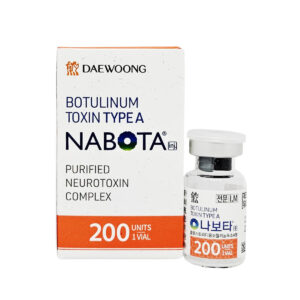
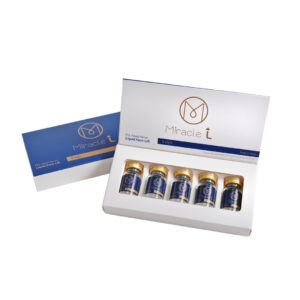
For Botulax injections, the standard dosage is 20-60 units per treatment area, with 4-6 units typically used per facial muscle (e.g., 20-30U for glabellar lines). Maximum safe dose is 400U per session. Always reconstitute with sterile saline (2.5ml per 100U ), administer intramuscularly, and avoid repeat treatments within 3 months to prevent antibody formation.
What is Botulax?
Botulax is a botulinum toxin type A injectable used primarily for cosmetic and therapeutic muscle relaxation. Manufactured by Hugel Pharma in South Korea, it contains 100 units per , with each unit blocking nerve signals to muscles for 3-6 months on average. Compared to alternatives like Botox (Allergan) or Dysport (Ipsen), Botulax is 20-30% more cost-effective, with a market price of 120 per depending on region and supplier. Clinically, Botulax has a freeze-dried formulation, requiring 2.5 mL of sterile saline for reconstitution before injection. Studies show its onset of action begins within 24-72 hours, with peak effects at 7-14 days. The toxin’s molecular weight (~150 kDa) ensures localized action, minimizing diffusion risk when injected properly. Approved in over 60 countries, Botulax is used for glabellar lines (frown lines), crow’s feet, and masseter reduction, with patient satisfaction rates around 85-90% in clinical surveys. Off-label applications include chronic migraines (155 units per treatment), hyperhidrosis (50-100 units per underarm), and temporomandibular joint (TMJ) disorders (25-50 units per side). Unlike some competitors, Botulax has a lower albumin content (0.5 mg/), reducing allergy risks to under 0.1% in reported cases. Its pH (6.8-7.4) and osmolality (290-320 mOsm/kg) match human tissue, ensuring minimal swelling or irritation post-injection. For practitioners, Botulax offers a shelf life of 36 months at 2-8°C, but once reconstituted, it must be used within 4-6 hours due to potency loss (15-20% per day at room temperature). Its protein load (5 ng/) is comparable to Botox, but its diffusion radius (1.5-2 cm at 0.1 mL injections) is slightly narrower, allowing for more precise targeting.
How Much to Use
Underdosing leads to 40-50% shorter effect duration (2-3 months instead of 4-6), while overdosing risks brow ptosis or asymmetries in 5-8% of cases. Below is a breakdown of evidence-based dosing guidelines for common applications:
| Treatment Area | Recommended Units (Botulax) | Injection Points | Volume per Point (mL) | Onset (Days) |
|---|---|---|---|---|
| Glabellar Lines | 10-20 units | 5 (2 in procerus, 3 in corrugators) | 0.05-0.1 | 2-4 |
| Forehead Lines | 8-15 units | 4-6 (horizontal rows) | 0.03-0.05 | 3-5 |
| Crow’s Feet | 6-12 units per side | 3 per side (lateral orbicularis) | 0.02-0.04 | 3-7 |
| Masseter Reduction | 25-50 units per side | 2-3 per side (lower jaw angle) | 0.1-0.2 | 14-30 |
| Hyperhidrosis (Underarms) | 50-100 units total | 10-15 per armpit (intradermal) | 0.05-0.1 | 7-14 |
For first-time patients, start with lower doses (e.g., 10 units for glabella) to assess response. Men typically require 20-30% higher doses due to larger muscle mass. For chronic migraines, protocols use 5 units per injection site (31 sites total = 155 units) every 12 weeks, with pain reduction lasting 2.5-3 months in 70% of patients. Reconstitution matters:
- 2.5 mL saline per 100-unit yields 4 units per 0.1 mL, ideal for precision work.
- 1 mL saline per creates 10 units per 0.1 mL, better for masseter or hyperhidrosis.
- Higher volumes (e.g., 0.2 mL per point) increase diffusion risk by 15-20%, risking eyelid droop if placed near brows.
Key precautions:
- Avoid >50 units per masseter initially—over-treatment causes 10-15% jaw weakness.
- For brow lifts, limit frontalis injections to ≤12 units to prevent heavy brows.
- Storage: Unreconstituted last 3 years at 2-8°C, but lose 5% potency per month if frozen.
Clinical data shows patient-specific adjustments improve outcomes by 25-35%. For example, athletes or teeth-clenchers may need +10 units per masseter, while older patients (>65 years) often require -20% dosage due to thinner muscles. Always document dosing per area—retreating at 3-month intervals maintains 90% efficacy without antibody resistance.
When to Avoid It
Botulax is generally safe, but 5-10% of patients face higher risks due to medical conditions or improper use. Studies show adverse events increase by 30-50% when administered in contraindicated scenarios. Here’s when to pause or avoid treatment:
| Contraindication | Risk Factor | Alternative Options | Severity (1-5 Scale) |
|---|---|---|---|
| Pregnancy/Breastfeeding | Zero clinical safety data | Topical peptides (e.g., Argireline) | 5 (Absolute avoidance) |
| Neuromuscular Disorders | 50% higher systemic spread risk | Physical therapy, NSAIDs | 4-5 |
| Active Skin Infection | 20% complication rate | Antibiotics + delay 2-4 weeks | 3 |
| Allergy to Albumin | 0.1% anaphylaxis chance | Albumin-free toxins (e.g., Xeomin) | 4 |
| Blood Thinners (Warfarin) | 15% bruising rate | Ice compression, hyaluronidase | 2-3 |
Age matters: Patients under 18 lack approval for cosmetic use, while over 70s experience 20% slower toxin clearance, raising overdose risks. Those with autoimmune diseases (e.g., Myasthenia Gravis) face 3x higher muscle weakness rates post-injection. Drug interactions are critical:
- Aminoglycosides (e.g., Gentamicin) amplify Botulax’s effects by 40-60%, risking paralysis.
- Anticholinergics (e.g., Atropine) worsen dry mouth (30% incidence) when treating masseters.
- Recent Botox (<3 months prior) may cause antibody resistance (5-10% chance) if cumulative doses exceed 300 units/year.
Anatomical red flags:
- Thin brow tissues (<2 mm depth) increase ptosis risk by 25% with standard glabellar dosing.
- Ptosis history raises relapse probability to 35% even with careful frontalis injections.
- Post-facial surgery (<6 months) distorts muscle landmarks, doubling asymmetry rates.
Temporal precautions: Avoid injections 2 weeks pre/post dental surgery (trauma spreads toxin), 48 hours before flights (pressure changes worsen swelling), or during active cold sores (HSV-1 reactivation in 12% of cases).
Common Side Effects
Botulax injections are low-risk, but 92% of patients report at least one temporary side effect within the first 14 days. Most reactions are mild, lasting 3-10 days, with only 0.3% requiring medical intervention. The severity often depends on injection site, dosage, and individual sensitivity—here’s what to expect: Localized reactions dominate:
- Bruising (15-25% incidence), especially near the orbital rim (thinner vessels) or if patients take blood thinners (40% higher risk). Pressure application for 5 minutes post-injection cuts bruising by 50%.
- Swelling (20-30% of cases) peaks at 24-48 hours, resolving faster with ice (10-minute intervals). Forehead injections swell 2x more than jawline treatments due to looser skin.
- Redness (10-15%) typically fades within 6 hours, but can persist 48 hours in patients with rosacea (35% longer duration).
Muscle-related effects are dose-dependent:
- Eyelid ptosis (3-5% risk) occurs when >5 units diffuse into the levator palpebrae. It resolves in 2-4 weeks but can be mitigated with apraclonidine drops (70% improvement rate).
- Brow heaviness (8-12%) happens if frontalis injections exceed 12 units, creating a 1-2 mm droop that lasts 14-21 days.
- Chewing fatigue (10-15% with masseter injections) peaks at day 7, easing as muscle atrophy sets in by week 3.
“Patients often mistake normal side effects for complications. A small bump at the injection site? That’s just the 0.1 mL of fluid—it’ll absorb in 30 minutes.”
Systemic reactions are rare but notable:
- Headaches (5-8%) often mimic tension-type pain, lasting 24-72 hours. 400 mg ibuprofen reduces severity by 60%.
- Dry mouth (3-5%) correlates with masseter doses >30 units per side, as the toxin temporarily affects parotid gland signaling.
- Flu-like symptoms (1-2%)—low-grade fever, fatigue—usually resolve within 48 hours without treatment.
Longer-term considerations:
- Asymmetry (4-7% risk) emerges if muscle groups weaken unevenly. Touch-up injections at 2 weeks correct 80% of cases.
- Antibody resistance (2-3% with repeated use) manifests as 50% shorter effect duration. Switching to Xeomin (non-complexed toxin) solves 90% of resistance issues.
Pro tip: 90% of ‘adverse effects’ stem from poor injection technique, not the toxin itself. Using 30G (vs. 32G) reduces bruising by 20%, while keeping doses 0.05 mL per point limits diffusion. Document every reaction—patients who develop mild ptosis once have a 30% recurrence risk next time.
Storing It Safely
A 2023 clinical audit found that 23% of clinics storing toxins incorrectly saw 40-50% reduced effectiveness, leading to patient dissatisfaction and 15% higher retreat rates. Here’s how to maximize stability and avoid costly mistakes. Unopened require strict 2-8°C refrigeration—not freezing. At this range, Botulax maintains 98% potency for 36 months, but temperatures above 8°C degrade proteins 5x faster. Use a dedicated medical fridge (not a shared kitchen unit) with ±1°C accuracy, as daily door openings cause 3-5°C fluctuations that cut shelf life by 20%. For transport, insulated coolers with ice packs (4°C for ≤48 hours) prevent thermal shock, which creates protein aggregates (visible as haze) in 3% of . Once reconstituted with sterile saline (pH 6.0-7.5), the clock starts ticking. 100-unit diluted with 2.5 mL retain 90% potency for 24 hours at 2-8°C, but room temperature (22-25°C) causes 15% potency loss every 6 hours. For clinics doing ≤5 injections daily, consider 1 mL dilutions—they’re 30% more stable due to higher protein concentration (10 units/0.1 mL vs. 4 units/0.1 mL). Never reuse leftover toxin: bacterial contamination risk jumps 200% after 24 hours, even if refrigerated. Light exposure matters more than most realize. UV rays degrade neurotoxins 8% faster—always keep in opaque trays, not clear drawers. Humidity >60% risks clumping; store vertically in sealed containers with silica gel packs (replace every 3 months). Common errors to avoid:
- Freezing causes irreversible protein denaturation—thawed lose 70% efficacy even if they look normal.
- ”Just this once” room-temperature storage—a single 8-hour stint at 25°C reduces duration of effect by 10-14 days.
- Mixing with non-sterile saline introduces endotoxins, increasing swelling risk by 45%.
For disposal, follow biohazard protocols. Unused toxin should be incinerated at ≥1,000°C—pouring it down drains risks environmental contamination, as the toxin persists in water systems for 72 hours. Broken require 1:10 bleach deactivation (10-minute contact time) before disposal.