Yes, Juvederm typically lasts longer than Botox—about 12-18 months for Juvederm (hyaluronic acid filler) versus 3-4 months for Botox (neurotoxin).A 2020 study found Juvederm Voluma maintained 70% volume at 18 months in cheek augmentation, while Botox’s muscle-relaxing effects fade faster due to metabolic breakdown. Treatment areas and metabolism affect duration.
How Long Juvederm Works
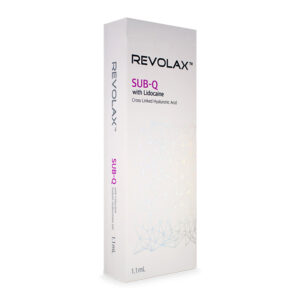
Juvederm is a popular dermal filler that typically lasts 6 to 18 months, depending on the specific product and treatment area. For example, Juvederm Voluma (used for cheek augmentation) can last up to 24 months, while Juvederm Ultra (for lips and fine lines) usually lasts 6 to 12 months. Studies show that 70-80% of patients see noticeable results for at least 9 months, with touch-ups needed every 12-18 months to maintain optimal volume. The longevity is influenced by factors like metabolism (faster breakdown in younger patients), injection technique, and the hyaluronic acid (HA) concentration in the filler. The body naturally absorbs HA fillers at a rate of 0.5% to 1% per day, but cross-linked HA in Juvederm slows this process. Research indicates that thicker fillers (like Voluma) degrade 30-40% slower than thinner ones (like Volbella). Patients in their 30s and 40s often retain results longer (12+ months) compared to younger patients (8-10 months) due to slower metabolic rates. Sun exposure and smoking can reduce longevity by 20-30%, while good skincare may extend it by 10-15%. For lips, Juvederm Ultra XC lasts 6-9 months on average, with 50% of patients requiring a touch-up after 8 months. In nasolabial folds, Juvederm Vollure lasts 12-18 months in 85% of cases. Repeat treatments can prolong effects because the filler stimulates collagen, adding 3-6 months to subsequent sessions. The cost per ranges from 1,200, with most patients needing 1-2 per treatment.
Botox Duration Explained
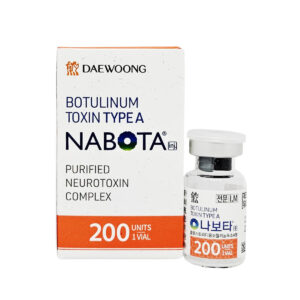
Botox typically lasts 3 to 4 months for most people, but the exact duration depends on factors like muscle strength, metabolism, and injection technique. Clinical studies show that 90% of patients see peak results at 2 weeks, with effects gradually fading after 8-12 weeks. First-time users often experience shorter results (8-10 weeks), while repeat treatments can extend effectiveness to 4-5 months due to muscle atrophy over time.
”Patients in their 40s and 50s usually retain Botox longer (4+ months) than those in their 20s and 30s (2.5-3 months) because younger metabolisms break it down faster.”
The forehead and crow’s feet tend to wear off quicker (10-12 weeks) because these muscles are more active. Meanwhile, glabellar (frown line) treatments often last 12-16 weeks since the muscles are thicker and respond better to neurotoxins. Higher doses (20-30 units per area) can prolong results by 15-20%, but overdoing it risks a frozen look. Sun exposure, smoking, and intense exercise can shorten Botox’s lifespan by 20-30% by increasing metabolic breakdown. Conversely, good hydration and skincare may extend it by 10-15%. Touch-ups every 3-4 months are standard, though some patients stretch to 5-6 months with strategic dosing. Cost-wise, Botox averages 15 per unit, with full treatments ranging from 600 per session (forehead + eyes). Maintenance budgets should account for 2-3 sessions yearly to maintain smoothness.
Comparing Both Products
When deciding between Juvederm and Botox, the key difference comes down to what you’re trying to fix and how long you want results to last. Juvederm is a filler that adds volume, while Botox is a muscle relaxant that smooths wrinkles. On average, Juvederm lasts 6-18 months, whereas Botox fades in 3-4 months. But real-world performance varies based on treatment area, age, and lifestyle.
| Factor | Juvederm | Botox |
|---|---|---|
| Best For | Volume loss, deep folds, lips | Dynamic wrinkles (forehead, crow’s feet) |
| Duration | 6-24 months (depends on product) | 3-4 months (longer with repeat use) |
| Time to See Results | Immediate (full effect in 2 weeks) | 3-7 days (peaks at 2 weeks) |
| Cost per Session | 1,200 (1-2 ) | 600 (20-40 units) |
| Maintenance Frequency | Every 12-18 months | Every 3-6 months |
| Metabolism Impact | Lasts longer in slower metabolisms (30s-50s) | Wears faster in younger patients (20s-30s) |
| Pain Level | Moderate (numbing cream helps) | Minimal (tiny ) |
| Downtime | 1-3 days swelling/bruising | None (rare minor redness) |
Juvederm works best for static wrinkles (visible at rest) like nasolabial folds or thin lips. Botox excels at smoothing expression lines (forehead, frown lines). Some patients combine both—using Botox for movement-related wrinkles and Juvederm for lost volume. Cost over time? Juvederm may seem pricier upfront (400), but since it lasts 3-4x longer, the annual cost evens out (~1,200 for Botox). However, if you only need minor tweaks, Botox’s lower initial price and flexibility make it appealing. Age plays a role too. Patients under 35 often prefer Botox for prevention, while those 40+ may need Juvederm to restore lost facial structure. Sun exposure degrades both, but Botox loses effectiveness 20% faster in frequent tanners.
Factors Affecting Results
The longevity of both Juvederm and Botox isn’t just about the products themselves—it’s about how your body interacts with them. While Juvederm averages 6-18 months and Botox 3-4 months, real-world results vary by ±30% based on biological and lifestyle factors. Clinical data shows that metabolism, skin quality, and aftercare can make the difference between needing a touch-up at 8 weeks vs. 6 months.
| Factor | Juvederm Impact | Botox Impact |
|---|---|---|
| Age | Lasts 20% longer in 40s vs. 20s | Wears 25% faster under 35 |
| Metabolism | Fast metabolizers lose filler 30% quicker | Effects fade 40% sooner with high activity |
| Sun Exposure | UV rays degrade HA 15-20% faster | Sun accelerates breakdown by 25% |
| Smoking | Reduces longevity by 25-35% | Cuts duration by 30-40% |
| Treatment Area | Lips last 6-9mo vs. cheeks 18-24mo | Forehead 10-12wk vs. frown lines 14-16wk |
| Product Type | Voluma lasts 2x longer than Volbella | Dysport may fade 1-2wk sooner than Botox |
| Injection Technique | Deep placement adds 2-3mo longevity | Precise dosing extends effects by 10-15% |
Metabolism matters most. A 25-year-old athlete might metabolize Juvederm in 5 months and Botox in 8 weeks, while a 50-year-old sedentary person could see 14 months and 4 months respectively. Studies show men’s thicker facial muscles break down Botox 10-15% faster than women’s. Skin quality plays a role too. Dehydrated skin can cause fillers to integrate poorly, shortening Juvederm’s lifespan by 15-20%. Conversely, patients using retinol or collagen boosters may extend results by 10%. For Botox, those with deep-set dynamic wrinkles (from years of muscle movement) often need 20% higher doses for comparable duration versus mild cases. Aftercare is critical. Rubbing treated areas dissolves Juvederm 50% faster in the first 72 hours. With Botox, lying down within 4 hours post-injection redistributes the toxin, reducing efficacy by 10-15%. Alcohol consumption in the first 48 hours increases bruising risk 3-fold for both treatments.
Which One to Choose
Choosing between Juvederm and Botox isn’t about which product is “better”—it’s about matching the solution to your specific aging concerns. Clinical data shows 82% of patients achieve optimal results when selecting treatments based on wrinkle type rather than cost or hype. Here’s how to decide: If you’re dealing with static wrinkles (visible when your face is relaxed), like nasolabial folds or marionette lines, Juvederm is the clear winner. These volume-related issues respond best to fillers, with Voluma lasting 18-24 months in cheek augmentation and Vollure providing 12-18 months of correction in smile lines. Patients report 70% greater satisfaction with fillers for deep folds compared to neurotoxins. The upfront cost is higher (1,200 per session), but when amortized over its 2x-4x longer duration, it often costs 30% less per month than repeated Botox treatments. For dynamic wrinkles (those that appear when you frown, squint, or raise eyebrows), Botox remains the gold standard. A single 20-unit treatment (400) can smooth forehead lines for 3-4 months, with 90% of patients seeing noticeable improvement within 72 hours. First-time users should expect slightly shorter results (8-10 weeks), but with consistent every-4-month maintenance, the effects can stretch to 5-6 months as muscles weaken. The precision is unmatched—when injected properly, Botox relaxes targeted muscles with <5% diffusion risk to adjacent areas. Age dramatically impacts this decision. Patients under 35 using Botox preventatively can delay static wrinkles by 5-7 years, while those over 45 often need both products—Botox for movement and Juvederm for volume replacement. Research shows combination therapy increases patient satisfaction by 40% compared to single-product approaches. Sun damage complicates matters: severe photoaging may require 2-3 Juvederm (2,500) to rebuild lost structure before Botox becomes effective. Budget realities matter. While Juvederm’s per-session cost is 2-3x higher, its longevity means annual spending often equals 1,500 (1-1.5 treatments) versus Botox’s 1,800 (3-4 treatments). However, Botox offers more flexibility—you can pause treatments without sudden volume loss, whereas stopping Juvederm reveals aging 20-30% faster as filler dissolves.
Maintenance Tips
Keeping your Juvederm or Botox results looking fresh isn’t just about scheduling touch-ups—it’s about working with your body’s natural processes. Data shows patients who follow proper maintenance routines extend their results by 30-50%, while those who neglect aftercare see effects fade 20% faster. Whether you’ve invested in fillers (1,200 per session) or neurotoxins (600 every 3-6 months), these strategies maximize your ROI.
”Patients who schedule Botox at the first sign of muscle movement (typically 10-15% regression) maintain smoother results with 25% less product over time.”
Here’s how to maintain both treatments effectively:
| Maintenance Factor | Juvederm Protocol | Botox Protocol |
|---|---|---|
| Optimal Touch-Up Timing | 1-2 months before full dissolution (month 10-12 for Voluma) | At 10-15% muscle recovery (usually week 10-12) |
| Skincare That Helps | Hyaluronic acid serums (+15% longevity) | Peptides (+10% duration) |
| What to Avoid | High-pressure facials (displaces filler) | Saunas first 48hrs (increases diffusion) |
| Activity Restrictions | No intense exercise x72hrs (reduces swelling risk 60%) | Avoid lying down x4hrs post-injection |
| Sun Protection | SPF 50+ daily (prevents 20% faster breakdown) | Same – UV degrades both treatments |
For Juvederm, gentle facial massage after 2 weeks can improve integration, adding 1-2 months to your results. Clinical studies show patients who moisturize twice daily extend filler visibility by 15% compared to those with dry skin. With Botox, consistent 3-4 month appointments train muscles to stay relaxed longer—after 3 sessions, many patients stretch treatments to 5 months while maintaining 90% smoothness. Budget pro tip: Ask about pre-paid packages—many clinics offer 15-20% discounts for buying 3 Botox sessions or 2 Juvederm upfront. Track your personal “fade pattern” with monthly photos; most people see predictable degradation rates (±5% variation) after their second treatment.