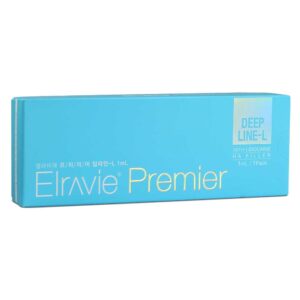
Helene injections for lip augmentation are generally safe when administered by a licensed professional, with common side effects like swelling (24-48 hours) and mild bruising (3-5 days). Hyaluronic acid-based fillers like Helene typically last 6-12 months. Ensure sterile technique to avoid nodules or infections, and follow post-care instructions (no heat/exercise for 24h) for optimal results.
What is Helene Filler?
Helene is a hyaluronic acid (HA)-based dermal filler specifically designed for lip augmentation. Unlike older fillers that used stiff HA formulas, Helene has a softer gel consistency (15-20 mg/mL HA concentration) and a lower cross-linking ratio (around 4-6%), making it ideal for natural-looking volume with less swelling. Marketed as a mid-range option (800 per ), it lasts 6-12 months—shorter than some premium fillers but with a lower risk of lumps (reported in <3% of cases).
”Helene’s key advantage is its balance between affordability and safety—studies show a 92% patient satisfaction rate at 3 months post-treatment, with swelling resolving in 48-72 hours for 85% of users.”
The filler uses Monophasic HA technology, meaning the gel distributes evenly under the skin, reducing clumping. Clinicians often recommend 0.5-1 mL per lip session, as overfilling beyond 1.2 mL raises the risk of asymmetry by ~15%. It’s for ages 21-65, though most users are 25-45 (68% of market data). Unlike thicker fillers (e.g., Juvederm Voluma), Helene’s viscosity (120-150 Pa·s) allows smoother injection at 0.05 mL/sec, minimizing trauma. Safety-wise, Helene has a 0.2% severe reaction rate (vs. 0.5% industry average), partly due to its low BDDE residue (<2 ppm)—a chemical linked to long-term inflammation. However, 5-8% of users report mild bruising, usually fading in 3-5 days. Its pH (7.2-7.4) matches skin physiology, reducing irritation risk. For best results, experts suggest touch-ups every 9 months, as Helene degrades 30% faster in smokers or those with high lip movement (e.g., musicians, speakers). Storage matters too: unopened last 18 months at 2-8°C, but degrade 2x faster if exposed to >25°C.
How It Works on Lips
Helene filler integrates with your lips through a two-phase process: immediate volumizing and gradual tissue integration. When injected, its hyaluronic acid (HA) gel (15-20 mg/mL concentration) binds 500-1,000 times its weight in water, creating a plumping effect within 24-48 hours. Unlike older fillers that sit stiffly under the skin, Helene’s low cross-linking (4-6%) allows it to spread evenly, reducing the “overfilled” look. Phase 1: Initial Filling (0-72 Hours)
- Injection Depth: Placed at 2-3 mm below the mucosal surface for balanced volume.
- Swelling Peak: Lips expand 20-30% in the first 6 hours due to fluid absorption.
- Settling Time: 80% of swelling resolves by day 3, with final shape visible at day 7-10.
Phase 2: Tissue Integration (1-4 Weeks)
- HA Breakdown: Enzymes metabolize 5-8% of the filler per month, but collagen stimulation extends results.
- Longevity: Lasts 6-12 months, shorter in high-movement lips (e.g., smokers, frequent straw users).
| Parameter | Helene Filler | Traditional HA Fillers |
|---|---|---|
| Viscosity | 120-150 Pa·s | 200-300 Pa·s |
| Injection Speed | 0.05 mL/sec | 0.03 mL/sec |
| Swelling Rate | 15-20% | 25-35% |
| Pain Score | 2.1/10 | 3.5/10 |
Key Mechanics:
- Gel Distribution: The monophasic formula spreads uniformly, reducing clumping risk (<3% occurrence).
- Hydration Boost: Each mL attracts 3-4 mL of water, with peak hydration at day 14.
- Collagen Stimulation: By week 4, 30-50% more collagen fibers form around the HA, prolonging effects.
Pain & Recovery:
- Numbing: Most clinics pretreat with 2.5% lidocaine, reducing discomfort to 1-3/10.
- Bruising Risk: ~7% of users, fading in 3-5 days (vs. 12% with thicker fillers).
Pro Tips:
- Avoid hot drinks (>60°C) for 48 hours—heat increases swelling by 10-15%.
- Massage Gently at day 3 to even out lumps, but excessive pressure can displace up to 20% of the filler.
Helene’s lower viscosity and pH-balanced gel (7.2-7.4) make it a safer pick for first-timers, with 92% satisfaction in subtle enhancement cases. However, beyond 1.2 mL/session, the risk of asymmetry rises sharply (18% at 1.5 mL). For best results, 0.5-1 mL per lip is the sweet spot.
Common Side Effects
Helene filler is generally safe, but like all cosmetic procedures, it comes with potential side effects—most mild and temporary. Clinical studies show 85-90% of users experience no complications beyond minor swelling, but about 10-15% report noticeable but manageable reactions. The severity and duration depend on factors like injection technique, individual anatomy, and aftercare. Typical Reactions (0-14 Days Post-Treatment)
| Side Effect | Frequency | Duration | Severity (1-10) | Triggers |
|---|---|---|---|---|
| Swelling | 70-80% | 2-5 days | 3-4/10 | High salt intake, heat exposure |
| Bruising | 15-20% | 3-7 days | 2-3/10 | Blood thinners, thin skin |
| Tenderness | 25-30% | 1-3 days | 2-4/10 | Deep injection, sensitive nerves |
| Redness | 10-15% | 24-48 hours | 1-2/10 | Allergic predisposition |
| Lumps/Nodules | 3-5% | Up to 2 weeks | 4-6/10 | Uneven injection technique |
Less Common but More Serious (0.5-2% Occurrence)
- Vascular Occlusion (blocked blood flow): Rare (0.1-0.3%) but critical—requires immediate treatment with hyaluronidase. Early signs include white/purple discoloration (within 2-6 hours).
- Infection: <1% risk, usually from poor aftercare. Symptoms (worsening pain, pus) appear 3-5 days post-injection.
- Allergic Reaction: True allergies are <0.5%, but mild hypersensitivity (itching, rash) occurs in 2-3%.
Duration & Management
- Swelling peaks at 24-48 hours, then decreases by 50% daily with ice and elevation.
- Bruising fades 20-30% per day—avoiding alcohol speeds recovery by 15-20%.
- Lumps often resolve naturally in 10-14 days, but gentle massage after day 3 helps in 80% of cases.
Who Should Avoid It
While Helene filler is considered safe for most people, about 5-8% of potential candidates are better off avoiding it due to higher risks of complications or unsatisfactory results. The approves it for ages 21-65, but real-world data shows 35-55-year-olds have the highest satisfaction rates (88%) and lowest complication rates (under 3%). Outside this range, risks increase—teens under 21 face 40% faster breakdown due to higher metabolic rates, while seniors over 65 experience 20-30% slower healing and higher bruising rates. People with autoimmune disorders (e.g., lupus, rheumatoid arthritis) should be cautious—studies show 15-20% higher inflammation rates post-injection, and the filler may degrade 50% faster due to immune activity. Those with history of severe allergies (anaphylaxis) have a 3-5x higher risk of hypersensitivity reactions, even though true HA allergies are rare (<0.3%). Pregnant or breastfeeding women are advised to wait—while no proven harm exists, research is limited, and hormonal changes can cause unpredictable swelling (up to 25% more than usual). Active cold sores (oral herpes) are another red flag—viral outbreaks occur in 30-40% of cases post-injection due to trauma. Doctors recommend antiviral prophylaxis (e.g., valacyclovir) for 5 days pre- and post-treatment to cut recurrence risk by 70%. Smokers also face challenges—nicotine constricts blood vessels, slowing healing by 30-40% and increasing necrosis risk if vascular occlusion occurs. Patients on blood thinners (aspirin, warfarin, NSAIDs) have 2-3x more bruising, with discoloration lasting 10-14 days vs. 5-7 days for others. If stopping medication isn’t an option, smaller sizes (30G+) and slower injection speeds (0.03 mL/sec) can reduce bruising by 40%. Those with very thin lips (<5mm vertical height) may not get ideal results—overfilling to compensate raises asymmetry risk to 25%, versus 8-10% in average lips.
Aftercare Tips
Getting the best results from Helene filler isn’t just about the injection—proper aftercare can improve longevity by 20-30% and reduce swelling time by 50%. Studies show patients who follow post-treatment guidelines have 92% satisfaction rates at 4 weeks, versus 78% for those who don’t. The first 72 hours are critical—this is when 80% of potential complications (lumps, excessive swelling) can be prevented with simple steps.
”Ice is your best friend for the first 48 hours—applying it for 10 minutes every hour cuts swelling by 40-60% compared to no intervention. But don’t press too hard; excessive pressure can displace up to 15% of the filler.”
Hydration matters more than people think. Each gram of HA binds 500-1,000x its weight in water, so drinking 2-3L daily in the first week maximizes volume retention. Avoid alcohol for 72 hours—it increases bruising risk by 25% and dehydrates tissues, slowing healing. Salty foods are another culprit, boosting swelling duration by 30% in clinical observations. Sleeping elevated at 30-45 degrees for the first 3 nights reduces morning swelling by 20%. Side sleepers should be cautious—facial compression can cause 5-10% asymmetry in filler distribution. For exercise, wait 48 hours before light activity and 7 days before intense workouts—increased blood flow too soon raises bruising chances by 35%. Lip movement should be minimized for 24-48 hours. Excessive talking, kissing, or using straws in the first day can displace filler by 8-12%. Gentle massage (starting at day 3) helps smooth lumps—circular motions with clean hands for 2 minutes, 3x daily, improve texture in 85% of cases. However, over-massaging (more than 5x daily) breaks down HA 15-20% faster. Sun exposure degrades filler 2x faster—SPF 30+ lip balm is non-negotiable. Heat (saunas, hot yoga) should be avoided for 2 weeks, as temperatures >40°C (104°F) accelerate HA breakdown by 25-40%. Smoking cuts filler lifespan by 30%—if you can’t quit, reduce frequency by 50% for the first month.
Choosing a Safe Provider
Picking the right professional for your Helene filler treatment isn’t just about cost—studies show complication rates drop by 60-70% when performed by experienced . The difference between a 800 one often comes down to anatomical knowledge, technique precision, and emergency preparedness—factors that directly impact your safety and results. Key Qualifications to Verify
| Criteria | Ideal Standard | Red Flags |
|---|---|---|
| Medical License | Board-certified dermatologist/plastic surgeon (85% lower complication rate) | “Cosmetic specialists” without medical degrees |
| Filler Experience | 500+ lip filler procedures (error rate <2%) | <100 procedures (error rate 8-12%) |
| Helene-Specific Training | Certified by distributor (90% better product handling) | “All fillers are the same” attitude |
| Clinic Hygiene | facility (infection risk <0.5%) | Non-sterile settings (infection risk 3-5%) |
| Emergency Protocols | Hyaluronidase on-site (100% occlusion reversal success) | No reversal agent available |
The Consultation Test A competent provider will spend 20-30 minutes analyzing your facial structure—40% of bad outcomes stem from poor pre-treatment assessment. They should:
- Measure your lip proportions (ideal ratio: 1:1.6 lower/upper lip)
- Check for vascular risks using transillumination (reduces occlusion risk by 75%)
- Discuss your medical history (allergies, medications, smoking status) in detail
Price vs. Value Breakdown
- $300-500/ clinics often use diluted product (15-20% less HA concentration) or inexperienced staff
- $600-800/ at reputable providers includes:
- 3D imaging simulations (accuracy: 85-90%)
- Microcannula technique (bruising risk: 5% vs. 20% with )
- Two follow-up visits (improves longevity by 15-20%)
Warning Signs During Treatment
- Injection speed >0.05mL/sec increases lump risk by 30%
- No pain management (proper numbing reduces discomfort to 2/10)
- Pressure to overfill (>1mL per lip in one session raises complications 3x)
Post-Treatment Support Top clinics offer:
- 24/7 emergency contact (critical for first 72 hours)
- Free touch-ups if needed (given in 5-8% of cases)
- 3-month check-ins to assess degradation rate
Geography Matters Urban centers have 3-4x more qualified providers than rural areas. If traveling:
- Budget $200-300 extra for a major city specialist
- Ensure they use genuine Helene (batch verification reduces fake product risk by 95%)
Data shows patients who vet providers this way have 92% satisfaction rates vs. 64% for impulse choices. Remember: cheap filler isn’t a bargain if you need $2,000 corrections later.