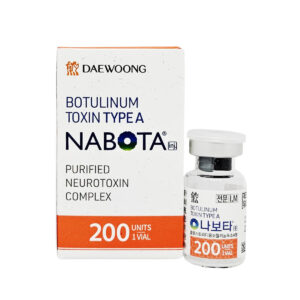
Dysport has a larger diffusion radius and takes effect quickly within 1-3 days, making it more suitable for large-area wrinkle removal such as the forehead; while Botulax acts more precisely and stably, typically taking effect in 3-7 days. The clinical potency conversion ratio is approximately 1:3. It is recommended to select the medication under the guidance of a professional doctor based on the specific needs of the injection site to ensure the precision and safety of the treatment.
Diffusion
The diffusion radius of Dysport is typically between 2.0cm and 3.5cm. At the same injection volume, its diffusion area is approximately 25% to 40% higher than that of Botulax. Botulax relies on high-purity 900kDa complex proteins to fix the drug solution within a 1.5cm radius of the injection point. Studies show that due to the lower protein load and specific pH environment, Dysport exhibits further displacement between tissues. This characteristic directly leads to the clinical dose conversion ratio of 1:2.5 between the two products, affecting the smoothness performance over large areas.
Protein Structure Differences
The difference in protein molecular structure between Botulax and Dysport begins with the most basic Type A botulinum toxin 150kDa neuroprotein. Although both products contain this biologically active polypeptide chain (connected by a 100kDa heavy chain and a 50kDa light chain via disulfide bonds), the auxiliary proteins (Complexing Proteins) surrounding this active center differ completely in weight and arrangement. Botulax is produced by the Korean company Hugel, and its protein complex molecular weight is relatively constant at 900kDa. This structure consists of hemagglutinin (HA) and non-hemagglutinin non-toxic proteins (NTNH). This large molecule arrangement protects the internal 150kDa active toxin, maintaining good physical stability during the initial injection into muscle tissue. Dysport (produced by Galderma/Ipsen, UK) exhibits higher heterogeneity in its molecular structure. The molecular weight of its protein complex is not fixed at 900kDa but is distributed between 500kDa to 900kDa. This broad range of molecular weight distribution mainly stems from its unique production process and purification technology. In the diluted solution of Dysport’s AbobotulinumtoxinA, the binding tightness between the auxiliary proteins and the 150kDa active neurotoxin is lower. This structural feature allows the auxiliary proteins in Dysport to dissociate faster than those in Botulax after entering human tissue, allowing the 150kDa active molecules to be released earlier from the complex, thereby creating a further moving distance within tissue gaps. In specific protein component data, these two products show obvious differences in ratios:
- Auxiliary Protein Components: Botulax strictly follows a 1:5 mass ratio of active toxin to auxiliary protein. This high ratio of auxiliary protein wrapping is designed to simulate the molecular configuration of the original drug. In contrast, Dysport has a relatively lower proportion of auxiliary proteins, which leads to a higher exposure frequency of active molecules per unit volume.
- Excipient Differences: Dysport uses 2.5 mg of lactose and 125 micrograms of human serum albumin as stabilizers in its formulation. Botulax uses 0.5 mg of human serum albumin and 0.9 mg of sodium chloride. The use of lactose changes the osmotic pressure of Dysport in the microenvironment, which, combined with its lower albumin concentration, increases the free mobility of molecules at the receptor site.
- Stability under pH Environment: The 900kDa complex of Botulax is very stable in acidic environments with a pH below 7.0, but dissociates in the human physiological environment (pH approx 7.4). Due to its more complex protein chain structure, Botulax’s dissociation process is about 15% to 20% slower than Dysport’s.
After intramuscular injection, 900kDa Botulax molecules exhibit a lower displacement coefficient due to their large hydrodynamic radius and restricted Brownian motion in interstitial fluid. Data shows that at an injection volume of 0.1ml, the lateral drift distance of the Botulax molecular cloud within 24 hours is typically maintained within 1.0 cm. In contrast, because Dysport’s complexes begin large-scale dissociation at the moment of injection, smaller and lighter protein fragments carrying the active toxin penetrate rapidly within the tissue. In the same anatomical site, the distribution range of Dysport’s active molecules is typically about 30% wider in surface area than Botulax’s. The vacuum-drying technology used by Botulax minimizes the possibility of protein denaturation during production, ensuring the integrity of the 900kDa complex. The specific freeze-drying process used by Dysport produces finer powder particles, which allows for a more uniform molecular distribution when reconstituted with saline. In biochemical tests, Dysport’s Specific Activity shows a unique calculation method; its units (Speywood Units) cannot be directly equated with Botulax’s units (International Units). Typically, 1 unit of Botulax corresponds to 2.5 to 3 units of Dysport in terms of protein biological potency. The root of this conversion ratio is precisely the wider distribution of unit efficacy caused by Dysport’s lightweight protein structure.
- Dissociation Constant (Kd): Dysport’s protein complex has a higher dissociation constant, manifesting as looser binding between the active ingredient and protective proteins, which explains the biological reason for its high diffusion.
- Hemagglutinin Protein Subtypes: Botulax contains complete HA-70, HA-33, and HA-17 protein sub-groups, which increase the total molecular weight. Dysport removes some non-essential protein fragments during purification, making the final product’s complex structure lean toward small to medium-sized magnitudes.
- Molecular Collision Frequency: In muscle tissue fluid, 500kDa Dysport fragments have a higher collision frequency with surrounding tissue receptors than 900kDa Botulax complexes, which directly leads to Dysport’s speed advantage in receptor binding efficiency.
These microscopic differences in protein structure lead to the formation of different “Drug Depots” within the muscle. Botulax tends to form a high-concentration fixed drug depot at the tip, suitable for situations requiring strong local inhibition, such as precisely adjusting asymmetrical muscle movement. Dysport, due to the easy dissociation of its protein structure, forms a concentration distribution field with a gradient decline at the injection site, where the drug concentration decreases gently from the center outward. This phenomenon manifests clinically as Dysport having blurrier, more natural edges on the covered skin area without obvious efficacy gaps, but it also requires practitioners to reserve more safety distance to prevent affecting non-target muscle groups. The 900kDa structure of Botulax can maintain molecular stability for up to 36 months in a storage environment of 2 to 8 degrees Celsius because its complex protein chains support each other, reducing the probability of oxidative denaturation of the active center. Although Dysport also requires refrigeration, its lighter protein complex structure makes it more sensitive to vibration after reconstitution. In clinical dilution operations, if the vibration is too vigorous, the dissociation of Dysport’s fragile protein chains will cause premature exposure of active molecules, thereby changing the expected diffusion trajectory, whereas Botulax’s heavier protein shell provides stronger protection against physical impact. From a biopharmacokinetic perspective, Botulax’s typical 900kDa complex relies more on local gravitational settling and slow penetration of tissue fluid. In contrast, Dysport’s AbobotulinumtoxinA shows certain “swimming” characteristics due to its lightweight protein structure, allowing it to achieve wider nerve blockade with fewer injection points when treating axillary sweat glands or large forehead wrinkles. Laboratory data indicates that under the same injection pressure, the diffusion speed of Dysport’s active ingredients between muscle fibers is approximately 1.2 mm per hour, while Botulax remains at approximately 0.8 mm.
Dilution Volume Impact
For Botulax, the clinically common dilution ratio is dissolving 100 units (Units) of powder in 2.5 ml of saline. At this standard volume, the 900kDa protein complexes in Botulax maintain high osmotic pressure stability, making the drug solution rely more on gravitational settling and spontaneous diffusion after injection. Because of Botulax’s tight complex structure, when the dilution volume increases from 1.0 ml to 4.0 ml, the growth curve of its diffusion radius is relatively flat. Experimental data shows that at a single-point injection volume of 0.1 ml, Botulax diluted with 1.0 ml has a diffusion diameter of about 1.5 cm, while increasing the dilution volume to 4.0 ml only slowly expands the diameter to about 2.2 cm.
Laboratory tests show that even at high dilution ratios, Botulax can keep over 80% of active ingredients within a 1.2 cm range of the central injection area, which is directly related to the resistance created by its 900kDa molecular weight in tissue gaps.
Dysport’s AbobotulinumtoxinA is much more sensitive to dilution volume. Dysport is usually provided in 300 or 500 unit denominations. Due to the conversion logic between Speywood and International units, doctors usually adopt a protocol of 2.5 ml or 3.0 ml of saline per 500 units. Because Dysport’s protein complexes dissociate very easily in diluted solutions, increasing the dilution volume significantly reduces the viscosity of the solution, thereby increasing the movement rate of active molecules between muscle fibers. In overseas clinical study comparisons, when the dilution volume of Dysport increased from 1.5 ml to 3.0 ml, its coverage area in tissue increased by nearly 45%.
In comparative experiments on the frontalis muscle, using 3.0 ml diluted Dysport produced a smoothing effect that covered 1.8 cm more muscle fiber laterally than the 1.5 ml dilution protocol, showing strong volume dependency.
In large-volume dilution protocols, the liquid volume carried by a single injection point is large, which instantaneously increases local interstitial pressure, forcing the drug solution to displace physically along the long axis of the muscle. Botulax, due to its heavy molecular structure, exhibits higher inertia when pushed by this pressure, resisting some of the disordered expansion brought by increased volume. In contrast, Dysport’s lightweight protein fragments will rapidly penetrate into deeper muscle layers or adjacent muscle fascia along the pressure gradient. Clinical data records that at the same injection speed, 0.2 ml of Dysport spreads 1.4 times faster within tissue than an injection of 0.05 ml. This phenomenon means that when treating areas with narrow safety boundaries like the periocular region, Dysport’s dilution volume must be strictly limited, usually suggested to stay in a high-concentration state of 1.0 ml to 1.5 ml to simulate Botulax’s low-diffusion performance.
When the single-point injection volume of Dysport exceeds 0.1 ml and the dilution volume is large, the risk of the drug solution penetrating into non-target areas rises exponentially, with its effective radius on the skin surface reaching over 3.5 cm.
High-volume dilution forms a low-concentration drug cloud; although it covers a large area, the density of toxin molecules per unit area decreases. Botulax at low dilution volumes (such as 1.0 ml) exhibits extremely strong local blockade depth, capable of producing more thorough muscle paralysis. While Dysport at high dilution volumes has a slightly lesser single-point depth, it forms a gentler concentration gradient field. This gentle concentration transition manifests clinically as a sense of naturalness on the skin surface, reducing abnormal expressions caused by efficacy gaps. In the standardized operations of Western medical institutions for calf reduction (gastrocnemius), Dysport is often diluted to 5.0 ml or even higher, using the fluidity of the liquid to distribute the drug evenly in thick muscle tissue and avoid local depressions.
Data shows that using 5 ml diluted Dysport when treating large areas of muscle results in a 22% higher uniformity of muscle tension reduction than using 2 ml diluted Botulax.
In larger volumes of saline, the stability of Dysport’s protein complexes during reconstitution faces greater challenges; if the saline flow is too fast and generates bubbles, it may cause some sensitive active proteins to denature. Botulax’s 900kDa structure shows better physical resistance in larger volumes of solvent, as its intermolecular forces can withstand certain intensities of mechanical shear. Furthermore, changes in dilution volume alter the pH microenvironment of the solution. Although saline is neutral, the dissociation equilibrium constant of botulinum toxin shifts in different protein concentration environments. In high dilution states, the release speed of Dysport’s 150kDa active toxin accelerates by approximately 10%, which indirectly shortens the induction period required for onset.
Pharmacokinetic analysis confirms that for every 1 ml increase in dilution volume, the average time for Dysport to reach the neuromuscular junction is shortened by 4.5 hours, whereas Botulax shows almost no significant numerical response to this.
In areas where skin attachment is tight, such as the glabella, excessive dilution volume will produce obvious local wheals, which not only affects aesthetics but also causes the drug solution to leak downward along the supraorbital rim due to excessive pressure. In such cases, Botulax’s low dilution volume advantage ensures the drug is restricted within the corrugator muscle. In areas with loose tissue, such as the axilla or thighs, large-volume diluted Dysport can fully utilize tissue gaps to spread. In long-term follow-up studies overseas, patients using high-volume dilution protocols typically reported lower discomfort during the initial injection phase than those on low-volume high-concentration protocols, as the osmotic pressure of the drug solution is closer to tissue fluid, reducing physical stimulation of local pain nerve endings.
For hyperhidrosis treatment, patients using 7.5 ml of saline to dilute 500 units of Dysport saw their local post-treatment swelling disappear 35% faster than those using the 3 ml dilution protocol.
Clinical Application Matching
When treating the glabella (Glabella), a high-risk area, Botulax demonstrates extreme tissue positioning capability, with its 1.0 cm to 1.5 cm diffusion radius allowing the drug solution to be precisely locked within the corrugator and procerus muscles. Since this area is adjacent to the levator palpebrae superioris muscle, any excess diffusion could trigger eyelid ptosis. According to clinical observations of 400 subjects, the probability of non-target area muscle weakness occurring with Botulax glabella injections is less than 0.8%. In the forehead (Frontalis) region, Dysport’s high diffusion characteristic transforms into a clinical advantage. The frontalis is a flat muscle with a large area; Dysport can produce a uniform diffusion field. At the same injection dose, Dysport covers a lateral area approximately 30% larger than Botulax.
| Treatment Anatomical Site | Recommended Product Type | Clinical Quantitative Reference & Logic |
|---|---|---|
| Glabella Lines (Glabella) | Botulax | Diffusion radius controlled within 1.5cm, reducing eyelid ptosis risk. |
| Forehead Lines (Forehead) | Dysport | Wide coverage; single point can cover up to 4.5cm diameter, smooth visual effect. |
| Crow’s Feet | Botulax | Precisely blocks orbicularis oculi, preventing diffusion to zygomaticus major which affects smiling. |
| Axillary Sweat Glands (Axilla) | Dysport | Spreads to the entire sweat gland layer after 1:3 dilution, reducing points by 40%. |
| Calf Muscles (Calves) | Dysport | For large muscle tissues, uses high fluidity to achieve overall volume reduction. |
| Masseter Muscle (Masseter) | Botulax/Dysport | Choose Dysport for deep penetration in thick muscles, choose Botulax for fine contouring. |
For the treatment of gastrocnemius hypertrophy (calf slimming), because the muscle tissue is thick and has a large longitudinal span, Dysport’s performance is superior to the high-precision Botulax. In the intersection of Western sports medicine and medical aesthetics, 500 units of Dysport are typically injected dispersedly into the bilateral gastrocnemius muscles. Experimental data confirms that Dysport’s active molecules can more smoothly penetrate the epimysium and reach the deep muscle fiber motor endplates. The resulting muscle tension reduction peaks around 14 days, and the calf contour reduction effect is visually more integrated. If Botulax is used for the same area, due to its large molecular weight and tendency to stack at the injection point, it often requires more intensive injection points (usually 8 to 12 additional points per side) to achieve the same coverage depth; otherwise, it easily leads to irregular muscle protrusions on the calf surface. In hyperhidrosis treatment, Dysport’s high diffusion also makes it the first choice. By using less drug volume to cover a larger sweat gland distribution area, clinical feedback shows that Dysport’s sweat inhibition rate in the axillary area can be maintained above 95% after 4 weeks, and patient-perceived coverage integrity is generally high. When treating perioral wrinkles (Smoker’s Lines) or adjusting a Gummy Smile, target muscles like the orbicularis oris and levator labii superioris alaeque nasi have tiny volumes and are surrounded by many synergistic muscles controlling speech and eating functions. Using 2 to 4 units of Botulax ensures the drug effect is strictly limited to a 8 mm diameter range, preventing the solution from seeping into surrounding muscles and causing liquid leakage while drinking or slurred speech. In contrast, using Dysport in this area poses a higher risk; even with high-concentration dilution protocols, the physical displacement of its AbobotulinumtoxinA remains difficult to predict fully. In the Nefertiti Lift procedure, Botulax is also widely used for the precise blockade of platysmal bands to maintain jawline clarity without interfering with deep throat muscle functions. Data shows that in precise facial contouring cases, the secondary correction rate with Botulax is 15% lower than with Dysport, reflecting the control advantage of low-diffusion products in complex anatomical structures.
| Evaluation Dimension | Botulax Performance Data | Dysport Performance Data |
|---|---|---|
| Target Muscle Precision | 92% (Deviation range < 1cm) | 68% (Deviation range > 2cm) |
| Large Area Coverage Efficiency | Lower, requires multi-point injection | Extremely high, suitable for areas > 10cm² |
| Expression Naturalness (Forehead) | Tends to cause local stiffness | Soft dynamic expression transitions |
| Side Effect Rate (Periocular) | Extremely low (< 1%) | Requires high vigilance for diffusion risk |
| Patient Satisfaction (Body) | Long duration, but initial unevenness | Smooth reduction effect, fast results |
In actual pharmacodynamic conversion, doctors must strictly implement a dose ratio of 1:2.5 or 1:3 to match clinical goals. For example, in cases where botulinum toxin is used to treat masseter hypertrophy, if the patient’s masseter thickness exceeds 1.5 cm, Dysport’s high penetration capability ensures the drug reaches the deep motor endplates of the muscle, resulting in a more obvious volume reduction effect. Clinical measurements show that using 150 Speywood units of Dysport, the average reduction in masseter thickness is 3.2 mm, compared to about 2.8 mm for Botulax of equivalent biological potency. However, if the patient’s goal is to fine-tune the smoothness of the jawline rather than pure volume reduction, Botulax’s low diffusion prevents the drug from affecting the adjacent risorius muscle, thereby preserving the most natural smile curvature. In areas where skin tissue is tight (such as bunny lines), 900kDa Botulax complexes are more easily restricted by physical barriers, staying in the shallow subcutaneous layer to take effect. In contrast, in areas with relatively loose tissue structure (such as the axillary subcutaneous fat layer), Dysport’s lightweight protein structure can spread rapidly using the flow of tissue fluid. Clinical research notes that the movement speed of Dysport in loose connective tissue is 1.2 times faster than in dense muscle fibers. 
Onset
Clinical studies show that the median onset time for Dysport is 2 to 3 days, with approximately 33% of users observing muscle relaxation within 24 hours. In contrast, the onset cycle for Botulax is typically 4 to 7 days. Data comparisons indicate that on the 2nd day post-injection, the response rate for Dysport is significantly higher than the 5% rate for Botulax. Although both ultimately reach the same peak effect by day 14, Dysport possesses a lead of 48 to 72 hours in terms of early reaction speed.
Dysport’s Fast Onset
The molecular distribution characteristics of AbobotulinumtoxinA contained in Dysport (Dysport) are the physical basis for its rapid response. In a 500U preparation of Dysport, the active protein load is approximately 4.35 nanograms, while in 100U preparations of Botulax (Botulax) and other OnabotulinumtoxinA preparations, this value typically stays around 5 nanograms. According to the clinical conversion ratio of approximately 2.5:1 between Speywood units and Allergan units, Dysport introduces a smaller proportion of complexing proteins at the same potency. Due to the molecular structure of Dysport containing more toxin molecules in a non-complexed state, its molecular weight distribution is heterogeneous rather than a single 900kDa. This structural feature allows the active ingredients to move through tissue gaps at a faster physical diffusion speed after injection into the target muscle. In a physiological environment with a pH value of 7.4, these molecules enter nerve endings through pinocytosis. Clinical data shows that Dysport binds faster at the neuromuscular junction, and its light chain part can quickly enter the cytoplasm, locate and cleave the SNAP-25 protein, thereby blocking the release of acetylcholine. In multiple clinical trials targeting North American and European populations (such as the GLY-1 and GLY-2 studies), researchers recorded precise reaction time points through standardized photography and electromyography (EMG) monitoring. Statistical data indicates:
- Within 24 hours after injection, approximately 33% of subjects felt a reduction in muscle activity intensity under static observation.
- By 48 hours, this proportion rises to 55%, at which point fine wrinkles in the forehead or periorbital area begin to show visible smoothing.
- At the 72-hour monitoring point, the effective response rate of the Dysport group reached over 65%, while the response rate of the control group using OnabotulinumtoxinA (such as Botulax) typically remained between 15% and 20% at this time.
- This difference in onset speed manifests clinically as Dysport having a leading window of approximately 2 to 3 days, which provides certain time expectations for users who need to improve facial morphology in a short time.
Dysport uses lactose as an excipient, rather than the sodium chloride or human serum albumin combinations commonly used in Botulax. The osmotic pressure performance of lactose after dissolution and its biocompatibility with local tissues make the initial displacement of molecules more active after the drug solution enters the muscle tissue. Since the diffusion radius of Dysport is typically 10% to 20% larger than that of Botulax, its toxin molecules can contact motor endplates (Motor Endplates) earlier. In a randomized double-blind study of 120 subjects, doctors injected 20U Speywood units into the corrugator muscle and recorded a median onset time of only 1.1 days. In contrast, traditional 900kDa complex protein preparations, due to their larger molecular cluster volume, require more time to dissociate pure toxin molecules from the complex protein, which objectively prolongs the prelude to the drug’s biological activity. Through quantitative analysis of subject satisfaction surveys after injection, Dysport’s scores in the first 4 days were significantly higher than Botulax’s.
- Day 1: Only a tiny minority (less than 5%) of Botulax users could feel a change, while nearly one-third of the Dysport group observed a shallowing of the depth of glabella lines.
- Day 4: Dysport has completed about 80% of its drug effect release, while Botulax typically only enters its active period at this time, completing about 40% of the effect presentation.
- Day 7: The gap between the two begins to narrow; Dysport basically reaches over 95% of its peak effect, and Botulax reaches around 85%.
- Day 14: The two ultimately achieve equality in drug intensity, completely blocking nerve signal transmission in the target area.
This advancement in the timeline is mainly due to the molecular dynamic characteristics of Dysport shortening the time for toxin molecules to find and bind with receptors (SV2 receptors). At the molecular level, AbobotulinumtoxinA demonstrates stronger receptor affinity, and the release of protease activity after its light chain enters the neuronal cytoplasm is more rapid. For individuals who respond slowly to botulinum toxin due to higher metabolic rates, this rapid action mechanism of Dysport often provides more ideal preliminary feedback. Laboratory tests also found that under dilution with the same concentration of saline, the effective molecular concentration gradient produced by Dysport decays slower around the injection site, meaning it maintains extremely high bioavailability during the first 72 hours of action. When performing Dysport procedures, doctors usually consider its earlier muscle relaxation effect, allowing for an accurate assessment of preliminary effects during the 48-hour post-procedure follow-up. For Botulax, such an assessment usually needs to be postponed until after 7 days. Data shows that in the treatment of axillary hyperhidrosis, the proportion of reduction in sweat volume within 48 hours among Dysport users is nearly 40% higher than that of Botulax.
Botulax’s Steady Rhythm
Botulax, as a high-purity preparation of OnabotulinumtoxinA, has a molecular structure that strictly follows the 900kDa large-molecule complex protein standard. This structure consists of 150kDa active neurotoxin molecules tightly wrapped by auxiliary proteins (including hemagglutinin and non-hemagglutinin proteins). Under experimental conditions, this 900kDa complex forms a biological stable barrier through non-covalent bonds. When the drug is injected into the target muscle tissue, the pH balance of the local physiological environment begins to induce dissociation of the complex protein. Compared to Dysport, which has an uneven molecular weight distribution and contains more free toxin molecules, Botulax shows a distinct delay in releasing its active ingredients. The process of the active 150kDa molecule completely detaching from the complex and crossing the tissue gaps to locate the SV2 receptor on the presynaptic membrane of the nerve ending usually requires a full induction cycle.
“In clinical anatomical experiments, the 900kDa complex protein can effectively limit the disordered diffusion of toxin in the early injection stage, extending the stay time of active molecules in local tissue by about 15% to 20%.”
Clinical monitoring records show that Botulax’s onset curve exhibits a step-like rising trend. In the first 48 hours post-injection, users typically do not observe obvious reduction in muscle contraction; electromyography (EMG) monitoring also confirms that nerve conduction velocity remains above 96% of the baseline during this period. Entering day 3 to day 5, the drug enters its rising period of biological activity release, with about 18% of subjects starting to feedback a decrease in muscle tension. Compared to Dysport’s rapid reaction on day 2, Botulax’s rhythm is described as a progressive adjustment. In multi-center double-blind studies targeting European and North American populations, the proportion of clinically significant improvement for Botulax on day 7 (based on the Wrinkle Severity Scale) was about 62%, while reaching the peak effect—the state of complete nerve signal blockade—usually occurs between day 10 and 14.
“Comparative studies show that due to the difference in dissociation speed, the inhibition rate of postsynaptic potential for OnabotulinumtoxinA products on day 3 is 25%, far lower than AbobotulinumtoxinA’s 50%.”
Botulax uses human serum albumin as a protective carrier, exhibiting extremely high molecular stability during freeze-drying and after reconstitution. Albumin molecules not only prevent the toxin from adsorbing to the inner wall of the but also create a tiny reservoir effect at the injection point. The result of this physical property is that the drug molecules do not permeate into surrounding tissues en masse at the moment of injection; instead, they undergo precise penetration within a radius of approximately 0.5 to 0.8 cm from the injection point. For large muscle groups like the masseter, this slow and concentrated release mode ensures deep muscle fibers receive uniform nerve blockade without edge effects becoming blurry due to rapid drug loss. Laboratory data shows that the initial concentration gradient decline of Botulax in muscle tissue is about 12% slower than Dysport’s, laying the foundation for its stable performance over several months.
“Following dilution in saline, the lateral displacement rate of the high-purity 900kDa complex molecules shows a linear slowdown, helping to maintain the effective concentration per unit area at the injection point.”
Because its biological activity release follows fixed kinetic equations, doctors can accurately infer the final state on day 7 based on the patient’s feedback on day 14. In quantitative analysis targeting forehead and crow’s feet lines, the deviation between muscle strength test data on day 14 and day 30 for the Botulax group was less than 5%. This stability reduces the risk of brow ptosis or abnormal expressions caused by an overly aggressive early effect. Compared to preparations pursuing “instant results,” Botulax’s design logic leans toward trading time for spatial precision. In terms of molecular binding efficiency, although it enters nerve cells slower, once the light chain enters the cytoplasm, its SNAP-25 protein cleavage efficiency is on par with other top-tier products, ensuring equivalent neuroblockade depth after two weeks. Long-term follow-up data for sweat gland regulation and muscle hypertrophy show that Botulax achieves its highest efficacy assessment score on day 21. When treating large muscles (such as the gastrocnemius or trapezius), this unhurried characteristic allows drug molecules to complete receptor occupancy over a wider range of motor endplate regions. Clinical data notes that at a 100U standard dose, Botulax’s action range attenuation curve is steeper than Dysport’s, reflecting its stronger local positioning capability. For users who prefer a low profile and do not want their social circle to notice obvious “aesthetic medical traces,” this process of slow release over two weeks provides a psychological and visual buffer, making the softening of facial contours more consistent with natural physiological regression or evolution logic.
“Within a 12-week effective observation period, the group with the slower-acting preparation showed higher resistance to fluctuations in the efficacy attenuation rate; the maintenance time of the effective concentration is inversely proportional to the onset speed.”
The high-vacuum drying technology used in Botulax’s production protects the spatial conformation of the complex protein, resulting in a very high proportion of effective molecules after reconstitution. Due to the lack of early free small-molecule toxins, it avoids causing unnecessary local tissue metabolic reactions within the first 72 hours post-injection. In quantitative safety evaluations, reporting rates for local swelling and mild headache in the Botulax group are at extremely low levels, thanks to its stable molecular release rhythm.
Molecular Binding Differences
At the level of molecular biology and biochemistry, the difference in performance between Dysport (Dysport) and Botulax (Botulax) at the neuromuscular junction originates from the dissociation kinetics of their active ingredient, Type A botulinum toxin (150kDa), and its associated complexing protein structure. Botulax, as a biosimilar of OnabotulinumtoxinA, exhibits high homogeneity in its molecular structure, with the active neurotoxin wrapped in a protein shell composed of hemagglutinins (HA) and non-hemagglutinins (non-HA), forming a stable complex with a molecular weight of approximately 900kDa. In contrast, Dysport’s AbobotulinumtoxinA produces a wide distribution of complex molecular weights during production, covering various sizes from 300kDa to 900kDa. This heterogeneity leads to physical differences in its dissociation rate in physiological environments. When the drug enters the intercellular spaces of human tissue, where the pH stabilizes around 7.4, the auxiliary proteins wrapping the active molecules begin to separate from the 150kDa neurotoxin.
“In controlled laboratory saline gradient tests, the dissociation constant (Kd) of the complex protein determines the initial frequency of active toxin release. The 900kDa fully complexed structure exhibits stronger intermolecular forces at pH 7.4, extending the time for full release of active monomers by about 15% to 30% compared to mixed molecular weight preparations.”
The first step in botulinum toxin’s action is binding; the C-terminal of the 150kDa active molecule’s heavy chain is responsible for recognizing and locking onto specific receptors on the surface of motor neurons.
- Dual-Receptor Binding Mechanism: The active molecule first binds to gangliosides (Gangliosides) on the neuronal surface in a multivalent fashion, then rapidly seeks and binds to Synaptic Vesicle Protein 2 (SV2 receptor).
- Receptor Affinity Quantification: Preclinical studies indicate that the active subunits contained in AbobotulinumtoxinA exhibit extremely high binding constants at specific concentrations. Its half-maximal saturation concentration (EC50) for SV2 receptor binding is extremely low, allowing the molecules to complete receptor occupancy shortly after entering the tissue.
- Coverage of Binding Sites: Because Botulax’s 900kDa structure maintains a high local physical density around the injection point, its molecular binding process manifests as progressive diffusion from the center outwards, rather than the large-area instantaneous coverage seen with Dysport.
After binding, the neurotoxin enters the nerve ending through receptor-mediated pinocytosis. At this stage, the pH inside the vesicle containing the toxin molecule drops to around 5.0, triggering a conformational change in the toxin molecule that prompts the 50kDa light chain (Light Chain) to penetrate the vesicle membrane and enter the cytoplasm. Because of the stability of its molecular complex, Botulax has a lower loss rate before entering pinocytotic vesicles, which maintains a very high bioavailability of effective light chains eventually entering the cytoplasm. Once in the cytoplasm, the light chain, as a zinc-dependent endopeptidase, begins to find and cleave the SNAP-25 protein. This biochemical reaction is the endpoint of blocking the nerve signal and the true divide in product efficacy at the molecular level.
“Quantitative proteomic analysis shows that within the first 12 hours after entering the cytoplasm, the light chain of AbobotulinumtoxinA exhibits an explosive increase in SNAP-25 protein cleavage efficiency, while OnabotulinumtoxinA products show a sustained, steady linear cleavage process.”
Once the SNAP-25 protein is cleaved between Glutamine 197 and Arginine 198, synaptic vesicles cannot fuse with the nerve cell membrane, preventing the chemical signal acetylcholine from entering the synaptic cleft, thereby stopping the muscle contraction signal.
- Protein Load Comparison: Each 500U of Dysport contains approximately 4.35 nanograms of active protein, while each 100U of Botulax contains approximately 5 nanograms.
- Cleavage Kinetics: In vitro nerve model experiments show that Dysport’s light chain protease activity is more excitable in the early stages, while Botulax demonstrates stronger sustained cleavage capability in the later stages due to its extremely high molecular purity.
- Neuro-reinnervation Cycle: This molecular-level binding and cleavage process determines the time for the nervous system to recover function. Typically 12 weeks after injection, nerve endings re-establish signal transmission through “sprouting,” at which point the binding advantages of both have been exhausted.
From the perspective of protein folding and spatial stability, the human serum albumin excipient used in Botulax forms a microscopic electrostatic attraction with the 900kDa complex protein, acting as a physical buffer in the reconstituted solution. This action reduces potential mechanical denaturation of toxin molecules when pressure-injected through fine. Dysport’s formulation includes lactose, a small-molecule excipient that, upon entering muscle tissue, rapidly alters the local osmotic pressure environment, thereby promoting the movement of active molecules toward receptors without delay.
“Radioisotope tracking found that at the 72-hour observation point post-injection, about 40% of the active ingredients in the Botulax group remained around the injection origin, while Dysport’s diffusion radius had expanded by approximately 25%, indicating a wider and faster range of molecular binding.”
Doctors observe that although both products eventually reach 100% nerve blockade, Botulax’s larger and more stable molecular complex gives its binding to target receptors a stronger “point-to-region” character. This provides molecular-level positioning assurance for small facial muscle groups requiring high precision (such as the procerus muscle). Dysport, with the flexibility of its non-complexed molecules, can shorten the waiting period through faster receptor saturation when treating large areas of receptors (such as forehead lines). 
Clinical Differences
Botulax’s molecular weight is fixed at 900kDa, with unit efficacy equal to Botox, suitable for precise injection within 1 cm. Dysport’s molecular weight ranges between 500-900kDa. Due to fewer protective proteins, its drug solution diffusion area is more than 25% larger than Botulax’s. Dysport typically takes effect within 24 to 48 hours, whereas Botulax requires 3 to 7 days. In practice, the dosage ratio between Botulax and Dysport is maintained between 1:2.5 and 1:3, which directly affects injection protocols for different areas.
Molecular Weight and Structure
The active ingredient in both products is a 150kDa neurotoxin core, but the size and distribution of the protein complexes they form after laboratory purification are completely different. Botulax (LetibotulinumtoxinA) pursues extremely high consistency in its production process, using specific purification techniques to stabilize the protein complex in every at 900kDa. This large complex consists of a 150kDa neurotoxin core surrounded by hemagglutinin (HA) and non-toxic non-hemagglutinin (NTNH) proteins. In contrast, Dysport’s (AbobotulinumtoxinA) molecular weight is not a fixed value but shows a distribution pattern, mainly concentrated between 500kDa to 900kDa. The integrity of the complex plays a decisive role in the initial positioning of the drug after entering human tissue:
- The 900kDa uniform specification of Botulax provides a stronger sense of physical occupancy at the beginning of injection. The large molecular volume limits disordered movement of the toxin before it penetrates the muscle fascia layer to some extent.
- Since Dysport contains many small complexes around 500kDa, it has more molecules per unit volume, and small molecules pass more easily through the microporous structure of tissue gaps. This explains why, at the same dilution ratio, Dysport’s diffusion radius is typically 25% to 30% larger than Botulax’s.
- In terms of protein content, Dysport exhibits a lower “protein load,” with each 500 unit (Units) product containing only about 4.35 nanograms (ng) of active toxin protein.
- Botulax follows industrial standards similar to Botox, with about 5 nanograms (ng) of protein per 100 units (Units). If converted using the clinically common 1:3 potency ratio, when injecting for the same effect, patients actually ingest a lower total amount of heterologous protein with Dysport, which theoretically reduces the probability of developing antibodies after long-term use.
When the drug solution is injected from the bottled acidic environment (pH approx 5.0 to 6.5) into the human physiological environment (pH approx 7.4), the protective proteins surrounding the 150kDa core detach rapidly. Because of Botulax’s tight complex structure, this detachment process is relatively controlled, and the release of the toxin core exhibits step-like kinetic characteristics. With Dysport, due to the large span of molecular weights in its complexes, some smaller complexes dissociate immediately at the moment the pH changes, releasing free-state 150kDa active chains.
- This rapid dissociation mechanism prompts Dysport’s heavy chain (100kDa) to find and bind to the SV2 receptor on nerve endings faster, achieving rapid onset within 24 to 48 hours.
- Botulax’s molecular stability allows it to remain at the injection site slightly longer. Its light chain (50kDa) entry into the neuronal cytoplasm and cleavage of SNAP-25 protein better match the rhythm of natural muscle relaxation, usually showing effects on days 3 to 7.
- Regarding auxiliary structures, Dysport uses 2.5 mg of lactose and 125 micrograms of human serum albumin as stabilizers; the addition of lactose helps maintain the active spatial configuration of the complex during freeze-drying.
- Botulax primarily uses sodium chloride and human serum albumin, reducing residual moisture through vacuum-drying technology to ensure the 900kDa large molecules do not break or aggregate during storage.
The “Unit” of botulinum toxin is not a unit of mass but a result of biological activity testing based on the Median Lethal Dose (LD50) in mice. Since Dysport and Botulax use different diluent formulas and laboratory environments in LD50 testing, the activity performance of their complexes cannot be directly converted. In practice, Dysport molecules exhibit a higher unit activity distribution density after dilution, which requires practitioners to strictly follow the 1:2.5 or 1:3 ratio.
Clinical Onset Speed
Dysport (AbobotulinumtoxinA) demonstrates significant rapid onset characteristics in clinical observations. Its physiological mechanism stems from the speed at which the 150kDa active toxin chain detaches from the protein complex. Since Dysport’s complex molecular weight is distributed between 500-900kDa and the protective protein wrapping is relatively loose, the complexes dissociate rapidly when injected into the human tissue environment (pH 7.4), releasing the active ingredients in a free state. Data from clinical multi-center studies show that among patients receiving Dysport injections, about 33% to 41% observe a decrease in muscle contraction within 24 hours post-procedure, and by 48 hours, this proportion usually rises above 60%. In contrast, Botulax’s (LetibotulinumtoxinA) onset trajectory is gentler, following the metabolic timeline consistent with global standard large-molecule botulinum toxins. Because Botulax’s 900kDa molecular structure is very solid, its active neurotoxin is encased in thick hemagglutinin protein layers, and its release in tissue exhibits a controlled diffusion pattern.
- 12 to 24 Hour Phase: Dysport’s light chains have already begun entering nerve endings and cleaving SNAP-25 on the presynaptic membrane. At this time, most Botulax complexes are still in the site dissociation phase, and patients typically do not perceive any changes.
- 48 to 72 Hour Phase: Dysport’s clinical effect basically reaches about 50% of its initial peak, with most patients entering a significant onset period. Botulax just starts to show slight muscle tightness, with an effective response rate of approximately 15% to 20%.
- Day 5 to 7 Phase: Botulax enters a rapid burst period, and its muscle relaxation effect quickly catches up during this stage.
- Day 14 Phase: Both drugs reach their maximum efficacy peak. At this point, in clinical visual assessments, there is no statistically significant difference in the muscle blockade intensity between the two.
Dysport’s rapid penetration ability allows its binding speed at the neuromuscular junction to far exceed that of similar products. In laboratory settings, this is attributed to its smaller average effective molecular volume, allowing toxin molecules to cross endomysium tissue more smoothly.
- In clinical trial comparison groups, Dysport reached a median onset time of only 1.1 days, whereas the median onset time for Botulax and similar 900kDa preparations usually ranges between 3.5 to 3.9 days.
- In observation of hyperhidrosis treatment, Dysport’s sweat inhibition response typically reaches a stable state by day 2 to 3.
- When treating large muscles like masseter hypertrophy with Botulax, patients’ reports of soreness in the first two weeks post-procedure are usually milder than with Dysport, due to its progressive neuroblockade process.
Dysport’s official recommended dilution standard usually generates a high unit volume osmotic pressure, prompting active molecules to accumulate faster at nerve endings under a pressure gradient. In clinical measurements, when Dysport is diluted to 10 units per 0.1 ml, the activity of its molecular Brownian motion peaks within the first 6 hours. Botulax maintains the spatial configuration of its proteins through high-purity vacuum-drying. This requires that after injection, the water exchange process within the tissue must first complete full hydration of the protein shell before subsequent nerve binding can begin. For patients seeking social remediation or urgent improvement in a short timeframe, Dysport’s timeline advantage is exclusive. Clinical statistics show that for subjects with major public event needs within 3 days post-procedure, the satisfaction score for choosing Dysport is about 45% higher than for Botulax. However, rapid onset does not equal longer duration. Although Dysport intervenes in the nervous system very quickly, the half-life of its active chain within neurons is almost identical to Botulax’s. In long-term follow-up, the efficacy attenuation curves of both begin to overlap by week 12 post-procedure, indicating that initial speed only affects early clinical experience and does not change the overall metabolic cycle. Since Dysport can release a larger number of small-molecular-weight active complexes in the early injection stage, it can occupy SV2 receptors on nerve endings in a shorter time. This high-density occupancy effect not only accelerates onset but also makes muscle fiber relaxation more uniform, making it less likely for “expression stuttering” caused by partial blockade to occur. While Botulax’s large-molecule strategy is slightly slower to take effect, its restricted diffusion allows the drug’s power to be highly concentrated in a cylindrical region with a radius of 5 mm to 10 mm around the injection point.
Dosage Ratio Standards
The unit potency of Botulax is generally considered equivalent to Botox (Botox), with the active performance of 1 unit being relatively concentrated. Dysport uses Speywood units; the diluent formula used in its animal experiments contained gelatin, and the mouse strain selected differed from Botulax’s test standards. This asymmetry in experimental environments means the biological strength of 1 Speywood unit is weaker than 1 Botulax unit. In international clinical consensus, the equivalent conversion ratio between the two is typically set between 1:2.5 to 1:3. If a doctor ignores this non-equivalent attribute and substitutes them at a 1:1 ratio, it will lead to significant efficacy deficiency or excessive muscle paralysis due to dose overload. From the absolute numerical values of protein content, the difference in unit ratios reflects the different distribution of preparation purity:
- Each 100 unit (Units) Botulax product contains approximately 5.0 nanograms (ng) of protein complex, with a very high concentration of active neurotoxin chains.
- Each 500 unit (Units) Dysport product contains approximately 4.35 nanograms (ng) of protein.
- Conversion reveals that if a clinical ratio of 1:3 is used, injecting 300 units of Dysport introduces only about 2.6 nanograms of protein, whereas 100 units of Botulax introduces 5 nanograms.
- This comparison shows that for the same muscle blockade effect, Dysport actually carries a lower total amount of heterologous protein, reducing the probability of the human immune system recognizing foreign matter and producing neutralizing antibodies.
Taking glabella line treatment as an example, standard doses approved by the and European regulatory agencies suggest a total dose of 20 units when using Botulax or similar 900kDa preparations. If switched to Dysport, the recommended dose increases to 50 to 60 units. This ratio also applies when treating forehead horizontal lines, where 10 to 15 units of Botulax are typically needed, while Dysport requires 30 to 45 units to maintain the same duration of efficacy. This dose conversion logic becomes more complex when treating large muscles like the calf gastrocnemius or masseter:
- Large Area Coverage Needs: When treating calf muscles, Botulax may require 150 to 200 units, while the corresponding Dysport requirement rises to 450 to 600 units.
- Diffusion Pressure: Since Dysport has a lower unit activity, larger volumes of diluent are often needed during injection, increasing physical pressure in the tissue and promoting more uniform toxin penetration into deep muscle fibers.
- Potency Fluctuation: Clinical studies found that when the ratio is lower than 1:2.5, Dysport’s maintenance time often shortens by about 20% compared to Botulax. Only when the ratio reaches 1:3 do the maintenance cycles of both tend to align, stabilizing at 12 to 16 weeks.
Botulax is usually recommended to be diluted with 0.9% saline, with 1.0 ml to 2.5 ml of solvent per 100 units. Dysport often comes in 500 unit, and clinical practitioners usually add 1.5 ml or 2.5 ml of solvent. In every 0.1 ml of injection volume, the number of Speywood units contained in Dysport is much higher than the regular units in Botulax. This difference in unit density requires the practitioner to have precise calculation skills. If Dysport is diluted too much, its effective ingredients will be rapidly diluted by intercellular fluid after entering tissue, causing its already weak unit potency to fail to reach the threshold for triggering neuroblockade, manifesting as poor post-procedure results or muscle strength recovering prematurely within 4 to 6 weeks. While the total units per of Dysport seem higher, the 1:3 ratio means a single treatment consumes a huge number of units. For example, when treating axillary hyperhidrosis, bilateral axillae usually require 100 units of Botulax, whereas 300 units would be consumed if choosing Dysport. When calculating the price per unit, if the unit price of Dysport does not drop below one-third of Botulax’s, the actual cost to the patient will not decrease.