Rejuran functions through cumulative biological repair, meaning substantial improvements in skin density and elasticity typically peak only after completing a mandatory initial course of 3 to 4 sessions spaced strictly 3 to 4 weeks apart. Following this rigorous induction phase, the regenerated collagen structure and enhanced hydration levels generally remain stable for 6 to 12 months, depending on individual biological aging and lifestyle factors. To preserve these benefits against natural degradation without repeating the intensive startup protocol, practitioners routinely recommend scheduling a single maintenance session every 6 to 12 months to sustain the stimulated fibroblast activity.
Duration
The duration of Rejuran effects depends entirely on the integrity of the treatment. A single injection can only initiate cellular repair; the effect is short-lived, typically lasting for only 1-2 months. To achieve the stable period of 6-12 months mentioned in clinical studies, a basic course of 3-4 injections (spaced 3-4 weeks apart) must be completed. Unlike the physical filling of hyaluronic acid (dermal fillers), Rejuran relies on Polynucleotides (PN) to induce physiological remodeling of the dermis. The biochemical reaction of collagen regeneration takes time, and the improvement in skin density and elasticity usually peaks 4-6 weeks after the last treatment.
Onset Time
0 – 72 Hours
At this stage, what you see with the naked eye is not the effect, but the acute reaction of the skin to physical injection and high-concentration PN molecules.
- Embossing Phenomenon: Due to the high molecular weight and high viscosity of PN molecules, the medicinal liquid will not diffuse instantly like water after being injected into the dermis. You will see small bumps at the injection sites, resembling mosquito bites. This is a completely normal physical occupancy. Typically, these bumps will absorb 70%-80% within 24 hours. For thinner skin around the eyes or neck, complete flattening may take 48-72 hours.
- Inflammation Initiation: This is also a point of confusion for many users—the skin feels slightly red and swollen after the injection. In fact, this mild, controlled inflammation is the first step in starting the repair mechanism. The physical stimulation of the and the chemical signals of PN are “waking up” dormant fibroblasts.
Days 3 – 7
- DNA Repair and Clearance: PN fragments are entering the interior of the cells, participating in the repair of damaged DNA through the “Salvage Pathway.” Meanwhile, scavenger cells in the skin are clearing metabolic waste.
- Microcirculation Improvement: PN begins to induce the secretion of Vascular Endothelial Growth Factor (VEGF). Although this won’t make you fair instantly, the improvement in microcirculation will accelerate the subsequent delivery of nutrients. At this point, the only change you might feel is that the skin is not as dry, or the oil production in the T-zone begins to balance out.
Weeks 2 – 3 At this time point, the work efficiency of fibroblasts reaches a minor peak.
- Extracellular Matrix Reorganization: Fibroblasts begin to secrete large amounts of Type I collagen (providing support) and Type III collagen (providing a baby-like delicate feel). Simultaneously, the elastic fiber network begins to undergo subtle reorganization.
- Water-Oil Balance Established: Clinical observations found that most patients clearly feel an “endogenous hydration” around the 14th day. This is different from the surface moisture of applying moisturizer; it is a sense of translucency brought by the increased water content in the dermis. People with excessive oil secretion will find reduced facial oil, as the water-oil balance is regulated rather than the sebaceous glands being suppressed.
Weeks 4 – 6
- Dermal Thickening: According to ultrasound scan data, the density and thickness of the dermis typically increase by 10% – 15% at this time. This physical thickening makes the skin look “firmer,” and originally loose pores appear smaller due to the squeeze and support of surrounding tissues.
- Fine Line Fading: Dry lines and fine lines around the eyes or corners of the mouth begin to lighten. Please note, they lighten rather than disappear. Deep dermal fractures (such as deep wrinkles) are difficult to fully smooth out through a single effective onset, but the overall smoothness of the skin texture will significantly improve.
- Skin Tone Evenness: Due to the reduction of inflammatory factors and the health of microcirculation, skin redness and dullness will improve, presenting a healthy translucent appearance.
Course and Duration
Cumulative Effect
The skin’s metabolic cycle is generally 28 days. The first injection usually only serves as an “awakening,” improving the microenvironment of the extracellular matrix (ECM); Starting from the second injection, fibroblasts truly begin to use PN fragments to synthesize large amounts of Type I collagen; By the third injection and beyond, the collagen fiber network begins to densify, and the dermal thickness shows a measurable physical increase. In clinical data, for subjects receiving a single treatment, the increase in dermal density is often negligible, while for subjects who complete a 4-session course, the average increase in dermal density can reach 14% to 20%.
Loading Phase
The standard protocol suggests defining the first three months as the “Loading Phase.” During this stage, the goal is to rapidly increase the levels of growth factors within the dermis.
- 1st Injection (Baseline Phase): Mainly anti-inflammatory and hydrating. At this point, sub-skin inflammatory reactions (such as redness and sensitivity) begin to subside, clearing obstacles for subsequent collagen regeneration.
- 2nd Injection (Collagen Production Phase): Usually performed 3-4 weeks after the 1st injection. Observing the skin at this time, the tension around the pores increases, and oil secretion shifts from excessive to balanced.
- 3rd Injection (Remodeling Phase): 3-4 weeks after the 2nd injection. This is the node where quantity leads to quality change. Dermal thickness increases, and support for static fine lines begins to appear.
For most users over 30, the “3+1” mode (i.e., 3 Loading Phase treatments + 1 consolidation treatment) is the basic plan most commonly recommended by Korean and Australian clinics.
Interval Period
- Interval too short (< 2 weeks): The skin has just experienced injury and is still in the physical recovery period. Performing mechanical injection again at this time can easily lead to overlapping inflammation, causing skin sensitivity or pigmentation instead.
- Interval too long (> 6 weeks): The cell activation signal brought by the last injection has decayed back to the baseline level. If delayed to once every 2 months, every time is equivalent to a “reboot,” failing to form a cumulative effect, and the final result will be greatly diminished.
Optimal Window: 21 days to 28 days. This time point is exactly when the previous round of inflammation has subsided and collagen synthesis reaches a minor peak. Supplementing PN at this time allows the synthesis curve to continue climbing upward.
Dosage and Coverage Density
In addition to frequency, the dosage density (Dosage per Surface Area) of a single injection directly determines the effectiveness of the course. Many users complain of no results after 3 treatments, often because the single dosage was insufficient.
- Standard Full Face Dose: 4ml (i.e., two 2ml packs).
- Dilution Effect: If only 2ml is used to cover the entire face, too few PN molecules are allocated per square centimeter to reach the activation threshold. 2ml is usually only suitable for local targeted improvement (such as only treating cheeks or eye areas) or as daily maintenance for young skin.
| Treatment Goal | Recommended Single Dose | Recommended Frequency | Expected Peak Time |
|---|---|---|---|
| Full Face Anti-aging/Thickening | 4ml | 3-4 times | Month 4 |
| Local Acne Scar Repair | 2ml (Local high concentration) | More than 5 times | Month 6 |
| Sensitive Skin Barrier Repair | 2ml – 4ml | 3 times | Month 3 |
For Different Skin Conditions
- Aging Pores and Fine Lines: This is a collagen loss issue. Usually, 3 sessions are enough to see significant improvement, followed by maintenance every six months.
- Acne Scars and Scar Tissue: This involves tissue filling from the inside out. Rejuran S (the model for scars) usually requires 5-6 or even more sessions, and must be combined with subcision or laser treatment. The role of PN here is to prevent scar tissue from re-adhering and promote normal collagen to replace scar collagen.
- Steroid Face or Damaged Barrier: Such skin is sensitive to mechanical stimulation. It is recommended to extend the interval to 4-5 weeks initially, and restore standard frequency after the barrier is initially established.
Influencing Factors
Age and Metabolic Mechanism
Receptor Aging Issue: With age, fibroblasts not only decrease in number, but the sensitivity of the receptors on their surface also declines. 20-35 years old: Cells are in their prime and respond extremely fast to PN signals. Usually, 3 sessions can reach the peak of collagen density, and because fewer destructive enzymes are produced by own metabolism, the maintenance time can often reach the upper limit of 10-12 months. 45-55 years old: Many fibroblasts have entered “Senescence.” The signals sent by PN are like shouting at someone who is hard of hearing; the cells react slowly. This leads to a low total amount of synthesized collagen and fast loss. This group usually needs a Double dose or more frequent maintenance (such as once every 4 months) to maintain equivalent effects. The special “Metabolic Paradox”: It is generally thought that fast metabolism is good, but not necessarily in the field of medical aesthetics. People with extremely high metabolic rates (such as high-intensity athletes) clear “exogenous substances” and metabolic waste from the body very quickly. While it is normal for PN itself to metabolize quickly, if the body is in a state of high oxidative stress for a long time, newly synthesized collagen will also be accelerated in decomposition.
Baseline Inflammation and Barrier Status
Debt Skin (High Depletion): If your skin has rosacea, severe barrier damage (such as from over-exfoliation), or is in an active inflammatory phase, PN will be prioritized for inhibiting inflammatory factors (such as IL-12, TNF-α) and repairing the broken basement membrane. Consequence: The portion of PN truly used for synthesizing new collagen is greatly reduced. You will feel that the “repair effect is very good (no longer red),” but the “skin rejuvenation effect (pores, firmness)” lasts for a very short time, perhaps only 3-4 months. Healthy Skin (Net Gain): For people with a healthy skin barrier, almost all the energy of PN is converted into an increase in collagen and elastic fibers. The structural changes brought by this “net gain” are more solid, and the maintenance time is naturally longer.
External Environmental Aggression
Photoaging (UV Radiation): This is the number one enemy. Ultraviolet rays activate MMP (Matrix Metalloproteinases) in the skin, an enzyme specifically responsible for cutting collagen fibers. Data: 20 minutes of unprotected strong sunlight daily is enough to degrade the new collagen gains you worked hard for through one Rejuran treatment within 2 weeks. For patients who do not strictly use sun protection, the maintenance time is shortened by an average of 40%. Nicotine Suffocation: Smoking causes peripheral vasoconstriction, reducing blood and oxygen supply to the dermis. The repair process of PN is high-energy consuming and requires a lot of oxygen. Hypoxia not only hinders collagen synthesis but also accelerates tissue fibrosis. The maintenance time for smokers rarely exceeds 6 months. Glycation Reaction: A high-sugar diet leads to excess sugar in the blood binding with collagen to form AGEs (Advanced Glycation End-products). This makes collagen fibers, which became soft and elastic through Rejuran, become brittle, yellow, and broken.
Doctor’s Operational Precision
Too Deep (Subcutaneous Fat Layer): Fibroblasts are mainly concentrated in the dermis. If the penetrates too deep into the fat layer, PN cannot contact the target receptors, which is almost pure waste. Too Shallow (Epidermis): If extremely superficial blisters are formed, part of the medicinal liquid will be directly discharged from the body along with the epidermal keratin metabolism (Desquamation) within 28 days, failing to penetrate deep into the dermis to induce regeneration. Golden Layer (Reticular Dermis): Only by precisely placing the liquid at the junction of the papillary dermis and the reticular dermis can cell activation be maximized. Hand injection usually allows for more precise control of the layer than a mesogun, thereby ensuring the durability of the effect. 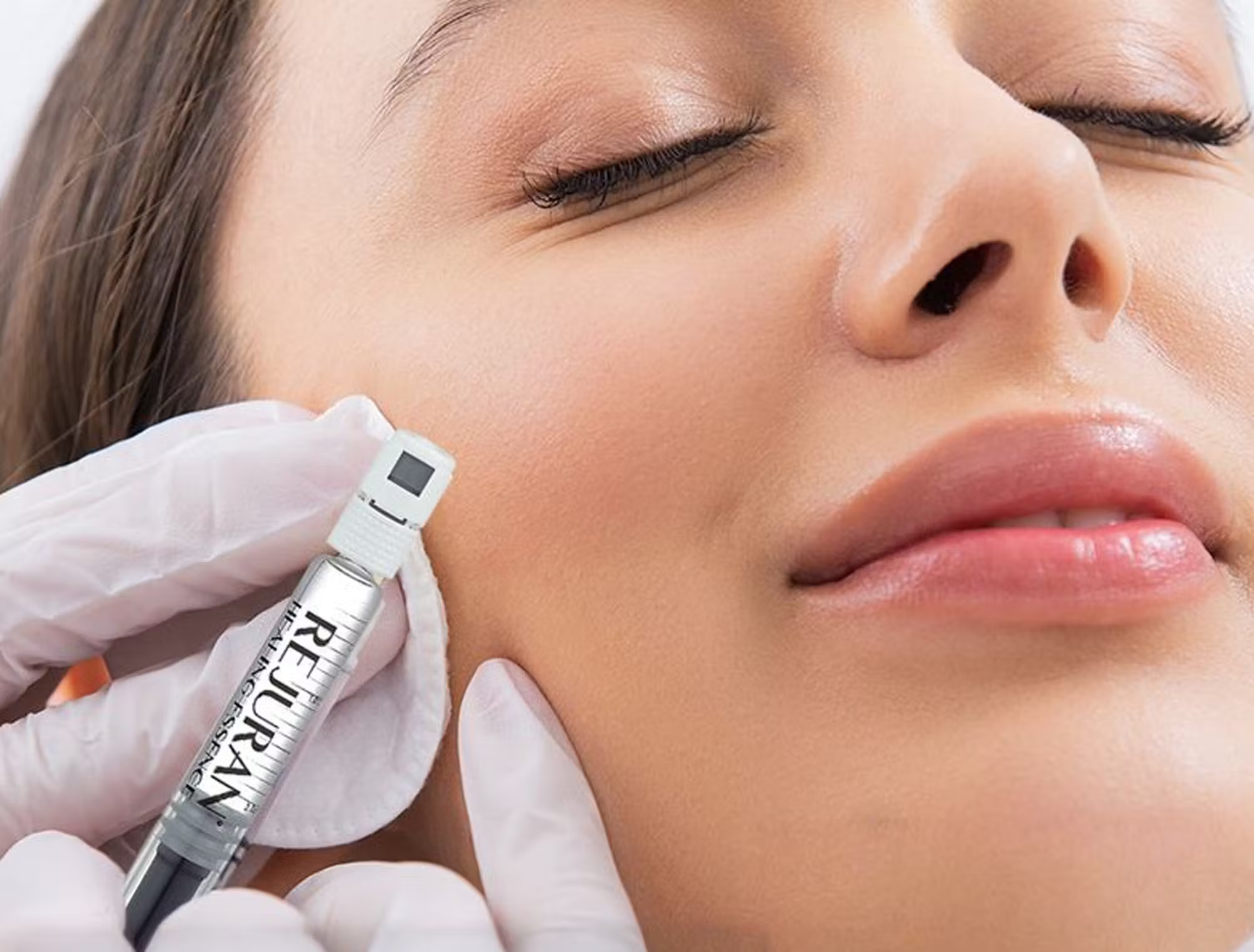
Maintenance
Clinical data shows that after completing the initial “Loading Dose” (usually 3-4 injections), the dermal collagen regeneration effect induced by PDRN can last for 6 to 12 months. To keep skin thickness and elasticity at peak levels, standard medical advice is to perform a single “booster” injection every 6-12 months. For skin over 40 years old or with severe photo-damage, since the metabolism rate of own hyaluronic acid and collagen is 1.5 times that of average people, the maintenance interval should be shortened to 3-4 months.
Maintenance Frequency
Age Impact
Ages 25 to 35 (Active Metabolism Phase) Recommended Frequency: Once every 9 to 12 months Physiological Basis: At this stage, the body’s collagen synthesis ability is still high, with a loss rate of about 1% per year. Rejuran mainly plays a “signal amplification” role at this stage. After a single injection, the active state of fibroblasts can usually be maintained for more than 200 days. High-frequency injections (such as every 3 months) at this stage show significant diminishing returns; cell receptor saturation is high, and excess PN fragments will be quickly metabolized and excreted, unable to be converted into structural proteins. Ages 35 to 45 (Early Aging Decline Phase) Recommended Frequency: Once every 6 months Physiological Basis: Estrogen levels begin to fluctuate, and dermal thickness thins at a rate of 1.5% – 2% per year. The support of the extracellular matrix (ECM) weakens. Booster injections every half year aim to offset the natural decline during these 6 months, forcing collagen density back to the baseline. If the interval exceeds 8 months, the dermis might experience a cliff-like drop in data, requiring a larger dose in the next treatment to catch up. Ages 45 and above (Menopause/Post-Menopause) Recommended Frequency: Once every 3 to 4 months Physiological Basis: Before and after menopause, skin collagen content may drop by 30% in the first 5 years. Fibroblasts become slow to respond to biological stimulation (Senescent fibroblasts), requiring more frequent and sustained PDRN signals to maintain basic synthesis functions. Quarterly maintenance is similar to treating a chronic disease, aiming to slow down irreversible tissue atrophy.
Different Skin Types
The demand for repair materials in skin under an inflammatory environment is 3-5 times that of healthy skin. Rosacea and Sensitive Skin (High Inflammation) Frequency Adjustment: Every 12 to 16 weeks (approx. 3-4 months) Data Support: Chronic inflammation leads to dermal vasodilation and increased activity of matrix metalloproteinases (MMPs), which accelerate the breakdown of collagen. For such patients, PDRN is not only used for regeneration but is consumed in large quantities for “anti-inflammation” and vascular normalization. Therefore, maintenance intervals must be shortened to maintain continuous activation of anti-inflammatory pathways. Acne Scars and Scar Tissue (Structural Remodeling) Frequency Adjustment: Every 4 to 6 months Data Support: Blood circulation at scar sites is usually poor (fibrosis leads to reduced capillaries). PDRN needs to continuously induce angiogenesis to improve local microcirculation. Before scar tissue softens and flattens, a more intensive frequency than ordinary anti-aging is needed to maintain the tension of tissue remodeling.
Effect Metabolism
Weeks 1-4 (Inflammation Subsidence and Initiation): Redness and swelling at the injection site subside, and PN fragments are taken up by cell receptors. At this time, it mainly manifests as improved water-oil balance, but dermal thickness hasn’t significantly increased yet. Weeks 4-12 (Collagen Synthesis Peak): This is the most significant “highlight period” of the effect. Synthesis of Type I collagen and elastin reaches its peak, dermal density can increase by about 15%, and skin elasticity test data is optimal. Months 3-6 (Platform Stability Phase): The newly formed collagen structure stabilizes. This doesn’t mean collagen is no longer produced, but rather that the synthesis rate and natural degradation rate reach an equilibrium. After 6 Months (Slow Decline Phase): Without new external stimulation, fibroblast activity gradually falls back to pre-treatment levels. The endogenous aging process regains dominance.
Operation Suggestion: The best time for a booster is between the end of the 5th month and the beginning of the 6th month. At this time, the skin state has not yet fallen below the baseline, and a single injection can make the curve rise again (Re-peak), forming a cumulative effect, rather than waiting until the 12th month to return to zero and start over.
Initial vs. Maintenance Comparison
Initial Phase
The initial phase is usually set as 3 to 4 consecutive injections, which is not commercial bundling but determined by the physiological inertia of skin cells. For skin that has never received PN treatment or has been in a state of long-term photoaging, fibroblasts are usually in a “dormant” or “aging” state (Senescence).
- Receptor Saturation Threshold: Although the PDRN concentration provided by a single injection can temporarily increase the metabolic level of the extracellular matrix, it is not enough to change the epigenetic state of the cells. Clinical observations have found that only when PDRN signals continuously and frequently stimulate adenosine A2A receptors within 3 months can the homeostasis of cells be broken and a large-scale DNA repair program be started. The first two injections are usually consumed in clearing inflammatory factors and free radicals within the tissue, until the third injection, when the net synthesis of collagen significantly exceeds the degradation.
- Accumulation of Angiogenesis: Another important function of Rejuran is to induce micro-angiogenesis and improve microcirculation in the dermis. The reconstruction of the vascular network cannot be completed by a single stimulus; it requires several weeks of continuous induction by growth factors (such as VEGF). The intensive course of 3-4 times is to ensure that the new capillary network can be firmly formed, thereby providing sufficient oxygen and nutrients for subsequent skin metabolism for up to a year.
Maintenance Phase
Cell Memory Effect: Fibroblasts activated through the initial course, although their metabolic activity slowly decays over time, have significantly higher sensitivity to PDRN signals than untreated cells. In the maintenance phase, only a single injection dose is needed to quickly reactivate the synthesis pathways within the cells. Targeted Repair: Single injections in the maintenance phase are mainly used to offset natural wear and tear (such as a small amount of collagen breakage caused by UV rays) over these 6-12 months. At this time, the skin base already has good thickness and elasticity, so it does not require full-layer, high-density coverage, but relies on the diffusion effect of PN fragments to maintain the viscoelasticity of the extracellular matrix.
Differences in Skin Absorption Capacity
Initial Phase “Bumps” Subside Slowly: During the first or second injection, due to the damaged dense structure of the dermis, low water content, and poor metabolic channels, the injected liquid (Rejuran has high viscosity) faces great diffusion resistance in the interstitial spaces. Therefore, the “Bumps” appearing on the skin surface after surgery may take 24 to 48 hours or even longer to completely flatten. This is a manifestation of the skin being “unable to eat it.” Maintenance Phase “Instant Absorption”: By the maintenance stage, the dermal thickness has increased, and the hydration level of the cell interstitium is greatly improved (increased hyaluronic acid content). When Rejuran is injected at this time, the medicinal liquid can quickly diffuse and penetrate within the dermis. Most patients will see the bumps flatten within 6 to 12 hours after the maintenance injection, sometimes even subsiding by the same evening. This difference itself is direct evidence of improved skin health.
Daily Care Impact
Clinical tracking data shows that under the same injection dose, patients who strictly follow post-operative care have a collagen retention rate 40% to 60% higher than those who neglect care.
UV Exposure
- MMP Enzyme Activation Mechanism: The main role of PDRN is to induce fibroblasts to synthesize Type I collagen. However, as long as the skin is exposed to UVA rays for more than 15 minutes without protection, keratinocytes will release signals to activate Matrix Metalloproteinases (MMPs) in the dermis, especially MMP-1 (collagenase). This enzyme acts like scissors, specifically responsible for cutting newly generated collagen fibers. If you don’t apply sunscreen, while you are spending heavily on Rejuran to “build a house,” UV rays are “tearing down the house” via MMPs.
- Competition for DNA Repair: PDRN itself has the function of repairing damaged DNA (Salvage Pathway). If you are frequently exposed to the sun, the PN fragments taken up by cells will be prioritized for repairing acute DNA damage (such as thymine dimers) caused by UV rays, thereby reducing the PN allocation used for synthesizing collagen and elastic fibers.
- Protection Data Standard: Just applying SPF is not enough. You must use Broad Spectrum sunscreen, with an SPF value of at least 30 and a PA value of +++ or higher. For skin that has just undergone treatment, pure physical sunscreens (Zinc Oxide/Titanium Dioxide) are recommended, because chemical sunscreens generate heat during conversion, which may cause weak neurogenic inflammation and interfere with the anti-inflammatory pathways of PDRN.
Skin Too Dry
Signal Transduction Efficiency: The binding efficiency of receptors on the fibroblast surface (such as A2A receptors) with PN fragments highly depends on the hydration state of the extracellular matrix (ECM). When the Transepidermal Water Loss (TEWL) is too high and the cells are in a “thirsty” stress state, their ability to respond to regeneration signals will decrease by more than 30%. Synergy in Barrier Repair: PDRN is responsible for dermal repair, while daily skincare is responsible for the stratum corneum barrier. If the stratum corneum is damaged (such as over-exfoliation or excessive cleaning), the water in the dermis will continue to evaporate outward. It is recommended to add Ceramides, Squalane, or Panthenol (B5) into the post-operative care. Hyaluronic Acid Supplementation: Although Rejuran can promote endogenous hyaluronic acid production, in the 4-week window before it takes effect, topically applied small-molecule hyaluronic acid essence can serve as a supplement to maintain matrix viscoelasticity and prevent newly generated collagen fibers from breaking or becoming disordered in a dry environment.
High Sugar Diet
Rejuran induces the generation of young, soft collagen, but a high-sugar diet will destroy it through the glycation reaction.
- Cross-linking Destruction by AGEs: Excessive glucose in the blood binds with collagen in the dermis to form Advanced Glycation End-products (AGEs). AGEs act like glue, sticking together originally neatly arranged, elastic collagen fibers, making them hard, brittle, and yellow.
- Offsetting Regeneration Effects: Rejuran aims to restore skin elasticity and translucency, while the glycation reaction aims to make skin yellow and sagging. If a patient consumes large amounts of sweets, milk tea, or refined carbohydrates daily, the glycation speed may exceed the regeneration speed brought by PDRN, leading to treatment effects being “ineffective” or having a very short maintenance time.
- Dietary Advice: To maximize the return on investment of Rejuran, it is recommended to follow a Low Glycemic Index (Low GI) diet and consume sufficient Vitamin C. Vitamin C is an essential coenzyme for the hydroxylation of lysine and proline during collagen synthesis; a lack of Vitamin C will prevent the procollagen stimulated by PDRN from assembling into strong collagen fibers.
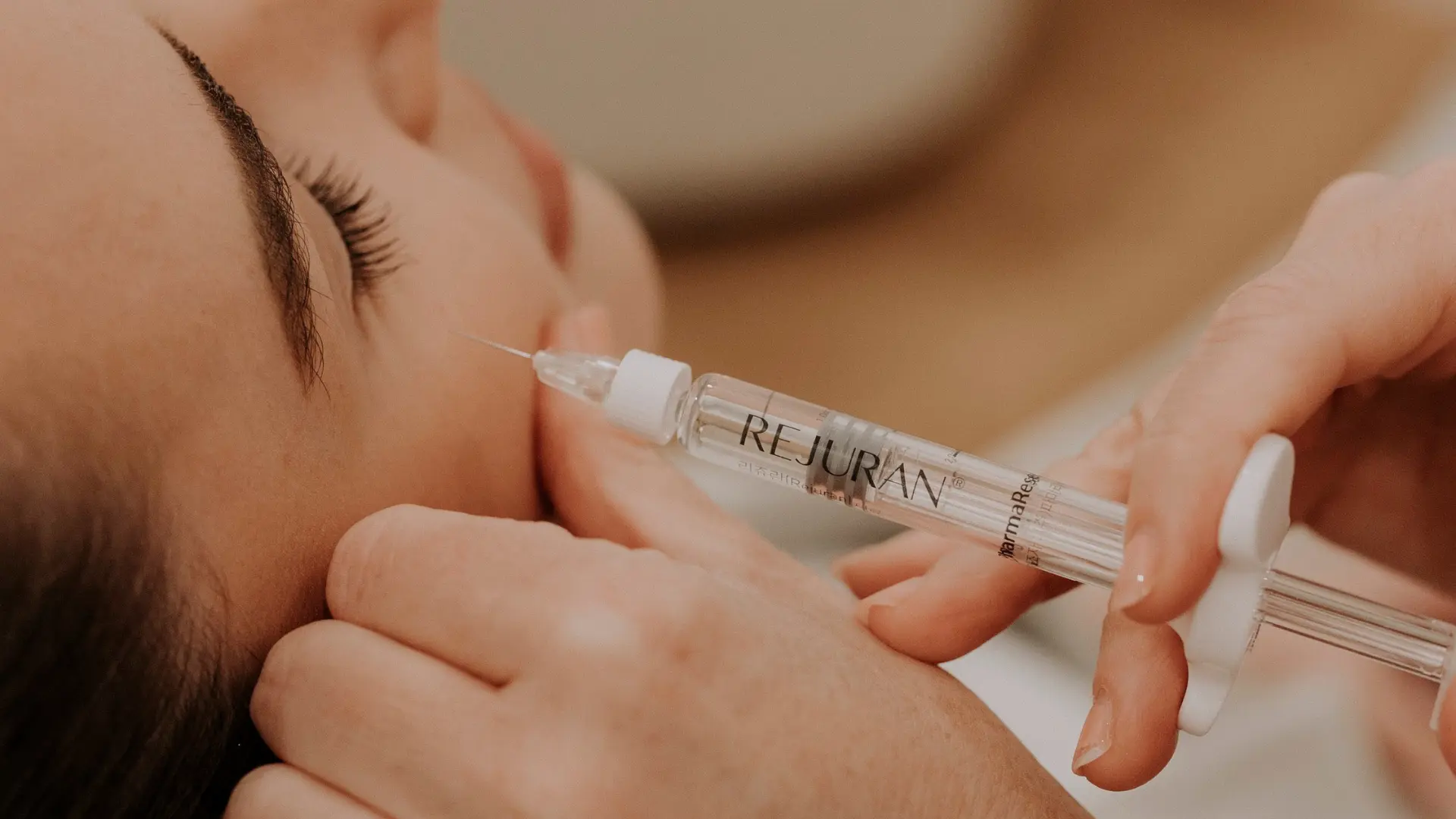
Sessions
To achieve the expected bio-regeneration effect, standard clinical advice is to perform 3 to 4 initial treatments, spaced 3 to 4 weeks apart. Since Polynucleotides (PN) work by inducing skin self-repair, a single injection usually does not bring a visible qualitative change; the peak of collagen production occurs after the 3rd treatment. After completing the initial course, a single maintenance session every 6 to 12 months is recommended to offset natural aging loss.
Startup Treatment Plan
1st Injection
The main task of the first injection is “paving the way” and “anti-inflammation.” 24-48 hours after injection: Due to the high viscosity of PN molecules, the papules formed in the superficial dermis via manual injection or a meso-gun usually take 1 to 2 days to completely diffuse. At this time, the injection site will trigger a mild, controlled inflammatory response, which is the first step in starting the repair mechanism. Weeks 2 to 4: PN molecules begin to be slowly degraded by enzymes in the body, and the released metabolites begin to regulate the extracellular matrix environment.
- Data Performance: At this time, the skin’s Transepidermal Water Loss (TEWL) typically only drops by 5-10%. Patients with oily skin will feel reduced oil production, but wrinkles and sagging show almost no change.
- Physiological State: VEGF (Vascular Endothelial Growth Factor) within cells begins to upregulate, improving microcirculation, but collagen synthesis has not yet formed on a scale.
2nd and 3rd Injections
2nd Injection (around Week 4): At this time, the cell repair mechanism triggered by the first injection has not yet fully cooled down. Injecting PN again will create a “cumulative effect.”
- Collagen Production: Type I collagen begins to deposit in the reticular dermis.
- Sensory Changes: The skin will feel softer than before. After the swelling around the pores subsides, the pores will visually appear more refined.
- Expected Data: The number of fibroblasts in the dermis typically increases by about 20% compared to the baseline under pathological sectioning.
3rd Injection (around Week 8): After the previous two sessions of preparation, the scaffold structure of the dermis has begun to reorganize.
- Increased Dermal Thickness: Ultrasound scans usually show an increase in dermal density, and the wave-like structure at the Dermal-Epidermal Junction (DEJ) becomes clearer, meaning nutrient transmission efficiency is improved.
- Elasticity Enhancement: According to clinical control data, after completing the third injection, the skin elasticity reading (Cutometer) increases by an average of 15-20%. The depth of fine lines (especially dry lines around the eyes and cheeks) lightens significantly.
| Treatment Phase | Main Physiological Activities Inside the Skin | User Direct Feeling | Recommended Dosage (Full Face) |
|---|---|---|---|
| Session 1 | ECM environment normalization, reduction of inflammatory factors | Only hydration feeling, no obvious tightening after redness and swelling subside | 2ml – 4ml |
| Session 2 | Fibroblast proliferation, microcirculation improvement | Brighter skin tone, reduced oil, skin texture becomes smoother | 2ml |
| Session 3 | Collagen and elastic fiber reorganization, dermal thickening | Tightness appears, fine lines fade, brightness significantly improves | 2ml |
Dosage Micro-adjustment for Different Skin Conditions
The standard startup plan is usually 2ml for the full face (one box of Rejuran Healer), but in actual practice, to achieve expected results, doctors often adjust the dosage based on facial area and aging degree.
- Large Area or Severely Damaged (4ml plan): For larger face shapes, or skin with severe photoaging and acne scars, a single 2ml dose often fails to cover enough injection density (the ideal distance between injection points is 1-1.5cm).
- Operation Suggestion: At this time, it is usually recommended to use 4ml for a single session, or concentrate 2ml on the cheeks and nasolabial fold areas, with only transition for the forehead and chin.
- Reason: If the number of PN molecules per unit area is insufficient, the stimulation signal to the cells is too weak, and the total number of sessions in the startup phase may need to increase to 5 to see results, which instead increases time costs.
- Special Treatment for Eye Area and Neck: Skin in these two areas is extremely thin, and the response to the startup plan is different from the face.
- Eye Area (Rejuran I): Due to poor circulation around the eyes, it is recommended to strictly space sessions 3 weeks apart in the startup phase. Usually, 3 sessions are enough to see improvement in fine lines under the eyes, and no dosage increase is needed.
- Neck (Rejuran Healer/HB): Neck lines usually involve deep tissue breakage. The startup phase often requires more than 4 sessions, and the single dosage is recommended to be 2ml – 3ml to fill the neck line furrows.
When to Add a 4th Injection
Although the official suggestion is 3-4 times, the complete 4 or even 5 startup sessions must be executed when the following specific indicators appear:
- Age > 45 years old: Cellular metabolism is low, and the first two injections are almost “catching up” (repairing long-accumulated baseline damage), until the third session when true regeneration begins. Therefore, a fourth injection is needed to consolidate the results.
- Accompanied by Rosacea or Sensitive Redness: The blood vessel walls of such skin are fragile, and the first few treatments are mainly consumed by anti-inflammation and repairing vessel walls. Usually, significant reduction in redness and thickening of the stratum corneum are observed after the 4th treatment.
- Acne Scar (Pockmark) Repair: If the goal is to improve acne scars, 3 injections are usually not enough to push up the tissue depressions. Clinically, 4-5 sessions are often recommended as a course, frequently combined with CO2 fractional laser or subcision.
Treatment Interval Setting
Internal Body Time
- Days 1-5: Physical Occupancy and Early Degradation Just after injection, high-viscosity PN molecules form a temporary physical occupancy in the dermis (which is why there are papules). During this stage, PN is initially broken down into smaller nucleotide fragments by nucleases in the body. These fragments are the “fuel” for subsequent repair reactions. At this point, the skin is in an acute reaction phase, and the immune system is dealing with the micro-trauma from the injection.
- Days 7-14: Fibroblast “Awakening Phase” This is the busiest stage. PN fragments bind with adenosine receptors (A2A Receptor) on the cell surface, opening signal pathways within the cell. Fibroblasts begin to accelerate division and secrete VEGF (Vascular Endothelial Growth Factor). If high-intensity injection is performed again at this stage, cell receptors may already be saturated, and extra medication not only fails to be utilized but may also cause unnecessary tissue edema.
- Days 21-28: Collagen “Hardening Phase” By the third and fourth weeks, the early-generated Type III collagen (soft like baby skin but not durable) begins to convert into tougher, more structurally stable Type I collagen. Meanwhile, the water content of the extracellular matrix (ECM) reaches a balance. This is the best point for the next stimulation—superimposing new stimulation signals before the foundation is just laid and not yet fully solidified can make the thickness of the collagen layer rise in steps.
The Downside of Being Too Hasty
Some patients eager for success want to shorten the interval to 2 weeks or even 10 days, trying to accelerate results through “saturation attacks.” This is biologically unfeasible and may even cause a waste of resources.
- Receptor Saturation Effect The cell’s capacity to uptake PN has an upper limit. Like continuing to pour water on a sponge already soaked, excess PN molecules cannot bind with receptors and will eventually be excreted as waste through the lymphatic system by the metabolic system. You pay for expensive medicine, but more than half of it is excreted before it can take effect.
- Overlapping Inflammation Risk Any injection triggers a controlled inflammatory response. If the previous inflammation hasn’t fully subsided (though no swelling is visible, the level of inflammatory factors in the tissue may still be high), immediate subsequent mechanical injury may lead to persistent erythema (PIE) or compress microcirculation due to tissue edema, which in turn reduces oxygen supply to the skin.
- Clinical Data Feedback Observational studies show that groups receiving continuous injections at intervals less than 15 days do not have higher final dermal thickness increase values than the 4-week interval group, but the probability of subcutaneous bruising and persistent swelling is 30% higher.
The Consequences of Dragging too Long
Compared to being too hasty, more people drag the interval to 6 weeks or even 2 months due to schedule issues. “Boiling Water” Theory Startup treatment is like boiling water. The first injection heats the water to 40 degrees, the second to 80 degrees, and the third reaches 100 degrees to boil. If you wait 8 weeks after the first injection before the second, the level of growth factors inside the skin has returned to the baseline (the water is cold), and the second injection starts heating from 40 degrees again. Failure to Form a Cumulative Effect The core value of PN lies in its Cumulative Effect.
- 4-week interval: At the time of the second injection, the fibroblasts triggered by the first one are still in an active state, and new PN molecules can directly use the existing cell population for more efficient production.
- Interval > 8 weeks: Many fibroblasts activated the first time have entered a quiet phase (Quiescence). The second injection must spend energy again to “wake them up,” wasting precious medicinal effects on startup steps rather than production steps.
Frequency Adjustment as Needed
Age
With age, fibroblasts in the human body not only decrease in number, but the sensitivity of adenosine receptors on their surface also declines. Early Anti-aging Group under 30 (Glogau Type I)
- Skin Characteristics: No obvious wrinkles, only minor pigmentation or dehydration.
- Adjustment Strategy: Reduce frequency, increase interval.
- Specific Execution: Usually 2-3 initial treatments are enough to achieve visible hydration and refinement. Due to vigorous cell metabolism, the treatment interval can be slightly relaxed to 4-5 weeks. For this group, PN is more of a “preventative maintenance” role, and high-frequency stimulation is a resource surplus.
Mature Group over 45 (Glogau Type III-IV)
- Skin Characteristics: Obvious static wrinkles, sagging skin, dermal thickness significantly lower than average as measured by ultrasound.
- Adjustment Strategy: Increase initial sessions, shorten maintenance cycle.
- Specific Execution: Standard 3 treatments often only just make up for past “deficits,” without having time to produce a surplus. It is recommended to increase the startup course to 5-6 sessions.
- Data Support: Clinical observations have found that for people over 45, the collagen increase after the 3rd injection is usually only 60% of that of people in their 30s. To compensate for this Response Gap, PN concentration must be accumulated by increasing the number of treatments. Additionally, the maintenance period is suggested to be shortened from every half year to every 3-4 months to counteract faster collagen loss.
Lifestyle
Your lifestyle is either the “accelerator” or the “brake” for PN effects. If your body is in a state of high oxidative stress, PN molecules will be quickly consumed for fighting free radicals rather than synthesizing collagen.
| Lifestyle Feature | Impact on PN Efficacy | Frequency Adjustment Suggestion | Reason |
|---|---|---|---|
| Heavy Smoker | Nicotine causes microvascular constriction, chronic hypoxia of the skin, and extremely high collagenase (MMP) activity. | Suggest increasing the startup course by 1-2 sessions; shorten maintenance period to 3 months. | Smoking accelerates the degradation of exogenous PN; most effects are used to offset tissue damage from tobacco rather than improving skin quality. |
| High-intensity Exercise/Outdoor | UV exposure causes DNA damage; high metabolism accelerates drug clearance. | Maintenance period strictly controlled at once every 4-5 months. | UV rays are the shredder of dermal collagen. PN needs more frequent supplementation to keep DNA repair mechanisms efficient. |
| Long-term Late Nights/High Pressure | Cortisol levels rise, inhibiting fibroblast activity. | Suggest strictly following the minimum interval of 3 weeks, no delay. | Cortisol is a natural inhibitor of collagen synthesis. Regular PN signal input is needed to forcibly “counteract” the negative effects of cortisol. |
For Different Skin Problems
Acne Scars and Pockmarks (Atrophic Scars) This is the treatment scenario with the highest frequency requirement. The essence of acne scars is collagen loss and fiber pulling in the dermis.
- Frequency Adjustment: Suggest starting with 5-6 sessions or more.
- Interval Logic: For deep ice-pick or boxcar scars, doctors usually use Rejuran S, which has higher viscosity. Since these treatments often involve high-intensity physical operations (such as subcision), the physical injury repair period of the tissue is longer.
- Operation Suggestion: Although PN metabolizes quickly, to allow the hematoma caused by subcision to completely subside, the treatment interval should not be less than 4 weeks. If punctures are performed too frequently at the same injured site, it may lead to prolonged erythema.
Rosacea and Damaged Barrier (Rosacea / Compromised Barrier) This type of skin is in a state of “sub-inflammation,” with dilated blood vessels and sensitive nerve endings.
- Frequency Adjustment: Small amounts but more frequent sessions.
- Specific Execution: High-intensity stimulation at one time is not recommended. The standard 3-session course can be broken down into 5-6 low-dose injections, with an interval of 2-3 weeks each time.
- Physiological Reason: A damaged barrier cannot withstand sudden mechanical expansion pressure. By shortening the interval but reducing the intensity of a single session, continuously providing anti-inflammatory cytokines can more gently rebuild the basement membrane zone (DEJ), gradually thicken the stratum corneum, and reduce redness.