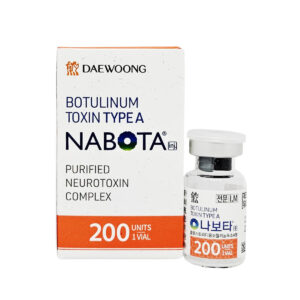
Injection of Innotox (liquid botulinum toxin) must be performed by a certified physician; never attempt self-injection. Its core advantage lies in requiring no dilution, allowing for direct use and effectively reducing mixing errors. For dynamic wrinkles such as forehead lines and crow’s feet, the typical dose per injection site is 2-5 Units (U), and the total dose per treatment session must be strictly controlled within safe limits. The injection depth should be precisely managed within the deep dermis or muscle layer to prevent drug diffusion that could lead to eyelid ptosis. It is strictly forbidden to lie flat or massage the injection site within 4 hours post-treatment.
Practices
The liquid nature of Innotox (standard 50U/1.25mL specification) completely eliminates the step of mixing with 0.9% sodium chloride solution. Operators can use a 30G-32G sterile insulin (4-8mm length) to directly puncture the rubber stopper for extraction. The drug concentration is fixed at 4U/0.1mL, which directly corresponds to the volume scale of the. Depending on anatomical differences, different facial areas require 15°-30° superficial subcutaneous or 90° deep intramuscular injections. A single area (such as 5 points for the glabella) is typically completed within 3 minutes.
Equipment Configuration
The equipment for Innotox is entirely designed around its pre-mixed liquid property of 50U/1.25mL. The workstation does not require 0.9% sodium chloride as a reconstitution solvent; it only needs sterile drapes meeting standards, 70% isopropyl alcohol disinfectant pads, and 30G to 33G ultra-fine integrated insulin. The entire process relies on a 1000 lux cold light source and 2.5x magnifiers for precise reading of micro-volumes (e.g., 0.01mL). An infrared vein finder with a wavelength of 760 nm is used to avoid facial subdermal vessels, and residual liquid is managed under a digital temperature control system at 2°C to 8°C. The original Innotox 50U/1.25mL glass is sealed at the top with a 2.5 mm thick halogenated butyl rubber stopper. The workstation surface must be covered with a sterile, leak-proof surgical drape that meets cleanliness standards. Before puncturing to extract the drug, the rubber stopper surface must be wiped with a sterile lint-free cotton pad containing 70% isopropyl alcohol (IPA), allowing 15 to 30 seconds for the solvent to evaporate naturally. Any unevaporated isopropyl alcohol carried into the drug by the can reduce the biological activity of the BoNT-A protein, weakening the denervation effect in the local muscle area. Integrated fixed-insulin from Becton Dickinson (BD) or equivalent medical grades are routinely used to extract the liquid agent. The integrated design compresses the dead space volume to below 0.002mL at the bottom of the hub, preventing high-concentration liquid toxin from remaining in hub gaps and causing dose loss. Different specifications are required to meet the anatomical physical thickness of superficial facial epidermis and deep muscles:
- 30G: outer diameter 0.31mm, wall thickness 0.076mm, wider lumen suitable for initial extraction.
- 31G: outer diameter 0.26mm, with 8mm length, used for piercing thicker deep muscles.
- 32G: outer diameter 0.23mm, with 4mm length, used for injecting into the reticular structure of the dermis.
- 33G: outer diameter 0.21mm, with minimal incision cross-section and very low pain, used for extremely thin skin areas around the eyes.
When drawing the drug with the selected, the operator holds the inverted at a 45° angle to the table, with the bevel facing up to penetrate the rubber stopper. The tip should be submerged 2 to 3 mm below the liquid surface, and the plunger should be pulled back steadily at a speed of 0.05mL/second until the pre-calculated volume scale is reached. To prevent negative pressure bubbles in the cavity, a volume of sterile air equivalent to the target extraction volume can be pushed into the beforehand. Utilizing the physical principle of air pressure balance in a sealed container, the 0.1mL positive pressure environment allows an equal volume of drug liquid to smoothly backfill the. Some advanced medical facilities use special bases equipped with micro-bubble filters during the extraction phase. These contain a polytetrafluoroethylene (PTFE) filter membrane with a pore size of 5 microns; when the liquid passes through at 0.02mL/second, it physically filters out suspended free gases in the liquid. After purging the, the inside of the 0.3mL barrel must be inspected under a strong light source for attached bubbles. Bubbles with a volume greater than 0.05 cubic millimeters, if pushed into the dermis with the drug, will form a visible white emphysematous papule under the epidermis, which takes over 24 hours to be fully absorbed by surrounding tissues. The fixed 4U/0.1mL concentration of Innotox requires extremely high volume reading accuracy; treatment rooms are usually equipped with a shadowless cold light source of 1000 to 1500 lux above the workstation. Combined with 2.5x or 3.5x head-mounted medical binocular magnifiers, the operator can clearly distinguish the micro-printed scale lines on the transparent barrel.
| Extraction Volume (mL) | Corresponding Drug Content (Units) | Applicable Capacity | Physical Graduation Interval |
|---|---|---|---|
| 0.05 | 2U | 0.3mL (30 Units) | 0.01mL (1 small graduation) |
| 0.10 | 4U | 0.3mL (30 Units) | 0.01mL (1 small graduation) |
| 0.25 | 10U | 0.5mL (50 Units) | 0.01mL (1 small graduation) |
| 0.50 | 20U | 1.0mL (100 Units) | 0.02mL (1 small graduation) |
| 1.00 | 40U | 1.0mL (100 Units) | 0.02mL (1 small graduation) |
When the single dose is less than 2U, a 0.3mL specification ultra-fine must be selected, as the flat edge of its black rubber piston can accurately align with the 0.01mL single-graduation black line. The pressure applied to the plunger during injection can be mechanically estimated based on the thickness of the muscle layer. For a 10U dose of deep intramuscular administration, the thrust applied by the finger is typically maintained within a physical range of 1.5 to 2.0 Newtons, maintaining a steady liquid discharge time of 2 to 3 seconds. Before operating in the periorbital area, a handheld infrared vein finder is often used to scan the skin surface to help avoid free-moving vessels. Near-infrared light with wavelengths of 760 to 850 nm can be absorbed by deoxygenated hemoglobin in the veins, projecting a clear capillary network within a depth of 3 to 5 mm on the screen. By using the imaging system to precisely avoid subdermal vessels with a diameter greater than 0.5 mm, the probability of local subcutaneous bruising post-treatment drops from 15% to below 2%. During the withdrawal phase, a sterile 2×2 inch medical degreased cotton gauze pad should be at hand; if micro-bleeding occurs, a vertical pressure of 15 mmHg should be applied to stop the bleeding. The operator must wear latex-free nitrile medical examination gloves throughout the process to maintain a sterile barrier. The thickness of nitrile material is usually between 3.5 to 4.0 mils, which can resist the chemical penetration of isopropyl alcohol molecules while maintaining sensitive tactile perception of the injection resistance from 32G fine. The medical drape spread on the workstation is made of three layers of different density materials heat-pressed together to handle accidental liquid spills. The top non-woven layer absorbs 0.1mL of accidentally dropped drug liquid in just 0.5 seconds, while the bottom layer is a 0.02 mm thick polyethylene anti-seepage film, isolating the chemical liquid from direct contact with the physical workstation. During the material recording phase before use, the 10-digit alphanumeric anti-counterfeiting batch number printed on the side of the must be verified. By using a scanner to read the GS1 DataMatrix QR code on the bottle, the system will log the manufacture date, expiration date, and 2 to 8°C cold chain transport temperature log into the electronic medical record system within 1 second. Any residual liquid after opening must be stored using dedicated temperature-controlled equipment; a medical-grade refrigerator with an external digital display is placed next to the workstation. The internal probe of the refrigerator records temperature changes at a fixed frequency of every 5 minutes, with fluctuations strictly controlled between 2°C and 8°C. The original drug bottle has a disposable, irreversible thermochromic label attached to the outer wall to accurately monitor the cumulative time spent outside the cold chain. If exposed to room temperatures higher than 25°C for more than 60 minutes, the label will change from pure white to deep red, indicating that the drug activity may have suffered physical degradation of more than 10%. Inside the refrigerator, are often stored on a dedicated acrylic anti-tip fixed bracket. The internal diameter of the bracket holes is typically molded at 16 mm, perfectly fitting the 1.25mL specification glass bottle’s outer diameter, preventing drug liquid from contaminating the inner surface of the rubber stopper due to the bottle tipping during handling. Every time residual liquid is taken from the refrigerator for use, a brand new 30G must be used for puncture. Repeatedly using the same fine to puncture the 2.5 mm thick high-density rubber stopper will result in metal burr curling of 10 to 20 microns at the tip, visible under an electron microscope.
Injection Depth & Angle
The physical characteristics of the Innotox pre-mixed liquid fix the diffusion radius of the drug within the tissue at 1.0 to 1.5 cm. The operator must precisely adjust the injection depth and spatial angle of the 30G to 32G according to anatomical subcutaneous fat thickness and muscle fiber orientation. The thickness of the dermis in different facial regions spans from 0.5 mm in the eyelids to 2.0 mm in the cheeks. The physical level at which the bevel enters the skin objectively affects the blockade efficiency of liquid botulinum toxin molecules combining with neuromuscular junctions. The average subcutaneous fat thickness in the frontalis region is typically less than 2 mm, and it is closely attached to the inelastic frontal bone periosteum below. The operator should use a 32G specification, 4 mm short, and perform a superficial subcutaneous injection at a 15° to 30° angle to the skin surface.
- The bevel must remain facing up throughout the process.
- The injection depth is controlled at 1.5 to 2.0 mm.
- The injection volume per point is maintained at 0.025 to 0.05 mL.
- Injection points must be at least 2.5 cm away from the supraorbital rim.
After the drug liquid is released into this superficial area, a micro-papule with a diameter of about 3 to 5 mm will form, which is then physically absorbed by surrounding tissue within 10 minutes. If the injection angle is greater than 45° or the depth exceeds 3 mm, the drug will penetrate the frontal muscle fascia and seep into the sub-galeal space. Liquid entering the lower space will migrate toward the upper eyelid area following gravity, causing physical weakness of the levator palpebrae superioris muscle. To prevent trans-border diffusion, the injecting hand must complete the steady drug delivery process in 2 seconds with a constant thrust of 0.5 Newtons. Shifting focus to the anatomically complex glabella complex area, which includes the procerus muscle and the corrugator muscles on both sides. The physical thickness of the muscle belly in this area can reach 4 to 6 mm, requiring a completely different vertical space puncture strategy. Operators often choose a 30G specification, 8 mm, and pierce the dermis and subcutaneous fat at a 90° vertical angle. The tip must go 4.0 to 5.0 mm deep into the physical space of the muscle belly center, releasing the 4U dose of drug where muscle fibers are densest.
- The non-injecting hand uses the thumb and index finger to pinch 1.5 cm wide muscle.
- The is inserted vertically into the highest point of the pinched muscle tissue.
- Avoid the supratrochlear vein, which is 1.0 cm from the medial orbital rim.
- After finishing the injection, wait in place for 2 seconds before withdrawing the.
The physical action of pinching the muscle can lift the target tissue upward by 3 to 4 mm, increasing the spatial distance between the injection point and the orbital septum below. A 2-second pause prevents the 0.1 mL drug liquid from physically refluxing through the hole to the outer epidermis. Injection operations at the lateral margin of the orbicularis oculi muscle require extremely high macro-space control capability. The skin thickness here is only 0.5 to 0.8 mm, belonging to one of the thinnest dermal tissues in anatomy. The operator must place the flat, maintaining an extremely shallow entry angle of 10° to 15° with the side face skin surface. The tip is advanced 1.0 to 1.5 mm horizontally, passing through the stratum lucidum to stay above the reticular layer of the dermis. The moment 0.05 mL of liquid is injected, the epidermis will be propped up into a pale, semi-transparent blister-like elevation. The advancement direction must remain radial and outward-expanding, parallel to the lateral canthal ligament; advancing the tip toward the eyeball is prohibited. Intervention in the masseter hypertrophy area enters the mechanical operation scope of deep large muscle groups. Masseter thickness is typically between 12 to 15 mm, so a sterile elongated with an outer diameter of 0.31 mm and a length of 13 mm must be used. The injection point is set within a physical safety zone 1.5 cm below the line connecting the earlobe to the corner of the mouth, penetrating the entire subcutaneous fat layer at a 90° vertical angle. The tip is fully submerged into the skin surface, reaching a depth of 8 to 10 mm, touching 2 mm above the mandibular periosteum.
- The patient clenches their teeth to locate the muscle margin contour.
- Define a 3×3 cm grid-like injection target area.
- The injection depth for each point is maintained above 8.0 mm.
- The volume released per point is 0.1 to 0.15 mL.
If the injection depth in the masseter area is less than 5 mm, a large amount of drug will accumulate in the superficial subcutaneous fat. The drug will not only fail to reach the deep motor endplates but may also affect the zygomaticus major muscle 1.0 cm above, causing facial expression mechanical imbalance. Axillary operations for hyperhidrosis follow the intradermal dermal layer injection physical rules. The dermis has dense sweat gland distribution; the operator inserts a 32G into the superficial intradermal layer at 2.0 mm with a 45° tilt angle. Following a 10×15 cm hair-free area, an injection point is set every 1.5 cm physical distance. During injection, observe the 2 mm tissue expansion phenomenon as 0.05 mL of liquid Innotox spreads in the dermal gap.
Immediate Post-Treatment Operation
After withdrawing the 30G to 32G ultra-fine, a tiny physical wound with a diameter of 0.2 to 0.3 mm is left on the skin surface. The operator will typically use a 2×2 inch sterile dry gauze pad to cover the puncture point, applying a vertical compression force of 15 to 20 mmHg. The continuous pressure must be maintained for 15 to 30 seconds, during which any lateral or circular physical rubbing is strictly forbidden. Even if an extremely small amount of 0.05 mL capillary bleeding occurs, only static vertical pressure is needed to prevent subcutaneous tissue from continuing to exude blood during the 2-minute coagulation cycle. Innotox pre-mixed liquid has a fixed concentration of 4U/0.1mL, and its physical diffusion radius between the subcutaneous fat layer and muscle fascia is approximately 1.0 to 1.5 cm. An increase in local tissue temperature will accelerate dermal microcirculation, causing drug molecules to cross the 1.5 cm anatomical boundary into non-target muscle groups. Within 10 minutes of finishing the operation, a sterile medical ice pack with a surface temperature of 0°C to 4°C can be placed 1 cm above the epidermis. Each cooling treatment is controlled within 5 minutes, reducing the local dermal blood flow speed by 15% to 20% through physical cooling. The physical binding of the drug in the tissue spaces requires a specific cycle; the physical intervention of the face in the first 24 hours has extremely strict exclusionary operation standards.
- Do not touch the 0.3 mm micro-wound with liquids containing surfactants within 6 hours.
- Do not wear tight eye gear with pressure exceeding 10 mmHg within 24 hours.
- Stop using facial heat-steaming devices producing steam above 40°C for up to 72 hours.
- Suspend aerobic high-intensity physical displacement activities with a heart rate exceeding 120 beats/minute.
- Avoid external environments with a UV index greater than 5 to prevent pigment deposition at the 32G wound.
Just as one avoids lying flat immediately after a meal to prevent discomfort, after the face receives 0.1 mL of liquid botulinum toxin, the torso must maintain a spatial angle of at least 60° with the horizontal plane for 4 hours. Maintaining an upright or semi-reclined physical sitting posture can securely lock the 4U drug in the forehead muscle region within the 4 to 6 mm depth level. If the head is dropped below the heart plane within 2 hours, gravity will pull the drug downward, creating a physical displacement of 0.5 to 1.0 cm.
Clinical data shows that subjects who strictly follow the 4-hour upright posture guideline reduce the probability of physical complications like upper eyelid ptosis from 3.5% to below 0.2%.
During the physiological window of 20 to 30 minutes after withdrawal, the operator often instructs the subject to perform specific facial physical exercises. For the target muscle injected with 0.1 mL of drug, 10 to 15 conscious maximal contraction movements should be performed. After corrugator muscle injection, forceful frowning is required; after frontalis muscle operation, repeatedly lifting the eyebrows is necessary. Strong physical muscle contraction can increase the cell membrane’s uptake rate of neurotransmitters, causing free molecules to bind faster with motor endplate receptors within 30 minutes. After the pre-mixed liquid enters the 1.5 cm tissue gap, surrounding macrophages will initiate an extremely mild physical phagocytosis reaction within 48 hours. Some subjects may experience a slight red swelling around the 32G injection point with an area of about 1 square centimeter, which does not require the application of 1% hydrocortisone cream. Vascular permeability will gradually return to the physical baseline within 72 hours after being pierced by the 0.31 mm outer diameter. If a 2×2 cm bruise appears 3 mm below the skin, the subject can only begin using a 40°C warm towel for 10 minutes of heat compress on the 4th day. If 0.25 mL of liquid remains in the original, subsequent physical storage must immediately enter the cold chain breakpoint protection procedure.
- Cover the 2.5 mm thick rubber stopper puncture hole with 0.1 mm thick sterile sealing film.
- Use a smudge-proof marker on the glass bottle to label the precise physical time of first opening to the minute.
- Move the into a digital refrigerator set between 2°C and 8°C within 5 minutes.
- Discard any residual liquid in the bottle that has left the 8°C constant temperature environment and been exposed to room temperature for more than 2 hours.
Innotox residue stored in a 4°C constant temperature box can still maintain more than 98.5% of its factory standard neuro-blocking biophysical potency after 72 hours, thanks to the methionine stabilizer inside.
The relative humidity inside the medical refrigerator should be controlled between 30% and 50% to prevent the 10-digit alphanumeric anti-counterfeiting sticker from peeling due to moisture. Every time the 1.25 mL original bottle is taken out from the 4°C environment, the physical integrity of the 2.5 mm thick rubber stopper must be verified again. The entire immediate operation process does not completely terminate physically at the moment the subject leaves the treatment room. Follow-up points are usually set 14 days after the 0.1 mL subcutaneous injection, at which time the muscle fibers within a 1.5 cm range have completed more than 90% of the denervation reaction. If, during the 1000 lux cold light source assessment on the 14th day, an asymmetry of more than 2 mm is found in the physical contraction amplitude of the masseter muscles on both sides. The operator should use a new 31G to supplement 2U to 4U of micro-liquid drug into the center of the muscle belly with higher tension. 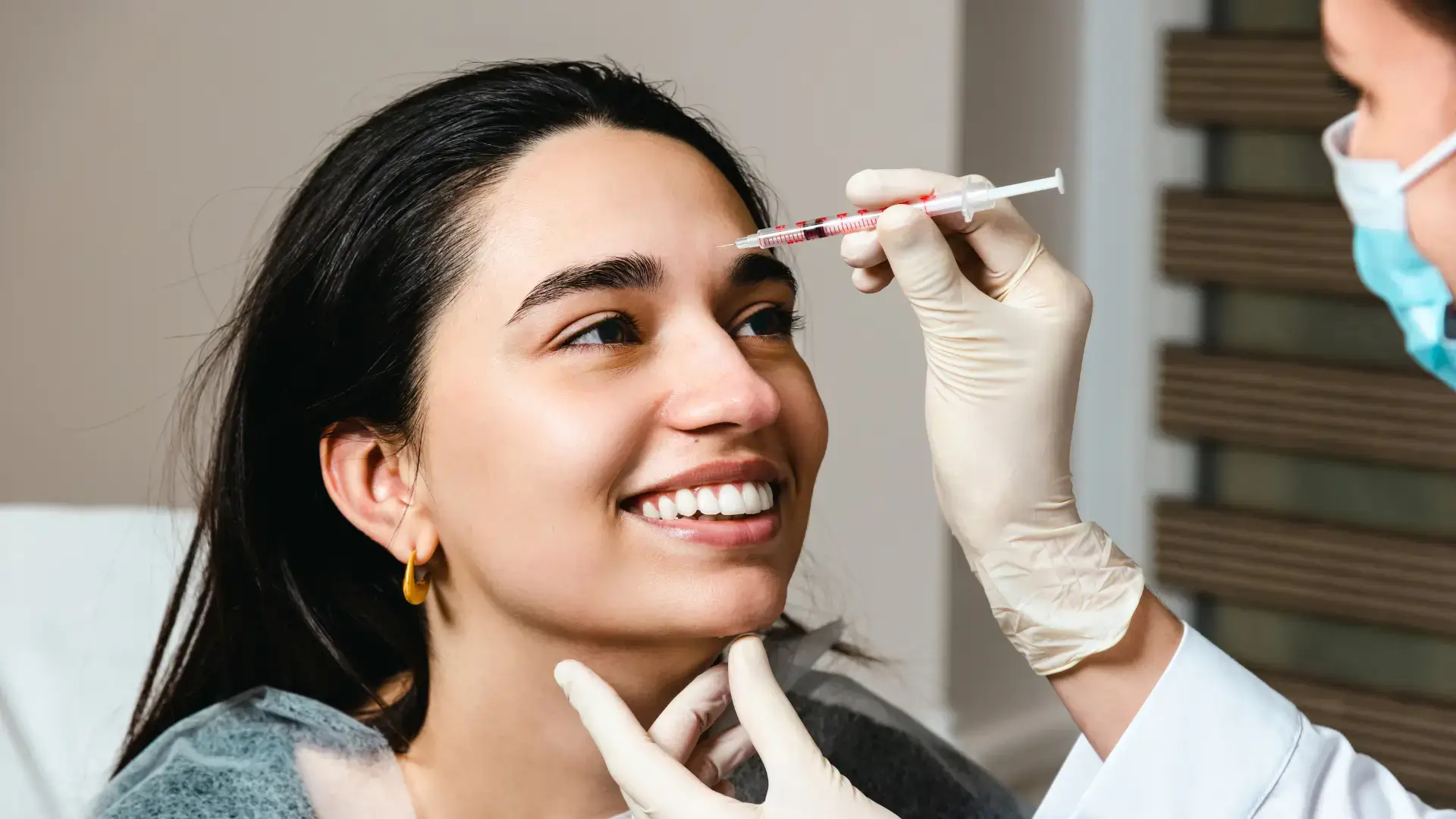
Dosage
Innotox’s factory concentration is fixed at 4U/0.1ml, and its dose exchange rate with Botox is 1:1. Clinically, a 31G BD insulin (0.3ml specification) is typically used for aspiration. The total dosage for upper facial areas like the glabella and forehead is generally between 30U-50U; for the masseter at the mandibular angle, 25U-50U per side is recommended. A single injection of 0.025ml equals a 1U dose. Since male patients in Europe and America have larger muscle volumes, the base dose for females should be increased by 20%-30% for them.
Regional Dose Distribution
The glabella area involves the complex movement of the procerus and corrugator muscles, with a routine total dose set at 20U. Converted according to Innotox’s inherent 4U/0.1ml concentration ratio, 0.5ml of drug liquid needs to be extracted for a single operation. Divide the 0.5ml drug liquid into 5 independent injection sites, with each point receiving a standard volume of 0.1ml.
- Procerus muscle: 1 injection point, located at the midpoint of the line connecting the eyebrows, inject 4U dose.
- Left and right corrugator muscles (medial): 1 injection point each, 1cm above the supraorbital rim, inject 4U each.
- Left and right corrugator muscles (lateral): 1 injection point each, located above the vertical line of the pupil, inject 4U each.
- The injection angle is vertical to the skin surface, and a standard length of 8mm is sufficient.
The frontalis muscle anatomy is broad and thin; the drug needs to be distributed evenly across muscle fibers to prevent “Spock” eyebrows. Its dosage often varies between 10U to 20U. Injection points must stay at a safe distance of 2cm or more above the supraorbital rim to prevent downward diffusion causing levator palpebrae superioris damage. The injection angle is maintained at a 30 to 45-degree superficial subcutaneous layer.
| Forehead Height Measurement (cm) | Recommended Total Dose (U) | Number of Horizontal Injection Points | Volume per Point (ml) |
|---|---|---|---|
| 5 – 6 cm | 10 – 12 U | 4 – 5 points | 0.05 – 0.06 ml |
| 6 – 8 cm | 14 – 16 U | 6 – 8 points | 0.05 ml |
| Above 8 cm | 18 – 20 U | 8 – 10 points | 0.05 ml |
For crow’s feet caused by excessive contraction of the lateral margin of the orbicularis oculi, the dose per side is 12U. Use a 31G or finer to perform a superficial subcutaneous injection 1.5cm away from the lateral canthus. The 12U per side should be divided into 3 equidistant injection sites, with each site receiving 4U (i.e., 0.1ml volume).
- Upper injection point: 30-degree angle upward from the lateral canthus horizontal line.
- Middle injection point: On the same horizontal extension line as the lateral canthus.
- Lower injection point: 30-degree angle downward from the lateral canthus horizontal line.
- The vertical distance between each injection site is maintained between 0.5cm and 1cm.
- The injection depth is controlled within 2mm; stop injecting when a papule of about 3mm diameter is observed on the skin surface.
Intervention for masseter hypertrophy commonly seen in Western patients mostly uses the deep muscle injection method. Use a 13mm to enter vertically to reach just above the mandibular periosteum. The total dose per side is set within the range of 25U to 50U according to the muscle thickness measured by ultrasound. Injection points must be strictly distributed 1cm below the virtual line connecting the earlobe and the corner of the mouth.
| Masseter Thickness by Ultrasound (mm) | Recommended Dose per Side (U) | Number of Points per Side | Injection Depth (mm) |
|---|---|---|---|
| 10 – 12 mm | 25 – 30 U | 3 points | 8 – 10 mm |
| 13 – 15 mm | 35 – 40 U | 4 points | 10 – 12 mm |
| 16 mm and above | 45 – 50 U | 5 points | 13 mm |
For the “orange peel” appearance of the chin skin caused by mentalis muscle over-contraction, a total dose of 4U to 8U is required. Inject one point into the muscle belly on both sides of the mentalis muscle, about 1cm above the lower edge of the chin, with 2U to 4U per point. The injection direction is tilted upward and inward from below, with a depth of 4mm to 5mm. When operating, pinch the skin tissue in the middle of the chin to prevent the tip from deviating into the depressor labii inferioris muscle. The injection volume for the vertical bands of the anterior platysma is calculated as 10U to 15U per muscle band. Evenly distribute 5 to 7 intradermal injection points along each prominent muscle band from bottom to top, with 2U per point. Keep a physical distance of 1.5cm to 2cm between points. Injection depth is limited to the subdermal fat layer; pinching the skin and entering parallel is the safest method.
- The maximum total dose for a single platysma region injection is limited to 50U to prevent dysphagia.
- Lower injection points must be at least 1.5cm above the cricoid cartilage level.
- The scale for the tip depth into the skin is set at around 2mm.
- Following Innotox’s ratio, the injection volume for each site is 0.05ml.
To treat axillary hyperhidrosis, the largest hyperhidrosis area must be marked beforehand via the iodine-starch test. The recommended baseline dose for each axilla is 50U. The 50U total dose should be evenly distributed in a grid pattern across the stained area, with each site 1.5cm to 2cm apart.
| Axillary Area Measurement (cm²) | Number of Sites per Side | Volume per Point (ml) | Dose per Point (U) |
|---|---|---|---|
| 10 – 15 cm² | 15 – 20 points | 0.06 – 0.08 ml | 2.5 – 3 U |
| 16 – 20 cm² | 20 – 25 points | 0.05 ml | 2 U |
| 21 cm² and above | 25 – 30 points | 0.04 ml | 1.6 U |
The depth of apocrine glands within the axillary dermis is measured to be approximately 2mm to 3mm. To achieve the best drug diffusion rate, the tip is inserted into the deep dermis at a 45-degree tilt; the entry is correct when a slight pale elevation appears on the skin surface. After the 50U per side (i.e., 1.25ml total liquid volume) injection is completed, cold compress and press the injection grid area for 2 minutes to prevent liquid loss from the holes. For micro-adjustment of vertical perioral lines on the upper lip, a minimal dose of 4U to 6U is needed for both upper and lower lips. About 2mm above the free margin of the upper lip and 0.5cm lateral to the philtral column, select 2 to 3 injection points on each side. Use a 32G for superficial parallel intradermal insertion, injecting 0.025ml of liquid at each site, which equals 1U dose.
- No injection should be made in the central philtrum area of the upper lip to prevent the lip from flattening and losing its curve.
- The total dose for the lower lip should not exceed 4U, otherwise leaking during liquid intake may occur.
- The epidermal entry depth should not exceed 1mm, and the injection speed should not exceed 0.01ml per second.
- Pressing locally for 10 seconds after injection can reduce bleeding from the rich perioral capillary network.
Graduations
In clinical practice, the constant 4U/0.1ml concentration of Innotox requires the operator to strictly select injection tools. The BD U-100 insulin, commonly used in Western dermatology, is the preferred choice; its 0.3ml specification has an inner barrel diameter of only 2.5mm. The extremely thin barrel diameter widens the graduation intervals, making every micro-injection clearly visible and significantly reducing visual reading errors. The “10 Units” marked on a standard U-100 represents 0.1ml of absolute volume, which in the current high-concentration system, equals 4 biological activity units of the drug. When drawing a full 0.3ml of liquid, it contains exactly 12 botulinum units, not 30. Every time the plunger advances by 0.05ml, the tip releases 2 units of active ingredient.
- The 0.3ml specification barrel is 8.5cm long and contains 30 independent graduation lines.
- The 0.5ml specification has 50 markings, suitable for routine areas requiring around 20U.
- The 1.0ml specification contains 100 large graduations, mostly used for 40U masseter large doses.
- The 31G integrated fine has an outer diameter of 0.25mm, with very low puncture resistance.
On the 0.3ml transparent barrel, each smallest printed black horizontal line represents 0.01ml of liquid volume. Every time the operator presses down by this tiny graduation, 0.4 Units of drug is discharged. Clinically, to inject 1 full botulinum unit, the plunger needs to slide a distance of 2.5 graduation lines. The line of sight must be 180 degrees perfectly horizontal with the graduation line; even a slight upward glance can cause a 0.01ml parallax error.
| U-100 Physical Graduations | Corresponding Volume Extracted (ml) | Innotox Dose Contained (Units) |
|---|---|---|
| 1 smallest graduation | 0.01 ml | 0.4 U |
| 2.5 smallest graduations | 0.025 ml | 1.0 U |
| 5 smallest graduations | 0.05 ml | 2.0 U |
| 10 smallest graduations | 0.10 ml | 4.0 U |
For a 1.5U fine-tuning intervention in the lower orbicularis oculi, align the black line of the plunger’s rubber stopper exactly between the 3rd and 4th graduations. The discharged volume at this point is precisely locked at 0.0375ml. The top edge of the rubber stopper must be perfectly level with the upper edge of the printed line; if it’s even 0.5 mm lower, it will squeeze out 0.2 Units more drug, causing excessive local muscle relaxation. Conventional Luer-Slip create a dead space volume of about 0.08ml inside the hub. Given the 4U/0.1ml high-concentration ratio, an 0.08ml dead space residue means up to 3.2 units of drug are trapped in the plastic body and cannot be injected. In clinics in Beverly Hills, California, any residue over 1U is considered medical waste.
- Low Dead Space (LDS) integrated strictly control dead space volume to within 0.002ml.
- After a 10U extraction and injection, the actual waste in the tube is below 0.08U.
- To purge air bubbles, pull the plunger back by 0.02ml, then slowly push upward.
- With the tip at 90 degrees vertical, flick the barrel 3 times with a finger to gather micro-bubbles at the base.
A bubble with a 1mm diameter occupies about 0.005ml of volume, which leads to a 0.2-unit actual dose deficiency during injection. Operators often wear 2.5x surgical magnifiers to check the transparency within the 0.1ml to 0.2ml graduation range under 6000K LED shadowless lighting. Apply pressure steadily to the black rubber plunger until a droplet of about 1.5mm diameter appears on the bevel, then stop. The kinematic viscosity of liquid toxin is about 1.0 cSt. Using a 32G with an outer diameter of only 0.23mm, the thumb pressure required to inject 0.05ml is between 1.5 and 2.0 Newtons. If the operator feels the injection resistance increase abnormally to over 3.0 Newtons, it indicates the bevel may be pressed against dense fascia or periosteum. Continuing to press forcefully will cause the graduation to jump out of control, instantly pumping in excess liquid. Tissue receptivity to liquid is inversely proportional to the injection flow rate. Injecting 0.01ml (i.e., 0.4 units) per second is the baseline for painless operation in Western clinics. When a full 0.1ml load needs to be injected into a specific site, the thumb pressure on the plunger should be sustained steadily for 10 seconds. Quickly squeezing the drug into the tissue not only causes tearing pain in local gaps but also leads to about 0.02ml of backflow leakage along the track.
- The tip should stay in the tissue for 3 to 5 seconds after the liquid is fully injected.
- Maintain a 0.5 Newton constant pressure on the plunger while withdrawing the.
- Only release the plunger after the tip has completely left the epidermis to prevent negative pressure suction of tissue fluid.
- Used 0.3ml must be disposed of in a yellow, hard, puncture-proof sharps container.
Before every extraction, the unique 12-digit batch number and 8-digit anti-counterfeiting code on the bottle label must be scanned and logged. In the electronic medical record system, the physician must accurately record the total 45U consumption and specify that two 0.3ml sterilized were opened. The first extracted 0.25ml, and the second extracted the remaining 0.2ml volume.
Factors Affecting Dosage
Using the frontalis muscle as an example, male muscle cross-sectional area is typically 15% to 20% wider than female muscle. While 15U of Innotox may achieve smoothness in a female’s forehead area, the base dose for a male patient must be raised to 20U or even 25U. Anatomical differences require the total volume for a single extraction to jump from 0.375ml to 0.625ml when operating with 4U/0.1ml liquid toxin. The average thickness of the female procerus is about 2.5mm, whereas in Caucasian males, the same part often exceeds 4.0mm. A 1.5mm increase in thickness results in an exponential rise in acetylcholine release by the target muscle groups.
In clinical data from Beverly Hills, California, when treating grade 3 deep glabellar lines in men, the single point injection for the bilateral corrugators is often set at 6U to 8U, far exceeding the 4U baseline for women.
For Western populations crossing the 60-year-old threshold, dermal collagen loss reaches 1% to 1.5% per year. Epidermal thickness shrinks from 0.1mm in youth to 0.07mm, and structural laxity significantly affects the drug’s diffusion radius under the skin. Injecting 0.05ml of drug liquid diffuses only 1.5cm in young dense tissue but can easily spread to 2.5cm or even 3cm in elderly loose skin. To prevent drug seepage into non-target muscles, the total single dose for patients over 65 should be reduced by 15% to 20% compared to routine standards.
- The single point forehead injection volume for elderly patients should be controlled within 0.025ml, which is 1U dose.
- Injection depth should be adjusted from 3mm sub-dermis to a superficial 1.5mm.
- The total dose for the orbicularis oculi must not exceed 16U for both sides to prevent ectropion.
Measurements presented at the Florida Dermatology Annual Meeting indicate that lowering the single point dose for elderly patients to 1U can reduce the incidence of iatrogenic ptosis to 0.4%.
Dosage measurement for masseter hypertrophy should abandon subjective palpation in favor of quantitative determination using a 12MHz high-frequency ultrasound probe. The probe is placed vertically 1.5cm above the mandibular angle while the patient clenches firmly. The muscle thickness during contraction determines the Innotox injection volume; for every 1mm increase in contraction thickness, the dose per side should be increased by 2.5U to 3U. If the measured thickness is in the 10mm to 12mm range, inject 25U per side, which is 0.625ml of drug. If the thickness exceeds 14mm, the dose per side must be increased to 35U to 40U to block signal transmission at the neuromuscular junctions.
- Thickness < 10mm: 20U per side, 3 points, 8mm insertion.
- Thickness 11-13mm: 30U per side, 4 points, 10mm insertion.
- Thickness > 14mm: 40U per side, 5 points, 13mm insertion.
If a uniform 30U dose is injected blindly without ultrasound data, patients with a 15mm thickness will only reach a 10% muscle atrophy rate 4 weeks post-injection. With an accurately calculated 40U dose under ultrasound guidance, the masseter volume reduction rate after 6 weeks can stabilize between 28% to 32%. For populations frequently participating in high-intensity aerobic exercise like CrossFit or marathons, the basal metabolic rate is typically 300 to 500 kcal higher than that of sedentary individuals. In records from sports rehabilitation centers in Manhattan, New York, the half-life of botulinum toxin in professional athletes is shortened from the usual 12 weeks to 8-9 weeks. For high-metabolism fitness populations, the Innotox dose for the initial treatment should be increased by 15% over the base value. While the concentration per point remains at 4U/0.1ml, the operator needs to increase the single point volume from 0.05ml to 0.075ml.
The usual dose for female crow’s feet is 12U to 15U for both sides; for women who maintain 5 hours of high-intensity cardio per week, the starting dose is set at 18U to 20U.
For patients who receive 50U botulinum injections every 10 weeks for 3 consecutive years, the serum neutralizing antibody titer can reach 1:100 or even higher. Even though Innotox removes human serum albumin, frequent stimulation can still cause a 20% decrease in synaptic sensitivity to the neurotoxin. In cases where a patient requests a touch-up only 8 weeks after the last treatment, the original 0.1ml injection volume can only achieve an 0.08ml block effect in antibody-containing tissue.
- The physical interval between two treatments must be forced to at least 12 weeks (84 days).
- In areas with mild drug resistance, the single point dose should be raised from 2U to 3U as a trial.
- If the cumulative total dose exceeds 1500U, the clinical response period will be delayed to after 14 days.
Blood screening from anti-aging clinics in Texas shows that extending the injection interval to 16 weeks can naturally reduce the concentration of free neutralizing antibodies in the body by 40%. Restoring the original absorption rate of target muscles for the 4U/0.1ml drug avoids the risk of toxicity accumulation caused by blindly increasing single doses. 
Safety
Innotox’s liquid formula removes human serum albumin and animal-derived components, using L-methionine and Polysorbate 20 as stabilizers, reducing the probability of protein allergy and cross-species disease transmission to an extremely low level. Clinical observations show its stability under 2-8°C refrigeration for up to 36 months. Since the factory pre-mixed concentration is fixed at 4U/0.1ml, it completely eliminates the risks of dosage deviations and sterile contamination caused by personnel manually mixing 0.9% saline. Within target muscles, the effective diffusion radius of Innotox is controlled within 1-1.5 cm, reducing the possibility of seepage into non-target muscles (such as the levator palpebrae superioris); the incidence of ptosis is typically below 1%.
Component & Structure Comparison
Traditional lyophilized powder preparations (such as Botox or Dysport) rely on human serum albumin (HSA) as an excipient to prevent toxin molecules from denaturing during lyophilization and reconstitution. However, Medytox uses L-Methionine and Polysorbate 20 in Innotox. This fully synthetic, non-animal-derived formula eliminates potential blood-borne pathogen contamination. Studies show that L-Methionine, acting as an antioxidant, effectively protects the 150kDa neurotoxin core protein from oxidative damage. Detailed Comparison of Components: Innotox vs. Traditional Toxin
| Core Component | Innotox (Liquid) | Traditional Powder (Botox/Dysport) | Clinical Safety Impact |
|---|---|---|---|
| Stabilizer | L-Methionine (Synthetic) | Human Serum Albumin (HSA) | Eliminates heterologous protein allergy risk |
| Surfactant | Polysorbate 20 | None or Sodium Chloride | Reduces molecular aggregation rate |
| pH Value | 6.5 – 7.5 (Neutral) | Approx. 7.0 after reconstitution | Reduces burning sensation during injection |
| Storage Temp | 2 – 8°C (Cold Chain) | 2 – 8°C or -5°C | Liquid stability for up to 36 months |
Innotox comes with a constant concentration of 4U/0.1ml, which avoids mixing errors in the clinical setting. In a 1.25ml (50U) or 2.5ml (100U), the active molecules are distributed uniformly. In traditional toxin, after adding saline, the local concentration might fluctuate by 15% – 20%.
- 150kDa Core Protein: The core protein after Innotox purification has high biological activity.
- 0.9% NaCl Pre-mixed: Isotonic adjustment is completed before leaving the factory to ensure osmotic balance inside and outside cells.
- 0 Animal Components: Completely free of protein components from pigs, cows, or humans.
- Low Immunogenicity: Unnecessary complexing proteins are removed to reduce the probability of antibody neutralization in the body.
When Innotox is injected into tissue, its active ingredients quickly lock onto SV2 receptors on the presynaptic membrane. Due to the absence of large-molecular-weight complexing protein interference, toxin molecules can enter nerve endings more directly. Clinical data shows that the onset time of Innotox is typically 24 – 48 hours shorter than that of lyophilized powder.
- Molecular Weight Distribution: Maintained at a constant 900kDa complex or purified 150kDa core.
- Sterile Filling Environment: Fully automatic liquid filling line with a particle contamination rate below 0.001%.
- Buffer System: Phosphate Buffered Saline (PBS) ensures molecular conformation does not suffer folding errors.
- Residue Control: Ethanol and other solvent residues are well below the industry standard of 50ppm.
Regarding osmotic pressure control, Innotox strictly simulates the physical and chemical properties of human interstitial fluid. Damage to surrounding tissues from injection pressure is minimized, which is why Innotox typically reduces the duration of red and swollen reactions by 30% when treating superficial wrinkles (such as eye-area fine lines). At the anatomical level, stable liquid physical properties improve the accuracy of a doctor’s prediction of diffusion distance to the 1mm level.
- Diffusion Radius: At a single point 1U injection, the effective diffusion radius is precisely locked at 0.5 – 0.7cm.
- Kinematic Viscosity: Slightly higher than water, ensuring smooth flow in 30G or 32G fine.
- Thermal Stability: Short-term exposure (less than 7 days) at 25°C results in activity loss below 5%.
- Long-term Stability: Under refrigerated conditions after opening, bio-potency remains above 98% within 7 days.
Adverse Event Rates
Clinical data for liquid Innotox shows that local skin reactions occur most frequently within 15 to 30 minutes after injection. About 12% – 15% of subjects develop temporary erythema with a diameter of 2-5mm at the site. This reaction usually stems from the micro-trauma of the 30G or 32G fine penetrating the epidermis, rather than the chemical toxicity of the drug itself. The incidence of ecchymosis (bruising) caused by subdermal micro-bleeding is 5% – 8%, commonly seen in vessel-dense thin skin areas like around the eyes.
Clinical follow-up confirms that more than 90% of minor local swelling subsides naturally within 24 hours. If ice is applied for 5-10 minutes, local vasoconstriction can reduce the spread area of bruising by more than 40%.
When injecting for glabellar lines, if the drug liquid crosses the supraorbital rim, the incidence of upper eyelid ptosis is approximately 0.5% – 2.1%. This risk usually manifests between days 3 to 7 post-injection, presenting as weakened levator palpebrae superioris muscle strength. Because Innotox molecular weights are highly uniform, its diffusion radius is strictly limited to 1.0 – 1.5cm, which is more controllable than traditional recombinant toxins.
- Levator palpebrae involvement: Ptosis height is usually 1-3mm, lasting 2-6 weeks.
- Brow ptosis: If forehead injection points are below the 2.5cm safety line above the brow, the ptosis risk increases by 15%.
- Diplopia: Incidence is below 0.1%, usually due to drug seepage into extraocular muscles.
- Lateral canthus asymmetry: When horizontal error between bilateral injection points exceeds 2mm, smile symmetry deviates by about 10%.
About 2% – 10% of patients report mild headache within 24 to 48 hours post-treatment. Since the liquid formula of Innotox does not contain human serum albumin, the probability of immunogenicity-induced headache is reduced by about 1.5% compared to traditional preparations.
For masseter injections with large doses (20-30U per side), about 3% of patients may experience weakened chewing force 2 weeks post-treatment. This phenomenon alleviates within 4-8 weeks as muscle motor units are recruited again.
Systemic adverse reactions are extremely rare at standard doses (total per session < 200U). Botulism-like symptoms (such as dysphagia or dyspnea) caused by distal diffusion are near 0 at cosmetic doses. However, for patients with neuromuscular junction diseases (e.g., myasthenia gravis), even a small 10U dose can induce systemic weakness, so the accuracy of contraindication screening for this group must reach 100%.
- Flu-like symptoms: Incidence approx. 1%, presenting as mild fever or fatigue, lasting < 24 hours.
- Xerostomia (Dry mouth): Occasionally seen in Nefertiti Lifts, incidence < 0.5%.
- Antibody production: Long-term, high-frequency injections (intervals < 3 months) can lead to neutralizing antibodies in 1% – 2% of patients.
- Skin allergy: Due to the removal of animal proteins, the report rate for severe urticaria or anaphylactic shock is 0.
Keeping the head upright during the first 4 hours post-injection can reduce the risk of accidental drug diffusion by 60%. At the 14-day follow-up, about 98% of early asymmetries can be fully corrected with micro-doses of 1-2U. This refined dose control relies on Innotox’s constant physical concentration of 4U/0.1ml, ensuring clinical predictability.
Statistics show that among groups who have received more than 3 Innotox injections, satisfaction remains at 94.5%. Adverse events are mostly concentrated in the first 72 hours after the first injection and are mostly related to injection technique and post-treatment pressure.
Long-term safety studies (spanning 24 months) have found no tissue atrophy or permanent nerve damage. Innotox degradation products are natural amino acid fragments excreted via renal filtration. When treating crow’s feet, if the injection depth exceeds 2mm and enters the sub-dermal layer, it may touch small vessels leading to subcutaneous hematoma, with an incidence of about 3%. Such hematomas usually fade via ferritin metabolism within 7-10 days without leaving pigmentation.
- Injection site induration: Occurs in rare cases, diameter < 2mm, usually absorbed within 3 days.
- Expression stiffness: When a single point forehead dose exceeds 4U, the rate of frontalis activity restriction increases by 25%.
- Paradoxical eye bags: Lower eyelid injection placed too low causes orbicularis oculi relaxation, with an incidence of approx. 1.2%.
- Paresthesia: Slight numbness around injection sites, incidence < 1%, usually transient.
Post-Treatment Management Requirements
The first 4 hours after Innotox injection is the physically sensitive period for the drug to bind with neuromuscular junctions. Due to the fluidity of the liquid formula in tissue gaps, gravity can cause unbound toxin to drift toward non-target muscles. Clinical monitoring shows that lying flat or lowering the head at an angle exceeding 45° immediately after injection can expand the forehead injection diffusion area from 1.2cm² to over 2.0cm², directly increasing the risk of pressure on the levator palpebrae superioris.
- Position restriction: Keep the upper body upright for at least 240 minutes.
- Physical isolation: Do not wear tight headbands or swimming goggles.
- Touch ban: Do not perform local massage within 2.5cm of the injection sites.
- Eye management: Avoid forceful frowning after glabellar injection to reduce drug pressure toward the orbit.
Within 24 hours post-treatment, if the ambient temperature rises above 38°C or the heart rate exceeds 130bpm (e.g., high-intensity aerobic exercise), local blood flow will increase by 3-5 times. This accelerated blood flow can cause about 15% – 20% of active molecules to be metabolized by the lymphatic system before entering nerve endings, thereby shortening the treatment maintenance cycle.
Statistics show that subjects who undergo saunas or hot baths within 6 hours post-treatment experience a peak muscle paralysis effect delayed by 48 hours compared to the standard group.
- Heat environment avoidance: Do not enter saunas or steam rooms above 40°C.
- Exercise control: Restrict any inverted or weight-bearing training that causes facial flushing.
- Alcohol restriction: Do not drink alcohol within 24 hours; the vasodilatory effect of ethanol increases bruising probability by 30%.
- Temp-controlled washing: Use room temperature water (20-25°C) to lightly wipe the face, avoiding rubbing the holes.
Innotox is sensitive to certain antibiotics, especially aminoglycosides (e.g., gentamicin), which can enhance the neuro-blocking effect of botulinum toxin. If such drugs are taken within 48 hours post-treatment, unexpected muscle weakness may occur. Additionally, during the foundational stage when the 150kDa core protein is penetrating the basement membrane and seeking SV2 receptors. Physical gravity effects cannot be ignored; maintaining a vertical position effectively prevents accidental drug offset of 1.5-2.0cm toward the orbit or submandibular gaps. Statistics show that subjects who lie flat within 4 hours post-treatment have a 3.5 times higher probability of ptosis than those who stay upright. Because Innotox is a pre-mixed liquid preparation, its initial diffusion speed is slightly faster than powder that requires on-site dilution. Therefore, any head-down movements (such as squatting to tie shoelaces or looking down at a phone for long periods) are prohibited during this time to ensure the drug precisely locks onto target muscles.
- No touching: Do not press injection sites for 6 hours to prevent drug diffusion to adjacent muscles.
- Head position: Maintain an upright state for at least 240 minutes, avoiding asymmetric pressure from side-lying.
- Facial movement: Actively contracting target muscles (e.g., frowning) every 10 minutes can accelerate toxin internalization.
- Cleaning standards: Only wash the face with cold water 4 hours post-injection; do not use facial cleanser to rub.
Heat effect management is decisive within the first 24 hours. When local skin temperature exceeds 38°C, capillary dilation increases blood flow speed by 20% – 30%. This accelerates the metabolism and systemic circular absorption of Innotox active molecules, weakening the local denervation effect. Saunas, hot yoga, or long hot showers will expand the non-target diffusion area of the drug by about 15%.
Clinical records show that for patients performing vigorous exercise in environments above 25°C, average maintenance time was 18% – 22% shorter than the control group. Hypermetabolism from a heart rate exceeding 120bpm is a primary cause of premature decay of botulinum toxin bioactivity.
- Ambient temperature: Avoid environments above 30°C within 48 hours post-treatment.
- Exercise restriction: No aerobic exercise within 24 hours to prevent increased cardiac output from flushing away the drug.
- Sun protection: Avoid direct sunlight on the injected area; UV-induced inflammation can interfere with molecular binding.
- Eye care: Do not wear tight swimming goggles or protective glasses for 24 hours after crow’s feet treatment.
Ethanol (alcohol) has significant vasodilatory effects; drinking within 24 hours post-treatment can expand the average ecchymosis area from 3mm² to over 8mm². Furthermore, certain anticoagulants or supplements (such as high-dose Vitamin E or Omega-3) can prolong microvascular hemostasis time, increasing the risk of subcutaneous hematoma.
In a survey of 500 Innotox users, the group that consumed alcohol within 48 hours post-treatment had their local swelling subsidence time extended by an average of 36 hours. This is closely related to alcohol-induced increases in subcutaneous interstitial fluid exudation.
- Alcohol restriction: Intake should be 0 within 24 hours post-treatment to prevent microvascular dilation.
- Medication avoidance: Stop using NSAIDs like aspirin or ibuprofen for at least 48 hours.
- Skincare contraindications: Do not undergo chemical peels, microneedling, or laser treatments for 3 days.
- Makeup requirements: Light makeup is allowed after 12 hours; use a new puff to avoid bacterial infection.
For high-purity liquid products like Innotox, 14 days post-treatment is the optimal observation point for assessing final results. By this time, acetylcholine release at nerve endings is fully blocked, and the degree of muscle atrophy reaches its peak. If a “tugging sensation” in the muscle is felt during this period, it is usually a compensatory nerve reaction, occurring in about 5% of cases and generally entering a stable phase by the 3rd week.