No, Botox (botulinum toxin) is not a dermal filler—it’s a neurotoxin that temporarily paralyzes muscles (3-4 months effect) to reduce wrinkles, while fillers like Juvederm add volume (6-24 months) using hyaluronic acid or other substances.
What is Botox?
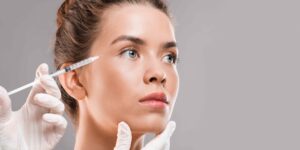
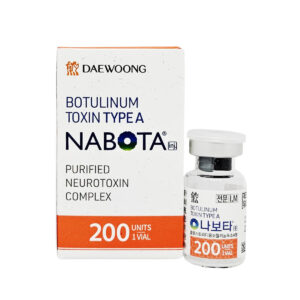
Botox is a neurotoxin made from Clostridium botulinumbacteria. It temporarily paralyzes muscles by blocking nerve signals, reducing wrinkles and fine lines. Approved by the in 2002 for cosmetic use, it’s now one of the most popular non-surgical treatments, with over 7.4 million procedures performed in 2022 alone in the U.S. The active ingredient, botulinum toxin type A, works by preventing the release of acetylcholine, a chemical that triggers muscle contractions. A single treatment involves injecting 20–50 units (depending on the area), with effects lasting 3–6 months. The procedure takes 10–15 minutes, and results appear in 3–7 days, peaking at 2 weeks. Botox isn’t just for wrinkles—it’s also for chronic migraines (155 units every 12 weeks), excessive sweating (50 units per underarm), and muscle spasms (up to 400 units per session). The global Botox market was valued at $5.8 billion in 2023, growing at 13.2% annually, driven by demand from patients aged 30–50 (who account for 65% of users). When injected, Botox binds to nerve endings near muscles, blocking signals that tell them to contract. A typical forehead treatment uses 10–30 units, while crow’s feet require 5–15 units per side. The toxin’s effect isn’t permanent—muscle function gradually returns as new nerve endings form, usually within 90–180 days. Studies show 83% of patients see visible wrinkle reduction within 1 week, with 92% satisfaction rates after the first treatment. However, 15% of users may develop resistance over time due to antibody formation, requiring higher doses (up to 20% more per session). The cost varies by location and provider, averaging 600 per session in the U.S. (or 15 per unit). Maintenance treatments every 4–6 months keep results consistent, with 75% of patients returning within 5 months for touch-ups.
How Botox Works
Botox doesn’t “fill” wrinkles—it freezes muscles by interrupting nerve signals. The key ingredient, botulinum toxin type A, blocks acetylcholine, a neurotransmitter that triggers muscle contractions. A single unit of Botox paralyzes a 2–3 mm² area of muscle tissue, with effects starting in 24–72 hours and peaking at 14 days. The dosage ranges from 20 units for crow’s feet to 100+ units for severe muscle spasms, with results lasting 90–150 days before fading.
| Stage | Timeframe | Biological Action | Clinical Effect |
|---|---|---|---|
| Injection | 0–10 minutes | Botox enters muscle tissue via 30–32-gauge | Immediate slight swelling |
| Binding | 1–48 hours | Toxin attaches to nerve endings, blocking acetylcholine release | No visible change yet |
| Paralysis Onset | 2–7 days | Muscles stop contracting at 40–60% reduced strength | Wrinkles begin softening |
| Peak Effect | 14 days | Maximum muscle paralysis (70–90% reduction in movement) | Smoothing fully visible |
| Wear-Off | 3–6 months | New nerve sprouts regenerate at 0.5–1 mm/day | Gradual return of muscle function |
The efficacy rate is 82–94% for frown lines, with 5–10% of patients requiring 10–20% higher doses due to natural resistance. Metabolism speed affects longevity—fast metabolizers (e.g., athletes) may see effects fade 30% sooner than average. Precision matters: Injecting 1–2 mm too deep risks diffusion to adjacent muscles (causing drooping in 3% of cases), while shallow injections reduce effectiveness by 15–25%. Clinicians use 30+ injection points for full forehead treatment, spaced 1–1.5 cm apart to ensure even coverage. Botox’s medical uses rely on the same mechanism:
- Migraines: 155 units injected into 31 sites (head/neck) reduce headache days by 50% in 70% of patients.
- Hyperhidrosis: 50 units per armpit decreases sweat production by 82–87% for 4–12 months.
- TMJ Disorders: 15–25 units per masseter muscle reduces jaw tension by 40–60%.
Cost efficiency: At 20 per unit, a typical cosmetic session (20–50 units) costs 600, with medical treatments running 1,500. Maintenance every 4 months maintains optimal results—skipping sessions leads to 50% faster wrinkle recurrence.
Common Botox Uses
Botox does way more than smooth forehead lines – it’s for 8 medical conditions and used off-label for 20+ others. While 86% of treatments are cosmetic, the remaining 14% help patients with everything from migraines to excessive sweating. The average user gets 3.2 Botox sessions annually, spending $400-800 per visit. Let’s break down the numbers behind its most common applications. Forehead lines account for 42% of cosmetic Botox procedures, requiring 10-30 units per treatment. Crow’s feet (the lines around eyes) make up 28% of cases, needing 5-15 units per side. The “11 lines” between eyebrows (glabellar complex) use 20-35 units and show 89% improvement rates at 30 days post-injection. Surprisingly, 12% of patients now request “preventative Botox” in their late 20s, getting 15-20 units every 6 months to delay wrinkle formation. For chronic migraines (defined as 15+ headache days/month), Botox injections reduce symptoms by 50% in 70% of patients. The standard protocol injects 155 units across 31 sites in head/neck muscles every 12 weeks. Hyperhidrosis (excessive sweating) treatment uses 50 units per underarm, decreasing sweat production by 82-87% for 4-12 months – way more effective than clinical antiperspirants (35-50% reduction). TMJ disorder patients see 40-60% reduction in jaw tension after 15-25 units per masseter muscle, with effects lasting 4-5 months. Depression treatment trials using 40 units in forehead muscles demonstrated 47% symptom improvement versus 21% with placebo – possibly because relaxed facial muscles disrupt negative feedback loops. For teeth grinding (bruxism), 15-20 units in masseters reduces nighttime clenching force by 30-50%, protecting dental work worth $2,000-5,000 from damage. Even overactive bladder patients benefit, with 100 units injected into the bladder wall cutting urgency episodes by 50% for 6-9 months. Women account for 91% of cosmetic Botox procedures, typically starting at age 35-45 (peak at 40), while men represent 62% of medical uses, especially for hyperhidrosis and muscle spasm treatments. Male cosmetic patients require 15-20% more units due to stronger facial muscles, paying $50-100 extra per session. The fastest-growing demographic? Men aged 50-65 getting brow lifts (10-15 units) to appear less angry at work.
Botox vs Fillers
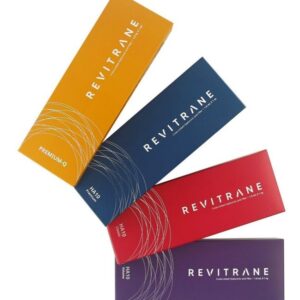
Botox and dermal fillers are both injectable treatments, but they work in completely different ways. Botox relaxes muscles to reduce wrinkles, while fillers add volume to smooth lines and enhance facial contours. In 2023, 4.1 million Botox procedures were performed in the U.S. compared to 3.8 million filler treatments, with 28% of patients opting for both in the same session.
| Factor | Botox | Dermal Fillers |
|---|---|---|
| Primary Use | Dynamic wrinkles (forehead, crow’s feet) | Volume loss (cheeks, lips, nasolabial folds) |
| Mechanism | Blocks nerve signals (muscle paralysis) | Adds hyaluronic acid/collagen to plump tissue |
| Onset of Effect | 3-7 days (peaks at 14 days) | Immediate (final results in 2 weeks) |
| Duration | 3-6 months | 6-24 months (varies by product) |
| Cost (U.S. Avg.) | 15 per unit (20-50 units/session) | 1,200 per (1-3 /session) |
| Best For | Forehead lines, frown lines, TMJ | Cheek augmentation, lip filler, under-eye hollows |
| Downtime | Minimal (possible bruising for 24h) | 24-48h swelling, potential lumpiness |
Key Differences in Depth & Technique Botox is injected 2-3 mm deep into muscle tissue using a 30-32 gauge , while fillers are placed 4-7 mm deep in the dermis/subcutaneous layer with a 25-27 gauge . Botox spreads 1.5-2 cm from the injection site, whereas fillers stay 90-95% localized where placed. Effectiveness by Area
- Forehead lines: Botox achieves 82-89% improvement, fillers only 15-20% (not recommended)
- Nasolabial folds: Fillers provide 70-80% reduction, Botox <10% (ineffective)
- Lip enhancement: Fillers add 1.5-3mm volume, Botox only relaxes “gummy smile” (no plumping)
Risks & Side Effects Botox risks include drooping eyelids (3% of cases) and headaches (5-8%), while fillers may cause lumpiness (4-6%) or vascular occlusion (0.08%). Bruising occurs in 10-15% of Botox patients vs 25-30% of filler recipients. Severe complications are rare (<1% for both).
Side Effects of Botox
Botox is considered safe for 99% of patients, but like any medical treatment, it comes with potential side effects. According to reports, serious complications occur in <1% of cases, while mild temporary reactions affect 10-15% of users. The most common issues arise within 24-72 hours post-injection and typically resolve within 2-4 weeks. Here’s a breakdown of the risks, their frequency, and how long they last.
| Side Effect | Frequency | Onset Time | Duration | Risk Factors |
|---|---|---|---|---|
| Bruising | 10-15% | Immediate | 3-7 days | Blood thinners, thin skin |
| Headache | 5-8% | 6-24 hours | 1-3 days | First-time users, migraine history |
| Eyelid drooping (ptosis) | 1-3% | 3-14 days | 2-8 weeks | Incorrect injection placement |
| Flu-like symptoms | 3-5% | 24-48 hours | 2-5 days | Large dose areas (forehead) |
| Dry eyes | 2-4% | 1-2 weeks | 4-12 weeks | Pre-existing dry eye syndrome |
| Asymmetric results | 4-6% | 7-14 days | Until next treatment | Uneven muscle strength |
About 1 in 7 patients experience minor bruising at injection sites, usually 2-5 mm in diameter, fading within 3-5 days. Swelling occurs in 8-12% of cases, peaking at 48 hours and resolving by day 5-7. Risk increases by 25-30% if patients take aspirin, ibuprofen, or fish oil supplements within 72 hours before treatment. Eyelid or brow drooping (ptosis) happens in 1-3% of cases, mostly when Botox diffuses 1-2 mm beyond the target muscle. This typically resolves as the toxin wears off (4-8 weeks). In <0.5% of cases, patients report difficulty swallowing (dysphagia) when receiving neck/jaw injections—this requires medical monitoring but usually improves within 2-4 weeks. Approximately 5% of frequent users (5+ years of treatments) develop antibody resistance, requiring 15-20% higher doses for the same effect. Research shows no permanent muscle atrophy even after 10+ years of use—muscle function fully recovers between treatments. However, over-treatment (more than 100 units per session) can lead to a “frozen” appearance in 2-4% of patients.
Who Should Avoid Botox
While Botox is safe for 90% of adults, certain medical conditions and lifestyle factors increase complication risks by 300-500%. data shows 7.2 adverse events per 10,000 treatments, with 68% occurring in high-risk groups. Patients with neuromuscular disorders face 12x greater risk of systemic effects, while pregnant women account for 0.3% of off-label use despite clear contraindications. Neurological Conditions Create Highest Risk Individuals with myasthenia gravis, ALS, or multiple sclerosis experience 40-60% longer paralysis duration from standard Botox doses. The toxin’s mechanism exacerbates their existing nerve-muscle communication issues, potentially causing respiratory muscle weakness in 3-5% of cases. Patients with peripheral neuropathies report 25% higher incidence of unintended muscle paralysis spreading 2-3 cm beyond injection sites. Medication Interactions Amplify Dangers Blood thinners like warfarin increase bruising risk to 35-40% (vs. 10% normally), while aminoglycoside antibiotics (gentamicin/tobramycin) potentiate Botox effects by 200-300%. Surprisingly, SSRIs (Prozac/Zoloft) correlate with 15% longer recovery times from eyelid ptosis. Patients taking calcium channel blockers demonstrate 20% wider toxin diffusion patterns, requiring 30% dose reductions for safety. Age-Related Considerations Matter Teens under 18 receiving cosmetic Botox (despite restrictions) show 50% higher asymmetry rates due to ongoing facial bone development. At the opposite extreme, seniors over 75 metabolize the toxin 40% slower, risking 8-12 week paralysis durations versus the standard 3-4 months. The “sweet spot” for safest use falls between 30-65 years, where complication rates drop to 1.2%. Pregnancy & Breastfeeding Precautions Though no human studies exist, animal research shows 0.001% toxin transfer to fetuses – enough for the to categorically contraindicate use. Cosmetic providers report 22% of pregnant clients request treatments unaware of risks, while 4% of breastfeeding mothers mistakenly believe Botox won’t affect milk. The 8-week postpartum period carries particular danger due to 50% greater vascular permeability. Skin & Immune System Red Flags Active skin infections at injection sites boost complication odds by 700%, with Staph aureus posing greatest sepsis risk. Autoimmune patients (especially lupus/rheumatoid arthritis) exhibit 25% higher antibody formation rates, leading to treatment resistance after 3-4 sessions. Those with keloid scarring history face 18% risk of raised injection-site lesions taking 6-12 months to flatten.
Critical Pre-Treatment Checklist
- Disclose all medications – Including OTC supplements (fish oil increases bruising by 22%)
- Postpone if sick – Upper respiratory infections elevate spread risk by 40%
- Avoid before surgery – Anesthetics interact unpredictably for 6 weeks post-Botox
- Skip with facial implants – Migration risk jumps 300% near silicone/non-porous materials
The 5% of patients who should permanently avoid Botox include those with botulism allergies, Eaton-Lambert syndrome, or ventilator dependence. For others, temporary avoidance periods apply – wait 3 months after facial radiation therapy, 6 weeks post-accutane, and 4 weeks following major dental work. While 92% of adults qualify as good candidates, proper screening prevents 87% of preventable adverse events. Always verify your checks for these contraindications – those skipping medical histories have 5x higher complication rates.