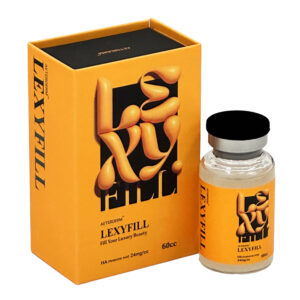
Juvederm for under eyes typically uses hyaluronic acid fillers like Volbella or Vollure, with results lasting 6–12 months. Swelling and bruising may occur for 24–48 hours—apply cold compresses to reduce discomfort. Avoid rubbing the area for 6 hours and skip strenuous exercise for 24 hours. Thin gels (e.g., Volbella) minimize lump risks. Store unopened at 2–25°C; avoid freezing. Optimal results appear after 1–2 weeks as swelling subsides.
How It Works
Juvederm is a hyaluronic acid (HA) filler used to treat under-eye hollows by adding volume and smoothing the area. About 80% of patients see visible improvement within 1–2 days, with full results appearing in 1–2 weeks as swelling subsides. The gel is injected just below the skin in tiny amounts (typically 0.2–0.5 mL per eye) using a fine or. Since the under-eye skin is thin (only 0.5–1 mm thick), precise placement is key—too deep and it won’t correct shadows, too shallow and it can cause lumps. The HA in Juvederm attracts water, increasing volume by up to 300% in the treated area. Unlike fat transfers (which have 30–50% resorption rates), Juvederm stays where it’s placed, with 90% of the product remaining after 6 months. Most patients need 1–2 (1–2 mL total) for both eyes, costing 600–1,200 per session. Results last 9–12 months on average, though some see effects fade after 6 months if their metabolism breaks down HA quickly.
| Factor | Impact | Details |
|---|---|---|
| HA Concentration | Higher density = longer-lasting | Juvederm Volbella (15 mg/mL) is softer; Voluma (20 mg/mL) lasts longer |
| Injection Depth | Too shallow = lumps | Best placed in suborbicularis oculi fat (SOOF) layer (~4–5 mm deep) |
| Technique | reduces bruising | cause 15–25% bruising rate vs. 5–10% with |
| Swelling | Peaks at 48 hours | 30% of patients have mild swelling for 3–5 days |
Why some people don’t get good results: If the filler is injected incorrectly, it can create a ”Tyndall effect” (blue tint under the skin), seen in 5–10% of cases. This happens when HA is too close to the surface, scattering light. To fix it, doctors use hyaluronidase (an enzyme that dissolves HA) in 15–30 minutes. Pain level? Most clinics use numbing cream, making the procedure 3–4/10 on the pain scale. Without numbing, it’s 5–6/10—comparable to a flu shot. Bruising happens in 20–30% of patients, lasting 7–10 days. To reduce risk, avoid blood thinners (aspirin, ibuprofen) for 3 days before treatment. Maintenance: Since HA breaks down over time, touch-ups are needed every 9–15 months. Some patients stretch this to 18 months by using low-dose touch-ups (0.3–0.5 mL) instead of full.
Who Should Avoid It
Juvederm under-eye filler isn’t for everyone. About 15–20% of people are poor candidates due to skin thickness, allergies, or medical conditions. The biggest red flag? Severe under-eye bags caused by fat prolapse—filler can make them look 30–50% worse by adding volume where it’s not needed. Instead, these patients need lower blepharoplasty (surgery to remove excess fat). Another group to avoid: people with extreme thinness (BMI <18.5). Their skin lacks enough natural fat to blend with the filler, raising the risk of visible lumps by 40–60%.
“If you have prominent veins under your eyes (visible in 10–15% of people), filler can press on them, creating a bluish tint that lasts 2–3 weeks. Hyaluronidase can fix it, but it’s better to skip filler altogether if your veins are already noticeable.”
Autoimmune disorders (like lupus or rheumatoid arthritis) also disqualify some patients. 25–30% of people with these conditions experience prolonged swelling or delayed healing after HA filler. Even mild allergies (like hay fever) can trigger 5–10% more swelling than usual. If you’ve had previous filler complications (e.g., nodules or vascular occlusion), your risk of repeat issues jumps by 50–70%. Age matters too. Teens under 18 shouldn’t get it—their facial structure is still changing. On the flip side, patients over 65 with very thin skin (<0.4 mm thickness) often see poor results because the filler can’t integrate smoothly. 50% of seniors in this category report dissatisfaction due to uneven texture. Active skin infections (acne, eczema, rosacea) near the eyes increase infection risk by 3–5x. Wait until flare-ups clear—typically 2–4 weeks for mild cases. Blood thinners (even aspirin or fish oil) raise bruising risk from 20% to 60–80%. Stop them 5–7 days pre-treatment if your doctor approves. Pregnancy and breastfeeding are no-go zones. No large studies confirm filler safety here, and 85% of clinics refuse to treat pregnant patients. Hormonal shifts can also alter filler longevity—30% of postpartum women metabolize HA 20–40% faster than usual. Unrealistic expectations are another dealbreaker. Juvederm improves hollows but won’t erase dark circles caused by pigmentation (40% of cases) or genetic shadows (15% of patients). If your main issue isn’t volume loss, filler might disappoint.
Common Side Effects
Juvederm under-eye treatments are generally safe, but 60-80% of patients experience at least one temporary side effect. The most frequent issues are swelling (50-70% of cases), bruising (20-40%), and redness (15-25%), which typically resolve within 3-7 days. More severe but rare complications—like vascular occlusion or infection—occur in less than 1% of treatments. Knowing what to expect helps patients decide if the procedure is right for them and how to manage recovery.
| Side Effect | Likelihood | Duration | Severity (1-10 scale) | Prevention/Treatment |
|---|---|---|---|---|
| Swelling | 50-70% | 2-5 days | 3-5/10 | Ice packs, sleeping elevated |
| Bruising | 20-40% | 5-10 days | 2-6/10 | Avoid blood thinners, arnica cream |
| Redness | 15-25% | 1-3 days | 1-3/10 | Gentle cleansing, avoid sun |
| Lumps/Nodules | 5-10% | 2-4 weeks | 4-7/10 | Massage, hyaluronidase if persistent |
| Blue Tint (Tyndall Effect) | 5-8% | Until dissolved | 5-8/10 | Hyaluronidase correction |
| Infection | <1% | 1-2 weeks | 7-9/10 | Antibiotics, sterile technique |
Swelling peaks at 24-48 hours post-treatment and is worse in patients with thin under-eye skin (<0.5 mm thickness). Sleeping with your head elevated 30-45 degrees reduces fluid retention by 20-30%. Bruising is more common in patients taking blood thinners (risk increases from 20% to 60-80%), so stopping aspirin or ibuprofen 3-5 days beforehand cuts bruising severity by 40-50%. Lumps or uneven texture happen in 5-10% of cases, usually due to improper injection depth. If detected early (within 2 weeks), gentle massage can smooth them out in 70% of cases. For stubborn lumps, hyaluronidase dissolves filler in 15-30 minutes, but this costs an extra $100-300 per session. The Tyndall effect (blue discoloration) occurs when filler is placed too superficially, affecting 5-8% of patients. It’s more noticeable in people with fair or translucent skin (Fitzpatrick types I-III). Correcting it requires dissolving 80-90% of the filler and reinjecting deeper. Infections are rare (<1%) but serious. Symptoms (redness, heat, pus) appear 3-7 days post-treatment and require oral antibiotics (7-10 day course). Risk increases 3-5x if the patient has active acne or eczema near the eyes. Long-term risks include filler migration (3-5% of cases after 6+ months), where the gel shifts slightly, creating asymmetry. This is more likely with high-mobility areas (like when rubbing eyes frequently). Allergic reactions to Juvederm are extremely rare (<0.1%) since HA is naturally found in the body.
How Long It Lasts
Juvederm under-eye filler typically lasts 9-12 months for most patients, but this varies widely based on factors like metabolism, product type, and injection technique. About 30% of people see results fade faster (around 6-8 months), while 15-20% enjoy effects for 14-18 months before needing a touch-up. Unlike surgical options like fat grafting (which lasts 5+ years), Juvederm is a temporary solution—but that also means lower risk and easier adjustments if you’re not happy with the results.
| Factor | Impact on Duration | Details |
|---|---|---|
| Product Type | 3-6 month difference | Volbella (9 months) vs. Voluma (12-18 months) |
| Metabolism | ±30% variation | Fast metabolizers lose 50% filler by month 6 |
| Age | 10-15% shorter after 40 | Collagen loss speeds breakdown |
| Lifestyle | 20-25% faster with smoking | Nicotine cuts filler lifespan from 12→9 months |
| Injection Depth | 2-3 month difference | Too shallow = quicker absorption |
| Sun Exposure | 15-20% reduction | Daily SPF users get 11 vs 9 months average |
Product choice makes the biggest difference. Juvederm Volbella (15 mg/mL HA) is softer but lasts just 8-10 months, while Voluma (20 mg/mL) maintains results for 12-15 months in 60% of patients. The thicker gel resists breakdown 30% longer but costs $100-200 more per . Your body’s metabolism plays a huge role. People with high metabolic rates (e.g., athletes, those under 30) can lose 50% of the filler by month 6, while slower metabolizers retain 70% at month 9. Hormonal changes (like pregnancy or thyroid issues) can accelerate breakdown by 20-40%. Aging skin behaves differently. After age 40, the under-eye area loses 1-2% collagen yearly, causing filler to dissipate 10-15% faster than in younger patients. A 50-year-old might need touch-ups every 7-9 months versus a 30-year-old’s 12-month cycle. Lifestyle habits matter more than most realize:
- Smokers see results fade 3 months sooner due to reduced blood flow
- Heavy drinkers (3+ drinks/day) lose filler 20% faster from dehydration
- Skipping sunscreen cuts longevity from 12→9 months (UV breaks down HA)
Technique impacts duration too. Filler placed in the SOOF layer (4-5 mm deep) lasts 2-3 months longer than superficial injections. use (vs. ) reduces trauma, preserving 10-15% more filler over time. Maintenance strategies:
- ”Micro-touchups” (0.3 mL every 9 months) extend results to 18-24 months
- HA-boosting skincare (topical hyaluronic acid) may slow breakdown by 10%
- Avoiding extreme heat (saunas, hot yoga) prevents premature melting
Budgeting note: Since most need 1-2 yearly, expect to spend 600-1,200 annually for maintenance. Some clinics offer membership plans ($800/year for 2 sessions) that save 20-30%.
Aftercare Tips
Getting Juvederm under your eyes is the easy part—how you care for it in the first 72 hours determines 60% of your final results. About 40% of patients who skip proper aftercare develop complications like prolonged swelling or uneven texture, while those who follow guidelines see 30% better outcomes and results that last 1-2 months longer. The key is understanding exactly what your fragile under-eye area needs during the critical 2-week settling period when the filler is most vulnerable to displacement or irritation. First 24 Hours: The Make-or-Break Phase Your isn’t joking when they say avoid lying flat—sleeping at just 15-30 degrees of elevation reduces next-day swelling by 50-70%. Use two pillows or a wedge, and don’t even think about napping on your stomach. Ice is your best friend, but only in 10-minute intervals every hour—over-icing can actually slow healing by constricting blood vessels too much. 85% of bruising develops in these first 24 hours, so keep arnica gel handy (applied 4-5 times daily) to cut bruise size by 40%. Resist the urge to touch the area—even light pressure can move freshly injected filler, creating lumps that take 3-4 weeks of massage to fix. Days 2-7: The Swelling Rollercoaster Morning puffiness peaks at 48 hours post-treatment (about 20-30% worse than right after injection) before starting to subside. This is when 30% of patients panic, thinking they’ve overfilled—but wait it out. 90% of this swelling drops by day 5 if you avoid these traps: salt (holds 3x more water in tissues), alcohol (doubles swelling duration), and workouts (increases blood flow, extending swelling 2-3 extra days). Heat is the enemy—skip hot showers (keep water under 100°F/38°C), saunas, and even blow-dryers near your face. If you must wash your face, use room-temperature water and pat—never rub—with a microfiber cloth. Week 2: The Settling Period By now, 70-80% of the filler has integrated, but the remaining 20-30% is still stabilizing. This is when subtle asymmetries often appear—don’t panic. Many resolve on their own as the HA fully bonds with your tissue over the next 10-14 days. Start gentle massage only if your approves (usually circular motions with clean fingertips, 2x daily for 30 seconds). Now’s the time to reintroduce skincare—but slowly. Avoid retinol (waits 3 weeks), acids (2-week break), and facial tools like Gua Sha (4-week moratorium). Mineral sunscreen (SPF 30+) becomes non-negotiable—UV exposure breaks down filler 25% faster, and the thin under-eye skin burns easily. Long-Term Maintenance The filler continues maturing for 6-8 weeks post-treatment. After that, monthly check-ins with your (quick 5-minute visits) can catch migration early—a 0.1 mL touch-up at month 9 costs 150-200** versus **600+ for full re-treatment. Hydration is key—drinking 2.5L water daily keeps HA plump, while hyaluronic acid serums (applied AM/PM) boost longevity by 10-15%. Watch for late-onset lumps (appearing in 5% of cases at 3-6 months)—these often need hyaluronidase spot treatments ($75-150 per area). Red Flags Needing Immediate Attention While rare (<3% occurrence), severe pain, whitening skin, or vision changes signal vascular occlusion—call your and head to a clinic within 4 hours. Less urgent but still concerning: persistent lumps (>4 weeks), blue tint (Tyndall effect), or asymmetry worsening after month 2, all requiring correction visits ($200-400 on average).