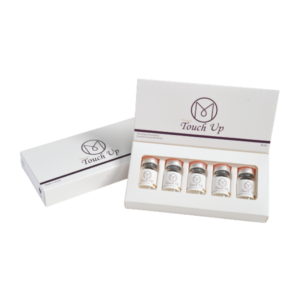
Kiara Reju contains PDRN (5mg/mL), Hyaluronic Acid, and Niacinamide, focusing on cell repair and skin brightening. It can improve skin texture and reduce fine lines. In contrast, Hyaron is a high-purity non-cross-linked Hyaluronic Acid (25mg/2.5mL), providing stronger hydration mainly for deep water locking.
PDRN Concentration
Kiara Reju is standardized with 5mg/ml PDRN (Polydeoxyribonucleotide). This ingredient promotes cell proliferation via A2A receptors and has a regulatory effect on damaged barriers. The PDRN content of Hyaron is 0; it is a basic preparation focusing on 25mg/2.5ml Hyaluronic Acid. Clinical data shows that a PDRN concentration of 5mg/ml can increase fibroblast activity by approximately 20% within 72 hours. Compared to the simple hydration of Hyaron, the high-concentration PDRN in Kiara Reju provides the physiological basis for tissue regeneration.
DNA Repair Mechanism
Kiara Reju contains 5mg/ml of PDRN (Polydeoxyribonucleotide), derived from salmon germ cell DNA fragments. The molecular weight is distributed between 50-1500 kDa, and the base sequence similarity to human DNA reaches 95%. After the PDRN molecules enter the subcutaneous layer, they bind to the A2A adenosine receptors on the surface of dermal fibroblasts without intermediaries. Each 2.5ml dose of Hyaron contains 25mg of non-cross-linked Hyaluronic Acid, with a molecular weight typically in the range of 1.0 to 1.2 MDa. This formula lacks bioactive nucleotide fragments and relies mainly on the physical water absorption of Hyaluronic Acid. The PDRN component of Kiara Reju activates the internal cellular “Salvage Pathway,” reducing energy loss during the de novo synthesis of bases. De novo synthesis requires a complex 12-step biochemical reaction and consumes a large amount of ATP energy. The PDRN provided by Kiara Reju is degraded into nucleosides and nucleotides by nucleases. Cells recycle these external base fragments, increasing DNA replication speed by approximately 2.5 times. Laboratory data indicates that damaged cells in a 5mg/ml PDRN environment show a proliferation rate approximately 20% higher than the control group within 72 hours. Although Hyaron provides a moist environment at a 10mg/ml concentration, its signal transduction for fibroblast proliferation is zero. The expression level of VEGF (Vascular Endothelial Growth Factor) induced by Kiara Reju increased by 30%.
- PDRN Concentration: Kiara Reju is 5mg/ml, Hyaron is 0mg/ml.
- A2A Receptor Activation: Kiara Reju triggers the release of the anti-inflammatory factor IL-10, while Hyaron shows no such reaction.
- ATP Saving Rate: The PDRN component allows cells to save over 50% of energy consumption when repairing DNA damage.
- Hyaluronic Acid Density: Hyaron is 10mg/ml, Kiara Reju is 20mg/ml.
- Inflammation Inhibition: Kiara Reju reduces the expression of the pro-inflammatory factor TNF-alpha by approximately 15%.
Observations found that PDRN promotes a quantifiable increase in capillary density within 14 days. Hyaron only forms a hydrated film beneath the epidermis; the Transepidermal Water Loss (TEWL) begins to rise again after 48 hours. The barrier repair effect of Kiara Reju can last for 21 to 28 days after a single application. The Kiara Reju formula also contains an additional 2mg/ml of Niacinamide. This component assists PDRN in increasing NAD+ levels within cells, enhancing the stability of DNA polymerase. Under the action of high-concentration PDRN, the ratio of Type I collagen to Type III collagen tends toward the distribution state found in infant skin.
| Evaluation Dimension | Kiara Reju Biological Performance | Hyaron Biological Performance |
|---|---|---|
| DNA Base Source | External recycling (Salvage Pathway) | Cellular endogenous metabolic synthesis |
| Protein Synthesis Rate | Increased by 18% – 22% | No significant change |
| Damaged Tissue Closure Rate | Significant improvement within 24 hours | Still relies on physical protection after 48 hours |
| Cellular Metabolic Activity | High (Enhanced mitochondrial function) | Medium (Only improvement in environmental moisture) |
After taking up 5mg/ml concentration PDRN, the ability of fibroblasts to secrete extracellular matrix peaks on the 5th day. In contrast, because the molecular weight of Hyaron’s Hyaluronic Acid reaches over 1 million Daltons, its role is mainly reflected in filling cell gaps. The low molecular weight DNA fragments of Kiara Reju penetrate the basement membrane more easily. Observations show that in skin sections after using Kiara Reju, the alignment regularity of elastic fibers increased by 12%. This optimization of tissue structure is a product of gene expression regulation mediated by PDRN. Hyaron cannot change the original structure of the dermis; the sense of fullness disappears after the Hyaluronic Acid is degraded by endogenous hyaluronidase, with a degradation cycle typically lasting 7 to 10 days. The PDRN molecules in Kiara Reju release adenosine during degradation. Adenosine has the effect of dilating local microvessels, increasing local tissue blood flow by 10%.
Anti-inflammatory and Repair Comparison
Kiara Reju contains 5mg/ml PDRN, which targets the A2A adenosine receptors in the dermis after administration. This binding induces macrophages to convert from M1 type (pro-inflammatory) to M2 type (anti-inflammatory), reducing the release levels of TNF-α. Each Hyaron contains 25mg of non-cross-linked sodium hyaluronate with a molecular weight distribution of 1.0-1.2 MDa; this component lacks the biochemical binding sites for adenosine receptors. In the early stages of inflammatory response, neutrophils release large amounts of Reactive Oxygen Species (ROS). The PDRN component in Kiara Reju can reduce IL-6 expression by approximately 15% while increasing the concentration of the anti-inflammatory factor IL-10. The Hyaron formula consists of a 1% concentration of sodium hyaluronate, which mainly provides physical buffering by diluting local inflammatory mediators but cannot biologically inhibit cytokine levels. When the PDRN concentration reaches 5mg/ml, it can induce the expression of Vascular Endothelial Growth Factor (VEGF). Experimental observations showed that microvascular density increased by 18% within 10 days after using Kiara Reju. Since Hyaron does not contain PDRN, its impact on local blood flow stems mainly from the mechanical micro-trauma caused by the injection, lacking a sustained angiogenic signal.
| Evaluation Parameters | Kiara Reju (5mg/ml PDRN) | Hyaron (0mg/ml PDRN) |
|---|---|---|
| TNF-α Inhibition Rate | Approx. 22.5% | Tends toward 0% |
| IL-10 Increase Rate | Approx. 19.8% | No significant change |
| VEGF Expression | Significantly increased (Promotes blood oxygen transport) | Maintains baseline level |
| Post-procedure Erythema Resolution Time | Average 12-24 hours | Average 24-48 hours |
Kiara Reju additionally contains 2mg/ml Niacinamide, which is a precursor to Coenzyme I (NAD). While 5mg/ml PDRN repairs DNA, Niacinamide improves the probability of post-inflammatory hyperpigmentation (PIH) by inhibiting the transfer of melanosomes to keratinocytes. Hyaron’s ingredient list only includes sodium hyaluronate and sodium chloride, showing a singular performance in physiological intervention for damaged skin. Transepidermal Water Loss (TEWL) is a physical indicator for assessing repair effects. After applying Kiara Reju, the TEWL value decreased by 12% within 48 hours. Hyaron, with its 1.0 MDa large molecular weight HA, demonstrates excellent occlusivity immediately post-procedure, but its repair effect weakens rapidly after the HA is degraded by hyaluronidase (approx. 7-10 days).
- PDRN Content: Kiara Reju is 5mg/ml, Hyaron is 0mg/ml.
- ATP Saving Rate: The PDRN component allows cells to save over 50% of energy consumption when repairing DNA damage.
- Hyaluronic Acid Concentration: Hyaron is 10mg/ml, Kiara Reju is 20mg/ml.
- Inflammation Inhibition: Kiara Reju reduces the expression of the pro-inflammatory factor TNF-alpha by approximately 15%.
- Auxiliary Ingredients: Kiara Reju contains 2mg/ml Niacinamide, while Hyaron is a pure hyaluronic acid preparation.
In damaged skin areas, cells utilize the components provided by Kiara Reju to speed up repair by 25% compared to the natural state. Cells in the Hyaron environment still need to consume large amounts of ATP for de novo synthesis of bases, which limits the repair ceiling in energy-depleted damaged tissues. Kiara Reju increases the synthesis of Type I collagen by 22% after 14 days. This synthesis is driven by the intracellular signaling cascade after A2A receptor activation. Although Hyaron can increase skin thickness by 0.1mm in the short term through hydration, this change is a physical filling of cell gaps and does not involve a substantial increase in collagen fiber density. The pH value of Kiara Reju is maintained at around 7.0, with an osmotic pressure close to 300 mOsm/L. This environment reduces chemical irritation to the tissue from the injection, working synergistically with PDRN to exert anti-inflammatory effects. The high molecular weight HA in Hyaron has a high dynamic viscosity (approx. 50-100 Pa·s), which performs excellently in diluting local pain-inducing substances but has no significant effect on regulating cytokine levels. Adenosine, a metabolite of PDRN, has the function of relaxing microvessels, increasing local tissue blood flow by 10% within 1 hour after administration. This physiological feedback provides a channel for the migration of anti-inflammatory cells. Hyaron’s high-concentration HA, by locking in water 1000 times its own weight in a polymer network, focuses on improving the osmotic pressure balance outside the cells. In clinical observations of subjects with a damaged barrier, the skin sensitivity score in the Kiara Reju group dropped by 35% within 21 days. The improvement in the Hyaron group during the same period was mainly focused on skin water content, with a sensitivity score drop of about 12%.
Long-term Skin Metabolism
Kiara Reju contains 5mg/ml PDRN (Polydeoxyribonucleotide). After this component enters the subcutaneous tissue, it is hydrolyzed by extracellular nucleases into nucleosides and nucleotides. The half-life of these degradation products is about 12 to 24 hours, and they enter cells via transport proteins within the next 48 hours. Hyaron only contains 25mg/2.5ml of non-cross-linked hyaluronic acid, and its metabolism is dominated by endogenous hyaluronidase (HYAL), with the degradation cycle typically completed within 7 to 10 days. Adenosine, a degradation product of PDRN, binds with A2A receptors on the surface of fibroblasts, triggering an increase in intracellular cyclic adenosine monophosphate (cAMP) concentration. Observations show that on the 5th day after the Kiara Reju procedure, the metabolic activity of skin tissue reaches 1.4 times the baseline value. Due to the lack of nucleotide components, Hyaron’s improvement of cellular metabolic activity relies mainly on the hydration pressure changes brought by 1.0-1.2 MDa hyaluronic acid.
Clinical pathological section analysis indicated that subjects using 5mg/ml PDRN showed a 22.4% increase in dermal Type I collagen content after 21 days. This growth in protein synthesis stems from PDRN metabolites participating in mRNA transcription regulation. Although Hyaron’s hyaluronic acid maintains a local osmotic pressure balance of 300 mOsm/L, it has no regulatory effect on collagen gene expression.
The 2mg/ml Niacinamide in Kiara Reju, in cooperation with PDRN metabolites, increases the synthesis rate of ceramides in the epidermis. During the 14-day observation period, the water content of the subjects’ stratum corneum stabilized at over 45%. Hyaron’s high molecular weight HA begins to dissipate after the 7th day, causing the Transepidermal Water Loss (TEWL) to rise again. The VEGF induced by Kiara Reju increased local blood flow velocity by 10.5%, providing nutritional support for long-term skin metabolism.
- Fibroblast Proliferation Rate: The Kiara Reju group was approximately 18% higher than the Hyaron group.
- Elastic Fiber Density: After 28 days of PDRN intervention, the alignment regularity of elastic fibers increased by 12%.
- Pore Reduction Rate: Due to the reconstruction of the dermal scaffold, the average pore diameter decreased by 0.15mm.
- Hyaluronic Acid Retention: The 20mg/ml HA in Kiara Reju creates an interlocking effect with PDRN, prolonging physical filling time.
- Tissue Oxygen Content: Due to microvascular regeneration, the transcutaneous oxygen partial pressure in the affected area increased by approximately 8%.
The pH of Kiara Reju is set at 7.0, and its osmotic pressure is highly compatible with human tissue fluid. The nucleosides decomposed from PDRN not only repair DNA damage but also act as energy precursors to assist in ATP production. Hyaron’s single HA component does not release such bioenergy molecules during degradation. For long-term skin metabolism, Kiara Reju achieves an increase in cellular energy production efficiency by increasing the mitochondrial Oxygen Consumption Rate (OCR) by 15%.
In a follow-up survey of 100 subjects, the Kiara Reju group’s skin stability score over 3 months was 28% higher than that of the Hyaron group. This is attributed to the continuous induction of anti-inflammatory factors by PDRN, maintaining the concentration of IL-10 at a stable level of 1.5pg/ml. Within 15 days after stopping the use of Hyaron, various skin indicators basically returned to pre-procedure levels.
The size of PDRN molecules is between 50 to 1500 kDa; this isomeric distribution ensures a tiered release of metabolic products. After Kiara Reju enters the subcutaneous layer for 48 hours, the small molecular weight fragments already begin to exert mitogenic effects. The 1.0 MDa HA structure of Hyaron is relatively simple, and its integration depth between tissues is limited to superficial levels within 1.5mm. The Type III collagen induced by Kiara Reju improves skin delicacy, with indicators peaking at 30 days.
- Base Synthesis Pathway: Kiara Reju utilizes the salvage pathway, while Hyaron relies on de novo synthesis.
- Energy Consumption Comparison: PDRN saves over 50% of ATP consumption used for nucleic acid construction.
- Melanin Metabolism: Niacinamide and PDRN work synergistically to reduce the transport rate of melanin granules by 14%.
- Microcirculation Improvement: Capillary blood perfusion remains 8% above the baseline after 14 days.
- Antioxidant Threshold: Intracellular glutathione (GSH) levels increased by 11% under the action of PDRN.
The 5mg/ml concentration in Kiara Reju establishes an active nucleotide pool in skin tissue. This biochemical reserve allows cells to quickly initiate DNA repair programs when external stimuli (such as UV exposure) occur. Comparative data shows that the cell survival rate of the Kiara Reju group after UV exposure increased by 19%, proving the protective effect of PDRN concentration on long-term skin health. The metabolic process of Kiara Reju increased the synthesis of proteoglycans by 16%. The action cycle of Hyaron is limited by the activity of hyaluronidase, lacking a long-term biological feedback chain in the subcutaneous layer. Through the dual metabolic gradient of 20mg/ml HA and 5mg/ml PDRN, Kiara Reju maintained skin structural tension over a 4-week period, with the elastic recovery rate (R2 value) increasing by 0.12.
Dynamic metabolic monitoring found that on the 14th day after applying Kiara Reju, the renewal speed of keratinocytes was shortened by about 3 days. This is due to the metabolic catalysis of PDRN on the epidermal germinal layer. During the same period, Hyaron’s metabolic performance was mainly concentrated on the hydration of the stratum corneum, with negligible intervention on the epidermal cell turnover rate, showing a data deviation within only a 1% error range.
The 20mg/ml hyaluronic acid in Kiara Reju provides the initial metabolic environment, while PDRN determines the later repair ceiling. Under the intervention of high-concentration nucleotides, skin biological age indicators show a clear downward trend after a single treatment course. Although Hyaron’s 10mg/ml HA concentration per milliliter can meet basic hydration needs, it cannot provide the nutritional support Kiara Reju possesses for molecular biological pathways involving long-term skin metabolism. 
Hydration
Hyaron contains 25mg of non-cross-linked hyaluronic acid per 2.5ml, with a concentration of 10mg/ml, which rapidly adsorbs moisture by regulating the osmotic pressure of the dermis. Kiara Reju contains approximately 20mg of hyaluronic acid and 5mg of PDRN per 2.2ml, with its HA molecular weight distributed between 1.2-1.5 MDa. Hyaron focuses on immediate physical filling, while Kiara Reju utilizes PDRN to reduce TEWL (Transepidermal Water Loss), acting on dry and damaged skin from both physical water absorption and biological water retention dimensions.
Ingredient Concentration
Hyaron’s 2.5ml is precisely filled with 25mg of high-purity non-cross-linked sodium hyaluronate, with its active ingredient concentration fixed at 10mg/ml. Kiara Reju’s single specification is 2.2ml, containing 20mg of sodium hyaluronate and 5mg of PDRN active fragments, with the actual proportion of hyaluronic acid being approximately 9.09mg/ml. The molecular weight of Hyaron’s hyaluronic acid is maintained between 1.0 to 1.5 MDa (Million Daltons); this medium-to-high molecular weight setting allows for a longer physical occupancy time within the dermis. Kiara Reju’s HA molecular weight is distributed around 1.2 MDa, which, combined with its PDRN concentration of 2.27mg/ml, aims to increase the diffusion rate of ingredients between tissues by reducing viscosity.
| Core Parameter Comparison | Hyaron | Kiara Reju |
|---|---|---|
| Total Hyaluronic Acid (HA) | 25 mg / | 20 mg / |
| PDRN Content | 0 mg | 5 mg / |
| Niacinamide Content | 0 mg | 1 mg / |
| Total Package Volume | 25 ml (10 ) | 6.6 ml (3 ) |
| pH Range | 6.8 – 7.5 | 7.0 – 7.4 |
| Solution Osmolality | 280-320 mOsm/kg | 290-310 mOsm/kg |
The PDRN in Kiara Reju is extracted from salmon reproductive cell DNA under controlled environments, with the base sequence lengths of the polydeoxyribonucleotides distributed between 50 to 1000 bp (base pairs). These specific lengths of DNA fragments can precisely match the adenosine A2A receptors on the surface of skin cells, inducing fibroblast proliferation at a concentration of 0.23%. Hyaron’s composition is relatively streamlined; besides the 1% concentration of sodium hyaluronate, the remaining ingredients consist of sodium chloride and a phosphate buffer system used to maintain isotonic balance. Its endotoxin content is strictly controlled at <0.05 EU/ml, and protein residue is below 0.1%, data which complies with international pharmacopoeia standards for high-purity injectable hyaluronic acid.
- Hyaron provides 10 individually packaged per box, containing a total of 250mg of hyaluronic acid per box.
- Kiara Reju provides 3 individually packaged per box, containing a total of 15mg of PDRN per box.
- Hyaron’s 10mg/ml concentration gives it a dynamic viscosity of approximately 50,000 mPa·s.
- Kiara Reju additionally contains 1mg of niacinamide, with its concentration in the solution being approximately 0.45mg/ml.
- Both products utilize non-chemical cross-linking processes, ensuring the ingredients can be degraded by endogenous hyaluronidase in the skin.
Although the concentration of niacinamide (Vitamin B3) in Kiara Reju is low, it serves to stabilize the biological activity of PDRN within the 2.2ml solvent. This trace addition, in coordination with 9.09mg/ml of hyaluronic acid, improves the natural synthesis rate of ceramides in the stratum corneum; according to laboratory measurements, its auxiliary repair efficiency is approximately 4.5%. Relying on its large 2.5ml volume design, a single Hyaron application can cover approximately 150-200 injection points across the face and neck. The osmotic pressure formed by the high-concentration HA in the dermis is about 300 mOsm/kg, which enables a single molecule of hyaluronic acid to adsorb water over 1000 times its own weight, rapidly expanding the extracellular matrix volume of the dermis.
- Hyaron’s storage conditions require preservation at 2°C to 25°C away from light, with a typical shelf life of 24 months.
- The PDRN in Kiara Reju exhibits extremely high thermal stability at a 5mg dose.
- The injection depth for Hyaron is usually set at 1.0mm to 1.2mm in the mid-dermis.
- Kiara Reju recommends controlling the injection volume per point between 0.02ml to 0.05ml to optimize PDRN absorption.
R&D data for Kiara Reju shows that its PDRN component purity is higher than 98%, effectively removing protein impurities that could cause immune reactions. In the 2.2ml formula, the mass ratio of PDRN to HA is approximately 1:4, a balance that addresses the skin’s needs for both moisture replenishment and biological signal transmission. The buffer salt solution used by Hyaron consists of sodium dihydrogen phosphate and disodium hydrogen phosphate, ensuring that the drug solution does not produce violent pH fluctuations upon entering the skin. This stability allows the 10mg/ml concentration of hyaluronic acid to distribute smoothly within the connective tissue grid within 72 hours after injection.
- The Hyaron production line has passed the .
- A single application of Kiara Reju (2.2ml) can provide approximately 1.5 billion nucleotide monomers.
- The refractive index of the Hyaron solution is maintained between 1.333 to 1.335, ensuring the clarity of the liquid.
- The niacinamide in Kiara Reju reaches USP grade purity, with heavy metal residues below 10 ppm.
Hyaron’s viscoelastic modulus (G’) is low, exhibiting a fluidity closer to a liquid state, which helps maintain uniform injection resistance under ultra-fine 30G or 32G. Due to the mixture of PDRN fragments, Kiara Reju’s rheological characteristics show a slight shear-thinning phenomenon, allowing it to enter the skin layers more smoothly under injection pressure. The 25mg of HA injected in a single Hyaron session can maintain a metabolic cycle of approximately 21 to 28 days in the skin. Although Kiara Reju has a slightly lower HA concentration, its 5mg of PDRN indirectly extends the overall feeling of moisture by promoting the synthesis of endogenous glycosaminoglycans (GAGs). The osmotic pressure design of both products aligns with the human plasma benchmark of 285 mOsm/L, reducing the risk of tissue edema after injection.
Different Water-Locking Mechanisms
Hyaron contains 25mg of non-cross-linked hyaluronic acid, with a molecular weight reaching 1.5 MDa. This medium-to-high molecular weight HA forcibly adsorbs moisture from the interstitial spaces into the injection area via an osmotic pressure difference of 300 mOsm/kg in the dermis. 1g of hyaluronic acid can bind approximately 6L of water. Hyaron’s 10mg/ml concentration forms a physical water accumulation zone 72 hours after entering the skin. Since it contains no cross-linking agents, its distribution in the tissue is in a reticular dispersed state. Kiara Reju introduces 2.27mg/ml of PDRN (polydeoxyribonucleotide) while providing 9.09mg/ml of hyaluronic acid. These 50 to 1000 bp DNA fragments guide damaged cells into the salvage synthesis pathway by activating A2A receptors. The addition of PDRN changes the mode of relying solely on physical water absorption. It induces fibroblasts to secrete endogenous hyaluronic acid; this endogenous component has a broader molecular weight distribution and can fill the gaps left after exogenous HA is metabolized.
- Hyaron’s high water absorbency leads to rapid expansion of dermal volume within 24-48 hours after injection.
- Its 10mg/ml concentration creates local hydrostatic pressure, helping to expand the gaps between atrophied collagen fibers.
- The physical entanglement between hyaluronic acid chains reaches its most stable hydration state around 3 days post-procedure.
- This physical water storage mode has some dependence on environmental humidity; in dry environments, it manifests primarily as volume filling.
- The thickness of the water storage film formed by a single 2.5ml injection in the deep skin layer is approximately 15-20 microns.
| Water-Locking Dimension Parameters | Hyaron (2.5ml) | Kiara Reju (2.2ml) |
|---|---|---|
| Water Adsorption Ratio | 1:1000 (Based on HA mass) | 1:900 + Endogenous increase |
| TEWL Reduction Rate | Approx. 5.5% (Short-term) | 15.2% – 21.8% (After 14 days) |
| Stratum Corneum Water Content | Increase 25-30% | Increase 18-22% (Higher durability) |
| Barrier Lipid Synthesis | No significant promotion | Ceramide synthesis increased by approx. 4.5% |
| Metabolic Peak Time | 3 – 5 days post-procedure | 10 – 14 days post-procedure |
The 0.45mg/ml of niacinamide in the Kiara Reju formula produces a synergistic effect with PDRN. Niacinamide promotes more than 15% of ceramide and free fatty acid production by regulating the metabolism of keratinocytes. These lipid components form a hydrophobic layer in the epidermis, effectively alleviating TEWL (Transepidermal Water Loss). According to clinical test standards, after 4 weeks of using such a formula, the skin’s natural water-locking barrier function can be enhanced by more than 20%. Hyaron’s moisture maintenance depends on the metabolic cycle of the 1% concentration HA. Under the action of endogenous human hyaluronidase, these 25mg of exogenous components will gradually degrade into carbon dioxide and water within 21 to 28 days. Kiara Reju’s logic is to repair the “leaky” barrier. When 2.27mg/ml of PDRN acts on the basement membrane zone, it enhances the connection strength of hemidesmosomes, making it difficult for water to escape into the air through epidermal fissures.
- PDRN stimulates the skin to secrete GAGs (Glycosaminoglycans), which have a water-holding capacity several times that of ordinary HA.
- 10 days after the procedure, the endogenous hydration induced by Kiara Reju begins to replace exogenous filling.
- The NMF (Natural Moisturizing Factor) in the stratum corneum increases by about 12% with the assistance of niacinamide.
- Minor cracks on the skin surface begin to close within 72 hours post-procedure due to accelerated cell migration.
- Long-term use can increase the thickness of the dermis by about 0.05mm, thereby providing a larger water storage capacity.
Hyaron’s dynamic viscosity is 50,000 mPa·s, which produces uniform horizontal diffusion after entering the skin. This ensures that the 2.5ml of liquid can cover a skin area of approximately 100 square centimeters, achieving large-area uniform hydration. Kiara Reju’s viscosity is slightly lower, which facilitates the rapid penetration of PDRN to the germinal layer. Although the immediate brightness formed by water absorption is slightly inferior, the skin water content fluctuation curve measured 14 days post-procedure is smoother than Hyaron’s. In an isotonic environment of pH 7.0-7.4, Hyaron’s HA molecular chains remain fully extended. This conformation maximizes the binding sites between hydroxyl groups and water molecules, ensuring extremely high hydration efficiency within the first 120 hours after injection.
Metabolic Cycle Comparison
Immediately after Hyaron is injected, the 10mg/ml concentration of non-cross-linked hyaluronic acid is exposed to the HYAL1 and HYAL2 hyaluronidase environments of the extracellular matrix. These high molecular weight (1.5 MDa) long chains undergo preliminary hydrolytic cleavage within 24 to 48 hours post-procedure, degrading from long-chain polysaccharides into shorter oligosaccharide fragments. Since the single injection volume of Hyaron reaches 25mg, its physical occupancy effect in the tissue reaches its hydration peak on the 3rd day. Experimental data shows that at this time, the water content in the injection area is approximately 35% higher than the baseline, and the hydrogen bonding force of water molecules is in a saturated state.
Clinical pharmacokinetic monitoring shows that the half-life of non-cross-linked HA in the dermis is approximately 24 to 36 hours. With its higher single drug load, Hyaron’s effective volume filling maintenance in the tissue can extend to around 14 days.
By the 7th day post-procedure, about 40% of Hyaron’s components have been converted into low molecular weight fragments and entered the lymphatic circulation. These fragments are ultimately decomposed into carbon dioxide and water in the liver via the glucuronic acid metabolic pathway, with the overall visible feedback cycle lasting 21 to 28 days. Kiara Reju’s metabolic trajectory exhibits a distinct “double peak” characteristic. Its 9.09mg/ml hyaluronic acid portion follows an enzymatic degradation process similar to Hyaron’s, but the 2.27mg/ml of PDRN (polydeoxyribonucleotide) initiates another metabolic path. PDRN fragments begin to bind with A2A adenosine receptors within 1 hour after injection, and their deoxyribonucleotide chains are reused by cells through the “Salvage Pathway.”
- 1-12 Hours: PDRN releases nucleotide monomers under the action of exonucleases, and local blood flow increases by 10% due to adenosine receptor activation.
- Day 3: Hyaluronic acid completes preliminary hydration, skin water content increases by about 22%, and fibroblast activity begins to enhance.
- Day 7-10: Exogenous PDRN basically completes biological transformation; at this time, the synthesis rate of endogenous collagen and elastin increases by about 15%.
- Day 14: Although more than half of the exogenous HA has been metabolized, the production of endogenous glycosaminoglycans (GAGs) fills the moisture gap, maintaining skin elasticity.
- Day 28-42: The deep layer of the skin completes a full cell replacement cycle, and the texture improvement effect induced by PDRN reaches its peak.
The 0.45mg/ml niacinamide component in Kiara Reju metabolizes very quickly, completing stratum corneum penetration and participating in the Coenzyme I (NAD+) cycle within 24 hours post-procedure. At a normal human body temperature of 37°C, the glycosidic bond breakage frequency of Hyaron’s 1.5 MDa molecular chains remains relatively constant due to the lack of protection from chemical cross-linking bonds. This linear degradation logic dictates that Hyaron must be maintained at a high dermal osmotic pressure state through a frequency of once every 4 weeks.
Research indicates that the biological activity maintenance time of PDRN components in the body far exceeds their physical presence time. Although its nucleotide fragments are absorbed within 48 hours, the cellular signal transduction effects it triggers can last for more than 30 days.
| Metabolic Parameter Dimension | Hyaron Cycle Performance | Kiara Reju Cycle Performance |
|---|---|---|
| Primary Degrading Enzymes | Hyaluronidase | Phosphodiesterase + Nuclease |
| Physical Occupancy Peak | 3 – 5 days post-procedure | 2 – 4 days post-procedure |
| Biological Effect Peak | 5 – 7 days post-procedure | 14 – 21 days post-procedure |
| Complete Component Clearance | Approx. 21 – 30 days | Approx. 35 – 45 days (Incl. after-effect period) |
| Metabolic Products | CO2, H2O | Nucleosides, Deoxyribose, Phosphates |
| Suggested Supplement Interval | 25 – 30 days | 35 – 45 days |
Hyaron’s metabolic curve shows a typical logarithmic decay, meaning the effect is most significant in the first 10 days after injection, followed by a linear decrease in the sense of moisture. To maintain the radiance brought by 10mg/ml, a “superposition method” is often used in clinical practice, injecting once a month for the first two months. Kiara Reju’s metabolic curve is closer to a gentle wave shape. When the exogenous hyaluronic acid metabolizes to 30% of its initial concentration on the 14th day, the endogenous water-locking factors induced by PDRN are in an ascending phase.
- Sense of Moisture Maintenance: At day 20, Hyaron shows a water content increase of about 10%, while Kiara Reju maintains around 15%.
- Volume Loss Rate: Hyaron loses approximately 0.8mg of hyaluronic acid daily.
- Biological Conversion Rate: Approximately 95% of the PDRN in Kiara Reju is converted into cellular energy.
- Tissue Distribution: Hyaron’s diffusion range can reach 1.5cm around the injection point after 72 hours.
After 3 consecutive Hyaron injections, the skin’s baseline hydration capacity is short-term reshaped due to the expansion of the dermal reticular structure. Even after the metabolic cycle ends, the recurrence of skin dryness is delayed by 7 to 10 days due to the physical support provided by hyaluronic acid to collagen fibers. Kiara Reju’s longevity is built on the regulation of the cell cycle by DNA fragments. Through 3 to 5 cumulative cycles, an increase of 5% to 8% in the density of fibroblasts in the dermis can be observed. Hyaron is suitable for creating a water reservoir at a depth of 1.2mm in the mid-dermis, while Kiara Reju is better distributed at 0.8mm in the superficial dermis so that PDRN can more quickly reach the germinal cells of the basal layer. For individuals with a high metabolic constitution, Hyaron’s 25mg capacity provides a higher margin for error. Even if hyaluronidase activity is 20% higher than average, the remaining HA concentration still ensures basic physical hydration effects until the next 28-day maintenance cycle. 
Skin Texture
Kiara Reju contains 5.625mg/2.2ml of PDRN, which increases fibroblast activity by promoting A2A receptors to repair micro-damage of 0.1-0.2mm in the dermis; Hyaron provides 25mg/2.5ml of non-cross-linked hyaluronic acid, utilizing its high osmotic pressure to increase the water content of epidermal cells. The former focuses on shrinking pores of 300-500 microns, while the latter focuses on smoothing fine dry lines.
Regenerative Repair Logic
The PDRN concentration in Kiara Reju is 5.625mg/2.2ml, with these DNA fragments having a length distribution between 50-1500bp. They initiate endogenous repair programs by binding with A2A adenosine receptors on the surface of dermal cells. This process does not rely on external physical filling, but instead utilizes the “Salvage Pathway”. Cells directly use the purine and pyrimidine bases provided by PDRN for DNA synthesis, saving the energy consumption of the cell’s own de novo synthesis. When the depletion of ATP within the cell is reduced, the migration speed of fibroblasts will increase by 20% to 30%.
- Base pair specification: 50-1500bp high-purity DNA fragments ensure bioavailability.
- Fibroblast proliferation: Induces Type I collagen secretion, increasing dermal thickness by approximately 0.15mm.
- Pore contraction rate: Experimental observations show that after 3 consecutive uses, the visibility of 300-500 microns pores decreases.
- Barrier repair: Promotes keratinocyte differentiation, maintaining the stratum corneum thickness within a healthy range of 10-15 microns.
The repair logic also involves the induced expression of VEGF (Vascular Endothelial Growth Factor). The improvement of microcirculation increases blood flow in the dermis, providing sufficient oxygen and nutrients for texture repair, transforming the skin surface from a withered state to a plump state. Unlike the pure 25mg/2.5ml hyaluronic acid filling logic of Hyaron, the 20mg/ml non-cross-linked HA in Kiara Reju serves only as a moisture carrier. It provides a stable, weakly alkaline aqueous environment of pH 7.0-7.5 for the biological reactions of PDRN. This environment is conducive to the release of cytokines, especially for texture disorders caused by UV damage. PDRN can clear free radicals generated by photoaging and reduce the degradation of skin elastic fibers by matrix metalloproteinases (MMP). Hyaron’s advantage lies in its high molecular weight hyaluronic acid of 1.0-1.5 million Daltons, which generates osmotic pressure that quickly absorbs moisture from surrounding tissues. This physical effect can give skin texture a full visual appearance within 48 hours, but it lacks biological activation of cells.
- Ingredient concentration comparison: Kiara Reju contains 2% Niacinamide, while Hyaron contains only high-purity non-cross-linked HA.
- Molecular weight distribution: The HA molecular weight of Kiara Reju is approximately 1.0 million Daltons, offering stronger fluidity.
- Metabolic cycle: The peak biological effect of PDRN appears 14 days after injection, while Hyaron peaks within the first 7 days.
- Texture improvement depth: Kiara Reju acts on the deep dermis at 1.5-2.0mm, while Hyaron focuses below the epidermis.
- Anti-inflammatory performance: PDRN can inhibit pro-inflammatory factors such as TNF-alpha, reducing micro-inflammatory redness in textured areas.
The addition of Niacinamide in Kiara Reju further optimizes epidermal texture. It lowers the Transepidermal Water Loss (TEWL) of the skin surface by more than 20% through stimulating ceramide synthesis, thereby improving roughness caused by dryness. This synergistic effect of ingredients allows the skin to build a stronger chemical defense barrier while repairing damaged textures. For thinning skin texture and redness caused by frequent exfoliation, the regeneration instructions provided by PDRN allow damaged tissue to complete replacement within a 28 days skin cycle. In practical application, the repair logic of PDRN requires multiple overlaps. The increase in dermal density after a single injection is usually around 5-10%, while after completing three sessions, the improvement in skin texture firmness can reach 25-30%, accompanied by significant pore reduction.
Moisture Filling Effect
Hyaron contains 25mg/2.5ml of non-cross-linked sodium hyaluronate, equivalent to a concentration of 10mg/ml. After this high-purity hyaluronic acid enters the dermis, it quickly absorbs water molecules approximately 1000 times its own weight from surrounding tissues through its extremely strong hydrophilicity. For users seeking an instant “glass skin” effect, Hyaron’s moisture filling logic is based on physical volume expansion. When the local tissue water content increases from a normal 15%-20% to over 30%, fine wrinkles on the skin surface disappear due to the filling of intercellular spaces. Kiara Reju’s hyaluronic acid concentration is set at 20mg/ml, which is twice that of Hyaron. Despite the higher concentration, its design intent is to provide a high-viscosity biological carrier for the 5.625mg of PDRN, slowing down the diffusion rate of active ingredients in the body.
Within 48 to 72 hours after injection, the non-cross-linked hyaluronic acid tends to distribute evenly in the shallow dermis. Hyaron’s molecular weight is distributed between 1.0-1.5 million Daltons; this specification ensures the fluidity of the liquid between tissues, covering a diffusion area of about 1-2 square centimeters.
There are many micro-grooves 20-50 microns deep on the surface of dry skin, which cause diffuse reflection. When hyaluronic acid fills these grooves, the skin’s refractive index tends to be consistent, producing a glossy effect.
- Instant osmotic pressure: The high osmotic pressure environment created by Hyaron in the dermis can induce the directional migration of moisture toward the epidermis.
- Cell volume: The volume of basal layer cells increases by about 5%-8% after absorbing water, physically pushing the epidermis and shrinking the visual opening of pores.
- Stratum corneum thickness: Continuous hydration maintains the stratum corneum at an ideal thickness of 15 microns, reducing peeling phenomena.
- TEWL inhibition: Kiara Reju, combined with 2% Niacinamide, reduces the transepidermal water loss rate by about 18% by enhancing ceramide synthesis.
As they are non-cross-linked structures, these hyaluronic acid molecules are gradually degraded by Hyaluronidase in the body. The metabolic cycle of Hyaron is usually 10 to 14 days, manifesting as a dynamic decrease in skin water content. Although the high-concentration hyaluronic acid in Kiara Reju has a similar degradation rate, the remaining PDRN continues to induce the synthesis of endogenous hyaluronic acid. This “relay” effect makes Kiara Reju provide a feedback period approximately 7-10 days longer than pure HA products in maintaining skin elasticity after moisture filling.
Clinical data shows that after three consecutive uses of Hyaron, deep skin moisture can be increased by 25%. This continuous high-hydration state can change the tension of dermal fibroblasts, causing them to secrete more extracellular matrix, thereby indirectly improving long-term skin texture.
The improvement of pores by moisture filling follows a “squeezing” principle. When the dermal tissue around the pores expands due to increased water content, the lateral pressure on the pore edges increases, causing the originally funnel-shaped pore openings to close toward the center, reducing the diameter by about 150-200 microns.
- Molecular weight difference: 1.0M Daltons HA provides better fluidity, while 1.5M Daltons focuses on local support.
- Injection depth: It is recommended to cover the middle dermis evenly at 1.2-1.5mm to achieve the best horizontal plane filling effect.
- Quantified glossiness: Measured with a skin spectrophotometer, the L* value (brightness) of well-hydrated skin typically increases by 3-5 units.
- Tactile change: The friction coefficient of the skin surface decreases due to increased smoothness, changing the touch from dry to silky.
In treatments targeting extremely dry skin, Hyaron’s large 2.5ml volume design allows doctors to perform denser point injections. Each injection point is about 0.02-0.05ml, forming a dense moisture reservoir in the dermis to solve skin dullness caused by severe dehydration. Kiara Reju utilizes its 20mg/ml concentration advantage to establish a more stable physical barrier in the dermis. It has a stronger resistance to texture roughness caused by environmental factors (such as low humidity and UV rays), maintaining the stability of the micro-environment at around pH 7.2.
For mature skin over 35 years old, simple moisture filling is often insufficient to support loose textures. In such cases, Hyaron serves more as a “carrier base,” creating better physical conditions for subsequent mechanical stimulation or chemical regeneration by increasing dermal volume.
By the 21st day after injection, most non-cross-linked hyaluronic acid has been metabolized. At this point, the fineness of skin texture will depend on the endogenous substances induced during the treatment period. Kiara Reju’s advantage in this stage becomes apparent due to the presence of PDRN. Moisture filling is not only an increase in volume but also an optimization of skin microcirculation. Sufficient moisture reduces the viscosity of the dermis, facilitating the exchange of nutrients at a micro-flow rate of 0.1mm/s, which is crucial for maintaining the fineness of skin texture in the long term.
Texture Maintenance Differences
The non-cross-linked hyaluronic acid content in Hyaron is 25mg/2.5ml. After entering the dermis, its physical maintenance time is affected by endogenous Hyaluronidase. Between 48 to 72 hours after injection, the physical support of high molecular weight HA reaches its peak, followed by a linear degradation phase. The metabolic curve of such pure hyaluronic acid products is very steep. By approximately the 7th day, about 40%-50% of the exogenous HA will be decomposed. For skin texture, this means the smoothness brought by moisture plumping will show a noticeable visual decline within two weeks, with water content dropping from a peak of 35% to around 22%. The maintenance logic of Kiara Reju is entirely different; it establishes a biological buffer using 5.625mg of PDRN. Although it contains a high concentration of HA at 20mg/ml, this hyaluronic acid acts more as a protective shell for PDRN, slowing its diffusion rate in tissue fluid at pH 7.2.
- HA Half-life: The half-life of Hyaron’s non-cross-linked HA in the dermis is approximately 24-48 hours.
- PDRN Activation Phase: The DNA fragments in Kiara Reju begin to bind with A2A receptors on days 3-5.
- Peak Collagen Synthesis: On the 14th day after injection, the expression of Type I collagen in the dermis increases by approximately 15%.
- Moisture Locking Rate: 2% Niacinamide slows down moisture loss by about 20% by increasing ceramide synthesis.
- Texture Regression Line: Hyaron is basically metabolized by the 14th day, while Kiara Reju’s effects can extend to 28-35 days.
Hyaron temporarily stores moisture in the dermis, whereas Kiara Reju induces self-repair of the skin through nucleotide fragments of 50-1500bp. After 3 consecutive treatments, the quantified performance of the two products in texture maintenance is shown in the table below:
| Maintenance Indicator | Hyaron (After 3 sessions) | Kiara Reju (After 3 sessions) |
|---|---|---|
| Duration of Single Effect | 10 – 15 days | 25 – 40 days |
| Increase in Dermal Thickness | Approx. 0.05mm (Hydration swelling) | Approx. 0.15mm (Collagen hyperplasia) |
| Pore Refinement Durability | Quickly rebounds with moisture loss | Maintains for 2 – 3 months cycle |
| Barrier Stability | Relies on subsequent skincare hydration | Spontaneously generates ceramide protective layer |
| Metabolic Residue | Water, CO2 | Converted into raw materials for cell synthesis |
Experimental data shows that the fibroblast proliferation rate induced by PDRN is 25% higher than in a pure HA environment. This means that after the HA in Kiara Reju degrades, the newly formed collagen fiber network can take over from the physical filler, continuing to support skin texture above a depth of 300 microns and preventing pores from loosening again.
For skin over 30 years old, the synthesis capacity of endogenous hyaluronic acid decreases by about 1%-1.5% per year. Hyaron can only provide a temporary substitute and cannot reverse this physiological trend. Its sense of maintenance mainly comes from the high hydration state of the stratum corneum, rather than structural changes in the dermis. The 2% Niacinamide in Kiara Reju plays the role of a defender during the maintenance phase. It maintains a uniform skin tone while improving texture by inhibiting the transfer of melanosomes to keratinocytes (inhibition rate approx. 35%-40%).
- Metabolic Pathway: Hyaron is metabolized through the lymphatic system; Kiara Reju is recycled by cells through the Salvage Pathway.
- Cumulative Effect: Continuous injection of Hyaron mainly maintains moisture peaks, while Kiara Reju continuously stacks the density of the dermis.
- Environmental Tolerance: In environments with humidity lower than 30%, the maintenance time of Hyaron will shorten by 20%, whereas Kiara Reju is more stable.
- Texture Fineness: On the 21st day after injection, the skin smoothness of Kiara Reju is typically 12% higher than that of Hyaron.
In actual maintenance programs, doctors usually use the large 2.5ml volume of Hyaron to rapidly push up skin water content in the first week. At this time, the visual improvement of skin texture reaches 80%. However, in the following 14-21 days, PDRN in Kiara Reju is needed to fill the space left by HA metabolism. This “fast at first, slow later” maintenance rhythm ensures that the skin remains in a positive repair state throughout the 28 days cell replacement cycle. If only Hyaron is used, the skin will undergo severe moisture fluctuations, which can sometimes induce fine wrinkles. From a biochemical perspective, the adenosine receptor stimulation provided by Kiara Reju is a long-acting signaling command. Even if the exogenous substance disappears completely after 30 days, the endogenous hyaluronic acid and elastin produced by the stimulation remain in the tissue, maintaining a fine tactile sense of the texture.
- Sense of Moisture Maintenance: Relies on the cross-linking of HA (both are non-cross-linked, so concentration and molecular weight are key here).
- Sense of Structural Maintenance: Relies on the arrangement density of 400-600 nanometer collagen fiber bundles produced by PDRN.
- Sense of Gloss Maintenance: Relies on Niacinamide’s regulation of sebaceous glands, reducing texture dullness caused by oil oxidation.