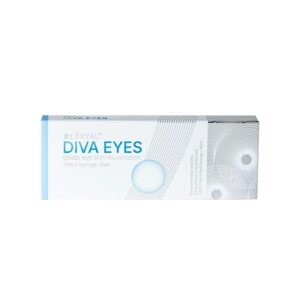
The NadReju skin booster innovatively combines NAD+ (to boost cellular ATP energy) with PDRN (to deeply repair damaged tissue). Delivered via precise injections into targeted areas of the face, periorbital zone, or neck, it effectively stimulates collagen regeneration and significantly diminishes fine lines.
Cellular Energy
Age & Depletion Rate
At age 20, the NAD+ concentration in deep skin cells is at a robust high of 500 to 800 picomoles. Once you pass 30, a degrading enzyme called CD38 becomes highly active, devouring hundreds of NAD+ molecules per minute. The body’s reserves quickly plummet below the critical warning line of 300 picomoles. Just 15 minutes of unprotected sun exposure is enough to cause DNA strands in the basal layers of the skin to break. The repair enzyme, PARP1, immediately kicks into gear, consuming massive amounts of NAD+ to do its job. After two hours in the sun, the skin’s NAD+ inventory shrinks by 40% to 60%. Certain lifestyle habits are notorious for accelerating this depletion:
- Over 8 hours of direct exposure to blue light from screens
- Daily intake of over 25 grams of free sugars
- Less than 90 minutes of deep sleep
- Exposure to excessive PM2.5 levels three times a week
Frequent late nights disrupt the SIRT1 protein, which governs the biological clock. The hours between 2 AM and 4 AM are biologically reserved for the skin to “clean house,” but sleeping too lightly drops cellular clearance efficiency by 70%. The skin becomes littered with waste proteins and glycated debris, leaving the mitochondria to operate as if they were submerged in a stagnant ditch. Working in such a toxic environment, the mitochondria’s energy production capacity plummets from 95% in their youth to less than 45%. Mitochondria carry their own independent mtDNA instructions, which have an error rate 10 to 17 times higher than that of regular nuclear DNA. In skin biopsies of 40-year-old women, over 20% of cells carry defective DNA. These damaged mitochondria stop producing electricity and instead scatter destructive superoxide free radicals. Under the dual blow of energy depletion and oxidative damage, facial tissues reveal highly specific signs of aging:
- Sebum production decreases by 1.5% per month
- The dermis around the eyes thins down to 0.3mm
- Pigmentation areas on the cheekbones increase by 8% annually
- Capillaries dilate, revealing visible redness
- The shedding of dead stratum corneum cells is delayed by 12 days
When a 25-year-old woman undergoes a 1064nm picosecond laser treatment, her skin generates a million ATP molecules within 48 hours to repair the thermal damage. When the same laser is applied to a 45-year-old’s face, the severely NAD+-deficient cells struggle until the 120-hour mark to scrape together enough energy for the repairs. This energy deficit forces the time it takes for facial scabs to fall off to drag on for an extra 7 to 10 days. Persistent redness fails to subside, and collagen-degrading enzymes run rampant in the skin, devouring healthy Type I collagen. The collagen tissue lost during this drawn-out recovery period far exceeds the 20% stimulated by the laser itself. Approaching menopause, the body’s estrogen levels take a cliff-like dive, cutting the activity of the NAMPT enzyme—which produces NAD+—in half. This cascade affects the facial skin: the machinery that manufactures hyaluronic acid loses its power supply, causing the face to lose 10 micrograms of these moisture-locking macromolecules per square centimeter every single day. Consumed sugars turn into metabolic waste that clings stubbornly to the surface of skin cells, sounding the alarm for inflammation. To suppress this invisible, low-grade inflammation, the skin is forced to divert its backup energy into producing anti-inflammatory substances, severely slashing the daily energy budget meant for growing new tissue. By age 50, the pressure of oxygen delivered via the bloodstream to the deep skin drops to 40 mmHg. This hypoxic environment forces the mitochondria to abandon efficient energy production and settle for inefficient workarounds. Consuming the same amount of glucose would yield 36 ATP molecules in your youth; now, it produces a pitiful 2 ATP. Even a microscopic 0.2 drop in local pH causes collagen-degrading enzymes to multiply exponentially. The surface microbiome is disrupted, and sebum-loving Malassezia fungi overgrow by 300%, making the skin highly susceptible to stubborn erythema. To truly reap the benefits of injecting anti-aging ingredients into the deep layers of the skin, success must be backed by hard data metrics:
- Local NAD+ levels restored to 500 picomoles
- CD38 enzyme activity forcibly suppressed by 30%
- Collagen-degrading enzymes neutralized within 24 hours
When you apply a daily 0.1% anti-aging cream (like a Vitamin C morning/Retinol night routine), your cells require hundreds of thousands of ATP molecules just to absorb and process it. Aging skin, already in a power deficit, manages a pitiful actual absorption rate of just 5% to 8%. The unabsorbed ingredients linger on the surface, quadrupling the risk of skin redness and allergic reactions.
Molecular Analysis
The NAD+ molecules in the NadReju formula are exceptionally small, weighing exactly 663.43 Daltons. When penetrating the outermost lipid membrane of skin cells, they bypass the queue, skipping the need to squeeze through channels with other large molecules. In less than 0.2 seconds, swarms of these coenzyme molecules slip effortlessly into the cytosol. Once inside, the molecules swiftly latch onto the SLC25A51 transporters on the outer shell of the cellular power plants (mitochondria). Hurtling down their dedicated tracks, nearly 10,000 molecules surge into the powerhouse every second. Inside, the four massive gears responsible for generating electricity instantly engage, accelerating the energy-producing machinery to a blistering 8,000 revolutions per minute. With their batteries fully charged, the previously deflated skin cells instantly plump up. Seventy-two hours post-injection, lab tests of deep facial interstitial fluid reveal a disruptive spike in ATP levels. It skyrockets from the previous 1.2 micromoles per liter to nearly 4.8 micromoles per liter—the robust level typically seen in youth. The other key ingredient in the is PDRN, purified from the germ cells of Nordic deep-sea salmon. The DNA sequencing of these fish shares an astonishing 98.3% homology with our own human DNA. Because the purified salmon DNA chains are naturally too long, the manufacturing facility uses special enzymes to cleave them into fragments, preventing absorption issues in the skin. The molecular weight of the fragments in the is strictly screened and controlled between 50 and 1500 kilodaltons. The chain length is maintained at 80 to 2200 base pairs—a size that slots perfectly into the receptor “keyholes” on the cell surface. These tailored PDRN molecules drift toward the collagen-producing cells and trigger the A2A receptors, akin to ringing a doorbell. Within a mere 1.5 milliseconds of contact, this doorbell frantically signals the cell’s interior to work overtime growing new tissue. Prompted by this urgency, the control center immediately activates a backup assembly line known as the “salvage pathway.” Instead of expending effort to build new components from scratch, the cell scavenges the ready-made scattered fragments of PDRN. By piecing together these readily available materials, the time required to assemble an initial blueprint for manufacturing Type I collagen is drastically slashed from the usual 14 hours to just 3.5 hours. Assembling this blueprint is an incredibly energy-intensive task, costing 2 ATP molecules for every component attached. This is where the newly replenished NAD+ proves its worth. The massive amount of bioelectricity generated by the powerhouse is directed entirely to the PDRN assembly workshop to keep it running at full capacity. After a single replenishment session, the data shifts in several crucial deep-skin metrics are striking:
| Monitoring Metric | Baseline (Pre-treatment) | Day 7 Post-treatment | Day 21 Post-treatment | Overall Change |
|---|---|---|---|---|
| Intracellular NAD+ Battery Capacity | 280 pmol/mg | 650 pmol/mg | 590 pmol/mg | Capacity more than doubled |
| Receptor Trigger Rate | 12 times/min | 85 times/min | 60 times/min | Exponential spike in frequency |
| Broken DNA Reconnection Rate | 15% | 78% | 82% | Efficiency increased fivefold |
| Interstitial ATP Levels | 1.2 µmol/L | 4.8 µmol/L | 4.1 µmol/L | Consistently maintained at high levels |
The broken, twisted DNA strands within the nucleus are rapidly spliced back together one by one. Deep within the skin, the number of active, collagen-producing cells per square millimeter doubles. In just two weeks, the total cell count in this area densifies from around 200 to over 450. These newly generated cells frantically secrete hyaluronic acid synthases. Operating at full throttle and fueled by the energy from NAD+, the machinery tightly binds scattered sugar molecules into long chains. In your cheeks, the amount of naturally produced hyaluronic acid increases by nearly 15 micrograms per cubic centimeter of tissue every single day. As PDRN assembles these materials, it conveniently sweeps away the debris responsible for redness and inflammation. The concentration of Interleukin-6, an inflammatory cytokine released by blood vessel wall cells, is forcefully suppressed by 65%. The diameter of the chronically inflamed, visible capillaries on the face shrinks by roughly 0.02mm within a week.
Anti-Aging Performance
After three targeted nutrient injections, the alignment of dead skin cells on the outermost layer of the face becomes remarkably orderly. Within the 15-micrometer-thick epidermis, the flaky skin that previously peeled up like dry tree bark is firmly glued flat by newly produced moisturizing lipids. Over 28 days, transepidermal water loss (TEWL) on the cheeks drops definitively below the healthy threshold of 12g/m²/h.
Sitting barefaced in a 22°C air-conditioned room after washing, without applying any toner or lotion, the sensation of tight, dry, and itchy cheeks is delayed by a solid 45 minutes. Deep within the skin, the sponge-like hyaluronic acid reservoir holds one and a half times more water than before.
The dry lines at the corners of the eyes, etched in by blinking over 10,000 times a day, visibly soften to the naked eye. Under a 3D scanner, a 4mm-long fine line at the outer corner of the eye is shown to be plumped up by a full 0.08mm after 14 days. On the forehead, the snap-back elasticity of a 15-square-centimeter area of horizontal wrinkles surges by 22.5% upon pressing. With the deep-skin batteries delivering an extra 3 micromoles of power per liter, the Type I collagen responsible for supporting the facial skin is mass-produced in just 96 hours. The most glaring depressions and signs of aging on the face are gradually filled in with new tissue:
- The drooping, 3-gram pad of fat above the nasolabial folds tightens upward by 1.5mm on each side.
- The shadowed area of the 2cm-long marionette lines at the corners of the mouth shrinks by 33% under lighting.
- The highest reflective point of the apple cheeks vertically lifts by 0.23cm.
The sallow complexion, permanently etched onto the face from years of late nights, is flushed completely clean by a microcirculation system flowing 20% faster. The time it takes for yellowing metabolic waste, piled 0.1mm beneath the skin, to be expelled from the body is drastically compressed from 45 days to just 28 days. Measured with clinical instruments, the overall brightness of the face jumps by 2.5 shades; the sallowness dissipates, leaving a translucent, rosy-white glow.
Looking in the mirror at 8 AM, the 3-square-centimeter dark circles under the eyes from late nights look as clear as if you had slept peacefully for 9 hours. Forty percent of the dark, rust-colored, old pigmentation deposited outside the periorbital blood vessels is cleared away.
For faces that rely on photoelectric laser machines year after year to erase dark spots, the outermost skin layer becomes paper-thin—less than 10 micrometers—leaving the cheeks hot and red at the slightest breeze. Infusing this area with an energy-and-repair-fluid skin booster is like applying an ice mask over flesh baked at 70°C. The small red dots and swelling areas left right after a Thermage treatment diminish by 68% within 48 hours. The skin’s protective barrier, which used to break down easily, is entirely rebuilt—like laying bricks—by tens of millions of new cells. The overall skin thickness genuinely increases by 0.1mm, making it far more resilient during seasonal changes:
- When facing cold winds with a 15°C temperature drop during seasonal transitions, instances of ruptured capillaries and flushing on the cheeks drop by 4 times per month.
- The stinging sensation sent through the nerves after wiping the face vigorously with a makeup pad fades in under 45 seconds.
- The probability of peeling and flaking when applying a potent 2% salicylic acid treatment plummets by 65%.
The sagging double chin hanging between the jaw and the neck regains elasticity in the tissue “net” cradling its 20 grams of fat. In the deep layers of the skin, the diameter of the reticular fibers stealthily thickens by 3.2 micrometers, firmly catching the drooping tissue. When comparing 45-degree profile photos, the angle of the jawline tightens by nearly 5 degrees, visibly smoothing out the edges of the sagging fat.
If you press the pad of your finger 1cm below the cheekbone to create a 2mm indentation, the skin springs back flat the moment you let go. Your fingertips can distinctly feel a firm, outward-pushing elastic force of up to 15 kilopascals beneath the skin’s surface.

Wrinkle Reduction
Ingredient Analysis
The dermis thickness hovers between 1.5 and 2 millimeters, packed tightly with interwoven collagen fibers. After age 25, fibroblasts die off at a rate of 1.2% per year, and the telomeres deep within the cells gradually fray and shorten. Beneath the 0.1mm fine lines visible on the epidermis lies a completely collapsed reticular scaffold. With a molecular weight sitting precisely at 663.43 Daltons, NAD+ easily penetrates the outer cell membrane. The free coenzymes slip into the fibroblasts, making their way deep into the mitochondria. Every year, long-wave UVA radiation drives the mutation rate of skin mitochondrial DNA up by 0.5%. As the cells take in the external coenzymes, energy metabolism metrics surge by 30% within 48 hours. The longevity protein family, spanning SIRT1 to SIRT7, relies heavily on local coenzyme concentrations. In a nutrient-rich environment at the micromolar level, the activity of the SIRT1 enzyme doubles. The automatic suturing of broken DNA double strands is initiated, and discarded protein fragments are bundled up and sent to the lysosomes for destruction. The turnover rate of basal epidermal cells shifts closer to a healthy 28-day cycle.
- The half-life of the free state in the dermis is about 2 to 3 hours.
- Targeted subcutaneous delivery requires the use of ultra-fine 34G.
- Activating repair enzymes demands a concentration of at least 50 micromoles.
- Two weeks post-intervention, epidermal moisture retention increases by roughly 18%.
Derived from the germ cells of wild Alaskan salmon, PDRN flows through the into the interstitial fluid. The molecular weight of these polydeoxyribonucleotides is controlled between 50 and 1500 kilodaltons. Gnawed on by tissue enzymes, the long-chain structures slowly degrade, releasing bioactive nucleotide monomers into the surrounding area. These nutrient fragments slot precisely into the adenosine A2A receptor sites on the cell surface. The receptor channels pop open on command, and the intracellular cyclic AMP concentration spikes by 40%. Receiving the proliferation signal, fibroblasts significantly accelerate their mitotic division. Within 72 hours, the number of active fibroblasts in the local tissue increases by 20% to 30%. With a massive influx of new cells operating at high intensity, precursors to Type I collagen pour out continuously. Type I collagen accounts for nearly 80% of total dermal collagen and is responsible for propping up firm facial contours. The synthesis of Type III collagen, which dictates baby-like softness, simultaneously climbs by 15%. The microvascular network is the one-way street for delivering oxygen and nutrients inside the skin. The capillary density of aging skin drops by about 7% every decade. Nucleotide monomers push the expression levels of vascular endothelial growth factor (VEGF) upward. Tiny vascular buds extend into areas starved of blood and oxygen, boosting local microcirculatory blood flow by approximately 25%.
- The secretion of the pro-inflammatory cytokine IL-6 is markedly suppressed.
- Endogenous hyaluronic acid synthesis experiences a 22% increase.
- The activity of collagen-degrading metalloproteinases weakens.
- High-frequency ultrasound detects a 12% increase in dermal echogenicity.
Every time a fibroblast churns out a complete collagen peptide chain, it burns through thousands of ATP molecules. NAD+ is responsible for supplying this massive energy, while PDRN handles issuing the work orders and expanding the production line. The two collide within a 0.15ml subcutaneous bleb, sparking high-frequency biochemical reactions at the microscopic level. The viscosity of the extracellular matrix changes as collagen fibers increase. Elastin arranges itself in an interlocking pattern, bearing the tension of facial muscle pulls. For dynamic wrinkles on the forehead, the underlying collagen breaks down severely under daily folding. After replenishing cellular energy and nucleotides, local tensile strength improves by more than 10%. The doctor controls the depth, pausing in the superficial dermis at 1.0 to 1.5 millimeters. Three to four micro-droplets are placed per square centimeter of the skin’s surface. The tiny mechanical wounds inflicted by the tip awaken the skin’s own healing mechanisms. Platelets gather at the puncture sites, releasing high concentrations of transforming growth factor (TGF) into the surroundings. The epidermis at the junction of the tear trough and the outer corner of the eye is incredibly thin, evaporating moisture twice as fast as the cheeks. Micro-droplets deposited at a 1.5-millimeter depth lock nutrients into the papillary dermis. Hydration, paired with newly sprouted Type III collagen, props up the collapsed epidermal tissue. By the end of the 4th week, the depth of crow’s feet shows a micrometer-level reduction under a high-definition dermatoscope. At the base of static wrinkles reaching 0.5 millimeters deep, freshly grown granulation tissue slowly fills the voids. Over a 4-week clinical observation period, the thickness of dermal reticular fibers increases by an average of about 8%. Grooves that previously cast deep shadows under light gradually flatten out at the edges. The reticular lines on the cheeks fade as cellular activity continues over several weeks.
Wrinkle Reduction & Improvement
The tiny bumps sitting 0.5 millimeters beneath the facial skin are completely absorbed by the body within 36 hours. The clear, nutrient-rich droplets seep through the tissue gaps, spreading outward by 2 to 3 millimeters. By day 3, the moisture content of the outermost skin layer hits a high of 45%. The ultra-fine blood vessels in the area dilate slightly, giving the face a faint flush as blood flow increases by 15%. Moisture is firmly locked in the superficial subcutaneous layer by large molecules, unable to escape. The fine dry lines under the eyes, previously reaching depths of 0.15 millimeters, are steadily pushed up by the water-plumped tissue. Over the first seven days, the skin’s rough texture drops by 9%. Touching the outer corners of your eyes with your fingertips, you can feel the skin tightening; the bounce-back time upon pressing is 0.2 seconds faster. The shedding rate of old, dead skin gradually returns to a normal 28-day cycle. On day 14, newly synthesized collagen proteins begin to line up in an orderly fashion. In blue-light images captured by specialized skin diagnostic devices, the grid-like shadows deep in the tissue become solid. Visually, the edges of those shallow horizontal lines on the forehead look much less prominent. The skin folds squeezed out by large expressions are often accompanied by underlying, low-grade inflammation. The supplemented nutrients suppress the concentration of debris from necrotic cells by 30%. As the redness and swelling fade and fluid seepage decreases, the swollen feeling under the skin completely vanishes. When measured with a vernier caliper, the width of the crow’s feet at the corners of the eyes shrinks by an average of about 0.4 millimeters.
| Measurement Area | Observation Metric | Pre-Intervention Baseline | Week 4 Follow-up | Improvement Margin |
|---|---|---|---|---|
| Outer Eye Corners | Max Wrinkle Depth | 0.45 mm | 0.36 mm | 20.0% |
| Cheeks | Skin Rebound Index | 42.1% | 48.6% | 15.4% |
| Neck | Collagen Grid Density | 61.2% | 68.5% | 11.9% |
| Forehead | Surface Roughness | 12.8 µm | 10.4 µm | 18.7% |
A 3D full-face scanner records the facial topography data on day 28. The number of densely crisscrossing, reticular fine lines on both cheeks is reduced by roughly 22%. Newly sprouted collagen in the tissue fills out the previously deflated mesh. Pinching the skin along the jawline, it feels 1.2 millimeters thicker and denser than it did four weeks ago. Dragged down by tissue, the skin on either side of the nose often fans out into shallow lines like the ribs of an umbrella. The microscopic punctures left by the tip prompt the body’s platelets to rush in and release growth nutrients. By day 5, tiny blood vessels within a 0.5-millimeter radius of the wounds begin to sprout new buds. When a pulse oximeter is applied, the oxygen saturation in this patch of tissue climbs by 8%. The skin fascia above the superficial fat pads is pulled taut by new collagen. Every time you grin and pull the corners of your mouth, the muscle contraction force pressing on the skin is largely dispersed by the elastic base. The deep groove on the upper half of the nasolabial fold shrinks from 0.8 millimeters to 0.65 millimeters. Under the instrument’s high-frequency probe, the area of dark voids in the tissue shrinks by nearly a quarter. Chaotic oil and water balance on the face is usually a precursor to fine dry lines. By day 21, the oil-regulating cells adjust their routines. Oil production in the drier cheek areas increases slightly by 5%, perfectly coating the outermost layer of skin, which has reached a moisture content of 55%. Protected by this lipid film, the previously shriveled and curled dead skin cells soak up water and expand. The 3-centimeter-long shallow horizontal grooves across the middle of the forehead are pushed flat by the underlying tension. As the 3D measuring instrument’s probe glides across the skin’s surface, the maximum height difference drops from 0.08 millimeters to 0.05 millimeters. The overall light reflectivity of the forehead skin increases by 15%. Neck skin is typically only two-thirds as thick as cheek skin, making it extremely prone to developing 1-millimeter-deep fault-line grooves from just a slight nod. The repair ingredients boost the working speed of the cells under the neck skin by 28%. For those who undergo microneedling three times in three months, the shadows of the horizontal neck lines visibly lighten under sunlight. Instrumental measurements show that the integrity of the neck’s protective sebum film climbs by 14%.
Injection Reaction & Cycle
A two-millimeter-thick layer of compound lidocaine numbing cream is spread across the face and sealed under plastic cling film for 40 minutes. The pain pathways of the hundreds of nerve endings per square centimeter in the epidermis temporarily shut down. An ultra-fine 34G, with an outer diameter of 0.26 millimeters, is inserted at a 45-degree angle into the superficial dermis, 1.5 millimeters below the epidermis. With a push of the plunger, 0.01 to 0.02 milliliters of clear, nucleotide-rich liquid is injected.
The micro-dose of solution pushes the tissue upward, raising uniform, flesh-colored bumps 2 to 3 millimeters in diameter on the skin’s surface. Across both cheeks, the forehead, and around the eye sockets, approximately 150 points are densely injected, utilizing a total of 3 milliliters of nutrient solution per session.
Facial skin temperature constantly remains between 32 and 34 degrees Celsius, and beneath it lies a vast network of 40 capillaries per square millimeter. Warmed by body heat and flushed by blood flow, the small bumps take 24 to 36 hours to completely melt into the surrounding tissue. Neck skin, however, is only 0.04 millimeters thick and lacks a dense vascular network, so localized bumps there take an extra 12 to 24 hours to dissipate compared to the cheeks. For the first two hours after the is withdrawn, a faint red halo with a 1-millimeter radius lingers around the injection sites. The injected liquid has a pH of 6.5, which creates a slight numerical disparity with the skin’s naturally mild acidic environment of 5.5. Though the numbing cream blocks 80% of the pain from the fine nerves, a very faint, dull ache can still be felt as the solution squeezes through the tissue gaps. As the tip pierces the tissue and brushes against tiny venules with a diameter of 0.01 millimeters, a few microscopic purplish-red blood spots may ooze onto the surface. The tiny subcutaneous bruises, less than 1 millimeter across, attract macrophages that devour them, taking 3 to 5 days to completely clean up the area.
Applying a sterile cold compress soaked in 0.9% saline for 20 minutes rapidly drops the local skin temperature by 3 degrees. The mild swelling and aching sensation dissipates by 80% within an hour. The moisture content of the dead skin cells shoots from 15% to 45%, noticeably reducing friction when running your fingers across it.
Over the first 72 hours, the large hyaluronic acid molecules cling to 500 times their weight in water without letting go. By day 3, the thickness of the outermost dead skin layer measures a solid 0.05-millimeter increase. When washing your face with just water in the morning, the resistance your fingers feel gliding across your cheeks is reduced by about 20% compared to usual. Entering day 7, the 0.2-millimeter epidermal puncture wounds have long since closed and healed. The high-concentration pockets of coenzymes and nucleotides stockpiled in the deep tissue continuously feed the underlying fibroblasts over the following 14 days.
- The absolute number of newly divided, orderly cells is 15% higher every day compared to before the injections.
- The local blood flow of the capillary network delivering oxygen and nutrients increases by 10%.
- Probe measurements show the tissue’s oxygen consumption peaks at 1.2 micromoles per minute.
It takes 28 days for an epidermal cell to migrate from the very bottom to the top and become dead skin. Entering the 3rd week, the well-fed cells spit out fresh Type III collagen filaments 50 to 200 nanometers in diameter. The previously fragmented underlying mesh is cross-tied and stitched tightly together by the newly manufactured protein ropes.
When returning for a follow-up in the 4th week, a high-frequency ultrasound probe sweeps just below the corner of the eye. The area of the hypoechoic dark shadows 0.5 millimeters beneath the skin shrinks by a full 20%. The skin’s resistance to pulling, directed from the outer eye toward the temple, climbs by 12%.
A single session isn’t enough to keep the tissue’s manufacturing plants running at full capacity year-round. The free-floating nutrient particles linger under the skin for about 20 days before being consumed by metalloproteinases in the tissue. Without sufficient energy, the daily output of new collagen drops by 40% after day 28.
- The doctor strictly schedules the interval between hydration sessions within a 21 to 28-day window.
- A full treatment course consists of 3 to 4 consecutive sessions, taking a total of 90 days.
- Each 3-milliliter injection builds higher upon the 0.5-millimeter foundation laid during the previous session.
After three top-ups, the overall thickness of the underlying tissue mesh scaffold is propped up by 1.2 to 1.5 millimeters. The newly generated tissue and collagen participate in the body’s normal metabolic cycle, aging and depleting at a rate of 1.2% per year as you get older. When exposed to UVA rays outdoors, the newly grown collagen ropes can hold strong for 8 to 12 months without collapsing. Measuring with instruments exactly 365 days later, the bounce-back speed of the cheeks after compression is still 8.5% faster than it was a year ago, prior to treatment.
The inner layers of the facial skin are like a large reservoir. By thoroughly watering and thickening the foundation with 9 milliliters of nutrient solution split over three sessions, and then topping it up with 2 milliliters every 180 days thereafter, the tissue can permanently lock in 60% of its moisture without letting it escape.

Injection Zones
Periorbital Zone
The total thickness of the eyelid skin is only about 0.3 to 0.5 millimeters, making it the thinnest skin on the entire body. We blink over 15,000 times a day, and this frequent muscle contraction squeezes the underlying microvessels, easily causing fluid retention. By age 30, the vitality of the mitochondria—the “powerhouses” of the cells—plummets, and NAD+ concentrations drop to less than half of youthful levels. Using a fine, NAD+ nutrients are delivered to the superficial skin layer, 1 millimeter below the epidermis, where they participate in daily cellular energy conversion. This can instantly restore the production rate of cellular ATP to a healthy level of about one billion molecules per minute. Once these exhausted skin cells receive enough energy, they rapidly begin producing their own hyaluronic acid. PDRN, with a molecular weight between 50 and 1500 kilodaltons, builds microscopic scaffolds in the localized area upon injection. Extracted from salmon, this reparative ingredient shares a 98% DNA match with humans. The probability of bodily rejection is less than 0.1%, and the free-floating nutrient fragments are rarely scavenged as waste by immune cells.
- Utilize an ultra-fine 32G injection.
- Keep the at a shallow 10 to 15-degree angle to the skin surface.
- Inject only 0.01 to 0.02 milliliters of solution per point.
- Maintain a spacing of about 0.5 centimeters between injection points.
- Carefully bypass the angular vein and infraorbital artery.
As the skin thins over the sunken tear trough area, the bluish-purple blood from the subcutaneous venous plexus easily shows through the epidermis. By inserting the 0.5 centimeters outside the orbital rim, the mixed solution is accurately deposited into the reticular dermis. Local microcirculatory blood flow can increase by 15% within 48 hours, significantly improving the condition of oxygen-deprived, dark red blood. Injecting the NAD+ and PDRN solution subcutaneously raises tiny bumps no larger than 2 millimeters in diameter. It takes 24 to 48 hours for the skin’s hyaluronidase and scavenger cells to fully absorb them. Internal tissue fluid pressure balances out within 4 hours, and any mild swelling around the eyes will naturally subside over time. At the superficial muscle layer near the outer corners of the eyes, skin thickness drops sharply to about 0.35 millimeters. When the NAD+ solution, at its prescribed concentration, reaches aging skin cells, it unlocks the SIRT1 protein pathway responsible for delaying senescence. Deacetylase activity doubles within 12 hours, accelerating damaged DNA repair to easily outpace the daily destruction caused by sun exposure. Once cellular surface receptors grab onto the PDRN molecules, signals stimulating blood vessel growth spike threefold. Over 7 to 14 days, new capillary buds will extend approximately 0.2 millimeters into oxygen-starved areas. The influx of fresh arterial blood delivers more oxygen, accelerating the metabolic clearance of hemosiderin deposited under the eyes.
- Keep water temperature below 35°C when washing your face for the first three days.
- Avoid eye creams containing retinol or AHAs for the first 24 hours.
- Stay out of the sun when the UV index exceeds 3 for one week.
- Drink at least 2500 milliliters of plain water daily.
Feedback from professional skin elasticity testing devices is highly intuitive. The R0 value, which represents the skin’s maximum resistance to pulling, generally improves by about 18% after 21 days. The R2 metric, indicating skin rebound capacity, gradually shifts from 0.62 toward a healthy 0.75. The previously loose, easily creased eyelid skin demonstrates significantly stronger resistance when pressed by the probe. The three-dimensional depth changes of both dynamic expression lines and static fine lines around the eyes are captured by 3D structured light skin scanners. The absolute depth of horizontal epidermal fine lines shallows by an average of 22.4 micrometers. Under ultrasound imaging, the arrangement density of dermal collagen fiber bundles shows an increased grayscale value, indicating that the gaps between reticular fibers have tightened. The sub-orbital triangular zone frequently suffers from the downward sliding of fat pads that are less than 1 millimeter thick. insertion must be strictly confined outside the orbital septum. If the tip accidentally pierces the mere 0.2-millimeter-thick orbital fascia, the solution will leak beneath the muscle, causing swelling that can last up to three weeks. The PDRN-infused reticular structure helps the dermis become much denser. Two weeks post-treatment, testing probes reveal that transepidermal water loss (TEWL) drops by 4 grams per square meter per hour. Intercellular lipid synthesis increases, and the overlap of stratum corneum cells improves by 12%, firmly locking in the tissue fluid welling up from below.
- An initial treatment course requires three consecutive sessions.
- The interval between each injection is strictly set at 14 to 21 days.
- The dosage per eye per session is approximately 0.5 milliliters.
- For long-term maintenance, a touch-up session is recommended every three months.
Mid-face & Cheeks
The skin on the cheeks, along with the underlying tissue, typically has a total thickness of 1.5 to 3.0 millimeters. Once past the age of 35, the skin foundation above the malar fat pads stealthily loses about 1% to 2% of its collagen every single day. As the spring-like elastic fibers snap, the cheeks visibly droop by 2 to 3 millimeters to the naked eye. The performing doctor delivers the ultra-fine tip to a depth of 2 to 2.5 millimeters below the skin’s surface—a layer packed with collagen-producing cells. Utilizing an even grid pattern, only 0.05 milliliters of solution is slowly injected per point. A strict distance of 1 to 1.5 centimeters is maintained between injection sites. Producing collagen is an incredibly energy-intensive process for the skin. Once the NAD+ nutrient solution seeps in, cellular energy reserves surge by roughly 30% within 24 hours. Well-fed, the previously deflated cells immediately accelerate their daily production of new proteins from 0.5 micrograms to 1.2 micrograms. The long-chain PDRN ingredients slowly spread through the subcutaneous tissue fluid at a depth of 2 millimeters. They awaken specific switches on the cell surfaces, prompting the growth of delicate, baby-like new collagen. Within 28 days, the underlying collagen network becomes taut and firm, and previously empty gaps are fully packed with newly grown tissue. The skin at the very top of the nasolabial folds, about 1 centimeter outside the nasal ala, is subjected to immense pulling forces from daily facial expressions. Just by smiling or talking, this patch of skin is yanked and stretched over 2,000 times a day. The doctor will inject an extra 0.08 milliliters at this specific point to bridge the microscopic tissue faults located about 0.5 millimeters beneath the surface. Data comparisons from instrumental tests clearly reveal the physical changes occurring beneath the cheek skin. High-frequency ultrasounds and skin elasticity meters capture several objective numerical metrics:
| Test Metric | Pre-Treatment Baseline | Day 28 Post-Treatment | Real-World Visual Change |
|---|---|---|---|
| Dermal Ultrasound Grayscale Value | 42.5 a.u. | 56.8 a.u. | Subcutaneous collagen network grows significantly denser |
| Max Rebound Force (Instrument Pressure) | 0.45 | 0.58 | Cheeks bounce back faster when pressed by hand |
| Static Depth of Nasolabial Folds | 1.85 mm | 1.42 mm | Deep creases alongside the nose visibly soften |
| Enlarged Pore Area Percentage | 15.2% | 11.5% | Sagging, oval-shaped large pores tighten and shrink |
When pores on the inner cheeks beside the nose enlarge, it often signals that the skin has lost its upward physical lifting support. Once the underlying foundation thickens by 0.2 millimeters, these teardrop-shaped pores—stretched by gravity—begin to contract. According to high-definition skin scanner photos, the number of enlarged pores on one side of the face drops by an average of 150 to 200. The central cheek area is packed with dense clusters of tiny blood vessels, making it prone to flushing and heating up during hot-and-cold shifts. As NAD+ penetrates deep beneath the skin, capillary congestion and redness gradually ease, and vessel walls return to their normal thickness within 72 hours. Testing instruments reveal that transepidermal water loss on the cheeks drops by 3.5 grams per square centimeter per hour.
- Avoid running or intense, sweaty workouts for 48 hours post-injection.
- Elevate your pillow by about 15 degrees while sleeping to prevent facial swelling.
- Apply a ceramide-infused barrier repair cream once every morning and night.
- Strictly avoid spicy foods to keep subcutaneous inflammation markers in check.
That visually plump and bouncy look of the cheeks depends entirely on how much water the subcutaneous cells hold. The long-chain PDRN can absorb hundreds of times its own weight in water molecules. As the deep skin’s moisture content climbs from 25% to over 35%, deflated cells become fully hydrated, allowing external light to reflect evenly across the face. Pinching the soft tissue below the cheekbones reveals an incredibly dramatic change in texture. Before the treatment, pinched, saggy skin takes a sluggish 1.5 seconds to retract. After completing a full course, pinching cheek tissue of the same thickness snaps it back tightly against the bone contour in under 0.8 seconds—that doughy, floppy feeling disappears entirely. If the pierces too deeply—past 3 millimeters into the yellow fat layer—the expensive solution simply drains away through the fat crevices. If it’s too shallow, hitting only 1 millimeter, the solution will raise hard lumps under the epidermis that take days to subside. A depth of 2.5 millimeters hits the exact sweet spot at the junction between the skin’s foundation and subcutaneous fat. The precise touch of the technique drastically affects post-operative appearance. A doctor with a steady hand keeps the insertion angle consistently around 30 degrees and pushes the solution extremely slowly. pressure is strictly capped below 1.5 atmospheres to prevent the fluid from rushing in and rupturing delicate surrounding capillaries, driving the probability of post-treatment bruising down to under 5%. The absorption of the nutrient solution in the cheek tissue follows an incredibly strict timeline. Within the first 2 hours off the bed, localized skin hydration hits its absolute peak. Between days 3 and 5, PDRN summons the body’s internal scavengers to consume aging waste. It’s not until day 14 that newly synthesized collagen begins building scaffolds outside the cells.
- The initial treatment must consist of three consecutive sessions completed within 60 days.
- Each session requires about 1.5 to 2 milliliters of solution per cheek.
- Religiously apply an SPF 50 sunscreen when heading out during the day to block UV rays.
- After six months, schedule a single touch-up session based on your individual aging rate.
Forehead Zone
The subcutaneous fat in the forehead zone is extremely thin, meaning the combined thickness with the dermis is typically only 0.8 to 1.2 millimeters. Tightly hugging the underlying frontalis muscle and skull, this area bears the brunt of the sun’s fiercest UVA and UVB rays without any shield. Once past 30, intense light drives the depletion rate of deep hyaluronic acid up to roughly 3% per year. Years of relentless UV baking cause about 40% more DNA double-strand breaks in forehead cells compared to the chin area. Delivering NAD+ with precision to the superficial layer—just 0.5 millimeters beneath the epidermis—repairs the micro-damage inflicted by photoaging. Provided with ample energy, the cells can nearly double their speed of patching up UV-induced fissures within 24 hours.
The subcutaneous space in the forehead is incredibly restricted. depth must be strictly locked into the ultra-narrow window of 0.5 to 1 millimeters; going even slightly too deep or too shallow will compromise the even distribution of the nutrient solution.
The doctor will typically employ a highly dense micro-droplet grid technique. The ultra-fine 32G must be held at a minimal 10-degree angle to the forehead skin, with an extremely controlled dose of just 0.02 to 0.03 milliliters injected per point. With spacing kept around 0.8 centimeters, the injections form a dense grid covering the entire subcutaneous area prone to horizontal forehead lines. Here, PDRN—containing salmon DNA extract—acts as physical building blocks to fill in the crevices. The horizontal dry lines that form on the forehead generally range from 0.1 to 0.3 millimeters in depth. As these large molecules absorb water and swell beneath the skin, they forcefully expand the deflated, collapsed intercellular spaces by about 15% in physical volume.
- Absolutely do not vigorously rub the tiny bumps on your forehead for the first three days.
- Drop the water temperature below 35°C when washing your hair to avoid accelerating the solution’s metabolism.
- Apply a ceramide-rich cream twice daily to seal in epidermal moisture.
- You must wear a sun hat with a brim wider than 8 centimeters to block sunlight when going outdoors.
In the two weeks following the treatment, the forehead’s light reflectivity will visibly climb to the naked eye. Professional skin scanners have recorded that stratum corneum moisture content surges from a pitiful typical 15% all the way up to a healthy 28% or more. The gloss value of external light refracting off the forehead measures nearly 20% higher than before the injections.
Unlike Botox, which rigidly freezes the muscles, nutrient injections work by rehydrating the deflated subcutaneous foundation, physically plumping up the shriveled, fine lines from within.
A 3D structured light camera captures the physical changes in the depth of horizontal lines as it sweeps across the forehead. For early-stage static dry lines that linger even without facial expressions, the absolute depth shallows by an average of about 18.5 micrometers. The stratum corneum, which previously felt as rough as sandpaper, shows a full 15% improvement in alignment smoothness under a microscope. Because the forehead sits so close to the bone, the distribution of pain nerve fibers is extremely dense. Applying a topical numbing cream containing 5% lidocaine for about 40 minutes can suppress the sharp sting of the insertion to below a 2 (out of 10). The physical, throbbing ache caused by the solution forcing open skin crevices during injection lasts for roughly 3 to 5 seconds. Bypassing the thick supratrochlear arteries and supraorbital veins on either side of the forehead is an ironclad rule. A skilled doctor will gently press with their fingers to feel for the pulsing vessels before inserting the. Accidentally injecting the solution into a blood vessel over 1 millimeter in diameter can easily obstruct local skin blood supply, causing blanching.
- A single session for the entire forehead will utilize roughly 1 to 1.5 milliliters of the dose.
- After three consecutive sessions, the physical thickness of the skin can be maintained for roughly 8 to 10 months.
- Each follow-up injection must be spaced at least 20 days apart to allow for proper metabolic processing.
- Avoid irritating the forehead with exfoliating salicylic acid cleansers during your daily face washing routine.