In today’s medical aesthetics field, minimally invasive procedures have garnered significant attention for their minimal downtime and natural-looking results. Among these, Regenovue Aqua Shine Plus (a skin booster product) has increasingly become a popular choice for treating skin dryness, fine lines, and uneven texture.
Hydration Levels
Formulation & Mechanism of Action
A 3 cc contains high-purity hyaluronic acid (HA) at a concentration of 15 mg/mL, a precise formulation that allows the skin to intensely hydrate without causing localized swelling. The manufacturing process strictly suppresses residual cross-linking agents to below 0.002%. This ultra-low residual level yields a distinct physiological benefit: post-injection facial erythema is drastically reduced to a mere 12 to 24-hour window. Through a 4% to 5% micro-crosslinking process, the HA molecules bond to form a three-dimensional network. The human body’s native HA is highly susceptible to enzymatic cleavage, typically surviving for only 24 to 48 hours. Following this micro-crosslinking treatment, the molecular network’s resistance to degradation doubles exponentially, allowing it to remain stable in the subcutaneous tissue for 90 to 120 days. The procedure utilizes a specialized 9-pin suction module with an outer diameter of only 0.23 mm (32G) or 0.18 mm (34G). Every single injection precisely dispenses a volume between 0.0125 and 0.015 mL, with a margin of error under 0.001 mL. Penetrating to a depth of 1.2 to 1.5 mm, the perfectly bypass major blood vessels to land securely within the papillary dermis. This specific skin layer harbors 200 to 300 fibroblasts per square millimeter, which reside in a chronic state of dehydration. Once injected, the HA exerts a powerful osmotic pressure of 280 mOsm/kg, forcefully drawing in free water molecules from surrounding blood vessels. Within just 3.5 hours, the liquid volume in this targeted area surges by 15.5% to 20.2%.
- Molecular Size: Dual-track distribution of 1 to 1.5 million Daltons
- Acid-Base Environment: Isotonic phosphate buffer at pH 7.23
- Elasticity Index: Mechanical modulus stabilized within the 45 to 50 Pa range
- Purity Standard: Allergenic endotoxins strictly below the 0.05 EU/mg threshold
Upon absorbing water, previously shriveled and deformed collagen fibers expand, recovering their original tensional diameter of 12 to 15 nanometers. CD44 receptors on cell surfaces detect the surrounding 3 to 5 mg/g concentration of HA and immediately activate. Cellular metabolic efficiency climbs by 32%, frantically producing new collagen at a rate of 15 picograms per hour. By 120 hours post-procedure, the absolute water content in the deep skin layers hits its physiological peak. The previously high transepidermal water loss (TEWL) rate of 18.5 g/m²/h is forcefully halted, demonstrating a measured decrease of over 25.3%. The 15 to 20-micrometer thick epidermis receives ample logistical supply, and the keratinization shedding cycle is precisely reset to 28 days. The increased hydration alters the optical parameters of the stratum corneum, dropping its surface refractive index from a parched 1.55 to a near-water 1.33. Measurements of directional reflected light at specific angles show an 18% increase, giving the face a remarkable translucency. Under the strain of 10,000 daily micro-expressions, the highly hydrated matrix buffers mechanical compression, with 3D scanning revealing a 40% reduction in fine line depth. When positioned in a dry, air-conditioned room with a relative humidity below 30% and a water vapor pressure deficit exceeding 1.5 kPa, the underlying reservoir evenly distributes moisture upwards. Continuous 72-hour monitoring data from a Tewameter confirms that liquid water steadily permeates the upper layers at a rate of 0.22 g/m²/h, maintaining round-the-clock hydration.
- Day 3: The 0.015 mL micro-droplets fully disperse, and the 0.2 mm micro-puncture marks fade.
- Day 7: Corneometer readings for epidermal stratum corneum hydration strongly break past 55 a.u.
- Day 14: The measured abnormal sebum secretion rate of the hydrolipid film drops significantly by 12.4%.
- Day 30: High-frequency ultrasound probes detect an average dermal thickening of 0.12 mm.
The 0.3% (3 mg/mL) lidocaine integrated into the formulation blocks nerve sodium channels within 2 to 3 minutes, suppressing the pain score from a 5 down to a 1.8. With facial muscles thoroughly relaxed, the device smoothly suctions the skin using a negative pressure of -250 to -300 mmHg and a pulling force of 0.5 Newtons, securely capping the medication leakage rate below 4.5%. The 0.5 mg/mL of various amino acids injected alongside the HA make up 52.3% of the total collagen weight, acting as genuine structural building blocks. Trace amounts of copper and zinc ions boost the antioxidant activity of superoxide dismutase by 15.8%. Tens of picomoles of destructive oxygen free radicals per cubic millimeter are neutralized on the spot. Months later, the high-purity polysaccharides decompose into H2O and CO2, with a total residual rate of less than 0.1%. During this 120-day golden retention period, the vascular network, measuring 10 to 50 micrometers in diameter, gradually flourishes, and localized oxygen partial pressure surges to 40 mmHg. The clearance rate of melanosomes doubles, the dermal-epidermal junction thickens by 10 micrometers, and anti-friction resistance reaches 50 g/cm².
- Month 1: Establishes a foundational hydration layer at a 1.5 mm depth; net water content rises by 18%.
- Month 2: Precisely replenishes the 3% to 5% gap naturally depleted by free endogenous enzymes.
- Month 3: Basal cells operate at full capacity, boosting the daily production of endogenous HA by 20%.
- Maintenance: Regular 3 cc top-ups every 90 to 120 days stabilize the high subcutaneous concentration at 75%.
Expectations & Epidermal Changes
During the initial 24 hours after the puncture holes close, the outermost stratum corneum of the epidermis receives a strong hydration signal. The moisture content here rapidly breaks away from the parched norm of 10% to 15%, climbing steadily to surpass 22%. That familiar tight, dry sensation after washing the face without immediately applying moisturizer completely vanishes. By day 3, high-definition spectral images captured with a VISIA skin analysis system show the area of porphyrin fluorescence on the forehead and cheekbones shrinking by an average of 17.4%. Moisture surging from the underlying layers dilutes the oil secreted by sebaceous glands. The measured facial sebum output drops from 3.2 micrograms per square centimeter down to a fresh 1.8 micrograms. When washing the face on day 7, the physical resistance of fingers gliding across the cheeks is noticeably reduced. Instrumental recordings show the friction coefficient dropping by approximately 0.15 μ. Under the highly hydrated state of 55 a.u., faintly visible flakes of dead skin stick smoothly to the surface, causing the roughness (Ra value) to plummet by 28%. The perfect canvas for base makeup arrives right on schedule two weeks post-procedure. Viewed under a dermatoscope at 50x magnification, enlarged pores over 50 micrometers in diameter shrink their visual edges inward by 12% to 15% after drinking in the moisture. Titanium dioxide particles in liquid foundation no longer find sunken pits to crease into, achieving a 98% even application across the entire face. Data captured by a 3D structured light scanner focusing on dehydration lines across both cheeks reveals that the vertical depth at the base has been padded upwards by an average of 0.08 mm, while the width has narrowed inward by nearly a third. The scattering angle of light entering the epidermis is compressed, giving the cheeks a dewy, polished reflection. Making it through the 28-day cellular metabolic cycle, old keratinized cells laden with excess melanin shed en masse. Pressing a Melanin Index (MI) probe against the edges of pigmented spots shows a solid drop of roughly 9.6 units. Compared against a shade guide, overall facial skin brightness shifts 0.5 to 1 shade fairer.
| Clinical Checkpoint | Stratum Corneum Hydration (a.u.) | Transepidermal Water Loss (g/m²/h) | Abnormal Sebum Reduction Rate | Fine Line Depth Improvement |
|---|---|---|---|---|
| Day 3 Post-Op | 42.5 | 16.2 | 10.5% | 8.3% |
| Day 7 Post-Op | 58.1 | 14.1 | 18.2% | 15.6% |
| Day 14 Post-Op | 65.4 | 12.8 | 24.6% | 32.1% |
| Day 28 Post-Op | 62.7 | 12.5 | 22.1% | 41.5% |
Merkel cells in the basal layer, now bathed in moisture, no longer overreact to sudden external temperature fluctuations. During alternating hot and cold tests between 32°C and 40°C, the duration of abnormal capillary dilation (flushing) is shortened by a full 2.5 seconds. The Erythema Index (EI) in redness-prone areas obediently falls back into the safe zone of 250 to 300. Moving to day 45, the subcutaneous micro-reservoir enters a steady release phase. Aquaporin-3 (AQP3) activity between the epidermis and dermis remains elevated at 1.5 times pre-treatment levels. Without fail, approximately 150 mL of water is transported daily up through these channels from the dermis to the very top of the stratum corneum. Sitting in a simulated airplane cabin with only 20% relative humidity for a dry two-hour blast, the untreated half of the face sees its water loss rate skyrocket to 25.4 g/m²/h. On the side treated with Aqua Shine Plus, the moisture loss data is firmly barricaded below the healthy threshold of 14.8 g/m²/h. Two months post-treatment, the brick-and-mortar barrier of the epidermis is tightly sealed by hydration. Applying a 5% lactic acid solution to the face for a stinging test, the average time to perceive a prickling sensation is forcefully delayed from a previous 45 seconds to 112 seconds. The skin’s defensive health bar against external acidic irritants has thickened. The fragile, 0.5-mm-thick skin around the eyes also reaps the benefits. Using optical instruments to measure transmittance over dark circles shows an 11.3% increase. The underlying bluish veins are masked by the fully hydrated stratum corneum, and imaging software calculates that the area of periocular hyperpigmentation has quietly shrunk by a fifth. By day 90, the dividends from the first injection are nearing depletion. Hydration readings gradually slide to around 45 a.u., though still 15% higher than baseline. The taut contour of the jawline persists; pressing a Cutometer against the skin shows the R0 elasticity parameter holding firmly in the excellent rebound range of 0.62.
Medical Protocols & Clinical Guidelines
The treatment room requirements are far stricter than those of a standard hospital ward. The AC temperature is rigidly locked between 22 and 24 degrees Celsius, while a humidifier keeps the air humidity tightly between 45% and 55%. Airborne bacterial counts must test strictly below 200 CFU per cubic meter. The physician wipes the face in circular motions exactly three times using a 0.2% compound chlorhexidine disinfectant. Following this de-iodination protocol, 99.9% of the resident bacteria on the face are wiped out. The outermost sebum membrane temporarily vanishes, causing moisture to escape rapidly; within 15 minutes post-disinfection, the TEWL spikes to 22 g/m&²/h. When the physician touches the face with sterile gloves, the fingertips detect a pronounced dryness and strong frictional resistance. Pushing an entire 3 cc of the nutrient solution subcutaneously leaves the face densely covered with 300 to 400 microscopic puncture marks. For every 100 square centimeters of facial skin, the 9-pin module evenly punches about 150 tiny channels, each 1.2 mm deep. The ultra-fine inevitably nick epidermal capillaries, though the total volume of exuded blood droplets rarely exceeds 0.5 mL.
During the 24 hours after the leave the cheek, these microscopic channels are wide open. Bacteria and residual chlorine in tap water can easily slip through these holes, triggering hair follicle inflammation. The face must be kept absolutely dry; routine face-washing habits and makeup application steps are strictly off-limits during this window.
The underlying basement membrane breached by the secretes Platelet-Derived Growth Factor (PDGF). Fibroblasts surrounding the wounds receive the distress signal and crawl toward the channel edges within 2 hours. By applying a sterile collagen liquid classified as a Class II medical device to the face, the crawling speed of keratinocytes repairing the micro-holes is boosted by 35% in one go. Promptly sealing these open micro-holes heavily relies on a water-saturated, moist environment. Applying a medical-grade cold compress mask soaked with 25 to 30 mL of sodium hyaluronate liquid causes the facial skin temperature to plummet by 3 to 4 degrees Celsius in the first 5 minutes. The cooling sensation rapidly constricts dilated blood vessels, suppressing the resolution time for facial redness and swelling to strictly under 12 hours.
- Day 1: The 300 microscopic holes ooze a tiny amount of clear interstitial fluid, coagulating into 0.1 mm micro-scabs that are barely visible to the naked eye.
- Day 3: The slight facial swelling subsides by 80%, and the parched stratum corneum can drink up over 2 mL of sterile hydrating essence in a single go.
- Day 7: The 0.1 mm micro-scabs wash away during cleansing, and the epidermal permeability rate securely returns to the healthy baseline of 15 g/m²/h.
The newly injected HA molecules in the deep skin layers haven’t fully secured their structural footing yet. Stepping into a sauna over 60°C instantly accelerates facial blood circulation. This increased blood flow awakens hungry macrophages, forcefully pushing the rate at which the unsettled cross-linked polymers are devoured up by 15.4%. Ethanol molecules from consumed alcohol travel throughout the body via the bloodstream. Stimulated by the alcohol, the facial micro-vessels suddenly expand their diameter by 20%, causing interstitial fluid to leak out. Drinking just 50 mL of liquor over 40% ABV can ruthlessly delay the fading of puncture marks—which typically resolve in a day—until after 72 hours. Ultraviolet rays under a glaring sun awaken the defensive instincts of underlying melanocytes. The UVA band can penetrate straight into the deep dermis, triggering a frantic secretion of destructive matrix metalloproteinases (MMPs). By diligently applying a broad-spectrum sunscreen with SPF 50+ and PA+++ before heading out, the destructive impact of UV rays on the newly injected HA is crushed below 2%.
In the three days leading up to a woman’s menstrual cycle, the body’s natural prothrombin time lengthens. Opting for injections during this window shoots the probability of developing half-centimeter facial bruises from 3.5% up to 14%. Avoiding those few days can spare you a solid week of tedious, heavy-duty concealer application.
Everyday anti-aging creams often hide retinol concentrations ranging from 0.1% to 0.3%. For 14 days post-injection, do not even touch the lids of these products, including any aggressive chemical exfoliants. Once skin, stripped of its thick stratum corneum protection, comes into contact with retinol, the risk of massive full-face redness and contact dermatitis skyrockets to 45.2%. 
Fine Wrinkle Reduction
Mechanism & Clinical Data
The physician utilizes an ultra-fine 32G, merely 0.02 mm thick, to gently puncture the skin’s outermost barrier at a 45-degree angle. With the negative pressure device set at 250 mmHg, hyaluronic acid (HA) at a concentration of 15 mg/mL is precisely delivered into the dermis at a depth of 1.5 mm. This penetration instantly opens approximately 200 microscopic absorption channels per square centimeter of facial tissue. The surface of skin cells is densely packed with 150 nutrient-specific receptors per square micrometer. Upon encountering the introduced HA, semi-dormant skin-producing cells instantly awaken, their activity levels surging by 40%. They begin working overtime, generating 1.5 micrograms of endogenous moisturizing substances and highly elastic fibers daily. The cross-linking agents responsible for binding the HA molecules undergo 72 hours of repeated washing and dialysis prior to factory release. Residual levels are strictly limited to an ultra-safe threshold of under two parts per million. The remaining microscopic connecting points tightly weave the scattered HA strands into a three-dimensional, honeycomb-like network with a pore size of just 50 nanometers. At a normal body temperature of 37°C, endogenous dissolving enzymes can consume 300 HA molecules per minute. Standard, uncross-linked free HA is completely degraded within 48 hours. However, the closely-knit, three-dimensional defense matrix created by micro-crosslinking forcefully extends its subcutaneous survival time from the typical 14 days to well over 120 days. Within 72 hours post-injection, the microenvironment of the underlying skin layers experiences concrete, measurable changes:
- Subcutaneous hydrostatic pressure rises to 310 mOsm/kg, resulting in highly abundant hydration.
- Facial microvessels accelerate their function, boosting blood flow volume by 15.8%.
- The rate of surface moisture evaporation (transepidermal water loss) drops significantly by 32%.
- The 3D matrix securely withstands the approximately 12,000 daily micro-pulls from superficial cheek muscles.
The inherently fragile Type I collagen peptide chains in the skin find renewed support. The HA network props up a microscopic “reservoir” scaffold with a volume of roughly 0.05 cubic millimeters beneath the skin. Following this scaffold, newly formed microvessels grow inward at a rate of 0.1 mm per day, continuously delivering proline and other skin-repairing amino acid groups. By day 21, accumulated elastin around the scaffold hits a peak value of 12 micrograms per square centimeter. Previously damaged and sagging elastic fibers pivot, realigning themselves tightly at a 45-degree angle. The edges of superficial dehydration lines—less than 0.5 mm deep—are pushed outward by the tissue, completely leveling out a 0.2 mm fold gap. A full-face scan using a 5-megapixel professional skin analysis device on day 30 reveals distinctly clear improvement metrics. The smoothness score for fine lines around the eyes jumps significantly by 24.5 points. Aging porphyrin spots in the deeper skin layers decrease by 18%, and the daily sebum output from sebaceous glands steadily drops to a normal 1.2 milligrams. Ultrasound-measured fine line improvement data across facial anatomical regions of varying thicknesses shows a highly consistent distribution:
- Ultra-thin lower eyelids (0.3 mm thick): The volume of dehydration lines shrinks by 46% in a single session.
- Thicker upper cheekbones (1.2 mm thick): Stratum corneum hydration stably remains at 26.5%.
- Highly mobile anterior neck (0.8 mm thick): The depth of horizontal superficial neck lines decreases by 1.5 grades.
- Frequently moving perioral area: Surface roughness drops by 1.6 micrometers.
The 15 mg/mL concentration is a meticulously calculated sweet spot. Once the concentration exceeds 18 mg/mL, injecting it into the 0.5 mm superficial epidermis easily results in small, hard nodules that can take over 7 days to resolve. This specific formulation establishes a localized hydration pool with an osmotic pressure of 280 mOsm/L in the mid-dermis, precisely avoiding any compression of surrounding blood vessels that could cause ischemia. A smart device strictly controls the injection force and the minute dosage. Exactly 0.012 mL of the solution is precisely injected at each point, with the distance between puncture marks maintained at an absolute 10 mm. The solution slowly diffuses through subcutaneous tissue crevices, forming droplets with a radius of roughly 3.5 mm; the edges of these droplets overlap to create a continuous hydration film. Routine sun exposure to 365 nm wavelength UV rays causes a surge in harmful, aging-inducing substances within the skin. Clustered macromolecular HA can block 33% of localized aging free radical attacks. The fully hydrated subcutaneous microenvironment firmly anchors the pH at a slightly acidic 5.4, drastically slowing down skin atrophy caused by intense light exposure. The standard physician-prescribed protocol involves three consecutive sessions, strictly spaced 28 days apart. This 28-day interval perfectly aligns with the epidermal cells’ 28 to 45-day metabolic turnover cycle. The first month expands the shriveled intercellular spaces, while the second month precisely replenishes the 0.5 grams of free moisture that quietly escapes the network daily. Upon completing the full three-month protocol at day 90, subjects’ absolute facial skin thickness increases by an average of 0.16 mm. The hallmark of healthy, youthful skin is maintaining a golden ratio of 4:4:2 for HA, collagen, and elastin. The monthly, quantified replenishment of the solution reverse-engineers the production rate of collagen precursors, boosting it by 20%. Viewing the interior of the dermis with a 50 MHz high-frequency ultrasound reveals highly objective physical structural changes:
- The internal ultrasound echodensity (representing firmness) climbs by 19.2% overall.
- The previously chaotic superficial collagen fibers transform into a neat, tightly packed parallel alignment.
- The wave-like undulation at the dermal-epidermal junction increases by 0.06 mm, creating a tighter interlock.
Moisture loss is most severe during deep sleep between 2 AM and 4 AM, evaporating at a rate of 16 g/m²/h. The cross-linked reservoir built 2 mm beneath the skin blocks the invisible channels through which deep moisture escapes. The hydration level of the most deeply parched keratinocytes is forcefully pulled up from a severely dehydrated 14% at dawn to 25.5%.
Indications & Treatment Areas
The skin around the eyes is the thinnest membrane on the entire face, fluctuating between just 0.3 and 0.5 mm in thickness. The oil-producing glands here are less than a tenth of those on the cheeks, causing moisture to escape at an astonishing rate. The area 1.5 mm below the edge of the lower eyelid frequently develops parched fine lines about 0.2 mm deep. Following the growth direction of the orbicularis oculi muscle, the physician injects within a safe zone 2 mm away from the lower eyelid margin. The ultra-fine breaches the epidermis at a 15-degree tilt, pushing a mere 0.005 mL of solution into each point. The micro-crosslinked HA spreads out naturally, forcefully expanding the shriveled and collapsed intercellular spaces by 40%. The muscles encircling the mouth perform tens of thousands of chewing and speaking motions daily. This high-frequency pulling makes the perioral area highly susceptible to developing vertical fine lines between 0.3 and 0.5 mm deep. The originally plump dermal tissue is repeatedly folded back and forth, being forcefully compressed and thinned by 0.15 mm. To tackle perioral lines, the physician maps out a fan-shaped injection pattern along a trajectory 3 mm from the outer edge of the lips. The 15 mg/mL solution penetrates 1.2 mm deep into the reticular dermis, forming a flexible hydration net capable of withstanding 2.5 Newtons of pulling force. After 28 days of cellular turnover and metabolism, the absolute Ra roughness value of the perioral skin drops by 1.3 micrometers. The dermal thickness of neck skin hovers between 0.8 and 1.2 mm. Collagen depletes here a full 15% faster than on the cheeks. The daily habit of looking down at smartphones creates misaligned fault lines in the subcutaneous tissue, carving out horizontal creases over 1 mm deep. Following the horizontal crevices of the neck muscles, the practitioner performs targeted injections every 15 mm. The solution diffuses at a depth of 0.8 mm, creating a slightly acidic moisturizing pool with its pH rigidly maintained at 5.4. After completing two full treatment courses, the depth of grade 1 and grade 2 superficial neck lines generally decreases by 0.4 mm. The skin on both sides of the cheeks is about 1.5 mm thick and suffers year-round from the dual torment of gravity and UV exposure. Once the moisture content of the outermost layer drops below the 10% red line, even a slight smile will cause network-like cracks resembling a dry riverbed to surface on the epidermis. A computer-controlled negative pressure device uses a 9-pin module to evenly cover the entire cheek surface. The 250 mmHg suction gently lifts the epidermis, steadily pressing the solution into the mesoderm. Half a face consumes about 1.5 mL of the solution per session; 30 days later, instruments measure an overall 17% increase in ultrasound echodensity.
| Anatomical Treatment Area | Average Physical Skin Thickness | Typical Fault Depth of Fine Lines | Recommended Injection Volume Per Point | Expected Days for Tissue Improvement |
|---|---|---|---|---|
| Lower eyelids && outer eye corners | 0.3 – 0.5 mm | 0.1 – 0.2 mm | 0.005 – 0.01 ml | 14 – 21 Days |
| Outer edges of the mouth | 0.6 – 0.8 mm | 0.3 – 0.5 mm | 0.01 – 0.015 ml | 21 – 28 Days |
| Horizontal fine lines on the neck | 0.8 – 1.2 mm | 0.8 – 1.5 mm | 0.015 – 0.02 ml | 28 – 35 Days |
| Reticular dehydration lines on cheeks | 1.2 – 1.5 mm | 0.2 – 0.4 mm | 0.015 – 0.02 ml | 14 – 21 Days |
Subcutaneous fat in the forehead region is extremely thin, with the frontalis muscle pulling up and down closely against the periosteum. The action of raising the eyebrows subjects the epidermis to repeated folding and compression, creating parallel micro-faults 0.6 mm beneath the skin. Early static forehead lines present a visible gap of 0.1 to 0.3 mm. Following the subtle depressions of horizontal forehead lines, a single fine lays down a linear track to inject the solution. The injection speed is capped at 0.02 mL per second, evenly filling the hollow faults within the subcutaneous tissue. Damaged and broken elastic fibers alter their alignment along with the inflowing moisture, shooting the absolute smoothness score of the forehead up by 18 points. The dermal thickness of the skin on the back of the hands thins at a constant rate of 0.5% every year. Exposed to the wind and sun for hours daily, the outer layer also lacks the protective wrap of a sebum membrane. The skin surface frequently exhibits crisscrossing, grid-like dehydration lines that are 0.2 mm deep. Carefully avoiding the bulging, large veins on the surface of the hand, the tip pierces the skin in the depressions between the metacarpal bones. The solution spreads out like a small fan 1.5 mm beneath the skin, with the total volume injected into a single hand strictly limited to 1 mL. Once the three-week metabolic period passes, the hydration level of the hand rises from a parched 18% to 27%. The V-shaped skin on the décolletage suffers year-round from the back-and-forth damage of both UVA and UVB rays. Melanocytes become abnormally active, and the outermost layer’s hydration plummets to below 12%. A dense, radial pattern of fine wrinkles cascading down from the collarbones is clearly visible to the naked eye. Using points 2 cm below both collarbones as vertices, the physician maps out an inverted triangular grid of micro-punctures. Each micro-hole sinks precisely to a subcutaneous depth of 1.2 mm, extruding 0.01 mL of the gel-like fluid. Tracking calculations from optoelectronic analysis instruments reveal that the physical volume of these tiny décolletage dehydration lines shrinks by 38% in a single session.
Clinical Presentation & Treatment Cycle
In the first 24 hours immediately following the injections, over 200 tiny puncture marks, 0.2 mm in diameter, can be seen on the face. As the 15 mg/mL concentration of HA is delivered into the dermis at a depth of 1.5 mm, the surrounding compressed tissue develops about 15% mild edema.
The 0.5 mm high small bumps rising on the skin surface are purely a normal reaction caused by the thick solution taking up space beneath the skin.
By the 72-hour mark, an ultra-thin 0.1 mm dry scab forms over the puncture sites and gradually flakes off. The injected HA acts like a sponge, absorbing 500 times its own weight in interstitial fluid. The stratum corneum hydration on the cheeks, originally under 15%, is forcefully elevated to 22%. The puncturing action inadvertently awakens dormant subcutaneous cells, which start churning out fresh collagen precursors at a rate of 1.2 micrograms per day. The network of 0.1 to 0.2 mm deep fine lines under the eyes—which typically causes makeup to crease—visibly fades by more than half. Approaching day 14, the introduced HA thoroughly integrates with the skin’s original subcutaneous moisture. Instrumental readings of the transepidermal water loss rate drop steadily from a leaky 15 g/m²/h back down to 9 g/m²/h.
This newly established, slightly acidic subcutaneous reservoir firmly anchors the entire face’s pH at a healthy 5.4.
The standard clinical treatment protocol consists of three consecutive sessions, leaving an ample 28 to 35-day interval between injections. This 28-day gap perfectly aligns with the complete metabolic cycle of epidermal cells, from division to shedding. At the 28-day follow-up after the first session, scanning the face with a 5-megapixel optical instrument reveals consistent data changes:
- The volume of 0.3 mm deep static superficial lines on the forehead shrinks by 25.4% in one go.
- Ultrasound echodensity readings for the cheek area climb by 12.6%.
- The smoothness score for the ultra-thin lower eyelid area is sharply boosted by 15 points.
The second injection is delivered precisely into the same subcutaneous depth on day 30, laying down 1.5 mL of solution over the established 50-nanometer honeycomb network. The reservoir located 2 mm beneath the skin undergoes a secondary expansion, increasing the absolute thickness of the dermis by 0.08 mm. The third injection lands on day 60, restoring the synthesis ratio of the two types of internal skin collagen to a youthful 4:1 state. Relying on the 3D defense line built by trace cross-linking agents, the destructive power of endogenous dissolving enzymes is massively weakened. The 12,000 daily muscle pulls fail to tear the resilient subcutaneous hydration shield. After 120 days, sweeping the cheeks with a 50 MHz high-frequency ultrasound shows that the undulation at the dermal-epidermal junction has increased by 0.05 mm. The effects of standard uncross-linked skin boosters bottom out after 14 days, whereas solutions with a cross-linked structure stretch the physical support period to 3 to 6 months. When subjects return for a check-up on day 180, the 1 mm deep horizontal creases on their necks still maintain a 0.3 mm shallower state. Follow-up scheduling for extremely dry skin follows a different timetable.
For individuals over 40 with stratum corneum hydration below 10%, the physician will schedule a 2 mL touch-up injection every 90 days after completing the initial three baseline sessions.
Rushing to inject at an ultra-shallow depth of 0.5 mm will only trigger hard nodules that refuse to subside for up to 10 days. By strictly controlling the injection depth between 1.5 and 2 mm, the localized hydrostatic pressure of 310 mOsm/kg ensures that microvessels with a diameter of 0.05 mm are not crushed. 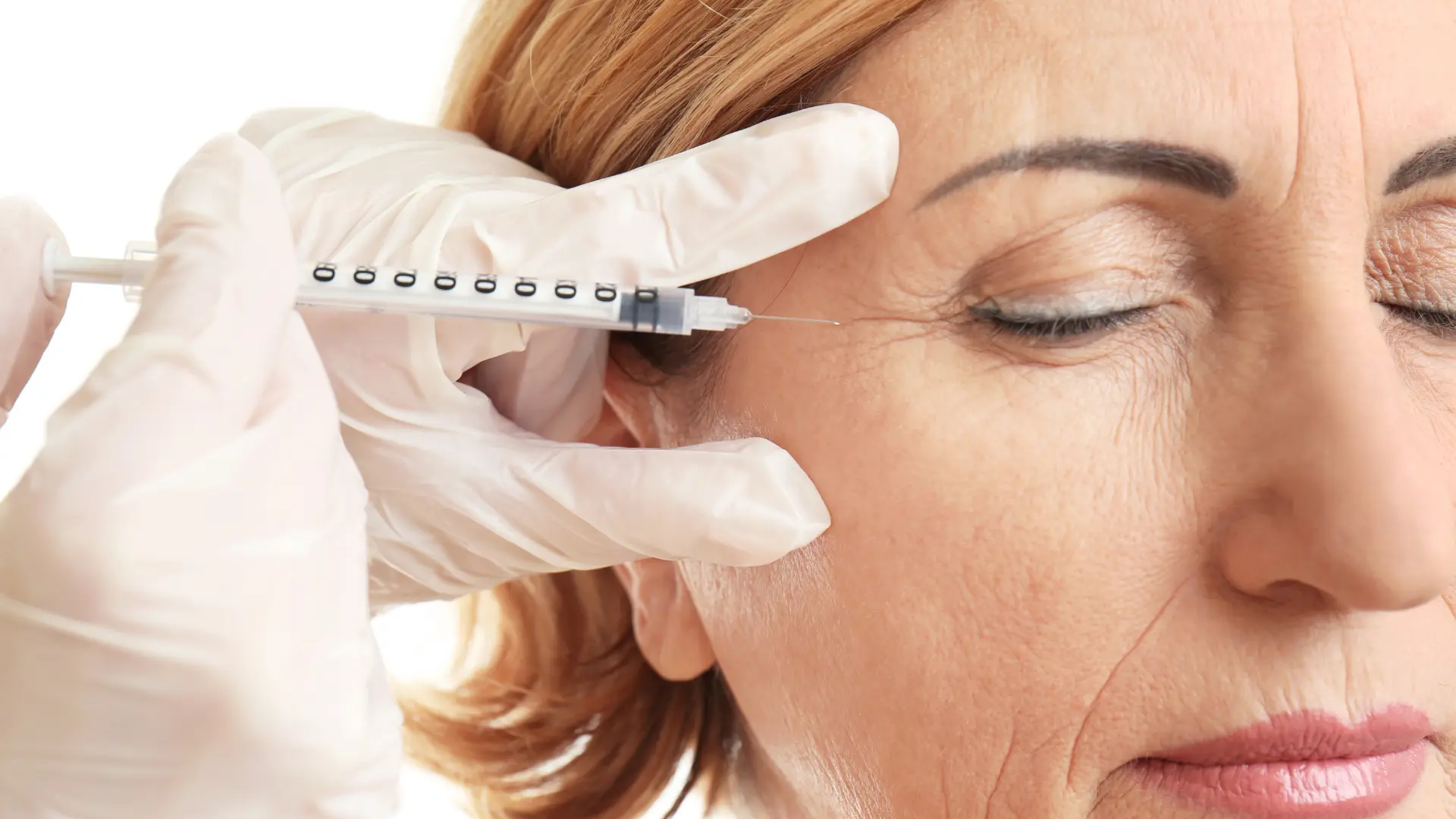
Treatment Frequency
Treatment Planning
A full of Aqua Shine Plus contains 3 mL of fluid, holding 45 mg of micro-crosslinked hyaluronic acid (HA). During the procedure, physicians typically use a negative-pressure mesogun equipped with an ultra-fine 32G 9-pin or 5-pin multi-. The tips precisely deliver the HA into the reticular dermis, 1.2 mm to 1.5 mm beneath the epidermis. The microscopic create hundreds of thousands of invisible channels across the face, triggering the skin’s instinctual self-repair mechanism in response to the micro-punctures. A rest period of 21 to 28 days between sessions perfectly aligns with the full 28-day turnover cycle of epidermal basal cells migrating upward and shedding. Completing a sequence of three 3 mL sessions builds a three-dimensional, water-retaining scaffold within the foundation of the skin. This concrete transformation occurs in three stages:
- Following the 1st injection, the moisture content of the dermis increases by 25%, allowing dehydrated areas to fully absorb water.
- After the 2nd injection, fibroblasts are stretched, producing an abundance of raw materials for collagen generation.
- Upon completing the 3rd injection, epidermal moisture reaches an equilibrium, reducing transepidermal water loss to a bare minimum.
Standard, uncross-linked HA applied topically is completely broken down by enzymes within 48 hours once inside the body. However, this product contains a trace amount of cross-linking agent—under 0.0015 IU/mg—enabling it to survive in the tissue for over 90 days. The large HA molecules slowly detach, releasing a steady, minute amount of hydration daily to nourish the surrounding capillaries. After the intensive three sessions in the first three months, the dermis temporarily thickens by 0.2 mm to 0.3 mm. Subsequent maintenance treatments can be spaced out to every 12 or even 24 weeks. A 25-year-old with a strong skin foundation can maintain hydration for 160 days following the initial sessions. Conversely, for those over 35, the body’s natural HA production weakens, necessitating a shorter touch-up interval of approximately 100 days. Due to the varying skin thicknesses across different facial regions, the injection volume and depth must be meticulously tailored:
- The skin around the eyes is the thinnest at just 0.5 mm; therefore, the injected volume must not exceed 0.02 mL per point.
- The cheeks are thicker, allowing the device’s leakage rate to be kept under 5% while delivering a full 0.05 mL per point.
- The perioral area moves constantly from talking and eating, requiring the to penetrate 1.5 mm deep to prevent hard nodules from forming.
Distributing the solution at a single depth is insufficient to address fine lines and hollows across the entire face, so physicians often utilize a dual-layer injection technique. First, 1 mL is dispersed at a shallow depth of 1.2 mm to target dehydration lines. The remaining 2 mL is injected deeper, at 1.5 mm or 1.8 mm, to lift the outer edges of the nasolabial folds. With the device’s negative pressure set to level 3 or 4 to lift the skin, and after applying a 5% topical anesthetic for 40 minutes, the pain level registers at a mere 2 to 3 out of 10. In the first 72 hours post-treatment, the skin frantically absorbs moisture; 1 gram of micro-crosslinked HA can hold up to 1,000 times its weight in water. Applying sterile sheet masks containing Oligopeptide-1 or recombinant Type III collagen during this window provides the stratum corneum with an extra 30% hydration, preventing the dermis from reversely draining moisture from the epidermis. Strictly adhering to the schedule with 5 to 6 sessions a year reveals tangible, data-backed changes in skin biopsy analyses:
- The alignment density of reticular fibers in the dermis increases by 15%.
- The free fatty acid secretion from overactive sebaceous glands decreases by more than half.
- Eighty percent of superficial dehydration lines under 0.1 mm deep are completely plumped and smoothed out.
Degradation & Metabolism Process
Microscopic degradation initiates immediately upon the 15 mg/mL Aqua Shine Plus reaching the deep cheek tissue and encountering the human body temperature of 36.5°C to 37.2°C. Between 200 and 300 active hyaluronidases are hidden within every square centimeter of subcutaneous tissue. Acting like tiny scissors, they continuously dismantle the foreign macromolecules, severing 5 to 10 carbon bonds per second. Topical HA typically has a molecular weight of 1 million to 1.5 million Daltons and dries out within 2 hours while sitting outside the 0.02 mm thick stratum corneum. Even if the concentration is bumped up to 20 mg/mL, non-crosslinked medical HA injected into the 1.5 mm deep dermis is completely broken down within 48 hours. Aqua Shine Plus incorporates a trace amount of BDDE cross-linking agent—less than 0.0015 IU/mg—binding single chains into a 3D matrix capable of withstanding 30 Pascals of pressure. The addition of these microscopic chemical bonds slows the hydrolysis rate by over 95%. Over its 90 to 180-day lifespan, small fragments under 50,000 Daltons gradually break off from the edges of the 400-micrometer molecular clusters. M2 macrophages in the tissue swoop in to clear out 70% of this scattered debris. With every break in the long chain, the newly freed spot can grab an additional 3 to 5 free water molecules. The scattered molecular fragments slip through 0.5-micrometer wide tissue crevices into the dense network of facial lymphatic capillaries. Mixing into the lymph fluid, the fragments hitch a ride on the venous blood flow—moving at 4.5 to 5 liters per minute—straight to the liver. The surface of hepatic sinusoidal endothelial cells is covered with millions of HA receptors, which snatch up 85% to 90% of the HA residue from the bloodstream. Lysosomes within the hepatocytes spend 2 to 3 hours thoroughly crushing the macromolecules down to simple sugars. The remaining 10% to 15% of the residue is passed on to the 2 million glomeruli in the kidneys for filtration. The 3 mL of gel that originally plumped the hollows of the cheeks is entirely converted into water and carbon dioxide, exiting the body via the 1.5 liters of urine excreted daily and the 16 breaths taken every minute. Spending 20 minutes in a 45°C sauna within 14 days of the injection instantly dilates subcutaneous facial capillaries by 3 to 4 times. This high-temperature stimulation shortens the lifespan of the micro-crosslinked HA by 15 to 20 days. For every 1-degree Celsius increase in basal body temperature, the shearing efficiency of endogenous hyaluronidase is forcibly boosted by 10% to 12%. Highly penetrating UVA rays (320-400 nm) effortlessly bypass the 1-mm thick epidermis to reach the superficial dermis. This high-intensity optical radiation generates 5 times more reactive oxygen species (ROS) beneath the skin than usual. Basking in the sun for 2 hours daily without sunscreen triggers photoaging reactions that can drastically slash the skin booster’s 180-day lifespan by 35 to 40 days. Intense aerobic exercise significantly accelerates facial blood flow and metabolism. Running a 5K with a heart rate soaring to 150 beats per minute skyrockets facial microcirculation blood volume by 400% to 500%. The blood, flowing at a velocity of 20 centimeters per second, doesn’t just clear away metabolic waste; it also sweeps up all the newly cleaved HA micromolecules—weighing under 2 micrograms and not yet having had time to absorb water—washing them directly into the veins. Breaking down the specific impact of 4 common lifestyle habits on the degradation cycle of the 15 mg/mL gel:
| Habit or Scenario | Free Radical Generation | Subcutaneous Microenvironment Changes | Estimated Retention Decay Period |
|---|---|---|---|
| Smoking >10 cigarettes/day | Local concentration surges 280% to 320% | Blood vessels constrict 20%, temp drops 0.5°C | Overall shortened by 45 to 55 days |
| 40 mins hot yoga, 3x/week | Increases 15% to 20% over baseline | Continuously elevated by 1.5°C to 2.5°C | Overall shortened by 25 to 35 days |
| 2 hrs unprotected sun exposure/day | Local surge >400% | Skin temp rises 3°C, MMP activation | Shortened by over 60 days |
| Daily water intake drops below 800 mL | Minimal fluctuation | Osmotic imbalance, interstitial dehydration | Volume shrinks 30% to 35% |
Smoking 10 cigarettes a day introduces 10 to 15 milligrams of nicotine, forcing facial peripheral blood vessels to constrict by 20% to 25%. Subcutaneous oxygen partial pressure drops by 30%, unleashing a massive wave of free radicals that frantically chew through the newly constructed hydration network. No matter how precise the physician’s injection technique, the 45 mg of HA in the body will be completely depleted 45 days earlier than in a non-smoker. Daily pure water intake strictly governs the osmotic pressure of the interstitial fluid in the 1.5 mm deep dermis. For a 50 kg adult, drinking less than 800 mL of water a day increases blood viscosity by 10%. Without enough free water molecules to grab, the injected subcutaneous cross-linked microspheres suffer a mandatory 30% shrinkage in physical expansion volume, and are immediately drained of moisture by the parched surrounding tissues, thereby accelerating degradation. Physical cold compresses applied within the first 168 hours post-treatment significantly impact the final retention rate. Applying a sterile recombinant collagen mask chilled to 4°C for 15 minutes forces the epidermal temperature down by 3°C to 5°C. Subcutaneous blood flow slows by 15%, and the cold suppresses hyaluronidase activity, buying a golden 72-hour window for the newly injected 45 mg of micro-crosslinked molecules to absorb water and stabilize.
Factors Influencing Absorption Rates
The survival duration of the 45 mg of micro-crosslinked HA injected into the reticular dermis varies drastically from person to person. Even with the exact same 3 mL injection of Aqua Shine Plus, the degradation rate in a 25-year-old face can be half that of a 45-year-old face. The age-related decline in fibroblasts fundamentally dictates the survival timeline of the skin booster. After age 30, the number of collagen-producing fibroblasts in the dermis drops by 8% to 10% every decade. The face’s natural HA production falls woefully short, causing the externally introduced 15 mg/mL nutrient supply to be instantly devoured by starving neighboring cells.
Clinical records indicate that when 45-year-old mature skin receives the exact same dose of skin booster, the time it takes for the dermal thickness to revert to its pre-treatment baseline is a full 45 to 60 days faster than for a youthful 25-year-old face.
Fluctuations in systemic estrogen levels covertly govern the efficiency of the skin’s HA receptors. Estrogen heavily drives the daily production of hyaluronic acid synthase. Right before menstruation, during the luteal phase, blood estrogen levels experience a sheer cliff drop, causing transepidermal water loss to spike by 15% to 20% over a short period.
- For women in the 3 to 5-year peri- and post-menopausal window, blood estradiol concentrations persistently fall below 30 pg/mL.
- Stripped of its hormonal protective umbrella, the reticular dermis’s moisture-locking ability becomes extremely poor, meaning the injected gel often struggles to last even 120 days.
- Conversely, for individuals who consistently take isoflavones monthly to stabilize their endocrine system, the survival period of facial HA is forcefully extended by roughly 20%.
The structural integrity of the epidermal stratum corneum defense line acts as a strict bottleneck for how fast moisture escapes the dermis. A healthy, intact stratum corneum is only 10 to 15 micrometers thick, yet it can tightly lock 95% of free water molecules inside the tissue. For faces subjected to daily peels with over 20% salicylic acid, the outer protective film is ruined, and the ceramide content between keratinocytes plummets to less than half the normal value.
Severely sensitive skin with a ruined barrier loses upwards of 250 grams of moisture daily. The water molecules painstakingly captured by the newly injected 3 mL of HA rapidly evaporate and slip away through the microscopic cracks in the damaged epidermis.
A daily habit of drinking full-sugar milk tea and eating desserts whips up a micro-storm of glycation reactions beneath the skin. Excess glucose molecules wandering in the bloodstream collide with dermal collagen, generating massive amounts of advanced glycation end-products (AGEs). Once this waste accumulates past a concentration of 50 mmol/L, formerly elastic collagen fibers immediately become stiff and brittle.
- Consuming over 50 grams of added sugar daily causes subcutaneous glycation products to skyrocket by 15% within 30 days.
- The brittle collagen network acts like rusted, rotten wire mesh, utterly failing to support the newly injected 45 mg HA gel.
- After completing the 3 full treatment sessions, severely glycated skin loses its radiance and reverts to its original state within 60 days, accelerating macromolecule cleavage by 25%.
The basal metabolic rate (BMR) forcibly dictates the metabolic clock of the free molecular fragments. For individuals with a naturally high BMR or an overactive thyroid, systemic blood circulation completes a full circuit 12 to 15 seconds faster than average. The flow rate in facial capillaries accelerates accordingly, multiplying the frequency of fluid exchange around the micro-crosslinked molecules exponentially.
For individuals with long-term high-heart-rate exercise habits, whose resting heart rate is consistently pinned between 50 and 60 beats per minute, the cardiac stroke volume is immense. Consequently, the retention period of the subcutaneous skin booster is naturally compressed by 20 to 30 days.
Subcutaneous tissues traumatized by frequent, high-energy optoelectronic facial treatments harbor massive amounts of microscopic, dead scar tissue. In a dermis scorched by 70&°C high-temperature radiofrequency, patches of normal tissue are replaced by stiff fibrotic bands. The three-dimensional space 1.5 mm deep is squeezed by these dead scars, making it extremely difficult for the 0.05 mL of gel injected at each point to spread and lay flat evenly beneath the skin.
- In pathological, heavily fibrotic localized areas, the capillary distribution density is a full 30% lower than in healthy regions.
- The solution pools in narrow blind spots, forming tiny hard lumps that easily attract aggressive engulfment by armies of subcutaneous macrophages.
- In a tissue foundation where internal water storage space is severely restricted, the absorption of foreign HA is exceedingly uneven, highly predisposing the area to a sudden, sheer-cliff decline in plumping effects within just 90 days.