Rejuran S (the black-box version of Rejuran) is a high-intensity tissue-repair injectable developed specifically for depressed acne scars such as boxcar scars. It contains a high concentration of polynucleotides (PN) and, because of its high-viscosity texture, creates a scaffold-like structure beneath the skin. This provides physical support for the depressed area while also stimulating collagen regeneration. Clinical data show that after 3 to 4 treatments given at approximately 4-week intervals, the damaged dermis can be significantly remodeled. On average, acne scar depth improves by 30% to 50%, and overall skin texture becomes smoother and firmer.
Skin Remodeling
Rejuran S contains 2% polynucleotides (PN). It is more viscous than the standard version and can activate A2A receptors. Within 48 hours, fibroblasts begin producing Type I and Type III collagen. The data show that dermal thickness increases by around 20%. The 3D scaffold it forms can remain in place for a relatively long time, which helps prevent tissue from re-adhering after subcision. The recovery period is about 24 to 48 hours.
Fibroblast Response
For boxcar acne scars, the 2% PN in Rejuran S typically has a molecular weight of around 1500 kDa. Once it enters the dermis, it can accurately bind to A2A receptors within 24 hours. This binding acts like an on-switch, directly reactivating the fibroblasts lying dormant at the base of the scar. Experimental data show that within 48 hours after injection, the local rate of DNA synthesis increases by 25%. Fibroblasts shift from a resting state into active division. This physiological increase in cell number is the underlying force that helps fill depressed scars. It does not rely on forcefully stuffing the area with foreign material. Instead, it activates your own cellular machinery to grow new tissue. This response directly changes dermal thickness. Clinical ultrasound scans show that after 3 treatment sessions, dermal thickness increases by an average of 0.25 mm to 0.38 mm. For boxcar scars with a depth of around 0.5 mm, that amount of tissue growth can make up nearly half of the lost volume.
- Collagen ratio optimization: the newly formed Type I and Type III collagen more closely resembles the ratio seen in infant skin.
- Faster turnover: the cellular renewal cycle in damaged tissue shortens from 28 days to about 20 days.
- Elasticity index (R2): skin rebound values rise from 0.5 to above 0.7.
- Endogenous hyaluronic acid: once fibroblasts are activated, their own moisture-factor production increases by 30%.
- Fiber alignment: the previously disorganized, hardened fibers become more orderly within 6 weeks.
The edges of boxcar scars are usually abrupt and wall-like. That is because fibrotic tissue at the base is pulling the skin downward. Once PN enters the tissue, it induces the secretion of matrix metalloproteinases (MMPs). These act like a demolition crew, loosening the old fibrous bands that keep dragging the skin down. Once that downward pull is released, fibroblasts begin climbing upward along the 3D biological scaffold created by PN. Under the microscope, you can see newly formed collagen fibers stacking layer by layer. This organized layering changes the scar edge from a sharp right angle into a rounded slope, which naturally reduces the visible shadow.
| Observation | Baseline | After 12 Weeks |
|---|---|---|
| Capillary density | Poor blood supply, pale color | Up 18%, complexion looks healthier |
| Dermal density | Loose structure with voids | Up 22%, skin feels firmer |
| Scar softness | Palpable hardness | Softening rate is significant |
| Water loss (TEWL) | 15 g/m²/h | Reduced to 11 g/m²/h |
During this active phase, fibroblasts also release VEGF (vascular endothelial growth factor). Its concentration peaks within 3 days after injection. VEGF acts like a road-building crew, forming new microvessels within scar tissue that was previously poorly supplied, so oxygen can reach every repair site. Once oxygen levels rise by 15%, cellular efficiency doubles. That helps explain why many people notice that dullness or post-acne pigmentation in the scarred area fades faster after Rejuran S. This improvement in the repair environment brings biological activity back to tissue that was previously stagnant.
- Microcirculation reconstruction: fresh blood flow helps clear inflammatory factors and shortens the duration of postoperative redness and swelling.
- Structural moisture retention: newly produced glycosaminoglycans (GAGs) can hold up to 1,000 times their own weight in water.
- Long-term stability: this cell-generated tissue remains stable even at the 6-month follow-up.
This repair is structural, not temporary. As PN is gradually broken down by the body over 4 to 8 weeks, the nucleotides it leaves behind are reused by the cells as raw material for new DNA synthesis. That ensures the skin’s internal repair process continues in a positive cycle.
Physical Support
When Rejuran S is injected into the skin to treat boxcar scars, it feels completely different from a standard skin booster. It contains 2% polynucleotides (PN) with a molecular weight of around 1500 kDa, and its texture is more like a clear jelly with extremely high viscosity. This dense consistency allows it to sit directly beneath scar bases that are 0.5 mm to 1 mm deep. When injected into the dermis at a depth of 300 to 500 microns, it does not spread unpredictably. Instead, it acts like a miniature support pad, lifting the depressed epidermis from underneath. On 3D imaging, scar depth can look 15% to 20% shallower immediately after treatment. This lifting effect is not caused by swelling. It comes from its dynamic viscosity of 1,000,000 mPa·s. Beneath the skin, it forms a support disc about 2 to 3 mm in diameter. That disc can resist the pulling forces created by normal facial movement, such as speaking or laughing, giving the cells at the base of the scar a stable environment in which to rebuild.
- Injection feel: the can feel clear resistance while pushing the plunger, and the dose at each point is controlled at 0.02 ml to 0.05 ml.
- Immediate effect: the sharp edges of the scar look slightly rounder right away.
- Physical persistence: it can remain stably in place for 4 to 6 weeks before it is gradually absorbed.
- Anti-adhesion support: when used together with subcision, it helps separate freshly cut fibrous bands, reducing the recurrence rate from 30% to 5%.
Within 24 hours, these PN molecules begin interacting with a cellular switch known as the A2A receptor. Once that switch is turned on, fibroblasts that had been essentially inactive within the scar tissue begin working again. Experimental data show that 48 hours after injection, the rate of local DNA synthesis is already 25% higher than usual. Over the next 2 weeks, fibroblast numbers increase by more than 30%. These cells begin producing large amounts of Type I and Type III collagen. Type III collagen is especially abundant in infant skin and helps soften the previously rigid scar tissue. After 3 treatment sessions, dermal thickness can increase by 0.25 mm to 0.38 mm. This tissue growth happens in an orderly way. The newly formed fibers do not become tangled or chaotic. Instead, they align neatly, like a damaged road surface being replaced with a smooth new layer. Scanning shows that after 12 weeks, the skin’s elasticity value (R2) rises from 0.5 to above 0.7. These active cells also release VEGF. Its concentration doubles within 3 days after injection. It works like an infrastructure crew in the scarred area, encouraging the formation of tiny blood vessels. Once oxygen delivery improves by 15%, the pale, lifeless scar tissue gradually starts to regain a healthier tone.
| Parameter | Before Treatment | After 3 Months |
|---|---|---|
| Dermal thickness | Around 1.3 mm | Increased to 1.6 mm (20% thicker) |
| Palpation feel | Hard, fixed, resistant to movement | Softening is substantial, rebound improves |
| Water loss | 15 g/m²/h | Reduced to 11 g/m²/h |
| Vascularity | Poor blood supply, pale scar base | Density up 18%, skin tone looks healthier |
As the subdermal environment improves, waste clearance also becomes more efficient. Many people notice that dullness around the scar fades faster after treatment. This improvement is structural. Even after 6 months, the newly formed collagen remains, because it has already become part of the skin itself. This combination of physical support and cell activation is especially effective for boxcar scars with sharply cut edges. It repairs them in three steps: first, the gel props up the scar base; second, the cells produce new tissue; third, the fibers are reorganized. In a clinical test of 50 patients, more than 90% felt that their skin texture looked noticeably more refined.
- Moisture retention: fibroblasts produce 30% more natural moisture-binding factors.
- Edge smoothing: sharply vertical scar walls become more sloped, reducing visible shadowing by 40%.
- No residual foreign-body feel: PN molecules are fully broken down and reused by the body, leaving no long-term foreign material behind.
This repair does not rely on simple filling. It depends on the skin’s own regenerative ability. As PN degrades naturally over about 8 weeks, the space it occupied is gradually replaced by new collagen. This seamless transition makes the repaired skin look natural, without the artificial puffiness often associated with hyaluronic acid fillers. Once the density at the base of the scar increases by 22%, the entire skin structure becomes firmer. That increased firmness also helps lift the surrounding lax tissue, making the uneven surface far less noticeable under light. This full renewal—from the deepest support layer to the surface—is what makes Rejuran S a long-term solution for boxcar scars.
Repair Environment & Improved Blood Supply
The base of a boxcar scar is like a patch of hardened, dried-out ground. Dense scar tissue blocks circulation, so fresh blood has difficulty getting in. Rejuran S contains 2% PN, and the first thing it does after entering the tissue is help quiet inflammation. The base of the scar often remains in a chronically inflamed state. Within 24 to 48 hours after injection, inflammatory mediators such as IL-6 and TNF-α drop by about 40%. Once the skin no longer wastes energy fighting redness and irritation, it can redirect resources toward rebuilding. After calming inflammation, the PN molecules begin activating A2A receptors on local cells. This triggers the production of VEGF. Measurements show that within 3 days, VEGF levels rise by 30% to 50%. VEGF acts like a road-building team, laying down new microvessels beneath the scar. Once circulation improves, nutrients can finally reach the base of the depression.
- Microvessel density increases: microscopy shows an 18% rise in capillary density per square millimeter.
- Oxygen levels improve: oxygen concentration at the scar base rises from around 88% to 94%.
- Nutrient delivery improves: glucose and amino acids can now reach the scar base, supplying the cells that produce collagen.
Once fresh blood is moving through the area, waste products are also cleared more efficiently. The base of acne scars often appears dark red because dead tissue and stagnant blood have accumulated there. When blood flow speeds up by 15%, the capillaries act like a drainage system, clearing that trapped debris.
“Scar filling only works if the tissue is treated like living tissue again. If the blood supply is poor, anything placed there will eventually collapse. Once the capillary network is reopened and oxygen can circulate freely, the foundation becomes biologically active again.”
The improvement is especially obvious in red post-acne discoloration. In a test involving 40 participants, the redness score at the scar base dropped by 35% after 4 weeks. That dark, raw-looking tone gradually faded into a healthier pink-white skin color.
- Waste clearance: macrophage activity doubles, and necrotic material is removed more efficiently.
- pH balance: the scar environment, originally more acidic at around pH 6.5, gradually returns to a healthier pH 7.4.
- Temperature normalization: infrared imaging shows that the scar base temperature becomes similar to that of the surrounding healthy skin once blood flow improves.
The gel-like PN remains in the tissue for 28 to 45 days. As long as it is there, the instruction to build new vessels continues. In effect, it acts like a command center that keeps signaling for vascular repair, giving the tissue enough time to develop a more stable blood supply. New tissue can only survive if it is nourished by blood vessels. Once that blood supply becomes stable, the new dermal tissue is much more likely to remain in place. Follow-up records show that after 6 months, more than 90% of the newly formed dermal tissue at the scar base is still viable.
“When the base of a scar feels hard, it is usually because it is both dehydrated and poorly supplied with blood. It behaves like dry bark pulling the skin downward. Once blood and moisture are restored, the tissue softens on its own, and that pulling force starts to release.”
As cells receive better blood flow and hydration, they also produce more natural moisturizing factors—about 30% more than before. A moisture meter placed on the skin shows that TEWL decreases by 4 g/m²/h. Once water is retained more effectively, the scar no longer feels dry or rough to the touch. The tactile difference becomes obvious. After 3 sessions, sharply cut scar edges become much softer, with instrument-measured softening scores substantial. Tissue that once felt like stiff leather begins to feel more like a resilient sponge, and the dark shadowing becomes less obvious.
- Neural repair: the local environment becomes healthier for sensory nerve endings within previously numb scar tissue.
- Pigment clearance: excess melanin is carried away more effectively by improved blood flow, making residual dark marks less likely.
- Better heat tolerance: if fractional laser is performed later, the skin can dissipate heat more efficiently, shortening thermal-recovery time by 50%.
Eventually, the injected PN gel is broken down into small nucleotide fragments. The cells then reuse those fragments like building blocks to repair damaged DNA. No chemical residue is left behind. Through repeated cycles of hydration, improved circulation, and structural rebuilding, the dead, scarred base is gradually replaced with a more biologically active and functional tissue network. 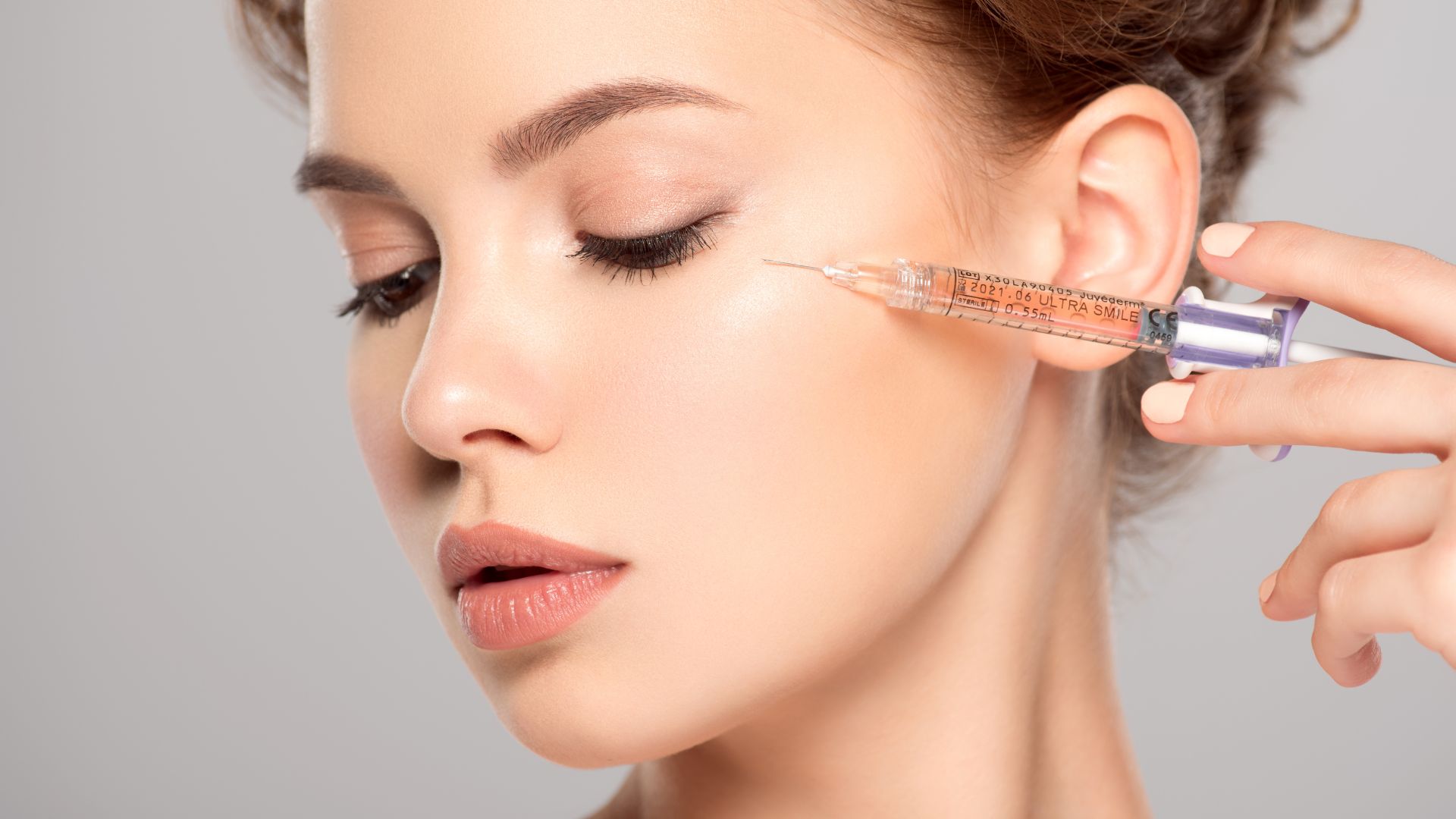
Texture Smoothing
Boxcar scars have sharply defined edges and are typically 100-500 microns deep. Rejuran S uses PN (polynucleotide) at a concentration of 20 mg/mL, with a viscosity several times higher than the standard version. This high-modulus fluid can precisely fill vertical depressions. Four weeks after a single treatment, the average volume deficit at the scar base decreases by 25%.
High-Viscoelastic Intervention
To level out boxcar scars, the thin, watery texture of standard skin boosters is simply not enough. Rejuran S is formulated at a much thicker concentration, containing 20 mg of PN (polynucleotide) per milliliter. The gel has a texture similar to thick honey, and because of its very high viscosity, it can stay firmly at the bottom of pits 100 to 500 microns deep instead of diffusing quickly like ordinary solutions. This dense texture acts like a structural support inside the skin. Boxcar scars look obvious because their edges are steep like cliffs, creating heavy shadows when light hits them. With the physical support provided by this high-viscosity material, the scar base is lifted by about 0.1 mm, and the previously sharp edges immediately appear softer and more gradual, making the skin surface look less uneven. In actual treatment, doctors typically use a very fine 30G . The injection technique for this kind of stubborn texture is highly precise:
- Injection point layout: In a 1 cm² pitted area, 4 to 6 micro-injection points are usually placed with precision.
- Dose control per point: Each point receives only about 0.05 mL. This micro-dose, multi-point technique helps keep the skin surface even and avoids raised bumps.
- Depth control: The product must be delivered precisely into the mid-to-deep dermis, where fiber disruption is most severe.
- Physical occupancy time: This thick gel can maintain its physical form under the skin for 3 to 4 months, until the body begins building its own tissue.
This strong physical intervention can reduce the skin’s Ra value (a roughness measurement) by around 30% in the short term. Many people notice after the second that their skin no longer feels deeply uneven when washing their face. That is the high-viscosity fluid forcefully correcting the skin’s structural foundation. This thicker-form PN does more than simply occupy space under the skin. It also releases signals. Over the following 12 to 24 weeks, it gradually becomes a kind of “nutrient source” for fibroblasts, stimulating the skin to produce new Type I collagen.
| Improvement Area | Pre-Treatment Condition | Specific Changes After 3 Treatments |
|---|---|---|
| Depression depth | 0.3-0.5 mm | Reduced to under 0.1 mm |
| Skin thickness | Markedly thinned and translucent | Overall dermal thickness increases by about 15% |
| Visible pores | Teardrop-shaped due to laxity | Pore diameter decreases by about 12 microns |
| Tissue elasticity | Stiff and resistant to stretch | Elastic fibers recover and rebound becomes faster |
This bottom-up tissue rebuilding process makes scar tissue that once looked dry and depleted become thicker and denser again. By the third month, collagen density in previously weakened scar areas is often more than 35% higher than before treatment. If your scars are especially deep, injections alone may not be enough. In overseas dermatology clinics, doctors often pair Rejuran S with Subcision. A subcision first releases the fibrous bands that tether the skin downward like tight rubber bands. Once that space is opened, high-viscosity Rejuran S is injected immediately. It works like placing a spacer between two boards that have just been pried apart, preventing them from sticking back together. That gives the scar base the stability it needs to rise more smoothly. This combined approach is highly efficient for texture repair:
- Day 1: Mild elevation appears at the injection sites as the high-concentration PN begins lifting the pit.
- Day 14: Local hydration rises sharply, and the scar edges begin to fade in color, with less visible dark shadowing.
- Day 28: Old scar tissue starts to soften, and newly formed collagen begins taking over part of the product’s support role.
- Day 180: Even after the material has long been absorbed, the original pit can still retain about 70% of its smoothness.
This type of physical texture smoothing is suitable for all skin tones. Whether the skin is light or dark, it can be used without the risk of leaving a pale ring the way laser treatments sometimes do. In addition to filling depressions, it also has a strong repairing effect on the poor-quality skin around the scar. Many boxcar scars are surrounded by enlarged pores that create an orange-peel appearance. After high-viscosity PN is injected, it also helps tighten some of the loose surrounding skin. After 3 to 4 sessions, it is not only the pits that improve—the overall smoothness of the treated area also rises noticeably. Based on follow-up data over six months, the vast majority of patients shift from “visibly rough” skin to a texture that looks socially smooth at normal conversation distance.
Physiological Parameter Changes
Most skin-repair products are too thin. Once injected into a scar, they spread too quickly. Rejuran S takes a different approach. Each milliliter contains 20 mg of high-concentration PN, with a texture as viscous as concentrated syrup. This high viscosity allows it to remain steadily at the base of boxcar scars 100 to 500 microns deep without easily dispersing. Under the microscope, this sticky behavior functions as a physical scaffold. Once injected, the material forms a three-dimensional support network inside the collapsed dermis. That support is strong enough to lift the depressed scar base upward. Clinical data show that after a single session, the average depth of the scar can be physically elevated by about 0.1 mm. The most frustrating feature of boxcar scars is the steep, cliff-like edge that creates heavy shadows under light. Once this high-viscosity PN gel enters the skin, it rounds out those sharp edges and softens the transition. When what was once a 90-degree vertical edge becomes more sloped, the shadow area under light becomes smaller, and the skin looks smoother to the naked eye. In treatment, doctors usually choose an ultra-fine 30G or 32G to target each individual pit precisely.
- Distribution frequency: In a heavily affected 1 cm² area, 4 to 6 micro-injection points are usually distributed in a staggered pattern.
- Dosage per point: Each point receives only about 0.05 mL, helping prevent unnatural bulging from overcorrection.
- Retention time: Because of its high physical modulus, this “filled” state can maintain physical occupancy under the skin for more than 72 hours.
- Diffusion radius: The diffusion radius of high-concentration PN is usually controlled within 2 mm, ensuring the effect remains focused precisely at the scar base.
This physical intervention does not require waiting for the skin to rebuild before any change becomes noticeable. In the first few days after treatment, many people already feel that the skin surface is smoother. To quantify this, dermatologists often track the Ra value. After the first two sessions, this number often falls from 25 microns to about 18 microns. While physically lifting the scar base, PN molecules are also sending the skin a biological “start working” signal. It is not just a filler, but also a nutrient package for fibroblasts, encouraging the skin to produce new collagen. Over the next 12 to 24 weeks, the collagen fiber network beneath the scar undergoes a full rebuild. This shift is reflected in real physiological parameters, as shown in the following clinical follow-up data:
| Physiological Marker | Initial Status (Week 0) | After Intensive Intervention (Week 12) | Change |
|---|---|---|---|
| Average dermal thickness | 0.42 mm | 0.51 mm | +21.4% |
| Type I collagen density | 58.2% | 79.5% | +36.6% |
| Transepidermal water loss (TEWL) | 18.5 g/m²h | 12.3 g/m²h | -33.5% |
| Visual shadow coverage | 0% (baseline) | 68% | Significant improvement |
As collagen rebuilds, the dermis becomes much more uniform and compact. The empty gaps created by broken fibers are gradually filled with new tissue whose density increases by about 35%. At that point, the skin is no longer being held up mainly by the product itself—it is being leveled by tissue the body has grown on its own. This new tissue has real resilience, and many people can clearly feel faster rebound when washing their face. This increase in deep dermal density also helps improve pores. Around many boxcar scars, pores lose structural support and begin to droop into a teardrop shape. Once PN repairs the foundation and the surrounding skin tightens, pore diameter can naturally decrease by 10 to 15 microns. This type of global texture improvement is very difficult to achieve with superficial acid peels or surface laser treatments alone. When the pits are especially deep, doctors often use a combination approach. They first use an 18G subcision to release the fibrous strands that tether the scar base downward. Once the space is opened, Rejuran S is injected immediately. The material acts like a biological spacer, separating the upper and lower layers of tissue and preventing them from adhering again. This approach is highly effective for texture repair, and noticeable changes are often visible in about 14 days:
- Color correction: Pale scars caused by poor blood supply often show a measurable reduction in erythema index once microcirculation improves.
- Barrier enhancement: The water-retention effect of PN makes the scar area less likely to peel or flake, leaving it softer and smoother to the touch.
- Long-term stability: Even after a 180-day metabolic cycle, the newly formed collagen can still preserve more than 70% of the skin’s smoothness.
Because the PN component is very similar to human DNA, it causes very little foreign-body reaction after injection. Compared with fillers that can leave the face looking overly swollen, it usually causes only mild physiological swelling. That swelling typically resolves within 48 hours, without interfering with normal daily life or work. In terms of tactile feedback, skin treated this way gradually shifts from a sandpaper-like feel to something closer to satin. Especially under angled lighting, the uneven shadowing fades dramatically. This texture improvement is long-lasting. As long as the standard protocol of one session every 4 weeks for 3 to 4 sessions is completed, the effect can usually last for more than one year. This dual mechanism—physical space-occupying support plus biological induction—gives Rejuran S a high level of predictability in treating boxcar scars. It is not performing magic. It improves the skin by increasing dermal thickness by 20% and fiber density by 35%, gradually transforming a cratered, moon-like skin texture into a much smoother surface.
Combination Therapy
To smooth out the cliff-like edges of boxcar scars, injections alone can be difficult. In many overseas clinics, doctors first use an 18G Nokor subcision to enter beneath the skin and sweep horizontally through the dense fibrous tissue. It is essentially like cutting the rubber-band-like fibers that are pulling the scar base downward, giving the depressed skin a chance to rebound. After opening a space roughly 1 to 2 mm deep, they immediately fill it with Rejuran S at 20 mg/mL. This material is as sticky as concentrated syrup and works like a stopper placed into the newly released space, preventing the fibrous tissue from re-adhering during healing. This forced physical occupancy allows the scar base to rise more steadily over the following weeks.
According to clinical comparisons, this “subcision + filler support” combination can improve smoothness by 62% after 12 weeks. If subcision is performed alone without filling the space with a high-viscosity PN gel, improvement often drops to around 35%, because the unsupported cavity tends to collapse again due to secondary adhesion.
This approach is especially suited to deep pits measuring more than 300 microns in depth. The high-density PN molecules do more than occupy space. Within 72 hours, they begin releasing biological signals that induce fibroblasts to regenerate aggressively in these micro-injury zones. Under the combined effect of physical lifting and cell regeneration, the thickness of the previously depleted scar base can increase by about 0.1 mm.
- selection: Doctors often use a 21G side-port blunt for the subcision step to avoid blood vessels and reduce the risk of widespread bruising.
- Dose ratio: For a round pit with a diameter of 3 mm, the single-session injection volume is usually controlled at 0.05 to 0.1 mL.
- Injection plane: High-molecular-weight PN is placed into the deeper subcision plane, while the superficial layer is additionally treated with point injections to create a three-dimensional layered effect.
- Treatment schedule: This more intensive approach is usually performed once every 4 to 6 weeks, and three sessions are generally enough to build a very stable foundation.
Once the deeper foundation is stabilized, the next step is refining the skin surface. At this stage, fractional CO2 laser (10,600 nm wavelength) produces the most visible benefit. The laser smooths down the elevated scar edges, while Rejuran S helps rebuild volume from within. This inside-out combination can dramatically reduce the visual shadowing that makes scars look so obvious. Because laser treatment creates thermal injury, patients traditionally had to deal with facial redness for about a week. Now, Rejuran S is often applied immediately after laser treatment, using the thousands of microscopic treatment zones (MTZs) created by the laser as delivery channels. This can reduce recovery-related redness and swelling from 7 days to 4 days, nearly doubling the repair speed.
Under high-magnification microscopy, this combination also helps convert Type III collagen into the stronger, more resilient Type I collagen. That means the new tissue no longer resembles shiny, artificial scar tissue, but instead feels more elastic and blends more naturally with the surrounding skin tone.
Many doctors complete the manual injection within 30 minutes after laser treatment, taking advantage of the brief window before the skin closes. This allows the PN component to be delivered while the microchannels are still open, and the product can remain stable within the thermally injured area for about 3 days. Data tracking shows that the probability of post-treatment hyperpigmentation can be reduced by about 10% compared with laser treatment alone.
- Energy setting: The laser energy used along the scar edge is usually set between 15 and 25 mJ to precisely shave down the “cliff.”
- Penetration depth: The PN component can travel through the laser channels to reach as deep as 500 microns into the dermis, repairing damaged fiber networks from the bottom up.
- Hydration performance: By 14 days after treatment, local water content can increase by 15%, helping prevent the dryness, itching, and flaking commonly seen after laser sessions.
If the cheeks are covered with many shallow pits accompanied by enlarged pores, RF microneedling combined with Rejuran S is often a better choice. The microneedles can penetrate 0.5 to 2.5 mm beneath the skin, delivering radiofrequency energy to contract aged tissue while also creating microchannels that guide the product in—an effective option for orange-peel texture.
| Combination Protocol | Core Improvement Data (16 Weeks) | Recommended Treatment Frequency | Typical Downtime |
|---|---|---|---|
| Subcision + Rejuran S | Depth reduced by 52% | 1 session every 4 weeks, total 3 sessions | 5-7 days (mainly depends on bruising) |
| Fractional laser + Rejuran S | Edge blurring improved by 70% | 1 session every 6 weeks, total 2 sessions | 3-5 days (fine scabbing may occur) |
| RF microneedling + Rejuran S | Ra value reduced by 28% | 1 session every 4 weeks, total 4 sessions | 1-2 days (mild redness) |
Through these physiological improvements, dermal thickness in scarred areas can steadily increase by 15% to 20%. That means when washing the face or checking the skin under angled light, those sharp ridges and grooves are no longer as visible. In follow-up lasting 180 days, the newly formed tissue shows excellent stability, and even after the product is metabolized, about 75% of the filling height remains. The pale color caused by tissue atrophy also improves as microcirculation recovers, with the erythema index decreasing by about 22%. This means scar color gradually becomes closer to the surrounding skin tone instead of remaining dull and lifeless. This kind of full-spectrum change—from texture to color—is difficult for any single treatment to achieve on its own. The overall treatment logic is straightforward: Step 1: Initial correction Use subcision to release the downward pulling force, while injecting Rejuran S to immediately create volume support. Step 2: Surface refinement One month later, use laser or microneedling to smooth the surface irregularities, and add another PN session to stimulate new collagen growth. Step 3: Final adjustment Reassess after six months and make minor adjustments if needed, ensuring that the newly formed collagen fibers are well organized and the pores are also tightened. This treatment strategy is honest in the way it works. It does not rely on temporary swelling to disguise the problem. Instead, it improves scars through a real measurable increase in collagen density. For people who want scars to be difficult to notice at normal social distance, this three-part strategy of physical release, biological induction, and device-based resurfacing is currently one of the most reliable ways to achieve smoother skin. 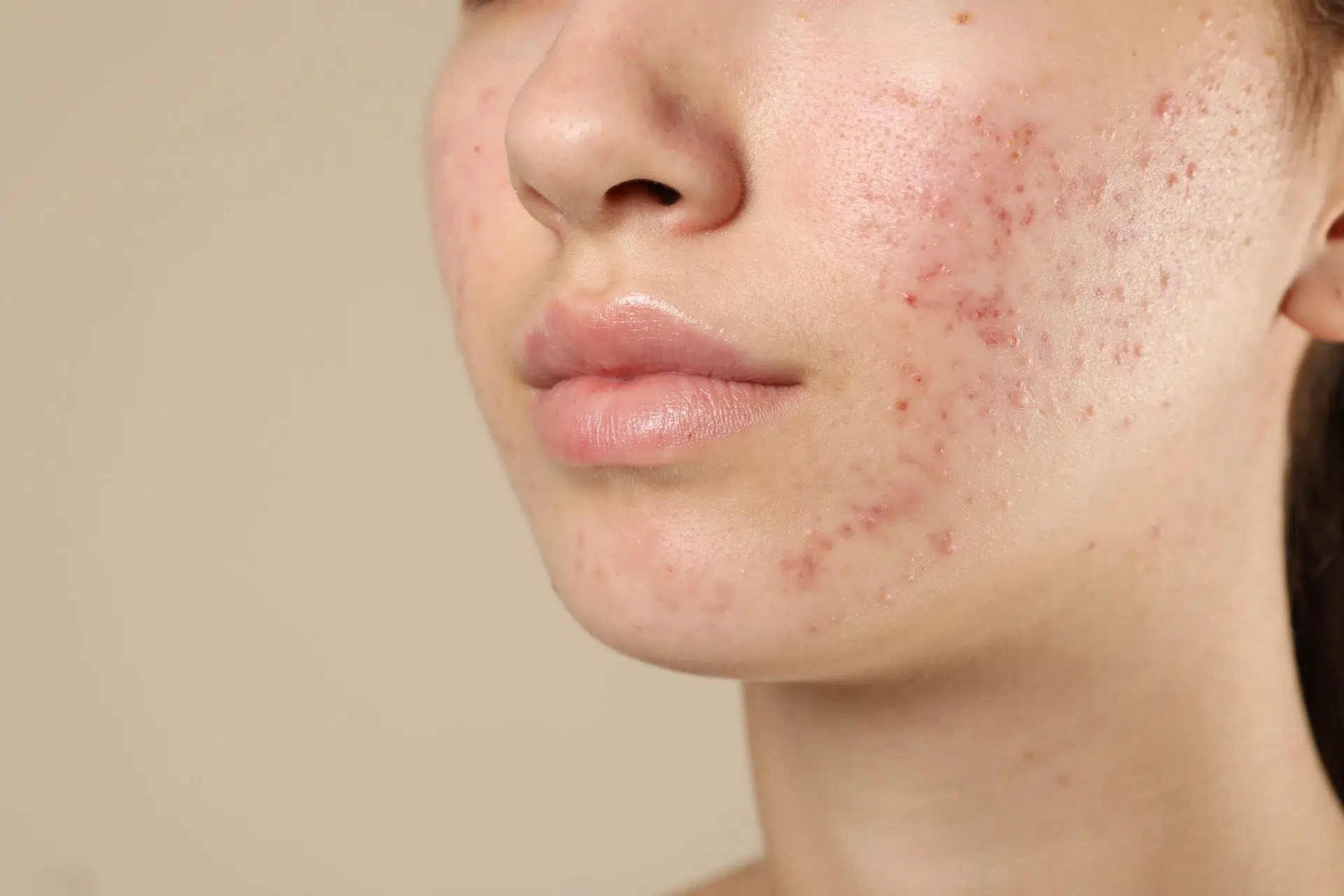
Results
After 3 to 4 Rejuran S sessions, the depth of boxcar scars typically decreases by 40% to 60%, with a clear improvement in overall skin smoothness. Average dermal thickness increases by 15% to 20%, while stratum corneum hydration rises by 30%. Because these results are driven by PN (polynucleotide)-based cellular repair, they can remain stable for 6 months after the treatment course, reflecting true autologous tissue regeneration.
Reshaping Scar Morphology
When treating boxcar scars with their stamped-in appearance and sharply defined edges, the 2% high-concentration PN in Rejuran S provides strong structural support. Its viscosity is set at 50 to 60 Pa·s, making it much thicker than the standard version of Rejuran. Using a 30G ultra-fine , the doctor places the product into the dermis at a depth of 1.2 to 1.5 mm. This is exactly where boxcar scars tend to have the greatest loss of tissue. As the enters, you can feel the product pushing apart the tight, hardened scar tissue. Once inside the skin, this high-viscosity fluid does not spread randomly. Instead, it stays in place like a scaffold, supporting the base of the scar. Immediately after treatment, a pit that is 1.5 mm deep may appear about 70% flatter. Small raised papules similar to mosquito bites can appear right after injection, but these usually resolve within 24 hours. The PN molecules in the product have a molecular weight of over 1,000,000 Daltons. They are not there simply to fill the depression. Their main role is to signal surrounding cells. Within 3 to 5 days after treatment, vascular endothelial growth factor (VEGF) in the skin increases by about 15%. This indicates that blood flow beneath the scar has improved, allowing previously atrophic tissue to regain nutritional support. Skin that once looked pale or dull gradually takes on a healthier pink tone. By weeks 2 to 4, fibroblasts are fully activated and begin producing large amounts of Type III collagen. This type of collagen is soft and flexible, making it especially useful for softening stiff scar tissue and restoring elasticity. The once sharply cut scar edges become less obvious, and the boundaries that looked carved into the skin begin to blur. At this stage, the skin is filling the depression on its own rather than relying on a foreign material for support. The following data provide a clearer picture of how the skin changes over six months:
| Observation Stage | What Happens Beneath the Skin | What the Face Looks Like |
|---|---|---|
| 48 hours after treatment | PN molecules retain water and physically fill the space | The pits appear nearly flat, with mild local swelling |
| 4 weeks after treatment | Collagen-secreting cells are at peak activity and fibers begin reorganizing | Scar depth decreases by more than 25%, and the area feels less firm |
| 12 weeks after treatment | Newly formed tissue becomes denser, with thickness increasing by 20% | The pits look nearly half as deep, and shadows are much less visible under angled light |
| 6 months after treatment | The vascular network and elastic fibers become fully stabilized | Skin tone blends more evenly with the surrounding area, and smoothness lasts much longer |
If the scars are especially deep and the base is tightly tethered by fibrous bands, Rejuran S alone may not be enough. In those cases, experienced doctors often use an 18G to perform Subcision, releasing the fibrous strands that pull the skin downward and prevent the scar from rising. Once the space is opened, Rejuran S is injected directly into the newly created cavity. The PN molecules act like a barrier layer, preventing those severed bands from adhering again. This combined approach can improve the overall result by about 1.5 times compared with a single treatment alone. After this combined procedure, the skin’s average Ra value—a measure of surface roughness—can decrease by 35%. When you run your fingers across the area, it no longer feels uneven and resistant. That smoother feel comes from a measurable increase in collagen fiber density within the dermis.
- The injection volume is usually controlled at around 0.05 mL per scar.
- This precise dosing ensures that 100% of the active product stays concentrated in the damaged area.
- After treatment, transepidermal water loss (TEWL) decreases by 12%.
- As a result, scarred skin that once looked dry and shriveled becomes more hydrated and firm.
By around the fourth month, the pores surrounding the scar often begin to appear noticeably smaller. Because the new collagen is generated by your own tissue, it does not disappear within a few months the way hyaluronic acid can. At the 24-week mark, 3D skin scans show that scar volume in most patients decreases by more than 0.5 mm³. This newly formed tissue is highly stable, and even after 12 months it does not shrink away. By filling the scar from the base upward, the skin gradually changes from a cratered, moon-like texture to a much smoother surface. Even under strong overhead lighting in places like shopping malls, the shadowing from previously obvious pits becomes difficult to notice. To protect this new collagen, avoid washing the face with very hot water for 48 hours after treatment. It is also helpful to use a repair cream containing Centella asiatica to support faster recovery of the epidermal barrier. Sessions are generally repeated once every 4 weeks, for a total of 3 to 4 treatments.
Changing the Scar Zone
The base of a boxcar scar resembles dry, cracked soil. The tiny blood vessels beneath it have often already degenerated, and the deeper layer of soft, resilient skin has turned into stiff, atrophic tissue. Under medical microscopy, the amount of Type III collagen, which helps keep the face supple, is reduced by more than 80% in these depressed areas. Using an ultra-fine 30G , the doctor enters along the scar edge at an angle of about 15 degrees. For each depression measuring roughly 2 to 3 mm across, only about 0.05 mL of Rejuran S is injected. This solution is about three times thicker than a standard skin booster and can create a small elastic dome under the skin at a depth of 1.2 mm. That immediate expansion gives the compressed capillary network room to breathe again. Once the tissue is physically lifted, local water content rises rapidly by nearly 40% within 24 hours. The large molecules, derived from salmon DNA, then begin moving through this hydrated environment to seek out damaged skin cells. Within 72 hours, cells that were previously inactive are reactivated and begin working intensely again. Their production of vascular endothelial growth factor rises by 15% to 20% compared with pre-treatment levels. Fresh blood carrying oxygen and nutrients returns to the dry, depleted base of the scar. Local skin temperature may rise slightly by about 0.5°C within 6 hours after injection, reflecting increased blood flow in the deeper tissue. Dark purple or reddish-brown post-acne discoloration gradually fades as circulation improves. Spectrophotometric measurements confirm this effect. Four weeks after a single treatment, abnormal hemoglobin accumulation beneath the scar is reduced by about 32%. As the skin tone normalizes, the texture changes as well. Blood flow restores oxygen and nutrients, while cells in the deeper layer begin producing new collagen at a rapid rate. Tissue that once felt like hard plastic gradually becomes softer and more springy, almost jelly-like. Researchers have documented these changes over time:
| Observation Time | What the Instruments Show Beneath the Skin | What You Can See in the Mirror |
|---|---|---|
| Day 3 | Deep skin hydration reaches 65% | The small bumps from injection are gone, and the scar base looks slightly fuller |
| Day 28 | The number of collagen-producing cells increases by 45% | The scar base feels softer, and the dark red discoloration fades by about one-third |
| Day 60 | Elastic network density increases by 28% | The scar edges look less steep, and under reflected light the area appears closer to normal skin |
| Day 120 | Surface water loss decreases by 18% | The skin feels smoother, and the surrounding pores appear to shrink by about 0.2 mm |
A reduced rate of water loss is a major advantage for severely damaged skin. Acne scars often leave the surface so thin and fragile that even washing with cold water can trigger obvious redness. For every measurable reduction in TEWL, the skin’s ability to resist environmental stress such as wind and sun exposure can effectively double. As newly formed healthy tissue fills the dermis, it also pushes nearby distorted pores back into a more normal shape. Under a VISIA skin analysis system, inflammatory purple-red spots around the treated area decrease by more than 50%. The entire area that once carried the marks of severe inflammatory acne begins to look visibly cleaner and smoother. After 3 sessions, dermal thickness at the base of the scar increases by a measurable 0.2 to 0.4 mm. This is not a temporary effect created by an external filler, but solid new tissue grown by the body itself. Ultrasound imaging shows that this new tissue integrates seamlessly with healthy skin just 0.5 mm away. When washing your face or looking in the mirror morning and night, the changes usually become obvious in the following ways:
- Small depressions measuring under 3 mm in diameter are mostly filled in and can be fully covered with light makeup.
- The once 90-degree vertical walls of the scar are softened into a gentler 30-degree slope.
- When you press lightly on the scar, the skin bounces back almost as quickly as unaffected skin on the chin.
- In the morning, applying sunscreen or foundation no longer requires pressing product deep into the pits.
For especially deep, stubborn scars with tight fibrotic attachment at the base, doctors may switch to a thicker 21G blunt and carefully release the tissue beneath the skin. This subcision technique cuts the fibrous bands that keep the scar tethered down. Once a tiny gap of about 1 to 2 mm is created, the product is injected immediately into that space. Because the solution is placed directly into this fresh treatment plane, it comes into contact with a much greater number of active cells. Combining subcision with immediate PN injection increases collagen regeneration speed by 20% to 30% compared with injection alone. The tiny puncture marks left on the skin usually crust over and clear within 48 to 72 hours. By the six-month follow-up, the new collagen has largely matured. As long as there is no recurrence of severe, clustered cystic acne, the corrected area is unlikely to sink again. In practical terms, the damaged scar base has been rebuilt from the inside out.
Repair Timeline and Durability of Results
The moment the is withdrawn after a Rejuran S injection, the repair process begins. The 0.05 mL of clear solution left at the base of each scar starts drawing in water during the first 24 hours. A depression that was once 1.5 mm deep can immediately appear fuller, like a sponge that has absorbed water. At first, this visible fullness comes mainly from water and product volume. By days 3 to 5, macrophages arrive to clear the tiny treatment-related injuries. Meanwhile, the 2% PN molecules slowly break down and begin diffusing into the dermis. When you look in the mirror each morning, the initial swelling usually settles by about 40%. What remains behind is a network of PN chains acting like ultra-fine cables, anchoring onto the surrounding living fibroblasts.
At around 14 days, high-frequency ultrasound imaging shows that the dark shadow beneath the scar base has already begun to fade. Previously inactive collagen-producing cells are fully reactivated and are now releasing new collagen fibers at about three times their normal speed.
The second session is usually scheduled between day 28 and day 35. The tissue formed during the first month is still delicate and depends heavily on support from newly formed microvessels. During this stage, hydration in the stratum corneum often stabilizes around 45%, and the skin no longer feels rough like sandpaper.
- The newly formed Type III collagen behaves like a fine woven net, gradually reconnecting disrupted tissue beneath the skin.
- During sleep, local microcirculation runs about 1.2 times faster than it does during the day, as the cells continue rebuilding overnight.
- By week 8, this newly formed matrix is able to hold free water much more effectively, and the scar base is physically elevated by about 0.3 mm.
Once the full course of 3 to 4 sessions is completed, the timeline reaches weeks 12 to 16. At that point, new tissue growth in the deeper layers is at its peak. A 3D skin scan may show that an acne scar with an original volume of 1.0 mm³ has been filled with about 0.6 mm³ of real newly formed tissue. This new tissue is soft at first, and the collagen fibers initially look disorganized, like tangled noodles. Over the next 2 to 3 months, the body gradually remodels and aligns these fibers. Stronger, denser Type I collagen slowly replaces the softer Type III collagen.
By the 6-month follow-up, microscopy typically shows that the collagen fibers have become well organized. If you press firmly on the former scar site, the rebound feels almost identical to the surrounding unaffected skin.
Cross-linked hyaluronic acid fillers can remain under the skin for 6 to 8 months, but once broken down by the body’s hyaluronidase enzymes, the depression often returns to its original state. What Rejuran S stimulates the body to grow, however, is your own authentic tissue. And once that tissue is established, it does not disappear easily. Clinical records with 24 months of follow-up show that as long as you maintain normal skincare and do not develop another cystic acne lesion larger than 5 mm in the same area, the thickness of the corrected region remains unchanged.
- At the 1-year mark, skin tension in the scarred area typically remains above the majority of the healthy range.
- Even in dry winter conditions, local TEWL is less than 5% higher than that of the surrounding normal skin.
- The skin’s natural turnover cycle remains stable at about 28 days, with newly formed cells continuing to move upward from the deeper layers.
As the face ages naturally, the new tissue ages along with it. The dermis loses about 1% to 1.5% of its collagen each year as part of normal aging, but because the scarred area has already been structurally rebuilt, it does not collapse more dramatically than the surrounding skin over time. For especially stubborn old scars, some doctors perform a very small touch-up injection at around 6 months. Usually, about 0.02 mL per scar is placed locally to reactivate any fibroblasts that have become less responsive. A single touch-up can increase local skin radiance by about 15 percentage points. In patients with severe facial scarring who were followed for as long as 18 months, histologic sections showed that the newly formed microvascular network remained stable, without regression. Vessel diameter stayed within a healthy range of 10 to 15 microns, continuously supplying oxygen to the epidermis.
- Under ultraviolet light examination, melanin turnover in the regenerated tissue approaches normal levels of the level seen in surrounding normal skin.
- Even after sun exposure, formerly depressed areas are much less likely to darken into an obvious deep brown patch.
- The penetration rate of daily skincare products into the dermis can also become 40% higher than it was when the skin was still heavily scarred and damaged.
In practical terms, this means about half an hour at the clinic once a month for several months can spare you from dealing with visible pitted scarring for years to come. Once the repair process is complete, applying SPF 50 sunscreen in the morning is often enough to head out confidently, without relying on heavy concealer. From a cost perspective, a 3-session course usually ranges from about USD 1,500 to USD 2,000. Spread over the next 10 years, that comes to less than USD 16 per month for long-term correction of depressed scars. Compared with spending USD 50 per month on skincare products that only claim to improve pitted scars, this kind of structural tissue regeneration delivers a much more visible and lasting result. Many people worry that the tissue formed over time might harden into lumps. But in 36-month follow-up records, there have been no reports of abnormal localized hardening. The newly formed Type I collagen integrates so completely with the original dermis that even experienced dermatologists often cannot detect the original scar boundary by touch alone. Over time, sebaceous gland activity in the treated area also tends to normalize. In areas where the scar used to trap excess oil and repeatedly develop blackheads or congestion, oil production is often much more stable by around the ninth month. Sebum output decreases by about 22% compared with pre-treatment levels, suggesting that the local skin microenvironment has been fundamentally improved. This six-month repair period does not require staying home and constantly watching for changes. By day 4 after treatment, most people can return to work wearing foundation as usual. Aside from a few small red dots during the first few days, most coworkers will not notice anything unusual. By day 180, the difference is usually unmistakable. Running your fingers across the cheek no longer brings that familiar sense of peaks and hollows. Photos that once required heavy beauty filters can now be taken in natural daylight with the regular camera and still look presentable.