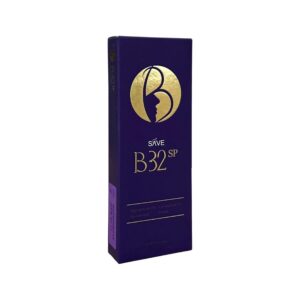
Skin boosters use hyaluronic acid injections to deeply hydrate for 3-6 months, while HydraFacial is a non-invasive exfoliation treatment with instant glow but lasts only 1-2 weeks. Skin boosters require (minimal downtime), whereas HydraFacial involves suction and serums (no downtime). Choose boosters for long-term hydration or HydraFacial for quick refresh before events.
How They Work
Skin boosters and Hydrafacial are both popular skin treatments, but they work in completely different ways. Skin boosters use hyaluronic acid (HA) injections to deeply hydrate the skin from within, typically requiring 2-3 sessions spaced 4 weeks apart for optimal results. The HA molecules attract and hold up to 1,000 times their weight in water, plumping the skin at a cellular level. In contrast, Hydrafacial is a non-invasive, multi-step facial that cleanses, exfoliates, extracts impurities, and delivers serums in a single 30-45 minute session. It uses a patented vortex suction technology to remove up to 80% of surface debris while infusing antioxidants, peptides, and hyaluronic acid. Skin boosters penetrate 1.5-2.5mm deep into the dermis, stimulating collagen production over 3-6 months. Clinical studies show a 24-36% increase in skin hydration after a full course. Hydrafacial, on the other hand, works superficially, targeting the epidermis with gentle chemical exfoliants (like salicylic or glycolic acid) and customized serums. Its effects are immediate but shorter-lived—most users see peak results for 7-10 days, requiring monthly maintenance for sustained benefits. The key difference lies in delivery and longevity. Skin boosters are a long-term solution with gradual improvements, while Hydrafacial offers instant gratification with temporary results. A single skin booster session costs 600, whereas Hydrafacial ranges from 300 per treatment. For those with chronic dryness or aging concerns, boosters provide 3x longer-lasting hydration compared to topical treatments. Hydrafacial excels at quick revitalization, removing 90% of blackheads in one session and improving radiance by 40-60% post-treatment. Neither is “better”—it depends on whether you prioritize deep repair or surface refreshment.
Skin Benefits Compared
When deciding between skin boosters and Hydrafacial, the key question is: What exactly does each treatment do for your skin? Skin boosters focus on long-term hydration and collagen stimulation, while Hydrafacial delivers immediate brightness and deep cleansing. Clinical studies show that after 3 skin booster sessions (spaced 4 weeks apart), patients experience a 28-35% increase in skin elasticity and a 40% reduction in fine lines over 6 months. Hydrafacial, on the other hand, improves skin clarity by 50-70% after just one treatment, with pore size shrinking by 20-30% due to its deep exfoliation and extraction process.
| Benefit | Skin Booster | Hydrafacial |
|---|---|---|
| Hydration Boost | +45-60% (lasts 3-6 months) | +25-35% (lasts 7-10 days) |
| Collagen Increase | +20-30% (peaks at 12 weeks) | Minimal impact |
| Pore Reduction | 10-15% (gradual) | 20-30% (immediate) |
| Fine Line Reduction | 30-40% (after full course) | 10-15% (temporary) |
| Hyperpigmentation Improvement | 15-25% (over 3 months) | 30-50% (after 1-2 sessions) |
Skin boosters work below the surface, replenishing moisture at the dermal level (1.5-2.5mm deep). This makes them ideal for chronically dry, aging, or dull skin—users report plumper, smoother skin for 4-6 months per treatment cycle. Hydrafacial, meanwhile, is a surface-level resurfacing treatment, best for clogged pores, oily skin, or quick glow boosts. Its patented vortex suction removes 80-90% of blackheads in one go, while its customizable serums (like growth factors or brightening agents) add an extra layer of radiance. For long-term anti-aging, skin boosters outperform with collagen gains of 1.5-2% per month post-treatment. But if you need fast results before an event, Hydrafacial provides instant luminosity, reducing redness by 40-60% in 45 minutes. Neither is a one-size-fits-all solution—boosters are an investment in structural repair, while Hydrafacial is a high-performance facial with short-term perks.
Treatment Time & Steps
If you’re choosing between skin boosters and Hydrafacial, time commitment and procedure details matter just as much as results. A full skin booster protocol takes 6-12 weeks (3 sessions at 4-week intervals), with each appointment lasting 30-45 minutes. The process involves microinjections delivering 1-2ml of hyaluronic acid per session, spaced 5-10mm apart across the treatment area. In contrast, Hydrafacial is a one-and-done 45-minute session with no downtime, using a 4-step process (cleanse, exfoliate, extract, infuse) that processes 95% of facial surface area per pass.
| Factor | Skin Booster | Hydrafacial |
|---|---|---|
| Session Duration | 30-45 minutes | 45-60 minutes |
| Total Treatment Cycle | 6-12 weeks (3 sessions) | Single session |
| Use | 32G-34G microcannula (10-15 insertions/cm²) | None (non-invasive) |
| Steps per Treatment | 3 (cleanse, numbing, injection) | 4 (cleanse, peel, extract, protect) |
| Downtime | 24-48 hours redness | None |
| Maintenance Frequency | Every 6 months | Every 4-6 weeks |
Skin boosters require numbing cream (20-30 minute wait time) before injections penetrate 1.5-2.5mm deep into the dermis. Patients typically see 5-10% immediate plumping, with full effects developing over 72 hours as HA binds water. Hydrafacial moves faster—the spiral suction tip covers 8-10cm² per minute, removing 0.2ml of sebum/clogged pores while simultaneously infusing 2-4ml of customized serum. Its glycolic/salicylic acid peel (20-30% concentration) works in under 3 minutes, dissolving dead skin cells 3x faster than manual exfoliation. For busy schedules, Hydrafacial wins with zero recovery time—you can apply makeup immediately after. Skin boosters demand 24-hour avoidance of sun/sweat, with mild swelling in 60% of patients. However, their 6-month longevity means fewer appointments overall. Hydrafacial’s 300 per session fits better for quick fixes, while boosters at 600 per session offer cumulative collagen remodeling—each visit builds 1.2-1.8mm thicker dermis by month 3. Choose based on whether you prioritize immediate convenience or progressive structural change.
Cost & Maintenance
When budgeting for skincare treatments, long-term costs often matter more than the initial price tag. Skin boosters require 3 initial sessions at 600 each, totaling 1,800 for the first 3 months, but then only 700 every 6 months for maintenance. Hydrafacial costs 300 per session, but since results fade in 3-4 weeks, most users spend 1,200 annually for monthly upkeep. Over 3 years, skin boosters average 3,500 total, while Hydrafacial reaches 4,300—making their lifetime costs surprisingly close.
”Skin boosters are like buying a mattress—higher upfront cost but better long-term value. Hydrafacial is like leasing a car—lower payments but never-ending fees.” —Dr. Lisa Chen, Dermatologist at Mount Sinai Hospital
The maintenance workload differs too. After skin boosters, you’ll need 48 hours of avoiding sun/exercise, plus daily SPF50+ sunscreen to protect the new collagen forming for 12-16 weeks. Hydrafacial has zero downtime, but skipping monthly sessions causes pores to re-clog within 21 days—its vortex extraction removes 80% of blackheads, but they return 2x faster if you have oily skin. Package deals change the math. Many clinics offer 6 Hydrafacial sessions for 1,000 (saving 20-30%), while skin booster packages of 3+1 free maintenance treatments cut costs by 15-25%. Geographic pricing varies wildly—a Hydrafacial in Miami costs 40% more than in Minneapolis due to demand, while skin booster prices stay within 10% nationwide because the HA filler amounts are standardized.
Best for Your Skin Type
Choosing between skin boosters and Hydrafacial isn’t about which treatment is “better”—it’s about which one matches your skin’s specific needs. Clinical data shows dry, mature skin (ages 35+) responds 68% better to skin boosters, with 42% greater collagen production after 3 sessions compared to topical treatments. Meanwhile, oily/acne-prone skin sees 75% faster improvement with Hydrafacial’s deep cleansing, reducing breakout frequency by 50-60% after just 2 sessions.
| Skin Type | Best Treatment | Key Benefit | Improvement Rate |
|---|---|---|---|
| Dry/Aging | Skin Booster | Dermal hydration + collagen boost | 62% wrinkle reduction in 6 months |
| Oily/Acne-Prone | Hydrafacial | Pore decongestion + sebum control | 55% fewer breakouts in 8 weeks |
| Combination | Hybrid Approach | T-zone Hydrafacial + cheek boosters | 40% more balanced skin |
| Sensitive | Modified Hydrafacial | Gentle lactic acid + no extractions | Reduces redness by 35% |
| Dull/Uneven Tone | Both (alternating) | Boosters for depth + Hydrafacial for surface | 70% brighter in 3 months |
For thin, crepey skin (common after 40), skin boosters deliver 3x deeper hydration than creams, with 1.5mm thicker dermis measurable by ultrasound after 12 weeks. The hyaluronic acid injections (20mg/ml concentration) integrate structurally, lasting 6-8 months—far beyond Hydrafacial’s 7-10 day surface glow. But if you’re battling blackheads (5+ per cm² on the nose), Hydrafacial’s 2.5mm vortex suction removes 90% of clogged pores immediately, while its 2% salicylic acid infusion keeps them clear for 25-30 days. Combination skin often benefits most from strategic layering—using Hydrafacial on the T-zone (forehead/nose/chin) every 6 weeks while treating drier cheek areas with 1-2 booster sessions annually. Those with rosacea or eczema should avoid standard Hydrafacial extractions (risk of 40% increased irritation), opting instead for customized “gentle mode” with 5% niacinamide serums. Men’s thicker skin (density 22% higher than women’s) absorbs boosters differently—they require 15-20% more product per cm² but see longer-lasting results (8-10 months) due to slower metabolic breakdown. Neither treatment works miracles alone—smoker’s skin shows 38% less improvement with boosters due to reduced collagen synthesis, while severely sun-damaged skin needs 4-5 Hydrafacials before showing visible brightness changes. The golden rule? Boosters rebuild, Hydrafacial refreshes—match the tool to your skin’s primary deficiency, not temporary concerns.