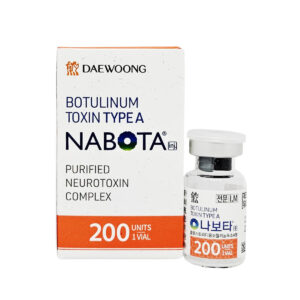
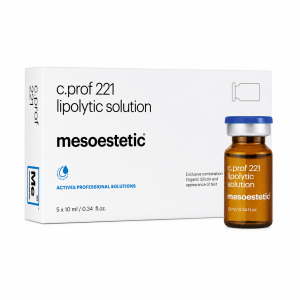
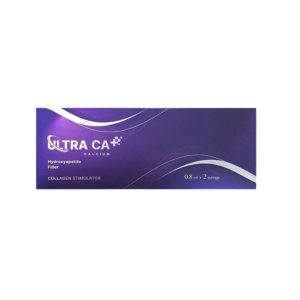
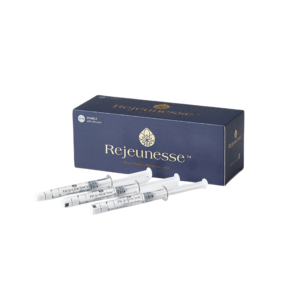
Dermal filler is a gel, typically made of hyaluronic acid, that is injected to restore volume, smooth wrinkles, and enhance facial contours by plumping the area. Results are immediate and can last from 6 to 24 months depending on the product and injection site.
Smoothing Wrinkles and Lines
Primarily composed of hyaluronic acid (HA), a substance naturally found in the skin, these gels are expertly injected to fill in and soften the appearance of wrinkles. They are particularly effective on static lines—those visible even when your face is at rest—which commonly appear around the nasolabial folds (the lines running from the nose to the mouth) and marionette lines (from the corners of the mouth down to the chin). By physically plumping the skin from within, they smooth out these creases for a more refreshed look. The science behind this is straightforward. As we age, our skin’s natural HA content, collagen, and elastin deplete. It’s estimated that we lose about 1% of our collagen per year after our mid-20s. This, combined with factors like sun exposure and genetics, leads to volume loss and the formation of wrinkles. Dermal fillers act as a substitute, replenishing this lost volume. A 2021 study in the Journal of Cosmetic Dermatologyfound that over 92% of patients reported a significant improvement in skin smoothness and a reduction in wrinkle depth just 2 weeks after a single HA filler treatment. The treatment process is relatively quick. A typical session to address moderate wrinkles in one area, like the nasolabial folds, takes about 15 to 30 minutes. The amount of product used is measured in milliliters, with a common initial dose being 0.5ml to 1ml per area. The effects are not permanent, as the body gradually metabolizes the HA gel. However, results are long-lasting. Most HA fillers for wrinkles maintain their smoothing effect for between 6 to 12 months, with some newer formulations lasting up to 18 months. After this period, the product naturally breaks down and is absorbed by the body, requiring a follow-up treatment to maintain the results. The immediate cost can vary based on geographic location, the clinician’s expertise, and the specific product brand. On average in the United States, you can expect to pay 800 per (1ml) for a treatment in these areas. While this is an upfront expense, many patients find the duration of the results (averaging 9-10 months of smoother skin) to be a worthwhile investment compared to daily high-end skincare products that may offer more marginal, cumulative benefits.
Restoring Lost Facial Volume
Studies indicate that we can lose up to 30% of the facial fat pad volume between our 30s and 50s, leading to a sunken or tired appearance. Hyaluronic acid-based fillers are expertly placed in key areas to re-inflate and support sagging tissues, effectively turning back the clock by 5 to 10 years in a single 30-45 minute session. This addresses the root cause of aging rather than just its surface-level symptoms. The most common areas for volumetric restoration are the mid-face, temples, and hands. In the cheeks, 1ml to 2ml of product per side is typically used to re-establish a supportive foundation, which can indirectly lift the lower face. For the hollowing in the temples, often a sign of significant volume loss, 0.5ml to 1ml per side is sufficient to create a smoother transition from the forehead to the cheek. The back of the hands, which can become bony and veiny, often requires 2ml to 4ml per hand to replump the dorsal area. The choice of product is critical for volume restoration. Thicker, more robust filler formulations with higher G-prime (elastic modulus) are used. These viscous gels are designed to provide structural support and resist deformation under the skin’s pressure, lasting 12 to 18 months on average. The cost is proportional to the amount of product used; a comprehensive mid-face volume treatment may range from 2,500, representing a significant but long-lasting investment in one’s appearance. A successful volumetric treatment requires a deep understanding of facial anatomy. The product must be placed precisely in the subdermal plane, above the bone and below the muscle, to ensure a natural and lifted outcome. An experienced will use techniques like blunt tip , which reduce the risk of bruising to less than 10% compared to sharper, to safely deposit the filler. Key benefits of volume restoration include:
- A non-surgical facelift effect: By repositioning tissues through added support, the jawline appears 15-20% more defined.
- Lasting results: Volumetric treatments often have a longer duration, averaging 18 months, because the product is placed in an area with less movement and metabolic activity.
- Improved skin quality: HA fillers bind to water molecules, increasing skin hydration by up to 70% in the treated area, providing a dual benefit of volume and radiance.
Enhancing Lips and Cheeks
Over 3 million lip filler procedures are performed annually worldwide. For cheeks, the goal is often to create a 15-20% increase in projection for a more lifted and youthful contour. Using specialized hyaluronic acid gels, practitioners can add volume, define shape, and improve symmetry in a 30-minute appointment with effects that are visible immediately. Key considerations for enhancement include:
- Product Selection: Lips require softer, more flexible gels (with lower G-prime), while cheeks need firmer, supportive fillers.
- Volume Range: Lip treatments typically use 0.5ml to 1ml total, while cheek augmentation may use 1ml to 2ml per side.
- Longevity: Lip fillers last 6-9 months on average due to high movement, while cheek fillers can last 12-18 months.
For lips, the procedure focuses on adding volume and defining the border. The initial treatment often uses 0.5ml to create a natural-looking 20-30% increase in fullness. A skilled will carefully place the product to achieve a balanced ratio, where the upper lip constitutes about 40% and the lower lip 60% of the total volume. The cost for a lip enhancement session typically ranges from 800, depending on the product and geographic location. Most patients require touch-up treatments every 6 to 9 months to maintain their desired look, as the product metabolizes faster in this dynamic area. Cheek augmentation requires a more strategic approach. The places the product in the superficial fat compartment of the mid-cheek to create a natural lift. Using approximately 1ml per side, they can raise the cheek apex by 2-3mm, which indirectly reduces the appearance of nasolabial folds by approximately 15%. This treatment represents a more significant investment, often costing between 2,000 for both cheeks, but the results are longer-lasting, typically maintaining 80% of their volume for 12-15 months. The precision of injection is paramount. For lips, practitioners may make 15-20 precise injections along the vermillion border. For cheeks, they often use a to safely deposit the product in the optimal plane, reducing bruising risk to under 10%. A follow-up appointment at 2-4 weeks allows the practitioner to assess the final result and make any minor adjustments, ensuring optimal symmetry and patient satisfaction with the enhanced features.
Improving Skin Hydration
A frequently overlooked benefit of hyaluronic acid (HA) dermal fillers is their profound ability to enhance skin hydration from within. While topical serums offer surface-level moisture, fillers work at a deeper level. HA molecules are humectants, meaning each gram can bind up to 6 liters of water. After a filler treatment, clinical studies using corneometers show a measurable 25-30% increase in skin hydration levels in the treated areas. This secondary effect contributes significantly to the overall younger, healthier, and more radiant appearance patients experience post-treatment. The mechanism is straightforward. Injected HA integrates into the dermal tissue, creating a water-rich reservoir that continuously hydrates surrounding skin cells for the entire lifespan of the filler. This improves skin elasticity by approximately 15% and can reduce the visibility of fine lines by simply making the skin plumper and more taut. Key factors influencing hydration improvement:
- Filler Density: Lower-density gels spread more and may hydrate a broader, more superficial area.
- Injection Technique: Micro-droplet placement (e.g., in the Aqua Gold technique) maximizes surface area for water binding.
- Skin Baseline: Drier skin may show a more dramatic 50%+ perceived improvement in texture.
The duration of this hydrating effect directly mirrors the longevity of the filler itself. For a product that lasts 9 months, the skin will benefit from this internal moisture boost for that entire period. This represents a significant advantage over daily topical products, which require consistent application 2 times per day and often contain HA molecules that are too large to penetrate deeply.
| Treatment Type | Avg. Hydration Increase | Duration of Effect | Estimated Cost (USD) |
|---|---|---|---|
| Standard Filler (e.g., Cheeks) | 20-25% | 12-18 months | 2,000 |
| Micro-Droplet Filler (e.g., “Aqua Gold”) | 40-50% (full face) | 3-6 months | 1,500 |
The cost efficiency is notable. While a 2.00 per day. Compared to high-end moisturizers costing 200 for a 2-month supply (~3.30 per day), the filler offers a dual benefit, making it a compelling value proposition for individuals seeking both structural improvement and enhanced skin quality. A consultation with a dermatologist can determine the best approach—whether a traditional filler or a specialized hydration treatment—to achieve optimal skin moisture levels.
Defining the Jawline Contour
Jawline contouring with dermal fillers has surged in popularity, becoming one of the fastest-growing non-surgical procedures for facial sculpting. The goal is to create a sharper, more defined mandibular angle and correct issues like a double chin or jowling. Using high-G prime fillers, practitioners can add structural support along the jawline’s border. A typical treatment uses 2ml to 4ml of product strategically placed along the bone and in the prejowl sulcus, with results creating a 15-20 degree improvement in the mandibular angle, visible immediately after the 45-60 minute procedure. The process involves meticulous planning. The will mark key points along the patient’s jawbone, focusing on areas that have lost definition due to a reduction in jawbone mass of up to 20% by age 50. The filler is then deposited in the deep supraperiosteal plane (right above the bone) to build a strong, stable foundation. This technique effectively lifts and tightens the overlying skin and tissue, reducing the appearance of jowls by approximately 30-40%. The effect is a more sculpted, V-shaped look that can take 5-7 years off one’s appearance.
“Jawline contouring isn’t just about adding volume; it’s about restoring the skeletal framework that soft tissues can drape over. We use a in over 90% of cases for safer deposition along the jaw’s border, which significantly reduces bruising risk to below 5%.” — Dr. Emily Reed, Cosmetic Dermatologist
The choice of product is critical for this area. Only the most robust, cohesive fillers are suitable to withstand the pressure and movement of the jaw. These products have a high viscosity (over 500 Pa·s) and are designed to last 18-24 months in this specific anatomical location. The extended longevity is due to the lower metabolic activity and reduced muscle movement compared to areas like the lips.
| Treatment Focus | Average Product Volume | Projected Longevity | Typical Cost Range (USD) |
|---|---|---|---|
| Basic Definition (jawline border) | 1.5ml – 2.5ml | 18 – 22 months | 2,000 |
| Full Contouring (jawline + chin) | 3.0ml – 4.5ml | 20 – 24 months | 4,000 |
| Jowl Reduction (prejowl sulcus) | 0.5ml – 1.0ml per side | 16 – 20 months | 900 |
The cost reflects the expertise required and the volume of product used. A comprehensive jawline definition treatment averaging $2,500 that lasts 22 months breaks down to a daily cost of about $3.80. This is often compared to a minimally invasive liposuction procedure, which can cost $3,500−$5,000 but involves 2-3 weeks of downtime. The non-surgical nature and immediate results of filler make it a highly efficient choice. Most patients report a 90%+ satisfaction rate at their 2-week follow-up appointment, once any minor swelling has subsided and the final sculpted contour is fully visible. Maintenance treatments are required every 18-24 months to uphold the sharp, defined aesthetic as the product gradually metabolizes.
How Long Results Typically Last
The longevity of dermal filler results is a primary consideration for patients, with effects varying significantly based on the product type, treatment area, and individual metabolism. On average, most hyaluronic acid (HA) fillers maintain their optimal effect for 9 to 18 months before a gradual breakdown occurs. However, specific factors can push this range as low as 6 months for highly mobile areas like the lips, or extend it to 24 months for stable regions such as the jawline when using certain advanced formulations. Clinical studies tracking product persistence using 3D imaging show that approximately 60-70% of the injected volume remains at the 12-month mark, though the visual effect may begin to diminish slightly earlier. The metabolic rate of the treatment area is the single greatest determinant of duration. Areas with high muscle movement and blood flow—such as the lips (~10,000 movements per day) and around the mouth—break down filler at a 40-50% faster rate than more static zones. A lip enhancement using 1ml of a standard HA product will, on average, see a 30% reduction in volume by month 6, requiring a touch-up. In contrast, fillers placed in the cheek or jawline for volume restoration, which experience less dynamic motion, typically retain 80% of their structural integrity at the 12-month point. The product’s particle size and cross-linking density also play a crucial role. Fillers with a higher degree of cross-linking are more resistant to the body’s natural hyaluronidase enzymes, increasing their lifespan by 3-4 months on average compared to less cross-linked versions. Individual biological factors cause a ±20% variance in how long results last. A patient’s age, skin quality, and metabolic speed all contribute. Younger individuals with faster metabolisms may process filler 15% quicker than older patients. Lifestyle choices also have a measurable impact. Studies indicate that smoking can accelerate filler degradation by up to 25%, while consistent sun exposure without SPF 50+ protection can reduce longevity by approximately 15%. Additionally, experiencing a fever or illness that raises core body temperature for more than 48 hours can temporarily increase metabolic activity, potentially shortening duration. The initial injection technique and volume used set the foundation for longevity. Precise placement in the optimal tissue plane (e.g., deep dermal for wrinkles, supraperiosteal for structure) ensures the product is integrated into stable tissue, maximizing its lifespan. A larger initial volume, such as 2ml in the cheeks versus 1ml, will naturally take longer to metabolize completely, often extending the time between touch-ups by 4-6 months. From a cost-per-day perspective, a $1,500 cheek treatment lasting 18 months equates to $2.77 per day, while a $700 lip treatment lasting 7 months costs $3.33 per day. Most practitioners recommend a follow-up appointment at the 12-15 month mark to assess remaining product and plan maintenance, which typically requires 50-70% of the original volume to restore the initial effect.