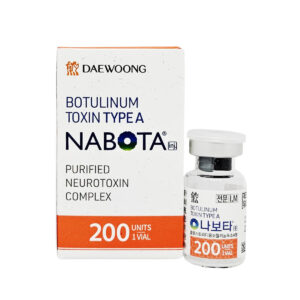
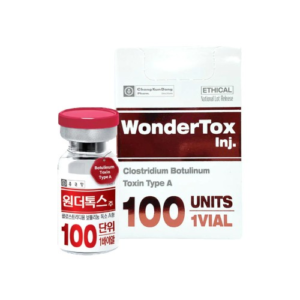
Botulax is a high-quality Botulinum Toxin Type A with a purity exceeding 99%, commonly used in the 100-unit specification for precise removal of forehead lines and crow’s feet. The product typically takes effect within 3-7 days after injection, and the wrinkle-reducing effect remains stable for 4-6 months. It is recommended to use it under the guidance of a professional doctor and choose a formal medical institution to ensure clinical safety and natural results.
Botulinum Toxin Type A
Botulinum Toxin Type A is an active neurotoxin of 150kDa, usually existing as a 900kDa protein complex. It acts by cleaving the SNAP-25 protein at nerve endings, blocking the release of the neurotransmitter acetylcholine. The purity of preparations like Botulax usually reaches 99.8%. Muscle relaxation occurs 48 to 72 hours after injection, and clinical effects generally last for 120 to 180 days.
Common Clinical Dosages
Taking the 100U specification preparation as an example, the standard clinical dilution protocol typically uses 0.9% sterile saline. After adding 2.5ml of saline, every 0.1ml of injection solution contains 4 units (Units) of active ingredient. This dilution concentration is widely used for treating fine facial muscles, aiming to limit the diffusion radius of the drug solution to within 1.0 to 1.5 cm. If treating large-area sweat glands or larger volumes of skeletal muscle, the dilution ratio may be adjusted to 4.0ml saline / 100U to increase the coverage area of the solution. Injections usually use 30G or 32G ultra-fine to reduce tissue trauma and improve the precision of dose delivery. When treating dynamic wrinkles in the upper third of the face, dose distribution follows strict anatomical sites. For Glabellar Lines, the standard protocol is to inject 20 to 30 units, divided into 5 injection points: 2 points on each side of the corrugator muscle (4-5U per point) and 1 point on the procerus muscle (4-10U). For Forehead Lines, the total dose is usually controlled at 10 to 20 units, distributed across 4 to 8 points. The injection position must be at least 2 cm above the superior orbital rim to prevent the solution from diffusing to the levator palpebrae superioris, which could cause eyelid ptosis. The conventional dose for Crow’s Feet is 12 units per side, divided into 3 injection points into the lateral part of the orbicularis oculi muscle, with the direction pointing away from the eyeball.
| Treatment Area | Typical Total Dose (Units) | Injection Point Distribution | Recommended Injection Depth |
|---|---|---|---|
| Glabellar Lines | 20 – 30 U | 5 points | Deep muscle |
| Forehead Lines (Frontalis) | 10 – 20 U | 4 – 8 points | Mid-layer muscle |
| Crow’s Feet (Lateral Canthal) | 24 U (Bilateral) | 6 points (3 per side) | Subcutaneous/Superficial muscle |
| Masseter Hypertrophy | 50 – 100 U (Bilateral) | 6 – 10 points (3-5 per side) | Deep muscle |
| Axillary Hyperhidrosis | 100 U (Bilateral) | 20 – 40 points (10-20 per side) | Intradermal |
Typically, each side of the masseter muscle requires 25 to 50 units, with a total dose reaching 50 to 100U. The injection points are distributed within the safe area of the thickest part of the masseter muscle, usually located in the triangular area formed by the earlobe, the corner of the mouth, and the angle of the mandible. If the masseter volume is extremely large, the dose can be increased to 60U per side, with layered injections into the deep and middle muscle layers. The peak reduction in masseter muscle volume after a single injection is usually reached at 4 to 8 weeks, and the effect duration is around 6 months due to differences in chewing habits. For Platysmal Bands in the neck, each cord-like protrusion is typically injected with 2 to 5 units, with a total dose per side between 15 to 25U, to relieve neck tension and lift the jawline contour. In the treatment of Chronic Migraine, the clinical PREEMPT protocol is adopted, with the total dose fixed at 155 units. These 155U are precisely distributed across 31 specific sites on the head and neck. Specifically, this includes: forehead 20U (4 points), corrugator muscle 10U (2 points), procerus muscle 5U (1 point), temporalis muscle 40U (8 points), occipitalis muscle 30U (6 points), upper trapezius muscle 30U (6 points), and posterior cervical muscle group 20U (4 points). If the patient’s pain is concentrated, the physician may add extra doses to specific areas, bringing the maximum total dose to 195 units. Such treatment is performed every 12 weeks; after three consecutive treatments, the patient’s monthly headache days are typically reduced by more than 50%. The treatment of Hyperhidrosis focuses on intradermal injection to block eccrine sweat glands. For bilateral axillae (underarms), the total dose is usually 100 units, i.e., 50U per side. Before the procedure, an iodine-starch test is performed to determine the areas of most intense sweating. Then, in that area, injections are made at intervals of 1 to 2 cm, with 2 to 2.5 units per point. The injection depth is maintained at about 2 mm intradermally to ensure the solution acts on the dermis where the sweat glands are located. Clinical statistics show that this protocol can reduce axillary perspiration by 82% to 87%, with the dryness effect typically lasting 6 to 9 months. Adult limb Spasticity has the highest dose requirement and is directly related to the patient’s weight and the muscle tension rating (such as the Ashworth Scale). In upper limb spasticity treatment, the biceps may require 50 to 200 units, the pronator teres and pronator quadratus each require 40U, and the flexor groups (radial and ulnar) typically require 50U each. For lower limb spasticity, the combined dose for the gastrocnemius and soleus muscles may reach 300 to 400 units. The suggested total dose upper limit for a single treatment is usually around 400 units (calculated by Botox standard potency) to reduce the risk of systemic toxicity. The injection process is often assisted by ultrasound guidance or electromyography (EMG) positioning to ensure accurate delivery to the target muscle belly and avoid accidental injury to surrounding blood vessels or nerve plexuses.
- Onset Kinetics: Muscle weakness begins to be observed 1-3 days after injection, reaching maximum effect in 7-14 days.
- Injection Interval: It is recommended that the interval be no less than 12 weeks to prevent the production of antibodies against the neurotoxin complex.
- Potency Conversion Ratio: Different brands are not directly equivalent. Research shows the potency ratio between Botulax and Botox is close to 1:1, while the conversion ratio between Dysport and Botox is usually between 2.5:1 to 3:1.
- Storage Requirements: Unreconstituted lyophilized powder must be refrigerated at 2°C to 8°C; the reconstituted solution is most active within 24 hours, and biological activity significantly decreases after 48 hours due to protein degradation.
For Overactive Bladder, the standard clinical dose is 100 units. Under cystoscopic guidance, the solution is injected into the detrusor muscle at 20 sites, with 5U (0.5ml diluent) per site, avoiding the bladder trigone. This procedure significantly increases bladder capacity and reduces the frequency of urinary incontinence, with effects typically lasting over 6 months. In all application scenarios, dose fine-tuning must consider the patient’s age, gender, and previous treatment response. For elderly patients, due to the risk of muscle atrophy, the initial dose is typically reduced by 20% to 30%. 
Injection Operation
Start of Preparation Phase The injection preparation phase begins with verifying the vacuum state of the. After removing the flip-off aluminum cap, the rubber stopper surface must be wiped with 70% isopropyl alcohol. For dilution, it is recommended to use 0.9% sterile saline (preservative-free) to maintain the electrical neutrality of the protein molecules. For a 100U preparation, if 2.5ml of saline is injected, the concentration is calibrated at 4U/0.1ml. When diluting, the bevel should be close to the wall, allowing the saline to be slowly drawn in using the negative pressure inside the; direct impact on the bottom is strictly prohibited. To prevent mechanical shear denaturation of the 900kDa protein complex, violent shaking of the is strictly prohibited; only gentle horizontal rotation for mixing is allowed. The reconstituted solution should appear clear, colorless, and free of particulate matter. Selection of Injection Tools The choice of injection tools directly affects injection precision and patient comfort. Clinically, a 1ml low dead space (Low Dead Space) is commonly used, and its plunger design can reduce drug residue by approximately 0.08ml. are typically 30G to 34G ultra-fine, with an outer diameter of only 0.18mm to 0.31mm, which can significantly reduce tissue trauma and the risk of capillary rupture during puncture. For vascular-dense areas such as around the eyes, using a 32G can effectively reduce the incidence of postoperative ecchymosis (incidence is usually lower than 5%).
| Operating Parameter | Specific Technical Specification | Clinical Purpose |
|---|---|---|
| Gauge | 30G, 31G, 32G, 33G | Reduce puncture pain and bleeding |
| Type | 0.3ml / 0.5ml / 1.0ml graduated | Ensure delivery precision at the 0.01ml level |
| Diluent | 0.9% NaCl (Sterile Saline) | Maintain osmotic balance and reduce irritation |
| Ambient Temperature | 20°C – 25°C (Room temperature operation) | Maintain protein biological activity |
| Injection Angle | 30° – 90° (Depending on target depth) | Precisely target muscle or intradermal layers |
Anatomical Landmarks For facial wrinkle removal, operators often use calipers to measure bony landmarks. For example, when treating forehead horizontal lines, injection points must be located more than 2 cm above the superior orbital rim to avoid the motor nerve distribution area of the levator palpebrae superioris. Clean the skin with a non-alcoholic disinfectant before insertion to prevent residual alcohol from inactivating the protein. When injecting dynamic wrinkles, the is usually inserted at an angle of 30 to 45 degrees, with the depth controlled at 2 to 3 mm, which is the junction of the dermis and the superficial muscle layer. For large muscles such as the masseter, the must be inserted vertically at a 90-degree angle, with a depth typically of 10 to 15 mm, ensuring the solution is evenly distributed across the three planes of the muscle belly. The injection speed should be maintained at about 0.05ml / second per site. Slow injection helps alleviate pain caused by tissue expansion and reduces uncontrolled diffusion of the drug solution between tissues. After each injection point is completed, a sterile dry cotton ball should be lightly pressed for 5 to 10 seconds to prevent backflow. Any form of rubbing or massage is strictly prohibited because the physical pressure generated by massage can cause the toxin to diffuse to non-target muscles (e.g., the diffusion distance causing ptosis usually exceeds 2 cm).
| Part Classification | Suggested Insertion Depth (mm) | Injection Technique | Diffusion Radius Control (cm) |
|---|---|---|---|
| Glabellar | 5.0 – 8.0 | Vertical insertion, deep injection | 0.5 – 1.0 |
| Forehead | 2.0 – 4.0 | Oblique puncture, subcutaneous/superficial fascia layer | 1.0 – 1.5 |
| Periorbital | 1.0 – 2.0 | Wheal-style injection | < 0.5 |
| Platysma | 1.5 – 2.5 | Pinch method, superficial injection | 1.5 – 2.0 |
| Axilla | 2.0 | Grid method, intradermal injection | 1.0 |
Injection Operation The injection operation for hyperhidrosis uses the “grid positioning method.” In the axillary area, the physician uses a surgical marker to define a grid at 1.5 cm intervals, with each intersection serving as an injection site. The enters the deep dermis (at about 2mm) at a minimal angle of 15 degrees, with 2 to 2.5 units injected at each point. The sign of a successful injection is the formation of a tiny wheal about 3 mm in diameter locally. Immediate care after clinical operation plays a role in maintaining the final effect. After the injection is completed, the patient must keep their head upright for at least 4 hours. During this period, activities such as bowing the head, lying flat, or doing handstands are prohibited to prevent drug solution displacement caused by gravity or blood pressure fluctuations. Within 24 hours after the procedure, local hot compresses, saunas, or strenuous exercise should be avoided, as increased local blood flow will accelerate protein metabolic degradation and shorten the effective duration of the drug. Medical Waste Disposal All,, and that have come into contact with the toxin must be placed in a puncture-resistant biohazard waste container. Any remaining small amount of drug solution must be inactivated with 0.5% sodium hypochlorite solution (bleach) before disposal. Unreconstituted must be strictly stored in a controlled refrigerated environment of 2°C to 8°C. If the cold chain is interrupted for more than 4 hours, its biological potency may drop by more than 10%.
Adverse Reactions
The safety of Botulinum Toxin Type A has been widely verified over the past decades, but as a neurotoxin preparation, there are still clear risk probabilities in clinical applications. Local reactions are the most frequent category, with bruising and swelling at the injection site accounting for about 3% to 10% of clinical cases. This phenomenon is usually related to capillary damage from the rather than the pharmacological action of the toxin itself. Research data indicates that using 30G or 32G ultra-fine can reduce the incidence of ecchymosis by about 40%. The incidence of local pain is between 2% to 5%, usually subsiding within 30 minutes after injection. Edema reactions are more common in the periorbital area because the skin thickness there is only about 0.5 mm. Osmotic pressure changes caused by the drug solution can easily lead to tissue fluid accumulation. Such symptoms usually disappear spontaneously within 24 to 72 hours. Clinical multi-center studies show that about 9% to 15% of patients experience temporary headaches after receiving their first forehead or glabellar injection. This reaction usually appears within 24 hours post-procedure, lasts no more than 48 hours, and its cause may be related to irritation of the periosteum or sudden changes in frontalis muscle contraction patterns. Ptosis is the most concerning complication in cosmetic injections, with clinical incidence typically reported below 1%. Its physiological mechanism lies in the toxin crossing the superior orbital rim and diffusing to the levator palpebrae superioris, causing the receptors to be unable to receive acetylcholine signals. The diffusion distance is significantly affected by injection volume. If the injection volume at each site exceeds 0.1 ml, the toxin’s diffusion radius in tissue will expand from the standard 1.0 cm to over 1.8 cm. For the treatment of glabellar lines, if the injection point is less than 1 cm above the superior orbital rim, the risk of ptosis will increase 3-fold. Furthermore, Brow Ptosis often occurs when the frontalis muscle injection dose is too high (exceeding 20 units) or the injection position is too low, resulting in the frontalis muscle losing its antagonistic ability to lift the eyebrows. In the treatment of crow’s feet, if the drug solution diffuses to the lateral rectus muscle, it may induce Double Vision. Although its incidence is extremely low (about 0.1%), it usually takes 2 to 4 months to return to normal with nerve function regeneration. Systemic reactions are extremely rare at conventional cosmetic doses, but the incidence increases during high-dose treatments (such as limb spasticity, where a single dose exceeds 300 units). Flu-like symptoms, including fatigue, mild fever, and muscle aches, have a reported rate of 2% to 10% in clinical trials. The PREEMPT protocol study for chronic migraine showed a neck pain incidence of about 9%, which is related to the weakened strength of posterior cervical muscles due to the toxin, leading to compensatory tension in surrounding muscles. For injections into the platysmal bands of the neck, if the dose exceeds 25 units per side, the probability of the patient experiencing Dysphagia will reach 2% to 5%, which is caused by toxin penetration into deep laryngeal muscle groups. Long-term repeated injections of Botulinum Toxin Type A may lead to immunogenic reactions. Clinical data shows that about 0.3% to 1.5% of long-term users will produce neutralizing antibodies. This phenomenon is closely related to protein load. Using purified preparations without complexing proteins (such as certain 150kDa types) can significantly reduce the frequency of antibody production. In specific medical uses, adverse reactions are highly targeted. For the treatment of overactive bladder, urinary tract infection (UTI) is the most common complication, with an incidence between 15% to 20%. Some patients (about 5%) may experience temporary urinary retention, requiring short-term self-catheterization. When treating severe hyperhidrosis, about 5% to 10% of patients may experience temporary weakened grip strength after hand injections, because the toxin penetrates the dermis to act on deep skeletal muscles. In axillary treatment, because the sweat glands are distributed superficially, the risk of such muscle weakness is nearly zero. The safety warning points out that, although extremely rare, toxin effects may spread distally from the injection site, producing symptoms similar to botulism, such as difficulty breathing or severe systemic muscle weakness. This situation is more common in non-standard operations or extremely high-dose non-standard use scenarios. Although the true allergy rate to the Botulinum Toxin Type A molecule is extremely low (below 0.01%), sensitivity to excipients in the preparation (such as human serum albumin or sodium chloride) may trigger urticaria, pruritus, or angioedema. Clinical operation protocols require hospital observation for 15 to 30 minutes after injection. If a patient has experienced obvious erythema or persistent itching in previous treatments, a skin prick test should be performed before re-injection to rule out allergy risk. If the injection interval is shorter than 12 weeks, it will not only increase the probability of antibody production but may also lead to disuse atrophy of local muscles. Recovery from such atrophy may take up to 12 months after stopping injections. When dealing with masseter hypertrophy, over-injection (exceeding 60 units per side) may lead to compensatory swelling in the parotid region or chewing weakness due to overly weak masseter strength. The incidence of such symptoms is around 3%, usually most apparent at 4 weeks post-procedure. To reduce the aforementioned risks, clinicians must establish complete patient files, documenting the batch number, dilution concentration, specific points, and dose of every injection. For patients exhibiting obvious diffusion reactions, subsequent treatment should reduce the diffusion range of the solution by increasing the dilution concentration (e.g., adjusting 2.5ml to 1.25ml saline) and appropriately lowering the total dose by 20%.
Uses
Botulax blocks the release of acetylcholine from nerve endings by binding with the SNAP-25 protein. In clinical trials for moderate to severe wrinkles, the improvement rate 30 days after injection exceeded 92%. When used to treat adult post-stroke limb spasticity, the recommended single dose upper limit is 360U. For axillary hyperhidrosis, an injection of 50U per side can reduce sweat secretion by about 85%. It is currently available in 28 countries in 50U, 100U, and 200U specifications, with potency deviation controlled within ±5%, ensuring the predictability of clinical application.
Improvement of Facial Lines
When treating dynamic facial lines, Botulax acts on peripheral cholinergic nerve endings through high-purity Botulinum Toxin Type A molecules. Its molecular weight is approximately 900kDa. After entering human tissue, the neurotoxin protein component dissociates from the complex protein, precisely identifying and binding to presynaptic membrane receptors at the neuromuscular junction. This process involves specific cleavage of the SNAP-25 protein, preventing vesicles containing acetylcholine from fusing with the cell membrane, thereby blocking chemical signals that cause muscle contraction. Clinical pharmacology data shows that the Botulax production process maintains protein purity above 99%, and its potency at the time of manufacture is strictly controlled between 95% to 105%. Clinical comparative research on glabellar lines show that using a 20U dose of Botulax achieved an improvement rate (based on a drop of 2 points or more in IGLSS score) of over 90% at 4 weeks after injection. This temporary regulation of nerve conduction typically initiates within 48 to 72 hours after injection and reaches peak efficacy at 14 days.
| Target Area | Involved Muscles | Suggested Total Dose (U) | Injection Point Distribution | Insertion Depth |
|---|---|---|---|---|
| Glabellar Region | Corrugator, Procerus | 20U | 5 points symmetrical | Vertical into deep muscle |
| Lateral Canthal Region | Orbicularis Oculi (lateral) | 12 – 24U | 3 points per side | Subcutaneous 2-3mm superficial |
| Forehead Lines | Frontalis | 10 – 20U | 5 – 10 points linear | Supraperiosteal or deep muscle |
| Bunny Lines | Nasalis | 4 – 10U | 2 – 3 points | Superficial muscle |
| Perioral Lines | Orbicularis Oris | 4 – 6U | 4 points even distribution | Very superficial intradermal |
For the treatment of Glabellar Lines, because the muscle group in this area has strong tension, 100U of Botulax is typically diluted with 2.5ml of 0.9% sodium chloride injection to obtain a concentration of 4U/0.1ml. When injecting the corrugator muscle, the tip must avoid the area 1cm above the superior orbital rim to prevent the solution from penetrating through the supraorbital foramen and causing ptosis. In a multi-center randomized double-blind trial of 500 subjects, the effective maintenance rate of the Botulax group at 120 days post-injection still remained around 65%. For the improvement of forehead horizontal lines, the functional characteristic of the frontalis muscle as the only muscle that lifts the eyebrows must be considered. Injection points are usually set 2.5cm to 3cm above the eyebrow, with each point dose controlled at 1U to 2U, to avoid eyebrow heaviness or the “Samurai brow” phenomenon caused by over-relaxation of the frontalis muscle. For Crow’s Feet, since the periorbital skin thickness is only about 0.5mm, a lateral radial arrangement should be adopted during operation, with the bevel facing up to ensure the solution precisely acts on the superficial fibers of the orbicularis oculi muscle.
| Evaluation Metric | Clinical Observation Data (Botulax 100U) | Efficacy Timeline | Histological Reaction |
|---|---|---|---|
| Onset Speed | Muscle relaxation felt in 2 – 3 days | Initial stage | Nerve terminal receptor binding |
| Peak Time | Lines fully smoothed in 10 – 14 days | Stable stage | SNAP-25 protein cleavage completed |
| Average Duration | 3.5 – 5 months | Maintenance stage | Nerve axonal sprouting compensation |
| Diffusion Radius | 5mm – 10mm (Depending on dilution ratio) | Dispersion characteristic | Local tissue penetration |
| Side Effect Rate | Ecchymosis (<3%), Headache (<2%) | Early reaction | Puncture injury or nerve regulation adaptation |
When treating perioral longitudinal lines (Smoker’s Lines), the injection amount per point usually does not exceed 1U, because the orbicularis oris muscle is extremely sensitive to acetylcholine blockade, and excess can lead to water leakage or speech impairment. For the “Nefertiti Lift” of the jawline, Botulax counteracts the downward pulling force by relaxing the posterior fibers of the platysma muscle, making the jawline appear visually clearer. For such applications, doses are typically distributed along the mandibular margin and the vertical neck bands, using 15-20U per side. Regarding pharmacological metabolism, after Botulinum Toxin Type A is absorbed by muscle tissue, its biological activity gradually diminishes with the regeneration of nerve axons. New nerve junctions re-establish contact within 90 to 150 days. Because the complex protein content of Botulax is extremely low, in a 2-year follow-up observation, no neutralizing antibodies were detected in patients who received more than 5 repeated injections, ensuring consistent drug efficacy in long-term treatment without the decrease in efficacy caused by immune recognition.
| Dilution Ratio (100U spec) | Drug Content per 0.1ml (U) | Applicable Scenarios | Tissue Diffusion Prediction |
|---|---|---|---|
| 1.0 ml Dilution | 10.0 U | Masseter or large-area spasticity | Extremely narrow diffusion, high concentration |
| 2.0 ml Dilution | 5.0 U | Standard glabellar lines, strong corrugator | Moderate diffusion, precise positioning |
| 2.5 ml Dilution | 4.0 U | Routine forehead, crow’s feet treatment | Broad coverage, natural transition |
| 4.0 ml Dilution | 2.5 U | Superficial micro-injection (Mesobotox) | Wide dispersion, improves sebum |
| 8.0 ml Dilution | 1.25 U | Extremely fine facial micro-sculpting | Highly diluted, very low risk |
Injections for nasal dorsal transverse lines (Bunny Lines) require the tip to be inserted into the nasalis muscle at a 45-degree angle, with 2-5U per side. If the solution position is too low, it may affect the levator labii superioris alaeque nasi, resulting in restricted upper lip movement when smiling. In clinical practice, the pH value of Botulax is around 7.0, close to the human physiological environment, effectively reducing the burning sensation during injection. For patients with severe facial wrinkles, a phased dose adjustment plan is recommended. Initial treatment should be conservative, with a follow-up on day 14 to add 2-5U based on residual muscle tension. Research data confirms that this strategy keeps facial expressions in a natural dynamic balance, avoiding complete stiffness. In terms of skin quality improvement, small-dose intradermal injection of Botulax can also indirectly shrink pore diameter and reduce sebum gland secretion by inhibiting arrector pili muscle contraction, giving the face a smoother glow. This auxiliary effect is most apparent in the 3rd week after injection. 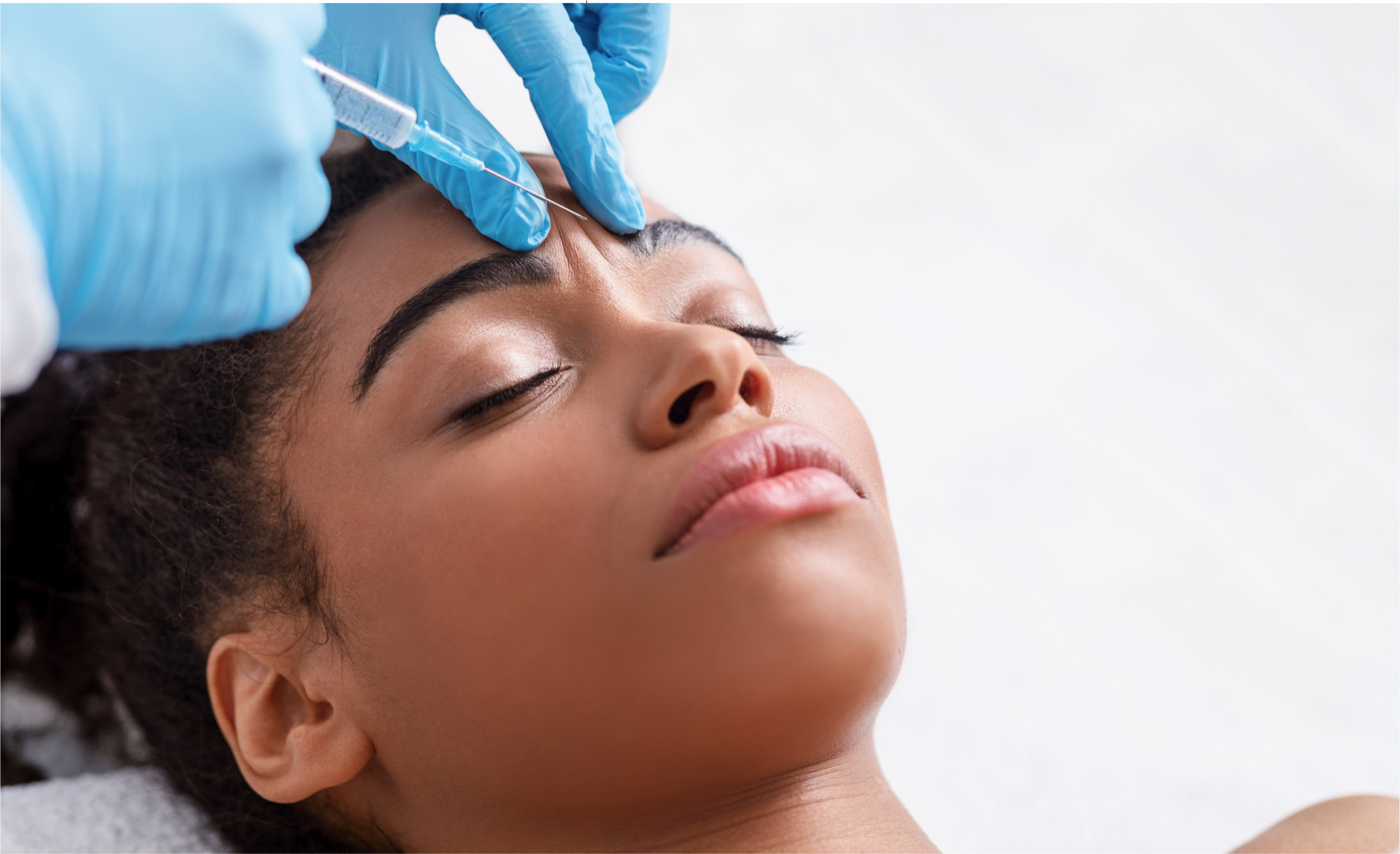
Muscle Contour Adjustment
Clinical data shows that Botulax has a molecular purity of over 99%, and the deviation of its biological activity between different batches is controlled within ±5%. When performing large muscle group adjustments, products in 100U or 200U specifications are typically used. For the adjustment of Masseter Muscle hypertrophy, the process usually involves diluting 100U of Botulax with 2.0ml of saline to prepare a concentration of 5U/0.1ml to balance the penetration range and action intensity of the solution. When treating the jawline contour, injection points must be precisely positioned in the thickest area of the masseter muscle, usually distributed within the safe triangle formed by the earlobe, the corner of the mouth, and the angle of the mandible.
- Starting Dose: Typically 25 – 50U per side, divided into 3 to 5 injection points.
- Insertion Depth: The must be inserted vertically into the skin, penetrating the masseter fascia into the deep muscle layer, at a depth of about 10 – 12mm.
- Volume Change: Clinical observations show that at about 4 weeks after injection, the average masseter thickness can be reduced by 20% – 30%.
- Bite Force Regulation: Patients may feel weakened chewing force on day 7 post-procedure, which is a pharmacological signal that the drug is starting to take effect.
- Maintenance Cycle: This contour change effect typically reaches its peak at 2 – 3 months, with a total maintenance time of around 6 months.
| Adjustment Goal | Involved Muscles | Suggested Unilateral Dose (U) | Total Dose Range (U) | Suggested Dilution Ratio (Saline/100U) |
|---|---|---|---|---|
| V-line Face Slimming | Masseter | 25 – 50 | 50 – 100 | 2.0 ml |
| Right-Angle Shoulder Shaping | Upper Trapezius | 50 – 100 | 100 – 200 | 4.0 ml |
| Calf Line Optimization | Gastrocnemius (medial/lateral) | 75 – 150 | 150 – 300 | 5.0 ml |
| Neck Line Elongation | Platysma/Trapezius | 20 – 40 | 40 – 80 | 2.5 ml |
Trapezius adjustment not only involves aesthetic enhancement but is also commonly used to relieve muscle tightness caused by long-term head lowering. For “Right-Angle Shoulder” shaping, Botulax’s injection range covers the triangular area of the upper trapezius. Since this muscle has a large area, a multi-point grid injection method is recommended, with each point spaced 1.5 – 2cm apart. Research shows that using 100U of Botulax per side can significantly reduce the bulge height at the neck-shoulder junction. At the anatomical level, injections must avoid the main path of the accessory nerve and primarily act on the motor points of the muscle.
- Injection Layout: 10 – 15 points distributed per side, with single-point doses controlled at 5 – 8U.
- Dilution Strategy: Use 4.0ml of saline to dilute the 100U agent; lower concentration helps the solution disperse more evenly in large muscle areas.
- Functional Performance: Patients will feel their shoulders dropping at 2 weeks post-procedure, with the neck visually appearing 1 – 2cm longer.
- Adverse Reaction Monitoring: In very few cases, doses that are too high or positioned incorrectly may lead to brief arm-lifting weakness, with an incidence below 1%.
For Calf contour adjustment, Botulax primarily acts on the medial or lateral heads of the Gastrocnemius muscle. This treatment provides a non-surgical solution for muscular calves caused by exercise or genetics. Since the gastrocnemius is one of the strongest muscles in the human body, the total dose required is usually high, ranging between 200 – 300U. Clinical data states that after Botulax treatment, subjects’ calf circumference is reduced by an average of 1.5 – 2.5cm at 8 weeks.
- Positioning Technique: Requires the patient to stand on their tiptoes to reveal muscle contours, marking along the most prominent “peak” areas of the muscle.
- Dose Distribution: The medial head typically receives 60% of the total dose, and the lateral head receives 40%, as the medial head has a more significant impact on leg thickness.
- Injection Depth: Use a 25G – 27G long, with a depth reaching 15 – 20mm to ensure the solution enters the center of the muscle belly.
- Gait Monitoring: Since Botulax acts on muscles related to walking, strenuous exercise should be avoided post-procedure to prevent foot fatigue caused by distal muscle compensation.
| Evaluation Dimension | Masseter Adjustment | Trapezius Adjustment | Gastrocnemius Adjustment |
|---|---|---|---|
| Onset Time | 10 – 14 days | 14 – 21 days | 21 – 30 days |
| Peak Effect | 1 – 2 months | 1.5 – 2.5 months | 2 – 3 months |
| Injection Interval | 4 – 6 months | 6 months | 6 – 9 months |
| Typical Single Point Dose | 10U | 5 – 10U | 10 – 15U |
| Recommended Gauge | 30G | 27G – 30G | 25G – 27G |
The production process of Botulax employs patented vacuum drying technology, which not only ensures the biological stability of the lyophilized powder but also makes the physical properties of the agent more constant after reconstitution. The pH of the product is controlled at around 7.0, close to the acidity of human physiological tissue fluid, which can significantly reduce the patient’s tissue irritation sensation during high-dose, multi-site injections. For patients seeking fine contours, Botulax’s ±5% potency consistency ensures that doctors can precisely calculate the required units based on muscle volume, reducing symmetry deviations caused by drug efficacy fluctuations. In terms of pharmacological metabolism, the heavy chain of Botulinum Toxin Type A is responsible for binding to nerve receptors, while the light chain enters the neuronal cytoplasm to cleave the SNAP-25 protein.
Glandular Secretion Inhibition
Botulax uses high-purity Botulinum Toxin Type A molecules of over 99% (molecular weight approximately 900kDa). After being injected into intradermal tissue, its light chain precisely cleaves the SNAP-25 protein, thereby interrupting signals that regulate sweat gland secretion. Clinical data for Axillary Hyperhidrosis shows that after treatment with Botulax, local sweat secretion can typically be reduced by more than 80% within 3 to 7 days. This chemical neuro-denervation effect on glands usually lasts longer than its performance on muscles, with a single treatment efficacy maintenance period generally between 6 to 12 months.
Before clinical operation, a Minor test (iodine-starch test) is usually used to precisely locate areas of sweat gland overactivity. This method involves applying a 2% iodine solution to the treatment area and sprinkling starch; sweat excretion points will rapidly turn blue-black. Clinical advice is to dilute 100U of Botulax with 4.0ml of 0.9% sodium chloride, at which point every 0.1ml contains 2.5U of drug solution. This higher dilution volume helps the solution disperse more broadly horizontally within the dermis layer, thereby covering more sweat gland tissue.
For the axillary area, the armpit is usually divided into a grid of injection points about 1.5cm x 1.5cm in size, with 10 to 20 injection sites per axilla. The dose per point is set between 2.5U to 5U, with the total dose per side generally being 50U; for severe patients, this can be increased to 100U. The insertion angle should be kept at 10 to 15 degrees, injecting the solution precisely into the junction of the deep dermis and subcutaneous fat, where sweat gland ducts are concentrated. In a clinical multi-center study, at week 4 after Botulax injection, according to the Hyperhidrosis Disease Severity Scale (HDSS), about 94% of patients saw their scores drop from 3 or 4 down to 1 or 2.
In Palmar and Plantar treatments, because the skin stratum corneum is thicker and nerve endings are densely distributed in these areas, the sensation of the injection process is more pronounced. Clinical practice usually adopts a high-density injection protocol with 1.0cm intervals, and the suggested dose for a single palm is 100U. To ensure uniform drug diffusion, the volume per point is controlled between 0.05ml to 0.1ml. Statistical data shows that the onset time for sweat reduction in palms is about 48 hours, much faster than the response speed of facial muscle regulation.
For this high-dose intradermal injection protocol, Botulax’s physicochemical properties provide good safety assurance. Its lyophilized powder uses a strict vacuum drying process during production, keeping the reconstituted solution’s pH value at around 7.0, minimizing the acid-base stimulation to local tissue during high-density multi-point injections. In a long-term follow-up of 300 patients with primary focal hyperhidrosis, Botulax exhibited extremely high biological activity stability, with potency fluctuations controlled within ±5%. Furthermore, because Botulax’s protein carrier content is extremely low, even in areas requiring high doses (over 100U per session) like palms, cases of neutralizing antibodies leading to decreased efficacy are extremely rare in clinical reports, ensuring the predictability of long-term treatment.
Pharmacokinetic studies indicate that Botulax has a longer local retention time after intradermal injection, which is beneficial for its full binding with sympathetic nerve endings. At 12 weeks after treatment, using gravimetric measurement, the average sweat output in the treated area typically decreases from a baseline of 150mg/min to below 20mg/min. When the effect gradually weakens after 6 months, sweat gland function will slowly recover as SNAP-25 protein is re-synthesized. A second injection at this time can continue to maintain dryness, and after multiple injections, some patients tend to have longer treatment intervals.
By performing extremely low-dose micro-injections (Mesobotox protocol) in the forehead or T-zone, it can inhibit arrector pili muscle contraction and indirectly lower sebaceous gland activity. Clinically, it’s observed that at 14 to 21 days post-injection, subjects see a quantitative decrease of around 25% in pore size and sebum secretion rates. This application usually uses an 8.0ml diluent to dilute 100U of agent to an extremely low concentration to ensure it does not affect deep expression muscle movement, acting only on superficial glandular tissue.