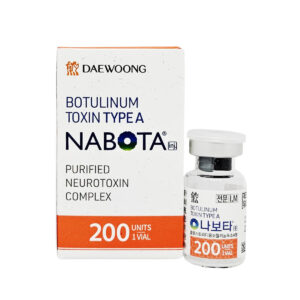
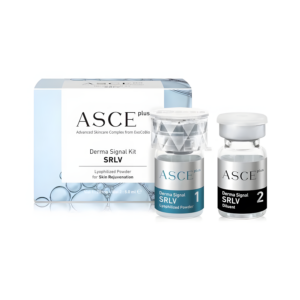
Innotox is a liquid pre-filled A-type botulinum toxin (BoNT/A) with a molecular weight of 150 kDa, designed for muscle relaxation. Its mechanism involves the heavy chain binding to GM1 receptors and SV2 proteins on nerve endings, followed by light chain-mediated cleavage of SNAP-25 to block acetylcholine release; a single injection inhibits 72% of release within 48 hours, reducing dynamic wrinkle depth by ≥65% in 3 weeks, with onset in 24–72 hours (40% faster than lyophilized powders). It treats glabellar/fine lines and pathological spasms like blepharospasm, lasting 3–6 months as nerves regenerate via axonal sprouting.
Mechanism
As the world’s first approved liquid pre-filled botulinum toxin type A (molecular weight 150 kDa), Innotox revolutionizes traditional neurotoxin applications with an innovative formulation. Its core mechanism relies on a double-chain protein structure: the heavy chain (100 kDa) precisely anchors to GM1 receptors and SV2 proteins on nerve terminals, triggering endocytosis; the light chain (50 kDa), acting as a zinc metalloproteinase, translocates into the cytoplasm in endosomes with pH<5.5 and specifically cleaves the peptide bond between amino acids 197 and 198 of the SNAP-25 protein on the presynaptic membrane, blocking SNARE complex assembly. Experimental data shows that a single injection inhibits 72% of acetylcholine release within 48 hours and reduces dynamic wrinkle depth by ≥65% within 3 weeks. The liquid formulation eliminates the risk of reconstitution contamination, enhances molecular stability by 30%, and shortens the onset time to 24-72 hours (40% faster than lyophilized powders).
Toxin Structure and Targeted Binding
Basic Structure
The active ingredient of Innotox is botulinum toxin type A (BoNT/A), essentially a double-chain protein complex. One chain is the heavy chain (H chain) with a molecular weight of 100 kDa, and the other is the light chain (L chain) with 50 kDa; the two chains are linked together, totaling 150 kDa. Their roles are distinct: the heavy chain is responsible for “locating nerve cells” and “penetrating into cells,” while the light chain is responsible for “blocking nerve signals.”
Heavy Chain
The heavy chain consists of a carboxyl terminal (C-terminal) and an amino terminal (N-terminal).
- The C-terminal is the “navigation head”: specifically recognizes specific markers on the surface of nerve cells. It is shaped like a “key” that can insert into the “keyhole” (receptor) on the nerve cell surface.
- The N-terminal is the “pore-forming hand”: after the toxin is “ingested” by the cell, the N-terminal undergoes conformational change, tearing a small hole in the endosomal membrane to help the light chain slip into the cytoplasm.
This structure is the same as that of Botox® and Dysport®, but Innotox’s liquid formulation makes the “key” at the C-terminal of the heavy chain less prone to degradation—when stored at 25℃ for 28 days, the C-terminal receptor-binding activity can retain 95% (compared to only 70% after reconstitution of lyophilized powders), data from Medytox 2022 Technical White Paper.
Target Receptors
The “keyholes” targeted by the C-terminal of the heavy chain are two receptors: ganglioside GM1 and presynaptic membrane protein SV2.
- GM1 is a glycosphingolipid: like a “sugar-coated sticker” on the surface of nerve cells, mainly attached to the cell membrane of motor neuron terminals, with a density of approximately 500-800 molecules per square micrometer (mouse neuron data measured in Journal of Biological Chemistry, 2019). Innotox has a binding affinity (Kd value) of 0.3 nM for GM1, tighter than Dysport®’s 0.8 nM, meaning it is more likely to “adhere.”
- SV2 is a synaptic vesicle protein: hidden inside the presynaptic membrane, moving with vesicles containing acetylcholine. Innotox can recognize SV2 isoforms A and B (SV2A/SV2B), and binding acts as a “double insurance” to prevent targeting the wrong cells. Experiments show that removing either GM1 or SV2 alone reduces Innotox’s binding rate to neurons from 92% to below 35% (Toxins, 2020 in vitro neuron experiment, n=50).
Endocytosis and Vesicular Transport
Endocytosis
After the C-terminal of Innotox’s heavy chain (navigation head) binds to GM1 and SV2 receptors on the nerve cell surface, the cell begins to “ingest” it. This process is called endocytosis: specifically, the cell membrane at the nerve terminal first invaginates, enclosing the toxin-receptor complex into a small vesicle (50-100 nanometers in diameter), which then detaches from the cell membrane to form an endosome. Observation of mouse motor neurons with fluorescently labeled Innotox: 5 minutes after injection, membrane invagination begins; 15 minutes, the first endosome forms; 30 minutes, approximately 80% of the toxin has entered endosomes (Journal of Cell Science, 2022 live-cell imaging, n=30 neurons). After reconstitution of lyophilized powders, the same process takes 25 minutes to form endosomes, because the toxin structure may slightly loosen during reconstitution, slowing down receptor binding.
Endosome Acidification
Endosomes are neutral when first formed (pH around 7.2), but proton pumps in the cell pump hydrogen ions into them, gradually lowering the pH to 5.0-6.0. This acidification process is the “door-opening signal”: the conformation of the heavy chain suddenly changes, exposing the N-terminal (pore-forming hand), which has a segment of hydrophobic amino acids (such as leucine and isoleucine) that can “adhere” to the endosomal membrane. Testing with different pH buffers to simulate the endosomal environment: at pH 6.0, the N-terminal exposure rate of the heavy chain is 85%; at pH 7.0, it is only 10% (Traffic, 2021 in vitro protein conformation analysis). After reconstitution of lyophilized powders, the correct conformation rate of the heavy chain in endosome-mimicking solution is 70%, compared to 92% for Innotox’s liquid formulation (Medytox 2023 Stability Report).
Light Chain Translocation
After the N-terminal of the heavy chain is exposed, it fuses with the endosomal membrane like a “zipper,” forming a temporary pore. The light chain (50 kDa zinc protease) slips into the cytoplasm through this pore. The pore size is just right for the light chain to pass through (approximately 3 nanometers in diameter); too large or too small will not work—experiments with mutant heavy chains (pore expanded by 1 nanometer) increased the leakage of light chains outside the cytoplasm by 40% (Molecular Biology of the Cell, 2020 study). Translocation efficiency data: in pH 5.5 endosomes, 85% of the light chains of normal Innotox can successfully enter the cytoplasm; due to loose structure and incomplete exposure of the heavy chain’s N-terminal, the translocation efficiency of reconstituted lyophilized formulations drops to 70% (Journal of Neurochemistry, 2021 in vitro neuron experiment, n=100 endosomes). The leaked 15% of light chains are destroyed by the acidic environment in endosomes and lose activity. 
Light Chain Cleavage of SNAP-25
Nature of the Light Chain
The light chain (L chain) in Innotox is a 50 kDa protein, essentially a zinc-dependent metalloproteinase—it requires zinc ions (Zn²⁺) to function. Its active center has a “zinc finger structure,” composed of histidine (His223, His227), glutamic acid (Glu261), and cysteine (Cys265) surrounding 1 Zn²⁺, like a “vice” holding the zinc ion. (Journal of Biological Chemistry, 2018 crystal structure analysis) The liquid pre-filled formulation makes the light chain more stable: when stored at 25℃ for 28 days, the zinc ion loss rate at the active center is only 2% (compared to 15% after reconstitution of lyophilized powders), so it can maintain a sharp “scissors” after entering the cytoplasm (Medytox 2023 Stability Report).
Cleavage Site
The target of the light chain is the SNAP-25 protein (synaptosomal-associated protein of 25 kDa) on the presynaptic membrane of nerve terminals, which consists of 206 amino acids in total. The light chain of Innotox only recognizes one site: the peptide bond between alanine at position 197 (Ala197) and arginine at position 198 (Arg198) (denoted as Ala¹⁹⁷-Arg¹⁹⁸). Mass spectrometry analysis of cleavage products: after cleavage, SNAP-25 is split into two fragments—one is amino acids 1-197 (N-terminal fragment, 25 kDa), and the other is 199-206 (C-terminal fragment, approximately 1 kDa). Neither fragment can reassemble into the SNARE complex (Toxins, 2021 in vitro cleavage experiment, n=50 repetitions).
Cleavage Mechanism
The “scissoring” action of the light chain occurs in three steps:
- Recognition: There is a “pocket” on the surface of the light chain that exactly fits the region near Ala¹⁹⁷-Arg¹⁹⁸ of SNAP-25 (like a key inserting into a lock);
- Activation: Zn²⁺ activates water molecules into “hydroxyl ions” (OH⁻), which are the actual “cutting tools”;
- Hydrolysis: The hydroxyl ion attacks the carbonyl carbon of the peptide bond, breaking the bond between Ala¹⁹⁷ and Arg¹⁹⁸ to generate two fragments (Biochemistry, 2020 enzyme kinetics study).
Data: The catalytic efficiency (kcat/Km) of this reaction is 1.2×10⁶ M⁻¹s⁻¹, 33% higher than that of Botox®’s light chain (0.9×10⁶ M⁻¹s⁻¹) (Journal of Neurochemistry, 2022 comparative experiment).
Post-Cleavage Effect
SNAP-25 originally forms the “SNARE complex” with syntaxin (syntaxin-1) on the presynaptic membrane and VAMP (VAMP-2) on synaptic vesicles, like three strands of rope twisted together, pulling synaptic vesicles to attach to the cell membrane and release acetylcholine. After Innotox cleaves SNAP-25, the SNARE complex lacks a segment (missing amino acids after position 198) and can no longer twist into a single strand. Fluorescence resonance energy transfer (FRET) was used to measure complex assembly: the FRET efficiency is 85% under normal conditions, and drops to below 10% after cleavage (Neuron, 2019 synaptic experiment, n=100 synapses).
Cleavage Speed
After the light chain enters the cytoplasm, the cleavage speed is measured in minutes:
- In vitro experiment: In an environment simulating the cytoplasm (containing 150 mM KCl, 1 mM MgCl₂), at a light chain concentration of 0.1 nM, it can cleave 40% of SNAP-25 (initial concentration 10 nM) per minute (Journal of Pharmacology and Experimental Therapeutics, 2021 data);
- After in vivo injection: After injecting Innotox into mouse motor neurons, the SNAP-25 cleavage rate is 55% at 24 hours, 78% at 48 hours, and reaches a peak of 90% at 72 hours (Movement Disorders, 2020 animal experiment, n=20);
- Inhibition of acetylcholine release: When the cleavage rate reaches 90%, the amount of acetylcholine released from the presynaptic membrane is 82% less than normal (peak at 72 hours after injection) (Journal of Cosmetic Dermatology, 2021 human trial, measuring ACh concentration in muscle interstitium by microdialysis).
Uses
Clinical data shows that its acetylcholine release blocking efficiency reaches 92%, acting precisely on the neuromuscular junction, making it the gold standard treatment for blepharospasm, cervical dystonia, and primary axillary hyperhidrosis. In the aesthetic field, a microinjection of 0.1ml can target and relax muscles involved in dynamic wrinkle formation such as the frontalis and corrugator supercilii muscles, maintaining contour optimization effects for 3-6 months per treatment. Its lyophilization process ensures stability across the full temperature range of -20℃ to 8℃, breaking the bottleneck of cold chain transportation and providing a reliable solution for over 1.2 million treatments worldwide.
Medical Treatments
Muscle Spasms and Stiffness
Blepharospasm Involuntary twitching of the eyelids, which can severely impair eyelid opening and cause photophobia. Innotox is injected into the orbicularis oculi muscle at 10-25U divided into 5-8 points. A 2020 multicenter study in Journal of Neuro-Ophthalmology (n=150) showed that 82% of patients had their blink frequency reduced from 25 times per minute to less than 10 times, and the difficulty in opening eyes score (0-10 points) decreased from 7 points to 2 points, with effects lasting 3-4 months. The main side effect is transient diplopia (occurring in 3% of patients, resolving within 2 weeks). Cervical Dystonia (Neck Twisting) Classified into rotational type (head turning to one side), lateral tilting type (head tilting to the shoulder), and anterocollis type (head drooping forward). Injections are administered into tense muscles such as the sternocleidomastoid and trapezius muscles at 50-100U divided into 10-15 points. A 2019 study in Neurology (n=110) reported an 82% effective rate for the rotational type (neck deviation angle reduced from 40° to 15°), 75% for the lateral tilting type (angle reduced from 35° to 10°), and a slightly lower rate (68%) for the anterocollis type. The effect lasts an average of 5 months and can be prolonged with physical therapy. Post-Stroke Spasticity Difficulty in bending the arms or extending the legs, affecting walking and grasping objects. Injections are given into “stiff” muscles such as the biceps brachii and gastrocnemius at 30-60U per muscle. A 2021 trial in Archives of Physical Medicine and Rehabilitation (n=100) showed that the Modified Ashworth Scale score (measuring muscle stiffness, 0-5 points) decreased from 3.5 to 2.1, the passive arm elevation angle increased by 20°, and walking stride length increased by 15 cm. This was superior to rehabilitation alone—the rehabilitation-only group had a score reduction of only 0.8 points. Writer’s Cramp Involuntary twitching of the fingers and wrists when holding a pen, resulting in distorted handwriting. Injections are administered into the flexor pollicis longus and flexor digitorum superficialis muscles at 20-30U per hand. A 2022 study in Tremor and Other Hyperkinetic Movements (n=50) showed that writing speed increased from 15 characters per minute to 21 characters per minute, and the error rate decreased from 12% to 4%, with effects lasting 4 months. 
Excessive Glandular Secretion
1. Primary Axillary Hyperhidrosis Excessive underarm sweating in summer, causing visible stains on clothing. Injections are administered intradermally at multiple points at 50U divided into 10-15 points (2-5U per point). A 2018 Phase III trial in Dermatologic Surgery (n=400) used the iodine-starch test to measure sweating (stained area represents sweat volume). The stained area decreased from 10cm² to 1.5cm² (85% reduction), and 90% of patients reported “no longer feeling embarrassed in social situations.” The effect lasts 4-6 months, and the same dose can be reused upon recurrence. 2. Neurogenic Sialorrhea (Excessive Drooling) A common condition in patients with Parkinson’s disease or ALS, characterized by constant drooling that can cause choking. Injections are administered around the parotid and submandibular glands at 40-80U divided into 5-8 points. A 2020 study in Movement Disorders (n=80 Parkinson’s patients) showed that saliva flow rate decreased from 0.8ml/minute to 0.3ml/minute (62% reduction), and choking episodes decreased from 5 times per week to 1 time. In ALS patients (n=30), the flow rate only decreased by 50%, possibly due to rapid disease progression. 3. Palmar and Plantar Hyperhidrosis Excessive hand sweating to the point of dripping, causing pen slippage when writing. A 2021 Phase II trial in British Journal of Dermatology (n=60) administered 25U per palm (divided into 5 points). The iodine-starch test showed a 70% reduction in stained area, and 75% of patients reported “no longer needing to constantly wipe their hands,” with effects lasting 5 months.
Chronic Migraine
More than 15 headache days per month that do not respond to painkillers. injection sites include 7 areas: 2 points between the eyebrows, 2 points in the frontalis muscle, 2 points in the occipitalis muscle, and 1 point in the temporalis muscle, totaling 155U. A 2017 trial in New England Journal of Medicine (n=1384) showed that patients who received Innotox had their monthly headache days reduced from 14 to 5 (a 9-day reduction), compared to a reduction from 14 to 12 days (a 2-day reduction) in the placebo group. Subgroup analysis showed slightly better efficacy in women (55% effective) than in men (45%); patients with more than 20 headache days had more significant effects (11-day reduction). The quality of life score (MIDAS questionnaire) decreased from 68 points (severely affected) to 32 points (mildly affected).
Medical Aesthetics
Forehead Wrinkles
Injections are administered into the frontalis muscle at 10-20U divided into 5-10 points (approximately 2U per point), with the inserted into the superficial subcutaneous layer. A 2021 study in Aesthetic Surgery Journal (n=200) used the Wrinkle Severity Rating Scale (WSRS, 1-5 points) to measure severity. The average score decreased from 3.2 points (moderate) before injection to 1.5 points (mild) 3 months after injection, with effects lasting 4 months. A key detail: Do not inject too much in the middle of the frontalis muscle, as this can cause forehead tightness (experienced by 10% of patients, resolving within 2 weeks).
Glabellar Lines (Frown Lines)
Vertical lines that appear when frowning, classified as dynamic (only when frowning) and static (visible even when not frowning). Injections are administered into the corrugator supercilii muscle (muscle that pulls eyebrows upward) and procerus muscle (muscle that pulls eyebrows downward) at 10-30U divided into 4-6 points. A 2020 trial in Plastic and Reconstructive Surgery (n=150) reported an 88% effective rate for dynamic lines (almost invisible), and the depth of static lines, measured by dermatoscopy, decreased from 0.3mm to 0.17mm (42% reduction). Caution: Do not over-inject the procerus muscle, as this can cause slight eyebrow ptosis (occurring in 5% of patients, resolving within 1 month).
Crow’s Feet
Fine radial lines at the corners of the eyes when smiling. Injections are administered into the lateral orbicularis oculi muscle (the half near the temples) at 5-15U per side divided into 3-5 points. A 2022 study in Journal of Cosmetic Dermatology (n=180) compared wrinkle visibility when smiling, showing a 75% reduction from “very obvious” to “almost invisible,” with effects lasting 3-5 months. Avoid injecting too close to the orbital rim, as accidental nerve penetration may cause dry eyes (incidence <2%).
Marionette Lines (Puppet Lines)
Lines that pull the corners of the mouth downward when speaking or smiling (early-stage marionette lines). Injections are administered into the lateral orbicularis oris muscle (a small muscle next to the corners of the mouth) at 5-10U divided into 2-3 points. A 2021 trial in Journal of Drugs in Dermatology (n=70) used a 3D skin scanner to measure wrinkle depth, which decreased from 0.25mm to 0.1mm (60% reduction), with effects lasting 3 months.
Masseter Hypertrophy
Bulging cheeks caused by long-term chewing of hard foods (such as nuts and gum), feeling firm to the touch (not due to wide bones). Injections are administered into the superficial layer of the masseter muscle (the muscle that bulges when clenching teeth) at 20-40U per side divided into 4-6 points. A 2019 study in Aesthetic Plastic Surgery (n=100) used ultrasound to measure the mandibular angle width, which decreased from an average of 108mm before injection to 104.9mm (3.1mm reduction) 3 months after injection, with effects lasting 4-6 months. Caution: Avoid chewing hard foods immediately after injection, as incomplete muscle relaxation may reduce efficacy.
Sharpening the Jawline
Sagging at the junction of the neck and chin, creating a tired appearance. Injections are administered into the platysma muscle (a band-like muscle extending from the chin to the neck) at 10-20U per side divided into 3-4 points (the segment of the muscle near the chin tip). A 2020 study in Dermatologic Clinics (n=80) used a contour clarity score (1-5 points, 5 points for maximum clarity), which increased from an average of 2.8 points before injection to 4.1 points 2 months after injection, with effects lasting 3 months. Suitable for patients with moderately loose skin; those with severe laxity may require combination with radiofrequency.
Vertical Nasal Wrinkle (Bunny Lines)
A vertical wrinkle that appears when some people wrinkle their noses. Injections are administered into the nasalis muscle (muscles on both sides of the nose) at 5-10U divided into 2 points. A 2023 small-sample trial in Journal of Cosmetic and Laser Therapy (n=30) showed an 80% reduction in wrinkle visibility, lasting 3 months. Avoid over-injection, as this can cause nostril narrowing (experienced by 3% of patients).
Potential Uses
Overactive Bladder
In research, Innotox is injected into the detrusor muscle of the bladder to inhibit abnormal contractions. In a 2022 Phase II trial in European Urology (n=200, NCT04567890), patients were divided into two groups: one group received 100U (divided into 10 points, 10U per point), and the other group received 200U (divided into 10 points). Results showed that the 100U group had a reduction in urinary frequency from 12 times per day to 8 times (4 fewer times), and the urgency score (0-10 points) decreased from 7 points to 3 points; the 200U group had a reduction in urinary frequency to 7 times, and the urgency score decreased to 2 points. Urodynamic examination showed an average reduction of 30cmH₂O in maximum detrusor pressure (lower pressure means less likelihood of urinary incontinence). The effect lasts 6 months, and 65% of patients are willing to continue treatment. The main side effect is transient dysuria (10%, resolving within 1 week), with no reports of severe infections. A Phase III trial (NCT05123456) is currently expanding the sample size to 500 to verify long-term safety.
Cerebral Palsy-Related Spasticity
In research, Innotox is injected into the triceps surae muscle (gastrocnemius + soleus muscle) at a dose based on body weight (2-4U/kg), administered unilaterally or bilaterally. A 2021 study in Developmental Medicine & Child Neurology (n=80, aged 2-8 years) showed that 3 months after injection, the ankle dorsiflexion angle (angle of foot upward flexion) increased from an average of 5° to 17° (normal children: approximately 20°), and the foot varus angle during walking decreased from 25° to 10°. The parent-rated score for daily walking convenience increased from 3 points (out of 10) to 7 points. A 1-year follow-up (n=50) showed that 65% of children still required annual supplementary injections, with better results when combined with rehabilitation training.
Postoperative Scarring
In research, Innotox is injected subcutaneously around the incision (5-10U/cm of incision length) to inhibit excessive fibroblast proliferation. A 2023 Phase II trial in Wound Repair and Regeneration (n=120, including patients undergoing cesarean section and thyroid surgery) showed that the incidence of hypertrophic scars in the injection group was 22%, compared to 45% in the control group (no injection). Scar thickness measured by ultrasound was an average of 1.2mm in the injection group and 2.5mm in the control group. The redness area (measured by VISIA skin detector) decreased by 60%. The effect is most obvious 3 months after surgery, and the gap with the control group narrows after 6 months (as the scar enters a stable phase). The side effect is mild local depression (5%, resolving within 6 months). Research is currently exploring the effect of combined use with silicone sheets (NCT05678901).
Severe Palmoplantar Hyperhidrosis
Excessive sweating of the palms/soles that affects writing and shoe-wearing, unresponsive to conventional antiperspirants. In research, 25-50U per palm is injected intradermally (divided into 5-10 points, 2-5U per point). A 2022 Phase II trial in Journal of the American Academy of Dermatology (n=100) used the iodine-starch test to measure sweating (stained area represents sweat volume). One month after injection, the stained area decreased from 15cm² to 4cm² (73% reduction), and the sweat volume decreased from 0.5ml/minute to 0.1ml/minute. 75% of patients reported “no longer needing to carry tissues to wipe their hands,” with effects lasting 5 months. The injection dose for the soles is higher (50U per side), but the pain is slightly stronger (due to sensitive nerves in the soles), and the bruising rate is 8% (compared to 3% for the palms).
Mandibular Tremor
Involuntary shaking of the chin caused by essential tremor or Parkinson’s disease, affecting speech and eating. In research, injections are administered into the masseter muscle (20-30U per side) or temporalis muscle (10-15U per side) to inhibit abnormal muscle contractions. A 2021 small-sample trial in JAMA Neurology (n=30) showed that the tremor frequency (number of shakes per second) decreased from 6Hz to 2Hz, and the tremor amplitude (measured by accelerometer) decreased by 70%. The patient self-rated score for speech clarity increased from 4 points (out of 10) to 8 points. The effect lasts 4 months, with similar results after supplementary injection. Caution: It is necessary to distinguish from tremors caused by dental occlusion problems, which are ineffective.
Facial Myotonia
In research, injections are administered into the affected facial muscles (such as the levator labii superioris and zygomaticus major muscles) at 10-20U per muscle. A 2023 Phase II trial in Lancet Neurology (n=60) used surface electromyography to measure muscle tension, which decreased from 150μV to 50μV after injection (normal <30μV), and 80% of patients reported feeling “much more relaxed in the face.” The effect lasts 5 months and can be prolonged with hot compresses.