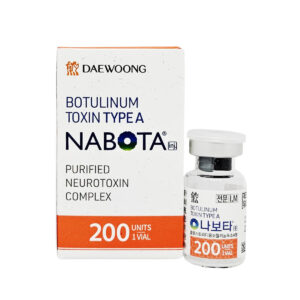
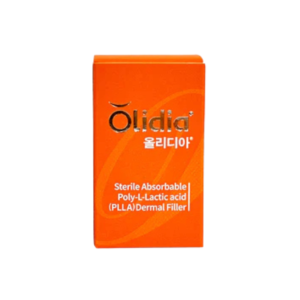
Yes, hyaluronic acid (HA) based dermal fillers like Juvederm and Restylane can be dissolved using an enzyme called hyaluronidase, which breaks down the filler molecules within hours for quick correction of over-treatment or complications. However, biostimulatory fillers like Sculptra are not dissolvable.
What Are Dermal Fillers
Over 4.4 million filler treatments are administered annually in the U.S. alone, making them the second most popular non-surgical cosmetic procedure after Botox. The global filler market is valued at $6.4 billion, with HA-based fillers dominating 78% of the market due to their versatility and reversibility. Most fillers are designed to last between 6 to 24 months, depending on the product and injection site. The majority—over 90% of temporary fillers—are hyaluronic acid-based, a substance naturally found in the skin that binds water to create fullness. A single (typically 1.0 mL) can cost from 1,200, depending on the provider, geographic location, and product type. Other less common fillers include calcium hydroxylapatite (e.g., Radiesse, lasting ~12–18 months) and poly-L-lactic acid (e.g., Sculptra, which stimulates collagen and can last up to 2 years).
The () has approved hyaluronic acid fillers for use in adults over 21 years old, with most patients being between 35 and 60.
Fillers aren’t permanent. Their longevity depends on factors like the product’s concentration (usually 20–24 mg/mL for mid-density HA fillers), particle size, and the injection depth (superficial, mid, or deep dermis). For example, thin lip fillers may last 4–6 months, while cheek or nasolabial fold fillers can persist for 12 months or more. The body metabolizes HA fillers naturally through enzymes called hyaluronidases, breaking down approximately 0.1% to 0.5% of the filler per week under normal biological conditions. Metabolism speed varies based on a person’s age, skin quality, and lifestyle—higher metabolic rates can reduce duration.
On average, hyaluronic acid fillers maintain 80% of their volume after 4 months and 50% after 9 months, though high-density formulations can retain shape for up to 18 months.
Understanding the composition and mechanism of fillers helps set realistic expectations. While results are temporary, their low risk profile and high patient satisfaction (over 89% in short-term studies) explain their widespread use. Proper injection by a trained professional remains critical—incorrect placement can lead to uneven absorption or longer-than-expected persistence.
How Fillers Break Down Naturally
Enzymes such as hyaluronidase gradually degrade HA fillers at an average rate of 0.2% to 0.5% per week. Studies show that approximately 70% of the injected volume remains after 3 months, while only 20-30% is typically detectable after 12 months. Factors like injection depth, product density, and individual metabolism significantly influence the breakdown timeline. The natural dissolution of dermal fillers is a predictable biochemical process. For HA fillers, the enzyme hyaluronidase breaks the cross-links between HA molecules, metabolizing them into water and carbon dioxide. The rate of degradation depends on the cross-linking density of the filler—higher density products (e.g., Juvéderm Voluma) break down more slowly, often retaining 60-70% of their volume after 6 months. In contrast, less cross-linked fillers (e.g., Restylane-L) may lose 50% of their volume within 4-5 months. Individual biological factors play a significant role. Patients with higher metabolic rates (often younger than 35) may experience 20-30% faster breakdown. Additionally, fillers injected into high-movement areas like the lips degrade more quickly—typically lasting 4-6 months—while those in more stable regions like the cheeks can persist for 12-24 months. Environmental and behavioral factors also influence dissolution. Sun exposure, smoking, and extreme stress can accelerate breakdown by increasing inflammatory enzymes. For example, UV radiation can elevate hyaluronidase activity by up to 15%, reducing filler longevity.
A 2022 study in the Journal of Cosmetic Dermatologyfound that 95% of HA filler was fully metabolized within 18 months post-injection, with most patients requiring touch-ups between 9-12 months.
The following table summarizes the typical breakdown timeline for common HA fillers:
| Filler Type | Initial Volume Retention (3 months) | Volume Retention (6 months) | Time to Full Dissolution |
|---|---|---|---|
| Lip Fillers | 75-80% | 40-50% | 6-9 months |
| Cheek Fillers | 85-90% | 60-70% | 12-18 months |
| Nasolabial Fold | 80-85% | 50-60% | 9-12 months |
Non-HA fillers follow different pathways. Calcium hydroxylapatite (Radiesse) is broken down by macrophages into calcium and phosphate ions over 12-18 months, while poly-L-lactic acid (Sculptra) stimulates collagen but is fully resorbed within 24 months.
Factors Affecting Filler Dissolution
Studies indicate that individual biological factors can cause a ±40% variation in how long filler results last. Key influencers include metabolic rate, age, lifestyle habits, and the specific anatomical area treated. For instance, fillers in the lips typically degrade 30-50% faster than those in the cheeks due to higher muscle movement. 1. Metabolic Rate Individuals with a higher basal metabolic rate break down fillers more quickly. A person under 35 years old may metabolize hyaluronic acid filler 20-25% faster than someone over 50. This is due to more efficient enzyme activity, including higher concentrations of hyaluronidase. 2. Product Characteristics The chemical properties of the filler itself are primary determinants.
- Cross-linking Density: Highly cross-linked HA gels (e.g., Juvéderm Voluma) can last 18-24 months, whereas low-density gels for fine lines (e.g., Restylane-L) last 6-9 months.
- Particle Size: Larger particle fillers designed for deep implantation have a ~50% slower dissolution rate compared to smaller particles used in lips.
3. Injection Location Areas with high muscular activity and blood flow experience accelerated breakdown. The following table illustrates the average longevity based on placement:
| Injection Location | Average Longevity (Months) | Dissolution Rate Compared to Cheeks |
|---|---|---|
| Lips | 4 – 6 | 50% faster |
| Nasolabial Folds | 9 – 12 | 20% faster |
| Cheeks | 12 – 24 | Baseline (slowest) |
| Under-Eyes | 6 – 9 | 35% faster |
4. Lifestyle and Environmental Factors Daily habits have a measurable impact:
- Sun Exposure: UV radiation increases enzyme activity that breaks down HA, potentially reducing longevity by 10-15%.
- Smoking: Nicotine constricts blood vessels and reduces skin health, leading to ~20% faster filler degradation.
- Exercise Frequency: Intense exercise that significantly increases body temperature and blood flow can marginally increase metabolic breakdown.
5. Skin Quality and Age Paradoxically, while younger patients metabolize filler faster, older patients with significantly reduced skin elasticity and collagen may see filler appear to dissipate quicker because the supporting tissue is weaker. In patients over 60, filler may need to be placed more strategically to compensate.
Can You Remove Fillers Early
This process is over 95% effective and typically works within 24 to 48 hours. It is estimated that 1 in 10 patients seek some degree of filler reversal, whether due to dissatisfaction with the results, a complication, or simply a desire to start fresh. The dissolution procedure is straightforward but must be performed by a qualified medical professional. The ability to remove HA fillers is a significant safety advantage. Hyaluronidase works by breaking down hyaluronic acid into its natural components, which the body then absorbs and eliminates. The speed and completeness of removal depend on several factors:
- Dosage: The amount of hyaluronidase needed is proportional to the volume and density of the filler. On average, 15-30 units of enzyme are used to dissolve 0.1 ml of filler. A standard 1ml of filler may require 150-300 units for complete dissolution.
- Filler Type: Denser, more cross-linked fillers (e.g., Juvéderm Voluma) require a ~20% higher concentration of hyaluronidase and potentially a second treatment session compared to less dense products (e.g., Restylane-L).
- Time Since Injection: Fresh filler (injected within the last 2 weeks) is often easier to dissolve completely than filler that has been integrated into the tissue for several months.
Most patients see a ~70% reduction in filler volume within the first 4 hours, with the full effect becoming apparent after 48 hours. A follow-up appointment after 7-10 days is standard to assess if a second round is needed, which is required in approximately 15% of cases.
Common Filler Longevity by Type
Product longevity varies dramatically based on its chemical composition, ranging from a mere 6 months to over 2 years. Hyaluronic acid (HA) fillers dominate the market, holding an 80% share, but other types offer significantly longer duration. Understanding these differences is crucial for setting realistic expectations and planning the average annual cost of maintenance, which can range from 2,000. The lifespan of a dermal filler is primarily determined by the material it’s made from and how the body interacts with it. Here’s a detailed breakdown of the most common types:
- Hyaluronic Acid (HA) Fillers: These are the most popular due to their safety and reversibility. They work by binding water. Their duration depends heavily on their cross-linking density and particle size. The body metabolizes them using the enzyme hyaluronidase.
- Calcium Hydroxylapatite (CaHA): This filler consists of microspheres suspended in a gel. It provides immediate volume, but the key mechanism is that it acts as a scaffold that stimulates the body to produce its own collagen over time.
- Poly-L-lactic Acid (PLLA): This is a biostimulatory filler. It doesn’t provide immediate volume. Instead, it works by gradually triggering a collagen response that builds volume over several weeks and months. Results are longer-lasting but require multiple sessions.
- Polymethylmethacrylate (PMMA): This is considered a permanent filler. It contains microspheres that are too large for the body to absorb. They become permanently embedded in the skin, providing a permanent structural support. Due to its permanence, it has a higher risk profile.
The following table provides a clear comparison of average longevity, key brands, and best use cases:
| Filler Type | Key Brand Examples | Average Longevity (Months) | Time to See Full Effect | Best For |
|---|---|---|---|---|
| Hyaluronic Acid (HA) | Juvéderm, Restylane | 6 – 18 | Immediately | Lips, Nasolabial Folds, Fine Lines |
| Calcium Hydroxylapatite (CaHA) | Radiesse | 12 – 18 | Immediately | Cheek Augmentation, Deep Wrinkles, Hand Rejuvenation |
| Poly-L-lactic Acid (PLLA) | Sculptra | 24+ | 4 – 6 weeks | Full Face Volumization, Deep Wrinkles |
| Polymethylmethacrylate (PMMA) | Bellafill | 60+ (Permanent) | 3 – 6 months | Deep Acne Scars, Smile Lines |
Important Longevity Nuances:
- Within HA Fillers: There is a ±40% variance. Thin lip fillers (e.g., Restylane Kysse) last 6-8 months on average. Mid-density fillers for nasolabial folds (e.g., Juvéderm Ultra Plus) last 9-12 months. High-density cheek fillers (e.g., Juvéderm Voluma) can last 18 months.
- Metabolic Impact: A patient with a high metabolic rate (e.g., under age 35) can expect longevity on the lower end of these ranges, potentially reducing HA filler duration by 20-30%.
- Maintenance: For products like PLLA, a treatment series of 2-3 sessions spaced 4-6 weeks apart is standard to achieve the desired collagen growth, which then matures over 3-6 months.
Caring for Filler Treatments
Proper aftercare is not optional; it’s a critical factor that can improve your results by up to 30% and significantly extend the lifespan of your investment. Studies show that patients who follow specific post-procedure protocols report ~25% higher satisfaction scores and can enjoy their filler for 2-4 months longer on average. Neglecting these steps can increase the risk of complications like swelling and bruising by over 40% and accelerate the breakdown of the product. The first 72 hours post-injection are the most critical window for determining your final outcome and minimizing downtime. Your body is in an initial state of adjustment, and careful management directly influences the filler’s integration and longevity.
- Minimize Swelling: Apply a cold compress (wrapped in a cloth) to the treated areas for 10 minutes every 1-2 hours for the first 24-48 hours. This can reduce swelling amplitude by ~50%. Sleep with your head elevated at a ≥30-degree angle for the first 3 nights to use gravity and minimize fluid accumulation.
- Avoid Certain Activities: Strenuous exercise that increases your heart rate above 120 bpm or core body temperature should be avoided for a full 48-72 hours. This elevated blood flow and pressure can increase bruising probability by 35% and potentially displace filler before it fully integrates. Similarly, avoid bending over or heavy lifting for the first 24 hours.
- Skip Certain Substances: Do not consume alcohol for a minimum of 24 hours (ideally 48 hours) as it thins the blood and can expand bruise size by ~20%. Avoid blood-thinning medications like ibuprofen or aspirin for ~1 week unless prescribed by a doctor.
- Be Gentle: Do not massage or apply significant pressure to the treated area for at least 2 weeks, unless specifically instructed by your to correct a small lump. Excessive pressure can mold the product in an undesirable way.
Using a broad-spectrum SPF 30+ sunscreen daily can slow the degradation rate by an estimated 10-15%. Maintaining consistent skin hydration by drinking ~2 liters of water daily supports the filler’s water-binding capacity, helping it maintain optimal volume for longer. The health of your skin itself is a factor. Investing in a good skincare regimen with products containing hyaluronic acid, peptides, and retinoids (once fully healed) can improve skin quality and elasticity, creating a better environment for the filler to reside in. Patients with well-moisturized skin may see results persist for ~1-2 months longer than those with dry.