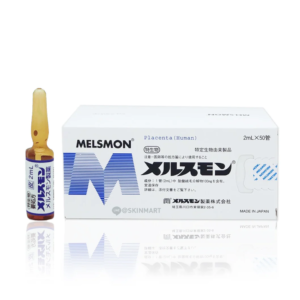
Dermal fillers cost \500-\2,000 per session, with hyaluronic acid (Juvederm/Restylane) at \600-\1,200 per (0.5-1ml), Sculptra \800-\1,500 per, and Radiesse \700-\\1,300. Prices vary by region (NYC/LA +30%) and provider experience (15-25% premium for specialists).
What is Dermal Filler?
Dermal fillers are gel-like substances injected under the skin to restore volume, smooth wrinkles, or enhance facial features. The global dermal filler market was valued at $4.7 billion in 2023, with an expected annual growth rate of 8.3% through 2030. The most common fillers are made from hyaluronic acid (HA), which naturally occurs in the body and holds 1,000 times its weight in water, making it ideal for hydration and plumping. Other types include calcium hydroxylapatite (CaHA) and poly-L-lactic acid (PLLA), each with different longevity and uses. The average cost of dermal fillers varies widely—2,000 per —depending on the type, provider, and region. For example, 1 mL of HA filler (like Juvederm or Restylane) typically costs 1,200, while CaHA (Radiesse) averages 1,400 per due to its thicker consistency and longer-lasting effects (12–18 months vs. HA’s 6–12 months). PLLA fillers (e.g., Sculptra) are priced higher (1,500 per session) because they stimulate collagen over 3–6 months, with results lasting up to 2 years.
| Filler Type | Average Cost (per ) | Longevity (months) | Best For |
|---|---|---|---|
| Hyaluronic Acid (Juvederm, Restylane) | 1,200 | 6–12 | Lips, cheeks, fine lines |
| Calcium Hydroxylapatite (Radiesse) | 1,400 | 12–18 | Deep folds, jawline |
| Poly-L-lactic Acid (Sculptra) | 1,500 | 18–24 | Full-face volume |
Key factors affecting cost:
- Provider expertise (board-certified dermatologists charge 20–40% more than medspas).
- Geographic location (New York or LA prices are 30–50% higher than in Midwest cities).
- Number of (most patients need 1–4 per treatment, with lips averaging 1–2 mL and cheeks 2–4 mL).
Dermal fillers are low-risk but not permanent, requiring touch-ups every 6–24 months depending on metabolism and product used. Hyaluronic acid fillers can be dissolved with an enzyme (hyaluronidase) in 15–30 minutes if needed, making them a flexible option. Meanwhile, Radiesse and Sculptra are irreversible, so precision matters.
Average Cost by Type
Dermal filler prices vary by 300–500% depending on the material, brand, and how long it lasts. The cheapest options start at 500 per , while premium fillers can hit 2,000+ for specialized treatments. Hyaluronic acid (HA) fillers dominate 78% of the market because they’re reversible and work for most facial areas, but alternatives like calcium hydroxylapatite (CaHA) and poly-L-lactic acid (PLLA) cost more due to longer-lasting results and different textures.
| Filler Type | Brand Examples | Price per | Volume per | Duration (Months) |
|---|---|---|---|---|
| Hyaluronic Acid (HA) | Juvederm Ultra, Restylane | 1,200 | 1.0 mL | 6–12 |
| Calcium Hydroxylapatite (CaHA) | Radiesse | 1,400 | 1.5 mL | 12–18 |
| Poly-L-lactic Acid (PLLA) | Sculptra | 1,500 | 5.0 mL (reconstituted) | 18–24 |
| Polymethylmethacrylate (PMMA) | Bellafill | 2,000 | 0.8 mL | Permanent |
HA fillers (like Juvederm and Restylane) are the most budget-friendly, averaging 950 per , but require touch-ups every 6–12 months. Juvederm Voluma (for cheeks) costs 1,400 per because it’s thicker and lasts up to 18 months—30% longer than standard HA fillers. Restylane Defyne (for deep wrinkles) runs 1,200 due to its high flexibility under facial movement. Radiesse (CaHA) is pricier (1,400 per ) because it stimulates collagen and lasts 50% longer than HA. It’s often used for jawlines and nasolabial folds, where structure matters. Sculptra (PLLA) is the most expensive per session (1,500), but since it spreads across 3–4 treatments, the total cost can reach 6,000. However, results last 2+ years, making it cheaper long-term than frequent HA refills. Permanent fillers like Bellafill (2,000 per ) are rarely recommended due to risks of migration and aging changes. They’re only for nasolabial folds and require expert injection to avoid irreversible issues.
Factors Affecting Price
The cost of dermal fillers isn’t just about the —prices swing by 200–500% based on who injects it, where you live, and what exactly you’re fixing. A 1 mL of hyaluronic acid (HA) filler might cost 1,200 in Beverly Hills, and that’s before factoring in the doctor’s experience, product brand, or how many areas you’re treating.
”A board-certified dermatologist in NYC charges 600—location and credentials change everything.”
A plastic surgeon or dermatologist typically charges 1,800 per , while a nurse at a medspa might charge 1,200. The premium comes from lower complication rates (under 1% for specialists vs. 3–5% at medspas) and precision—especially for high-risk zones like under-eyes or lips. Fillers in major coastal cities (LA, Miami, NYC) cost 30–50% more than in Midwest or Southern states. For example, Juvederm Voluma averages 950 in Illinois. Overseas, prices drop further (600 in Mexico or Thailand), but product access drops to under 40% in some clinics. Generic HA fillers cost 800, while brand-name Juvederm or Restylane runs 1,200. Longer-lasting options like Radiesse (12–18 months) or Sculptra (2+ years) cost 1,800 per session, but require fewer touch-ups, saving 1,000 over two years. Small zones (lip lines, chin) need 0.5–1 mL (1,200), while full cheeks or jawlines demand 2–4 mL (3,500). Under-eye filler is priciest per mL (2,000) due to technical difficulty and higher risk.
Areas Treated & Pricing
Dermal filler costs don’t just depend on the product—where you inject it dramatically changes the price. A 0.5 mL touch-up for lip lines might cost 600, while full cheek restoration can hit $3,000+ because of the volume needed and complexity. The most popular treatment zones fall into three price tiers, with high-movement areas (lips, smile lines) requiring 20–40% more frequent touch-ups than static zones (cheeks, chin).
| Treatment Area | Filler Type | Volume Needed (mL) | Average Cost | Touch-Up Frequency (Months) |
|---|---|---|---|---|
| Lips | HA (Juvederm Volbella) | 0.5–1.5 | 1,800 | 6–9 |
| Nasolabial Folds | HA/CaHA (Restylane Defyne, Radiesse) | 1.0–2.0 | 2,000 | 9–12 |
| Cheeks | HA/CaHA (Juvederm Voluma, Radiesse) | 2.0–4.0 | 3,500 | 12–18 |
| Under-Eyes | HA (Restylane-L) | 0.5–1.0 | 2,400 | 8–12 |
| Jawline | CaHA/PLLA (Radiesse, Sculptra) | 2.0–3.0 | 3,000 | 18–24 |
| Marionette Lines | HA (Juvederm Ultra Plus) | 1.0–1.5 | 1,500 | 9–15 |
Lips are the most requested but least durable—90% of first-time patients start with 0.5–1 mL (1,200), but because the area moves constantly, 40% need a refill within 8 months. Russian lips (dramatic volume) require 2+ mL (2,500) and specialized techniques, adding 25–50% to the cost. Cheek filler demands the highest volume (2–4 mL), but lasts 50% longer than lip treatments. Juvederm Voluma, the go-to for midface volume, costs 1,400 per , with most patients needing 2–3 (3,500 total). Tear troughs (under-eyes) are the most expensive per mL—prices hit $2,400 because the skin is thin (0.5 mm thick) and requires ultra-fine HA gels like Belotero or Restylane-L. Jawline sculpting has the highest upfront cost (3,000) but the longest payoff—CaHA or PLLA fillers last 18–24 months and mimic surgical results. Nasolabial folds (smile lines) fall mid-range, with 1–2 (2,000) of thicker fillers like Restylane Defyne or Radiesse.
How Long Results Last
Dermal filler longevity isn’t one-size-fits-all—results can vanish in 6 months or hold strong for 2+ years, depending on the product used, where it’s injected, and your metabolism. Hyaluronic acid (HA) fillers, the most popular choice, typically last 6–12 months, but in high-movement areas like lips, they may break down 30–40% faster due to constant muscle activity. Meanwhile, collagen-stimulating fillers like Radiesse (calcium hydroxylapatite) or Sculptra (poly-L-lactic acid) can persist for 18–24 months, making them 50–70% longer-lasting than standard HA. Facial zone durability varies wildly:
- Lips average 6–9 months before needing a refill, with thinner HA gels (Juvederm Volbella) fading faster than denser options (Juvederm Ultra Plus).
- Cheeks retain filler for 12–18 months, especially with Voluma (HA) or Radiesse, which integrate with natural tissue.
- Under-eyes are tricky—while HA fillers last 8–12 months, the delicate skin here causes 15–20% faster degradation than in thicker areas like the chin.
- Jawline and chin sculpting with Sculptra or Radiesse delivers the most endurance, often 2+ years, because these areas have less movement and more structural support.
Your body plays a bigger role than you think:
- Fast metabolizers (e.g., athletes, younger patients) break down filler 20–25% quicker than average.
- Smokers see 30% shorter results due to reduced skin elasticity and blood flow.
- Sun exposure and alcohol consumption accelerate breakdown by 10–15%, while good skincare (e.g., SPF 50+ daily) can extend longevity by 1–3 months.
Product choice is the biggest durability lever:
- Basic HA fillers (Restylane, Juvederm Ultra) last 6–12 months, with thicker variants (Voluma, Restylane Lyft) pushing to 18 months.
- Radiesse (CaHA) lasts 12–18 months but continues stimulating collagen for up to 2 years, creating a gradual “fade” instead of sudden volume loss.
- Sculptra (PLLA) requires 3–4 sessions over 6 months but then lasts 2–5 years, making it the longest-lasting non-permanent option.
Saving on Treatments
Dermal fillers aren’t cheap—the average patient spends 1,200 per session, with some full-face treatments hitting $5,000+. But smart strategies can cut costs by 20–40% without sacrificing safety or results. The key is knowing where to splurge (provider skill) and where to save (product selection, timing).
| Strategy | Potential Savings | Trade-Offs | Best For |
|---|---|---|---|
| Choose HA over PLLA/CaHA for first-time treatments | $300–800/session | Shorter longevity (6–12 vs. 18–24 months) | Budget-conscious beginners |
| Opt for medspas with RN (vs. dermatologists) | 15–30% lower fees | Slightly higher risk (3% vs. 1% complication rate) | Low-complexity areas (lips, cheeks) |
| Buy packages (e.g., 3 for price of 2.5) | 10–20% discount | Upfront cost higher (3,000) | Patients needing multiple sessions |
| Book weekday/off-peak appointments | $100–300/session | Less flexible scheduling | Those with open calendars |
| Target 1–2 zones per visit (vs. full face) | 40–60% lower per visit | Slower overall transformation | Gradual enhancement seekers |
| Use loyalty programs at chain clinics | 5–15% recurring discounts | Often require $500+ annual commitment | Frequent touch-up patients |
Product Selection Savings
- Generic HA fillers (e.g., Revanesse vs. Juvederm) cost 20–30% less (700–1,200) with nearly identical longevity (9–12 months).
- Thicker fillers (Voluma, Radiesse) require 30–50% less volume for structural areas (cheeks, jaw), saving $400–1,000 over multiple sessions.
Timing Hacks
- January/February promotions slash prices by 10–25% as clinics recover from holiday spending lulls.
- Last-minute cancellations can score 15–40% discounts, but availability is unpredictable.
Geographic Arbitrage
- Midwest/Southern clinics charge $200–600 less per than coastal cities for the same product.
- Medical tourism (Mexico, Turkey) cuts costs by 50–70%, but product access drops to 60% in reputable clinics.