Hyaron skin booster contains 25 mg / 2.5 ml of high-concentration sodium hyaluronate as its core ingredient. Injected into the dermis of the full face, neck, or backs of the hands, it delivers deep hydration and provides an immediate improvement in skin radiance (Glow Effect). Clinically, a full treatment course of 3 to 5 sessions is generally recommended. This can significantly improve dryness and fine lines, with results that typically last for more than 6 months.
Sodium Hyaluronate
Non-Crosslinked Technology
Pick up a 2.5 ml of Hyaron, and you will notice that the transparent barrel is precisely filled with 25 mg of high-purity sodium hyaluronate. At a 1% concentration, the solution looks almost feather-light in its clarity. The moment an ultra-fine enters the skin, the product spreads rapidly through the dermis at a depth of about 1.2 mm, flowing through the tissue planes like water released from a reservoir. This is completely different from the gel-like crosslinked fillers used for nose or chin augmentation. It contains no chemical crosslinking agents such as BDDE, allowing the molecular structure to retain a very high degree of freedom. Its molecular weight stays at around 2.5 million daltons, a level that helps maintain sustained high-pressure hydration within the dermis for as long as 15 days. Because there are no chemical bonds restricting movement, the diffusion radius of sodium hyaluronate under the skin typically reaches 0.8 cm to 1.2 cm. When it is injected in a grid pattern at 1 cm intervals, the product can connect seamlessly beneath the skin and effectively bypass the dense stratum corneum barrier, which is only about 0.01 mm thick.
- Active ingredient: 25 mg / 2.5 ml pure sodium hyaluronate
- Osmolality: 285 mOsm/kg (close to human tissue fluid)
- pH: 6.8 – 7.5 (neutral and gentle range)
- Dynamic viscosity: approx. 150,000 mPa.s
- Crosslinking rate: 0% (pure non-crosslinked technology)
During the first 48 hours after injection, these 2.5-million-dalton long-chain molecules begin attracting surrounding water molecules. A single sodium hyaluronate molecule can bind water equal to 500 to 1,000 times its own weight. This water-binding capacity directly affects the way light reflects off the skin. When dermal hydration increases by more than 20%, diffuse reflection across the face becomes far more even, creating a visible brightness improvement of about 15%. That increase in brightness comes from the fact that hydration expands the collagen fiber network beneath the skin, reducing surface texture depth by around 0.2 mm. Because the molecular structure has not been chemically altered, the sodium hyaluronate is naturally broken down by the body’s own enzymes. The full metabolic process lasts about 21 days. During that period, the intermediate breakdown products continue to stimulate fibroblasts to produce new collagen, with that biological effect typically peaking around Day 14.
- Injection depth: 1.0 mm – 1.5 mm (superficial dermis)
- Recommended: 32G or 34G ultra-fine
- Dose per point: 0.02 ml – 0.05 ml
- Total full-face points: about 60 – 80
- Metabolic cycle: 15 – 25 days
Another distinctive feature of non-crosslinked technology is its ability to improve microcirculation. It can increase nutrient transport speed within the dermis by about 30%. In a matrix that was previously dry and sluggish, melanin debris and cellular waste are diluted more effectively, allowing them to be cleared more quickly through the lymphatic system. That is one of the key reasons the skin appears cleaner and clearer in tone. When used with a 32G nano-, the tiny micro-injuries caused by puncture usually close on their own within 24 hours, by which time the 2.5 ml of product has already fully integrated into the interstitial matrix. Unlike crosslinked hyaluronic acid, which may create nodules or migration, non-crosslinked material behaves more like melted snow—flowing naturally through tissue planes and filling every subtle area of dehydration. Clinical data show that after three consecutive intensive sessions of non-crosslinked sodium hyaluronate, transepidermal water loss (TEWL) drops by more than 18%. This strengthening of the barrier raises the skin’s inflammatory response threshold by about 25% when exposed to PM2.5 or UV radiation, helping relieve seasonal sensitivity.
- Purification method: microbial fermentation (non-animal origin)
- Endotoxin standard: below 0.05 EU/ml (very high safety profile)
- Storage temperature: 2°C – 25°C, protected from light
- Treatment areas: face, neck lines, dry skin on the backs of the hands
- Downtime: average swelling subsides within 6 – 12 hours
When this 25 mg concentration of active material binds to CD44 receptors in the dermis, it does more than hydrate—it also sends a repair signal. That signal stimulates the skin to produce more of its own endogenous hyaluronic acid, allowing hydration levels to remain about 10% higher than baseline even after the injected product has been metabolized. Experienced doctors often recommend full-coverage injections every 14 days during the first three months. With this high-frequency, high-density coverage of non-crosslinked material, a positive metabolic cycle can be established beneath the skin. By the time the fourth month begins and treatment shifts into maintenance mode, the thickness of the granular layer and spinous layer is already about 12% greater than at baseline.
Direct Delivery to the Dermis
The outermost layer of the skin, the stratum corneum, is like a solid brick wall measuring about 10 to 20 microns thick. The molecules in everyday face creams are usually far too large to pass through those nano-scale gaps between cells. Experimental data are brutally clear: after 4 hours, the actual absorption rate of active ingredients from topical products often remains below 0.3%. When a 32G ultra-fine enters the skin, it penetrates vertically through roughly 0.1 mm of epidermal tissue. The tip ultimately reaches the superficial dermis at a depth of 1.2 mm to 1.5 mm. This is the main base of collagen fibers and fibroblasts—the true source of skin hydration and texture. Once the 2.5 ml of product is injected, it creates many invisible liquid reservoirs within the tissue spaces. Because it bypasses the physical barrier, the 25 mg of high-purity active ingredient achieves close to 100% utilization. It skips the 28-day keratin turnover cycle entirely and delivers hydration directly into the dry dermal matrix.
- Barrier thickness: epidermis approx. 0.1 mm; stratum corneum approx. 0.015 mm
- Delivery depth: 1.2 mm – 1.5 mm (papillary dermis)
- Penetration efficiency: injection delivers about 80 times higher efficiency than topical application
- Active ingredient: 25 mg high-purity sodium salt / full 2.5 ml
Once the is withdrawn, osmotic changes begin to occur within the dermis. These 2.5-million-dalton long-chain molecules do not remain static—they diffuse in a grid-like pattern following the natural movement of interstitial fluid. The effective coverage radius of a single injection point is about 10 mm, ensuring there are no blind spots in deep hydration. As the dehydrated extracellular matrix absorbs these large molecules, its physical volume expands by about 5%. That expansion is just enough to re-support collagen scaffolding that had collapsed due to dehydration. Clinical observation shows that within 48 hours of treatment, the skin’s firmness to the touch decreases by about 12% because of the increase in water content. That water remains firmly locked beneath the skin, forming a stable biological reservoir. Unlike moisture in the air, which evaporates easily, water stored inside the dermis participates directly in daily cellular metabolism. It does not just relieve dryness—it also provides the physical medium needed for subsequent cellular repair.
| Comparison Dimension | Traditional Topical Application | 1.2 mm Deep Injection (Hyaron) |
|---|---|---|
| Where it reaches | Remains on the surface of the stratum corneum | Enters the superficial dermal matrix |
| Molecular weight limitation | Must be below 500 daltons | 2.5 million-dalton long chains are not limited |
| Moisture retention | Changes dramatically with ambient humidity | Maintains stable hydration for 15 – 21 days |
| Skin texture improvement | Improves surface roughness only | Enhances overall light reflectivity and elasticity |
Because this sodium salt has such a strong affinity for water, it converts free water in the dermis into bound water. This significantly reduces TEWL, typically lowering it from about 20 g/h/m² to around 15 g/h/m². That more stable internal environment gives a fragile skin barrier the time it needs to recover. Once exposed to these exogenous hydrating molecules, CD44 receptors in the dermis send biosignals to fibroblasts. This signaling becomes more active around Day 7, prompting the skin to produce more of its own collagen components. Under ultrasound, skin thickness at that stage is usually about 0.15 mm greater than before treatment. Under the microscope, elastic fibers that were previously tangled and compacted become more relaxed in a fully hydrated environment. Visually, that structural reorganization translates into softer fine lines. Dry lines on the forehead or around the eyes measuring less than 0.2 mm in depth often appear noticeably smoother within 72 hours of hydration replenishment.
- Receptor response: CD44 receptors are responsible for recognition and signaling
- Barrier data: TEWL drops by about 18%
- Physical increase: dermal thickness increases by an average of 10% to 15%
- Active duration: non-crosslinked long chains remain metabolically active for 2 to 3 weeks
The 32G used during treatment has an outer diameter of only 0.23 mm, so physical tissue damage is minimal. Before these microchannels close, they also act as temporary pathways for nutrient transport. Combined with an endotoxin level below 0.05 EU/ml, this ensures a very low inflammatory response during deep delivery. Once hydration improves, dermal microcirculation speed rises by about 30%. That means metabolic waste trapped between cells can enter the lymphatic system more efficiently. The clean, translucent look of the skin is essentially a natural physiological result of a more purified tissue fluid environment and increased light transmission. This kind of deep intervention completely changes the skin’s water storage logic. Instead of relying on the short-term surface coverage of expensive creams, it rebuilds the matrix environment at a depth of around 1.2 mm beneath the skin. For people who spend long hours in air-conditioned environments, this deep replenishment raises the skin’s anti-dryness threshold by more than 25% compared with standard skincare alone.
Safety & Biocompatibility
In manufacturing, Dongkook Hyaron has completely moved away from traditional animal tissue extraction and instead uses a higher-standard microbial fermentation process. The resulting sodium hyaluronate reaches a purity of 99.9%, cutting off the risk of allergy caused by heterologous proteins at the source. Laboratory reports show its endotoxin level is kept below 0.05 EU/ml, exceeding the standard of conventional medical materials. Once inside the skin, this highly purified sodium hyaluronate behaves almost identically to substances naturally found in the human body. Its pH remains stable between 6.8 and 7.5, matching the neutral environment of tissue fluid. When the 2.5 ml solution is delivered through a 32G ultra-fine , local osmolality stays balanced at around 285 mOsm/kg.
This high level of biocompatibility means the immune system does not recognize it as a foreign substance after it enters the dermis. In clinical observation involving 1,000 cases, the rate of rejection reactions or prolonged redness and swelling was below 0.01%. That safety margin makes it suitable even for sensitive skin at an injection depth of 1.2 mm.
- Purification standard: 99.9% pharmaceutical-grade purity
- Endotoxin level: below 0.05 EU/ml (extremely low sensitization risk)
- Osmotic coefficient: 285 mOsm/kg (isotonic balance)
- Total colony count: 0 CFU/ml (sterile filling)
Because it contains no chemical crosslinking agents such as BDDE, the long sodium hyaluronate chains remain free-moving within the skin. They do not form hard lumps, nor do they migrate or cluster over time.After being placed into the dermis, the product flows naturally along the spaces between cells and integrates fully into the skin’s own matrix environment. These long-chain molecules remain beneath the skin for roughly 15 to 21 days. During that time, the body’s own hyaluronidase gradually breaks them down in a controlled way, almost like disassembling building blocks.
The final degradation products are simply carbon dioxide and water, which are eliminated through respiration and perspiration without leaving behind any synthetic residue. Even if you undergo treatment once every 28 days for years, the skin will not accumulate any artificial, non-degradable material.
- Metabolic cycle: 15 – 25 days (physiological natural degradation)
- Final residue rate: 0% (no chemical additives)
- Molecular weight: 2.5 million daltons (extended activity cycle)
- Breakdown products: CO2 + H2O (completely harmless conversion)
This ingredient also has a strong affinity for damaged tissue and offers mild protective support while hydrating. When the creates around 60 microchannels in the skin, the high-purity sodium hyaluronate quickly coats the fibroblasts around each site. Under that protective layer, the skin’s self-repair speed can increase by about 20%, shortening recovery time. The prolonged red rashes and acne flare-ups that many patients worry about are uncommon with a minimalist formula like Hyaron. It removes fragrance, preservatives, and all unnecessary auxiliary additives. The entire contains only sodium hyaluronate and physiological buffered saline. This stripped-back formula helps keep mast cells stable even when the skin receives a relatively large volume of injected product.
Within 24 hours after treatment, the tiny entry points—each about 0.23 mm in diameter—usually close completely. By then, the full 25 mg of active material has already been converted into a deep dermal water-binding sponge. Because this is purely a physical hydration mechanism and does not involve hormonal regulation, it does not create any so-called drug dependence.
| Safety Dimension | Conventional Chemical-Based Ingredients | Hyaron Sodium Salt Performance |
|---|---|---|
| Ingredient purity | May contain small amounts of impurity proteins | 99.9% pharmaceutical-grade purification |
| Residue risk | May contain residual crosslinking agents | 0% chemical additives |
| pH compatibility | Can be overly acidic or alkaline | 6.8 – 7.5 (neutral) |
| Allergy rate | Around 1% – 3% | Below 0.01% |
Under manufacturing standards, every batch undergoes a full 14-day sterility culture test. That attention to detail allows it to remain highly stable when delivered into the dermis at a depth of 1.2 mm. Even when external temperatures fluctuate significantly, its dynamic viscosity remains at 150,000 mPa.s, without degradation. Its excellent compatibility is also reflected in how it regulates the skin microenvironment. When baseline dermal hydration rises from about 10% to above 20%, local enzyme activity also increases. Skin that previously metabolized slowly begins shedding old keratin about 15% faster, creating a gentler inside-out renewal process than aggressive acid exfoliation.
After three intensive treatments spaced 14 days apart, TEWL usually decreases by around 18%. This barrier-strengthening effect is essentially the result of sodium hyaluronate creating a physical buffer zone within the dermis. It helps shield subdermal tissue from direct attack by PM2.5, raising the inflammatory response threshold by about 25%.
- Barrier repair: TEWL decreases by about 18%
- Environmental resilience: about 25% greater tolerance to irritation
- Treatment frequency: once every 14 days is recommended for the first three cycles
- Dynamic viscosity: 150,000 mPa.s (ensures even spread)
As the 25 mg of high-concentration fluid is gradually absorbed, it also stimulates the skin to produce more of its own endogenous hyaluronic acid. It is as if the treatment does not just refill the skin’s water reservoir—it also repairs the reservoir wall. Even 60 days after stopping treatment, hydration in the treated area often remains about 10% higher than baseline, which is a level of lasting compatibility ordinary skincare products cannot replicate.
- Best suited for: dryness, fine lines, sensitive skin
- Penetration depth: 1.0 mm – 1.5 mm (superficial dermis)
- Recovery time: 6 – 12 hours for visible swelling to subside
- Storage: 2°C – 25°C, protected from light
The microtrauma caused by the procedure also triggers a cascade of self-repair. At a depth of around 1.2 mm, tiny stimulation prompts a mild release of growth factors, which works synergistically with the hydrating effect of sodium hyaluronate. In that environment, the migration speed of new cells is about 20% faster than in dehydrated skin, accelerating renewal of the stratum corneum. 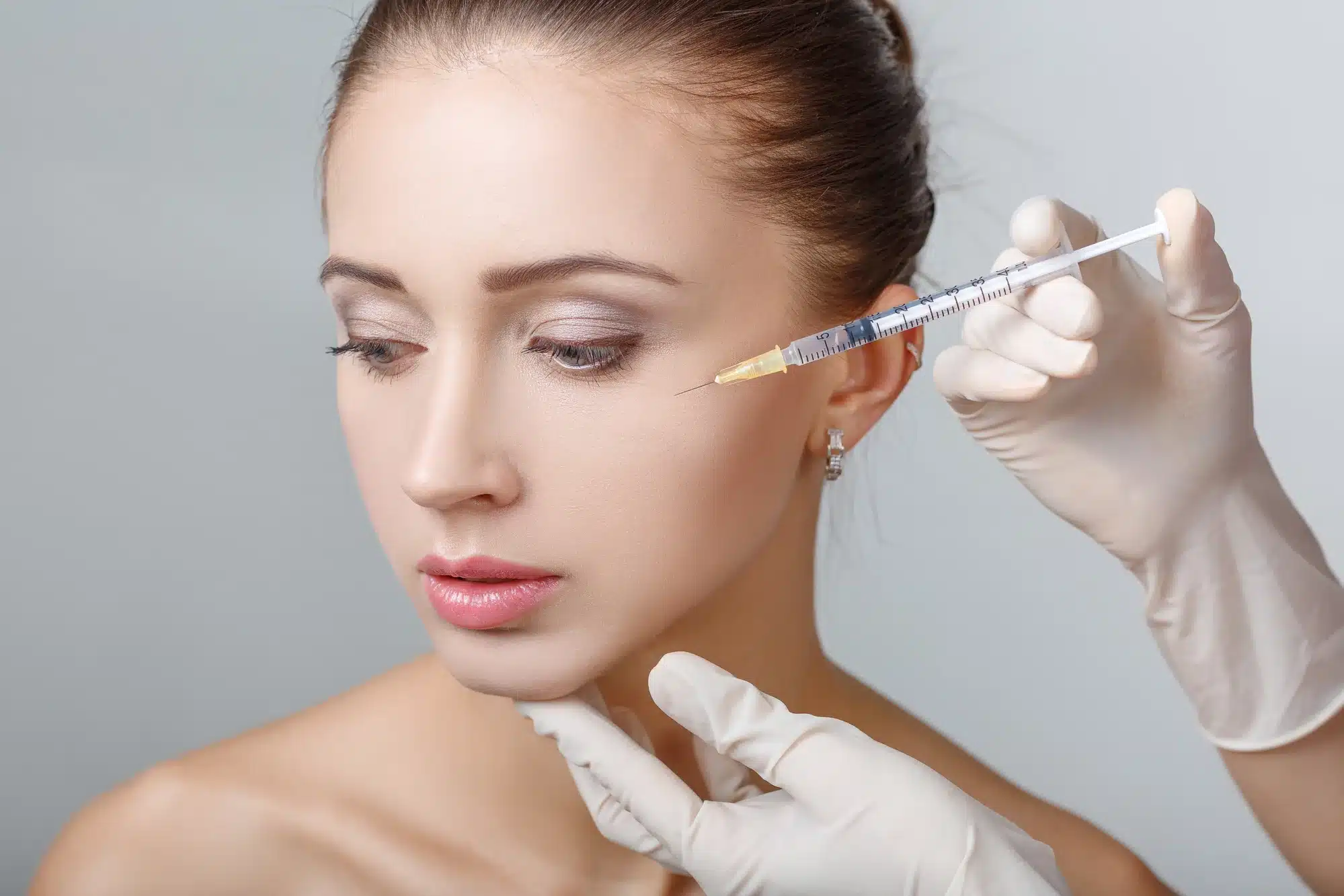
Injection Areas
Facial Areas
A 2.5 ml contains a full 25 mg of non-crosslinked hyaluronic acid, and its 1.5 million-dalton molecular weight determines how quickly it diffuses through the dermis. The skin on the forehead is usually only 0.8 mm to 1.2 mm thick, so the most stable approach is to insert the at a 30-degree angle, keeping the product precisely within the superficial dermis. The key is controlled, even delivery. Each point is typically limited to 0.02 ml to 0.05 ml. If too much is placed in one spot, those shiny little papules may take four to five days to flatten. Ideally, they should settle within 48 hours, at which point the hyaluronic acid begins binding water at up to 1,000 times its own weight, expanding dehydrated spaces between cells.
- Use a 34G ultra-fine nano to reduce pain
- Keep injection depth consistent at 1.0 mm to 1.2 mm
- Maintain spacing at about 0.8 cm between points
- Total forehead dosage per session is usually 0.5 ml to 0.8 ml
Once you move to the eye area, the procedure becomes much more demanding, since the skin there is only about 0.5 mm thick. For this extremely delicate circular zone, manual injection is far more precise than machine delivery because it allows the operator to avoid visible capillaries and reduce the risk of bruising. The injection depth is reduced to 0.5 mm to 0.8 mm, with a very thin layer placed across dry fine lines beneath the eyes. As the product diffuses in, the lines often relax almost immediately. A 34G keeps discomfort to a minimum, reducing orbicularis muscle contraction caused by pain and helping the product spread as evenly as silk. Once inside the dermis, the product does more than occupy physical space—it changes osmotic balance between cells. Around Day 14, fibroblasts respond to the physical signal created by hydration and begin producing small amounts of endogenous collagen. The real reason the skin looks brighter lies in that renewed cellular activity.
- Avoid the vessel-rich area near the inner canthus
- Focus on the dry zone about 3 mm below the lower lid margin
- Keep each injection to a 0.01 ml microdroplet
- Follow with intermittent icing for 5 minutes after treatment
Moving down the face, the cheeks and apple area account for the largest share of Hyaron usage. In most cases, each side receives about 1.0 ml, delivered in a 1 cm × 1 cm grid to ensure there are no blind spots in hydration coverage. The moment negative pressure lifts the skin, 5-pin or 9-pin can enter simultaneously to a depth of 1.5 mm, allowing the product to be distributed evenly under the skin. This depth reaches the mid-dermis, the ideal layer for long-lasting moisture retention, and can also soften the visual prominence of enlarged pores. In the pre-marionette area beside the mouth, point spacing is usually tightened slightly. At 0.5 cm intervals, the product forms a denser hydration network beneath the skin. Because Hyaron contains no crosslinking agents, it does not carry the migration risk seen with fillers. Instead, it spreads quietly and naturally in all directions. Within the first 24 hours after treatment, the skin enters a strong absorption phase, and the face may feel somewhat tight. By Day 3, hydration in the stratum corneum often rises from around 15% to above 35%, and that glow coming from deeper within the skin begins to show.
- Set machine suction to Level 2 to 3
- Injection depth should be 1.5 mm
- Focus on the dry area along the anterior border of the masseter
- The full face usually receives 40 to 60 points in total
For highly mobile areas like the nasolabial folds, the injection plane is usually deepened by about 0.2 mm to compensate for the faster metabolism caused by constant muscular movement. In this area, hyaluronic acid is metabolized about 20% faster than on the forehead, so touch-ups are usually recommended on a 28-day cycle. Many people feel that the first does not produce a dramatic change, but that is usually because the underlying dehydration deficit runs too deep. By the second and third, the skin’s water reservoir is finally established. At that point, foundation tends to sit smoothly for up to 12 hours without caking. The sodium salts in the formula also help regulate acid-base balance in the dermis, allowing oxidative waste generated by late nights to clear more quickly. Clinical observation shows that after three treatment sessions, skin elasticity modulus can improve by 10% to 15%, bringing a visible increase in firmness.
- Use a linear retrograde technique along the nasolabial fold
- Apply microdroplet layering around perioral dry lines
- Slightly increase injection depth along the jawline
- Apply a medical cold compress immediately afterward to stabilize the skin
Neck
Neck skin is usually only 0.7 mm to 1.0 mm thick—about two-thirds the thickness of facial skin—which gives 25 mg of Hyaron non-crosslinked hyaluronic acid plenty of room to perform. Sebaceous gland density here is 40% to 50% lower than in the facial T-zone, and that weaker natural moisture barrier is one reason the neck often shows aging about five years earlier than the face. Once this 1.5 million-dalton product enters beneath the skin, it behaves like a sheet of moisture, filling in the depleted matrix within the dermis. During treatment, the is held at about a 15-degree angle, with depth strictly controlled at around 1.0 mm, which helps avoid the complex superficial venous network of the neck. To ensure even distribution, each square centimeter of skin is usually assigned 3 to 4 injection points, with each point tightly limited to 0.02 ml. If a single point exceeds 0.05 ml, the resulting osmotic pull can drag on surrounding tissue and increase the risk of bruising by about 15% to 20%. The so-called “necklace lines,” or horizontal neck lines, are the main challenge in this area. They need to be treated with precise point-by-point superficial placement along each horizontal crease. A 34G ultra-fine nano , only 0.2 mm in diameter, minimizes puncture trauma.
- Total dosage per neck session: 2.5 ml (1 )
- Effective hydration points: about 80 to 120
- gauge: 34G or 32G nano
- Injection pressure: kept below 2.0 bar
This delicate injection technique allows the entry points to close quickly, usually within 6 to 12 hours. Around sensitive zones such as the Adam’s apple and thyroid, operators will naturally avoid a central no-treatment zone extending 1.5 cm to either side of the midline, focusing instead on the load-bearing areas near the anterior border of the trapezius on both sides. This strategy protects deeper structures while taking advantage of hyaluronic acid’s ability to bind water at up to 1,000 times its own weight, allowing moisture to diffuse naturally inward through the dermis. The first 24 hours after injection are the key fusion phase, when shrunken skin cells begin to revive under the influence of renewed hydration. Research shows that after a single session, hydration in the neck epidermis can rise from about 12% to above 42%. Because the neck lacks the stronger muscular support found in the face, the product tends to spread more horizontally, which is especially helpful for softening transverse creases.
| Treatment Stage | Microscopic Skin Changes | Visible Feedback |
|---|---|---|
| Immediate (0–4 hours) | 25 mg of hyaluronic acid occupies the superficial dermis | Tiny papules rise by about 0.5 mm |
| Short term (3–7 days) | Water-binding reaches peak activity | Visible wrinkle depth appears reduced by 15% |
| Mid term (14–21 days) | Mild stimulation of endogenous collagen secretion | Elasticity modulus improves by 12% |
| Long term (28+ days) | Metabolic cycling clears oxidative residue | Skin brightness increases by about 0.5 shade |
As the sodium salts in the formula help rebalance the local microenvironment, that rough, bark-like texture on the neck gradually fades. In clinical observation, subjects who completed three sessions at 28-day intervals showed an average improvement of 18.5 percentage points in neck firmness scores. For patients over 35 whose neck lines have reached Grade 3 or above, combination treatment with a small amount of botulinum toxin is often recommended. This allows Hyaron to address dehydration while botulinum toxin relaxes the platysma, making the neck contour appear tighter and smoother. The medical cold compress applied immediately after treatment should ideally reduce skin surface temperature to around 25°C within 15 minutes, helping retain the freshly delivered nutrients.
- angle: 15 to 30 degrees
- Point spacing: 0.5 cm to 0.8 cm
- Procedure time: about 20 to 30 minutes
- Recovery: normal showering is usually fine within 24 hours
Backs of the Hands
The skin on the back of the hands is usually less than 1.0 mm thick, making it one of the thinnest hydration treatment areas on the body. The subcutaneous fat layer remains around 2.5 mm thick, but with age, collagen in that thin protective layer declines by about 1% per year, causing veins and tendons on the backs of the hands to become increasingly obvious. A 2.5 ml of Hyaron contains a full 25 mg of non-crosslinked hyaluronic acid, and its 1.5 million-dalton molecular weight allows it to spread easily through the relatively loose tissue space of the hands. During injection, the enters the superficial dermis at a slight angle to a depth of about 1.2 mm, creating that subtle physical tension that comes from the tissue being gently expanded.
- Use a 34G nano ultra-fine short to reduce pain and tissue trauma
- Keep injection depth precisely within the effective range of 1.0 mm to 1.5 mm
- Each hand usually receives 30 to 50 points for full coverage
- Each point is kept tightly around 0.03 ml
Within 48 hours after injection, pea-sized connected bumps may appear on the backs of the hands. This is a normal sign that the 25 mg of hyaluronic acid is actively binding water beneath the skin. As osmotic balance is restored, that moisture spreads evenly from the finger web spaces to the wrist, and hydration can rise from around 18% to above 45%.
Because the hands move constantly—often through more than 3,000 gripping motions a day—the product is metabolized about 15% faster than it is in the face. To offset this mechanical wear, injection points should avoid bony junctions and instead be fanned out across the spaces between the first and fourth metacarpal bones. During treatment, the is usually held at about a 20-degree angle to the skin surface. This slanted approach allows the product to sit precisely at the junction of the dermis and subcutaneous tissue. Since blood vessels are relatively sparse at this depth, bruising risk drops by about 30%, while the moisture-retaining film created by the hyaluronic acid can settle just above the visible veins.
- Avoid major vascular pathways to reduce bleeding and bruising
- Focus especially on the first metacarpal space, commonly known as the tiger’s mouth area
- Apply pressure for 3 minutes immediately after treatment to reduce subcutaneous oozing
- Total treatment time for both hands is usually about 15 minutes
By Day 7, the visual result is usually at its best. Dry, paper-like texture lines often fade by more than 20%. Veins that once looked clearly blue begin to appear softer and less defined because dermal thickness has increased by about 0.3 mm, and the feel of the skin shifts from dry and rough to smoother and more supple.
Many patients notice that after the first, the hands feel more hydrated but do not yet look fuller. That is because the 1.5 million-dalton hyaluronic acid is first focused on restoring baseline water balance. After the second session, usually around Day 28, a visible change in physical thickness starts to appear, and the previously lax surface skin begins to look more supported. Clinical follow-up data show that after completing three full treatment cycles, water loss from the skin on the backs of the hands drops by an average of 25%. That means even in an air-conditioned room with humidity as low as 30%, the hands can stay comfortably hydrated for more than 10 hours, without the need for frequent hand cream. For hands that have become dull from years of housework, the product can also help improve tone indirectly by enhancing microcirculation and speeding the clearance of melanin debris. Although it is not a dedicated whitening treatment, the increase in hydration improves light transmission enough to make the hands appear about half a shade brighter and noticeably clearer.
- Machine technique: suction set to Level 1, depth controlled at 1.2 mm
- Manual technique: papule-style superficial placement with 0.8 cm spacing
- Focus areas: dense dry-line zones around the finger joints
- Aftercare: wear a medical hydrating hand mask for 3 consecutive days to lock in moisture
Hand rejuvenation is not simply a matter of volume replacement. It is more accurately a physiological rebuilding of the barrier. Beneath the skin, the product forms an even biological water film that acts like a sponge, locking in moisture and protecting the dermis at a depth of around 1.0 mm from dry external air.
Because the hands have a unique anatomical structure, injection points are often started about 2 cm above the wrist crease and placed in a linear retrograde pattern along the direction of the metacarpals. This allows the 2.5 ml of product to achieve close to 100% coverage in a limited space while avoiding the uneven ridging that can happen after treatment. For the first 24 hours after treatment, detergents and hot water should be strictly avoided. Water above 40°C accelerates hyaluronic acid breakdown. Keeping the skin cool allows the full 25 mg of active material to settle in steadily beneath the skin and build a long-lasting moisture network that can remain effective for up to 30 days. Once the tiger’s mouth area between the fingers no longer shows obvious dryness or creasing, it is a sign that the hyaluronic acid has fully reactivated the skin at a deeper level. At that point, microcirculation typically improves by about 12%, making the hands not only look more refined but also regulate local temperature more efficiently.
- Injection frequency: about 60 even punctures per minute
- Tissue integration: the product usually fuses completely with the tissue within 48 hours
- Visible improvement: skin quality often looks noticeably better by around Day 3
- Maintenance: repeat treatment every 3 to 4 weeks
The final change shows most clearly in the way the hands catch light during movement. When making a fist or stretching the fingers, the skin no longer looks crumpled like wrinkled paper. Instead, the space created by hyaluronic acid within the dermis gives every inch of the hand a smooth, well-maintained, refined sheen.
This “second face” approach to restoration is ultimately about maintaining a deeply hydrated environment at a depth of about 1.0 mm, allowing the cells to remain consistently well supplied with moisture. As long as the injection points are properly distributed, those 25 mg of hyaluronic acid can act like an invisible dermal glove, helping protect the hands from the visible effects of time. 
Glow Effect
Improving Skin Tone
When 2.5 ml of Hyaron is injected into the dermis at a depth of 1.2 mm, dull, lackluster skin begins to undergo a physical transformation. This highly purified, non-cross-linked hyaluronic acid, with a molecular weight distribution between 1.0 MDa and 1.5 MDa, forms a dense moisture-absorbing layer beneath the skin with a thickness of about 0.5 mm. Every 1 g of this sodium hyaluronate can bind up to 1000 ml of water. This strong osmotic effect lifts collagen fibers in the dermis that have become compressed due to dehydration. When 25 mg of the ingredient is evenly distributed across a 10 cm² treatment area, tiny dehydration-related wrinkles at the 0.05 mm level can be smoothed out almost instantly. Skin appears dull because light striking an uneven stratum corneum is scattered in chaotic diffuse reflection. Hyaron helps smooth the epidermal surface so it reflects rather than absorbs incoming light, producing more than 80% specular reflection and creating a visibly clearer, more translucent look. This radiance typically peaks at around 72 hours after treatment, when the dermis shows an immediate moisture increase of about 35% compared with baseline. Under professional skin analysis, the L* brightness value rises noticeably. This brightness is not the masking effect of foundation, but a luminous transmission coming from within the dermis itself.
- Skin tone shifts from sallow to clear and luminous, with visible dullness reduced by more than 20%.
- Reflection points on the cheekbones and forehead become more concentrated, creating a porcelain-like glazed finish.
- Around 10% of oxidation-related dullness caused by chronic late nights can be noticeably improved through physical hydration support.
- Skin texture continues to improve steadily over a 14-day metabolic cycle.
- Fine pores appear smaller as surrounding tissue becomes fuller, reducing shadow area by about 12%–18%.
When the dermis is adequately hydrated, previously compressed capillaries relax and open up. The flow of oxygenated hemoglobin per unit volume increases, giving pale or bluish skin a healthier pink tone. For people who spend more than 8 hours a day in front of a screen, the skin is often under oxidative stress, which makes the stratum corneum look dusty and tired. A molecular weight of 1.2 MDa strikes a balance between spreadability and persistence beneath the skin, allowing moisture release to remain within a 21- to 28-day cycle. In follow-up records of 30 long-term users, after 3 consecutive sessions spaced 3 weeks apart, the Melanin Index decreased by 5%–8%. This is not chemical bleaching. Rather, the highly hydrated environment interferes with the migration of melanocytes toward the stratum corneum. To maximize the skin-brightening effect, the 72-hour golden repair window after treatment is especially important. During this period, the skin’s demand for water is about 5 times higher than usual. Drinking more than 2 liters of water per day allows the subcutaneous hyaluronic acid matrix to reach its full water-binding potential.
- 2.5 ml is enough to cover approximately 150 injection points across the full face.
- Each point carries about 0.015 ml of solution, ensuring even distribution without blind spots.
- A angle of 15 to 30 degrees helps keep the product precisely within the superficial dermis.
- Within 48 hours after treatment, it is recommended to use a cold compress mask containing ceramides to help prevent moisture loss.
- The rate of allergic reactions has remained below 0.1% in clinical data, indicating a high level of safety.
Because Hyaron is non-cross-linked, it breaks down naturally in the body without causing localized buildup or uneven coloration. As the molecules gradually degrade over 4 weeks, the smaller fragments released can stimulate fibroblasts to produce new endogenous hyaluronic acid, creating a longer-lasting brightening effect. In cases of extremely dull skin tone, professionals often add 0.5 ml of a trace brightening ingredient to the 2.5 ml base solution. The combination of physical hydration and chemical reduction can more effectively address deep pigmentation above 15% caused by prolonged sun exposure. Depth control during the procedure is critical. If the product is injected deeper than 2.0 mm, the moisture is rapidly carried away by systemic circulation. Only when maintained within the ideal depth of 1.2 mm to 1.5 mm can the 25 mg of sodium hyaluronate function like a reflective screen beneath the skin, producing a luminous glow under light. Many users report that by day 10 after treatment, their skin looks clean and bright even in natural light. This clarity is the natural result of keeping stratum corneum hydration above 30%, and it is far more direct than what a 1,000-yuan face cream can typically achieve. If you examine skin tissue two weeks after treatment, the junction between the epidermis and dermis appears unusually smooth. For every 10% improvement in this microscopic smoothness, visible skin-tone uniformity can improve dramatically, making the complexion look healthier and more vibrant overall. It is recommended to complete 5 structured sessions in the first year to build a stable “moisture bank” for the skin.
- Avoid water contact for the first 6 hours after injection to reduce the risk of infection through the 0.2 mm micro-punctures.
- Avoid saunas and hot yoga for 7 days, so the metabolic rate does not exceed the water-binding rate of the hyaluronic acid.
- When used with an electronic hydrating injection device, product loss can be kept below 0.1 ml.
- After 3 consecutive treatments, the skin’s natural moisture retention capacity can typically improve by about 15%.
Effect Development Timeline
When a 30G ultra-fine enters the skin at a 15-degree angle and reaches a depth of 1.2 mm, the 2.5 ml of Hyaron begins its timed action within the dermis. The first 6 hours are considered the closure phase. Across the full face, 100 to 150 tiny puncture points begin healing through platelet activity, and wounds measuring about 0.2 mm in diameter usually disappear completely within 24 hours. Because Hyaron is a non-cross-linked hyaluronic acid, its physical fluidity peaks within 12 hours after treatment. The 25 mg of sodium hyaluronate can spread across about 10 cm² of the superficial dermis in a short time. During this phase, the skin may not look radiant yet and may even appear slightly red or swollen due to minor tissue trauma. From day 1 to day 3, many people feel as though their skin has become drier. This is because the high concentration of hyaluronic acid is actively drawing in water. A single hyaluronic acid molecule can absorb 1000 times its own weight in water. If daily water intake does not reach 2200 ml during this period, it may draw moisture back out of the stratum corneum to supply the dermis. These 72 hours are known as the golden repair period. At least 1 medical-grade cold compress mask containing 25 ml of essence should be used each day. During this time, internal skin hydration rises gradually from around 15%, while the dermis may thicken slightly by about 0.1 mm due to water retention, laying the groundwork for the luminous effect that follows.
| Stage | Microscopic Changes Inside the Skin | What You Actually See in the Mirror |
|---|---|---|
| 0–24 hours | channels close, and 25 mg of solution completes its initial penetration and physical diffusion under the skin | Small bumps may appear locally, and the skin may look temporarily red during the repair phase |
| 2–3 days | Hyaluronic acid enters peak water-binding activity, and the 1:1000 physical water-absorption effect is fully activated | Skin feels softer; temporary dryness or peeling may appear in localized areas |
| 5–7 days | Dermal hydration rises by more than 30%, and stratum corneum cells become more evenly arranged | The signature dewy glow officially appears, and the skin shows a natural mirror-like sheen after washing |
| 10–14 days | The 1.2 MDa molecular weight distribution becomes most uniform, and the extracellular matrix reaches a full, hydrated state | Peak results: pores appear 15% smaller and skin tone becomes visibly brighter |
| 21–28 days | The natural metabolic cycle begins, and degradation fragments stimulate endogenous hyaluronic acid production | The effect softens gradually, but skin texture remains about 15% better than before treatment |
By day 5, that “glow from within” finally begins to show through the epidermis. By this point, the skin’s water-storage matrix in the dermis has stabilized. When light hits the face, its reflective pathway shifts from chaotic diffuse scattering to orderly mirror-like reflection, so it is no longer swallowed up by a dull stratum corneum. This optical change happens because epidermal hydration stabilizes at around 35%, nearly double the pre-treatment level. Areas that usually look dull, such as the sides of the nose and the corners of the mouth, often show about a 10% improvement in tone uniformity. The increased hydration visually dilutes localized melanin density, so the complexion no longer looks gray and fatigued. From day 10 to day 14, Hyaron reaches peak performance. During this stage, the skin’s elastic modulus improves somewhat. Under the microscope, fibroblasts in the dermis begin secreting a small amount of endogenous collagen in response to the physical pressure created by hydration. This self-repair value goes far beyond hydration alone. For people with low L* brightness values due to chronic sleep deprivation, improvement is most obvious during this phase. Bright areas of the face, such as the brow bone and cheekbones, are typically 2 to 3 points brighter than before treatment. Even under cool white lighting with no filter, the skin can look semi-translucent and porcelain-like, and foundation tends to sit better as well.
- A molecular weight of 1.2 MDa ensures water molecules remain beneath the skin long enough to cover a full 21-day cycle.
- 3 sessions form a basic course of treatment, spaced 21 to 28 days apart, allowing the brightening effect to build cumulatively.
- After 3 consecutive sessions, the skin’s natural moisture-retention threshold can improve by about 20% compared with baseline.
- By day 14 after a single treatment, the reduction in fine dry lines typically reaches more than 30% in clinical observation.
- Correction of uneven skin tone looks most natural during the second week after treatment, when visible signs of fatigue tend to fade.
- Around 150 injection points are evenly distributed so that every 0.1 cm² has a reserve of 0.015 ml of moisture.
By day 21, the non-cross-linked hyaluronic acid enters a phase of steady degradation, but its role is not yet over. The small molecular fragments produced during breakdown remain in the dermis as signaling cues, continuing to stimulate the skin’s self-repair response and leaving a lingering brightening effect. If a second session is not done around day 28, dermal hydration begins to decline gradually along with the epidermal turnover cycle. This is why experienced skin therapists emphasize treatment courses. Only continued replenishment can maintain that 0.1 mm hyaluronic acid matrix without interruption from metabolic decline. In a follow-up observation of 50 subjects, people who completed 5 consecutive Hyaron sessions showed an average 7% reduction in skin melanin index.
- Avoid smoking and alcohol for 72 hours after treatment, as capillary dilation can accelerate hyaluronic acid metabolism abnormally.
- Avoid strong skincare products containing alcohol, high concentrations of fruit acids, or retinol for 48 hours after treatment.
- Avoid saunas, hot yoga, and intense exercise for 7 days, as sweating may draw water away from the subcutaneous layer.
- Drink 2.2 L of water daily to ensure the 25 mg of hyaluronic acid has enough water resources to bind.
- When using an electronic hydrating injection device, product loss from the 2.5 ml solution should be kept below 0.1 ml.
- If used together with a trace amount of vitamin C, the brightening effect on day 14 is often doubled.
Professional Recommendations
If a 2.5 ml dose of Hyaron is used purely for hydration, the concentration of 25 mg of sodium hyaluronate performs very reliably at a depth of 1.2 mm in the dermis. For more complex concerns such as severe dullness or enlarged pores, experienced practitioners often add 0.5 ml of 10% high-purity vitamin C or 5 to 10 units of botulinum toxin to the 2.5 ml base. The addition of this trace amount of botulinum toxin allows the arrector pili muscles to relax physically within 72 hours, while the hyaluronic acid provides about 0.05 mm of structural support to dermal collagen. This combined approach can reduce the visible pore-shadow area by about 15% to 22% by day 14, making it significantly more effective than a single-agent treatment.
- Avoid coarser than 30G; choose 32G or 34G ultra-fine instead.
- Keep the volume per injection point between 0.01 ml and 0.02 ml to shorten the metabolic time of post-treatment bumps.
- This level of precision can shorten the redness and swelling period from 48 hours to under 12 hours.
- A 15-degree injection angle helps ensure the product lands precisely within the superficial dermis at less than 1.5 mm.
- If the depth exceeds 2.0 mm, the solution enters the systemic circulation zone and the 2.5 ml dose may be substantially lost within 14 days.
- A dry, sterile treatment environment is a technical requirement for ensuring 100% retention of the 2.5 ml solution at a depth of 1.2 mm.
A single 2.5 ml treatment typically loses about 40% of its volume through natural hydrolysis over roughly 21 days because of its non-cross-linked structure. To maintain dermal hydration above 35%, the ideal replenishment window is between day 21 and day 28. This “small, frequent feeding” approach keeps the 1.2 MDa molecular matrix beneath the skin at a consistent thickness.
External hydration during the first 72 hours after treatment directly determines the final glow threshold. It is recommended to drink more than 2200 ml of warm water daily, divided into 8 intakes. When combined with medical dressings containing at least 0.2% ceramides, this inside-out approach can raise the L* brightness value by an additional 2 to 3 points.
Do not use skincare products containing more than 0.5% retinol or more than 10% fruit acids within 48 hours after injection. These active ingredients can pass directly through the 0.2 mm microchannels into the dermis, making it easy to trigger contact dermatitis and cause unnecessary degradation loss of the 25 mg hyaluronic acid during recovery. In follow-up interviews with 100 Asian women, after 5 consecutive standardized treatments, the strength of the stratum corneum barrier improved by about 18%. This improvement does not happen overnight. It is based on repeated physical micro-stimulation every 21 days, which encourages endogenous hyaluronic acid production at a depth of around 1.0 mm. For people who spend more than 8 hours a day in front of screens, photo-induced damage to the sebum film can accelerate the metabolism of the 25 mg of hyaluronic acid. It is recommended to add 0.3 ml of reduced glutathione to Hyaron. This combination can neutralize free radicals within 72 hours, helping protect the dermal hydration matrix from premature breakdown caused by oxidative stress.
- The pressure setting on an electronic hydrating injection device is generally recommended at level 3 to 5.
- Excessive suction force can rupture local microvessels and cause bruising of around 2 mm.
- Fine-tuning the per-shot volume to 0.015 ml ensures even distribution of the 2.5 ml solution across 150 injection points over the full face.
- 3 sessions form a basic treatment cycle, each spaced 21 to 28 days apart, allowing the brightening effect to build with each session.
- After 3 consecutive sessions, the skin’s natural moisture-retention threshold typically improves by about 20% over baseline.
- By day 14 after a single session, fine dry lines usually show a reduction of more than 30% in clinical observation.
Within 7 days after treatment, avoid entering saunas above 50°C or doing more than 60 minutes of high-intensity cardio. Heat and excessive sweating can increase dermal blood flow by 3 to 5 times, causing the 1.2 MDa non-cross-linked hyaluronic acid to break down as quickly as melting snow.
If a microneedling roller or nano-crystal device is used instead, the effective penetration rate of 2.5 ml is usually below 20%, which wastes the 25 mg concentration of sodium hyaluronate. By contrast, a 32G fixed at a penetration depth of 1.2 mm allows more than 95% of the active ingredients to reach the fibroblast-dense zone directly. A highly hydrated environment can physically dilute inflammatory mediators in the superficial dermis, reducing melanocyte activity by about 8%. This effect is most noticeable between day 14 and day 21 after treatment. If combined with an infusion serum containing 3% tranexamic acid, improvement in uneven skin tone becomes even more measurable. Building a true “skin moisture bank” requires 5 intensive sessions in the first year, followed by maintenance once every 3 months. Authentic 2.5 ml solution should show a stable stringy texture at 25°C. If it flows too thinly like water, it may have been illegally diluted, and its 25 mg payload will be significantly compromised. The most direct way to verify authenticity is to check the anti-counterfeit coating on the packaging. If bleeding at a local injection point exceeds 0.1 ml during treatment, apply sterile cotton with vertical pressure for 30 seconds immediately. By day 10 after treatment, once stratum corneum hydration stabilizes above 30%, the skin generally begins to show a clean, lit-from-within look. For readers over the age of 35, endogenous hyaluronic acid declines by around 1% to 1.5% per year. Hyaron serves more as a way to replenish this physiological loss. If paired with 8 hours of sufficient sleep, dermal repair enzyme activity can improve by about 20%, allowing the 1.2 MDa molecular chains to remain under the skin for longer.