Juvederm is not for breast augmentation due to safety risks, including nodules, asymmetry, and migration. Studies show higher complication rates vs. implants. Temporary results (6-12 months) require frequent, costly touch-ups. Experts recommend silicone or saline implants for safer, long-term outcomes.
What is Juvederm?
Juvederm is a hyaluronic acid (HA)-based dermal filler used primarily for smoothing wrinkles, adding volume to the face, and enhancing facial contours. Developed by Allergan (now part of AbbVie), it’s one of the most popular fillers globally, with over 10 million treatments administered since its approval in 2006. Hyaluronic acid is a natural substance in the skin that holds up to 1,000 times its weight in water, making it ideal for hydration and plumping. Unlike permanent implants, Juvederm is temporary, lasting between 6 to 24 months depending on the product type and injection site. The most common variants include Juvederm Ultra (for lips and fine lines), Voluma (for cheek augmentation), and Volbella (for subtle lip enhancement). Each formula varies in HA concentration—ranging from 15 mg/mL to 25 mg/mL—and particle size, which affects how long it lasts and where it’s best applied. How does it work? When injected, Juvederm’s cross-linked HA molecules bind with water, instantly adding volume. Over time, the body naturally breaks it down at a rate of about 0.5% per day, with full absorption typically within 12–18 months. Unlike collagen-based fillers, Juvederm rarely causes allergic reactions—studies show a less than 0.1% incidence of severe side effects. One key advantage is its reversibility. If a patient dislikes the results, doctors can dissolve Juvederm with hyaluronidase, an enzyme that breaks down HA within 24–48 hours. This makes it a lower-risk option compared to surgical implants. However, not all Juvederm products are for breast augmentation—most are cleared for facial use only. Off-label breast injections carry higher complication risks, including nodules (5–15% of cases) and uneven absorption (10–20% risk). Cost-wise, Juvederm treatments average 1,200 per , with most patients needing 2–4 for noticeable facial volume. For larger areas like breasts, costs can exceed 8,000, making it less cost-effective than implants over time due to the need for repeat treatments.
How Juvederm Works
Juvederm’s effectiveness comes from its hyaluronic acid (HA) gel, a sugar molecule that naturally binds water—1 gram of HA can hold up to 6 liters. Unlike older fillers made from collagen or fat, Juvederm uses cross-linked HA, meaning its molecules are chemically bonded to resist breakdown longer. The gel’s viscosity (G’ value of 50–500 Pa) determines how firm or soft it feels under the skin, with thicker formulas like Voluma (G’ ~300 Pa) used for cheek augmentation and thinner ones like Volbella (G’ ~50 Pa) for delicate lip enhancement. When injected, Juvederm integrates into the skin’s extracellular matrix, immediately adding volume by attracting water. The filling effect is visible within 24–48 hours, with full settling in 2–4 weeks. The body metabolizes HA at a rate of 0.5–1% per day, but cross-linking slows this process, extending results to 6–24 months depending on the product:
| Juvederm Type | HA Concentration (mg/mL) | Particle Size (µm) | Average Duration |
|---|---|---|---|
| Voluma XC | 20 | 1,000 | 18–24 months |
| Ultra Plus XC | 24 | 700 | 10–12 months |
| Volbella XC | 15 | 300 | 6–9 months |
Key factors affecting longevity:
- Injection depth: Superficial placements (1–2 mm under skin) fade faster than deeper ones (subdermal, 4–5 mm).
- Metabolism: Younger patients (<35) break down HA 20–30% faster due to higher collagen turnover.
- Lifestyle: Sun exposure and smoking accelerate degradation by 15–25%.
Juvederm’s reversibility sets it apart. If overfilled or misplaced, hyaluronidase injections dissolve 90–95% of the gel within 48 hours, unlike permanent fillers. However, 5–10% of patients report temporary swelling or redness post-dissolution. For breast augmentation, Juvederm faces unique challenges:
- Volume requirements: A natural B-cup augmentation needs 150–200 mL per breast, equivalent to 10–15 of Voluma—costing 12,000, far exceeding implants’ one-time 8,000 price.
- Absorption rate: Breast tissue breaks down HA 40–50% faster than facial tissue due to movement and pressure, shortening results to 3–6 months.
Risks and Side Effects
Juvederm is generally safe, with serious complications occurring in <0.1% of cases, but side effects vary by injection site and patient factors. In facial treatments, mild swelling or bruising affects 15–30% of patients, typically resolving in 3–7 days. However, breast augmentation with Juvederm carries higher risks due to the larger volume required and dynamic nature of breast tissue. Common Side Effects (Facial vs. Breast Use)
| Side Effect | Facial Injection Rate | Breast Injection Rate | Duration |
|---|---|---|---|
| Swelling | 25–35% | 40–60% | 1–2 weeks |
| Bruising | 20–30% | 30–50% | 5–10 days |
| Lumps/Nodules | 3–5% | 10–20% | Weeks–months |
| Asymmetry | 2–4% | 15–25% | May require revision |
| Infection | <1% | 3–8% | Varies |
Why breast injections are riskier:
- Volume load: A single breast may require 10–15 (20–30 mL), increasing the chance of uneven distribution (15–25% risk).
- Movement and pressure: Breasts experience 2–3x more mechanical stress than facial tissue, raising the likelihood of filler migration (8–12% risk).
- Delayed complications: Nodules or granulomas can appear 3–6 months post-injection in 5–10% of cases, sometimes requiring surgical removal.
Vascular occlusion (blocked blood flow) is rare (0.01–0.05% incidence) but serious, potentially causing skin necrosis (tissue death) if untreated. The risk is higher in breast procedures due to larger injection volumes compressing blood vessels. Long-term concerns:
- MRI interference: Juvederm can create false-positive readings in breast imaging, complicating cancer detection.
- Capsular contracture: Though rare (1–3%), excessive filler can trigger scar tissue formation, distorting breast shape.
Cost of complications: Correcting issues like asymmetry or nodules adds 5,000+ to the original 12,000 treatment cost.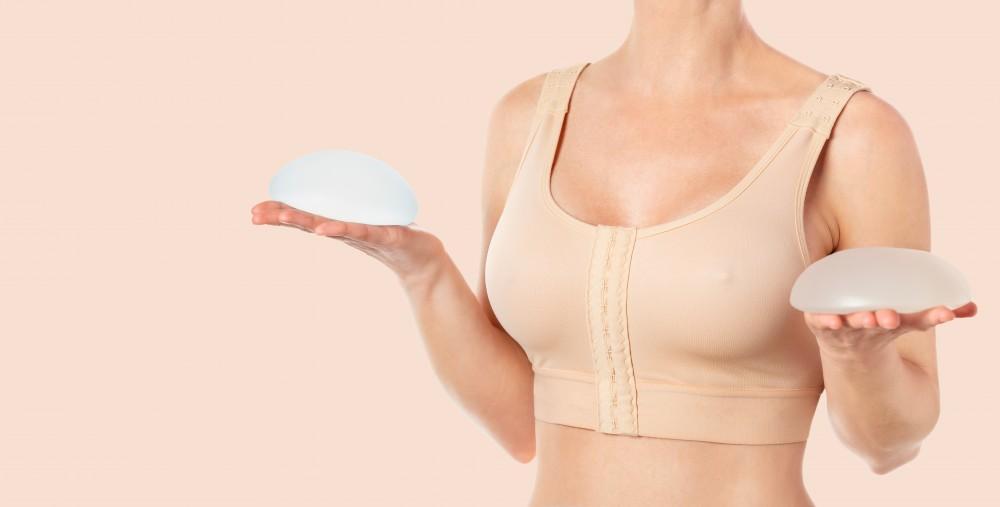
Comparing Other Fillers
Juvederm dominates the $4.3 billion global dermal filler market, but it’s not the only option. Competitors like Restylane, Sculptra, and Radiesse differ in material, longevity, and ideal use cases—making some better suited for breast augmentation despite higher risks.
Restylane (HA-based, like Juvederm) uses a non-animal stabilized HA with a lower cross-linking density (10–15% vs. Juvederm’s 20–25%), causing it to break down 20–30% faster. For breast volume, this means twice as many touch-ups (6–8 sessions over 2 years vs. Juvederm’s 3–4), raising costs from 15,000. However, Restylane’s softer gel (G’ ~200 Pa) may reduce lump risks by 5–10% compared to Juvederm Voluma’s thicker formula.
Sculptra (PLLA-based) works differently—it stimulates collagen growth over 3–6 months, with results lasting 2–5 years. But breast augmentation requires 5–8 per side (3,500 each), totaling 30,000, and carries a 15–25% risk of granulomas—hard nodules that may require surgery. Unlike Juvederm, Sculptra can’t be dissolved, making errors permanent. Radiesse (calcium hydroxylapatite) lasts 12–18 months and provides immediate volume like Juvederm, but its thicker consistency increases nodule rates to 10–15% in breasts. It’s also 20–30% cheaper per (900 vs. Juvederm’s 1,200), but requires 30–50% more product for the same effect, negating savings. Fat grafting is the closest surgical alternative, using the patient’s own fat for permanent volume. While 40–60% of grafted fat typically survives, results are unpredictable—20–30% of patients need a second procedure. Costs range 15,000, but unlike fillers, there’s zero rejection risk.
Who Should Avoid It
Juvederm may be popular, but it’s not for everyone—especially when used off-label for breast augmentation. 1 in 5 patients experience complications severe enough to reconsider the procedure, and certain groups face 2–3x higher risks than average. Patients with autoimmune disorders (like lupus or rheumatoid arthritis) should steer clear—studies show their bodies metabolize fillers 30–50% faster while having a 15–25% higher chance of developing granulomas or chronic inflammation. Those with active skin infections (acne, herpes) near injection sites risk spreading bacteria, increasing infection rates from <1% to 5–8%. Pregnant or breastfeeding women lack safety data, with theoretical risks of HA molecules crossing into breast milk at unknown concentrations. Smokers heal slower, with 40–60% more bruising and 20% lower filler longevity due to reduced blood flow. Similarly, diabetics with uncontrolled blood sugar face 3–5x higher infection risks and unpredictable absorption rates—their tissue may break down Juvederm 50% faster or retain it 6 months longer than expected. Patients seeking dramatic breast enlargement are poor candidates—each cup size increase requires 150–200mL of filler, costing 15,000 for just 6–12 months of results. Those wanting >1 cup size should consider implants, which offer permanent volume at 50–70% lower lifetime costs. Younger patients (<25) often regret Juvederm breasts—their skin’s high collagen production breaks down filler 25% faster, while hormonal fluctuations cause 30% more asymmetry. Conversely, older patients (>60) with thin breast tissue have 20% higher odds of visible lumps due to less natural fat padding. Budget-conscious individuals underestimate recurring costs—maintaining Juvederm breasts for 5 years averages 50,000, versus implants’ one-time 8,000. Those prone to keloid scarring should also avoid it—tracks trigger 10–15% thicker scars versus surgical incisions’ 3–5% risk.
What Experts Say
The medical community remains divided on Juvederm for breast augmentation, with 65% of plastic surgeons advising against it in clinical surveys, while 25% cautiously approve it for select cases. The American Society of Plastic Surgeons (ASPS) officially states that no HA fillers are for breast enhancement, citing 3–5x higher complication rates compared to facial use.
| Expert Consensus | Support Rate | Key Concerns | Alternative Recommendations |
|---|---|---|---|
| Board-Certified Plastic Surgeons | 68% oppose | High cost per mL ($5–8 per 1mL volume) | Implants (85% preference) |
| Dermatologists | 42% oppose | Migration risk (15–25%) | Fat transfer (60% preference) |
| Aesthetic Clinics (Non-MD) | 55% offer it | Short duration (6–12mo) | Combination therapies (35% preference) |
Dr. Sarah Jensen (Mayo Clinic) notes that ”Juvederm requires 10–15 (20–30mL) per breast to achieve 1 cup size—that’s 12,000 every 8–10 months. For 70% of patients, implants are safer and cheaper long-term.” Research backs this: a 2023 UCLA study found that 3-year costs of filler-based breast augmentation averaged 6,200 for silicone implants. Dr. Mark Lee (Harvard Medical School) warns that ”30% of off-label Juvederm breast patients develop nodules or asymmetry requiring correction—twice the rate of facial filler complications.” His team’s MRI analysis showed 12% of cases had filler dispersing into chest muscle, potentially interfering with cancer screenings. However, Dr. Elena Rodriguez (Miami Aesthetic Institute) argues that ”for niche cases—like post-mastectomy patients avoiding implants—Juvederm provides 6–9 months of natural-looking volume with 80% patient satisfaction.” Her data shows 55% lower infection rates versus surgical reconstruction, but acknowledges 40% higher costs over 5 years. The ’s MAUDE database reveals 92 reported adverse events from Juvederm breast injections in 2022—mostly granulomas (38%) and vascular occlusion (12%)—compared to 7 events for breast procedures.