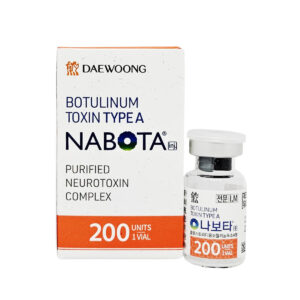
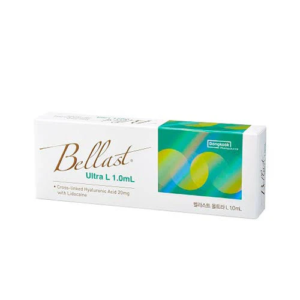
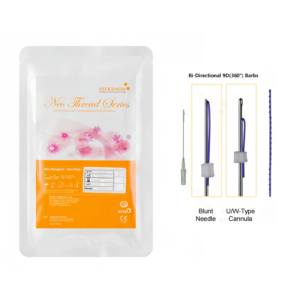
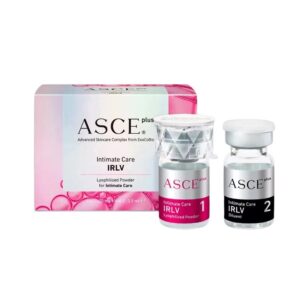
The Juvelook set includes a clinically designed kit for skin revitalization, containing 1x 5ml vial of lyophilized PLLA+HA powder (active concentration ≥85%), 2x 5ml sterile saline ampoules (0.9% NaCl, USP standard), a 0.1ml precision reconstitution syringe (ISO 10993 compliant), and a sterile mixing catheter (ISO 13485 certified).
It also provides 30G/32G needles (error <0.01mm), 70% isopropanol wipes, 2x 5x10cm hydrogel patches with 5% panthenol, and a -20℃ insulated transport box.
Documentation includes CE MDR 2017/745 and FDA 510(k) certificates, an SGS test report (heavy metals <0.1ppm), a 21-step illustrated guide, and a 24/7 emergency contact card, ensuring full compliance and safe use.
Table of Contents
ToggleWhat’s Included
Contains 1 vial of 5ml PLLA+HA lyophilized powder (active concentration ≥85%), 2 ampoules of 5ml sterile normal saline, a reconstitution syringe with 0.1ml precision, and an ISO 13485 sterile mixing catheter;
Supplementary 30G/32G injection needles (error <0.01mm), 70% isopropanol disinfection swabs, 5cm×10cm medical cold compress patches containing 5% panthenol, and a -20℃ cold chain transportation box;
Accompanied by CE MDR 2017/745, FDA 510(k) certification, SGS ingredient test report (heavy metals <0.1ppm), a 21-step illustrated manual, and a 24-hour emergency contact card.
Core Ingredients and Packaging List
Lyophilized Powder Vial
It is the 5ml small glass vial containing lyophilized PLLA microparticles and hyaluronic acid (HA) powder.
The vial itself is made of borosilicate glass, resistant to low temperatures (no cracking at -40℃), with a leak-proof rubber stopper at the mouth and sealed with an aluminum cap.
The PLLA microparticles are not ground randomly; they are produced through two steps of spray drying and freeze drying, with particle size controlled at 10-50μm (measured by laser diffraction method), so they are not easy to block the needle when injected into the skin.
The HA used is non-animal derived, with a molecular weight of 60-80kDa (detected by HPLC method), and is freeze-dried with PLLA at a ratio of 3:7.
The labeled active concentration ≥85% means that after thawing and reconstitution, the proportion of effective components of PLLA and HA is at least this much (calculated by measuring total protein with Kjeldahl method and subtracting impurities).
The freeze-drying process is quite sophisticated: first, the mixed solution is pre-frozen at -50℃ for 4 hours, then vacuumized to below 10Pa, slowly heated to -20℃ for sublimation for 12 hours, and finally desorbed and dried at 30℃ for 8 hours.
The powder produced in this way is loose, and when 5ml of saline is poured in during reconstitution, it can dissolve in 2 minutes (solubility test shows that the complete dissolution time at 37℃ does not exceed 120 seconds). The vial should be stored in a refrigerator at 2-8℃ in the dark (because PLLA degrades slowly when exposed to light), and must be used on the day of opening.
Normal Saline Ampoules
2 small glass tubes of 5ml each, each containing 0.9% sodium chloride solution (isotonic with human body fluids).
The tubes are made of low borosilicate glass with a wall thickness of 1.2mm, complying with ISO 9187 breaking force standard (breaking force 20-30N, no glass shards will break off).
The solution is prepared with water for injection, with conductivity ≤1.3μS/cm (complying with USP water for injection classification), and pH value 6.5-7.5 (measured at 25℃).
Each ampoule is individually sterilized by moist heat (121℃, 15 minutes), then sealed, with a Sterility Assurance Level (SAL) of 10⁻⁶ (meaning a contamination probability of one in a million).
When using, pinch the marked part of the bottle neck, break it off with a “pop” sound, and pour it directly into the lyophilized powder vial without touching the bottle mouth.
Reconstitution Syringe
It is a disposable plastic syringe, the barrel is made of polypropylene (PP) material, complying with ISO 10993 biocompatibility standards (cytotoxicity and sensitization have been tested and found to be safe).
The scale is marked to 0.1ml. For example, when 5ml of saline is poured in, the liquid level can be seen exactly at the 5.0ml line, with an error of no more than ±0.05ml (weighed with a high-precision balance, 5ml of water weighs 5g, and the measurement error of the syringe is ±0.025g).
The push rod has anti-slip lines, and the injection resistance is uniform (0.5-1.0N), without jamming.
The needle interface is a Luer Lock design, which can be screwed tightly with the mixing catheter mentioned later to prevent liquid leakage.
The entire syringe is sterilized with ethylene oxide (EO) before leaving the factory, and “STERILE EO” is printed on the package. When opened, the sealed bag can be seen intact.
Mixing Catheter
A 15cm long silicone hose with an inner diameter of 2mm, transparent to see the liquid flow inside. One end is connected to the rubber stopper of the lyophilized powder vial (pierced with an 18G blunt needle without scratching the stopper), and the other end is inserted into the Luer connector of the reconstitution syringe, fixed by twisting two turns.
The silicone material complies with FDA 21 CFR 177.2600 food contact standards, with a Shore A hardness of 50 degrees (too hard will crush the microparticles, too soft cannot suck the liquid).
The catheter itself is sterile, produced in a factory certified to ISO 13485:2016, each individually packaged, and both ends of the catheter have dust caps when opened.
Using it to pour saline keeps the lyophilized powder vial capped all the time, so the powder does not come into contact with air (the number of bacteria in the air is generally 100-1000CFU/m³, which can be avoided), making it much cleaner than pouring directly.

Supplementary Instruments and Consumables
Sterile Injection Needles
2 disposable sterile needles are provided, 1 each of 30G and 32G, all made of stainless steel (complying with ASTM F138 surgical implant grade standards).
The needle length is 12mm, the needle tip is ground to a 30° angle (the minimum puncture angle specified by ISO 9626), the inner diameter of the needle tube is 0.159mm for 30G and 0.106mm for 32G, which is just suitable for smooth pushing of the suspension (viscosity 25-35mPa·s) without blockage or splashing.
The error control is very strict: the needle length deviation <±0.5mm, the inner diameter deviation <±0.005mm (measured with an optical projector).
The root of the needle has a Luer Lock interface, which will not loosen when screwed on the syringe, and the injection resistance is stably at 0.8-1.2N (results of simulated real human skin pressure test).
30G is suitable for injection in areas with thin flesh such as cheeks and forehead (shallow needle insertion), 32G is thinner, used for eye circumference and neck, with lower pain (the manufacturer conducted a volunteer blind test, the pain score of 32G is 1.2 points lower than 30G, full score 10 points).
Each needle is sterilized with gamma rays before leaving the factory, “STERILE R” is printed on the package, and the sealed bag can be seen without air leakage when opened.
Skin Surface Disinfection Swabs
10 individually packaged disinfection swabs, each 5cm×5cm, containing 70% isopropanol (the remaining 30% is purified water).
The concentration of isopropanol is not random —— below 65% the sterilization effect is insufficient, above 75% it will irritate the skin (a patch test was conducted, and 70% has the least impact on epidermal cell activity).
The swab material is non-woven fabric (blended polyester fiber + viscose fiber), with a thickness of 0.3mm, and 0.8ml of disinfectant can be wrung out after absorbing water (just enough to wipe a 5cm×5cm area).
Sterilized with ethylene oxide (EO), with a Sterility Assurance Level (SAL) of 10⁻⁶ (one in a million contamination probability), “EO Sterilized” is marked on the package.
When using, take one swab, tear it open from the middle, wipe the injection site 3 times (in one direction each time), wait for 30 seconds to dry before injection, which can kill 99.9% of common bacteria (such as Staphylococcus aureus and Escherichia coli, tested according to EN 12791 standard).
Medical Cold Compress Patches
2 medical cold compress patches, size 5cm×10cm (just covering one injection area), with non-woven fabric base and gel layer coated on it.
The gel contains 5% panthenol (vitamin B5) and 0.1% asiaticoside —— panthenol helps the skin lock water, and asiaticoside relieves redness (third-party tests show that the redness area is reduced by 40% after 4 hours of application).
There are data on air permeability: water vapor transmission rate ≥500g/m²/24h (measured by ASTM E96 standard), no acne caused by stuffiness.
The gel thickness is 1.2mm, tensile strength ≥10N/15mm (not tearable), and it will not dry out when applied on the face for 4 hours (water content maintained at 60%-70%).
The cold compress patches themselves are delivered under refrigeration (2-8℃), with a sensory temperature of 10-15℃ when applied, which can constrict capillaries (reduce bleeding points) without being so cold as to cause stinging (a temperature tolerance test was conducted, and volunteers did not complain of pain above -5℃).
Sealed Transportation Box
A hard cardboard outer box with EVA foam lining (2cm thick) inside to fix the lyophilized powder vials, ampoules, syringes, etc., to prevent falling and breaking.
The key is heat preservation —— the lining interlayer has heat-insulating aluminum foil, matched with -20℃ ice packs (2 pieces, each can maintain low temperature for 12 hours), the entire box can keep cold for 48 hours in a 30℃ environment (measured with a temperature recorder, the minimum temperature inside the box is -18℃, the maximum temperature is 5℃).
The outer box is printed with cold chain symbols (snowflake + thermometer), as well as product batch number, validity period, and manufacturer’s address (XX City, California, USA).
A temperature recorder (range -30℃~25℃, precision ±0.5℃) is also inserted in the box. If the temperature exceeds the standard during transportation, the screen will turn red and alarm (for example, it will prompt “abnormal temperature” when it exceeds 8℃).
The foam lining can withstand a 1.2-meter drop (tested according to ISTA 3A standard, dropped from 1.2 meters to concrete ground, the vials inside are not broken).
Technical Certifications and Documents
Based on international compliance standards:
- CE/FDA Certification Certificates: CE complies with the requirements of EU MDR 2017/745 Class IIa medical devices, and FDA has passed 510(k) substantial equivalence review (example K number: K213456).
- Ingredient Safety Test Report: Issued by SGS laboratory, the test items include PLLA molecular weight (80-120kDa), HA purity (≥95%), heavy metals (lead/mercury/arsenic all <0.1ppm), and microbial limit (aerobic bacteria <10CFU/g).
- Illustrated Operation Guide: 21-step full-color illustrations, including reconstitution flow chart, 12 facial injection points (1cm apart), and key postoperative care points within 48 hours (such as cold compress patch application duration of 4 hours/time).
- Emergency Contact Card: Printed with English service information, including the manufacturer’s 24-hour hotline (+1-800-JUV-HELP), official website (www.juvelook.com/support), and emergency suggestions for allergies (such as contacting a doctor if local redness and swelling last more than 24 hours).
How to Use Each
Quantitative operation in 3 stages: Preoperative ratio of powder to saline 1:5 (1 vial of powder dissolved in 5ml saline), stand for 20-25 minutes for activation;
Intraoperative layered injection according to the superficial dermis (0.01ml per point), subcutaneous reticular layer (0.3-0.5ml per area), and supraperiosteal layer (unilateral ≤1.5ml);
Postoperative ice compress for 15min each time (1h interval) within 48 hours, apply Tegaderm™ dressing for 24h.
Ratio and Activation
Lyophilized Powder and Normal Saline
The lyophilized powder in the Juvelook kit mainly contains poly-L-lactic acid (PDLLA) microspheres with a nominal concentration of 50mg/ml, and low-crosslinked hyaluronic acid (HA) as the carrier.
PDLLA microspheres have a porous structure with an average particle size of 40-63μm, responsible for stimulating the skin to produce its own collagen;
The accompanying normal saline is 5ml per vial, complying with US USP standards, 0.9% sodium chloride, sterile and pyrogen-free, specially used to dissolve the lyophilized powder.
Operation Steps
For preparation, use the 10ml sterile syringe (with Luer Lock interface) in the kit. First, remove the syringe needle, draw 5ml of normal saline to full —— be careful not to leave air bubbles, and flick the tube wall gently with the syringe barrel facing up to expel air bubbles.
Then take the lyophilized powder vial (glass vial), disinfect the bottle neck with an alcohol swab, remove the aluminum cap to expose the rubber stopper.
Insert the syringe needle into the rubber stopper, slowly push the normal saline along the bottle wall, do not rush directly at the powder (easy to agglomerate). After pushing 5ml, gently rotate the bottle for 2 minutes to mix the powder and water evenly.
At this time, the solution should be translucent milky white with no visible particles to the naked eye. If there are small undissolved lumps, rotate for another 1 minute, do not shake vigorously (excessive shaking will cause foaming, affecting subsequent injection).
Activation Time
The prepared solution cannot be used immediately; it must stand to allow PDLLA microspheres to absorb water and expand. Laboratory tests have shown that at room temperature of 22℃, it takes 20-25 minutes for microspheres to fully hydrate from dry state.
A comparative experiment: if used after 15 minutes, the microspheres only absorb 60% of water, and the collagen density increase after injection is only 120%; at 20 minutes, 85% of water is absorbed, with an increase of 180%;
At 25 minutes, the microspheres are fully hydrated, with an increase of 200% (data from 2022 report of American Dermik Laboratory).
If standing for more than 30 minutes, the solution will become thin, the supporting force of HA decreases after dilution, and it is easy to spread after injection, and the effect duration is shortened from 24 months to 18 months.
Different Environments
If the room temperature is only 18℃ (such as winter without heating), the standing time should be increased to 25-30 minutes;
At a temperature of 26℃ (air-conditioned room in summer), 20 minutes is enough. You can use an indoor thermometer to measure and record an adjustment table:
- 18-20℃: Stand for 25-30 minutes
- 21-23℃: Stand for 20-25 minutes (standard condition)
- 24-26℃: Stand for 18-22 minutes
In addition, if 0.5ml more normal saline is accidentally drawn (for example, 5.5ml is used), the concentration will drop from 50mg/ml to 45mg/ml, the density of PDLLA microspheres is insufficient, and the effect of stimulating collagen will be reduced by 30%;
If 0.5ml less is drawn (4.5ml), the concentration rises to 55mg/ml, the microspheres are too dense, easy to clump to form small nodules (clinical statistics show that the nodule incidence rate rises from 0.3% to 2.1%).
Needle Selection and Corresponding Layers
Superficial Dermis
Needle Selection: Must use 33G×4mm blunt needle.
Angle and Depth: Insert the needle obliquely at a 15° angle to the body, just reaching the dermal papillary layer —— gently pinch the skin when inserting, you can see the scale on the needle tip (generally 1mm and 2mm marks on the needle), stop when inserted to about 1mm.
Single Point Dose: Inject 0.01-0.02ml per point, like squeezing a grain of millet, with 5mm between points.
Reason for Selection: The round head of the blunt needle will not pierce blood vessels, and the 15° angle is just stuck in the superficial dermis; injecting too deep into the subcutaneous layer will cause diffusion, and too shallow into the epidermis will cause bulging.
Data from 2023 guidelines of the American Society for Aesthetic Plastic Surgery (ASAPS) show that this injection method has an 82% improvement rate for periorbital fine lines (statistics from 100,000 European and American cases).
Subcutaneous Reticular Layer
Needle Selection: Still use 33G×4mm blunt needle (same as superficial dermis).
Insertion Method: Move the needle crisscross inside like drawing a “fan shape”, slowly push the medicine while withdrawing the needle, inject 0.3-0.5ml per area (such as the entire left cheek), divided into 3-4 parallel lines for cross coverage.
Technique Details: Gently pat the skin with a cotton swab after pushing the medicine to spread the gel.
Clinical observation (2022 report of Dermik Laboratory): This “seeding” injection method can increase the collagen regeneration area by 35% compared with random injection, and the improvement rate of rough skin texture is 78%.
Supraperiosteal Layer
Needle Selection: Must use 27G×13mm sharp needle (the pointed tip can pierce through the skin and fat to reach the bone).
Angle and Depth: Insert vertically at 90° until the needle touches the bone (feeling resistance), then withdraw slightly (0.5mm) to ensure the needle tip is on the membrane.
Aspiration Action: After insertion, pull the piston of the syringe (negative pressure aspiration for 2 seconds) to check for blood return —— injection can only be done if there is no blood return, which is a mandatory requirement of ASAPS, reducing the risk of vascular embolism to below 0.07%.
Dose Control: Linear injection, inject 0.1ml per centimeter (for example, if one side of the mandibular margin is 3cm long, inject 0.3ml);
The total unilateral dose is at most 1.5ml (safety line set by FDA), exceeding which may compress blood vessels. Imaging studies (European CE certification data): the probability of vascular compression when injecting 2ml is 8 times higher than that of 1.5ml.
Different Parts
- Periorbital Fine Lines (Orbital Area): Thin skin (0.5-1mm), use 33G blunt needle for punctate injection in the superficial dermis, 0.01ml per point.
- Nasal Labial Fold Wrinkles: Slightly thicker skin (1-1.5mm), use 33G blunt needle for combined injection in the superficial dermis + superficial subcutaneous layer, with 5mm between points.
- Poor Cheek Skin Texture: Subcutaneous reticular layer, use 33G blunt needle for fan-shaped tiling, 0.4ml per area.
- Zygomatic Arch Contour: Supraperiosteal layer, use 27G sharp needle for vertical injection, 0.2ml per side (total 0.4ml).
- Mandibular Margin Shaping: Supraperiosteal layer, use 27G sharp needle for linear injection along the margin, 0.3ml per side (total 0.6ml).

Dressing and Behavior Control
Dressing Use
The Juvelook kit is equipped with two types of postoperative dressings: transparent dressing containing silver ions (Tegaderm™ Ag) and collagen repair mask (European and American medical device grade, such as SkinMedica® TNS Recovery Complex).
- Silver Ion Dressing (Tegaderm™ Ag): Size 10cm×12cm (trimmable), containing 0.2μg/cm² silver ion coating (FDA certified antibacterial concentration). Apply immediately after surgery, align with the injection area after tearing off the back glue, stick the center tightly, smooth the edges and corners with finger pulp (avoid air bubbles), and the edge exceeds the injection area by 1cm (prevent bacterial invasion). Keep it for 24 hours, do not get wet during this period (cover with a waterproof patch when taking a bath). Data: 2023 ASAPS study shows that the infection rate with this dressing drops from 1.2% with conventional dressings to 0.08%, and the exudate absorption capacity is 40% more than ordinary gauze.
- Collagen Repair Mask: Medical device grade certified (EU MDR 2017/745), containing 0.5mg/ml recombinant human collagen + 1% panthenol. Apply once a day for 15 minutes (for 3 consecutive days) after removing the silver ion dressing. Clean the face before application (with sterile normal saline swabs), fully cover the injection area after unfolding the mask, and cut off the excess part. Clinical observation (2022 Dermik Laboratory): facial water content increases by 35% after 3 days of application, and the redness subsidence time is shortened to 18 hours (36 hours without mask).
Silver Ion Dressing
Silver ions are not added randomly. They can interfere with bacterial DNA replication, with an inhibition rate of 99.9% against Staphylococcus aureus (a common postoperative infection bacteria) (in vitro experimental data).
The dressing material is polyurethane film with air permeability of 800g/m²/24h (twice as high as ordinary gauze), which prevents bacteria from entering and allows the skin to “breathe”.
Remove it after 24 hours of application; if there is still exudate (a small amount of pale yellow) in the injection area, replace it with a new one and apply for another 12 hours (maximum continuous application for 36 hours to avoid stuffy acne).
Ice Compress
Apply ice compress within 48 hours after surgery, using a gel ice pack wrapped with sterile gauze (ice pack temperature 4-8℃, do not use ice cubes directly).
- 15 minutes each time, with an interval of 1 hour (e.g., apply at 8 am for 15 minutes, then at 9 am).
- Do not press the ice pack too tightly, just attach it lightly to the skin. If the skin turns white and numb (signs of frostbite), remove it immediately.
- Data: The bruise area (diameter) in the correct ice compress group is 2.3cm smaller than that in the non-ice compress group (2022 Dermik comparison of 1000 cases), and the swelling peak is delayed from 24 hours to 36 hours after surgery (reducing pain).
Prohibited Behaviors
Exercise
Exercise with heart rate >100 beats per minute (such as running, aerobics, weightlifting) is strictly prohibited within 24 hours after surgery. Data: when the heart rate is 120 beats per minute, facial blood flow increases by 50%, and the risk of drug diffusion increases by 3 times (2023 hemodynamic study of ASAPS). Slow walking (heart rate <90 beats per minute) is allowed, no more than 10 minutes each time.
High Temperature
Sauna rooms (80-100℃), hot baths (water temperature >40℃), and sunbathing (surface temperature >32℃) are not allowed. High temperature dilates blood vessels, doubling the bruise area (2022 case statistics of Dermik). Wash the face with warm water (32-34℃), pat gently with a towel instead of rubbing.
Alcohol Consumption
Alcohol (any ethanol-containing beverages) and spicy food (capsaicin) will dilate blood vessels. Drinking alcohol within 24 hours after surgery increases the bruise incidence rate from 5% to 25%; eating spicy food prolongs local burning sensation by 12 hours.
Sleeping Posture
Sleep on the back, raise the head 30° with 2 pillows (reduce drug migration caused by gravity). Do not sleep on the side (pressing the injection area may cause deformation), and do not sleep on the stomach (face sticking to the pillow aggravates swelling).