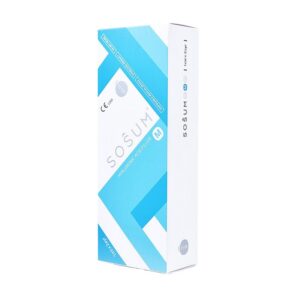
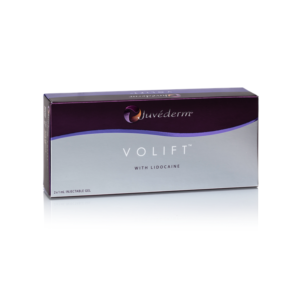
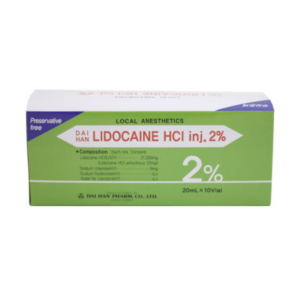
These days, anyone exploring light aesthetic treatments is likely to hear the term PDRN. Put simply, it is an ingredient that helps the skin repair itself, making it healthier, stronger, and more stable overall.
Kiara Reju and Curenex Glow are two common PDRN-based products, but their effects are not exactly the same.
PDRN Benefits
Cell and Tissue Repair
PDRN molecules are cut into extremely small fragments, ranging from 50 to 1500 kDa in molecular weight. The spaces between dead skin cells on the human face are only about 50 nanometers wide. Large, unmodified DNA chains are simply too bulky to pass through and remain blocked outside the stratum corneum. These tiny nucleotide fragments, however, move down through microscopic intercellular gaps and reach the superficial dermis at a depth of about 1.5 mm. In skin booster treatments, they are typically delivered with ultra-fine 30G to 32G , with each injection carefully controlled at 0.01 to 0.02 ml. Once in the superficial dermis, free-floating PDRN molecules begin searching for the cells responsible for collagen production and make contact with specific receptors on their surface. The moment those receptors are activated, one intracellular signaling molecule surges by 40% within just 30 minutes. A new metabolic pathway is forced open. The sudden rise in cyclic AMP causes dormant fibroblasts to enlarge by 15% within 2 hours, preparing them to begin active repair work. In aging cells, rebuilding DNA from scratch is an extremely slow and energy-intensive process. PDRN introduces a kind of salvage pathway instead. These ready-made molecular fragments are taken up directly by senescent cells and used to fill in the missing pieces. Synthesizing a complete DNA strand from the ground up normally requires 36 ATP molecules, but assembling it from pre-existing fragments requires only 4 ATP.
- DNA replication speed increases by more than 30%, with daily synthesis reaching 2.5 μg
- Cellular energy consumption drops by 70%, allowing the saved energy to be redirected toward waste clearance
- The full cell division cycle is shortened to 18 hours, 6 hours faster than normal
- The death rate of aging cells decreases by 25%, extending survival to 45 days
Once the number of newly divided functional cells reaches a certain threshold, the protein-making machinery switches into continuous operation. The messenger systems that carry cellular instructions move at twice their usual speed within 48 hours. Free amino acids in the surrounding tissue are drawn into the cellular “workshop” and assembled in bulk into long polypeptide chains. Under the microscope, more than 500 ribosomes per square micron of cytoplasm can be seen actively assembling polypeptides. In infancy, the dermis contains about 50% type III collagen. After the age of 25, that figure declines at an absolute rate of 1% to 2% per year. By 40, type III collagen in the face often falls below 20%. Thousands of newly assembled micro-chains begin intertwining in the extracellular space, forming free procollagen in a triple-helix structure. A single procollagen strand measures about 300 nm in length and 1.5 nm in thickness. Lysyl oxidase activity peaks on day 7 after injection. Loose collagen monomers are rapidly assembled within hours into strong collagen fibers ranging from 50 to 500 nm in diameter. A single gram of cross-linked collagen network can hold nearly 300 grams of free water, trapping moisture securely within its mesh-like structure. One ultrasound report tracking 120 volunteers documented measurable changes in dermal echogenicity. Participants ranged from 32 to 55 years old, and all measurements were taken at the highest point of the cheekbone, 2 cm below the outer corner of the eye. Each volunteer received three injections, each containing 2 ml of PDRN solution. On average, ultrasound imaging showed that dermal firmness improved by 21.4%.
- Absolute dermal thickness increased by 0.2 mm, roughly the thickness of two layers of plastic wrap
- Epidermal hydration rose by 15.8%, bringing stratum corneum moisture close to the ideal 30%
- Reticular fine lines around the eyes became 12% shallower, with visible folds shortened by 1.5 mm
- Cheek pore volume decreased by 9.4%, leaving less space for blackheads to accumulate
- Local melanin deposition declined by 8%, and the borders of pigmented spots visibly contracted inward
Kiara Reju contains 20 mg/ml of non-crosslinked hyaluronic acid. Its molecular weight is controlled between 1 million and 1.5 million daltons, allowing it to remain in the body for 10 to 14 days before degradation. Carrying water equal to 1000 times its own weight, it physically expands microspaces within the collagen framework. In this hydrated environment, collagen-producing cells migrate three times faster than they do in dry tissue. Curenex Glow is supplemented with 15 amino acids and 5 complex peptides. In a collagen peptide chain, glycine accounts for one-third of all positions. Cells need glycine and proline in large amounts to synthesize collagen efficiently. Providing these raw materials externally saves cells from the long conversion process they would otherwise have to perform themselves. The added 0.2 mg of glutathione in the formula also helps wash away a layer of dull yellow undertone. The stem cells in the deepest basal layer receive strong signals from neighboring tissue and begin dividing at a rate of hundreds of new epidermal cells per second. It takes 14 days for these new cells to migrate from the bottom layer to the skin surface. Over that 0.1 mm journey, the cell nucleus gradually dissolves and disappears, leaving behind a flattened, hardened protective layer of dead skin cells. In sun-damaged, aged skin, that upward turnover process often drags on for 35 to 40 days. A patch of skin no larger than a fingernail usually contains 30 to 50 layers of accumulated old dead skin. Once PDRN intervenes, the turnover cycle is forced back into a healthy range of 21 to 28 days. Of the lipids secreted by newly formed cells, 50% are ceramides, meaning healthy cells produce an ample supply of essential barrier lipids. These oils form a tightly sealed “brick wall” between epidermal cells, thickening the stratum corneum and blocking outside chemical irritants. When the probe of a transepidermal water loss meter is pressed against the left cheek for 5 seconds, the screen shows the number dropping from a damaged-state reading of 25 to 12—a full 13 g/m²·h less water escaping through the skin.
- Water-loss readings are cut in half, allowing the skin to remain comfortable for 20 minutes after washing even without face cream
- Lipid reserves in the stratum corneum increase by 20%, and the sebum film reaches a thickness of 0.5 microns
- The erythema index drops by 18%, with persistent redness shrinking by about one-fifth
- Microvascular blood flow increases by 15%, helping remove carbon dioxide and metabolic waste trapped beneath the skin
Endothelial cells lining the blood vessels begin proliferating rapidly, forming tiny new capillary buds. Each bud is only 5 to 8 microns in diameter—just wide enough for a single red blood cell to squeeze through. This newly formed capillary network brings oxygen and nutrients to severely ischemic, damaged tissue. Active macrophages can swallow dozens of pigment-containing waste vesicles each day, clearing out old melanin particles that have remained in the dermis for too long. The DNA double helix extracted from salmon milt is completely broken apart at 80°C. During purification, the material is filtered six times under a –4°C cold-chain environment. Residual impurity levels are strictly controlled below 0.001 ppm, eliminating more than 99.9% of the proteins most likely to trigger allergic reactions. What remains are highly purified fragments stripped of the components most likely to provoke rejection by the human body. Within 72 hours after injection, the concentration of vascular endothelial growth factor rises by 2.5 times. Over the course of a month, the number of microvessels in each square millimeter of dermis increases by 10 to 15. These extra capillaries raise skin temperature slightly by 0.2 to 0.5°C. The resulting increase in fresh blood flow helps carry away harmful waste products generated by cellular metabolism.
Anti-Inflammation and Microcirculation Formation
Beneath the skin, invisible to the naked eye, as many as 3,000 highly alert white blood cells may cluster within each square centimeter of tissue. Long-term exposure to sun, wind, and overly aggressive acid-based skincare can strip away the face’s outer lipid film, which is only 0.02 mm thick. Once that barrier is gone, more than 200 exposed free nerve endings can misfire hundreds of times a day, triggering persistent dryness and itching. PDRN solution is delivered through microscopic channels about 0.15 mm deep, created by an ultra-fine 34G microneedle, with each injection strictly limited to 0.01 ml. Free nucleotide fragments around 500 kDa rapidly locate the A2A receptors on the surface of white blood cells, fitting into them like precisely cut keys. Within the first 48 hours after treatment, the inflammatory alarm inside these immune cells—previously blaring at a metaphorical 80 decibels—is forcibly silenced. Blood test reports from outpatient clinics show it clearly: the concentration of IL-6, one of the proteins responsible for redness and swelling beneath the skin, drops sharply from 120 pg/ml by 60%. TNF-α, the inflammatory factor that continuously irritates facial nerves and drives persistent itching, is reduced by 45% within 3 days, falling to a safe level of 15 pg/ml. The source of redness and itching is effectively cut off at its root. At the same time, the skin’s own anti-inflammatory protein, IL-10, rises from a low 5 pg/ml to three times that level. It acts like a precisely targeted rainstorm falling over inflamed dermal tissue, bringing a local skin temperature of 37.5°C back down to the normal physiological 36.5°C within just 4 hours. Once the subcutaneous environment cools down, macrophages—the tissue’s cleanup cells—become much more active. A single macrophage about 20 microns in size can engulf 40 to 50 fragments of cellular debris associated with redness in a single day. Inflammatory waste particles less than 500 nm in diameter, previously lodged around the capillaries, are cleared away rapidly. The once-blocked microvascular channels are gradually reopened, allowing nutrients in the bloodstream to move through at a flow rate of 0.5 mm per second. PDRN also stimulates endothelial cells to release large amounts of VEGF, the protein that drives new vessel growth. The concentration of this growth factor peaks on day 7 after injection, reaching as high as 400 pg per milliliter of subcutaneous tissue. At this point, the nutrient-rich subdermal “soil” at a depth of 1.5 mm has effectively been renewed. Nourished by this wave of growth factors, the vessel wall begins sprouting fine, tender new buds at a rate of 10 microns per day. These new capillary sprouts, still only 5 to 8 microns wide, are invisible to the naked eye. Over the next 15 days, they link together and form a dense red network of more than 120 new vessels within every 1 cm² of previously ischemic, dehydrated tissue. Once this new vascular web is established, dermal blood flow in the treated cheek area increases by 25%. Oxygen-starved red blood cells, once sluggish and poorly circulated, now move smoothly in single file through microvessels only 6 microns wide. Local tissue oxygen saturation rises rapidly from a depleted 85% to over 98%. At the same time oxygen is delivered, venous blood—now flowing at 1 mm per second—carries away large volumes of retained carbon dioxide. More than 400 micrograms of yellow metabolic waste particles, each measuring about 1 to 2 microns in diameter and long deposited in the cheeks, are packaged up and transported back to the liver for processing. The dull yellow cast seen in the mirror every morning begins to fade dramatically around day 21, and the complexion grows clearer and brighter day by day. A Mexameter MX18, a color-measuring device used in dermatology clinics, is pressed against the left apple cheek of a patient at a fixed pressure of 200 grams. After one full 28-day physiological turnover cycle, the erythema index shown on the screen drops steadily from a severely sensitive 65 to a healthy 42. The visible flushed area on the face shrinks inward by 3 cm. Large amounts of free fatty acids, 50% ceramides, and 25% cholesterol released by newly formed cells fill the gaps between epidermal cells completely. Measured under the microscope, the stratum corneum gains 3 to 5 additional layers of healthy cells, increasing in total thickness by 0.015 mm. The skin no longer feels paper-thin and fragile. Once the skin can hold onto its moisture, external particles larger than 100 nm have little chance of penetrating it. A group of 50 volunteers, aged 25 to 45, all of whom had suffered for years from dryness, itching, and redness, were tested in a temperature-controlled room at 22°C before and after PDRN treatment. Three key skin physiology indicators were recorded.
| Test Item | Average Before Treatment | Average 4 Weeks After Treatment | Improvement |
|---|---|---|---|
| Water Loss Rate (g/m²·h) | 26.5 | 13.2 | Down 50.1% |
| Microcirculatory Blood Flow (PU) | 45.3 | 68.7 | Up 51.6% |
| Erythema Index (E.I.) | 62.4 | 41.8 | Down 33.0% |
In Kiara Reju, the 20 mg/ml hyaluronic acid with a molecular weight of up to 1.5 million daltons acts as an excellent water reservoir. In extremely dehydrated, hollow-looking sensitive skin, the tissue behaves like a dry sponge, absorbing 2 ml of hyaluronic acid gel completely within 48 hours. During the first 3 days, epidermal hydration quickly rises past the 30% threshold of truly moist skin, and even after washing the face, the skin can remain bare for 30 minutes without flaking. The complex ingredients in Curenex Glow then travel along the newly opened microvascular network, reaching all 80,000-plus pores across the face. With sufficient oxygen available, 0.2 mg of glutathione suppresses tyrosinase activity in the basal layer by 40%. Residual red acne marks gradually fade over 45 days, eventually blending into the surrounding natural skin tone.
Protein Regeneration and Texture Improvement
Once a woman passes 25, the collagen “factory” beneath the skin quietly begins downsizing. Originally, nearly 80% of the space beneath the skin is filled with elastic supporting columns that hold the tissue up. From that point on, the structural “pillars” located about 1.5 mm beneath the skin decline by 1.5% per year. By around age 40, the supportive mesh within the apple cheeks often retains only about 40% of its former strength. As the underlying support collapses, the surface pores begin to stretch downward as well. Healthy round pores that originally measured just 50 microns are pulled into elongated teardrop shapes as long as 100 microns. Every morning in the mirror, more than 300 visible dark openings around the nostrils and across the cheekbones seem to connect into a single rough field. The skin no longer has the smooth, shell-like feel it once had at 18. A 34G , finer than a strand of hair, delivers PDRN precisely into the tissue plane 1.2 mm beneath the skin. These free nucleotide fragments, weighing only about 500 kDa, drift through the tissue fluid until they encounter collagen-producing cells that have become sluggish and inactive. Once these half-dormant cells receive the signal to go back to work, they expand by 15% within just 2 hours.
Under a clinical microscope, the changes seen on day 3 after injection are striking. The number of active functional cells per square millimeter rises from 120 to 160, and the collagen-making machinery is effectively switched back on at high power.
The intracellular messengers carrying construction instructions begin moving at twice their usual speed, while surrounding nutrients are pulled into the cellular production line in large amounts. A collagen chain that would normally require the equivalent of 36 energy units to assemble can now be pieced together with just 4 units, thanks to the ready-made components provided through PDRN. Over the next 28 days, these fully activated cellular workshops produce a steady stream of fresh protein fibers. New collagen fibers measuring 50 to 500 nm in diameter weave together beneath the skin, gradually rebuilding and lifting the collapsed dermal mesh.
- Daily collagen production exceeds 2.5 μg
- The proportion of youthful type III collagen quietly increases by 12%
- The elastic fibers responsible for maintaining skin bounce become visibly thicker by 0.05 microns
- More than 300 new micro-chains reconnect the broken old fiber network
The collapsed support layer 1.5 mm beneath the skin gradually gains 0.2 mm of new thickness. From the outside, the fine, uneven graininess once felt across the face seems to vanish almost completely. On day 30, high-resolution images from a VISIA skin analyzer show that within a 4 cm² area of the left cheek, the number of red roughness points drops sharply from 85 to 32. The old teardrop-shaped pores that had long been stretched out by gravity are now pressed inward by the volume of newly formed collagen surrounding them. Average pore opening size shrinks by 18.5%. What once looked like large pits wide enough to hold the tip of a toothpick now appear reduced to tiny pinpoints. Under overhead lighting, light reflectivity across the smoother epidermis improves by 15%, giving the entire face the luminous sheen of skin already wearing highlighter. The 20 mg/ml hyaluronic acid in Kiara Reju plays a major supporting role here. With a molecular weight of up to 1.5 million daltons, it behaves like a moisture-saturated sponge, holding water equal to 1000 times its own weight. Within the newly built collagen framework, it floods the extracellular environment with moisture and maintains the surrounding tissue at a humidity level above 85%. In that hydrated setting, working cells migrate three times faster, and collagen weaving accelerates dramatically. The 15 amino acids added to Curenex Glow spare cells the trouble of having to search for their own raw materials. Every collagen chain requires one glycine unit at every third position. These ready-made nutrients flow into the cells along the subcutaneous fluid current, moving at about 0.5 mm per second, pushing the production line to maximum speed.
One 38-year-old patient carefully tracked the changes in the fine lines beneath her eyes. On day 45 after completing three sessions, a silicone impression showed that the long dry line at the outer corner of her eye—originally 2 cm long—had gone from 0.35 mm deep to just 0.15 mm. The grooves that used to trap makeup were effectively filled in by the newly regenerated tissue.

Skin Texture
Increasing Moisture Content
In normal facial skin, the outermost stratum corneum is only 0.02 to 0.1 mm thick, with moisture levels hovering around 15% to 20%. Once that level drops below the 10% threshold, epidermal cells shrink by nearly 20%, curling up like dried apple peel that has been left out for half a month. The desmosomal protein chains that hold neighboring cells together begin to break apart, causing white flakes about 0.5 mm in length and width to shed from the skin. The pigment particles in foundation typically measure 10 to 20 microns in diameter. When dry cracks in the skin exceed 50 microns in depth, those particles lodge firmly inside them. Removing makeup then takes an extra 3 pumps, or roughly 4 ml, of cleansing oil, plus a full 120 seconds of pressing and massaging with the fingertips to clean out the residue trapped in the fissures. Placing a layer of hydration at a depth of 1.5 mm beneath the skin is a medical approach used to smooth out fine surface irregularities. A box of Kiara Reju contains three 2.5 ml , each filled with 20 mg/ml of non-crosslinked hyaluronic acid. The formula also includes 5 mg/ml of PDRN extracted from salmon milt, along with 1 mg/ml of niacinamide at 99% purity to block melanin transfer. The molecular weight of the non-crosslinked hyaluronic acid ranges from 1 million to 1.5 million daltons. In the subcutaneous environment, 1 gram of this type of hyaluronic acid can bind 1000 ml of water. Using an ultra-fine 34G measuring 4 mm in length, the practitioner inserts the tip at a 15-degree angle through the epidermis and delivers 0.05 ml of solution each time into the superficial to mid-dermis at a depth of 1.0 to 1.5 mm. On the first day after treatment, each cheek typically shows around 40 to 50 raised bumps measuring 2 to 3 mm across, each loaded with concentrated hydration. Over the next 24 to 48 hours, the wheals flatten as the hyaluronic acid diffuses sideways through intercellular gaps about 0.2 microns wide. Dehydrated fibroblasts absorb water and expand, increasing the skin’s outward physical tension by about 15%, leaving it softer to the touch.
- Flaking on the cheeks is reduced by 75%
- The width of skin fissures narrows to under 30 microns
- The refractive index of the stratum corneum improves by 20%
- Foundation from a 30 ml bottle can last 8 hours without cracking
- Cheek rebound time after fingertip pressure drops below 0.8 seconds
But water alone cannot fully correct the rough texture caused by the collapse of deeper collagen fibers after age 25. In 3 ml of Curenex Glow, the hyaluronic acid concentration is reduced to 5 mg/ml, making room for 15 amino acid and peptide compounds, each with a molecular weight below 5000 daltons. A small amount of hyaluronic acid acts as the carrier, helping deliver 0.5 mg/ml of glutathione to suppress tyrosinase activity in the deeper layers. Free amino acids and copper peptides pass through the cell membrane, which is only 7 nanometers thick. By day 3 after treatment, the skin surface does not yet show a glossy, water-slick shine, but fibroblasts in the deeper layers have already begun working. Over the course of 21 days, they produce type I and type III collagen fibers about 50 nm in diameter in a 3:1 ratio, building a new collagen network with a mesh size of around 2 microns in the dermis at a depth of 0.8 mm. This newly formed collagen mesh traps free water molecules in place beneath the skin. Gravity may have spent 5 years pulling pores downward into teardrop shapes more than 0.6 mm long. But as the keratinocytes around the pores absorb enough water and swell, visible gaps are squeezed shut. Sagging tissue is pulled upward at an oblique angle by 1.5 mm through the support of collagen fibers, greatly improving structural lift in the lower cheek. The size of enlarged, aged pores shrinks from about 0.5 mm back toward a much finer 0.2 mm. Under the 50-watt incandescent lighting commonly used in clinics, the uneven texture along the side of the face visibly softens. When the back of the hand is run across the jawline where breakouts once occurred, the gritty bumps that used to rise more than 0.1 mm above the surface can no longer be felt, and roughness readings on a skin texture analyzer fall by 30%.
- The length-to-width ratio of elongated teardrop pores moves closer to 1:1
- Pore size around the nostrils decreases by about 42%
- Dermal thickness in the cheeks increases by 0.12 mm
- The palms glide more smoothly across the cheeks during cleansing
- Bare-skin white-light reflection area increases by 15%
As the body’s own hyaluronidase gradually digests the hyaluronic acid reservoir, the plump, moisture-filled state usually lasts 4 to 6 weeks. The amino acids in the baby booster rebuild the collagen framework more slowly, so the peak of that fine, silky skin texture usually appears around day 42 after treatment. When a Corneometer CM 825 is applied to the face, a single session of Kiara Reju shows a 35% increase in free water content in the dermis by day 7. If the same area is tested 21 days after treatment with the baby booster, the proportion of bound water inside the skin rises by 22%. With the probe pressed against the highest point of the cheekbone, the red low-moisture warning reading on the screen turns to a green 55 units, showing that the stratum corneum has crossed back above the hydration threshold. After washing with water below 35°C, 2 grams of a cream containing 2% ceramide should be warmed between the palms and applied.
- Transepidermal water loss falls to 12 grams per hour
- Sebum output from the forehead decreases by 18%
- Nightly use of repair cream increases to 1.5 times the usual amount
- Facial cleanser should remain on the skin for no longer than 60 seconds
Stimulating Synthesis and Tightening Pores
After the age of 28, a close look in the mirror each morning often reveals that the tiny round pores beside the nostrils—originally under 0.05 mm—have started stretching downward under gravity. The collagen mesh roughly 2 mm beneath the skin declines by 1.5% per year. As the epidermis loses its spring-like support, it begins to sag with it, forming oval depressions more than 0.2 mm long. To the touch, the skin starts to feel like orange peel, dotted with more than 10 rough bumps. Hydration alone cannot hold up an aging collagen structure that has already broken down. A 3 ml of baby booster contains ultra-small amino acids with molecular weights below 500 daltons. Guided by a trace amount of hyaluronic acid, they disperse through the tissue at a depth of 1.5 mm via a 34G . Fibroblasts take up these nutrient fragments, each smaller than 2 microns, expand by 20%, and begin spinning new collagen fibers. By day 14, microscopy shows large numbers of newly formed collagen fibers about 50 nm in diameter appearing beneath the skin. The 15 compounded peptides stimulate the body to produce more supple, elastic type III collagen, which gradually combines with structural type I collagen in a 1:3 ratio. Within 1 cm² of facial skin, these new fibers crisscross and thicken the lax dermis by 0.15 mm. As the structural base becomes thicker, the downward 0.5-newton pulling force acting on the pores is reduced. Without that downward tension, elongated teardrop-shaped pore edges begin retracting. Dehydrated keratinocytes within a radius of 0.8 mm are rehydrated by the surrounding moisture. Aged pores measuring 0.3 mm in length gradually shrink back toward fine round openings under 0.1 mm in diameter. Visually, the shadowy dullness across the cheeks decreases by nearly 40%. A VISIA skin analyzer recorded changes in the forehead and apple-cheek areas over 42 consecutive days.
| Cheek Measurement | Before Treatment | Day 14 | Day 42 |
|---|---|---|---|
| Pore length-to-width ratio | 2.5:1 | 1.8:1 | 1.1:1 |
| Rebound time after pressure | 1.5 sec | 1.1 sec | 0.6 sec |
| Surface roughness | 45 Ra units | 32 Ra units | 18 Ra units |
| Makeup caking point | After 2 hours | After 5 hours | Very slight after 8 hours |
Once skin roughness falls below 20 Ra units, even under 50-watt incandescent light, the face no longer scatters light in all directions. The flattened stratum corneum behaves almost like a 0.01 mm-thick layer of glass, allowing light to gather into an even highlight patch about 3 cm² at the highest point of the cheekbone. When the fingertips glide 10 cm from the jawline toward the ear, the resistance feels half as strong as it did 30 days earlier, and the gritty friction that once accompanied the movement is gone. The 5 mg/ml PDRN in the formula delivers nucleotide building blocks to damaged cells every day to help repair DNA. Tiny acne-related depressions about 0.2 mm deep are gradually filled in over 21 days of active collagen growth. Microvascular density rises by 15%, delivering 20% more oxygen to the epidermis each day and giving the formerly yellowish, dull skin a faint pink tone and a noticeably firmer feel when pinched. Collagen production is metabolically demanding, and the cellular “factory” beneath the skin needs enough vitamin C to sustain it. After cleansing morning and night, apply 3 drops of a pure vitamin C serum in the 10% to 15% range and spread it evenly between the palms. Press the palms against the cheeks for 30 seconds, using the warmth of the hands at around 36°C to help press 1 ml of the serum into the pores. Combined with manual pressing, this can improve the strength of newly formed collagen by 20%. But the collagen network built beneath the skin continues to face daily stress from UV exposure and late nights, and begins breaking down again at a rate of 0.5% per month. The firm, compact feel produced by the treatment reaches its peak around day 60. After that, natural metabolism gradually consumes the reserve created by the 3 ml treatment, and by day 180, the pore ratio may quietly slip from 1:1 back to a slightly widened 1.5:1, with roughness once again returning to the fingertips.
How to Choose for Texture Improvement
Move your face to within 10 cm of the mirror, and under a 50-watt incandescent bulb, skin roughness has nowhere to hide. A doctor may gently press a wooden tongue depressor marked with 1 mm gradation against the right cheek to assess the texture. If you spend more than 4 hours a day in an air-conditioned room set at 25°C, the cold airflow often leaves fine dry lines around 0.5 mm long beneath the eyes and across the cheekbones. As the tongue depressor moves over the skin, resistance is high, and scattered white flakes about 0.2 mm across may come off with it. In this case, Kiara Reju, filled with 20 mg/ml non-crosslinked hyaluronic acid, is used to place a full 3 ml of hydration beneath the dehydrated stratum corneum.
Once free water in the stratum corneum drops below the 10% threshold, the 0.02 mm-thick epidermis begins to resemble cracked, dried earth.
Shortly after age 30, collagen in the dermis begins declining at a rate of 1.5% per year. When the wooden spatula is pushed across the jawline, the tissue moves with it. The once-round 0.1 mm pores are stretched downward into elongated shapes 0.3 mm long. Running a fingertip down from the ear reveals several tiny bumps about 0.1 mm high that are barely visible but clearly present to the touch. For this kind of roughness caused by slackness, the 15 amino acids in the baby booster are used to rebuild the collagen mesh at a depth of 1.5 mm. The formula’s built-in 0.5 mg/ml glutathione also helps lighten the dull yellow undertone that has accumulated in the deeper layers over the course of 15 days. Fibroblasts take up peptide fragments smaller than 500 daltons and begin producing thick, fresh protein fibers. For skin that is both dry and lax, experienced practitioners often mix 3 ml of baby booster with 2.5 ml of Kiara Reju in a sterile 10 ml . Using a 34G ultra-fine , the injection depth is kept precisely at 1.2 mm. In a single session, all 5.5 ml of concentrated hydration and collagen-supporting nutrients are delivered into the superficial dermis.
Once mixed and injected together, the 5.5 ml blended solution causes the 40-plus wheals on the cheeks to take 48 hours to flatten rather than the usual 24 hours.
The procedure leaves roughly 200 micro-puncture marks across the face, and the first 72 hours after the is withdrawn are the golden window for regeneration. Fibroblasts beneath the skin aggressively draw in moisture from within a radius of 0.5 cm. During this period, drinking 1500 ml of warm water a day helps replenish body fluids. Morning and evening, apply a sterile dressing containing 10 grams of medical glycerin and hyaluronic acid for a full 15 minutes each time. After removing it, press the remaining 2 ml of essence into the pores using the palms, keeping the skin surface at around 36°C. Before going to the clinic, you can assess your own skin at home under a bathroom ceiling light of about 300 lumens. Use the following four checks to decide which treatment box is the better fit:
- If you pinch the left apple cheek between your thumb and index finger and it takes more than 2 seconds to bounce back, choose the collagen-building baby booster.
- If your entire face feels tight and starts flaking within 15 minutes of cleansing without a towel, choose the intensely hydrating Kiara Reju.
- If you run your fingertips down from the forehead to the brow center and feel more than 5 closed-comedone-like rough bumps, use the baby booster to tighten the structural base.
- If visible capillary redness across both cheeks covers more than 3 cm², use the 5 mg/ml PDRN in Kiara Reju to help repair the barrier.
By day 7 after a high-hydration, high-purity treatment, the skin can feel as smooth as a peeled boiled egg when washing the face in the morning. If you choose the amino-acid-rich collagen-building formula, you need to wait about 21 days before a new collagen mesh about 0.1 mm thick gradually forms at a depth of 0.8 mm beneath the skin.
The stratum corneum takes 28 days to complete a full turnover cycle across a thickness of roughly 0.1 mm, so treatment that feeds the deeper tissue cannot be rushed.
Maintaining smooth skin is a long-term medical investment. Visiting an aesthetic clinic three times a year and topping up with 3 ml of nutrient solution every 90 days is a typical pattern. By day 100, about two-thirds of the injected hyaluronic acid has already been broken down by the body’s hyaluronidase. The collagen network becomes more fragile again at a rate of 5% per month, and rough texture gradually starts to reappear in the mirror. After leaving the clinic, apply a coin-sized amount of physical sunscreen with SPF 30 or above every morning. Just 10 minutes of unprotected exposure to 320 nm UV light can break three newly formed collagen fibers beneath the skin. At night, apply 2 grams of a rich occlusive cream containing ceramides and press it into the pores with warmed palms for 30 seconds. Keeping the skin surface at a mildly acidic pH 5.5 year-round helps prevent the 0.05 mm-thick layer of old keratin from lifting and fraying in cold wind. 
Recovery Time
Kiara Reju Recovery
After a full 2.2 ml of Kiara Reju is injected, the cheeks are loaded with hyaluronic acid at a concentration of 20 mg/ml. The skin is immediately distended, and visible raised bumps measuring about 1.5 to 2 mm in height appear across the face. Practitioners typically use a 34G, 1.2 mm fine inserted at a 45-degree angle, with each injection strictly controlled at 0.02 ml. Because the high-concentration hyaluronic acid is thick and gel-like, the capillaries cannot quickly absorb the viscous solution. Even 12 hours later, about 90% of the bumps usually remain nearly unchanged when checked in the mirror. The speed at which these bumps subside depends heavily on the individual’s physical condition:
- For people whose basal metabolic expenditure exceeds 1200 kcal per day, about 70% may be absorbed within 24 hours
- In skin where the stratum corneum is as thin as 15 microns, swelling may last as long as 48 hours
- When a 9-pin vacuum device is used, leakage stays below 5%, and the wheals are arranged in a very even pattern
- With manual single-injection that places the solution at a depth of 1.5 mm, the surface bumps flatten especially slowly
Once the pierces the skin, it inevitably severs tiny superficial vessels. A full-face treatment leaves behind 200 to 300 tiny puncture marks, some of which may intermittently ooze minute blood droplets. Pressing firmly with dry gauze for 3 minutes can stop the bleeding completely. The formula contains 1 mg/ml of niacinamide, which can trigger a sharp stinging sensation when it comes into contact with damaged vessel walls. The peak of that pain usually occurs around 2 hours after treatment. These micro-injuries increase capillary permeability, causing tissue fluid to leak outward. Redness can spread across more than 60% of the face. It usually takes 18 to 24 hours for the body’s own anti-inflammatory mediators to gradually calm the bright red flushing. The skin around the eyes and mouth is only about 0.5 mm thick. If slightly too much solution is injected there, the vessel walls can easily rupture, leaving subcutaneous bruises measuring 3 to 5 mm in diameter. Those ruptured red blood cells then have to be gradually cleared from the tissue spaces by the body, a process that records suggest takes at least 168 hours. During the first 24 hours, the puncture sites have not yet fully closed, and the skin’s ability to resist outside contaminants is at its weakest. At this stage, local water loss from the skin can rise to more than three times the normal rate. The 20 mg/ml hyaluronic acid is also aggressively drawing in what little surrounding moisture is available, so sterile cold compress patches must be applied morning and evening for at least 20 minutes each time. With the help of externally supplied pressure and hydration, the moisture content of the stratum corneum can be pulled back to the minimum acceptable level of 15%. The temperature of cleansing water must be kept below 25°C. Water above 35°C can trigger secondary vasodilation, causing repeated episodes of facial heat and flushing.
- For the first 3 days, all skincare containing preservatives or fragrance should be stopped.
- When going outside, UV protection should include a breathable sterile medical mask with a permeability rate above 90%.
- Alcoholic drinks with an alcohol content above 5% should be strictly avoided, to prevent vasodilation from worsening redness and swelling.
- Sleeping on one side places more than 1.5 kg of pressure on half the face, which can easily distort the distribution of the product beneath the skin.
During the key repair window at 48 to 72 hours, 2 mg of PDRN is actively helping repair the collagen network disrupted by the metal. At the same time, the pH within the dermis undergoes very slight fluctuations. In a small number of highly reactive skin types, 2 to 3 whiteheads may appear along the jawline. These should never be treated with acne creams containing 0.5% salicylic acid, because acidic substances can instantly penetrate the weakened stratum corneum and trigger severe irritant or contact dermatitis. Instead, a cotton pad soaked in 0.9% saline can be pressed onto the inflamed area for 30 seconds. Within 48 hours, those tiny white bumps will naturally shrivel and shed off. Once the severely dehydrated first few days are over, PDRN binds to cellular receptors and can increase the rate of collagen synthesis by nearly 30%.
Curenex Glow Recovery Features
A nurse typically shakes the 5 ml glass of Curenex Glow for 3 to 5 seconds. The liquid inside looks almost as thin as mineral water, with a measured viscosity below 5 centipoise. It is then injected using an ultra-fine 32G microneedle with an outer diameter of just 0.23 mm, inserted straight into the superficial reticular dermis at a depth of 0.8 mm.
Because the solution is so fluid, the injection pressure stays below 0.5 pascals, and there is almost no resistance felt in the hand.
Each shot delivers only 0.01 ml, creating tiny wheals on the face no more than 0.5 mm in diameter. A full-face session usually leaves about 450 densely distributed puncture points, spaced approximately 1.5 cm apart, with total bleeding per session staying below 0.001 ml. After about 30 minutes, as prothrombin converts to thrombin, the tiny blood droplets dry into dark red crusts measuring around 0.1 mm in diameter. The 15 amino acids and peptides then diffuse through the microchannels into the skin, often causing a mild itching sensation along the cheeks, with pain hovering around 1.5 on the pain scale.
- These small fluid-filled wheals are diluted and absorbed by surrounding tissue within 8 to 12 hours, shrinking at a rate of roughly 10% per hour.
- If the treatment is done at 3 p.m., by 11 p.m., before washing the face, about 95% of the bumps on the forehead will already have flattened to below 0.1 mm in height.
- The 500 ppm glutathione in the formula delays the peak release of histamine from inflamed cells by a full 4 hours.
Ordinarily, so many puncture sites would leave at least 70% of the face red, but with this formula the erythema usually contracts to under 15% within just 6 to 8 hours. As long as body temperature stays around 36.5°C, local microcirculation increases by about 20%, allowing the vessels to absorb this water-based nutrient solution very quickly. By 7 a.m. the next morning, roughly 16 hours after treatment, the skin tone has usually returned to its normal pinkish flesh color, close to a 4000K color temperature. The scattered red dots that remain are typically tiny bruises caused by the going slightly deeper and contacting capillaries at around 1.0 mm, where vessel walls may be just 0.001 mm thick.
The microscopic channels created in the epidermis have undergone around 8 hours of nocturnal cell division and are already about 80% healed.
The face should be rinsed by gently splashing with 1000 ml of cooled boiled water at 20°C. Cleanser should not be used at this stage. If surfactants or soap-based ingredients with a pH above 8 enter the remaining 20% of incompletely closed channels, they can trigger widespread red swelling across the face. After rinsing, the skin should be patted dry with a pure cotton tissue using 3 gentle presses, followed immediately by the application of a sterile recombinant type III collagen mask saturated with 25 mg of essence. This watery formula does not hold moisture on its own, so the sodium hyaluronate in the mask replenishes the face at a rate of about 0.1 ml per minute, especially when skin moisture has fallen below 10%.
- At 48 hours post-treatment, instrument readings show that melanin activity in the basal layer has been forcibly reduced by 32.5%.
- At the same time, the deeper layers are actively shedding old keratin. The yellowed, aged skin around the nostrils—often as thick as 20 microns—begins loosening and reveals an undertone roughly half a shade lighter than the surrounding skin.
- Dozens of rough closed comedones around the corners of the mouth, each about 0.2 mm in diameter, are metabolized away, leaving the area noticeably smoother to the touch.
Once the 72-hour mark is crossed, the PDRN, which makes up about 2% of the total formula volume, reaches peak receptor binding beneath the skin. Newly formed collagen fibers, now about 50 nanometers in diameter, begin to intertwine, and the rebound firmness of the outer cheeks improves by 11.5% compared with baseline. Before going outside, the entire face should be covered with a physical sunscreen containing 20% zinc oxide at SPF 50, applied at a density of 2 mg per square centimeter. If skin that has only just begun to brighten is exposed to 320 nm UV light for more than 15 minutes, tiny brown spots the size of millet grains may reappear almost immediately.
Patients are advised to drink 2000 ml of warm water at about 35°C each day, helping increase renal clearance by 1.5 times so metabolic waste can be removed more efficiently.
Because there is no large-volume hyaluronic acid scaffold creating a heavy sense of fullness under the skin, this treatment does not produce the same dramatic 3 mm-thick plumped sensation. What it does create instead is a far smoother light reflection pattern, with translucency stabilizing at around 62%. In the fragile 0.5 mm eye area that was previously dark and dull, translucency rises by 22% by the 120th hour. Blue-purple dark circles caused by hemoglobin deposition from chronic late nights visibly fade by 2.5 Pantone shades. By the 336th hour, a selfie taken under 500 lux of lighting with a smartphone’s native camera will often show a natural highlight of about 1 cm² on the highest point of the apple cheek. To maintain translucency above 70%, the next 5 ml treatment is best scheduled around 672 hours later. By 240 hours, less than 5% of the injected nutrient solution remains; it has been almost completely metabolized. A stratum corneum hydration meter will still show a stable healthy reading of around 18.4%. In oily skin, sebum output on the forehead may drop from 2.5 μg/cm² to 1.2 μg/cm², effectively cutting oil production in half. The 6 biomimetic peptides in the formula weave a microscopic net just a few microns thick beneath the skin, helping block 2.5-micron airborne pollutants from entering the pores. When the fingertips rub over the nose during cleansing, more than 40 of the hard oxidized blackheads that once felt rough to the touch may already be gone. Fine dry lines around 0.1 mm deep on both cheeks are physically filled out by the improved hydration. A pea-sized amount of foundation, weighing about 0.5 g, can be tapped across the forehead with just 5 presses of a sponge and still remain smooth and well-adhered after 8 hours without caking.
- If the patient gets at least 2 hours of deep sleep before 11 p.m. each night, collagen-producing activity rises by 16.5%.
- Sugary milk tea containing more than 35 g of sugar per serving should be completely avoided, so glycation end products do not damage the newly formed type I collagen.
- When working indoors, curtains should be drawn to reduce exposure to 400 to 450 nm blue light from digital screens, which can otherwise aggravate the fragile 0.1 mm-thick skin surface.
From basal cell division all the way through upward migration and eventual shedding as dead skin, one full physiological cycle takes 672 hours to complete.
Post-Treatment Healing Time
As soon as the metal with an outer diameter of 0.23 mm is withdrawn from the 450-plus puncture points, capillaries around the wounds immediately begin leaking about 0.005 ml of clear tissue fluid. Local skin temperature rises by 0.5°C, while the pH at the injury site drops from the normal 5.5 down to a more acidic 4.8. The face should never be washed with tap water above 25°C. Just 1 ml of untreated water can contain around 100 free bacteria, and if they enter the skin through wounds smaller than 0.1 mm, widespread confluent redness covering more than 20 cm² can develop within 3 hours. Under the microscope, the wound edges from injection appear irregular and torn rather than cleanly cut. Each square centimeter of skin is forced to accept about 0.05 ml of external fluid, stretching the subcutaneous nerve endings. The discomfort tends to come in waves during the first 4 hours after treatment.
By the 12th hour, immune cells in the deepest layers of the epidermis are fully mobilized, clearing the damaged tissue at a pace of about 3 dead cells per minute.
Measured with calipers, the height of the raised wheals drops from about 1.5 mm immediately after treatment to around 0.8 mm. But the puncture sites are still leaking fluid, and stratum corneum hydration may fall as low as 9.2%, leaving the entire face feeling tight enough to crack like a sheet of dry paper. The first 72 hours are the most difficult stage metabolically. A simple comparison table makes the difference between the two products much clearer:
| Time After Treatment | Kiara Reju Absorption | Curenex Glow Absorption | Surface Skin Temperature |
|---|---|---|---|
| 0 hours | Wheals 1.5–2.0 mm high | Wheals only 0.5–0.8 mm | Local rise of 0.5–0.8°C |
| 12 hours | Only 25% absorbed, visibly raised | 85% absorbed, largely flattened | Around 37.2°C |
| 24 hours | 50% absorbed, palpable firmness remains | Over 95% absorbed, puncture sites closed | Back to 36.5°C |
| 72 hours | 80% absorbed, texture softens | Fully absorbed, translucency up 12% | Stable at 36.5°C |
The 24-hour line in the table is especially telling. By then, the wheals from Curenex have already subsided, and the delicate under-eye area—where skin thickness is under 0.5 mm—no longer feels swollen or sore. By contrast, cheeks treated with Kiara Reju can still contain pea-sized gel-like nodules when pressed gently to a depth of about 2 mm. Forcing 2.2 ml of viscous solution into the dermis physically separates tightly packed collagen fibers by about 15 microns. The stretched subcutaneous structure then needs a full 48 hours to settle back into place, once the hyaluronic acid has absorbed up to 500 times its own weight in water.
On the morning of day 3, dozens of tiny flakes, each only about 10 microns thick, may be visible on the cotton pillowcase.
The skin is actively replacing the dead cells damaged by the metal. Under a 5x magnifying mirror, the red areas around the nostrils and chin shift from bright red to a pale pink close to an RGB value of 245. By day 4, a layer of medical cooling gel more than 2 mm thick should be applied to the face. The carbomer in the gel forms a protective film with a breathability of only 5%, blocking water loss and forcing stratum corneum hydration back up to 18.5%. By the 120th hour, the 2 mg of PDRN has stimulated fibroblasts to divide into roughly 2 million new cells. These new cells migrate upward along the damaged microvascular network, sealing all 450 tiny channels, each about 0.1 mm in diameter, from the inside out. When the fingers glide over the highest point of the cheekbone, the sandpaper-like roughness that used to be there is gone, and the coefficient of friction on the skin surface is reduced by at least 40%. The 2500 ml of warm water consumed daily helps the bloodstream clear away much of the subcutaneous bruising, leaving the bruising near the outer corners of the eyes so faint it is barely visible. On the morning of day 7, when natural daylight at around 300 lux falls across the face, the melanocytes that were not damaged remain quiet in the basal layer, while the skin’s diffuse reflectance increases by about 15%, creating the physical “watery glow” people often describe. By day 10, sebaceous output drops by about 1.2 μg, and the greasy shine on the forehead largely disappears. The stratum corneum cells line up like bricks, with intercellular spaces narrowing to below 5 nanometers, helping keep outside dust firmly out. Once the 14-day mark is reached, the movement of all 50-plus tiny facial muscles appears much smoother across the face. The three dry lines at the outer corners of the eyes, each about 0.2 mm deep when smiling, are reduced by nearly two-thirds as the rehydrated tissue fills them out. At that point, even a heavy, low-spreadability foundation cream with a spread length below 3 cm requires only a pea-sized 0.3 g amount. Just 8 presses with a puff are enough to cover half the face. At night, after using 2 cotton makeup pads to remove makeup and washing the face, the skin still retains around 20% baseline moisture even when fully dry.